Ultimate Guide to Trade Show Booth Construction Services
trade show booth construction includes all the planning, design, and production steps needed to turn brand ideas into real-world marketing spaces. This specialized service combines precise planning and building knowledge to create structures that meet place rules, can handle transportation issues, and get visitors involved as much as possible. Professional trade show booth construction includes choosing the right materials (like metal extrusions, high-pressure laminates, and tension fabrics), integrating the electrical system, applying graphics, and putting the whole thing together on-site. It all has to be done in a way that meets NFPA fire safety standards and supports your brand's goals. Whether you're launching medical devices at HIMSS or showing off industrial equipment at IMTS, knowing the basics of trade show booth construction will help you make better investment choices and have better results at the event.
Understanding Trade Show Booth Construction: Fundamentals and Benefits
To get around at trade shows, you need to know what professional trade show booth construction means and why it's important for your business. With the right technique, floor space can be turned into brand experiences that bring in money.
Core Booth Types and Their Strategic Applications
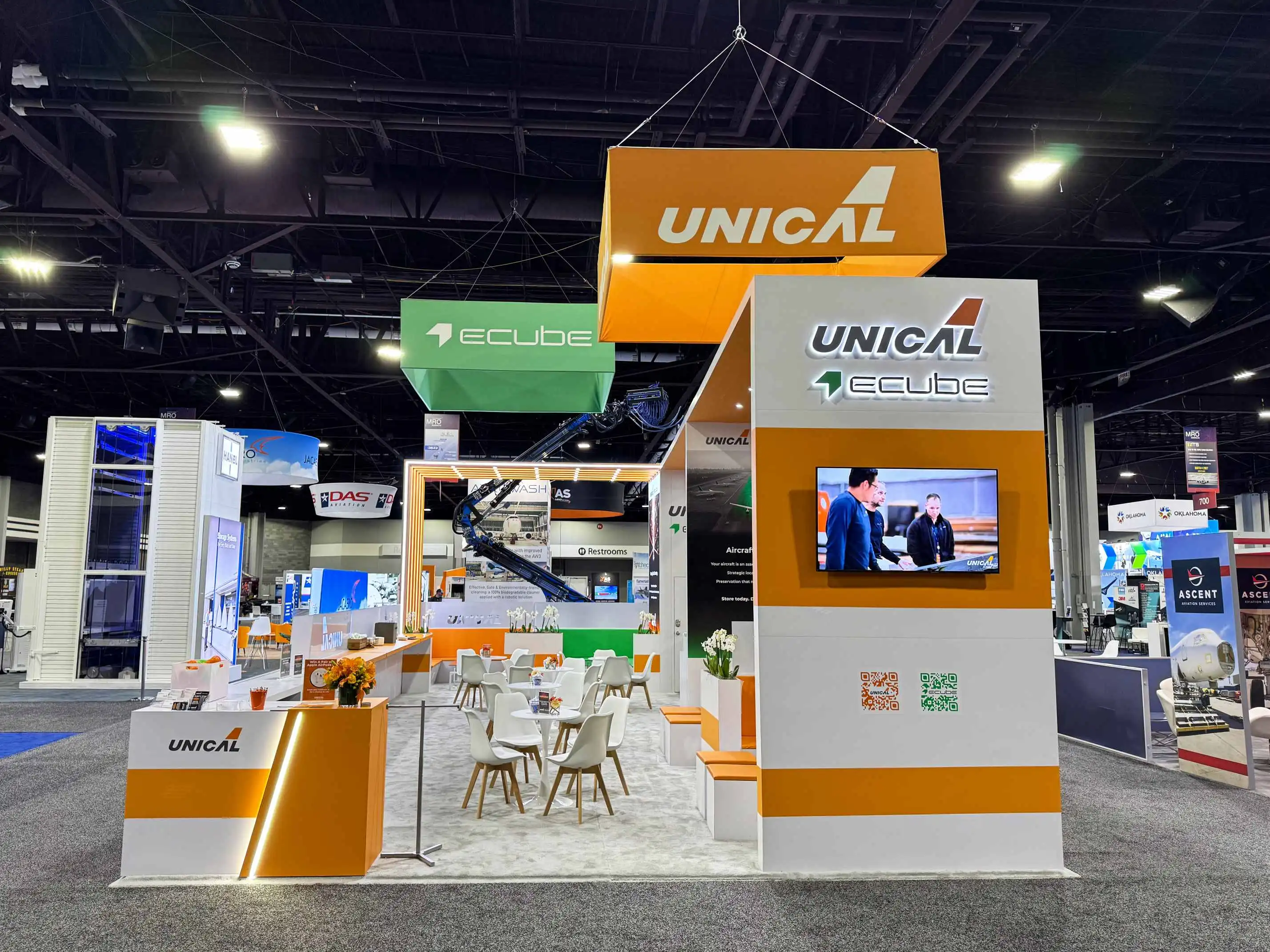
There are three main types of booths, each with its own set of business goals and cost constraints. For multiple events, Modular systems can be easily put together and changed because they use pre-engineered metal frames and visual panels that can be switched out. These work great for businesses that go to 6–10 shows a year and value regularity and quick setup over uniqueness.
Custom-built exhibits include custom-made furniture, CNC-milled parts, and building elements that are made just for your brand. Medical gadget makers and Fortune 500 tech companies often choose custom solutions when the investment in brand differentiation is worth it. Hybrid approaches combine custom looks with flexible frames to create unique looks while still allowing for easy reconfiguration. This makes them perfect for growing businesses that need to balance tight budgets with high standards of professional presentation.
Tangible Business Benefits of Professional Construction Services
Professionally built booths have benefits that go beyond how they look. Brand exposure goes up by using smart height maximization (within the limits of the venue), integrated LED lighting that stands out in busy rooms, and consistent graphic treatments that send brand messages right away. When designing a booth, it's better to include useful demonstration areas, comfortable meeting places, and planned traffic flow patterns that make people stay longer.
Companies report 30–40% higher lead grab rates when the design of the booth puts the experience of visitors ahead of just showing off products. A better return on investment is achieved through long-lasting construction that can withstand 5–7 years of transport cycles, flexible parts that can be put together to fit different booth sizes (which cuts down on the need for multiple inventory sets), and professional installation that avoids expensive repairs on-site.
Material Selection and Design Trends Shaping Modern Booths
Modern trade show booth construction puts an emphasis on being environmentally friendly without sacrificing sturdiness. Silicone Edge Graphics (SEG) systems are becoming more popular. These are cloth graphics with silicone beading that fit into aluminum frames. They offer vivid color reproduction, wrinkle-free presentation, and small shipping profiles that lower drayage costs by 40–60% compared to rigid panels. High-pressure laminates with matte finishes look classy and don't show fingerprints or scratches when people walk on them all the time.
Clean lines, open sightlines, strategic negative space, and built-in technology instead of extra screens are all examples of minimalist design principles that are popular right now. These things work together to make spaces that feel high-end and friendly, which is important for attracting today's picky B2B buyers who go to dozens of shows every year.
How to Build a Trade Show Booth: Step-by-Step Guide and Best Practices
To build a booth that looks good, professional trade show booth construction requires methodical planning and attention to technical details that separate amateur setups from professional installations.
Strategic Planning Phase: Layout, Electrical, and Traffic Flow
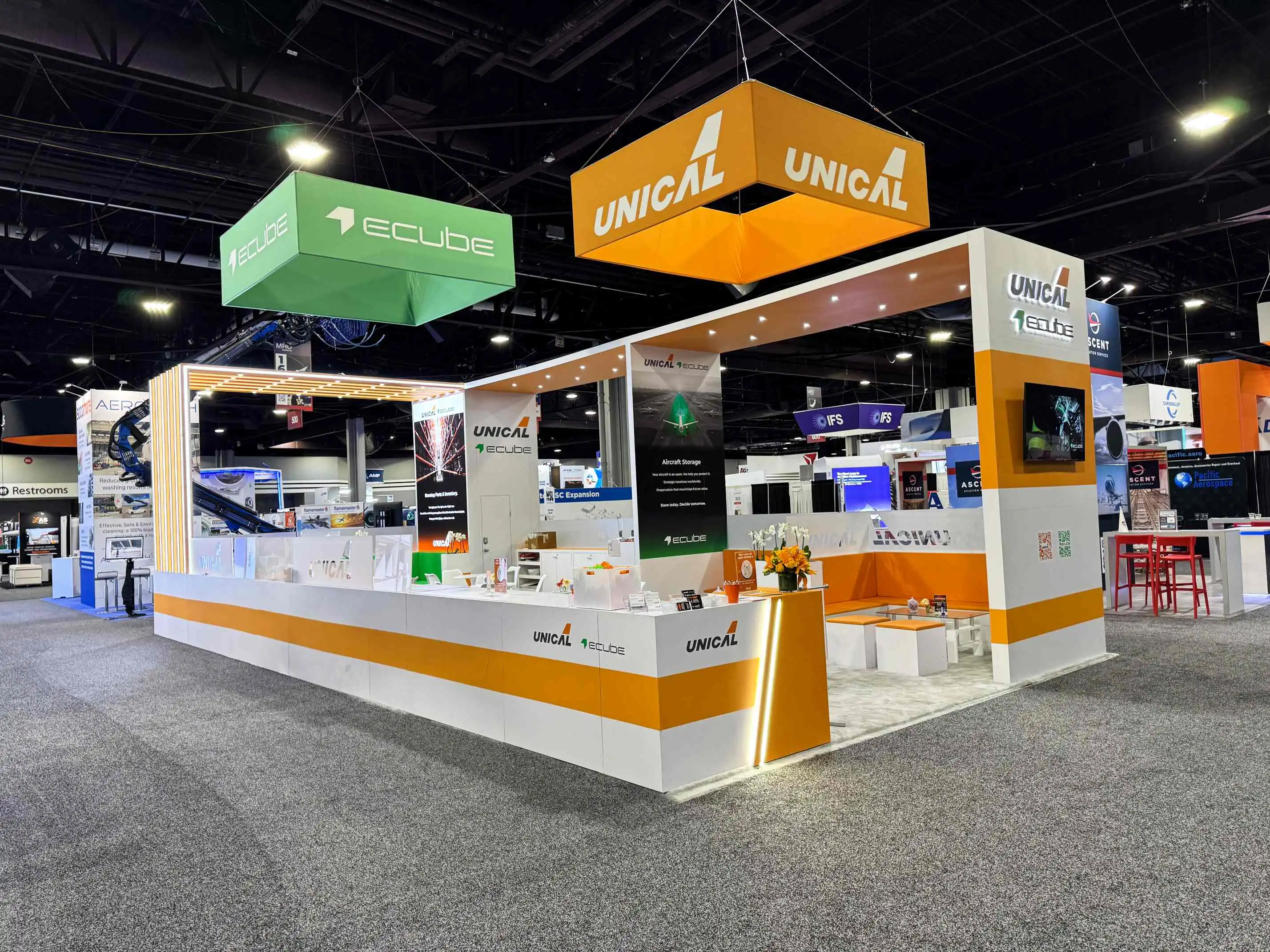
Building a good booth starts months before the event with careful planning. To get the best floor plan, you should first know what kind of booth you have: inline (10x10 or 10x20), peninsula (open on three sides), or island (open from all sides). Each type has its own design restrictions and possibilities. When you plan traffic flow, you put high-value demos or meeting rooms in the back. This makes natural paths that draw people deeper into your space instead of letting them quickly pass through at the edges.
Electrical planning includes figuring out how much amperage all the equipment (computers, monitors, lighting, product demos, etc.) needs, marking where the outlets should go so that extension cords don't stick out, and working with general contractors weeks ahead of time because show floor electrical orders usually need to be placed 30 days in advance. Lighting integration includes more than just basic lighting. It also includes accent lighting to draw attention to important goods, backlit graphics to give images depth, and spotlights that can be adjusted for display areas.
Construction Execution: Modular vs. Custom Approaches
Standardized parts, usually T6063-T5 aluminum extrusions, are used in modular building. These parts are put together with cam locks or bolt-through links that make setup possible without special tools. This method works great for businesses that want to show at places that require union workers because it cuts down on the time and money needed for expensive Installation and Dismantle (I&D) labor hours. Custom building includes making one-of-a-kind parts out of engineered wood, finishing them with brand-name laminates or paint, and adding design features that can't be done with off-the-shelf systems.
Custom projects need skilled builders, longer lead times (8–12 weeks vs. 4–6 weeks for modular), and careful shipping methods to protect the finished surfaces. Usually, booth size and frequency play a big role in the decision-making process. Spaces smaller than 20x20 that attend fewer than four shows a year can benefit from modular efficiency, while larger footprints at major industry events warrant custom investment when brand presence directly correlates to revenue opportunities.
On-Site Assembly and Safety Compliance Essentials
Professional booth setup follows strict safety rules that keep both workers and visitors safe. All products must have NFPA 701 flame certifications, which can be checked by showing proof to fire marshals during pre-show checks. Engineers have to do estimates on structural elements to make sure they can hold the weight of booths with hanging signs, product displays on raised platforms, or double-deck meeting rooms. The people who work on the site have to accept the rigging points, and they can't hold more weight than what's allowed without extra support.
The National Electrical Code (NEC) rules say how electrical connections should be made, and all the wiring should be hidden inside structure elements or over cord covers that meet ADA standards for trip hazards. We plan inspection time into our setup schedules, and booth building is usually done 4 to 6 hours before the show starts so that we can take care of any fire marshal or show management concerns without affecting your event's readiness.
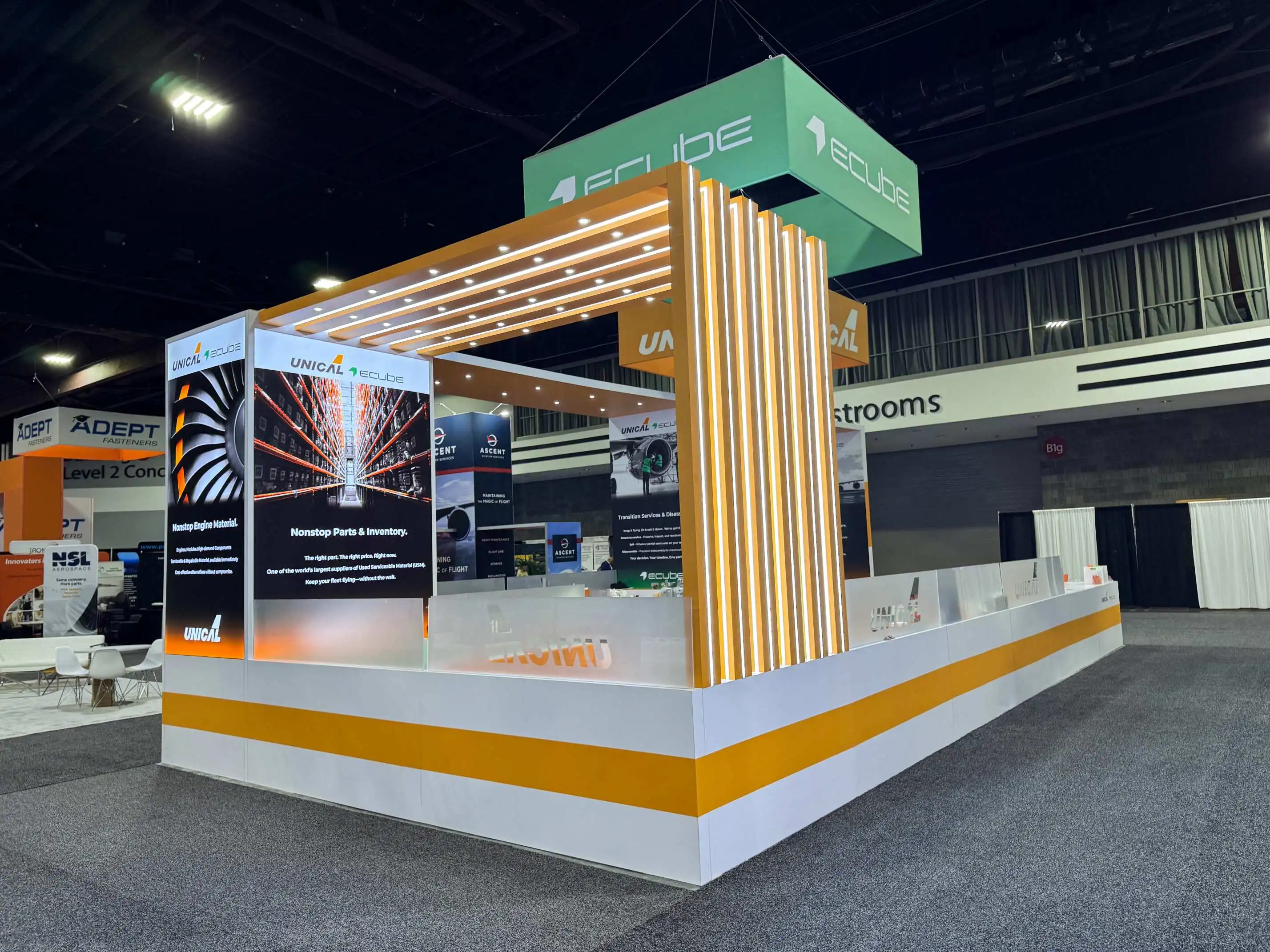
Comparing Trade Show Booth Construction Options: Making the Right Choice
When making a procurement choice, it's important to weigh the short-term costs against the long-term benefits, brand consistency needs, and changing sustainability standards for trade show booth construction.
Rental vs. Owned Booth: Financial and Strategic Implications
Rental booths offer complete solutions with set costs that are known ahead of time for each event. Exhibit houses take care of planning, building, shipping, setup, and takedown. This model works for businesses that are trying out new markets, going to one-time events, or don't have the resources to handle the details of their own exhibits. Rental prices for full sets that include logos, furniture, and A/V equipment are usually between $150 and $300 per square foot.
About the fourth event a year, owning a unique 20x20 booth costs $60,000 to $80,000, while renting one costs $20,000 per event. After three to four uses, the cost of ownership evens out. In addition to being more cost-effective, owned booths provide better brand consistency across multiple events. This means that your sales team can get used to the area and attendees will quickly know your brand. Ownership also lets improvements be made over time based on how things work in the real world, rather than starting from scratch every time.
Custom vs. Standard Construction: When Tailored Solutions Justify Investment
Standard modular systems work well for many types of exhibitions, especially when booth sizes stay the same and brand standards are flexible enough to work with system limits. If your products need specific ways to be displayed (for example, heavy equipment needs reinforced flooring, medical devices needs cleanroom aesthetics, or technology products need integrated cable management for multiple demo stations), if you need to stand out from the competition visually, or if the size of your booth changes a lot from one event to the next and you need architectural elements that can be reconfigured instead of replacing whole systems, then custom construction is the way to go. With hybrid methods, the funding gap is much smaller. Custom front-of-house parts make lasting first impressions, while modular frames are used for back-of-house functions.
Sustainable Construction: Materials, Certifications, and Long-Term Value
Environmental responsibility is becoming more and more important in purchasing choices, which are influenced by customer standards and business sustainability requirements. Sustainable booth building uses parts that can be used more than once, lightweight materials that lower the impact on the environment, and responsible management of materials that have reached the end of their useful life. For example, aluminum extrusions can be recycled over and over again without losing any of their quality, fabric graphics can be washed and replaced without having to throw away the frames, LED lighting uses 75% less energy than halogen alternatives, and FSC-certified wood products can be used when solid substrates are needed.
Our clients work with us to get certifications like ISO 14001 environmental management compliance and LEED concepts that can be used for temporary buildings. These methods lessen the environmental effect of each event by 40 to 60 percent, and they often lower the total cost of ownership by making materials last longer and cutting down on shipping costs.
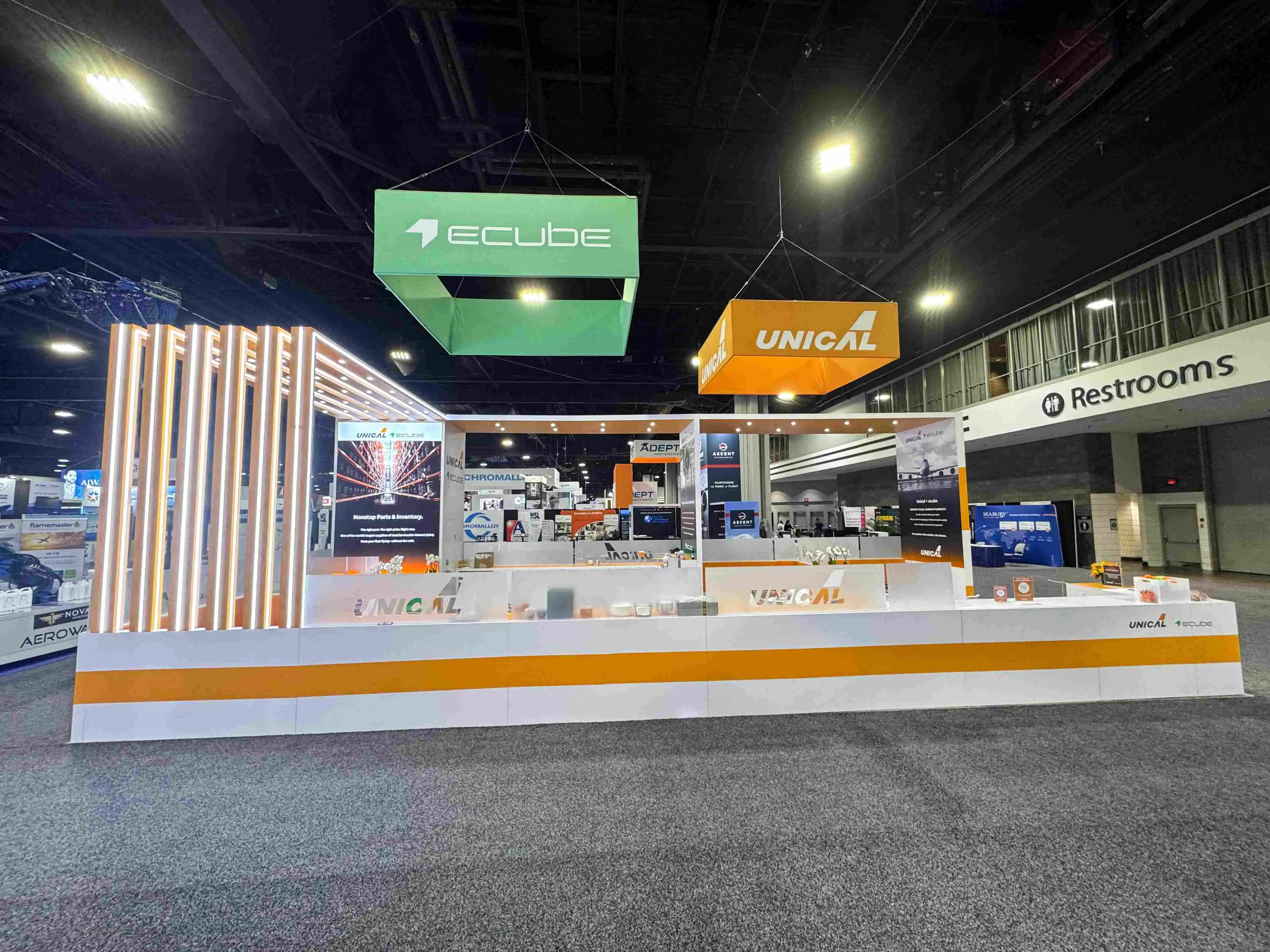
How to Choose a Trade Show Booth Construction Service Provider
Choosing the right trade show booth construction partner will determine whether your investment in an exhibit gives you great returns or causes you a lot of trouble that costs a lot of money.
Essential Evaluation Criteria for Booth Construction Vendors
When evaluating a vendor, more than just the price should be taken into account. Providers who work with your industry know the rules (like FDA compliance for medical displays and explosion-proof electrical for energy sector booths) and how to make events that your target audience will find useful. The quality of your portfolio shows how good you are at looking good, how technically advanced you are, and how flexible you are with different booth sizes and styles.
Service comprehensiveness decides whether you work with one source that handles all the details or with multiple vendors, such as a logo designer, electrician, furniture rental company, and shipping company. Turnaround flexibility tells you if the provider can make design changes at the last minute, speed up the process if you need to book a booth quickly, or fix problems that happen during shipping at the last minute. References from clients whose booths were similar in size, business, and number of events give you a good idea of how well the booth will work.
Pricing Models, Contracts, and Negotiation Strategies
Professional service providers are set apart from those who add hidden costs by clear price systems. Quotes that are complete should include costs for design, building labor, materials, graphics creation, shipping/crating, on-site services (like set-up, take-down, and show monitoring), and storage between events. Pay attention to unclear line items like "installation supplies" or "miscellaneous fees" that make the real costs go up. Clear contracts protect both parties.
They should include delivery dates with penalties for late deliveries that affect your event readiness, change order procedures with pricing guidelines, who owns booth parts and graphics files, storage terms such as access and insurance coverage, and warranty coverage for structural parts and graphics longevity. You have more negotiating power when you make promises for more than one year (15–25% off for 3-year contracts), combine multiple events with one vendor, or offer flexible timing so providers can make the most of their production schedules.
Our Approach: Client-Centered Solutions with Local Las Vegas Advantages
As a company, HR Exhibits Service, Inc. has built its name on providing excellent booth building services that are tailored to the specific needs of exhibitors in the medical, technology, construction, food and beverage, and industrial industries. Companies that display at big shows in Las Vegas can get a lot out of our facility. For example, SuperZoo (August 12–14, 2026, at the Las Vegas Convention Center) is a great place for pet industry names to show off their goods to retailers and distributors. Our local presence takes away the hassles and costs that come with logistics for out-of-state and international exhibitors.
You can quickly make changes in our workshop, and we'll be there to help you during the whole event. For companies that attend multiple Las Vegas shows a year, we also offer secure storage close by. We look at every project from a global viewpoint because we know the challenges that foreign companies face when they come to the US to exhibit. Our full-service deal includes everything from coming up with the idea to setting up the booth on-site. This way, you can focus on talking to people while we make sure your booth works perfectly.
Latest Trends and Innovations in Trade Show Booth Construction
To stay competitive in show marketing, you need to use new technologies and design ideas that make the experience of attendees better for trade show booth construction.
Technology Integration and Smart Booth Systems
Instead of adding screens and other technology to old booths after the fact, modern booths are built with complex technology systems from the very beginning. Smart electrical systems have programmable lighting that changes color temperature and intensity throughout the show day (bright and energizing during busy times, softer and more intimate during networking hours), charging pads that are built into countertops and meeting tables that can be charged wirelessly, and control panels that can manage all of the booth's systems from a single screen.
Cable management is more than just hiding wires; it now includes making easy-to-reach paths that let you quickly switch out equipment without taking the booth apart, which is very important when you're trying different show setups or changing broken hardware. Applications that use a lot of bandwidth, like live product demos, videoconferencing with team members who are far away, and real-time lead capture systems that sync quickly with your CRM platform, can run on a strong network infrastructure.
Interactive Elements and Experiential Design
In places where every dealer is trying to get people to interact with them, static displays of goods don't get people's attention. These days, booths are built with engaging features that turn watching something into actively taking part. Touch-enabled video walls let people look at product specs, set up custom solutions, and read technical documents at their own pace, without needing help from staff for simple questions. With augmented reality apps, digital information is superimposed on real-world objects, showing internal parts, showing goods at scale in real-world settings, or creating a picture of customization choices that can't be shown physically.
Gamification techniques, such as product knowledge questions with prizes, engaging tasks that show off product capabilities, and digital leaderboards that encourage friendly competition, increase dwell time and create unique experiences that will help people remember your brand weeks after the event is over. These parts need to be built in a way that takes into account the weight of the equipment, provides safe fixing points, controls the flow of heat from electronics, and makes sure that the heights of interactions are comfortable.
Modular Flexibility for Multi-Event Strategies
Companies that go to a lot of different events and have booths of different sizes benefit from building strategies that put flexibility first. Modern modular design divides booth architecture into useful modules that can be reconfigured to fit different spaces. These modules include greeting desks, product display units, meeting rooms, and storage areas. For regional events happening at the same time, a 20x30 island booth could be broken down into parts that could be used for a 10x20 peninsula booth and a separate 10x10 straight booth.
This method increases the return on booth investment, cuts down on storage needs compared to keeping different booth inventories, and makes sure that the brand is consistent at all events. The hardest part of construction is making modules that can work on their own or as part of a larger system. This requires careful planning for electrical connections, graphic treatments that can be used in different ways, and structural parts that look finished from all sides, no matter how the modules are arranged.
Conclusion
For strategic trade show booth construction, you have to balance the effect of the design with the realities of logistics, the goals of the business with the limits of your budget, and the needs of today with the benefits of tomorrow. Professional building services offer measured benefits like higher brand exposure, more engaged visitors, and a higher return on investment (ROI). They also handle complicated technical issues like meeting fire safety standards and integrating advanced technology.
You can be a company founder who wants to be creative without spending a lot of money or a corporate marketing manager who wants to put together big brand experiences. To be successful, you need to choose the right booth type, building method, and service provider for your goals. Environmental rules, interactive technologies, and the ability to change the layout of booths are some of the things that are changing the show environment. When you work with experienced providers who understand these factors, trade shows go from being an unnecessary cost of marketing to a smart growth driver.
FAQ
What are typical costs for custom trade show booth construction?
The cost of building a custom booth depends a lot on its size, complexity, and the materials used for trade show booth construction. Custom 10x10 straight booths start at $8,000 to $15,000, while 20x20 island booths cost between $40,000 and $80,000. Large shows (30x40 or bigger) can cost more than $150,000. Design, building, and graphics are all included in these numbers, but shipping, installation work, and show services are not. For 10x10 layouts, modular systems start at lower prices ($3,000 to $6,000), and rentals start at about $1,500 per event. For a clear picture of all costs, the budget should set aside about the same amount of money for building and show-related services like drayage, electricity, and labor.
How long does booth construction typically require?
Timing depends on how complicated the booth is and how busy the vendors are. From acceptance of the design to delivery, modular booth projects that use current system parts are finished in 4 to 6 weeks. Custom builds take between 8 and 12 weeks to complete, including developing the design, getting client feedback, fabrication, images production, and quality testing. When things need to be done faster, rush deadlines are available for extra fees. Planning should start four to six months before big events to make sure that the chosen vendor is available and to give time for careful design development instead of hasty decisions.
Can rented modular booths be customized?
Good hiring programs let you change a lot of things about the system. Graphics, colors, layouts, accent choices (like counters, shelves, and lighting), and furniture options let you make shows that are right for your brand without having to pay for custom construction. Some limitations are changes to the structure, the use of secret materials, and total changes to the way the product looks. When you rent base structures but own custom-branded elements, you get a middle ground option that strikes a balance between brand recognition and freedom.
Partner with Experienced Trade Show Booth Construction Professionals
To exhibit at big industry events like SuperZoo, CES, SHOT Show, or Conexpo, you need more than just a nice-looking booth. You also need a manufacturing partner who knows how to handle complicated procedures, can do the job reliably, and can provide quick local help during the event. For vendors in the industrial, medical, technology, construction, food and beverage, and other industries, HR Exhibits Service, Inc. specializes in complete trade show booth construction.
Our Las Vegas facility has a lot of benefits, such as quick entry for last-minute changes, on-site help during your event, and affordable options for companies that go to more than one show at the Las Vegas Convention Center. We help foreign and out-of-state exhibitors with every step, from the first idea to the final takedown. This makes sure that everything goes smoothly, so you can focus on engaging guests instead of worrying about logistics. Email us at info@hrexhibits.com to talk about your future show needs and find out how our experience can turn booth construction from a problem to an opportunity.
References
1. Freeman, R. (2024). Trade Show Exhibiting: The Insider's Guide for Entrepreneurs. Exhibition Publishers International.
2. Miller, S. & Thompson, K. (2023). Exhibit Design: Practical Strategies for Success. Business Marketing Press.
3. National Fire Protection Association. (2025). NFPA 701: Standard Methods of Fire Tests for Flame Propagation of Textiles and Films. NFPA Publications.
4. Trade Show Exhibitors Association. (2024). 2024 Exhibitor Trends Report: Investment Priorities and ROI Metrics. TSEA Research Division.
5. Wagner, D. (2023). Sustainable Exhibition Design: Materials, Methods, and Best Practices. Green Event Publications.
6. International Association of Exhibitions and Events. (2025). Technical Standards for Trade Show Construction and Safety Compliance. IAEE Standards Committee.

Embark on Your Journey to Exceptional Exhibitions! Contact HR Exhibits Today to Transform Your Vision into Global Success.
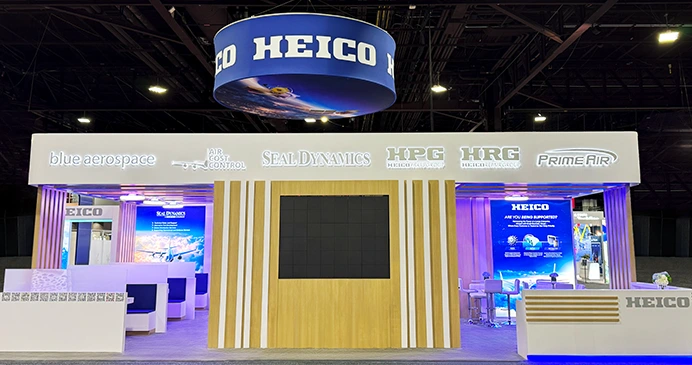
HR Exhibits Service, Inc.