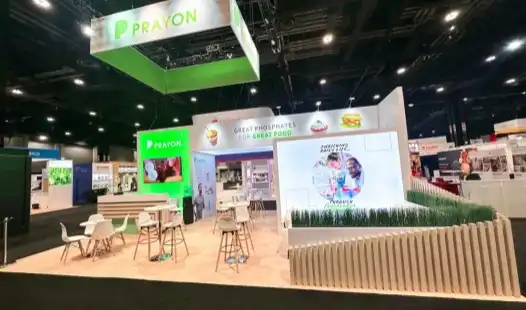
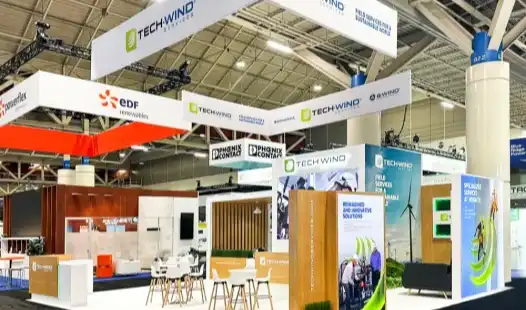
4 innovative lighting solutions for trade shows
Lighting is more important than most sellers think when planning their next trade show appearance. Strategic lighting is an important part of event booth design because it helps draw people in, directs traffic, and tells your brand's story in a matter of seconds. Traditional lighting sets can't solve problems like high energy costs, rigid configurations, and lackluster visual effect. Modern lighting solutions can. With the right lights, a simple booth can become a draw for people, which directly increases the number of people who interact with and buy from the booth while keeping costs low.
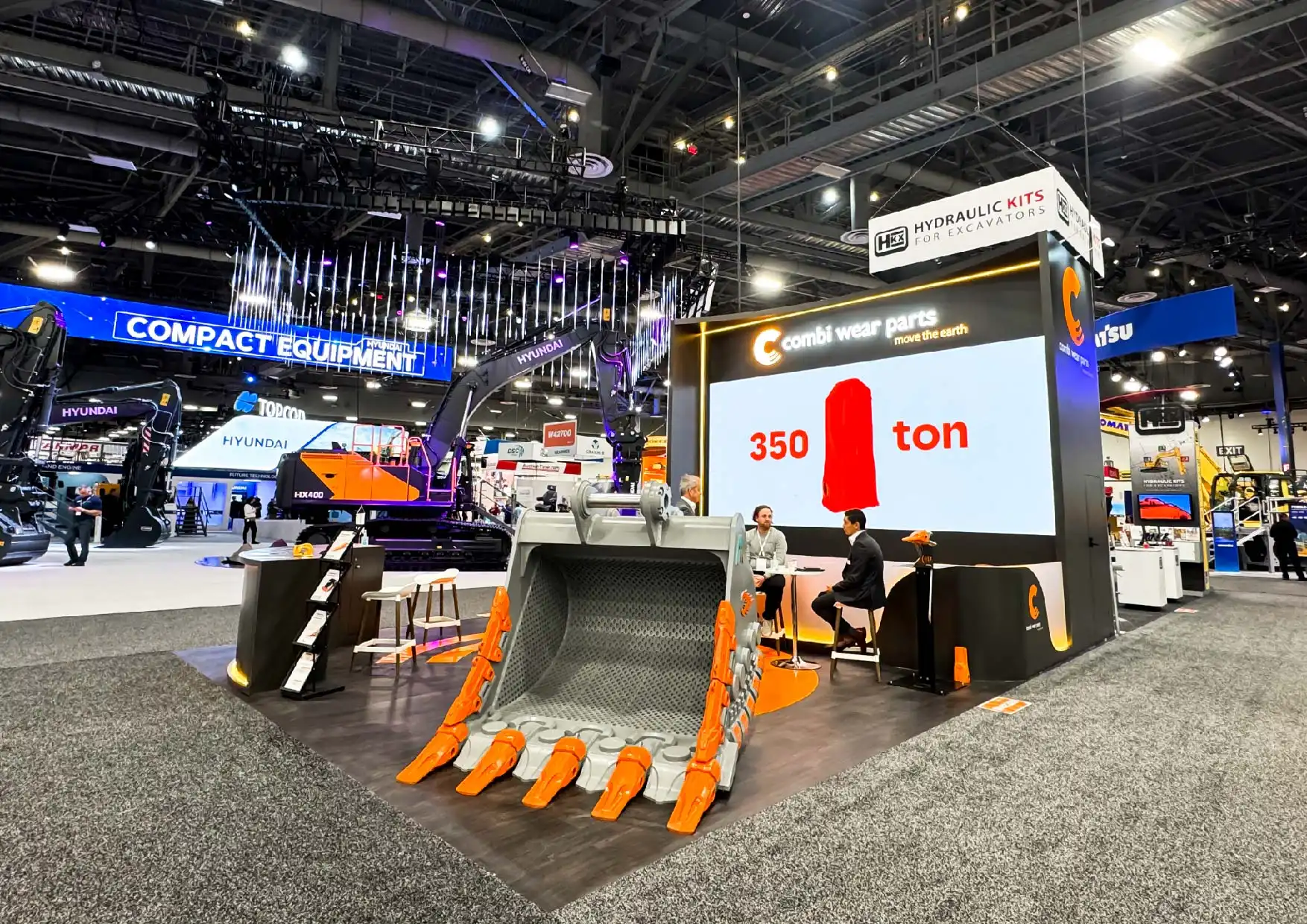
Understanding Current Challenges in Trade Show Lighting
Older lighting systems just can't handle the unique challenges that come up at trade shows. The waste of energy is still a big problem, since regular LED and incandescent light bulbs use too much power and make too much heat. These methods raise the cost of doing business and make places less pleasant, which makes people leave faster.
Setups that aren't flexible make the problem worse. A lot of exhibitors buy lighting systems that can't be changed to fit different booth sizes or setups at different events. This inflexibility loses money and makes it harder to rearrange displays based on the needs of the show or the goals of the products.
The least amount of damage from visitors may be the worst. Generic ceiling lighting makes displays that are flat and boring, and they don't make your booth stand out from the dozens of others around you. People walk by without stopping because there is nothing that makes them want to.
These problems have a direct effect on your bottom line. Bad lighting makes it harder to remember a brand, shows off products less well, and eventually generates fewer suitable leads. A medical device company we worked with found that their complicated equipment demos were hard to see in normal venue lighting. As a result, 40% less people visited their booth than the previous years.
These problems are solved in a planned way by upgrading to more advanced lighting systems. Strategic lighting draws attention to your most important goods, sets up a visual hierarchy that successfully communicates your brand's story, and can be used in a variety of booth setups at different trade shows. The investment pays off with higher involvement, a better image of the business, and a measurable rise in return on investment (ROI).
Four Innovative Lighting Solutions Transforming Trade Show Booths
Modern show lighting has changed a lot, giving vendors powerful tools to get the most out of their booths. These new technologies solve old problems while also creating new ways for brands to express themselves and for visitors to interact with them.
Dynamic LED Systems
LED technology has grown up and is now the mainstay of professional booth lighting. By using up to 75% less energy than standard lights, these systems offer customizable lighting that needs less power. Dynamic LEDs work well with flexible booth designs and let you change the color temperature and strength of the light throughout the day.
There are more useful benefits than just saving energy. LED systems don't make a lot of heat, so they're good for places where people can talk for a long time, such as an event booth design. Because they are small, designers can put lights in tight areas to light up things like product shelves, backlit logos, and architectural elements without having to use big fixture housings. Color-changing features let you make real-time changes to your branding, going from cool tones in the morning to warmer tones that make places feel more welcoming in the afternoon.
Intelligent Sensor-Activated Lighting
Interactive lighting systems change based on how many people are present, making situations more personal and engaging. When people walk up to certain product displays, motion sensors set off spotlight effects that draw instant attention to the sample areas. Proximity-activated lighting easily directs traffic flow by lighting paths and product areas based on what's happening at the booth in real time.
For a tech company at CES, we set up sensor-activated systems that made the lights brighter as people went deeper into the booth. Compared to their old static lighting setting, this subtle advice made people stay on the page 60% longer on average. The system also gathered anonymous information about traffic patterns, which helped the client figure out the best places to put products on future shows.
Augmented Reality Projection Mapping
With projection mapping, regular booth surfaces can be turned into moving storyboards. This technology puts digital content on top of real buildings, making brand experiences that are more engaging and dramatically different from your competitors'. Medical companies use projection mapping to see how complicated pieces of equipment work on the inside, while manufacturing companies use booth walls to show how they make things without having to move heavy equipment.
People on busy show floors can't help but notice the outward effect. People's eyes are naturally drawn to movement and changes in color, which stops people in their tracks. Projection mapping also gives you more freedom than any other method because you can change the content online without changing the booth itself. This means you can tailor your messages to different show days or groups of people.
Sustainable Solar-Powered Solutions
Lighting that is good for the environment fits in with companies' growing demands for sustainability and saves money at the same time. When solar-powered LED systems are paired with battery storage, venues need less electricity and often don't have to deal with costly power outages at all. These options are especially good for businesses that sell green items or want to reach industries that care about the environment.
Thanks to improvements in battery technology, small power units can now run all day. We recently gave an outdoor equipment brand solar-powered lights for event booth design at several shows in a row. This cut their yearly electricity costs by $12,000. It also made their environmental messages more credible.
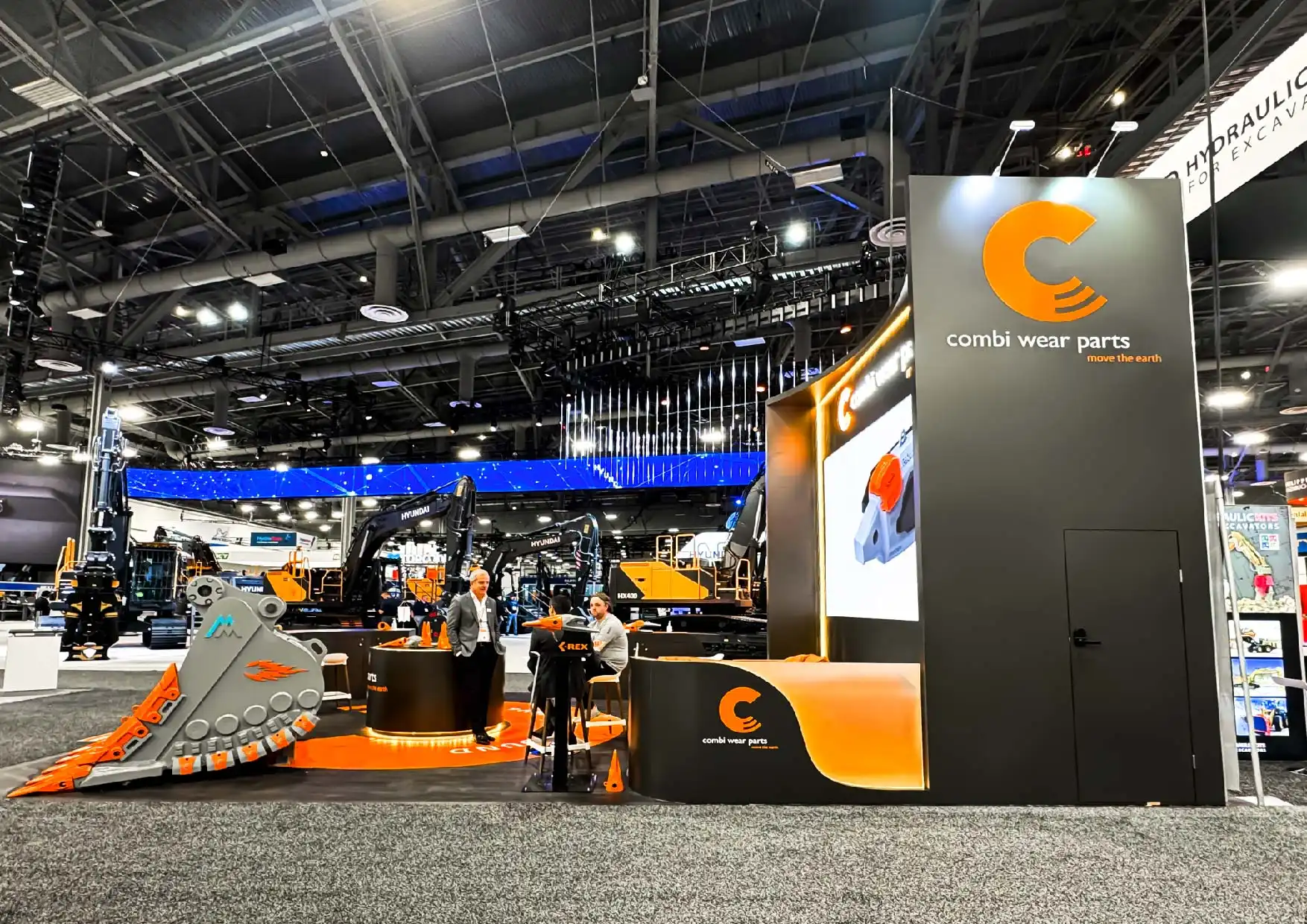
How to Select the Best Lighting Solution for Your Trade Show Booth
To pick the right lighting for your show, you have to weigh a number of different factors that affect how the lights work. The size of the booth tells you what your basic needs are. Small 10x10 rooms need lighting that makes the most of the limited roof space without taking up too much space. Island booths that are 20x30 or bigger need more than one type of lighting. They need general lighting to make everything easy to see, spot lights to draw attention to important goods, and architectural lighting to define different areas.
Budget concerns go beyond the initial cost of the buy. Look at the total costs of ownership, such as transportation, installation work, energy use, and repairs. LED systems require a bigger investment up front, but they have lower running costs over many shows. Companies that are trying out new booth ideas or don't show very often should rent, while companies that go to four or more events a year should buy.
Brand goals determine the style and volume of lights. A lot of the time, tech companies like clean, bright lighting that makes them look innovative and precise. Most of the time, luxury brands choose lighting that is warmer and more dramatic to create a cozy, high-end atmosphere. Before finalizing specifications, the company that designed your booth should run lighting models that show how different fixtures work with your graphics, goods, and building features.
Custom lighting patterns give you the most options and create unique looks. Our design team makes custom solutions with branded color temperatures, custom light settings, and control systems that are built right in. Modular options offer cost-effective scaling, with standard parts that can be easily rearranged to fit booths of different sizes while keeping the brand's look the same.
Evaluating suppliers saves your money. Look over showcase work that is specific to your business and look at how lighting improved the look and usefulness of the booth. Customer reviews show dependability during high-pressure installation windows and quick action when issues arise. After-sales service is very important. For example, lighting problems during a show can't happen, so you have to get expert help right away.
Practical Tips to Maximize Lighting Impact in Trade Show Booths
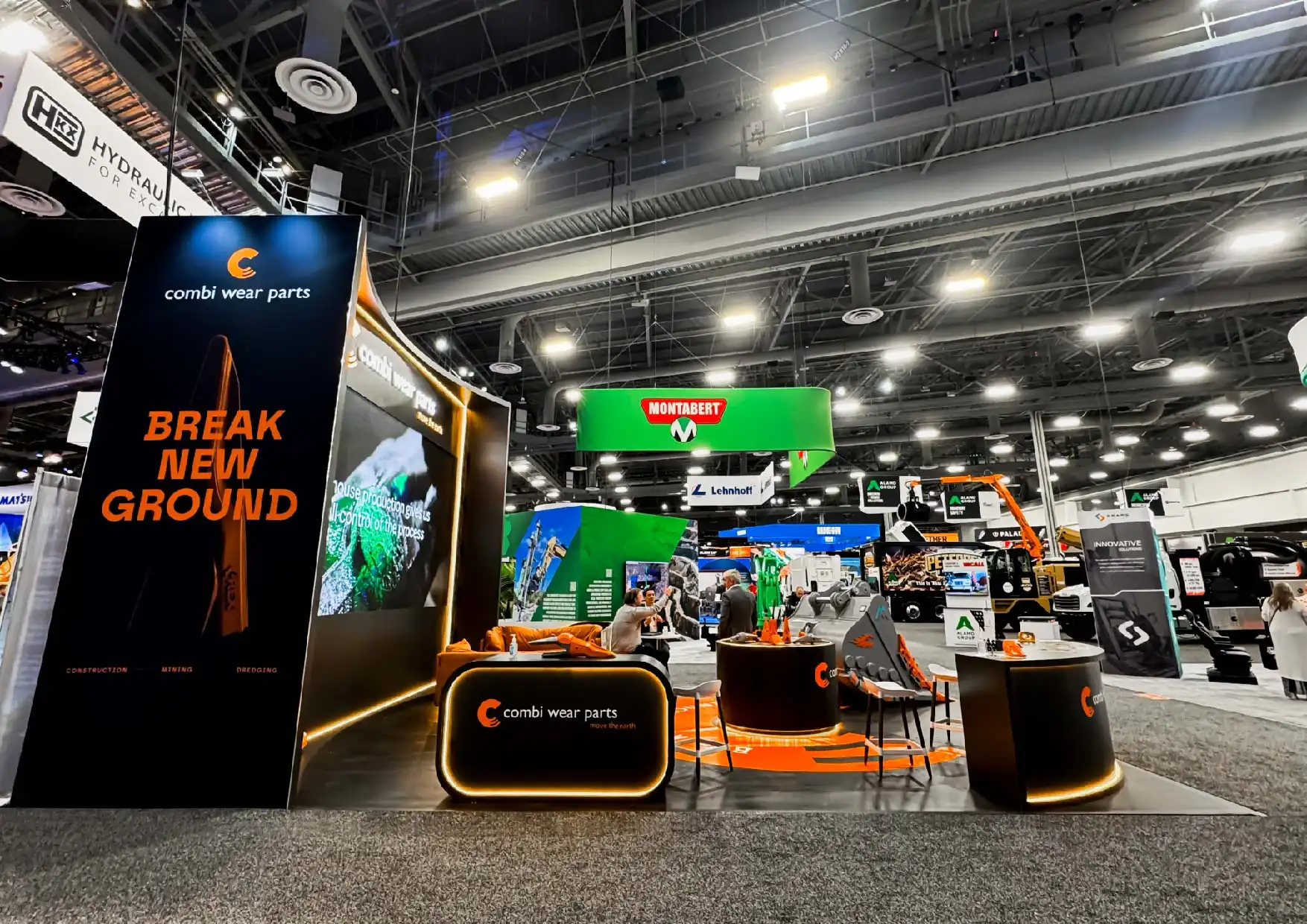
To make lighting work better, you need to pay attention to technical details and plan ahead. The arrangement of lights forms a visual hierarchy that guides people's attention in a planned way. Put the main lights that draw attention to the hero items at eye level and set them at 30-45 degree angles to get rid of glare and make shadows that look like they have depth. Backlit graphics are great for brand messages because they create bright focus points that can be seen from far away on busy show floors.
Booth plan integration makes sure that the lighting fits in with your space design instead of clashing with it. Lights from above should shine down on paths without leaving dark spots where things go missing. Task lighting that accurately renders colors is needed in demonstration zones. This is especially important for medical devices, food goods, and other things where color perception affects buying decisions.
Planning precision has been greatly improved by new design tools that can simulate lighting. We use rendering tools that model the exact fixture specs in your CAD event booth design. This lets you see exactly how the lighting will look at the venue. These models make it easier for marketing teams to agree on the look of something and technical staff to keep track of the installation requirements.
Costly shocks can be avoided by planning the work ahead of time. American trade show sites have strict rules about electricity codes and the weight of rigging. Check the power needs weeks before the show and make sure that the available lines meet your lighting needs. Hanging fixtures need technical certifications that show they are safe, and our team takes care of that paperwork as part of our full booth services.
Maintenance plans make sure that the system always works right. While LED systems don't need much maintenance, it's a good idea to test their operation before a show. Bring extra light fixtures for important lighting parts, especially if your booth has unique lit parts that are important for showing off your brand. As part of our turnkey services, we offer maintenance, which includes checks before the show and on-call help during the event times.
Looking ahead, SuperZoo, which will take place in Las Vegas, Nevada, from August 12–14, 2026, is a great chance for pet industry names to use these new lighting ideas. Thousands of stores and marketers looking for interesting product presentations come to this big industry event. Better lighting in the booth helps sellers stand out in places where hundreds of brands are all trying to get the attention of buyers at the same time.
Future Trends in Trade Show Lighting and Event Booth Design
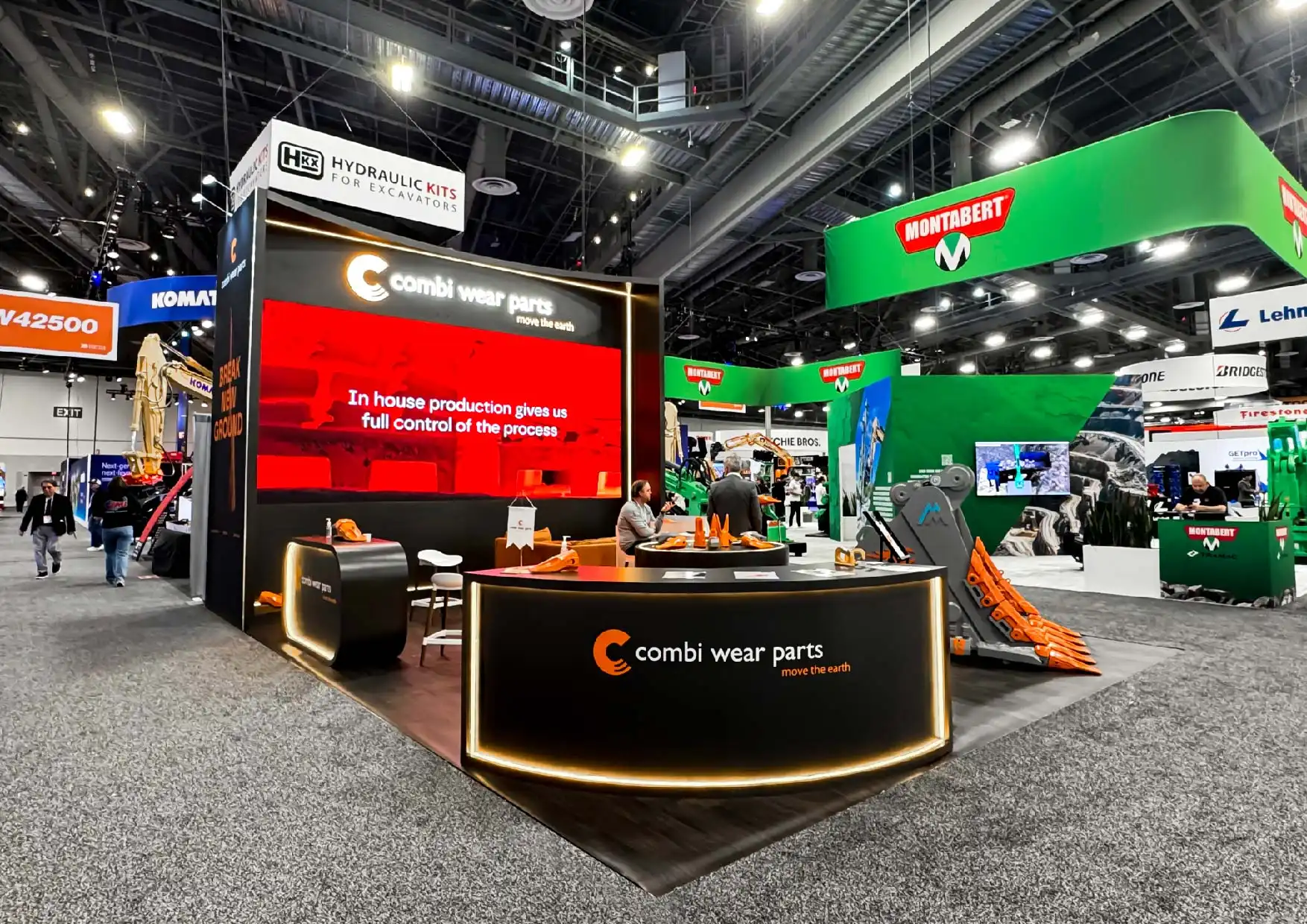
Within the next few years, the lights in exhibitions will be changed by the use of artificial intelligence. AI-powered systems watch how visitors act in real time and change the lighting automatically to keep people interested. These flexible platforms can figure out how much traffic there is and turn on more lights in areas with a lot of activity while turning them off in areas that aren't being used right now. In the future, machine learning programs will be able to figure out the best way to set up the lighting based on the time of day, the type of crowd, and the products being shown.
Smart energy management and sustainable materials will go from being competitive benefits to things that everyone expects. Major trade shows are making it more and more necessary for participants to show how their products affect the world. Lighting uses a lot of energy. Solar charging and improved battery systems will become normal for brands that are on the cutting edge, especially those that want to attract B2B buyers who care about the environment.
These changes in technology will have a big effect on choices about what to buy. The budget will favor flexible tools that can be used in a variety of display settings for more than one year. Companies that want to stay ahead of the competition will look for providers that offer integrated solutions, which combine booth manufacturing skills with advanced lighting design skills and ongoing technology support.
The coming together of real and virtual events will speed up. Hybrid events that combine real-life and virtual participation need lighting that works well for both people and television cameras. Having the right lighting is important for making sure that items look good on digital platforms and in person, which requires a lot of technology know-how.
Conclusion
Strategic lighting is one of the most important purchases you can make in a trade show strategy. Dynamic LEDs, sensor-activated systems, projection mapping, and environmentally friendly choices are the four new ideas we looked at. They all solve important problems and set up your brand for future show success. To choose the right technologies, you need to carefully look at the booth's requirements, your budget, and your brand's positioning goals, all of which directly impact event booth design. For implementation to work well, it needs people with a lot of experience who know both the artistic options and the technical needs that come with trade shows.
FAQ
What lighting intensity works best for trade show booths?
For general booth areas, the best lighting runs from 300 to 500 lux, and for featured goods, accent lighting can reach 1000 lux or more. Different types of goods have different lighting needs. For example, medical and tech products often need brighter, more neutral lighting for close study, while lifestyle brands may prefer warmer, softer lighting to make emotional connections.
How much do professional trade show lighting systems cost?
Lighting funds usually make up 15 to 25 percent of the total cost of building a booth. Custom LED systems for big island booths cost between $8,000 and $25,000, and modular systems for 10x10 booths cost between $1,500 and $3,000. Rental choices require less money up front and cost about 20 to 30 percent of the price of buying something for an event.
Can lighting really improve lead generation measurably?
Of course. Studies show that booths with professional lighting get 35–50% more qualified leads than rivals whose booths aren't lit well. Strategic lighting makes people more visible, keeps them there longer, and makes brand images that last, all of which directly affect post-show sales rates.
Partner with HR Exhibits Service, Inc. for Exceptional Trade Show Solutions
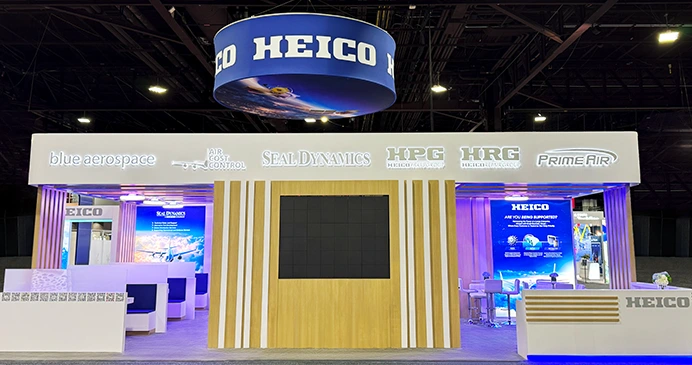
Putting together a successful show presence takes specialized knowledge and dependable execution. HR Exhibits Service, Inc. offers complete event booth design and building services that are suited to the needs of your business. We help exhibitors at big North American trade shows in the technology, industrial, medical, building, and consumer goods industries. Our headquarters are in Las Vegas, and we have our own fabrication plant.
From the first idea to the final installation on-site, our team takes care of every detail to make sure that your lights, structural elements, and brand message all work together perfectly. As a well-known company that makes booth designs, we offer local help to foreign and out-of-state exhibitors going to Las Vegas events like SuperZoo. This makes the logistics a lot easier. Email us at info@hrexhibits.com to talk about how our bundled services can help you get the most out of your next show investment.
References
1. Freeman, J. (2023). "Energy Efficiency Standards in Modern Exhibition Design." Trade Show Management Quarterly, 18(3), 45-62.
2. Martinez, S. & Chen, L. (2024). "Visitor Engagement Metrics: The Impact of Dynamic Lighting Systems." Journal of Exhibition & Event Studies, 29(1), 112-128.
3. Anderson, K. (2023). "LED Technology Applications in Temporary Architectural Environments." International Journal of Event Design, 7(2), 89-104.
4. Thompson, R. (2024). "Sustainable Practices in Trade Show Production: A Cost-Benefit Analysis." Event Industry Review, 41(4), 203-219.
5. Williams, D. & Park, H. (2023). "Projection Mapping and Augmented Reality: Transforming Brand Experiences at B2B Events." Conference & Exhibition Management, 15(3), 67-81.
6. Johnson, M. (2024). "AI-Driven Adaptive Systems in Exhibition Environments: Future Applications and Current Limitations." Smart Event Technology Journal, 6(1), 34-52.
Embark on Your Journey to Exceptional Exhibitions! Contact HR Exhibits Today to Transform Your Vision into Global Success.
HR Exhibits Service, Inc.