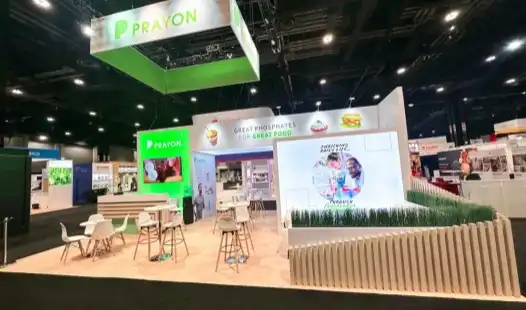
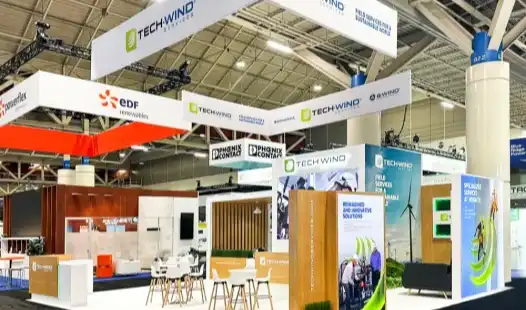
Top Trade Show Design Companies for CEDIA Denver Exhibitors
Exhibitors need to find trade show design companies that understand the specific needs of custom electronics showcases when they are looking for partners for the CEDIA event in Denver. Professional booth designers combine careful attention to architecture with telling stories about brands to create installations that turn marketing dollars into measurable engagement. The right design partner takes care of everything, from the first ideas to the final breakdown. This way, you can be sure that your appearance at CEDIA 2026 (September 1-4 in Denver, CO) accurately represents your technical expertise and market position.
Understanding Custom Exhibit Design for Technology Exhibitors
What Makes Exhibit Design Strategic for CEDIA Denver?
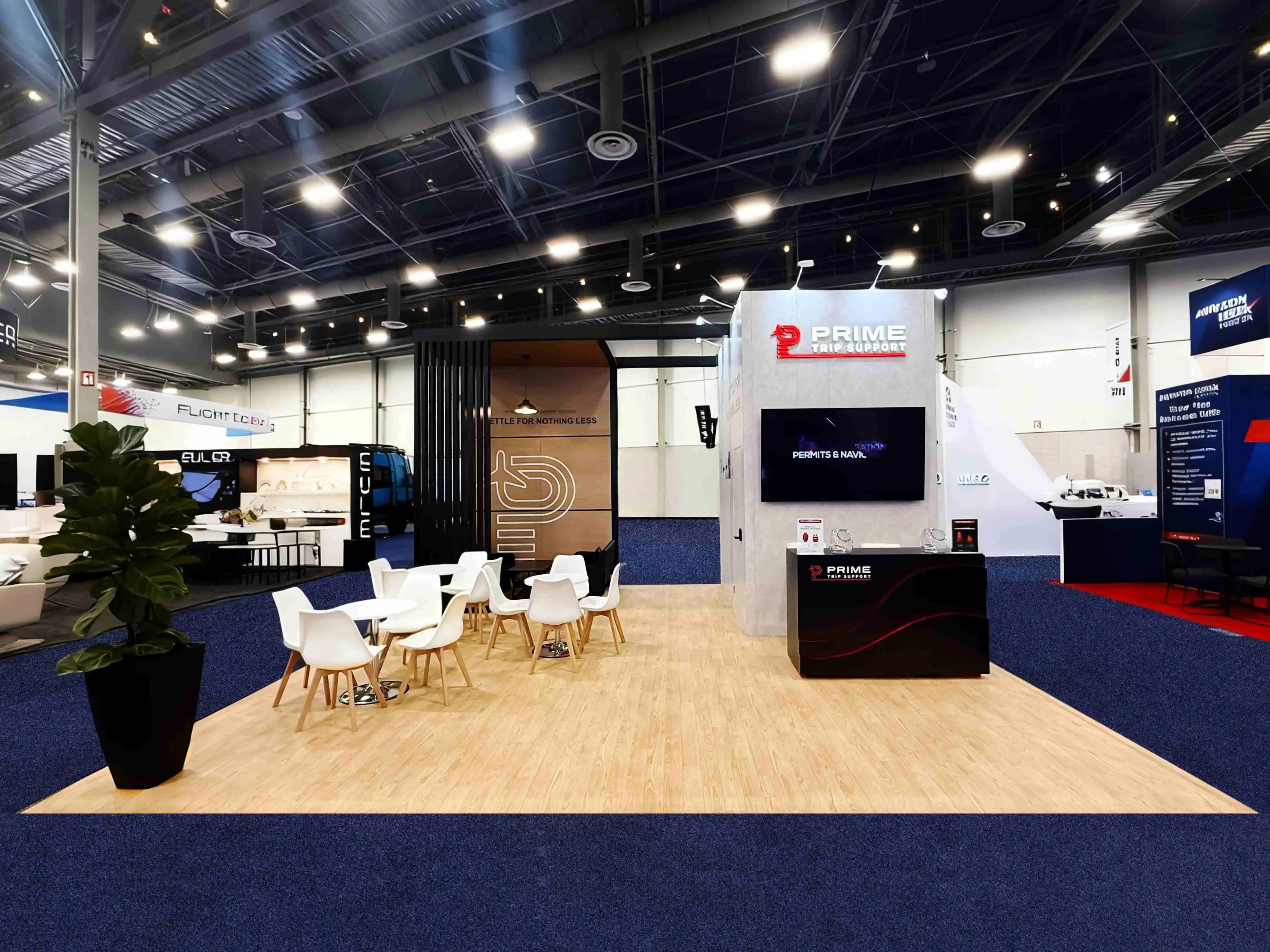
At CEDIA Denver, technology exhibitors have to show off complicated integration systems in a small space while still making the displays look good. The people who build custom booths make sure that there are areas for showing off products and talking to people, so that people can have useful talks without blocking the flow of people walking across the floor. Unlike generic pop-up displays, structures that are professionally designed include proper cable management, soundproofing for audio demonstrations, and lighting designs that make the screen clear without making it glare. This technical approach makes sure that your investment products are shown in the best way possible so that they don't get in the way of sales conversations.
Critical Elements CEDIA Exhibitors Should Evaluate
Technology shows that go well need booth builders to have certain skills. When putting up big displays or overhead signs in convention halls with strict engineering rules, structural load-bearing ability becomes very important. When planning the electricity, you have to make sure that high-wattage equipment fits in with the venue's rules and union labour rules.
Long-term value comes from modular construction, which lets exhibitors at multiple events each year rearrange the same building parts in different ways to fit different spaces. For example, a 20x20 island setup at CEDIA Denver can be changed into two 10x10 inline setups for regional shows. Choosing the right materials is important for both shipping weight and drayage costs per hundred pounds. Flame-retardant fabrics meet NFPA 701 fire safety standards that venue inspectors require.
Key Capabilities That Define Leading Booth Design Partners
Technical Expertise and Engineering Precision
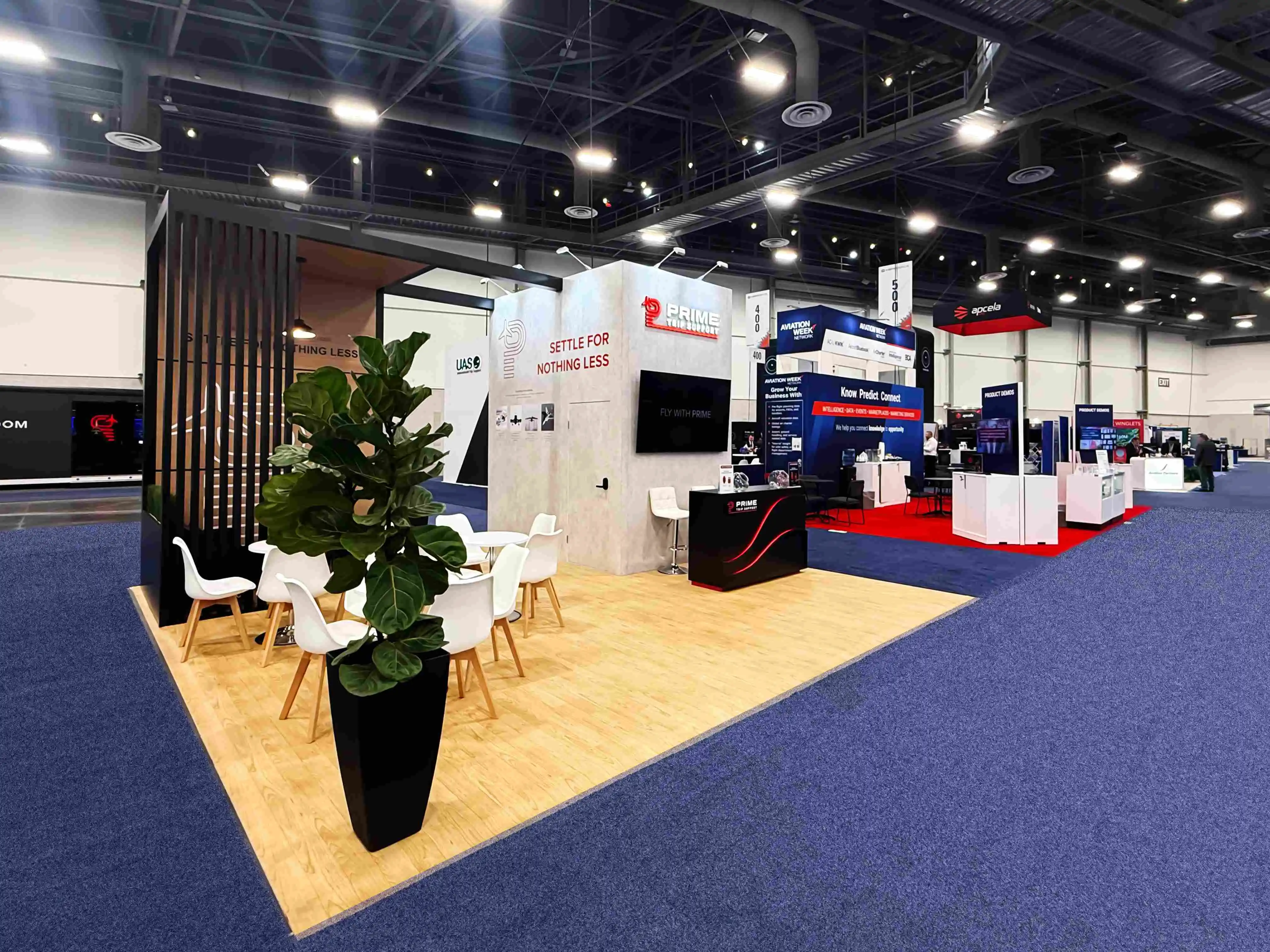
The best trade show design companies use CAD/CAM integration to make detailed engineering models that predict problems with the structure before they happen. This forethought stops expensive changes and delays in installation from happening on-site. Teams that have worked at venues before know the rules that apply to that venue. For example, the Colorado Convention Center in Denver has rules about rigging and how the electrical grid is set up that must be taken into account during the design phase.
When you plan properly, you send in floor plans weeks ahead of time for approval, work with general contractors to connect utilities, and hire union workers for the installation and dismantling (I&D) tasks. These small, seemingly unimportant details have a direct effect on whether your booth starts on time or turns into a building site when people get there.
Material Sciences and Fabrication Standards
Professional fabricators use certain materials that are chosen for their performance qualities rather than their looks. Dye-sublimation printing on tension fabric graphics makes high-resolution images that don't wrinkle and weigh a lot less than hard panels. This saves money on freight costs while keeping the visual effect. High-pressure laminates (HPL) make surfaces for tables and display pedestals that won't scratch and can handle a lot of foot traffic at trade shows.
BeMatrix and Octanorm certified systems can be put together without using any tools because they use standard parts. This makes reconfiguring them quickly possible and cuts down on the time needed for installation during short windows. These decisions about materials have a direct effect on the total cost of ownership over many show cycles, not just the original costs of building.
Integrated Technology Solutions for Smart Displays
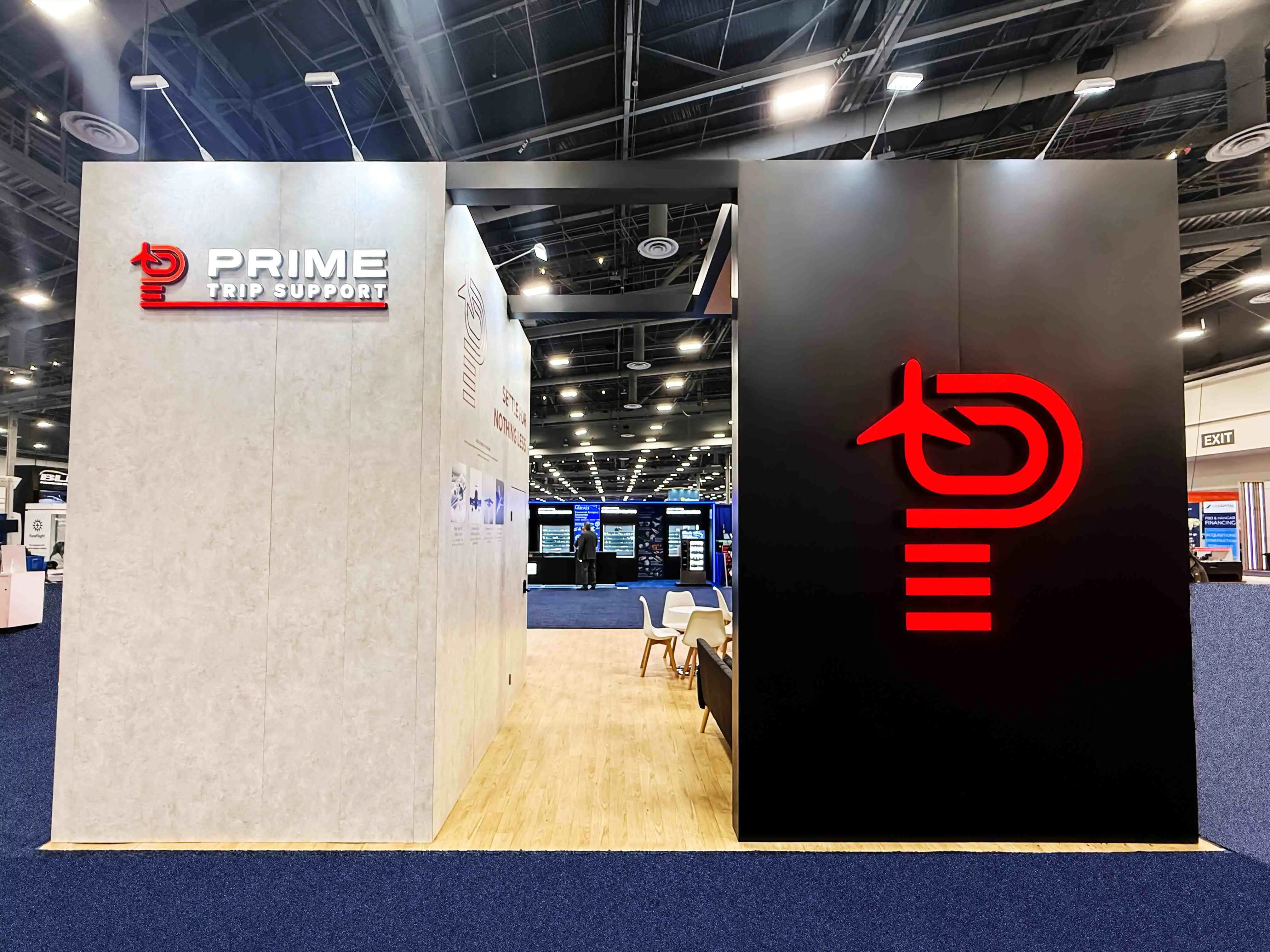
Modern custom electronics exhibitors expect AV to work seamlessly with the design of their booths. Leading design firms work with technology vendors to hide infrastructure cables inside structural elements, install LED video walls with enough air flow, and set up interactive touchscreens at comfortable heights so that visitors can stay engaged for longer. Professionals use RGB systems that change colour temperature for different product demos throughout the day to make layered lighting schemes that go beyond simple illumination. Sound management is very important at loud conventions. Acoustic walls and careful layout planning keep sound from leaking from display areas to other areas while keeping clear lines of sight that encourage people to move around the floor.
Practical Considerations for CEDIA 2026 Budget Planning
Analyzing Total Investment Beyond Booth Construction
Budgets for exhibits include a lot more than just fabrication bills. Venue contractors usually charge between $80 and $150 per hundred pounds for drayage, which means that designing for lightweight construction directly saves money. Ordering electricity through venue companies costs a lot more than ordering electricity for your own home. For example, connecting a 20-amp line could cost $400 to $600, and that's before any equipment uses power. The total cost of the show includes renting furniture, updating graphics, storing things between events, and paying people to set up and take down the show. Exhibit partners with a lot of experience make detailed budget projections that include these extra costs. This way, you won't be surprised by overages when the final bills come in weeks after the event.
Rent Versus Purchase Decision Framework
For exhibitors who go to three or more events a year, trade show design companies can help determine whether buying is usually cheaper than renting because the costs are spread out over more than one use. A good handmade 10x20 booth costs between $15,000 and $35,000, based on how complicated it is. Rentals of similar booths cost between $8,000 and $12,000 per event. Rental, on the other hand, gets rid of storage fees (which are usually $200 to $500 a month in business warehouses) and lets you change patterns every year. When you buy reusable structural frames, rent chairs, and keep your printed pictures up to date, you can keep your brand fresh without having to rebuild everything from scratch. For big events like CEDIA, many exhibitors buy core design elements. For smaller regional shows throughout the year, they rent extra components.
September 2026 Major Exhibition Opportunities
Strategic Event Selection for Technology and Electronics Brands
The calendar for September 2026 has great chances in a lot of different industries. The custom electronics and smart home integration industry is led by CEDIA Denver (September 1-4), which brings in installers, distributors, and tech companies. For this event, you need high-tech display areas where you can show off your integration skills with working room models and system demos. At IMTS Chicago (September 14–16), manufacturing technology exhibitors focus on precise machinery and industrial automation.
Booths at this event need heavy-duty flooring and a lot of electricity so that vendors can show off their equipment. The Global Security Exchange in Atlanta from September 14th to 16th brings together companies that make security technology. To show off surveillance systems, access controls, and cybersecurity solutions, booth layouts must be carefully planned to make private consultation areas within open floor plans.
Preparing for Major September Exhibition Cycles
For CEDIA Denver vendors, planning for events in September should start six months early, in March 2026. This plan allows for changes to the design, reviews from engineers, buying materials, and fabrication all without having to pay rush fees, which can raise the cost of the project by 20 to 30 percent. PRINTING The United Expo in Las Vegas (September 23–25) is especially helpful for exhibitors who work with local fabrication partners who can offer support on-site, quick problem resolution, and smooth logistics without the hassles of shipping across the country. Focusing on the luxury and jewellery industries, LOUPE Americas in Chicago (September 15–17) needs show cases with special lighting and safety features that need to be coordinated early with the venue's security teams and insurance companies.
Maximizing Return on Investment Through Strategic Design
Converting Floor Traffic Into Qualified Conversations
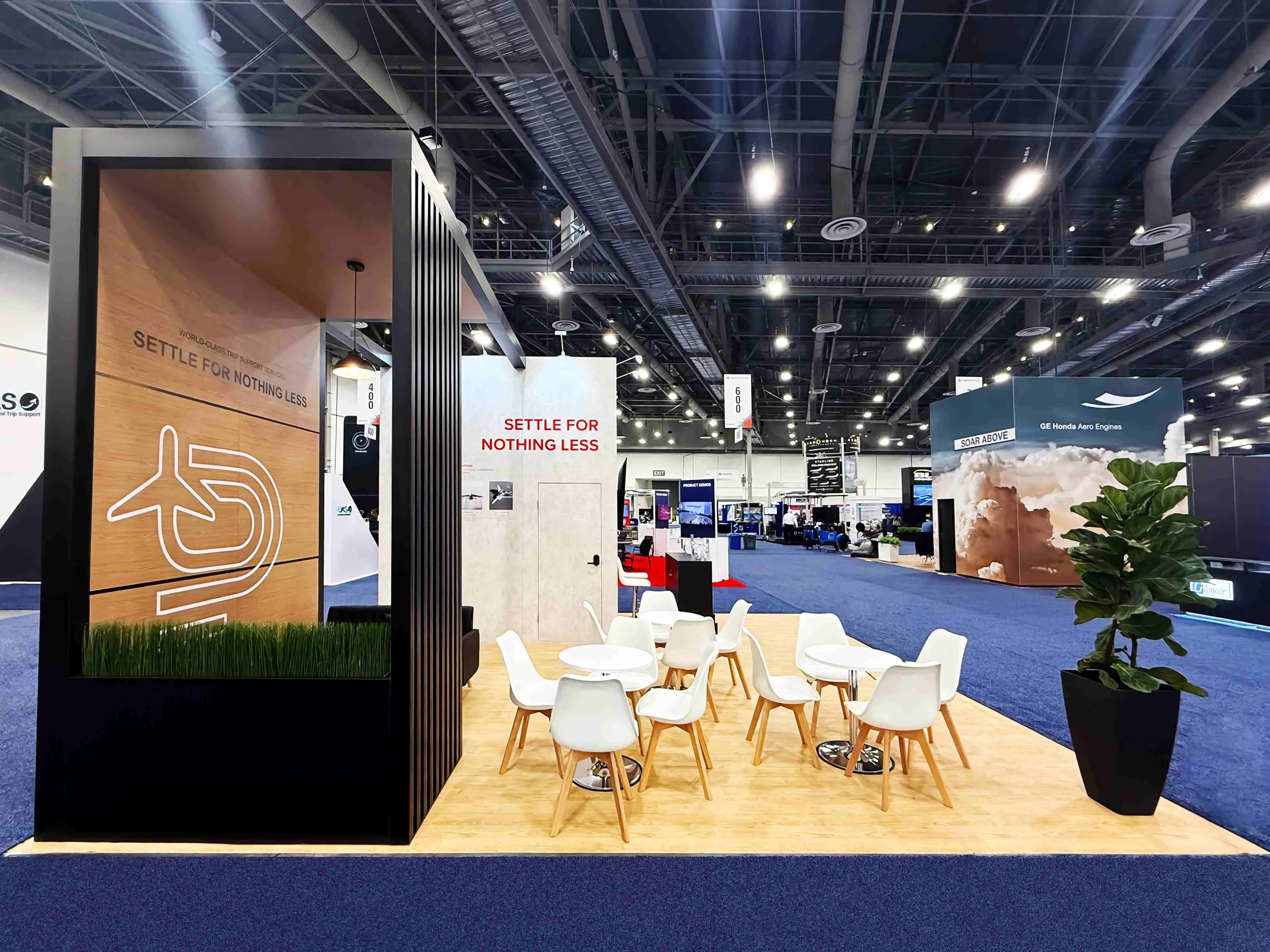
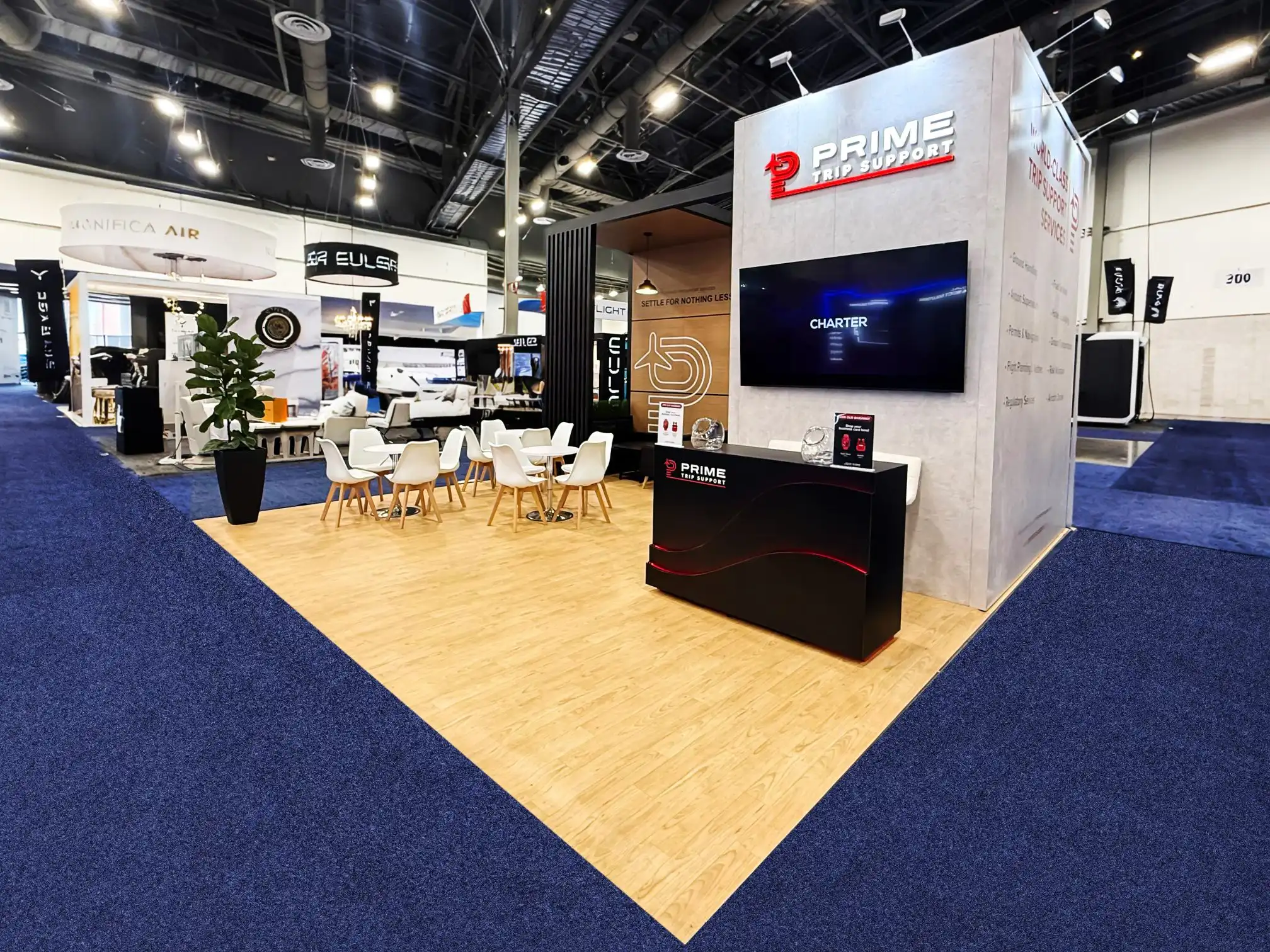
The design of the booth should allow for natural traffic flow patterns that lead people through brand experiences that are meant to be memorable. Open corner openings make it easier to explore without the mental blocks that closed walls make. Defined zones separate casual browsers from serious consultations. Seating-filled demonstration theatres attract serious prospects, while open product displays are good for quick visits to get an idea of what's on offer. Key messages and product hero shots should be able to be seen from 30 to 40 feet away with good sightline management. This will grab people's attention before they get to your neighbours. Booth structures with built-in storage keep sales materials organised and personal items safe without taking up room that should be used to tell visitors about the products.
Measuring Success Beyond Subjective Impressions
Smart sellers set clear performance standards before the events start. Lead capture rates, qualified prospect ratios, and cost-per-lead calculations turn what people think is a "great show" into data that can be used. The design of the booth has a direct effect on these metrics. Well-designed spaces with comfortable consultation areas and working product demonstrations lead to longer dwell times, which are linked to higher conversion rates. After the show, a study should be done to see which booth areas got the most attention, what messages stuck out in conversations, and how the room itself helped or hurt sales. This information is used to make changes for future events, which keeps the booth performing better between show rounds.
Selecting the Right Exhibition Partner for Denver Success
Evaluation Criteria for Exhibit Fabrication Partners
When looking at portfolios of possible trade show design companies, make sure they have experience building booths for your specific business. For example, technology exhibitors should look for partners who have experience building booths for electronics rather than general consumer goods. Ask for client examples and talk to them directly about meeting deadlines, staying on budget, and solving problems when they came up out of the blue. If you can, check out the fabrication capabilities by visiting workshops. Good facilities keep their workflows organised, their equipment up to date, and their storage for client assets between events. Certification partnerships with modular system providers (BeMatrix, Octanorm) mean access to standard parts that make it easier to make changes and add ons in the future.
Partnership Approach Beyond Transactional Service
Better exhibit partners act as strategy guides instead of taking orders. Before coming up with design ideas, they ask a lot of questions about the business's goals, its target audience, and its place in the market. Consultative partners suggest the best booth sizes based on expected traffic and display needs, not on how much square feet can be sold. They give honest opinions on proposed budgets based on stated goals and suggest how to set priorities when resources require choosing between competing factors. This relationship goes beyond the first events; the best partnerships grow over multiple show cycles, improving strategies all the time based on data about how they work and how the market is changing.
Local Support Advantages for Out-of-State Exhibitors
Why Geographic Proximity Matters for Denver Events?
CEDIA exhibitors coming to Denver from far away have to deal with some logistical problems that can be easily solved by local support networks. When you ship booth parts across the country, there is a chance that the freight will be late or damaged, and it can be hard to coordinate with the venue's arrival plans. These factors are taken care of when you work with fabricators whose factories are close to exhibition venues. When construction teams work locally, they know exactly what the venue needs and already have good relationships with venue contractors and union labour halls. They can also quickly send in extra resources if they are needed during the installation period.
On-Site Problem Resolution and Real-Time Adjustments
When trade show installations are crammed into 48–72-hour windows, there isn't much time to fix problems. When graphics are damaged, hardware is missing, or last-minute changes need to be made to the layout, immediate solutions are needed that can't be provided by distant fabricators. Instead of sending parts overnight, which could mean missing important installation dates, local teams send techs within hours with replacement materials and tools. This quick help turns possible disasters into small problems, making sure booths open correctly when the show floors open. Local coordination is also helpful for taking down the show after it's over. Skilled teams can quickly pack up materials for storage or shipping while still meeting venue deadlines for late teardowns that cost extra money.
Professional Services Portfolio for Complete Exhibitor Support
Comprehensive Solutions From Concept Through Completion
Full-service show partners handle the whole project process, so exhibitor internal teams don't have to worry about coordinating it. Objectives, price limits, and time frames are set during the first meetings. During the design phase, stakeholders can approve detailed drawings and virtual walkthroughs before the building process starts. Project managers are in charge of all vendor relationships, including printing, renting furniture, AV equipment, flower arrangements, and promotional materials.
They then put all of these parts together to make installations that look good. The show services department is in charge of venue paperwork, utility orders, scheduling workers, and making sure that shipments go smoothly. Supervision on-site during installation makes sure of quality control and allows for changes to be made in real time. With this "turnkey" approach, the exhibitor staff can focus on getting ready for sales instead of managing the construction.
Beyond Traditional Booth Construction
Leading companies go beyond just doing exhibition work and can also work in environments that are similar. Similar design ideas are used in hotel ballrooms and other unique spaces for corporate events like product launches and user conferences. Expertise from trade shows in designing spaces that tell stories and keep visitors interested can help museums and permanent showrooms. Experiential design features that were first used in exhibitions are being used more and more in office areas that people will see. Because they have a wide range of skills, partners know how to make the most of their CEDIA booth investments by using them at other marketing events and maximising their asset utilisation across larger brand activation strategies.
Conclusion
To choose reliable partners from the many trade show design companies out there, you need to compare their technical skills, experience in the field, and range of services to your specific exhibition goals. Partners at CEDIA Denver who know how to meet the needs of technology product demonstrations, uphold strict engineering standards, and offer local organisational support that makes trade shows easier are very helpful for vendors. The September 2026 exhibition schedule offers great chances in many different industries, where having a professional booth directly affects how the market sees you and how your sales pipeline grows. Strategic investments in exhibits that are planned with enough time to spare, put together by skilled teams, and then improved through performance analysis give marketers measurable returns that make their marketing budgets worth it year after year.
FAQ
Q1: How far in advance should I start planning my CEDIA Denver booth?
A: For the best results, professional display projects need three to six months of planning time. This schedule works for developing designs with multiple rounds of changes, getting engineering approvals, buying materials without having to pay extra for speed, and making sure that the right schedules are followed for fabrication. Exhibitors at CEDIA Denver 2026 should start talking about plans by March 2026 to make sure their booths are ready for the show from September 1st to 4th without having to rush, which could hurt quality or make costs go up because of faster fees.
Q2: What budget range should technology exhibitors expect for custom booths?
A: The budget needs are very different depending on the footprint's size and complexity. A 10x10 inline booth designed by a professional usually costs between $8,000 and $18,000, which covers graphics and basic furniture. A 20x20 island setup with several demonstration areas, built-in audiovisual systems, and storage parts usually costs between $30,000 and $60,000. Large business setups bigger than 30x40 with double-deck platforms and lots of technology built in can cost between $150,000 and $300,000. These numbers only cover the cost of building the booth. Exhibitors should add another 40 to 60 percent to their budget for show services, shipping, labour, and other costs.
Q3: Can booth designs be reconfigured for different show sizes?
A: Modular engineering in the early stages of design makes it possible for booths to be built on a variety of sizes of spaces. A well-thought-out 20x20 island booth can be split into two separate 10x10 setups or changed into a 10x30 inline setup. For this flexibility to work, planning ahead is needed to figure out which architectural parts can be used on their own and make sure that the graphics will still work in different arrangements. Modular approaches offer the best return on investment for exhibitors who go to multiple events a year with different space requirements, but they need a little more money up front for engineering than custom construction that is only used once.
Partner With Exhibition Experts Who Deliver Denver Success
Technology and electronics vendors getting ready for CEDIA Denver 2026 and other big industry events in September can get help from HR Exhibits Service, Inc. Our manufacturing site in Las Vegas and experienced project teams give out-of-state exhibitors the local support they need for a smooth trade show run. We take care of the whole booth lifecycle, from coming up with the initial idea to overseeing it on-site and organising things after the show. This means that your internal teams don't have to worry about coordinating anything. We know exactly what building standards, site rules, and demonstration requirements are needed for an exhibition to be successful because we are one of the most experienced trade show design companies in the industry. Get in touch with info@hrexhibits.com to talk about how our all-encompassing approach can turn your CEDIA presence into a strategic business development platform that gives you measurable advantages in market positioning and pipeline growth.
References
1. Experiential Designers and Producers Association. (2024). Trade Show Design Standards and Best Practices for Technology Exhibitors. Chicago: EDPA Publications.
2. Miller, J. & Thompson, R. (2023). Exhibition Marketing ROI: Quantifying Trade Show Investment Returns in B2B Technology Sectors. Journal of Business Marketing Strategy, 18(3), 45-67.
3. National Fire Protection Association. (2025). NFPA 701 Standard Methods of Fire Tests for Flame Propagation of Textiles and Films. Quincy: NFPA Press.
4. Peterson, L. (2024). Modular Exhibition Systems: Engineering Flexibility in Custom Trade Show Architecture. Denver: Convention Industry Council.
5. Rodriguez, M. & Chang, S. (2023). Logistics Management for Trade Show Exhibitors: Reducing Drayage Costs Through Strategic Design. Supply Chain Quarterly, 12(2), 78-94.
6. Wilson, K. (2025). Custom Electronics Integration Association Industry Trends Report: Exhibition Design Evolution 2020-2025. Indianapolis: CEDIA Research Foundation.

Embark on Your Journey to Exceptional Exhibitions! Contact HR Exhibits Today to Transform Your Vision into Global Success.
HR Exhibits Service, Inc.