Trade Show Booth Storage Tips for IMTS Exhibitors
Managing your exhibition assets between shows is just as important as designing your booth when you're getting ready for IMTS 2026 in Chicago this September. Trade show booth storage is more than just finding a place to put your booth. It's an important part of your event marketing strategy that has a direct effect on how your brand looks, how well your budget works, and how ready you are to go. Professional storage solutions turn static warehousing into dynamic asset management, which protects your investment and makes sure your booth is ready for the show. At HR Exhibits Service, Inc., we know that smart storage choices can make the difference between successful exhibitors and those who are scrambling with broken graphics and missing parts days before the show.
Understanding the Challenges of Trade Show Booth Storage for IMTS Exhibitors
Exhibiting at big trade shows like IMTS, which takes place in Chicago from September 14–16, 2026, requires a lot of careful planning. Many companies are also in other events in the same city at the same time, like LOUPE Americas (September 15–17) or getting ready for upcoming shows like PRINTING United Expo in Las Vegas (September 23–25). This makes logistics even more difficult.
The Hidden Costs of Poor Asset Management
There is more and more pressure on marketing managers and procurement professionals to keep costs down while maintaining the quality of the brand. Graphics that get damaged from bad storage can cost thousands of dollars to reprint in a hurry. Companies have missed out on important branding chances because their locking systems rusted or their panels were too bent to be put up on time. The reasons for these mistakes are that booth materials were not treated as precise marketing assets that needed special care, but as general goods.
Inventory Chaos and Operational Disruption
It's a headache for managers to keep track of all the different parts of a booth, like aluminum extrusions, fabric prints, AV equipment, and product displays. Setup times get much longer when your team can't quickly find specific crates or check the condition of parts. Because of this waste, labor costs go up, installs are rushed, and the quality of the booth is lower. When complex electronic parts arrive broken or incomplete, they're especially bad for manufacturing and technology companies that are showing off complex products at IMTS.
Environmental Threats to Booth Integrity
Changes in temperature and humidity are terrible for exhibition materials. When not under control, adhesive vinyls peel off, wooden surfaces warp, and tension cloth silicone edge images lose their structural integrity. Medical device exhibitors need extra strict environmental controls because the things they use in their booths often contain sensitive electronics and precision-engineered display parts that need to work perfectly in professional healthcare marketing settings.
Best Practices for Organizing and Storing Your Trade Show Booth Materials
Professional marketers know that organizing things in a planned way makes them less stressed and saves their marketing investment. These tactics make things run more smoothly, whether you're the founder of a startup planning your first IMTS show or the marketing manager for a large company handling multiple events at the same time.
Implement a Comprehensive Inventory System
Making thorough plans turns managing a booth from a guessing game into a precise logistics exercise. Take pictures, write down the sizes, and make notes about the state of each part. Label each box with a list of what's inside that can be seen from different angles. This level of visibility is very helpful when your team needs to quickly find certain graphic panels or building parts. Digital inventory tracking goes even further. Cloud-based asset management tools let you see what's kept, where it is, and what maintenance has been done on it in real time. Digital tracking keeps you from making expensive mistakes like sending the wrong parts or packages from storage to Chicago's McCormick Place for IMTS while also getting ready for the Global Security Exchange in Atlanta (September 14–16).
Strategic Packing and Protection Methods
How you pack things affects how they'll be when they get there. Custom-cut high-density foam covering inside the crates keeps damage from happening during shipping. Vertical shelving systems make the best use of building space by making parts easy to reach. To pack strategically, you should also put things together that go with each other, like keeping all of your images together, your hardware in its proper place, and your electronics in an anti-static area. Modular storage solutions give you a lot of options. Stackable bins, wheeled cases, and movable shelves can be used in a variety of booth layouts. If you want to change the look of your exhibit between shows, modular systems let you do that without having to completely redo your storage infrastructure.
Climate-Controlled Environments for Sensitive Materials
The temperature in premium storage is kept between 55°F and 80°F, and the humidity is kept between 35 and 50%. These settings stop the decay of materials that hurts the quality of images and the structure's strength. Technology companies with interactive displays or medical vendors with precise tools can get a lot out of climate-controlled spaces that keep electronics working and looking good. Our Las Vegas facility at HR Exhibits Service, Inc. offers a wide range of storage options designed specifically for trade show materials. We know that exhibitors at Las Vegas events like PRINTING United Expo need local support that goes beyond the show dates. That's why we offer safe, climate-controlled storage between exhibitions.
Comparing Trade Show Booth Storage Options: Making the Right Choice for Your Business
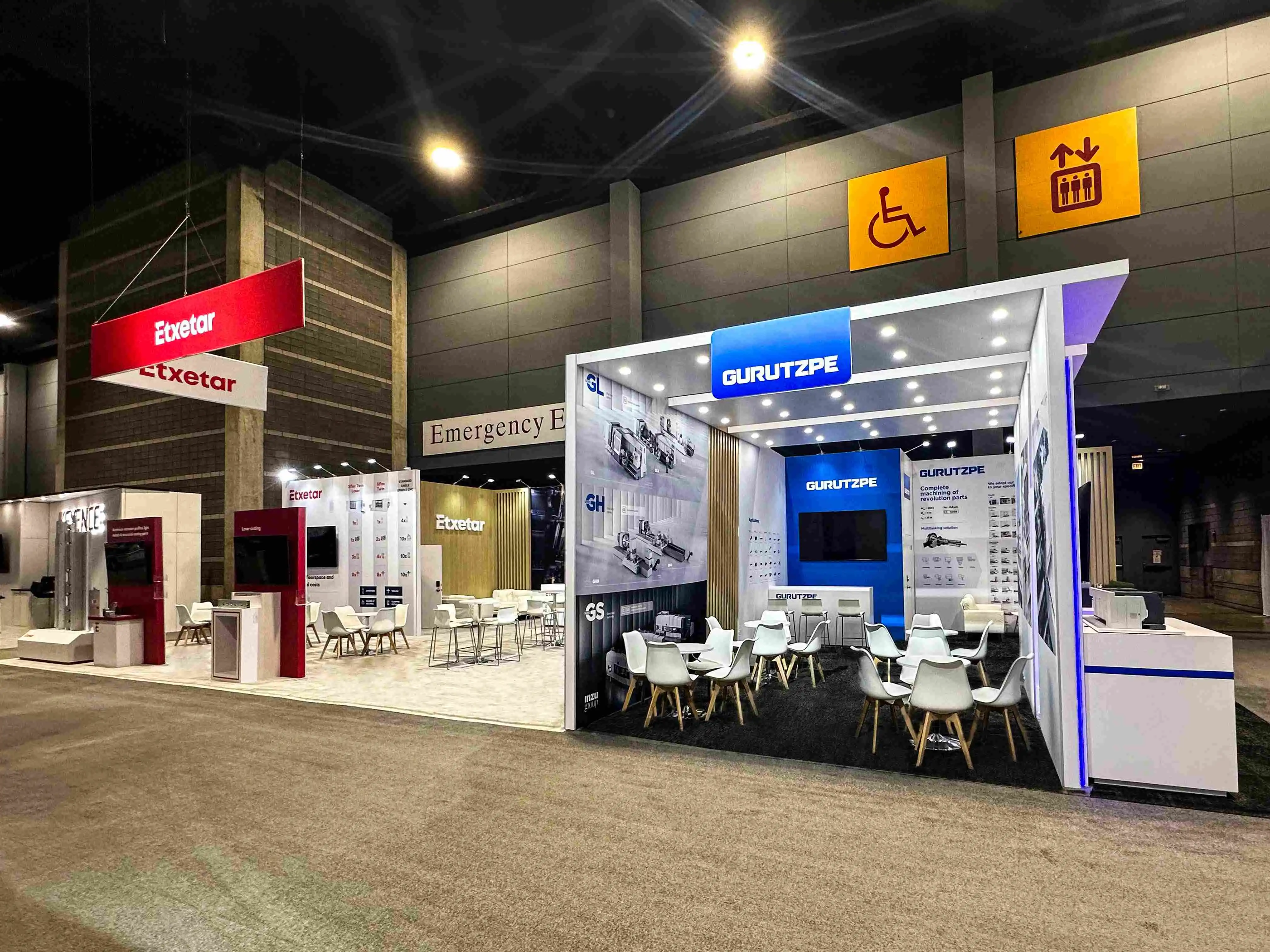
When making decisions about what to buy for trade show booth storage, you have to weigh a lot of different factors against your operational needs and your budget. Different methods work better for different types of exhibitors, and knowing these differences helps you use your resources more wisely.
Containers vs. Traditional Box Storage
Professional storage bins are safer than regular wooden boxes when it comes to protecting your things. Heavy-duty cases with reinforced edges, good locks, and weatherproof seals keep items safe while they are being moved and handled. Even though the original cost is higher, containers save money in the long run because they avoid damage-related replacements and make materials last longer.
The internal foam dunnage, butterfly latches, and caster wheels meet ISTA distribution testing standards. This makes sure that the contents can handle the shock and vibration that come with less-than-truckload shipping. Sales leaders who are in charge of high-value booth assets know that investing in containers pays off because they save money on replacement costs and make it easier for brands to show themselves consistently.
Rental vs. Purchase Analysis
Renting storage units gives startups and companies testing new markets a lot of freedom. Renting is a good option for exhibitors whose booth sizes change often or whose event plans aren't always clear because it saves them money up front and lets them change the size of the space as needed. For experienced exhibitors with stable show schedules, buying storage facilities makes financial sense. By attending IMTS every two years and several regional events every year, companies get a better return on their investment (ROI). The calculation depends on how often the materials are used. If your booth materials are used at six or more events a year, then ownership usually pays off in three years.
Specialized vs. General Warehouse Facilities
Self-storage facilities in general charge by the square feet and offer basic protection. Storage for trade shows works a little differently. You are billed by the cubic volume or the position of the pallet, and you can add value-added services. Professional facilities know how to organize exhibitions and offer services like auditing inventory, coordinating repairs, and shipping directly to the show. Specialized providers connect to freight networks and use bulk savings to get packages shipped faster. When you need fast delivery to Chicago for IMTS or emergency graphics repair, specialized facilities can get the job done quickly because they are set up to meet the needs and deadlines of the show business.
How to Procure Efficient and Affordable Trade Show Booth Storage Solutions?
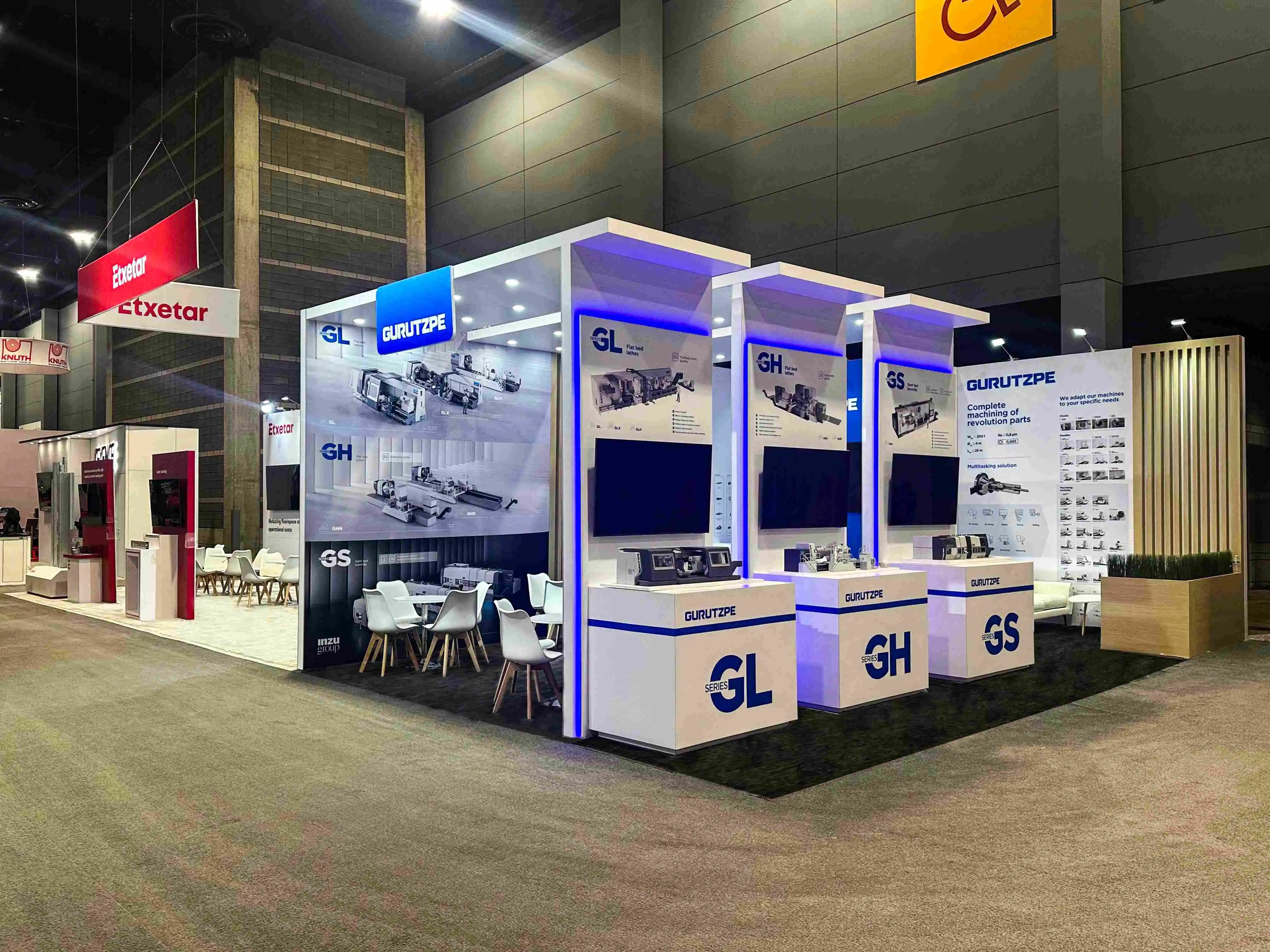
When purchasing managers look at different trade show booth storage options, it helps to use organized criteria that match technical needs with business goals. This methodical approach leads to answers that improve both operational performance and cost effectiveness.
Essential Selection Criteria
The most important thing is that the sizes work together. Make sure you measure all of your booth's parts, including how much floor space they need and how high the truss systems and graphics towers can be. Purchasing managers often don't take vertical dimensions into account, which results in storage solutions that aren't good enough. Modularity lets you change things as your exhibition program does. Long-term investments are protected by storage systems that can be reconfigured without having to be replaced completely. Lifecycle costs are based on how durable something is. Better quality cases and crating systems can be used over and over again for years, while cheaper choices need to be replaced more often.
Sustainability is becoming a bigger factor in purchasing choices. Recyclable aluminum extrusion systems are available, and responsible removal services offer proof of destruction for old materials. Progressive vendors store their items in ways that are good for the environment, which is in line with their companies' larger promises to being environmentally friendly.
Supplier Evaluation and Partnership Development
Having a history of helping show workers gives you credibility. Potential storage providers should be judged on how well they understand show logistics, facility security standards, and the ability to integrate technology. Suppliers who follow the C-TPAT security standards show that they are dedicated to safeguarding valuable exhibition items. Strong partnerships between vendors go beyond just renting storage space for a short time. In the best partnerships, storage providers take an active role in optimizing logistics through joint planning. They know about show schedules, venue requirements, and the special needs of events like IMTS, where companies that make precision parts need their booths to be set up perfectly so they can show off their technology in a credible way.
Custom vs. Standard Storage Solutions
Standard storage options are cheaper and ready to use right away. Many exhibitors are happy with off-the-shelf containers and standard pallet storage, especially those whose booths are simple and don't have many special needs.
Customization solves problems that can't be solved with standard solutions. Customized methods work best for parts with odd shapes, images that are too big, or built-in technology that needs power access during storage. When making a choice about customization, you need to do a ROI analysis. You need to figure out if the extra money spent is worth it for better room utilization, increased security, and increased business efficiency. HR Exhibits Service, Inc. uses its knowledge of building exhibits to help with storage issues. Our team in Las Vegas creates booth solutions that include storage and handling from the start. This protects your display investment and makes sure it's ready to use between shows.
Successful Storage Strategies from Industry-Leading Exhibitors
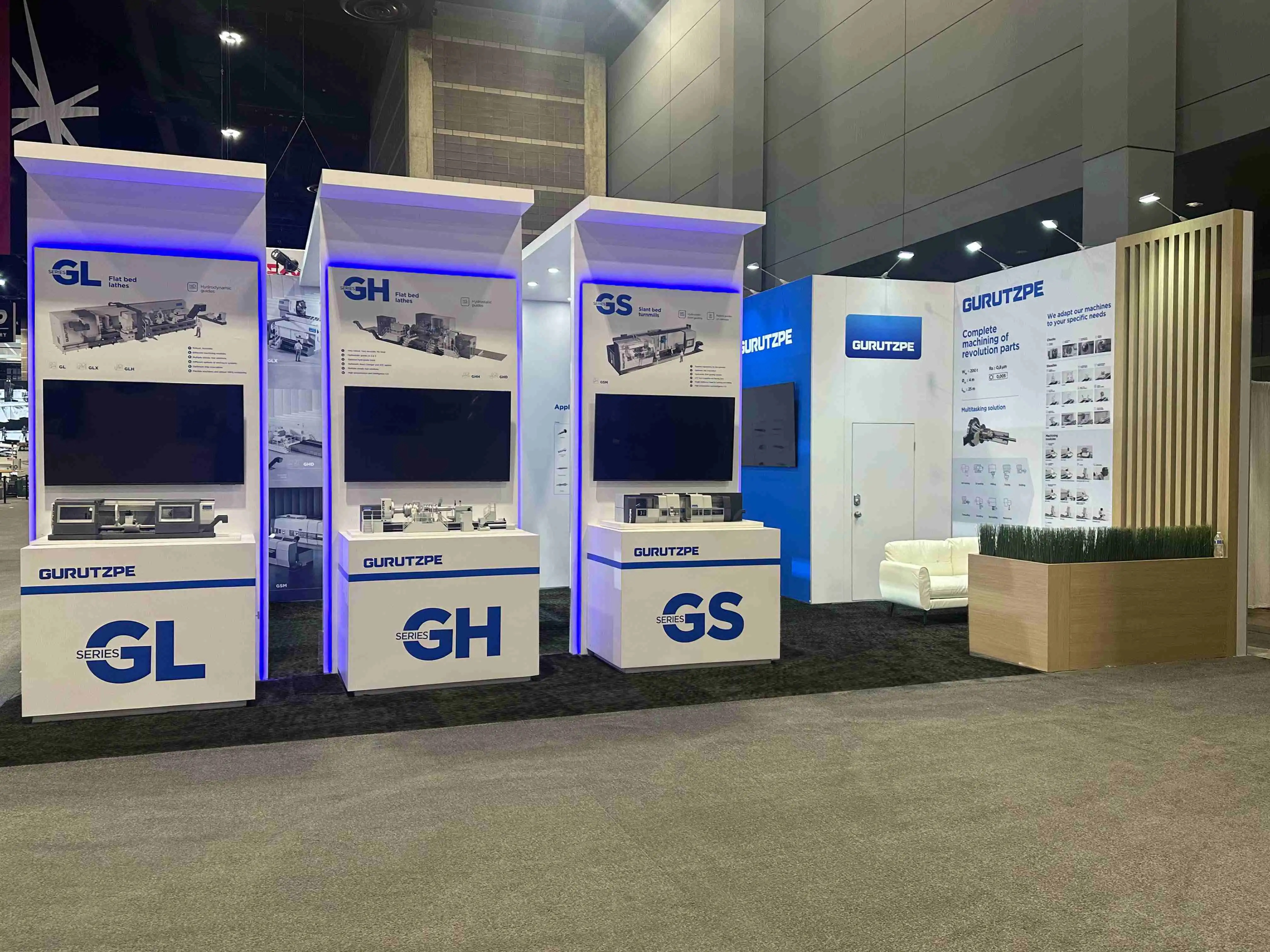
Learning from vendors who are experts in trade show booth storage planning gives everyone, no matter what industry they're in, useful information that can be used right away. These examples show how planned methods can lead to real benefits in the way things are done.
Technology Integration Reduces Operational Friction
A well-known factory technology business that was at IMTS used barcodes to keep track of all the parts of their booth. Each box got a unique number that led to digital records that showed what was inside, how good or bad it was, and when it was sent out. This system got rid of the manual audits that used to take hours of staff time before each show. It also cut down on component loss by 87% and made it possible to accurately predict budgets based on past maintenance patterns. The investment in tracking technology paid for itself in just two show runs by saving money on labor and lowering the number of times that replacements had to be made quickly. Marketing managers could see in real time if their booths were ready, which took away the uncertainty that used to affect planning for trade shows.
Strategic Vendor Partnerships Streamline Multi-Show Logistics
An energy sector exhibitor that takes part in eight trade shows a year formed a relationship with their storage provider and the company that built their stand. They didn't treat shipping, refurbishment, and storage as different tasks. Instead, they made a unified process where the storage site was the operations command center. The building did condition checks, coordinated graphic updates, and set up materials for upcoming shows while events were going on. This method cut show planning time in half and warehouse costs by 34% by making better use of room. Because storage and construction services worked together so well, booths arrived at the venue ready to go, so there were no surprises when they got there.
Repeatable Workflows Enable Rapid Scaling
A company that makes medical devices set up standard procedures for their booth's lifecycle, including return protocols after the show, storage maintenance schedules, and pre-show deployment checklists. By writing down these processes, they created institutional knowledge that could be used by new employees and helped them quickly scale up as their exhibition program grew.
When they added IMTS and several medical workshops to their schedule, the existing processes were able to handle the extra work without making things more difficult for the people who were in charge. The ability to repeat made it easier to train new team members and made sure that the level of the booth presentations at all events was the same. These businesses were successful because they saw storage as strategic infrastructure instead of an unnecessary cost, they put money into systems that let them see how their operations were running, and they teamed up with providers who knew what the exhibition industry needed.
Conclusion
Keeping track of booth materials between big trade shows like IMTS requires more smart thinking than just finding a place to store the materials. Professional trade show booth storage solutions protect the money you spend on marketing, make logistics easier, and make sure your brand looks great when the doors open. Whether you're getting ready for the industrial technology show in Chicago in September or organizing materials for a number of events in 2026, systematic storage practices pay off in the form of less damage, lower costs, and more reliable deployment. The successful vendors know that the choices they make about storage have a direct effect on their ability to compete and the trustworthiness of their brand in tough B2B settings.
FAQ
Q1: How should I protect delicate booth graphics during extended storage periods?
A: Facilities that keep the temperature between 55°F and 80°F and the relative humidity between 35 and 50% stop the delamination and color shifting that damage graphics. To keep fabric graphics from getting lasting creases, roll them up instead of folding them. To keep hard graphics from getting scratched, store them vertically with protective layers between the panels.
Q2: Does renting storage make more sense than purchasing for occasional exhibitors?
A: Companies that show less than four times a year usually get more rental flexibility and lower initial costs. Find out how much you spend on storage each year. If the costs of buying something are spread out over three years and are less than the costs of renting, then buying is the better long-term option. Also, keep in mind that owned containers can still be sold when your exhibition schedule changes.
Q3: When is climate-controlled storage truly necessary versus standard warehouse space?
A: Controlling the temperature and humidity is important for keeping electronics, cloth prints and wooden building parts in good shape. Standard warehouse space is enough for basic tools and aluminum extrusions, but materials that are sensitive to changes in temperature or humidity should pay extra for climate control. Because their booths usually have a lot of complex parts, medical and technology exhibitors should always use controlled environments.
Partner with HR Exhibits Service, Inc. for Complete Exhibition Solutions
As of 2026, HR Exhibits Service, Inc. offers complete booth construction and logistics support to exhibitors at IMTS, PRINTING United Expo, and other major trade shows in the printing industry. Our Las Vegas center offers local knowledge to businesses that need reliable storage, refurbishment, and deployment services backed by decades of experience in the show industry. We help both domestic and foreign vendors whose booth design, building, storage, and execution at the show need to be coordinated perfectly. Because we use an integrated approach, your products are safe, your processes run easily, and your brand looks strong when it matters the most. Get in touch with us at info@hrexhibits.com to talk about how our trade show booth storage solutions and exhibit construction services can help you look better at your next show. We are your dedicated partner and make sure that your IMTS presence has the most marketing impact possible by combining creative booth design with careful planning of logistics.
References
1. Anderson, K. (2024). Strategic Asset Management for Trade Show Exhibitors: Best Practices in Storage and Logistics. Exhibition Industry Press.
2. Bennett, R., & Mitchell, S. (2023). Environmental Controls in Exhibition Material Warehousing: Standards and Implementation. Journal of Trade Show Marketing, 18(3), 142-158.
3. Crawford, J. (2025). Cost-Benefit Analysis of Trade Show Storage Solutions for B2B Marketers. Industrial Marketing Quarterly, 31(2), 67-84.
4. Martinez, L. (2024). Inventory Management Systems for Multi-Event Exhibition Programs. Event Logistics Review, 12(4), 203-219.
5. Peterson, D. (2023). Protecting High-Value Exhibition Assets: Security and Storage Considerations. Trade Show Executive Magazine, 45(6), 34-41.
6. Williams, T., & Chen, M. (2025). Sustainable Practices in Trade Show Material Lifecycle Management. Green Business Journal, 29(1), 112-128.

Embark on Your Journey to Exceptional Exhibitions! Contact HR Exhibits Today to Transform Your Vision into Global Success.
HR Exhibits Service, Inc.