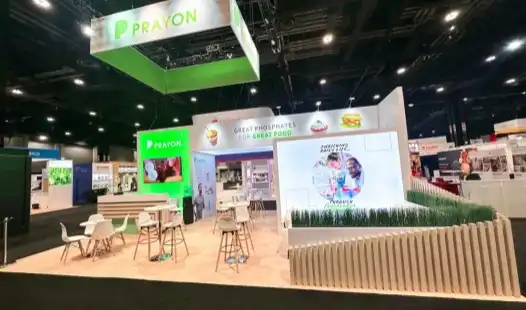
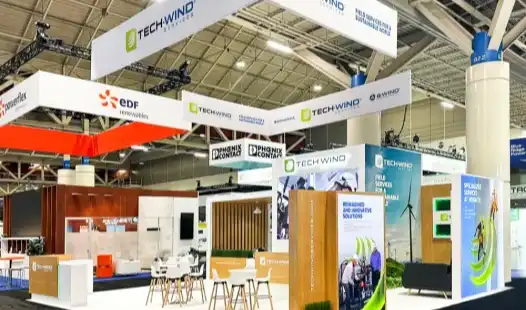
Make the Most of Every Trade Show: Strategic Planning for Exhibition Success
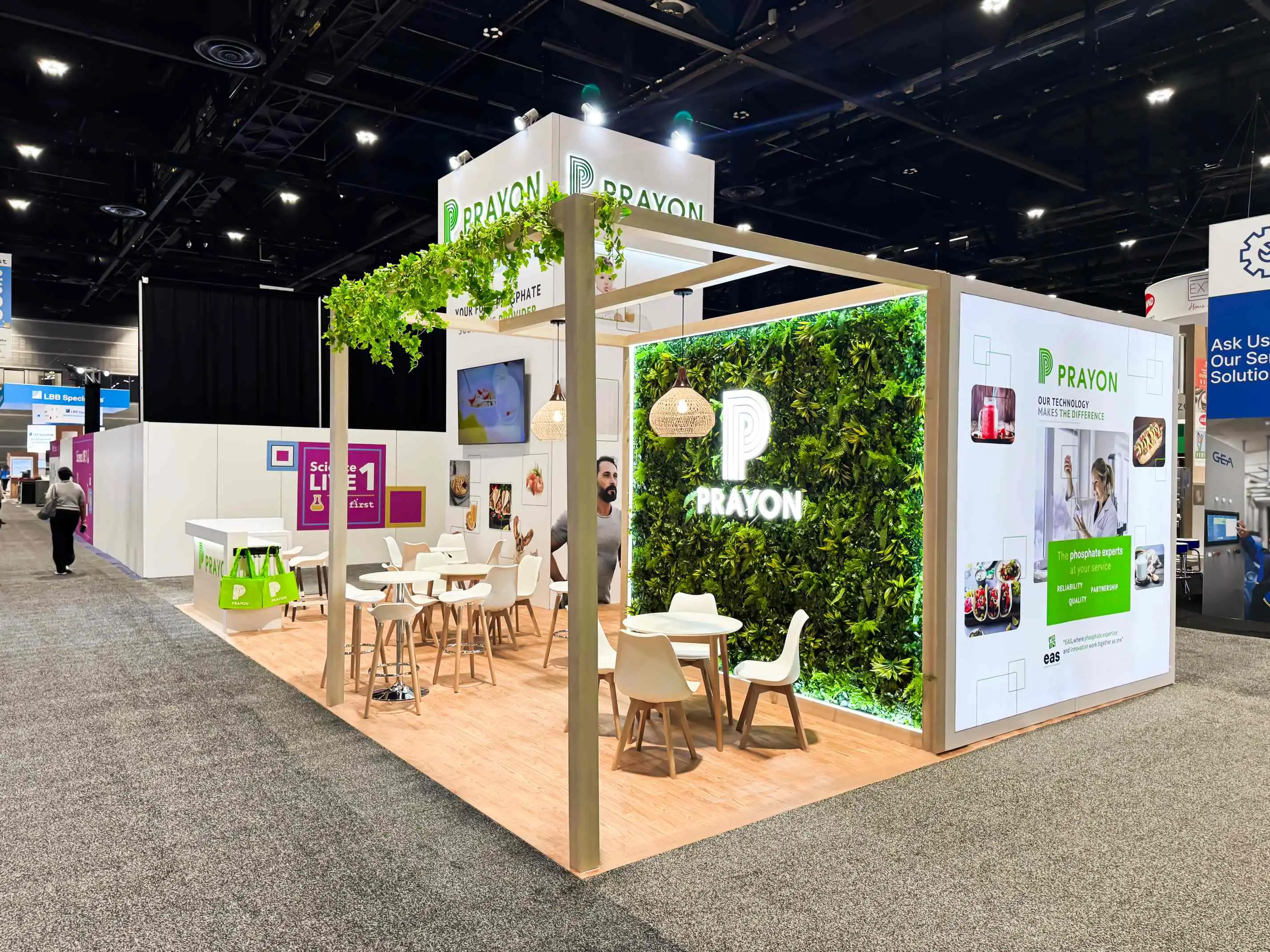
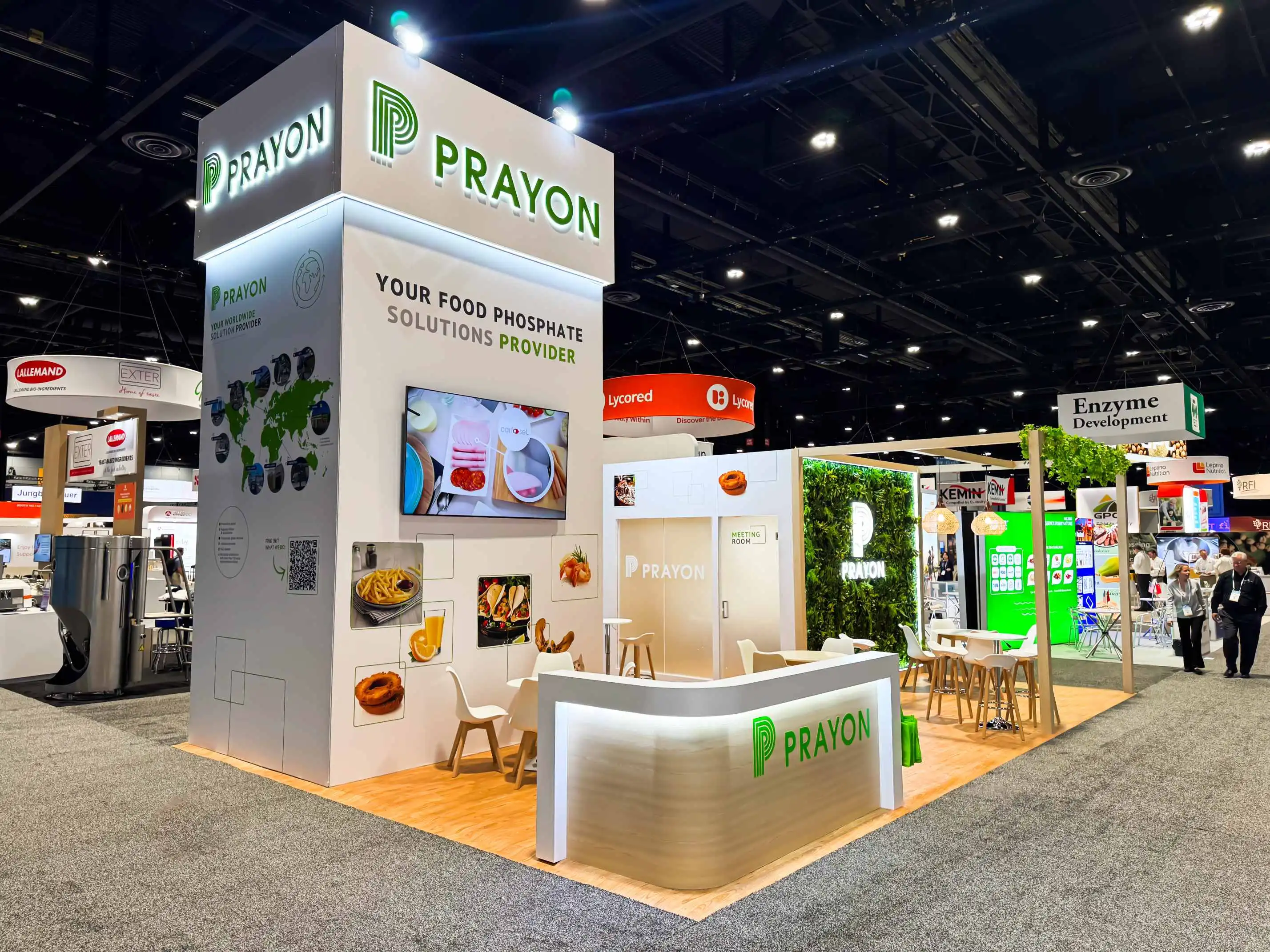
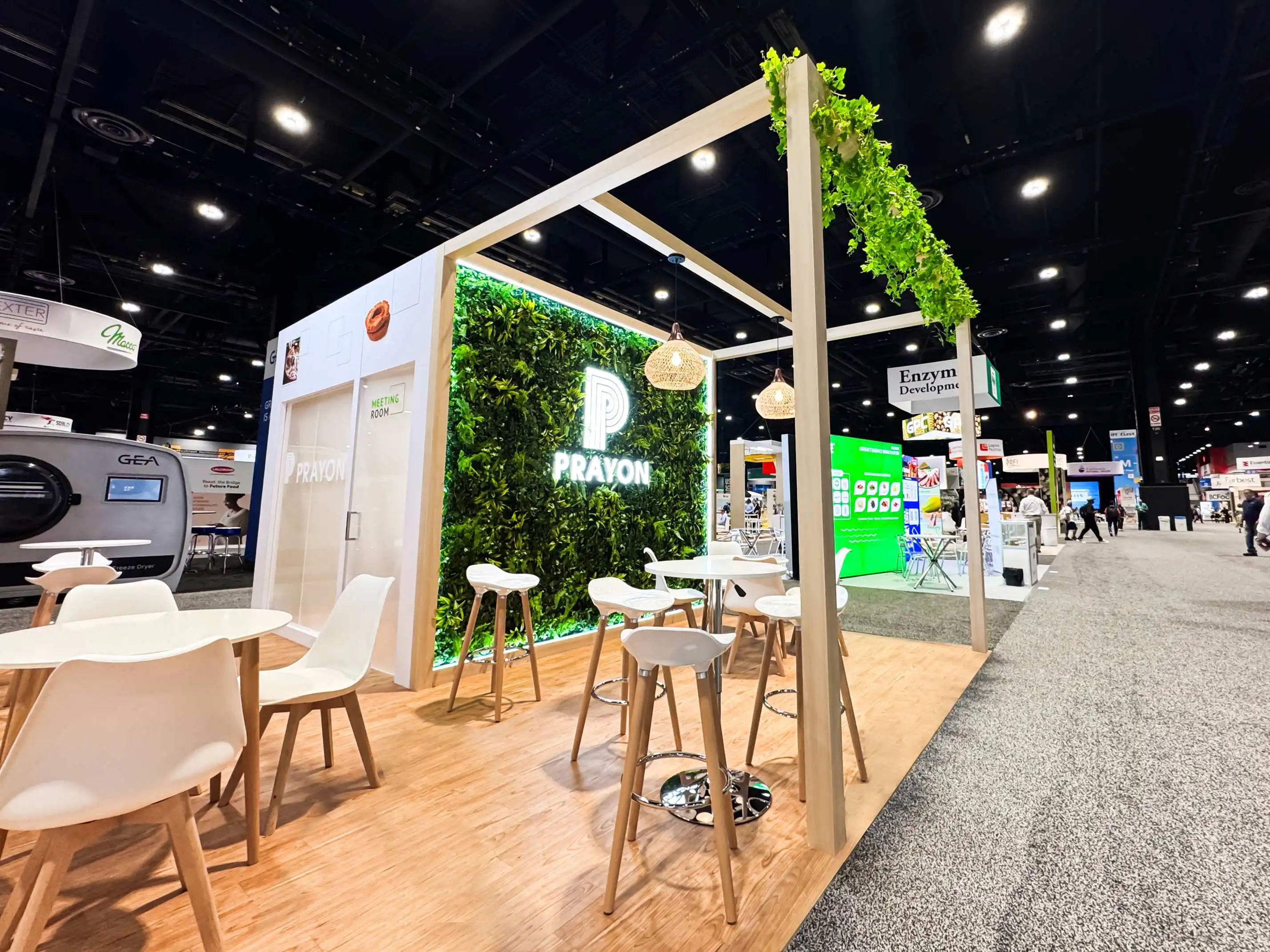
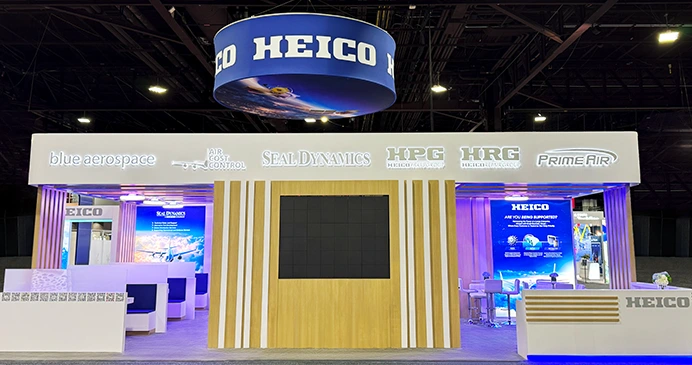
A well-thought-out plan that includes both thoughtful show booth design and precise operation is needed to get the most out of every trade show. Before your team even gets to the show floor, you need to know your target audience, choose the right events, and work with experienced providers who can turn your brand's vision into places that grab people's attention and turn them into customers.
A good exhibition strategy takes into account everything, from how the space flows and the lighting to making sure the materials are legal and how things will work on-site. When all of these things work together perfectly, your booth is more than just a show; it's a high-conversion space where real business connections can start. Strategic planning makes sure that every dollar spent brings back real benefits like qualified leads, better brand positioning, and the ability to stand out from the crowd in crowded show halls.
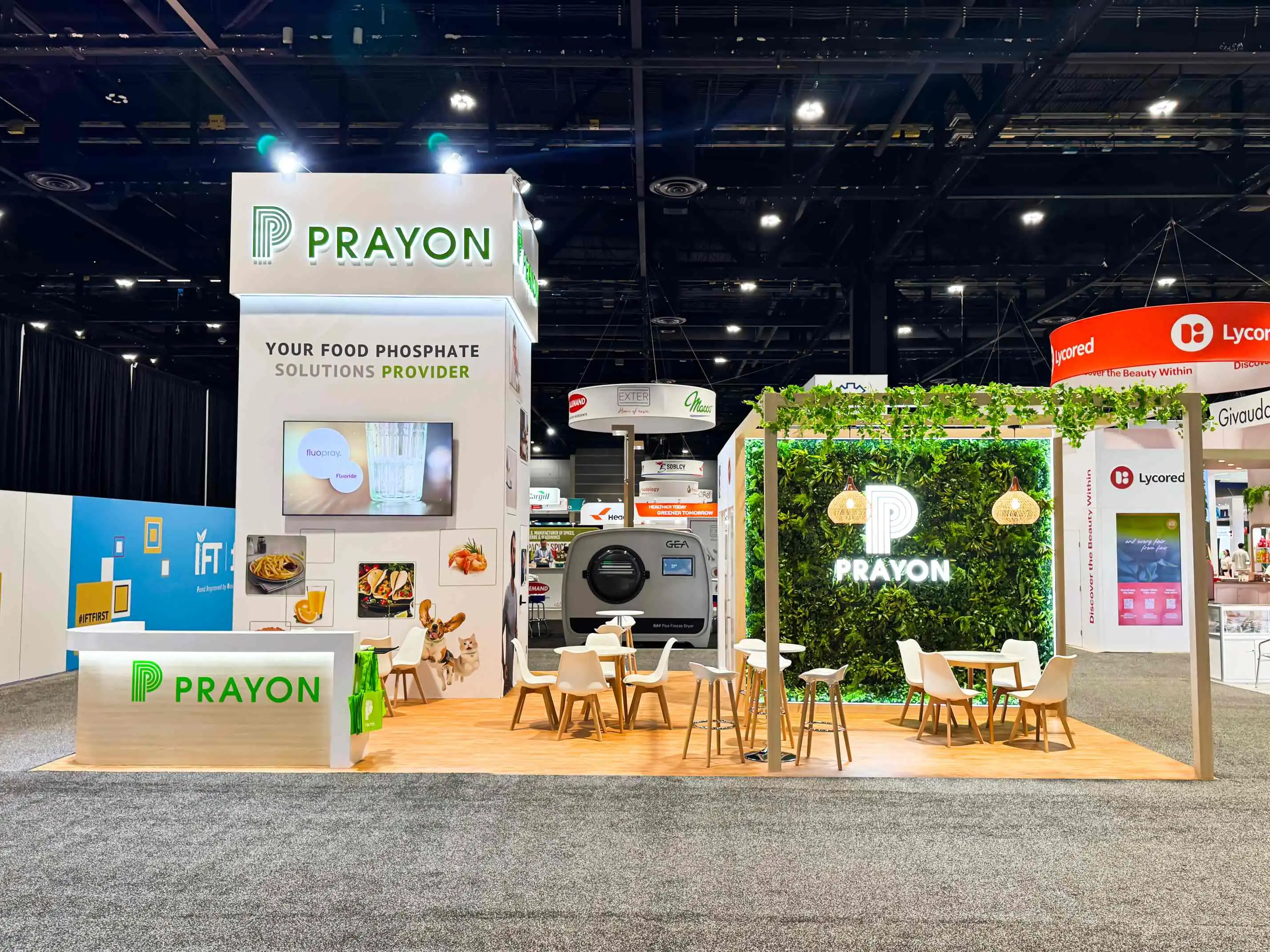
Understanding Global B2B Procurement Dynamics
Why Procurement Strategy Matters for Exhibition Success?
The exhibition industry's business-to-business buying has changed a lot. Marketing managers and procurement directors now use strict criteria to choose booth builders. These criteria include how reliable they are, how much they will cost, and how well they follow the rules set by the venue. Industry study shows that 68% of exhibitors say that the reliability of their suppliers is their biggest worry, especially when they are exhibiting in places they have never been to before. Recent problems in the supply chain have made diversification and planning for the worst important things to think about.
Partners in the exhibition services market need to know how to handle complicated details across multiple sites. Companies that want to display at big U.S. trade shows have to deal with special problems, such as limited time for installation, strict fire safety rules (like NFPA 701), and working with workers who are only available at those shows. These things make decisions about procurement very important to the success of an exhibition. When businesses build booths as a strategic investment instead of a transactional cost, they always get a better return on investment (ROI).
Navigating Market Trends in Exhibition Services
The display scene for show booth design is moving more and more toward modular, reusable buildings that are easier to ship and better for the earth. More and more, procurement teams want clear price models that take into account design, production, shipping, installation, and removal. Smart buyers know that spending money up front on good materials and skilled work keeps the brand's image safe and avoids expensive fixes at the last minute. When choosing building partners for important events, exhibitors can make better choices when they understand these factors.
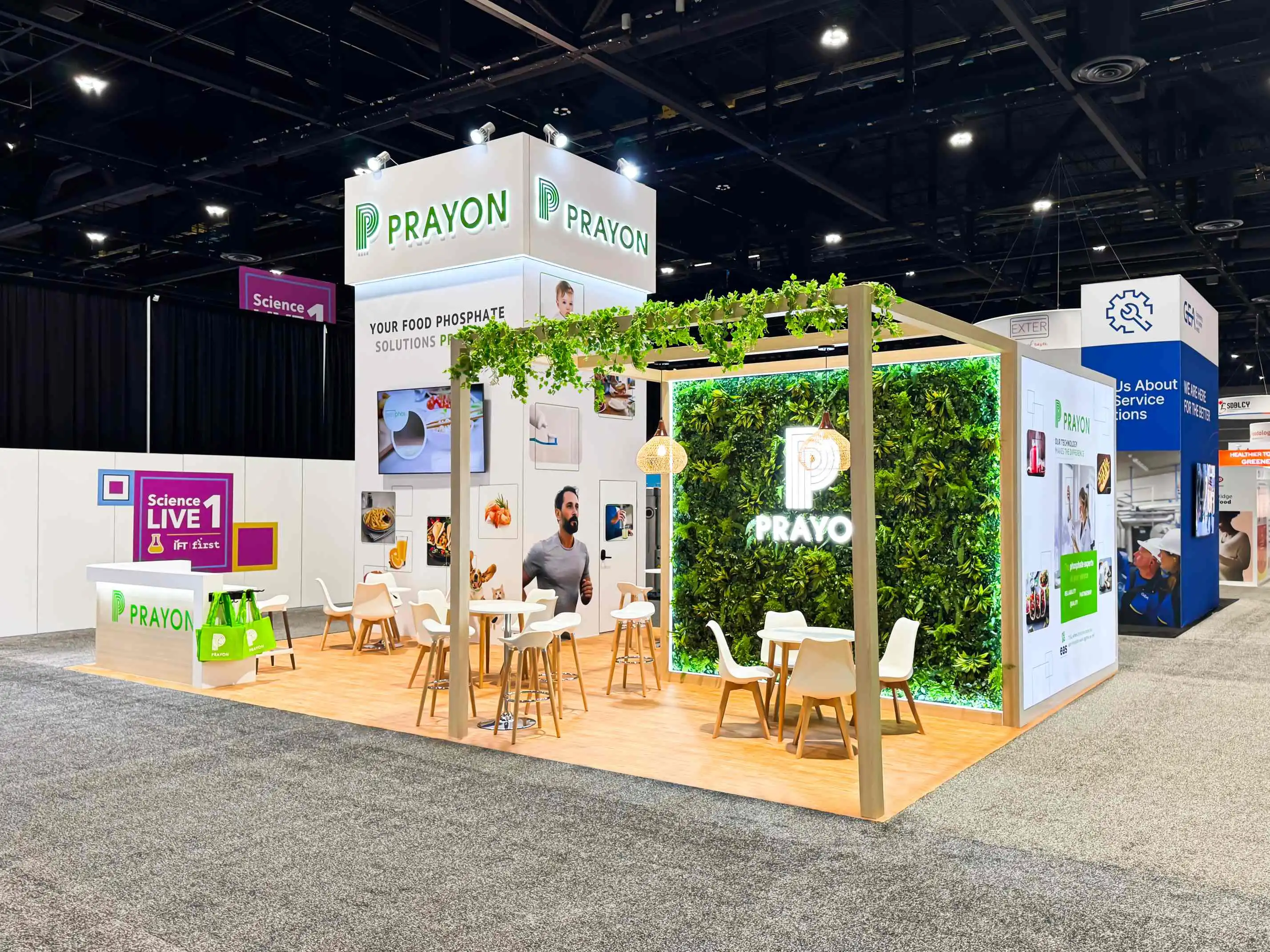
Key Criteria for Selecting Industrial Suppliers
Evaluating Booth Construction Partners
To choose the best exhibition services provider, you need to look at more than just price. Dependability is very important. Can the seller keep the dates they say they will, especially when working with people in different time zones? Quality control steps make sure that materials meet the needs of the venue and are in line with brand standards. Delivery performance includes not only shipping logistics but also execution on-site, where delays have a direct effect on how many people attend the show.
When procurement workers are looking at possible partners, they should look at portfolios that show experience with booth sizes and businesses that are similar to their own. A company that works with tech startups needs different skills than a company that makes big screens for cars. Specifications for materials are very important. For example, fire-resistant fabrics meeting DIN 4102 B1 or NFPA 701 standards, aluminium extrusion profiles rated for specific load capacities, and high-pressure laminates that don't show floor wear are all signs of professional-grade construction.
Practical Evaluation Framework
Transparency in contact with suppliers is what sets great partners apart from average ones. Does the service company offer thorough project schedules with checkpoints at key points? Can they give you expert drawings and 3D models before they start making it? These parts make things less uncertain and help marketing teams picture the finished product. References from past clients, especially those in the same industry, are a great way to find out how well someone will do in real life.
Tracking on-time delivery rates, post-show damage reports, and how quickly suppliers respond to change requests are all part of a data-driven supplier evaluation. Companies that want to do well at exhibitions keep scorecards for their service providers that compare how well they do at different shows to find patterns. This method changes choosing a supplier from a matter of personal preference to an objective evaluation, which helps buyers make better decisions and builds stronger relationships with vendors.
Leveraging Technology for Smarter Procurement
Digital Tools Transforming Exhibition Planning
Technology has changed the way that exhibitors plan and carry out their show booth design participation. Advanced 3D rendering software lets marketing teams virtually walk through booth designs before they are built, so they can find problems with flow or branding that might not match up. This feature is very helpful for coordinating between teams that are spread out and where stakeholders can't easily visit fabrication facilities.
Real-time project management tools make it easy for exhibitors and building teams to work together. Cloud-based tools let you see how the manufacturing is going, how the shipping is going, and when the installations are going to happen. When a medical device business is getting ready for more than one show at the same time, like The Battery Show in Detroit and SEMICON West in San Francisco during the same week in October, they need to use digital coordination to keep track of their resources and avoid schedule conflicts.
Predictive Planning for Multi-Show Strategies
By looking at past success data, analytics tools help vendors make the best use of their show schedules. Which events led to the best quality leads? Where did the patterns of booth traffic point to better design? Tech-savvy suppliers use these insights to help with the design process, making spaces that are built to convert rather than just look good. Companies that are showing at a lot of events in October, like Money 20/20, FABTECH, and SupplySide Global, all in Las Vegas, gain a lot from having partners who know how the venue works and can easily handle overlapping schedules.
Enhancing Supplier Relationships for Long-Term Success
Building Strategic Partnerships
The most successful exhibitors see the people who build their booths as strategic partners, not just as suppliers. This relationship model stresses open conversation, working together to reach common goals, and always getting better. When a manufacturing business commits to showing at FABTECH every year, working with a steady provider lets them improve their designs over time by using what they learned in previous years. Performance reviews that happen after every show hold people accountable and push for better quality. Talking about what went well (like the way the LED lights were set up that brought in a lot of traffic) and problems makes the partnership stronger. When suppliers suggest new ideas based on new materials or rising trends that could make future shows better, both parties benefit.
Communication Frameworks That Work
Setting up clear rules for communication stops misunderstandings that stop projects in their tracks. Structure is created without stifling creativity by having designated points of contact on both sides, regular status updates, and written change order processes. For vendors who are in charge of more than one show, communicating through a single account manager makes it easier to coordinate and makes sure that institutional information is shared between events. This method works especially well for businesses that have never been to a big show before. Help from partners with more experience speeds up the learning process and keeps companies from making mistakes that cost a lot of money.
Navigating Compliance and Sustainability in Global Sourcing
Meeting Regulatory Requirements
All over the United States, places that hold exhibitions have strict rules about safety and the environment. The building materials for the booth have to meet certain fire resistance standards. Electrical work must be done by licensed professionals who know the local rules. For load-bearing uses, structural parts need engineering certifications. Not following the rules leads to orders to close the booth, which wastes the whole show budget.
Sustainability standards are having a bigger effect on buying decisions. Forward-thinking exhibitors ask for materials that are responsibly sourced, designs that can be used at more than one show, and building methods that produce as little waste as possible. These actions are in line with companies' goals for social duty, and they often save money in the long run by using flexible systems that can be put together in a variety of ways to fit different booth sizes and shapes.
Proactive Compliance Strategies
Professionals who build show booth design structures keep their licenses up to date and take care of the permit process as part of their standard service. They know the rules for each venue—for example, the Moscone Center in San Francisco has different rules than the Las Vegas Convention Center—and make sure that all materials arrive with the right paperwork. This knowledge keeps vendors from being surprised on the show floor and shows corporate procurement offices, which are becoming more focused on reducing risk, that you did your research.
Practical Steps to Optimize Your Procurement Process
Strategic Planning Framework
Getting things for an exhibition ready usually starts 6 to 9 months ahead of time, especially for big unique pieces. This timeline allows for careful supplier screening, multiple design changes, and enough time for fabrication without having to pay extra for rush work. Setting clear goals is the first step. For example, is the main goal to generate leads, raise brand awareness, show off products, or hire new employees? These goals affect what needs to be designed and how much money is spent.
Making clear requirements speeds up the process of evaluating suppliers. Write down the booth's needed size, any must-have features like private meeting rooms or areas for showing off products, as well as any branding rules and technical needs like power needs or AV integration. With clear standards, you can get accurate prices and keep the project's scope from growing as it's being worked on.
October 2026 Exhibition Opportunities
The October 2026 exhibition calendar has great chances in a lot of different fields. The Battery Show and Electric & Hybrid Vehicle Technology Expo (October 12–15, Detroit) brings in top executives from the energy and car industries who need high-tech displays to show off their products. SEMICON West, which takes place in San Francisco from October 13th to 15th, is for semiconductor and electronics makers who need carefully designed areas to show off their sensitive equipment.
Financial services companies planning for Money 20/20 (October 18–21, Las Vegas) should make sure that their booths have areas for friendly conversation and private consultations where private business matters can be discussed. FABTECH (October 21–23, Las Vegas) wants strong construction that can hold heavy displays of manufacturing equipment. On the other hand, SupplySide Global (October 26–30, Las Vegas) wants materials that are FDA-compliant and meet the standards of the food and supplement industries.
Maximizing Las Vegas Exhibition Success
Many more of these October shows take place in Las Vegas than in any other city. This gives exhibitors special benefits. Local manufacturing and installation teams get rid of the problems that come with shipping across country, cut down on transportation costs, and offer quick help on-site. Companies that are showing at more than one event in Las Vegas in October might be able to share booth parts, which would save them a lot of money through smart planning and flexible design.
Working with an exhibition services provider based in Las Vegas has real benefits, such as knowing the rules and logistics of the Las Vegas Convention Center, having established relationships with venue contractors, being able to make last-minute changes quickly, and making it easy for clients to visit the site during fabrication. These benefits are especially helpful for international exhibitors or companies from faraway states that are having trouble planning complicated setups from afar.
Conclusion
When trade shows are planned strategically with the help of a show booth design partner, they can go from being expensive obligations to powerful business growth engines. To be successful, you need to know how procurement works, choose qualified partners based on objective criteria, use technology to make coordination easier, and keep working together with your suppliers. Following safety rules and thinking about the environment can help protect a brand's image and show that the company is responsible. The October 2026 exhibition schedule has a lot of different opportunities for all kinds of industries. Las Vegas is becoming a hub for a lot of important events. Exhibitors who take the time to carefully plan, work with local providers with a lot of experience, and think of booth construction as strategic infrastructure rather than temporary decoration always get more out of their exhibition investments.
FAQ
Q1: What makes professional show booth design worth the investment?
A: Professional show spaces designed with the right materials, lighting, and room flow have much higher rates of visitor involvement and lead conversion than simple setups. Quality building with fire-resistant materials and aluminium extrusion systems makes sure that venues follow the rules, keeps the show floor from having to close, and makes brand memories that support the cost of the exhibition. The difference between amateur and professional performance has a direct effect on ROI through increased traffic, better product exposure, and places where people feel comfortable having business talks. Professional designs that are made up of modules can also be used again and again in different shows, spreading out the cost over time.
Q2: How far in advance should I start planning for major exhibitions?
A: Large custom booth projects need 6 to 9 months of planning time to get the best results. This is so that enough time can be spent on designing, buying materials, building, and organising logistics. Smaller flexible projects might be able to finish in 3–4 months, but tight deadlines usually mean extra costs and fewer design changes. Internal approval processes should be taken into account in planning timelines, especially in larger companies where designs are reviewed by many people. Strategic exhibitors plan their yearly show calendars at the start of the year. This helps them better allocate their budgets and give priority to booking vendors during busy exhibition times.
Q3: What advantages do local Las Vegas providers offer for convention center events?
A: Exhibition services based in Las Vegas take away the hassles of shipping across the country, cut down on transportation costs by a large amount, and offer instant on-site help for last-minute changes. Local teams know the rules of the Las Vegas Convention Center inside and out, have built relationships with venue workers, and are familiar with how the building works in a way that out-of-state providers are not. With direct access to fabrication facilities, clients can visit the site while it's being built, and local warehousing makes it easy to set up effective multi-show strategies when exhibiting at multiple Las Vegas events. All of these things work together to lower risk and greatly improve the quality of execution.
Partner with Exhibition Experts Who Deliver Results
To have a successful strategic show, you need more than just eye-catching graphics. You need a partner who can combine artistic excellence with precise logistics. In the technology, manufacturing, medical, energy, and consumer goods industries, HR Exhibits Service, Inc. designs and builds booths for a wide range of exhibitors. Our plant and experienced team in Las Vegas help with big convention center events by making sure they are delivered on time, follow venue rules, and go off without a hitch.
We work with buying workers who need reliable, cost-effective service, marketing managers who want to create memorable brand experiences, and sales directors who want to get new leads. Our team creates unique solutions that fit your goals and budget, whether you're launching new goods at The Battery Show, showing off new ideas at SEMICON West, or making a name for yourself at FABTECH. We help our customers from the first idea to the final placement at the show. As a reliable show booth design company with experience in many fields, we know what to do. Contact HR Exhibits Service, Inc. today at info@hrexhibits.com to discuss your exhibition needs and discover how strategic planning transforms trade show participation into measurable business results.
References
1. Trade Show Executive Magazine (2025). "Annual Exhibitor ROI Benchmark Report: Measuring Success Across Major U.S. Exhibitions."
2. Center for Exhibition Industry Research (2024). "Strategic Procurement in Exhibition Services: Best Practices for B2B Marketing Teams."
3. International Association of Exhibitions and Events (2025). "Compliance Standards and Safety Regulations for U.S. Trade Show Construction."
4. Exhibition Services & Contractors Association (2024). "Modular Systems and Sustainable Design: Industry Guidelines for Modern Booth Construction."
5. Smith, R. and Johnson, M. (2025). Exhibition Marketing Strategy: Maximizing Trade Show Investments Through Professional Design and Execution. New York: Business Press Publishing.
6. National Fire Protection Association (2024). "NFPA 701 Compliance for Exhibition Materials: Technical Standards and Testing Protocols."

Embark on Your Journey to Exceptional Exhibitions! Contact HR Exhibits Today to Transform Your Vision into Global Success.
HR Exhibits Service, Inc.