OEM Printing Equipment Brands: Best Show Booth Design Ideas
When OEM printing equipment brands prepare for major trade shows, the strategic engineering of exhibition spaces becomes mission-critical. Show booth design for printing manufacturers encompasses far more than visual appeal—it involves spatial architecture that accommodates heavy machinery, facilitates live demonstrations, and converts floor traffic into qualified procurement leads.
At industrial exhibitions where decision-makers evaluate large-format printers, 3D printing systems, or commercial press equipment, the physical environment must communicate technical credibility while creating comfortable zones for in-depth product discussions. Effective exhibition spaces solve practical challenges including weight distribution for equipment displays, electrical infrastructure for live operations, and traffic flow patterns that prevent bottlenecking during peak hours. A professionally engineered booth transforms expensive floor space into a revenue-generating asset.
Understanding Show Booth Design for OEM Printing Equipment
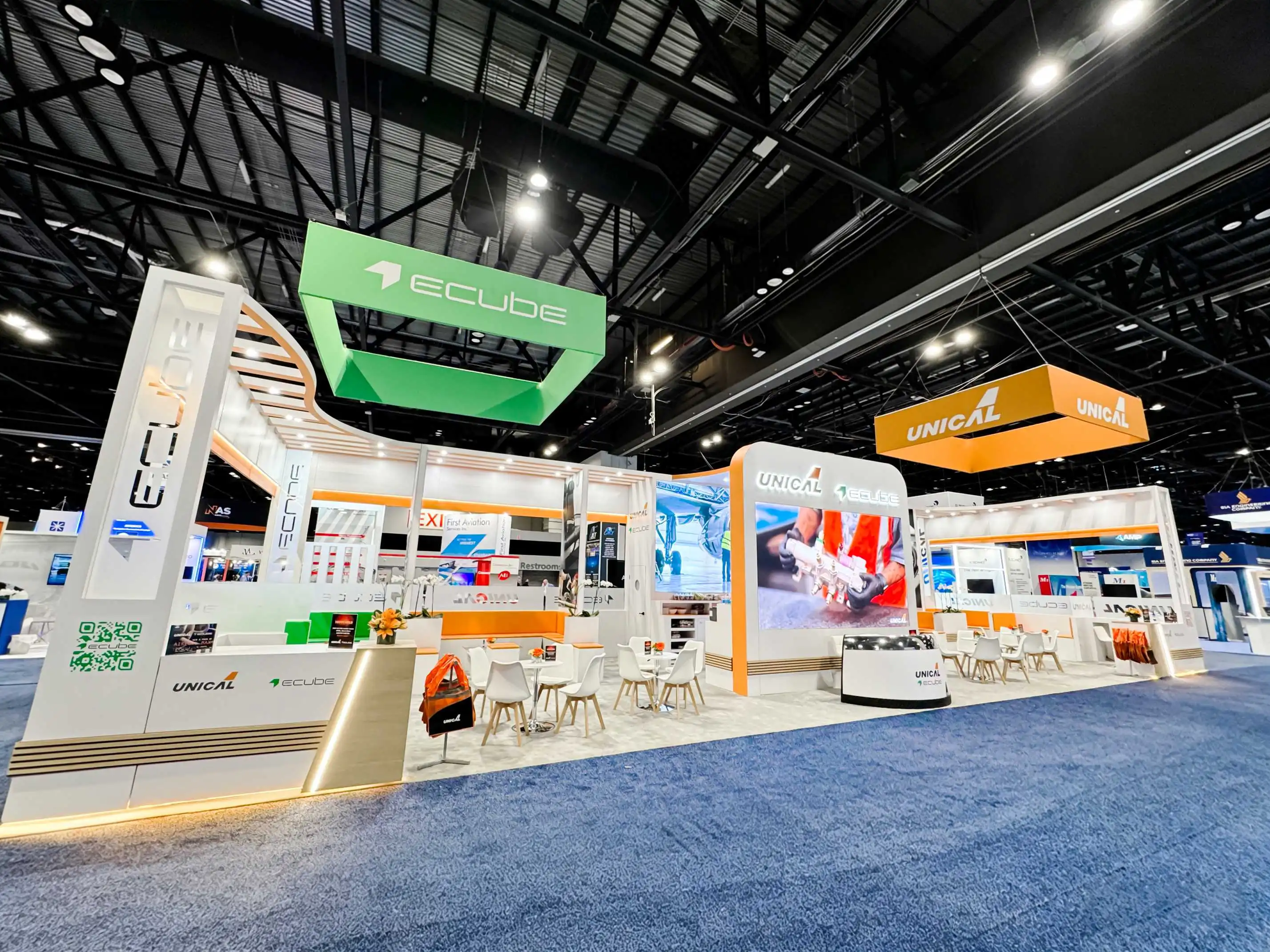
Show booth design for Original Equipment Manufacturers requires specific planning that can't be done with standard booth layouts. Industrial machinery displays are different from consumer product displays in that they need reinforced flooring systems that can hold loads of more than 1,000 kilograms per square metre, clearances above for equipment that is too tall and special electrical channels for high-voltage demonstrations.
The Unique Challenge of Machinery Display
Brands of printing equipment have to deal with space issues that most other exhibitors don't have to deal with. A commercial offset press or an industrial inkjet system takes up a lot of floor space and needs room to be used for live demonstrations. The design has to find a balance between functional zones and product exposure. It has to make sightlines that draw people in from faraway areas while still keeping paths clear around machines that are working. When multiple units are running at the same time, acoustic management is necessary. This means strategically placing materials that block out noise in meeting rooms where sales talks happen.
Building Credibility Through Spatial Design
In the world of business-to-business purchasing, the way an exhibition space looks has a direct effect on how people think about a brand. Not only do industrial buyers look at the specs of the tools, but they also look at how well organised the booth is. High-pressure laminate finishes, 6063-T5 aluminium alloy framing systems, and commercial-grade carpeting are all signs of high-quality manufacturing. Clean wire management, professional lighting installation, and perfectly aligned graphic panels all show that the structure is solid, which boosts trust in the brand's ability to do its job.
Creating Productive Engagement Zones
The best printing equipment exhibition designs separate the different functions into clear areas. These include demonstration areas with clear views, semi-private consultation areas with soundproofing, and hospitality areas where people can stay and talk for a long time. This zoning approach takes into account the complicated B2B sales cycle, which starts with initial interest and includes technical talks, price negotiations, and building relationships—all in a short amount of time at a trade show.
Best Show Booth Design Ideas for OEM Printing Equipment Brands in 2026
Modern display design combines new technologies with practical principles to make trade shows more impressive to look at and run more smoothly.
Optimized Layout Planning for Large Equipment
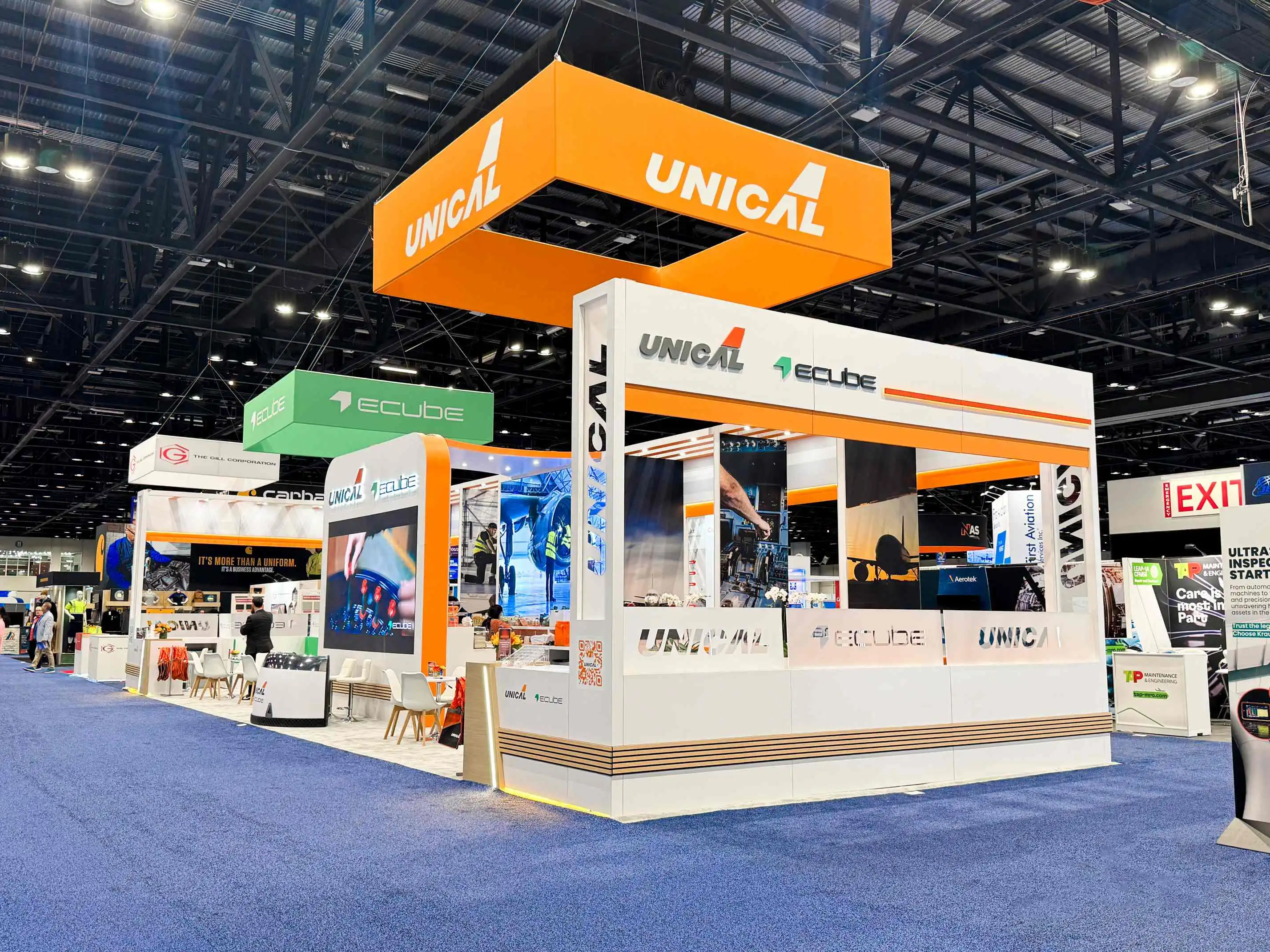
Contemporary booth layouts use corner islands that allow for 360-degree visibility while still making room for large pieces of equipment. Using raised platforms in a smart way makes tiered viewing areas that let people watch the printing process from the best angles without crowding the work areas. Modular partition systems with built-in electricity lines make it easy to change the layout of a show space quickly. This cuts the time it takes to set up from days to hours while keeping the structure the same.
Strategic Color and Material Selection
In the workplace, colour psychology is used in a planned way. Deep blues and metallic greys show that you know a lot about technology and engineering, while brand-specific accent colours make visual anchors that stand out. When choosing materials, longevity and upkeep are very important. For example, powder-coated metal finishes don't get damaged when they are installed over and over, and tension cloth graphics keep their wrinkle-free look even after being shipped and stored. These materials meet the NFPA 701 fire safety standards that are needed at most major events in the US.
Technology Integration for Enhanced Engagement
Advanced lighting systems with Colour Rendering Index values above 90 make sure that colours are shown correctly during printing demos, which is important for brands that want to show off their colour management skills. LED spotlights with Kelvin temperatures that can be changed let you draw attention to certain parts of equipment while keeping the lighting in consultation areas comfortable. Large touchscreens that show technical specs, QR codes that lead to detailed product paperwork, and built-in audiovisual systems for planned talks are all examples of digital integration.
When flexible building methods are used, brands can expand their reach to fit venues of different sizes. A basic 20x20 layout can be expanded to 30x30 plans by adding more parts. This keeps the design consistent while taking budget into account for many annual shows.
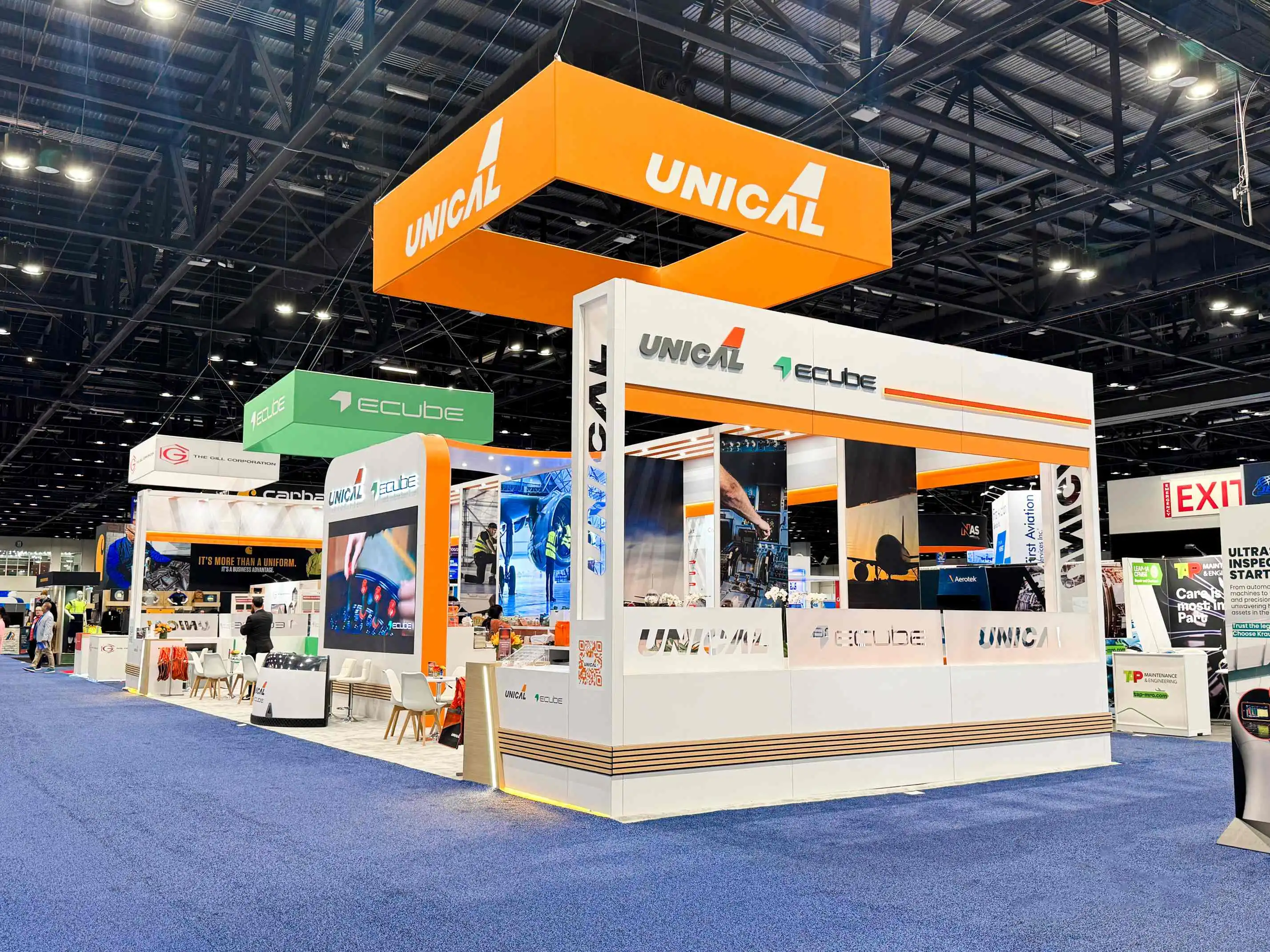
Custom vs Modular Show Booth Designs: What OEM Printing Brands Should Know
OEM makers of printing equipment need to weigh the cost of booth space purchases against long-term marketing plans and how often they will be attending different trade shows.
Custom Design Advantages and Considerations
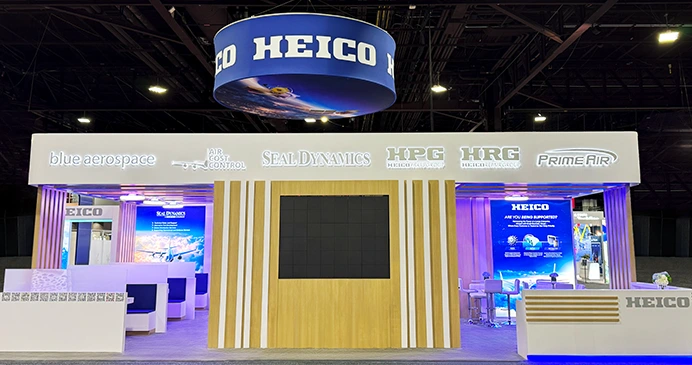
Fully customised builds let you be as creative as you want and make sure your brand is perfectly aligned. Architectural elements can use design languages that are unique to the company, make dramatic ceilings that make it easier to see in crowded exhibition halls, and include unique features like climate-controlled areas for showing off sensitive equipment. Custom building works best when brands only show up at one big show a year or when product demos need special infrastructure. The cost is usually between $150 and $350 per square foot, and it takes 12 to 16 weeks for the design to be approved, the building to be done, and the logistics to be arranged.
Modular System Benefits
Standardised aluminium extrusion profiles and interchangeable panel parts make up modular exhibition systems. They can be put together without the need for special tools. This method cuts down on shipping costs by a huge amount—a 20x20 modular system ships in about 12 crates, while a custom-built version would take 25 to 30. When a brand exhibits at more than one event a year, the reusability factor becomes important.
With proper maintenance, modular investments pay for themselves over 5 to 7 years, resulting in lower per-show costs even if the initial unit price is higher. Modern modular systems can handle custom graphic treatments and the merging of accessories, which makes fully customised show booth designs look more like they belong together.
Sustainability and Corporate Responsibility
More and more, industrial buyers are looking at suppliers through the lens of their environmental responsibility. Sustainability goals can be met by modular systems because they reduce material waste, make products last longer, and make the repair process easier. Damaged parts that were damaged during shipping can be changed one at a time instead of having to rebuild the whole area. A lot of modular manufacturers now have carbon offset programs and use more than 60% recycled aluminium, which gives you chances to send messages that will connect with corporate procurement teams that are using ESG criteria.
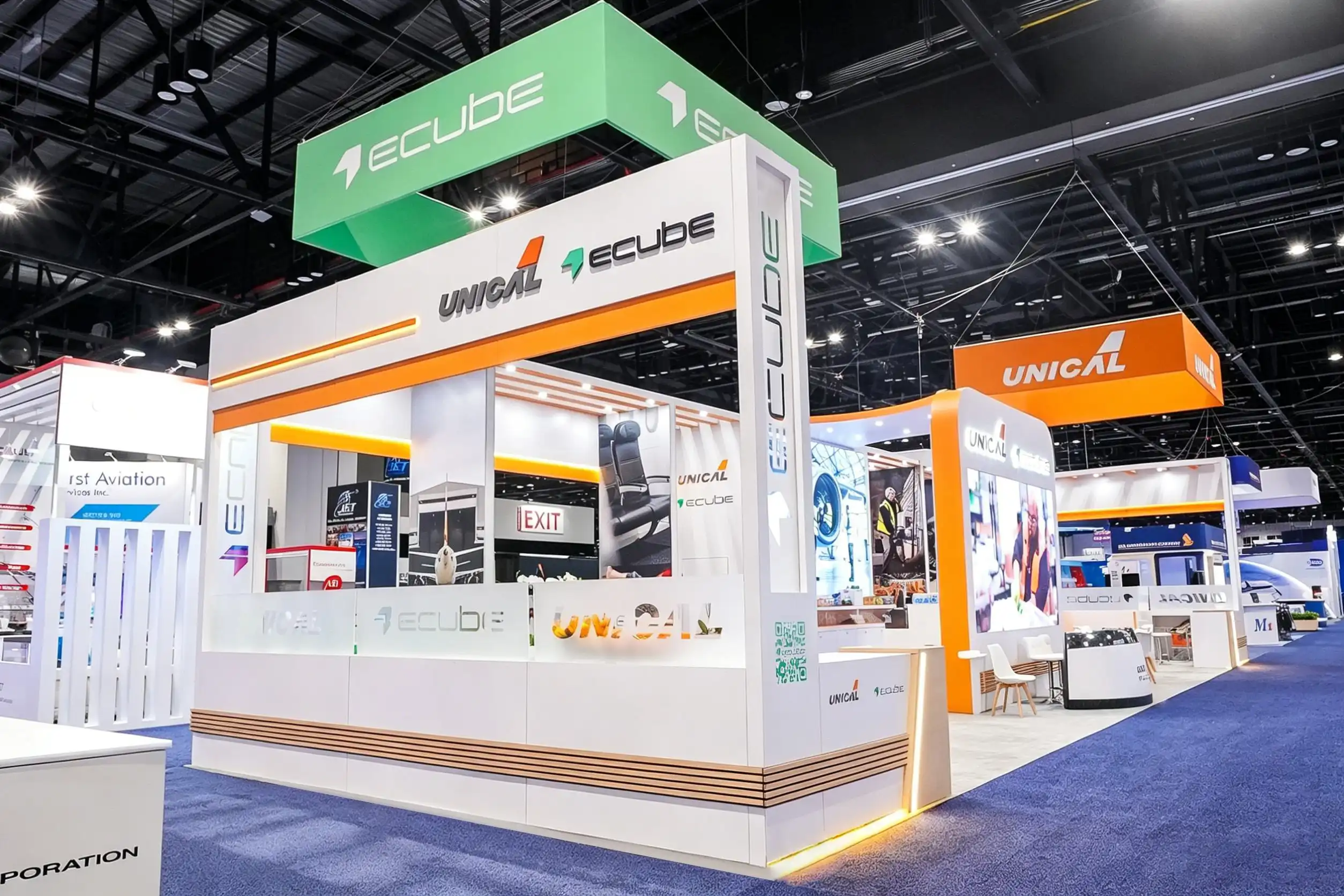
Choosing the Right Show Booth Design Company for OEM Printing Equipment
When looking for an exhibition services partner that can handle complicated industrial displays, you need to look at both their creative skills and their ability to handle logistics.
Experience with Industrial Clients
At big industrial trade shows, the best design partner shows off a collection that includes technology and manufacturing names. Look at case studies that show how equipment-heavy displays were used successfully in demonstrations. Companies that have done industrial exhibitions before know how to meet specific needs, such as figuring out the electrical load for multiple machines running at the same time, thinking about ventilation for equipment that makes heat or emissions, and doing structural engineering for viewing platforms with more than one level.
Comprehensive Service Capabilities
OEM brands gain a lot from turnkey service models that combine shipping, design, fabrication, installation, and disassembly into a single point of responsibility. This method gets rid of problems that come up when different vendors try to work together, and it makes budgeting easier. Check to see if possible partners have their own forging facilities or if they outsource production. Direct manufacturing control ensures consistent quality and lets you adjust the schedule quickly if show dates change or design changes need to be made during the development stages.
Geographic Proximity and Show Support
Working with a design and build company in Las Vegas can be very helpful for brands that want to take part in the busy exhibition schedule there. For example, FABTECH, Money 20/20, and SupplySide Global are all happening in October 2026. Local teams offer cheaper installation labour, don't have to ship small changes across the country, and can help in an emergency during show operations. Companies that run manufacturing sites in Las Vegas can store booth parts between events, which saves brands that show in the area more than once a year on shipping costs.
From our headquarters in Las Vegas, HR Exhibits Service, Inc. helps printing equipment makers and other industry exhibits all over the western United States. Our team is in charge of the whole project process, from coming up with the initial idea to taking it all apart at the end. They are especially skilled at handling the technical needs of shows that use a lot of machinery.
Upcoming Exhibition Opportunities
The exhibition calendar for late 2026 offers printing equipment makers strategic chances to show off new products:
Decision-makers in semiconductors and advanced manufacturing will be at SEMICON West (October 13–15, 2026, San Francisco, CA). This is an audience that is using more and more specialised printing technologies for electronics. Because the show is about new ways to make things, it makes sense for companies that offer precise printing solutions to work together.
FABTECH, which will be held in Las Vegas from October 21st to 23rd, 2026, is one of the biggest metal fabrication and manufacturing technology shows in North America. Over 40,000 professionals attend FABTECH every year, making it the best place for industrial printing tools used for marking in manufacturing, product labelling, and direct-part printing.
Money 20/20 (October 18–21, 2026, Las Vegas) is mainly about financial services technology, but there are also a lot of payment card companies, safe document companies, and fintech companies that need special printing skills there. This group has approved leads for brands that work in the safe printing, anti-counterfeiting, and authentication fields.
Because there are so many trade shows in Las Vegas at once, brands can get the most out of their investment by designing show booth designs in a way that works at multiple shows with little change. Working with a show partner in Las Vegas makes things easier when you have to go to a lot of events in a short amount of time.
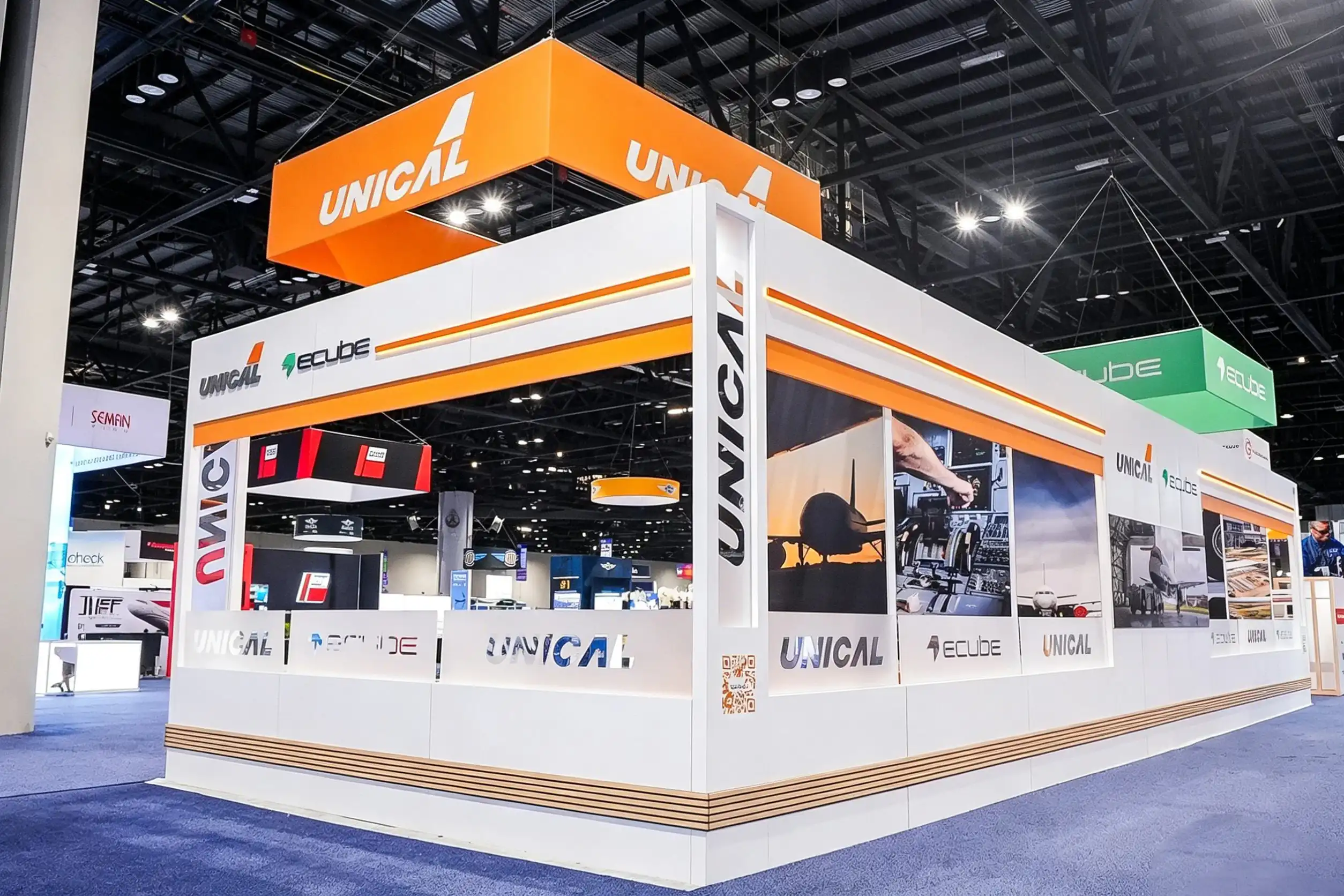
Maximizing Trade Show Success with Effective Booth Design and Execution
The money you make from big trade shows depends on how well you prepare before the show, how well you do at the show, and how well you follow up after the show.
Pre-Show Planning and Alignment
Setting clear goals six to nine months before the show is the first step in designing a strategic booth. Figure out whether your main goals are to get more leads, raise knowledge of a new product, build relationships with current customers, or improve your company's competitive position. These goals directly affect design choices—for example, open, easy-to-reach layouts with lots of places to interact with people are needed for lead generation, while product launches need dramatic focal points and the ability to present. Work with your design partner to make floor plans that show where to put tools, how much electricity is needed, and where staff will be stationed. Send in your place needs early to avoid having to rush freight planning and paying high service fees at the last minute.
Installation Management and Quality Control
Professional installation takes design ideas and turns them into exhibition spaces that work. Installation teams with a lot of experience show up with thorough assembly plans, pre-labeled parts, and the right tools to get the job done quickly. For complex industrial shows, the process usually takes two to three days. It starts with framing the structure, then moves on to installing graphics and setting up equipment, and ends with lighting focus and finishing details.
Before the show floor opens, quality control checks make sure that electricity lines are correct, that audiovisual systems work, and that all the equipment works as it should. Brands should choose team members to do walkthroughs before shows to make any last-minute changes while installation crews are still on-site.
Staff Training and Lead Capture
Even the best show booth designs can't work without staff who are properly trained. Inform team members about how traffic will flow, when demonstrations will happen, and how to become a lead. Set up rotation plans so that people don't get tired during long show days, and assign experts to lead technical talks instead of meeting people at the door. Set up digital lead capture systems that record contact information, qualification notes, and follow-up goals in real time. This will get rid of the need for transcription mistakes on business cards and speed up the outreach after the show.
Post-Show Measurement and Follow-Up
Within 48 hours of the end of the show, compare the success of the exhibition to goals that have already been set. Figure out the cost-per-lead, look at how well the leads are being distributed, and ask the staff for feedback on how the booth is doing and how visitors are interacting with it. Disciplined follow-up is still the most important thing for success—research shows that 80% of trade show leads never get contacted again. Start structured outreach practices within a week, with personalised messages that refer to particular talks and example details. Track conversion progression through CRM systems to calculate true exhibition ROI and inform future participation decisions.
Conclusion
OEM brands of printing equipment that work in competitive B2B markets need to think of trade shows as long-term investments that need professional design and production skills. The exhibition space shows what the brand can do, how advanced its technology is, and how committed its customers are. Whether you go with a custom or modular approach, good show booth designs balance how they look with the practical needs of showing off and demonstrating large pieces of machinery.
Working with exhibition service providers with a lot of experience who know what industrial clients need, can provide local support, and offer full turnkey solutions can turn complicated trade show logistics into marketing campaigns that run smoothly. Because there are so many shows in big cities like Las Vegas, brands can get the most out of their investments by planning ahead and making local partnerships that make going to more than one show easier.
FAQ
What design factors are most important for OEM printing equipment booth displays?
Important factors include the building's ability to support heavy machinery, its electrical infrastructure, the flow of space so that people can watch demonstrations without getting crowded, and sound control that keeps operating noise away from areas where people are talking. Also, lighting with high Colour Rendering Index values makes sure that colours are shown correctly during printer demos.
How do I balance customization benefits against budget constraints?
Look at how often you hold exhibitions each year and which ones are your top goals. Modular systems that can be used again and again and cost less per show are good for brands that only show up at a few big shows a year. Companies that are focusing on one major industry event may be able to afford custom builds that give their brand the most unique look. Hybrid methods, which combine modular building systems with custom visual treatments, offer solutions that are both flexible and unique.
What booth design trends should printing equipment brands adopt in 2026?
Modern building styles stress modular construction that lets you choose how it's put together, integrated technology like touchscreen product explorers and QR-coded technical resources, eco-friendly materials that meet the needs of businesses, and zone-based layouts that make separate areas for showing off products, consulting, and greeting guests. When compared to standard halogen systems, LED lighting systems with changeable colour temperatures let you change the mood while using less energy.
Partner with Las Vegas Exhibition Experts for Your Trade Show Success
HR Exhibits Service, Inc. has a lot of experience designing and building exhibition spaces for industrial brands and OEM printer manufacturers that are going to big US trade shows. Our team and fabrication facility in Las Vegas give companies that are exhibiting at the many shows in Nevada, like FABTECH, Money 20/20, and SupplySide Global, as well as events in California, like SEMICON West, clear advantages. We take care of the whole project lifecycle, from the initial concept design to the final disassembly. We are especially good at handling displays with a lot of moving parts that need structural engineering and complicated electrical integration.
Our "turnkey" method brings together design, manufacturing, logistics, installation, and show support under one single point of responsibility. This makes it easier to coordinate and gives you clear control over your budget. As an experienced show booth design company, we keep the ability to store parts between events, which saves brands that display more than once a year on shipping costs. Contact our team at info@hrexhibits.com to talk about your future expo needs and find out how our location in Las Vegas makes it easier for people from western markets to participate in trade shows.
References
1. Trade Show Exhibitors Association. (2023). "Industrial Exhibition Best Practices: Design and ROI Measurement for B2B Manufacturers." TSEA Industry Report Series.
2. Center for Exhibition Industry Research. (2023). "The Economic Impact of Trade Shows on B2B Marketing: Manufacturing Sector Analysis." CEIR Index and Outlook Report.
3. Exhibition Services & Contractors Association. (2024). "Booth Design Standards and Safety Regulations for Industrial Equipment Display." ESCA Technical Guidelines.
4. Journal of Convention & Event Tourism. (2023). "Spatial Design Psychology in B2B Exhibition Environments: Impact on Buyer Engagement and Purchase Intent."
5. International Association of Exhibitions and Events. (2024). "Sustainability Practices in Trade Show Design: Material Selection and Lifecycle Management." IAEE Sustainability White Paper.
6. American Society of Professional Estimators. (2023). "Cost Analysis Framework for Trade Show Booth Investment: Custom vs. Modular Systems in Industrial Markets." ASPE Research Publication.
Embark on Your Journey to Exceptional Exhibitions! Contact HR Exhibits Today to Transform Your Vision into Global Success.
HR Exhibits Service, Inc.