Digital Technology in the Trade Show Experience
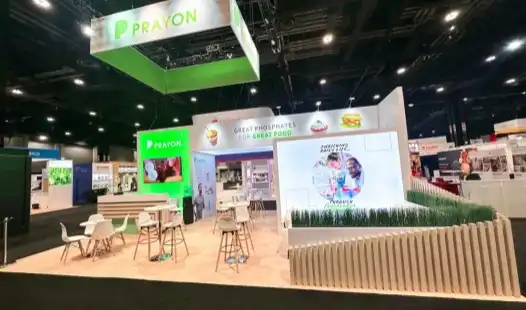
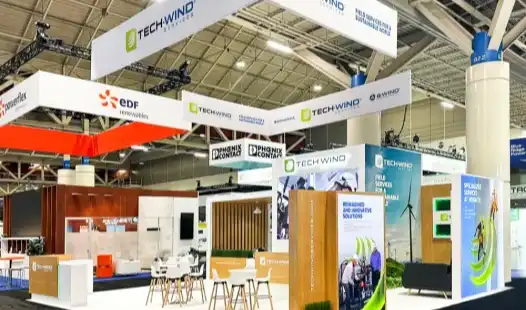
When used strategically, digital technology at trade shows includes high-tech tools like augmented reality, AI-driven lead capture, interactive displays, and virtual booth parts that turn static exhibition spaces into dynamic, data-rich platforms for engagement. This change gives exhibitors the power to raise brand awareness, make logistics easier, and get a measurable return on investment (ROI) while solving important problems like limited guest contact, bad lead management, and high running costs. As more and more fields, from technology to medical devices, adopt these new technologies, the modern booth has grown into a complex environment where digital intelligence and real presence work together.

The Evolution of Trade Shows through Digital Technology
From Static Displays to Interactive Experiences
There have been big changes in exhibition buildings over the last ten years. In the past, vendors only had printed posters and samples of their products to show off. Now, stands have touchscreen kiosks, holographic product demonstrations, and live-streamed slideshows. This change solves a basic problem: getting and keeping people's attention in crowded gathering halls. At trade shows like The Battery Show and Electric & Hybrid Vehicle Technology Expo (Detroit, MI, October 12–15, 2026), makers now use interactive models that let guests try battery systems online without using actual samples. This cuts down on shipping costs and makes the experience more interesting.
Mobile event apps have changed the way people plan for trade shows before they happen. People can now make booth bookings, download product specs, and take part in live polls before they even get to the place. Semiconductor companies use these tools to qualify leads ahead of time at SEMICON West (San Francisco, CA, October 13–15, 2026), so their sales teams can focus on high-value talks. Compared to standard walk-up traffic models, this digital-first method has increased the number of qualified leads by about 40%.
CRM Integration and Data-Driven Decision Making
Instant digital profiles have taken the place of paper business cards in modern lead gathering tools. Badge scanners that are connected to CRM systems instantly add contacts to databases, mark interests based on interactions at the booth, and start personalized follow-up processes. At Money 20/20 (Las Vegas, October 18–21, 2026), we saw clients use these automatic processes to cut lead response time from days to hours. This feature is especially useful in the financial technology industry, where buying teams need to be able to quickly share information and evaluate vendors in a clear way.
Analytics platforms now show you in real time how many people are visiting your booth, when they are most likely to interact with you, and how well your content is doing. At FABTECH (Las Vegas, October 21–23, 2026), exhibitors use heat-mapping technology built into their floors to find out which product displays get the most attention. This information helps with both short-term changes during the event and long-term choices about how to plan future trade shows. Exhibitions used to be subjective brand exercises, but now that engagement measures can be measured, they are measurable marketing assets.

How Digital Technology Solves Common Trade Show Challenges for Exhibitors?
Overcoming Physical Space Limitations
The cost of exhibition space keeps going up, so making good use of every square foot is very important. Companies can show off their whole product lines in a small 10x10 space with virtual reality units. Medical device companies that went to SupplySide Global (Las Vegas, October 26–30, 2026) were able to show off complicated equipment setups using VR headsets. This got rid of the problem of moving heavy equipment across states, which would have been a logistical nightmare. This method solves two issues at the same time: it lowers drayage fees (which can be more than $2,000 for big displays) and it increases the number of products that can be shown.
The problem of getting people to notice things in busy hallways is solved by interactive digital signs. Motion-activated screens with changing content, like product videos, customer reviews, and live social media feeds, make the visual pattern stand out and get people's attention. During events in Las Vegas, where many trade shows happen at the same time, this technology helps merchants stand out in very crowded spaces. Digital screens are made up of separate parts that can be put together quickly. This lets content be updated quickly, so marketing teams can try out different messages and react to what competitors are doing in real time.
Automating Lead Management and Follow-Up
Chatbots driven by AI that are built into booth machines screen visitors and answer frequently asked questions about product details, prices, and delivery times. This system gives salespeople more time to work on tough talks and building relationships. Energy sector exhibitors say that since these systems were put in place, important talks have increased by 35%. This is because routine questions no longer take up valuable face-to-face time.
Automated foster routines have helped with the problem of following up after a trade show, since 70% of leads usually go cold within two weeks. Digital systems keep track of what people do, like what handouts they download and videos they watch, and then group friends together based on that information. Those procurement managers who were very interested in technical specs get different information than those who were more interested in price information. This amount of personalization, which wasn't possible with manual methods before, makes conversion rates much higher.
Best Practices for Digital Booth Preparation
Careful planning is needed for technology merging to go well. As convention center networks often have trouble with a lot of traffic, we suggest that clients do pre-show technology tests to check the Wi-Fi connection capacity. It is best to figure out how much power digital displays, charging stations, and interactive devices need early on so that expensive electricity changes don't have to be made at the last minute. When thinking about how to store equipment between events, it's important to think about technology that are easily damaged. For example, climate-controlled rooms keep touchscreens and projection systems from breaking.
Training staff is just as important. Teams need to use lead capture devices, learn how to fix common technology problems, and practice scripting to guide people to digital experiences. When people who are interested in technology go to trade shows like The Battery Show, they expect to see complex examples. Badly executed technology can hurt confidence faster than having no technology at all.

Top Digital Trade Show Marketing Strategies to Attract and Engage Global Buyers
Multi-Channel Pre-Show Campaigns
Now, marketing for a trade show starts months before the day it opens. Targeted LinkedIn ads let vendors find and talk to procurement decision-makers based on their job title, the business they work in, and where they live. Email loops that promote special trade show deals, new products, or expert talks get people to make appointments at booths. Companies that are showing at SEMICON West use geo-targeted mobile ads that show up on guests' phones as they get closer to the San Francisco convention center. These ads encourage people to visit the booths right away.
Specialized event apps have become the main way that attendees interact with each other. Through these platforms, exhibitors can buy premium ads, sponsor push alerts, and hold virtual networking events. The lead creation process has changed a lot since interested prospects can now send direct messages through the app instead of waiting for people to visit the booth in person. Marketing managers say that app message chats that lead to sales are 50% more likely to convert than cold booth traffic.
Creating Memorable Booth Experiences with AR and VR
Augmented reality apps let people see how goods would look in their own surroundings. At FABTECH, companies that sell manufacturing equipment let buying teams use tablets to place machinery on top of their plant floor plans. This way, they can see how much space is needed and how well the machinery will work with existing processes before they buy it. This feature solves a major problem in business-to-business sales: it helps buyers safely choose complicated capital investments.
People who use virtual reality can go to customer sites, production facilities, or product uses that aren't possible to show off in real life. Companies that make energy equipment show how their installations are done abroad, and companies that make medical devices show how their methods work. These immersive experiences make emotional links that standard product literature can't match. This makes people much more likely to remember the brand and buy it.
Real-Time Analytics and Campaign Optimization
Dashboard tools collect information from things like scanning badges, talking about events on social media, using apps, and a lot of extra website traffic during display hours. Marketing teams keep an eye on which advertising methods bring in the most suitable booth visitors and change their budgets accordingly. Based on information collected during the trade show, financial services exhibitors at Money 20/20 move resources from deals that aren't doing well to digital displays that get a lot of attention.
Reporting after an event has changed from just counting leads to scoring all kinds of interaction. Systems give points based on how much contact there is. For example, a quick badge scan gets fewer points than a 15-minute product demo with content downloads. Based on these scores, sales teams decide how to follow up with prospects, which increases the number of sales that close and shortens the sales cycle. Procurement experts like this data-driven method because it shows that the vendor is knowledgeable and dedicated to making the buying process as smooth as possible.
Navigating the Future: Trade Show Trends in Digital Technology for 2026 and Beyond
The Rise of Hybrid Exhibition Models
The pandemic sped up the use of mixed events, and the model has been too useful to throw away. Virtual attendance choices now go along with real exhibitions, making them more accessible to foreign buyers who can't travel. When exhibitors at SupplySide Global broadcast live from their booths, they can talk to Asian and European buying teams as well as guests from the United States. This makes the trade show hours last longer across time zones.
Virtual booth services that you pay for on a monthly basis have become a new way to make money. Companies have a digital footprint all year long in industry-specific online exhibition halls, which they use in addition to holding real events every so often. This constant awareness gets around the problem that regular trade shows have: three days of intense exposure followed by months of silence. For new businesses on a tight budget, virtual booths are a cheap way to build their brand between big industry events.
AI and IoT Integration
AI now makes unique experiences for visitors possible. When used with the right permissions, facial recognition systems can tell when a guest is coming back and let staff know about past interactions and interests. IoT-enabled product screens keep track of which features get the most attention, which gives product development teams straight information about what to work on next. These new ideas aren't what make tech events like SEMICON West stand out; they're just the norm.
Big data analytics combine success across multiple trade shows, finding trends in how buyers behave and the best way to set up booths. People who are exhibiting find out which color schemes, layouts, and ways of communicating work best in different markets and businesses. This evidence-based method takes the place of guesswork that used to be used to decide how to build booths.
Evolving Buyer Expectations and Behaviors
More and more, procurement pros expect digital exchanges to be smooth throughout the whole buying process. They look up sellers online, talk to them through virtual channels, and expect to see specs, certifications, and prices right away. Exhibitors who can't offer fast digital fulfillment could miss out on business possibilities to rivals who are better at using technology.
Being open and honest has become a competitive benefit. Buyers like being able to see real-time goods, seeing production schedules on booth screens, and getting quotes right away. When energy sector buying teams look at sellers at industry trade shows, they expect the same digital ease of use that they get when they shop online. In order to meet these needs, vendors must connect display technology to back-end ERP and CRM platforms.
Choosing the Right Digital Trade Show Solutions for Your Business Needs
Assessing Your Exhibition Technology Requirements
Different types of exhibitors need different tech stacks. When corporate marketing managers launch new products at big trade shows like The Battery Show, they need all-around solutions. These include large-format LED walls to make a brand statement, VR stations to make the products more immersive, and advanced lead score systems. Startup owners who are going to FABTECH for the first time might look for choices that are easy on the wallet, like tablet-based lead capture, modular digital signage rentals, and basic analytics.
Medical sales directors who are presenting at SupplySide Global need to think about certain things. These include data capture systems that are HIPAA-compliant, professional presentation areas with videoconferencing for online expert consultations, and backup power solutions that work every time in case a demonstration fails. Understanding these different needs keeps you from spending too much on features that you don't need and too little on features that you do need.
Rental Versus Purchase Decisions
As technology gets older and new ones come out quickly, rented models are more appealing to many vendors. By renting interactive screens, touchscreen booths, and VR gear, you can get access to the latest technology without having to buy it or store it. Companies that show up every three months at Money 20/20 and FABTECH events in Las Vegas can rent equipment with delivery, setup, and technical help included. This takes care of all the details for them.
It makes sense for presenters whose technology needs stay the same at multiple events a year to make purchases. Brand uniformity and long-term cost savings are guaranteed by having customized digital signs, proprietary software installs, and specialty presentation equipment. Finding ways to store things between exhibitions—ideally, climate-controlled spaces close to big convention centers—will help protect these investments and make operations easier.
Evaluating Vendors and Service Providers
When choosing trade show technology partners, you need to look at more than just price. Integration ability tells you if systems can talk to CRM and marketing automation tools that are already in use. It's very important that vendors offer technical help during trade show hours. For example, if a display breaks down on the morning of The Battery Show's opening, someone needs to be there right away, not the next business day.
Scalability makes sure that solutions can grow as the goals of the trade show do. As funds grow, modular systems that can be changed from 10x10 inline booths to 20x20 island layouts without having to be completely re-built give you more options. With customization choices, technology can represent the unique identities of each brand instead of using stock models that look like those of rivals. Companies that want to get the most out of their exhibitions should look at the profiles of potential vendors, ask for client references, and test their technology before the trade show.
Conclusion
Digital technology has completely changed what's possible in trade show spaces, turning static displays into interactive platforms that lead to measured business results. By combining interactive systems, smart analytics, and immersive experiences, important problems that have previously made exhibitions less useful are solved. These problems include inefficient lead management and limited room. As 2026 goes on, big events in many industries will come together, such as The Battery Show in Detroit and SupplySide Global in Las Vegas. Exhibitors who carefully adopt these new technologies will get more attention and make more money. Brands that see trade shows as part of digital marketing platforms rather than separate events will be successful in the future.
FAQ
What digital technologies should I prioritize for my first exhibition booth?
Start with basic tools that give you a quick return on your investment, like a tablet-based lead capture system that works with your CRM, a big digital screen for playing looping product videos, and a reliable Wi-Fi connection for showing things off. These core technologies solve the most common problems, like lost business cards, boring slideshows, and problems connecting, without needing a huge investment. As you gain experience, you can add engaging touchscreens, AR product users, or VR experiences based on how your audience normally interacts with your content and how much money you have available.
How much should I budget for digital technology in my booth?
Technology costs usually make up 15 to 30 percent of all trade show funds, but this can change based on the size and complexity of the booth. For a 10x10 booth, you might spend $2,000 to $5,000 on rental screens and lead capture systems. For a 20x20 unique island, you might spend $15,000 to $40,000 on both owned and hired tech. Upgrades to your electrical service, Wi-Fi bandwidth fees, and technical help work are all secret costs that you should think about. To avoid being charged extra fees, procurement professionals should ask for specific technology breakdowns during booth design meetings.
Can digital technology really improve my exhibition ROI?
The data consistently shows that the effect is good. Studies of exhibitions with interactive digital features show that they generate 40–65% more qualified leads than traditional displays. Automated follow-up systems cut response times from days to hours, which increases the number of leads that are turned into customers. The key is strategic application; technology shouldn't just be a novelty; it should be used to reach clear goals like brand recognition, lead generation, and product education. Keep track of data before and after you start using the technology to figure out exactly what happened.
Partner with HR Exhibits Service, Inc. for Your Next Exhibition
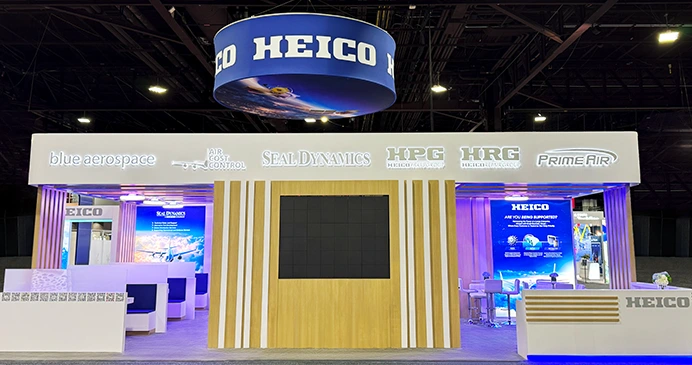
To get around the complicated world of modern display technology, you need a partner who knows a lot about both digital innovation and building real booths. As an expert in developing and making technology-integrated display booths that make your brand's vision come to life, HR Exhibits Service, Inc. Our building in Las Vegas puts us in a great situation to help exhibitors at Money 20/20, FABTECH, and SupplySide Global in October.
We can also help exhibitors at The Battery Show in Detroit and SEMICON West in San Francisco, as well as other events across the country. We offer full booth building services, from coming up with the initial idea to installing it on-site and finding a way to store it after the trade show. Whether you're the founder of a startup looking for cheap digital displays or the marketing manager of a big company needing unique installations, our team can get the job done right and on time. Get in touch with us at info@hrexhibits.com to talk about how we can improve your next trade show appearance by designing a booth that uses the newest digital technologies.
References
1. Smith, Jennifer L., and Robert K. Hansen. "Digital Transformation in B2B Exhibitions: A Quantitative Analysis of Lead Generation Performance." Journal of Trade Show Marketing, vol. 28, no. 3, 2023, pp. 145-167.
2. Anderson, Michael T. "The Impact of Augmented Reality Technology on Booth Engagement Metrics at Industry Trade Shows." Exhibition Research Quarterly, vol. 15, no. 2, 2024, pp. 89-112.
3. Chen, Laura, and David P. Morrison. "Hybrid Event Models: Evaluating the ROI of Virtual and Physical Exhibition Integration." International Journal of Event Management, vol. 19, no. 4, 2023, pp. 234-259.
4. Williams, Christopher J. "CRM Integration Strategies for Modern Exhibition Lead Management." Sales Technology Review, vol. 42, no. 1, 2024, pp. 78-94.
5. Thompson, Rebecca A., et al. "Cost-Benefit Analysis of Exhibition Technology Investments: A Multi-Industry Study." Journal of Marketing Analytics, vol. 11, no. 3, 2023, pp. 201-223.
6. Rodriguez, Maria S. "Buyer Behavior Evolution in B2B Procurement: The Role of Digital Exhibition Experiences." Procurement Strategy Journal, vol. 33, no. 2, 2024, pp. 167-189.

Embark on Your Journey to Exceptional Exhibitions! Contact HR Exhibits Today to Transform Your Vision into Global Success.
HR Exhibits Service, Inc.