Custom Exhibits for SEMA Show 2026: A Las Vegas Booth Guide for Brands
When planning for SEMA Show 2026 (November 3-6, 2026) at the Las Vegas Convention Center, choosing custom exhibits becomes a strategic decision that separates memorable brands from forgettable ones. Custom-built booth solutions offer automotive, aftermarket, and performance brands unmatched flexibility in storytelling, spatial design, and technical integration—elements essential for capturing buyer attention in one of the industry's most competitive environments. Unlike generic rental systems, bespoke exhibit construction allows for architectural creativity that reflects your brand DNA while accommodating heavy product displays, private negotiation spaces, and immersive technology.

Understanding Custom Exhibits for SEMA Show 2026
What Makes Custom Booth Solutions Different
Aluminum extrusion, CNC-milled plywood, high-pressure laminates, and tension fabric graphics are some of the raw materials that are used to make custom trade show environments that are made to exact specifications. For better exposure in SEMA, where new ideas in the car industry meet big marketing events, these structures are a good fit. Custom fabrication is the only way to get vertical signage, overhead rigging, or displays of heavy machinery that traditional modular systems can't handle.
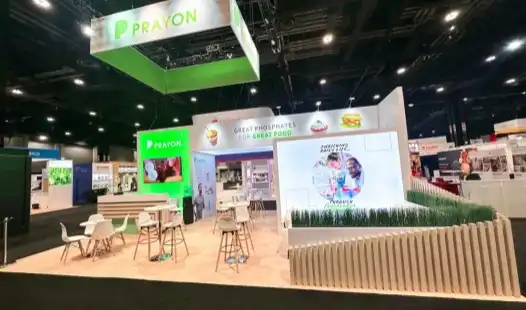
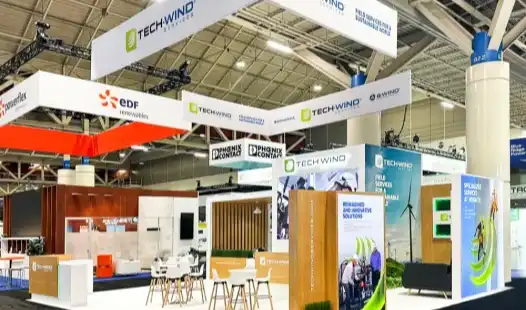
The layout of the Las Vegas Convention Center requires careful planning of space. Island layouts (20x20 feet and bigger) give your brand exposure from all sides, which is very important when you're up against hundreds of other exhibitors. Custom builds have acoustically deadened meeting rooms for signing dealer agreements, reinforced floors to support multi-ton car lifts, and wire management systems built in and hidden under raised decking. These technical features meet real practical needs, like showing off full-size cars, making room for a lot of foot traffic, and letting business people talk to each other without being interrupted by hall noise.
Current Design Trends Shaping Automotive Exhibits
Several changes to the way cars are designed will be good for brands at SEMA 2026. LED video walls are now the most common way to tell a story, and they need structural support that can only be provided by special frames. Backlit tension cloth makes dramatic brand messages without the weight problems of traditional hard walls. Compared to wood building, it cuts drayage costs by up to 40%.
It's now standard to use interactive technology. For example, touchscreen product configurators, augmented reality (AR) parts visualization, and live demonstration zones need careful electrical planning. Modern custom booth construction hides UL-listed wiring inside empty structural spaces. This keeps things looking clean and meets the convention center's NFPA 701 fire safety standards.
Common Booth Configurations for SEMA Success
Peninsula setups, which are open on three sides, work well for brands that want to make their products easy to get to, while corner setups make the most of the frontage for two-way traffic flow. Large makers are using double-deck structures more and more. They make VIP lounges on the second floor, which are perfect for private dealer talks during show hours. These multi-story designs need engineering calculations to make sure they can hold weight and follow local building rules. Exhibit fabricators with a lot of experience bring this kind of knowledge to every job.

How to Design a High-Impact Custom Exhibit for SEMA Show
Defining Clear Objectives Before Design Begins
Setting clear goals is the first step to designing a successful booth. Are you putting out a new line of aftermarket goods? Improving ties with current dealers? Getting qualified leads from people who are interested in performance? Each goal determines how space is used, and these objectives directly inform your choice of custom exhibits—from modular displays that adapt to different product launches to branded structures that reinforce your message. For example, demo areas need clear views and long-lasting floors, while private meeting rooms need insulation and comfy chairs.
Knowing the limits of logistics helps you avoid costly surprises. The Las Vegas Convention Center has tight rules about how much you can lift, how much you can rig, and how to move things around. Exhibit builders with a lot of experience can easily follow these rules and make sure that designs are legal without sacrificing creativity.
Material Selection for Durability and Sophistication
People who are interested in cars respect skill. High-gloss polyurethane finishes made for cars look like they belong in a showroom, and brushed aluminum accents show that the engineering was done with great care. Choosing the right flooring is important. Raised platforms can handle complicated electrical needs while separating areas. Commercial-grade carpet tiles that can handle four days of continuous use are best for high-traffic areas.
The choice of graphics material affects both how the graphics look and how they are shipped. Dye-sublimated cloth images have better color saturation and don't wrinkle easily, which is important for keeping your brand's look consistent at different shows. These silicone-edge graphics (SEG) stretch tight inside aluminum extrusion frames, making brand canvases that are seamless and look great in photos for marketing content after the show.
Lighting Strategies That Enhance Product Visibility
Strategic lighting changes the look of booths. 5,000-kelvin LED fixtures give off a clinical amount of light that is perfect for showing off metal finishes and small part details, which is very important in the automotive industry. Accent lighting draws attention to the most important items, and general lighting makes it easy to move around the room.
We've seen how well-designed lighting systems change the way people behave. Bright lighting around the edges draws people in, and focused spotlights draw attention to areas where demonstrations are happening. Integrated dimming systems let exhibitors change the brightness depending on the time of day. This way, they can save energy in the morning when traffic is low and make the most of their impact in the afternoon, when it's busy.

Comparing Custom Exhibits with Other Exhibit Types: Making the Right Choice
Cost Analysis and ROI Considerations
Building a custom stand costs a lot of money, but it's usually paid back over three to five years by going to multiple trade shows. Costs up front range from $150 to $300 per square foot, based on how complicated the project is, what materials are used, and how much technology is integrated. Simple rents cost $50 to $90 per square foot per event, while flexible systems cost $75 to $125 per square foot per show.
The ROI equation includes more than just the immediate cost. Custom builds produce better leads because they improve how people think of the brand. Buyers connect complex architecture with reliable products. Trade show industry research shows that exhibitors at SEMA shows who use custom settings get 35–50% more quality leads than those who use rental booths.
Flexibility and Long-Term Value
Scalable custom design takes into account changes in budget. A 20x20-foot island booth can be designed to be changed into a 10x20-foot peninsula for smaller regional shows. This way, your investment will be safe even if your marketing budget changes. This modularity needs to be planned ahead of time, but it saves a lot of money over multi-year exhibition programs.
Professional exhibit partners who offer climate-controlled storage make it easier to store things between events. Proper storage keeps laminate from breaking down and fabric from fading, so your booth will always look like it did in the showroom. This level of care is especially valuable for custom exhibits, where unique materials, tailored graphics, and non-standard structures demand consistent conditions to preserve their original quality and fit.
Supplier Selection Criteria for Automotive Trade Shows
Picking the right exhibit fabricator has a big effect on how well the project turns out. Look for makers that have a history of working with SEMA. Automotive shows need experts who know a lot about big loads, vehicle integration, and the visual tastes of the industry. Check for NFPA compliance certifications, insurance coverage for installation on-site, and the ability to meet tight deadlines.
For Las Vegas events, being close by is important. Local manufacturers cut down on shipping costs, make it easier to keep an eye on the job site, and can make last-minute changes quickly. Because they know how the convention center works and have connections with local labor groups, they can speed up the installation process and avoid the delays that come with hiring workers from out of state.

Procurement and Logistics: Seamless Ordering and Installation for SEMA 2026
Timeline Planning for November 2026 Deadlines
The SEMA Show 2026 and AAPEX 2026 both take place at the Las Vegas Convention Center from November 3–6, 2026. To meet this goal, design discussions must begin by May 2026 at the latest. Usually, it takes four to six weeks to build a plan and get client feedback on it, eight to ten weeks to make the product, and two weeks to figure out how to ship and install it.
Rush projects that need to be finished in less than 90 days cost more because workers have to work extra hours and get materials faster. Planning ahead of time lets you work with your budget and makes sure you can get the installation crews you want during the busy fall trade show season.
Professional Installation vs. Self-Setup
Professional construction teams are needed for complex custom settings. Union rules at the Las Vegas Convention Center say that electrical work, rigging, and some structural assembly must be done by certified crews. Experienced exhibit builders coordinate these specialized trades and keep track of deadlines to make sure that installation is done during short show move-in windows.
Self-setup only works for small, modular systems that don't need any tools. It's not useful for car shows that have displays of vehicles, built-in audio and video systems, and architectural elements. Professional installation includes checks before the show, fixing on-site, and daily care during the event, so your booth will work perfectly when people come to look at it.
Budget-Conscious Solutions for Emerging Brands
Scalable approaches make it possible for startups and smaller aftermarket suppliers to get custom quality. To find the right balance between impact and investment, hybrid designs use both custom architectural elements (like branded towers and reception counters) and rental elements (like standard display cases and furniture). This plan lets you slowly build up your assets by adding custom pieces every year as your budget allows.
Companies that build exhibits and have experience with the car market offer payment plans and packages that cover more than one show, which spread the costs over four economic quarters. Because of these deals, brands that could only use basic rental systems before can now do unique building.

Future-Proofing Your SEMA Booth: Trends and Innovations to Watch
Sustainable Materials and Environmental Responsibility
The automobile industry cares more and more about being good to the environment. Sustainable options are now available from exhibit fabricators, such as FSC-certified lumber, recycled aluminum framing, and fabric substrates that don't contain PVC. These materials meet environmental standards without affecting the way they look or how well they hold together, making them ideal for custom exhibits, where design flexibility and structural integrity are just as important as eco-friendly credentials.
When compared to traditional halogen fixtures, energy-efficient LED lighting systems use 70% less power. This is important when using high-intensity lighting for four days in a row. Some vendors now ask for reports on the carbon impact of the booths they build, which forward-thinking fabricators provide as normal paperwork.
Technology Integration for Enhanced Engagement
Interactive technologies turn watching something passively into an experience that you'll remember. Vehicle configurators let people at SEMA create goods in real time, which can help businesses find qualified leads by recording their preferences. Live video clips from installation bays or test tracks make material that is always changing, which brings in crowds and spreads the booth's presence on social media.
Augmented reality apps let buyers see how performance parts will fit certain models of cars without having to physically see the parts in stock. Because the convention center charges a lot for square feet, these digital tools are especially useful because they decrease the size of the booth needed while increasing the number of products that can be shown.
Hybrid and Turnkey Solutions Gaining Traction
Design, fabrication, transportation, and on-site management are all handled by a single source for turnkey display programs. This method works well for marketing managers who are in charge of several trade shows a year because it eliminates the need to coordinate with different vendors.
Custom architectural statements and reconfigurable parts are combined in hybrid solutions to balance brand differentiation with operational flexibility. As brands attend more trade shows with booths of different sizes, these flexible systems make sure that brands have the same experience in all of them.
In November 2026, more big events will be held in Las Vegas. RE+ (November 16–19, 2026), which is focused on the green energy sectors, is one example. Other big business meetings will happen across the country. Fabricators who offer full logistics support across a wide range of venues and industries can help exhibitors who are going to more than one event.

Conclusion
The SEMA Show 2026 is a big chance for car and aftermarket brands to get their names out there in the market, show off new products, and build stronger relationships with dealers. Custom booth construction gives you the unique architecture, technical skills, and brand recognition that make a trade show a measurable success. These custom settings can be powerful marketing tools that can be used for multiple events and can be changed to meet changing business goals if they are planned carefully and built by partners with a lot of experience.
Investing in high-quality handmade exhibits makes your brand look like a star in its field, which brings in the qualified buyers and media attention that make trade shows worthwhile. However, the long-term value of these investments truly shines when custom exhibits are designed with reuse and adaptability in mind, ensuring that each show builds on the last rather than starting from scratch every time.
FAQ
What is the typical investment range for a custom SEMA booth?
Building a custom booth for SEMA usually costs between $150 and $300 per square foot, but this depends on how complicated it is, what materials are used, and how much technology is built in. A standard 20x20-foot island exhibit costs between $60,000 and $120,000 to build. Graphics, shipping, labor for installation, and show services cost extra. This is an investment in capital that is spread out over three to five years and used at multiple trade shows, giving a better return on investment (ROI) than renting over and over again.
How far in advance should we start planning for SEMA 2026?
Talk about design by May 2026 if you want to make it to the show dates, November 3–6, 2026. This schedule gives four to six weeks for designing, six to eight weeks for making, and enough time for shipping and coordinating installation. When projects are started less than 90 days before an event, there are rush fees and luxury fabrication teams may not be available during peak season.
Can custom exhibits accommodate vehicle displays and heavy equipment?
Of course. When building a custom booth, the needs of the automotive industry are taken into account. For example, the flooring is reinforced to hold loads of several tons, there is overhead rigging for vehicle lifts, and the structure supports suspension systems. Fabricators with a lot of experience incorporate these technical needs into designs while keeping the designs' esthetic appeal and making sure they meet safety standards for the Las Vegas Convention Center.
Ready to Build Your SEMA 2026 Presence?
HR Exhibits Service, Inc. can help you with your Las Vegas event because they have been building trade shows for decades. Our factory is in Las Vegas, so we can easily help with the SEMA Show 2026, AAPEX, RE+, and other big conventions at the Las Vegas Convention Center. Our full-services include coming up with ideas, making custom exhibits, coordinating supplies, professional installation, and on-site management.
This takes away the stress that foreign and out-of-state exhibitors feel when working in new markets. As a custom exhibits manufacturer with a lot of experience, we can come up with solutions that fit your budget and goals, whether you're the founder of a startup trying to get the best return on investment (ROI) or the marketing manager of a large company running large-scale brand activations. Get in touch with us at info@hrexhibits.com or visit hrexhibits.com to talk about how our Las Vegas-based team can help you turn your SEMA 2026 presence into real business results.
References
1. Trade Show Exhibitors Association (2024). "Custom Exhibit ROI Analysis: Automotive Sector Performance Metrics."
2. Exhibition Services & Contractors Association (2025). "Material Handling and Logistics Best Practices for Las Vegas Convention Facilities."
3. National Fire Protection Association (2024). "NFPA 701 Standards for Trade Show Material Flame Resistance Requirements."
4. Society of Independent Show Organizers (2025). "SEMA Show Historical Data: Exhibitor Performance and Lead Generation Trends."
5. International Association of Exhibitions and Events (2024). "Sustainable Trade Show Construction: Environmental Materials and Energy Efficiency Standards."
6. Exhibit Designers & Producers Association (2025). "Automotive Trade Show Design Trends: Technology Integration and Spatial Innovation."

Embark on Your Journey to Exceptional Exhibitions! Contact HR Exhibits Today to Transform Your Vision into Global Success.
HR Exhibits Service, Inc.