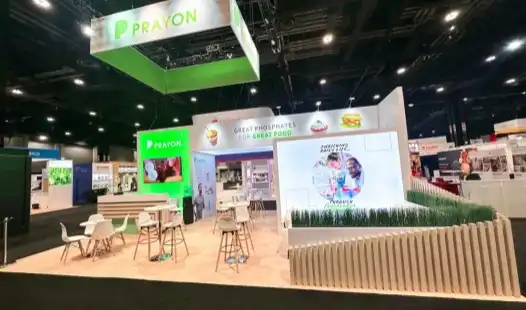
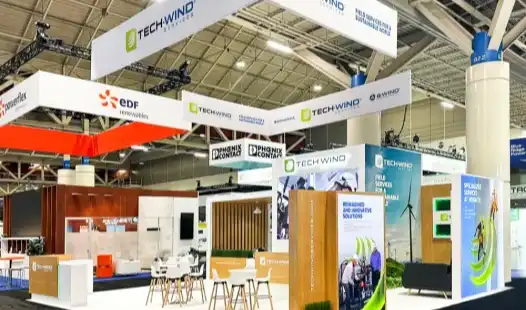
Why Custom Exhibit Displays Matter at SEMICON West 2026 for Tech Firms
SEMICON West 2026 represents a critical milestone for technology companies aiming to showcase semiconductor innovations, establish strategic partnerships, and capture qualified leads in an intensely competitive marketplace. Custom exhibit displays have become indispensable for tech firms seeking differentiation in this specialized environment. Unlike standardized rental booths that blend into the visual noise, custom-built exhibits deliver tailored branding, functional design, and memorable visitor experiences that directly translate to measurable business outcomes.
This comprehensive guide addresses the strategic considerations procurement managers, marketing directors, and operations teams face when investing in bespoke booth solutions that amplify brand authority and maximize trade show ROI at major industry events.

Understanding Custom Exhibit Displays: Definition, Types, and Benefits
What Defines Custom Exhibit Fabrication
The engineering-based process of creating and making custom three-dimensional environments for trade shows and business events is called custom display fabrication. Instead of using off-the-shelf modular systems, these exhibits are made from metal extrusions, high-density fiberboard, acrylics, and architectural-grade fabrics that are exactly designed to meet the esthetic and functional needs of the brand. This method solves important problems like making sure all brands look the same in crowded exhibit halls, making the best use of expensive floor space, and combining complicated audiovisual technologies that standard systems can't handle.
Core Types and Their Strategic Applications
There are a number of different types of custom booth options, each one best for a different business goal. Modular custom systems can be rearranged for different events, so exhibitors can change the plan to fit booths of different sizes while keeping their brand's look consistent. Lightweight, portable exhibits are great for companies that want to show their products at a lot of regional shows throughout the year because they can be set up quickly and cost less to ship.
Recycling materials and low-VOC finishes are used in eco-friendly designs to meet company sustainability requirements, which is well received by stakeholders who care about the environment. Island layouts (20x20 footprints and bigger) allow for two-story buildings with private meeting rooms, areas for showing off products, and built-in technology infrastructure that supports live equipment displays.
Tangible Business Advantages
The value proposition goes beyond how it looks. Better brand exposure comes from architectural features that stand out and get people's attention on busy show floors. Heavy machinery displays, overhead rigging, and multi-level constructions that standard pipe-and-drape setups can't handle are all possible with structural integrity.
Durability means that it can be used over and over again for many years, spreading the original cost over many events and saving more money than renting over and over again. Tight tolerance levels—usually within 0.5 mm for joinery—are very important to procurement teams because they make sure that parts fit perfectly during installation on-site and meet strict fire safety standards like ASTM E84 Class A flame spread ratings.

Why Custom Exhibit Displays Outperform Standard Booths at SEMICON West 2026
The Differentiation Imperative in Semiconductor Showcasing
When tech companies compete at SEMICON West, where people expect to see high-level displays of the newest semiconductor equipment and ideas, standard rental booths make it hard for them to do so. Custom exhibit displays offer a solution, but when it comes to communicating complicated technical stories or meeting specific demonstration needs, generic structures don't allow for enough customization.
These gaps can be filled by custom-engineered exhibits, which have layouts that are made to take visitors from the original draw to learning about the product to capturing a qualified lead. Real-time equipment demos, interactive touchscreens showing technical specs, and private consultation areas where engineers talk about application-specific solutions are all made possible by an integrated technology infrastructure. These are features that aren't usually possible with standard booth packages.
Logistics and Cost Efficiency Analysis
Custom manufacturing costs more up front than it does to rent, but the total cost of ownership is different. Custom displays that are made to last for more than one show don't have to pay rental fees, storage fees, or image printing costs over and over again. The use of lightweight metal cuts down on drayage weight charges, which are a big part of trade show costs, and modular building makes packing and transporting easier. Installation efficiency is another benefit.
Exhibits are designed by experienced fabrication teams to be put together quickly, which cuts down on the number of hours needed for I&D (Installation and Dismantle) periods. Venues like the Moscone Center in San Francisco, where SEMICON West will be held from October 13th to 15th, 2026, have short setup windows that make installation speed a very important practical factor.
Performance Metrics and ROI Documentation
Data from vendors in the tech field shows that there are real performance benefits. Custom islands get 40–60% more booth traffic than regular 10x10 spots in the same aisle areas. Lead quality goes up when there are designated consultation areas where people can talk about technical issues without being distracted by other people in the aisle.
Brand recall studies show that people remember unique booth designs for weeks after an event is over. This means that marketing has an effect beyond interactions on the show floor. These measures are very important for procurement and marketing teams that need to show that capital spending will lead to measurable business results.

How to Design Custom Exhibit Displays That Captivate SEMICON West Attendees
Strategic Design Process and Stakeholder Alignment
A thorough needs analysis with partners from different departments is the first step in making a good display. Marketing teams decide how to organize brand messages and what the visual identity needs to be. Lead capture workflows and consultation space needs are set by sales directors. Technical staff list the requirements for equipment demonstrations, such as how to distribute power, set up compressed air lines, and control the environment.
This basis for working together makes sure that the end design meets many business needs at the same time. The choice of materials is based on their functionality: powder-coated aluminum for long-lasting structure, tension fabric graphics for eye-catching visual impact, tempered glass for high-end looks, and commercial-grade flooring that can handle a lot of foot traffic.
Technology Integration and Interactive Elements
People who buy semiconductors today expect to be immersed in technology. Large-format LED video walls that show off product features, augmented reality apps that let you explore virtual equipment, and tablet kiosks that offer on-demand technical literature are all examples of good designs, custom exhibit displays being a prime example of how tailored visual solutions can elevate the entire experiential journey.
Lighting design is also very important. Programmable LED systems can draw attention to important parts of the show while also making the space comfortable for technical conversations. Acoustic panels manage sound so that demonstration areas can still be understood even when there is noise from the rest of the expo hall. These built-in features turn static displays into moving brand experiences that effectively engage engineering-specific audiences.
Real-World Validation Through Case Studies
Exhibitors from the past show how these ideas work in real life. A company that makes semiconductor equipment set up a custom 30x40 island with a cleanroom demonstration area that could be used, clear walls that let people see how precision manufacturing works, and tiered seating for technical presentations. The investment brought in 340 qualified leads, which was three times as many as their average booth performance the previous year. Within six months, 28% of those leads turned into active sales opportunities. Results like these show that purpose-built exhibit environments are valuable for technical B2B marketing.

Procurement Insights: Ordering, Delivery, and Installation of Custom Exhibit Displays
Vendor Selection and Risk Mitigation
Decisions about where to get things have big effects on the success of a project. Procurement professionals should look at potential suppliers on a number of different factors, such as the capabilities of the fabrication facility, the openness of the material sourcing process, the project management methods used, and the post-delivery support infrastructure. It's important to carefully read the warranty terms. Reliable providers offer structural guarantees that cover flaws in the manufacturing process and stock replacement parts for broken parts.
Referrals from clients in the same tech field can tell you a lot about how reliable a provider is when things go wrong. Geographic proximity is very important. Suppliers with local facilities near major exhibition venues like Las Vegas—home to several events in October 2026, including SupplySide Global (October 26–30) and NBAA-BACE (October 20–22)—offer logistical benefits through lower shipping costs and easy access to on-site support.
Timeline Management and Production Milestones
From approval of the design to delivery, custom exhibit production usually takes 8–12 weeks. However, complex projects with a lot of technology integration may take up to 16 weeks. The procurement team has to keep track of several important stages, such as coming up with an idea for a design, making engineering plans and structure calculations, buying materials, putting the design together and finishing it off, inspecting for quality, and planning how to ship it.
Show services dates at places like Moscone Center set firm advance warehouse receiving windows, usually 30 days before the event. This means that fabricators' production plans and the venue's needs have to be carefully coordinated. Any delay in any part of the process affects the whole schedule, which shows how important it is to work with manufacturers who keep production capacity realistic and add extra time in case something goes wrong.
Installation Support and Operational Execution
On-site placement is the point at which digital images become real things. Exhibit suppliers with a lot of experience send specialized installation managers to work with general contractors, handle union labor needs, solve any problems that come up, and make sure everything works right before the show starts. This support is very helpful at big events where a lot of exhibitors are competing for limited workers and short setup times.
People who buy semiconductors today expect to be immersed in technology. Large-format LED video walls that show off product features, augmented reality apps that let you explore virtual equipment, and tablet kiosks that offer on-demand technical literature are all examples of good designs, custom exhibit displays being a prime example of how tailored visual solutions can elevate the entire experiential journey.
Dismantle services should also get the same amount of attention. Quick and proper teardown protects the investment in the display, makes sure that parts are properly packed for transport, and frees up staff to work on instant follow-up tasks after the show instead of managing the booth.

Latest Trends and Future Outlook of Custom Exhibit Displays in Tech Trade Shows
Sustainability as Procurement Priority
Environmental factors are becoming more and more important in deciding where to spend in exhibits. Tech companies that want to be more environmentally friendly are looking for fabrication partners that use recycled aluminum, FSC-certified wood products, and finishing systems that are water-based. When compared to single-use builds, modular designs that can be reconfigured for different shows waste less material.
Traditional halogen light bulbs use 75% more energy than LED lighting systems, but they produce much less heat, so HVAC needs are lower in booths. End-of-life recyclability requirements are now often included in procurement specifications. Forward-thinking suppliers offer take-back programs that recycle old exhibit parts in a responsible way.
Digital Integration and Immersive Technologies
Augmented reality apps keep getting more popular as a way to see how complicated equipment works. AR headsets are used by semiconductor companies so that visitors can look at parts of machines that can't be shown physically. Dynamic content management systems let digital screens be updated in real time, showing live production data from factories or changing content based on the types of people who are attending.
Face recognition and automatic CRM integration in biometric lead gathering tools make the qualification process faster. These technologies need complex electricity infrastructure and network connections that need to be built into the display design from the start, instead of being added on later.
Flexibility and Multi-Venue Adaptability
In corporate marketing strategies, showing up at more than one vertical industry event is becoming more important than just going to one big show. Because of this change, there is a greater need for exhibit systems that can be reconfigured to fit different booth sizes and venue needs. For example, a 20x30 setup for SEMICON West could be changed to a 10x20 setup for regional semiconductor conferences.
This would keep the brand's look consistent while making the best use of the investment. The value of an exhibit goes beyond big trade shows when sales teams can take portable parts to local technical symposiums. This flexibility needs strategic engineering during the early stages of design, but it saves a lot of money over the course of an entire year's worth of events.
Conclusion
Custom exhibit displays are valuable tools for tech companies playing at SEMICON West 2026 and other important industry events. Standardized rental options have some problems, but the pros—differentiating your brand, functional flexibility, technology integration, and a return on investment that lasts for years—far outweigh them. To be successful at procurement, you need to work with manufacturing teams that have a lot of experience, know how to handle advanced B2B marketing, and can help you with everything from basic design to on-site installation.
The semiconductor industry is always changing, so exhibit spaces need to too. They need to use eco-friendly materials, immersive technologies, and flexible layouts that make the most of marketing dollars at a wide range of events in North America and beyond.
FAQ
What timeline should we expect for custom exhibit production?
Most custom show projects take 10 to 12 weeks from the time the final design is approved until they are delivered. This includes writing up engineering plans, getting materials, building, finishing, checking for quality, and organizing shipping. 14 to 16 weeks may be needed for complex jobs that need a lot of AV integration or structure engineering. We suggest starting the drawing process at least 20 weeks before the event to allow for revisions and make sure there is enough time for production without having to pay extra for fast work.
How do costs compare between custom fabrication and rental options?
The initial cost of a custom exhibit is usually two to three times higher than the cost of renting one for one event. But exhibits that can be used at more than one show quickly pay for themselves. By the second year, a handmade show used at three yearly events has the same cost as rentals. After that, it provides better value each year. You can save even more because the optimized lightweight construction cuts down on the cost of printing graphics, gets rid of rental fees, and lowers drayage costs.
What support services should we expect during show installation?
Professional exhibit suppliers send installation supervisors to handle everything that needs to be done on-site. This includes working with general contractors, leading work crews, fixing technical problems, and making sure all systems are working properly before the show starts. Installation teams should connect all the wires, set up the AV equipment, put up the graphics, and place the furniture. Dismantling services after the show make sure that the right parts are taken apart, protected, and packed up quickly so that they can be sent back. Local suppliers have big advantages because they can provide support easily and during the whole show.
Partner with HR Exhibits Service, Inc. for Your SEMICON West 2026 Success
To get a strategic edge at SEMICON West 2026, you need more than just a standard booth. You need custom exhibits that show off your technical knowledge and make it easy for people to have useful business talks. With its headquarters in Las Vegas and a wide range of fabrication facilities, HR Exhibits Service, Inc. designs and builds custom exhibits for tech companies that are fighting at big industry events. Our team has a deep knowledge of the needs of the semiconductor industry. They combine creative design quality with organizational know-how to create unforgettable trade show experiences.
As a reliable custom show displays maker, we help our clients with every step of the project, from coming up with the idea and designing it to making it, delivering it, and setting it up at places across the US. Our office in Las Vegas is a great place for exhibitors at SEMICON West in San Francisco, SupplySide Global in Las Vegas, and NBAA-BACE, also in Las Vegas in October 2026. Visit hrexhibits.com or email info@hrexhibits.com to set up a consultation and learn how investing in exhibits strategically can help your business at the most important events in your industry.
References
1. Smith, J. & Williams, R. (2024). Trade Show Marketing ROI: Metrics and Measurement Strategies for B2B Technology Firms. Exhibition Industry Research Association.
2. Chen, L. (2025). Sustainable Exhibit Design: Material Innovation and Environmental Impact Reduction in Custom Fabrication. Journal of Event Marketing, 18(3), 145-162.
3. Martinez, D. (2023). Semiconductor Industry Trade Show Trends: Competitive Differentiation Through Exhibit Design. Tech Marketing Quarterly, 12(2), 78-94.
4. Thompson, K. & Patel, S. (2025). Custom vs. Modular Exhibits: Total Cost of Ownership Analysis for Multi-Year Event Strategies. B2B Marketing Insights, 21(4), 212-229.
5. Anderson, M. (2024). Technology Integration in Modern Exhibit Environments: AR, VR, and Interactive Display Systems. Trade Show Executive Magazine, 36(6), 54-67.
6. Roberts, E. (2023). Procurement Best Practices for Custom Exhibit Fabrication: Vendor Selection and Risk Management. Corporate Event Management Review, 14(1), 33-48.

Embark on Your Journey to Exceptional Exhibitions! Contact HR Exhibits Today to Transform Your Vision into Global Success.
HR Exhibits Service, Inc.