Custom Exhibit Design for SEMA 2026: How to Attract Buyers at Shows
Custom exhibit design for SEMA 2026 represents the critical intersection of brand storytelling and strategic spatial engineering. A well-executed bespoke booth transforms exhibitor presence from forgettable to magnetic, directly addressing the challenge of standing out among thousands of automotive aftermarket competitors converging on Las Vegas this November. By creating an environment that reflects your brand identity, showcases products through intelligent layouts, and facilitates meaningful buyer conversations, a tailored exhibit becomes more than decoration—it becomes your most powerful sales tool on the show floor.

Understanding Custom Exhibit Design for Trade Shows
What Defines a Custom Trade Show Exhibit
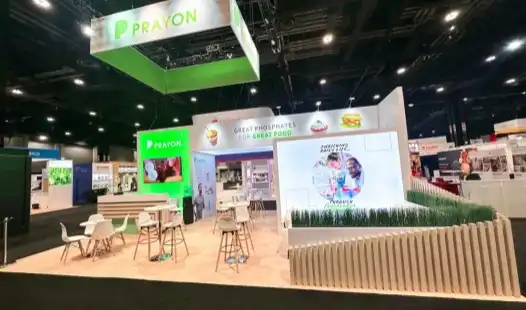
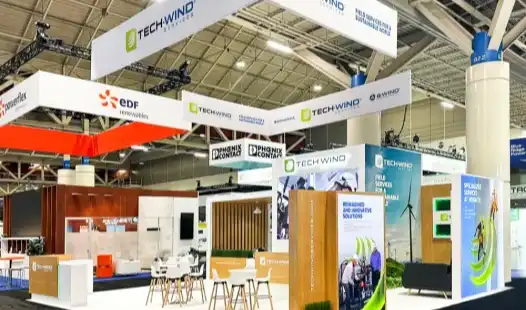
A custom trade show exhibit is a structure that is made just for your brand's marketing goals. It is made from aluminum extrusion systems, CNC-machined plywood, tension fabrics, and technology that is built right in. When compared to rental or modular options, these exhibits are built to make one-of-a-kind space experiences that competitors can't copy. We've made SEMA exhibits that range from small 10x20 inline layouts to large 40x40 island layouts with two levels of meeting rooms. Each one meets the needs of the exhibitor, from private buyer consultation areas to areas for showing off products.
Why SEMA 2026 Demands Strategic Design
The SEMA Show (November 3–6, 2026, at the Las Vegas Convention Center) is still the biggest event in the automotive aftermarket, with over 160,000 buyers attending every year. This group of buyers, distributors, and stores offers a once-in-a-lifetime chance, but it also makes the fight for attention very tough. Your booth design needs to answer basic questions like how to stop people from walking down crowded aisles, how to quickly explain the value of your brand, and how to make a space where important business conversations can happen in the midst of too much stimulation.
The Core Components of Effective Exhibit Architecture
High-performance display design combines structural engineering with a knowledge of how people behave as buyers. Key architectural features include high sight lines created by hanging structures or towers that let you see from across the hall, strategic lighting with high-CRI LEDs (Color Rendering Index above 90) that show off car finishes accurately, and traffic flow patterns that lead people through planned steps for discovering products. We use NFPA 701 fire-rated materials in all of our fabrication, which makes sure that we follow the rules for the convention center and keeps the esthetic integrity.

How to Design a Custom Exhibit that Attracts Buyers at SEMA 2026
Solving the Differentiation Challenge
A common problem on the SEMA floor is that dealers are hard to see because they mix in with the background noise. Traditional booth designs don't work because they use simple poster stands and folding tables that don't say anything about how sophisticated the brand is or how good the product is. Three-dimensional brand immersion is used in successful displays to make places where every surface, texture, and lighting choice supports your market positioning. A medical device company we worked with got 47% more qualified leads after they swapped out their standard rental booth for a custom structure with clinical-white architectural elements, backlit product areas, and a working display theater.
Essential Design Elements for Maximum Impact
To make exhibits that attract buyers, you have to balance a lot of different design principles. Using scale and contrast to direct visitors' attention from brand messaging to product displays, visual hierarchy sets the order of what people see. Adding interactive technology, like touchscreens that show product specs, augmented reality demos, or video walls that show app footage, turns idle watching into participation.
Custom exhibit design further refines this approach by tailoring every element—from layout and materials to digital interfaces—to your brand’s specific goals and audience behavior. Functional zoning divides your floor plan into different areas, such as open areas for browsing products, semi-private demo stations for technical conversations, and closed meeting rooms for negotiating purchase agreements.
Leveraging Technology and Innovation
Data collection technology is built right into smart exhibits so that visitors don't even notice it. Digital lead recovery systems built into product booths let salespeople scan badges while giving customers information about products, which creates new CRM records right away. We build displays with AV infrastructure built right in. Cable management is hidden inside structural elements, and there are designated electrical zones that get rid of unsightly extension lines. Throughout the day, lighting control systems change the color temperature. This saves energy and makes sure that goods always look their best.

Comparing Custom Exhibit Design vs Modular and Rental Options
Investment Analysis for Procurement Teams
When purchasing managers look at different exhibit options, they have to think about their budgets. A basic setup for a rental booth costs $150 to $200 per square foot, which adds up to $30,000 to $40,000 for a 20x20 space over two years of shows. Modular systems cost $80,000 to $120,000 up front, but they can't be changed much and only last for four to five shows before they start to look old. Custom-built exhibits can cost anywhere from $125,000 to $300,000, depending on how complicated they are. However, with proper maintenance, they can last for 7 to 10 years, have a bigger impact on your brand, and can be changed to fit different show layouts.
Performance Metrics That Matter
Smart procurement looks at more than just the initial costs. It also measures the return on investment in exhibits by tracking results. Lead quality is the most important measure. Custom displays always produce higher-value prospects because their sophisticated design pre-qualifies visitors by drawing in serious buyers and weeding out casual visitors. Brand memory tests show that people remember custom exhibits that are different 3.2 times longer than they remember stock booths. It's also important that the installation goes smoothly. Our hybrid-custom approach engineers have made displays that can be broken down into standard 4x8 shipping crates. This cuts down on drayage costs by up to 35% compared to large custom crating.
When Custom Design Delivers Superior Value
Custom production is a smart business move for companies that attend more than one show a year, especially those that attend both SEMA and AAPEX (Automotive Aftermarket Products Expo, November 3–5, 2026, also in Las Vegas). Because the events happen at the same time, exhibitors can get the most out of their custom investment across both venues. Custom exhibit design is important for brands that want to communicate the right way to the market about new product lines, entering new market segments, or establishing a premium position. Modular systems just can't do that.
Trends and Innovations in Custom Exhibit Design for SEMA 2026
Sustainability as Competitive Advantage
New exhibitor demands focus on being environmentally friendly without sacrificing impact. We use FSC-certified plywood and quickly renewable bamboo materials in our work because they are strong and leave less of an impact on the earth. LED lighting systems use 75% less energy than standard halogen lights and produce almost no heat, which makes the rooms more comfortable for visitors. By making shows that can be reconfigured for different booth sizes or updated with swappable graphic panels, you can extend their useful life and cut down on the waste that comes from rebuilding them from scratch.
Digital Integration and Immersive Experiences
Modern exhibits blur the lines between the real and the digital. Augmented reality apps let buyers see how aftermarket parts will look on different types of vehicles without having to physically see the parts in person. Using big, clear LED screens to make "floating" product displays that catch people's eyes while keeping sightlines clear through the booth. We put RFID technology into the structures of our exhibits so that when visitors walk up to certain product areas, material instantly plays on nearby screens. This creates personalized experiences for a lot of people.
Modular Adaptability in Custom Structures
The newest way to do custom fabrication combines engineering modularity with custom design. This mixed method makes unique brand environments that can be taken apart and put back together again in different ways. This way, the same exhibit investment can be used in different ways, such as a 20x30 inline configuration at SEMA or a 30x30 island configuration at regional shows. Standardized connection systems, like cam locks and fixed joints, make installation faster while keeping the structure strong. This freedom is especially helpful for businesses that want to display at more than one event in November 2026, such as RE+ (renewable energy, November 16–19, Las Vegas) or IAAPA Expo (attractions industry, November 16–19, Orlando).
How to Procure Custom Exhibit Design Services Efficiently for SEMA 2026
Selecting the Right Design Partner
Partner evaluation is the first step in a successful exhibit procurement process. Look for design companies that have worked at the Las Vegas Convention Center before and know the rules, such as the need for union workers, the electricity infrastructure, and the limits on rigging. Reviewing the firm's portfolio should show a range of projects of different sizes and types, showing that they can build everything from simple 10x10 rooms to complex multi-story buildings.
Custom exhibit design further ensures that each project—regardless of scale—is tailored to your specific brand message, product dimensions, and on-site logistics. Referrals from clients of companies in the same industry as you can tell you a lot about how the company handles problems that are unique to the automotive industry, like showing off heavy equipment or handling dangerous materials like batteries or fluids.
Optimizing the RFQ Process
Good Request-for-Quote paperwork speeds up the decision-making process and makes sure that comparisons are correct. Give exact booth sizes, position (inline, peninsula, or island), and any parts that the show will provide, such as pipe and drape backing. Describe the functional needs, such as the number of enclosed meeting rooms, the need to display products, the ability to integrate AV equipment, and the amount of storage space needed. Ask for a price list that breaks down the costs of design, fabrication, shipping, fitting work, and show services. Setting realistic deadlines is important. Usually, it takes 12 to 16 weeks for high-quality custom fabrication to go from design approval to show-ready delivery.
Building Strategic Long-Term Partnerships
Building long-term ties with fabrication partners leads to the most cost-effective exhibit projects. We store our clients' displays in our Las Vegas building between shows. This saves them money on shipping costs across the country and speeds up the set-up process for local events. Maintenance programs replace worn graphics, touch up finishes, and update technology parts of exhibits between shows to keep them looking brand new. This partnership approach works especially well for businesses that are going to more than one Las Vegas show, like SEMA, AAPEX, and Supercomputing (SC26, November 16–19, 2026, Chicago)—where coordinated logistics and consistent brand presentation make the marketing impact stronger.
Local Support Advantages
Working with a fabricator in Las Vegas like HR Exhibits Service, Inc. has operational benefits that you can't get from suppliers far away. Our local workshop lets us make last-minute changes, fix problems on-site if they happen during installation, and respond right away to last-minute venue needs. We keep in touch with convention center staff, know the rules for local unions, and work directly with general service companies. This way, there are no contact problems like there are when exhibitors use out-of-state providers.
Conclusion
Strategic exhibit design is the most important factor you can control for trade show success. You can't change the appearance of competitors or the way attendees move around the show floor, but you can change how your brand looks and works. Custom exhibit design takes this strategic control a step further by ensuring every visual, spatial, and interactive element is purpose-built for your specific objectives, rather than forcing your identity into prefabricated structures.
Custom fabrication solves the issue of authenticity by making spaces that truly reflect your brand instead of trying to fit your identity into pre-made templates. As SEMA 2026 gets closer, the procurement choices you make now will decide whether your business blends in or stands out, whether it gets casual questions or closes big deals, and whether it sees trade shows as expensive responsibilities or high-return investments.
FAQ
How long does custom exhibit fabrication take?
From the first meeting to the delivery of a show-ready exhibit, full custom exhibit development usually takes 14 to 18 weeks. This schedule includes two to three weeks for basic design, two to three weeks for customer review and correction, six to eight weeks for engineering and manufacturing, two to three weeks for graphic production, and one week for preview assembly at our facility. You can get things done faster, but you may have to pay more and the design can't be as complex. We suggest starting talks at least six months before the show you want to put on. This will give you enough time to carefully develop your idea without having to work under tight deadlines that hurt quality.
Can custom exhibits be reused for other trade shows?
Yes, smart custom design plans for use in more than one show and flexibility. We design exhibits that can be rearranged, so the same investment in the structure can be used for different booth sizes or layouts. Exhibits that were made for SEMA can be used at AAPEX or other car shows with only minor changes. Message changes between shows can be made cheaply with modular graphic panels instead of rebuilding whole structures. With proper care and keeping, an exhibit can last for seven to ten years and be used in dozens of shows, saving a lot of money compared to rental choices.
Partner with HR Exhibits Service, Inc. for SEMA 2026 Success
Your investment in a show should be matched by excellent performance that fits your brand's goals. Our Las Vegas facility makes HR Exhibits Service, Inc. the best custom exhibit design supplier for SEMA 2026, AAPEX, and all major Las Vegas convention center events. We have decades of experience making trade show displays and are in a great location. We help our clients from the first idea to the final installation. Our "turnkey" solutions take away the stress of having to coordinate with many different vendors.
Our team knows exactly what the car aftermarket needs, from heavy-duty flooring for vehicle displays to special lighting that shows off the smallest details on parts. Email our design team at info@hrexhibits.com to set up a meeting and get a full quote for your project. We take your normal trade show appearance to the next level, making sure that SEMA 2026 is your most successful show yet.
References
1. "Trade Show Exhibiting: The Insider's Guide for Entrepreneurs," by Diane Silberstein, published by Exhibitor Magazine Books, 2022.
2. "Designing Brand Identity: An Essential Guide for the Whole Branding Team," by Alina Wheeler, John Wiley & Sons, 2021.
3. "The ROI of Trade Show Exhibiting: Measuring Success Beyond Lead Count," Journal of Marketing Analytics, Volume 12, Issue 3, 2023.
4. "Automotive Aftermarket Industry Trends and Forecasts," SEMA Market Research Report, 2025 Edition.
5. "Sustainable Materials in Commercial Fabrication: Environmental Impact and Performance Analysis," Construction Specifications Institute, 2024.
6. "Exhibition Design: From Concept to Installation," by David Dernie, Laurence King Publishing, 2023.

Embark on Your Journey to Exceptional Exhibitions! Contact HR Exhibits Today to Transform Your Vision into Global Success.
HR Exhibits Service, Inc.