Experiential trade show booths what you need to know
It's important to know about experiential trade show booths when you're planning your next trade show appearance. These high-tech show spaces turn simple displays into brand experiences that are engaging and involve visitors on many levels. Unlike normal booths that only show off goods, experiential booths use interactive technologies, interesting stories, and smart booth design to make visitors' experiences unforgettable. We've seen this method turn inactive attendees into qualified leads, which makes it an important investment for marketing managers, sales directors, and procurement professionals who want to see a clear return on their show funds (ROI).
Understanding Experiential Trade Show Booths
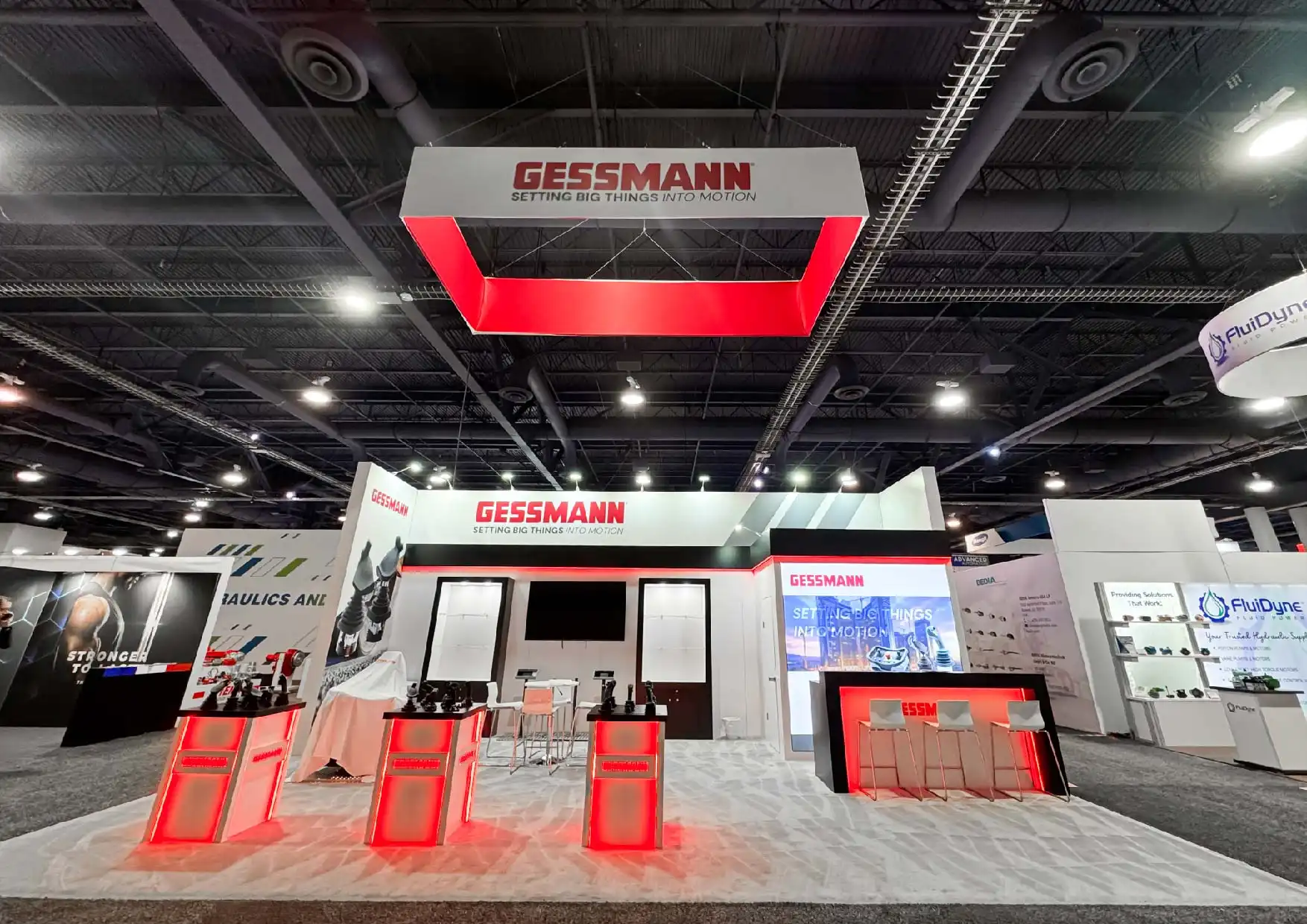
Experience-based booths are a big change in how brands meet with potential customers at trade shows. At their heart, these places value participation over watching. They make people want to be a part of your brand story instead of just looking at your goods.
What Makes a Booth "Experiential"?
Through purposeful sensory engagement, an experiential booth makes emotional links. Touchscreens let people learn more about the products, augmented reality lets people see how the solutions will work in their own environments, and live product demos show how the products can be used in the real world. The setup of the space tells a story instead of just showing a bunch of products one after the other. We make these spaces so that they answer the questions your prospects don't say out loud and build trust through open, hands-on interaction.
Why Traditional Displays No Longer Suffice
People who go to trade shows today, especially B2B procurement workers, already have study done before they get there. They've looked at your website, looked at those of your rivals, and come up with specific problems that need to be fixed. There are a lot of competitors for the same prospects in busy show halls, so static signs and leaflet racks can't get their attention. Research from the Event Marketing Institute shows that 74% of guests have better feelings about a company after taking part in an experience activation. This big change in how people see things has a direct effect on your conversion rates and makes the investment in high-end space design worth it.
The ROI Connection
Experiences have a direct effect on the bottom line. When people directly connect with your goods or take part in immersive demonstrations, they remember a lot more than when they just watch. We've kept track of projects where clients said they got 40–60% more quality leads than with their old standard booth setups. The key is to make moments that people will remember that set your brand apart long after the show is over.
Key Elements of Effective Experiential Booth Design
Several types of design must be balanced to make a good experiential setting. Each part works together to help you reach your marketing goals while keeping the structure strong and running smoothly.
Strategic Layout and Traffic Flow
The way your booth is set up affects how many important talks your team can lead. We plan layouts that make natural entry places that draw people in without putting up mental hurdles. Island layouts are great for brands that want to be seen at high-traffic shows like CES or PACK EXPO because they allow entry from all sides and make it easier to see. The plan has different areas, such as open demonstration areas to get people's attention, semi-private consultation areas for in-depth talks, and secure meeting rooms for final agreements away from the noise of the floor. Having good traffic flow keeps your rented space from getting backed up during busy times and makes sure that every square foot of it makes money.
Lighting and Color Psychology
Beyond just making things visible, lighting serves many other purposes. Based on your business, we figure out the right Kelvin temperatures for you. For example, warmer 3000K lighting makes consumer goods brands more approachable, while cooler 6000K temperatures show precision for medical device and tech companies. If the Color Rendering Index (CRI) number is above 90, your goods will look true to life in an exhibition hall. Color choice is based on psychology. For example, blues and grays show dependability to industry clients, while oranges and greens show energy and innovation for startups. These choices aren't made at random; they're based on how the people you want to buy from you process visual information.
Technology Integration That Enhances Rather Than Distracts
Technology should help your idea get across, not be that message. We've made booths with augmented reality headsets that let people who are buying medical equipment see how the equipment will work in their own facilities, touchscreen configurators that let people make their own solutions in real time, and live data screens that show performance measures. The important thing is that everything fits together smoothly. Cable management systems hide unsightly wires, ventilation keeps equipment from getting too hot, and structural strengthening keeps heavy LED walls safe. These technical needs are built into the basis of our fabrication process, rather than being added on as an addition.
Sustainable Materials and Corporate Responsibility
Today's procurement workers judge suppliers based on their environmental pledges more and more. We use low-VOC paints that meet California's strict CARB2 standards, FSC-certified wood, and fabrics made from recycled PET bottles. With modular aluminum framing systems, booth parts can be rearranged for different shows instead of being thrown away after just one use. These actions cut down on trash that ends up in landfills and show your clients that you care about business responsibility. Besides being better for the earth, sustainable materials often make things lighter, which cuts down on shipping costs by 30 to 40 percent compared to old ways of building.
Interactive Elements That Drive Engagement
Gamification, live demos, and hands-on product trials can turn people who are just browsing into interested possibilities. Visitors can fight for prizes by answering questions about products, taking part in live manufacturing simulations, and testing tools in a controlled environment. A company that makes medical devices that we worked with said that prospects who saw their surgery model in action were three times more likely to ask for follow-up meetings than prospects who only saw static screens. These hands-on moments make people feel connected in a way that standard booth design just can't.
Comparing Booth Design Approaches for B2B Trade Shows
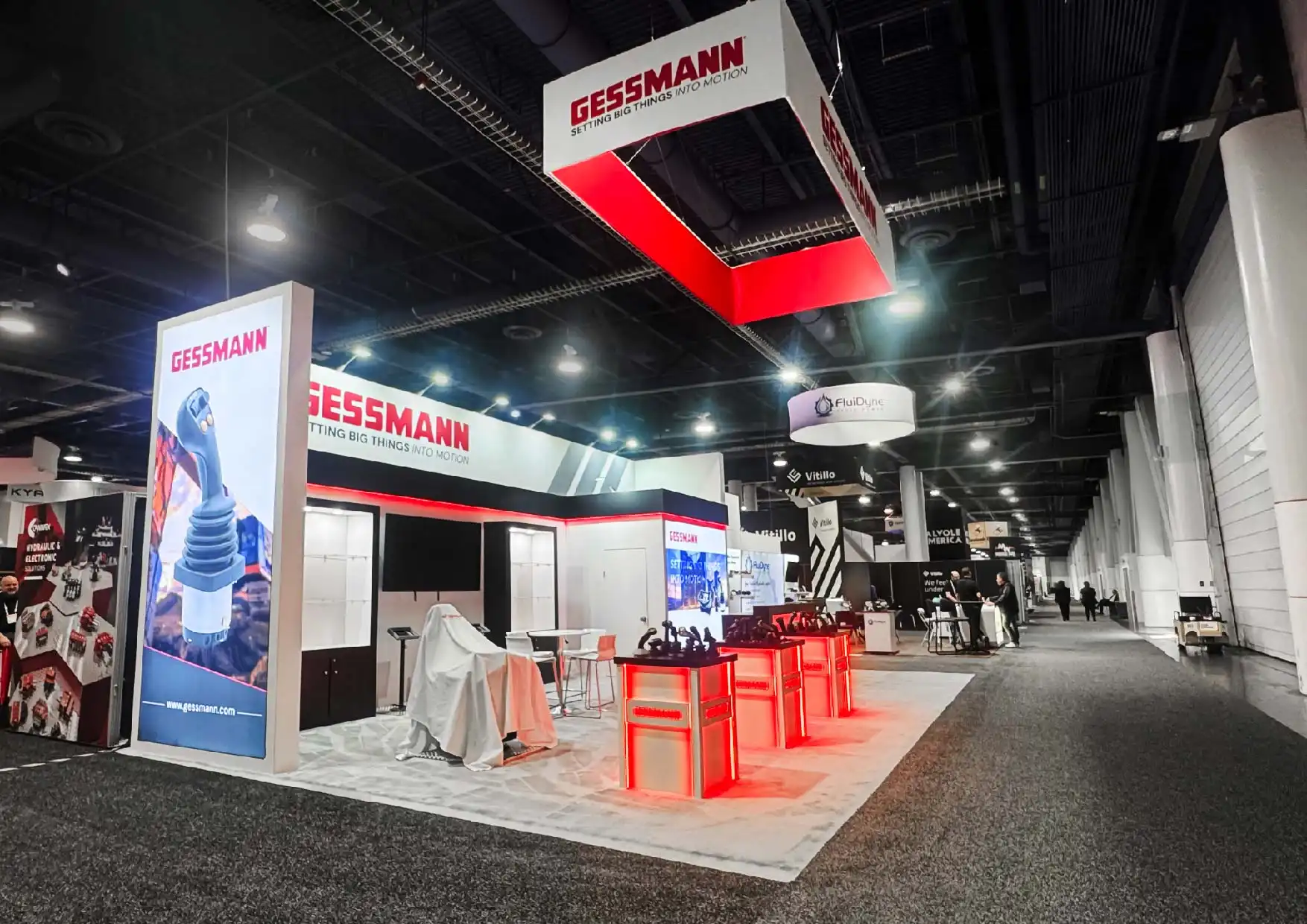
Choosing the right building method has a big effect on your budget, schedule, and how well your brand works. Knowing the difference between these terms helps you make smart choices that will help you reach your show goals.
Custom vs. Modular Construction
Custom-built rooms let you be as artistic as you want to be. Our design team can make any idea come true, including curved walls, multi-level buildings, and one-of-a-kind architectural features that become Instagram-worthy focus points. This method gives your business the most unique qualities, which is especially helpful when you're entering a competitive market or releasing a new main product. The trade-off is a bigger initial investment and longer wait times—usually between 4 and 6 months from idea to installation.
Standardized aluminum extrusion frames with replaceable graphic panels are used in modular systems. These arrangements cut down on the time it takes to make and the cost of shipping by a large amount. A 20x20 modular booth can often be rearranged into different sizes for different shows, giving you options for all of your yearly trade shows. The structure is built to standard sizes, but skilled designers use images, lighting, and the placement of accessories to make each brand experience unique. We suggest this method for businesses that present at several shows a year or want to test out new markets before making big custom investments.
Rental Options and Their Strategic Applications
Renting makes financial sense for companies that want to try out new markets or sellers who only want to show up once in a while. Renting properly designed booths is a great way for new businesses to manage their cash flow or for established businesses to test their presence at shows they haven't been to before. Customization is limited because hire booths come with set plans that can only have your graphics added to standard frames. We keep a large rental inventory at our Las Vegas facility to help clients who are showing at big Nevada events like SUPERZOO, which will be held at the Las Vegas Convention Center from August 12th to August 14th, 2026. This local help gets rid of the problems that come with shipping across the country and gives you instant access to our expert team during your event.
Portable Displays for Smaller Footprints
Portable systems work best in 10x10 straight areas or when they need to be set up quickly. These lightweight options can be put together by one person in less than 90 minutes without using any tools. Silicone Edge Graphics (SEG) give displays a professional look while weighing very little. This cuts down on drayage costs, which can eat up 20 to 30 percent of smaller exhibits' budgets. Even though portable displays can't compete with the appearance of bigger custom builds, smart design makes the most of limited room to make an effect. We've made portable setups for startups that get the same number of leads as rivals who use areas three times bigger. This shows that smart design can get around size problems.
Selecting Your Design-Build Partner
Picking the right provider will determine whether your investment in a show pays off or turns into a frustrating waste of money. We suggest looking at possible partners through a number of different lenses. Look at their past work to see if they've done any projects in your sector. Booth designs that work for consumer goods might not work for companies that make big machines. Ask for references from past clients and then call them to ask specific questions about meeting deadlines, staying within budget, and finding solutions to problems that came up out of the blue. Clear pricing systems are very important; figures that aren't specific often get bigger during execution. Our thorough bids list all of the costs, so there are no surprises that stop the procurement process.
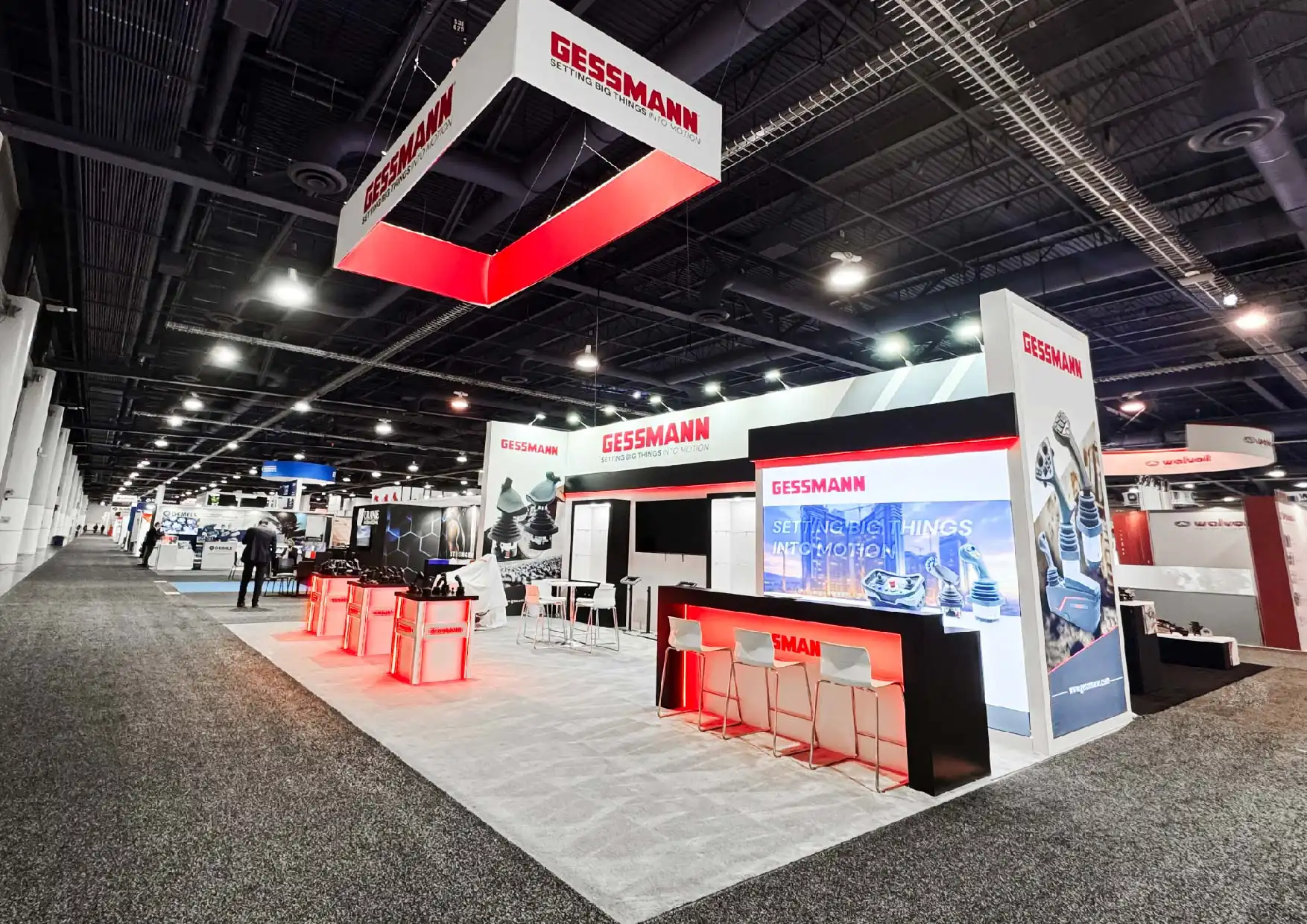
Step-by-Step Guide: Designing an Experiential Booth That Converts
Structured planning that matches artistic vision with operational facts is needed to make an experiential booth that works well. This road map shows you the most important choices you need to make.
Define Clear Objectives Before Design Begins
First, write down clear, attainable goals. "Generate awareness" isn't precise enough to be a good plan. Better goals are "gather 200 qualified leads from procurement managers in the medical device sector" or "show existing customers how the new product works while also setting up 50 meetings with new prospects." These specific goals guide every design decision that follows, including where to put things, what technology to use, and how many people to hire. We lead research meetings where your marketing, sales, and operations teams can work together to set common goals. This way, the final booth design will meet the needs of all parties.
Understand Your Audience's Exhibition Behavior
At trade shows, different buyer characters act in different ways. Purchasing managers usually come with specific lists to look over vendors, and they like that there are organized demos and private meeting rooms. Sales leaders look for places to build relationships and like areas with lots of kindness. Startup leaders often do a lot of study before going to booths because they value quickly getting technical specs. During the planning phase, we make a map of these behavior patterns, setting up zones that fit the needs of each character, and we integrate booth design to align physical space with these behavioral insights. By making the buyer's journey easier, this audience-centered method raises conversion rates by a huge amount.
Craft Your Brand Story for the Exhibition Environment
In the few seconds that people usually decide whether to enter or not, your booth should make your value offer clear. We make graphic stories that solve the main problems your audience is having right away. "Reduce Production Downtime by 40%" is a clear benefit statement that a company that sells tools for manufacturing might use as their headline. The supporting parts then give proof points, case studies, and scientific information to people who want to learn more. This tale order makes sure that you get people's attention before giving them a lot of information.
Select Technologies That Enhance Your Message
The technology you choose should match the needs of your audience and the skills of your team. Medical workers like clear visualizations of data and displays that let them connect with clinical outcomes. Buyers in the energy sector want to see proofs of reliability and the ability to watch things from afar. We list technologies that your staff can use without needing constant expert help. Nothing hurts confidence faster than broken tools or team members who can't figure out how to use the systems in their own booths. Our method includes training classes before the show to make sure that your staff uses technology well instead of fighting it.
Plan Logistics and Venue Coordination Early
Organizing an exhibition requires a lot of planning between the organizers of the show, the general contractors, and the management of the place. We start talking about these things 4 to 6 months before the shows happen, making sure we get the permissions we need for things like structural elements, rigging points for high signs, and enough electricity for performances that use a lot of power. For fire inspector checks, all materials must meet certain flammability standards, which can be DIN 4102 B1, NFPA 701, or Class A ratings, based on the location. Our manufacturing method only uses materials that are compliant, so there are no last-minute rejects that require expensive changes. As a company based in Las Vegas, we have built relationships with local convention centers that make it easier for our clients to get approval for Nevada events.
Execute Pre-Show Testing and Staff Preparation
The days before an art show opens decide whether it is a success or a loss. We set up full booths at our building so that problems can be found in a controlled setting instead of on the show floor, where fixes cost three to five times as much as usual. Your staff goes to practice sessions where they work on their messages and practice showing off products based on real-life situations, and they also rehearse how to navigate and utilize the booth design effectively. This planning turns booth teams from unsure players into sure-of-themselves brand ambassadors who make the most of every contact with a visitor.
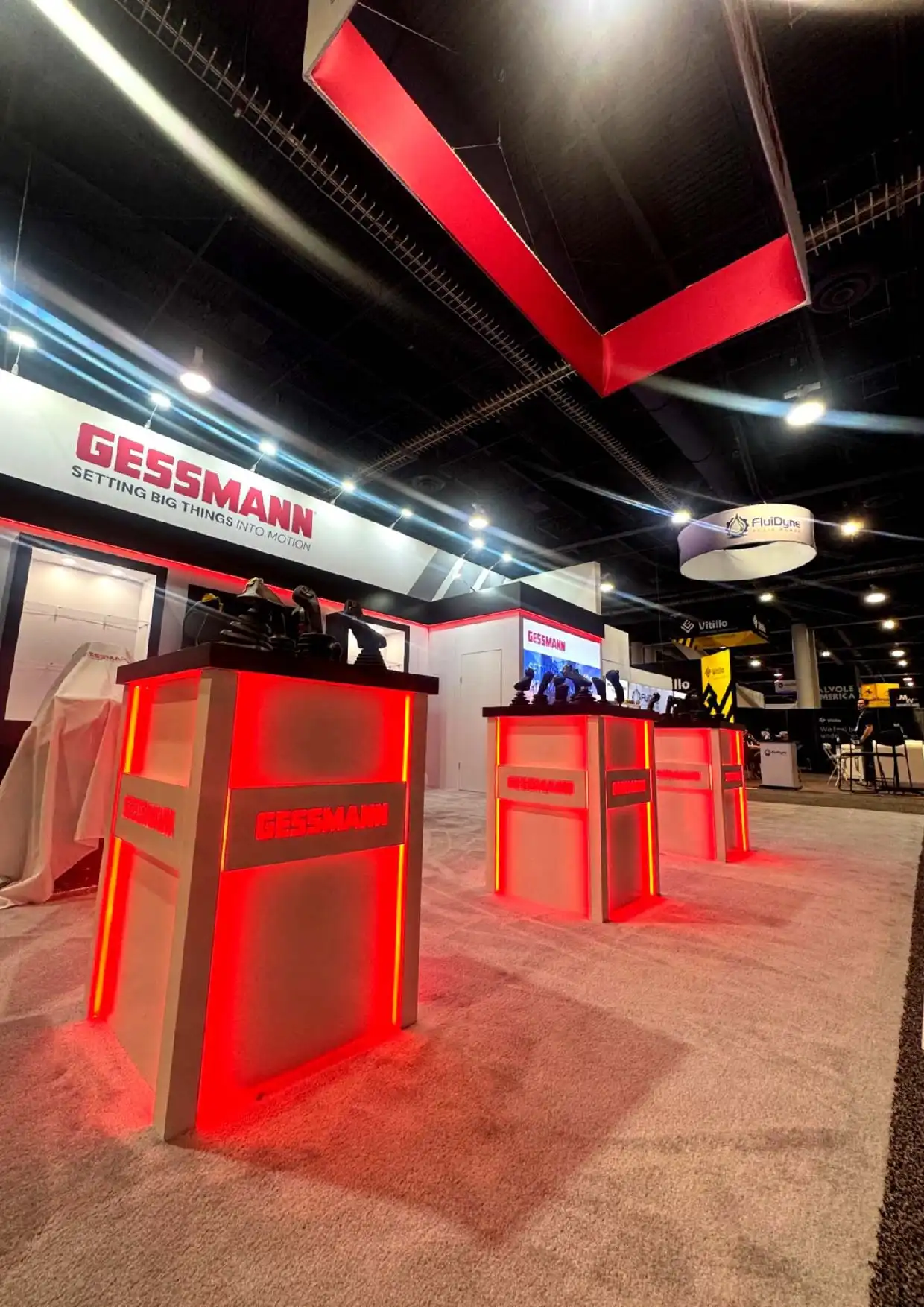
Trends and Future Outlook for Experiential Trade Show Booths
The show business is still changing very quickly, thanks to new technologies and shifting buyer standards. Keeping up with these trends gives you an edge over your competitors.
Sustainability as Non-Negotiable Requirement
Being responsible for the environment used to be a difference, but now it's just expected. More and more, procurement professionals need to see sustainability documents from vendors as part of their review process. We've changed by creating closed-loop methods where booth parts come back to our building to be fixed up and used again. This circle method meets the ESG (Environmental, Social, and Governance) requirements of businesses while also lowering the total cost of ownership. New materials open up new options. For example, biodegradable foams can be used for building parts, LED lighting uses 75% less power than traditional systems, and digital screens can be used instead of printed images that are out of date.
Digital Integration and Data Capture
These days, interactive booths are also used to collect data. RFID card reading, engaging touchscreen analytics, and session attendance tracking give you more information than ever before about how visitors behave. We make tools that record not only contact information but also how engaged people are—which goods got the most attention, how long people stayed in demonstration zones, and what questions came up most often. This information changes the follow-up after the show from a general message to a chat that is tailored to each prospect's shown interests. Integration with your CRM system simplifies the spread of leads, so your sales team can get in touch with hot leads within hours instead of weeks.
Hybrid Engagement Models
The pandemic changed show plans for good. Many businesses now use a mix of traditional and new methods, with real booths and online choices for attendees who can't make it in person. We've built booths with broadcast features that let live demonstrations be streamed to people far away while keeping the quality of connection in person. This two-tiered method expands the reach of your exhibition investment, creating leads from people who aren't there in person. When it comes to big events in 2026, like SUPERZOO in Las Vegas, mixed powers are likely to stay the norm rather than the exception.
Minimalist Design Balancing High-Tech Capabilities
Modern booth designs like areas that are clean and uncluttered so that goods and messages can stand out. This simple method doesn't mean less functionality; instead, it means advanced merging so that technology isn't noticeable until it's needed. Hidden storage, built-in charge stations, and cable management make spaces that are calm and peaceful, in contrast to the chaos of a show hall. This calm picture helps your brand stand out and makes it easier for prospects to process hundreds of different messages during multi-day shows.
Conclusion
Experiential trade show booths are smart investments in making real links with customers. You can make exhibitions that get measured returns by planning the space with the audience in mind, using technology that improves rather than overwhelms, and designing the space with care, including a strategic booth design that guides visitor flow and engagement. If you want to make the most of your limited budget as a startup or as a big company entering new markets, knowing these concepts will help you make smart choices. Even though exhibitions are always changing, some things stay the same: know your audience, make your value clear, and make exchanges that people will remember that go beyond the show floor. These methods have improved the performance of exhibitions in a wide range of fields, from medical gadgets to manufacturing equipment. This shows that strategic design always works better than general displays.
FAQ
What makes experiential booths more effective than traditional displays?
Experiential booths get people to actively participate instead of just watching. People feel emotionally connected to your brand when they can physically interact with goods, explore solutions through AR/VR presentations, or take part in live simulations. This hands-on activity helps people remember things and trust each other more than reading written materials or looking at still product setups.
How much does experiential booth construction typically cost?
Levels of investment depend a lot on the size, complexity, and way the building is done. A 10x10 movable display with simple interactive features might cost between $8,000 and $12,000. Custom 20x20 island booths with advanced technology built in usually cost between $40,000 and $80,000. Larger areas and multi-level buildings can cost more than $150,000. We create solutions across this range to make sure your investment fits with your goals and expected return on investment (ROI).
What's the typical timeline for designing and building a custom booth?
We suggest starting projects 4 to 6 months before the date of your show. This gives about four weeks for design changes, six to eight weeks for production, and enough time for site approvals and coordinating operations. It is possible to meet a tight deadline, but you will usually have to pay more for faster shipping and production.
Can experiential elements work in smaller booth spaces?
Of course. Strategic design improves effect no matter the size of the area. We've used vertical screens, tablet-based configurators, and small demonstration areas to make very successful experiential settings in 10x10 places. The key is to focus on just one or two engaging features that make a big difference instead of trying to include everything. Smart design always works better than size benefits.
How do you measure experiential booth effectiveness?
In addition to standard lead counts, we suggest keeping track of interaction depth, which includes participation rates in demonstrations, average guest stay time, follow-up meeting conversion rates, and survey answers after the show. Modern booths have analytics built in that automatically record these measures. This gives exhibitors data-driven insights that help them plan future events and support their continued investment.
Planning Your Next Exhibition? Partner With Experienced Booth Design Experts
If you need help with your next trade show project, HR Exhibits Service, Inc. has been in the expo business for decades. We are based in Las Vegas and have our own fabrication plant. We work with clients all over North America and the world to provide full design-build services for big exhibitions. Our team is an expert at making immersive spaces for the medical, energy, consumer goods, technology, and industrial industries. We know what corporate marketing managers need in order to build a strong brand presence, startup founders who want to be creative without spending a lot of money, and medical sales directors who need professional functionality.
As a maker of booth designs, we are in charge of the whole project, from the first ideas to the final set-up and take-down. Our location in Las Vegas gives our clients who are exhibiting at Nevada conventions big benefits. These benefits include future events like SUPERZOO in August 2026. We take care of all the logistics issues and provide responsive on-site help during your show.
Whether you need unique builds to show off your best goods, modular systems for multi-show programs, or portable solutions that make the most of small spaces, we can get the job done on time and on budget. Email us at info@hrexhibits.com to talk about your future exhibition needs and find out how our all-around method turns trade show investments into real business results that can be measured.
References
1. "Trade Show Exhibiting: The Insider's Guide for Entrepreneurs" by Ruth Stevens, published by Business Expert Press, 2020.
2. "Experiential Marketing: Consumer Behavior, Customer Experience and The 7Es" by Wided Batat, Routledge Publishing, 2019.
3. "The Trade Show Bureau's Guide to Effective Exhibit Marketing" compiled by the Center for Exhibition Industry Research (CEIR), 2021 edition.
4. "Designing Brand Identity: An Essential Guide for the Whole Branding Team" by Alina Wheeler, John Wiley & Sons, 5th Edition, 2017.
5. "Event Marketing Institute Annual Engagement Study: Face-to-Face Marketing Benchmarks and Trends," EventTrack industry report, 2023.
6. "Sustainable Event Management: A Practical Guide" by Meegan Jones, Routledge Environmental Management Series, 2nd Edition, 2018.

Embark on Your Journey to Exceptional Exhibitions! Contact HR Exhibits Today to Transform Your Vision into Global Success.
HR Exhibits Service, Inc.