Why Trade Show Booth Storage Matters for Exhibitors USA
When you invest thousands—sometimes hundreds of thousands—of dollars into a custom trade show booth, protecting that asset between events isn't optional. Trade show booth storage is the strategic logistics, warehousing, and asset management system that preserves your exhibit materials during the gaps between major industry shows. Unlike standard self-storage, specialized booth storage integrates climate-controlled environments with inventory management systems designed specifically for exhibit components—graphics, structural frames, AV equipment, and sensitive electronics. The right storage strategy protects your marketing investment, reduces replacement costs, and ensures your booth arrives show-ready at venues across the United States.

Understanding Trade Show Booth Storage: Challenges and Solutions
When the show floor lights go down, every exhibitor has the same problem: what will happen to their carefully put together booth? For businesses that go to a lot of events throughout the year, this question becomes an important operational issue that has a direct effect on their bottom line.
What Makes Booth Storage Different from Standard Warehousing
All of the goods in a standard storeroom are stored in the same way. Your custom exhibit parts, on the other hand, need special care. When it's hot, graphics put on vinyl can come off. When the temperature changes, tension cloth systems with silicone edge graphics (SEG) stretch. Wooden substrates soak up water, which weakens the structure. Professional display storage facilities keep the temperature between 55°F and 80°F and the humidity between 35 and 50%. This keeps your booth materials in perfect condition between shows.
Common Challenges Facing USA Exhibitors
There are storage problems for exhibitors who want to go to big shows like IMTS in Chicago (September 14–16, 2026), PRINTING United Expo in Las Vegas (September 23–25, 2026), or Global Security Exchange in Atlanta (September 14–16, 2026). The most important thing to worry about is damage during shipping. Scratched graphics, bent truss systems, and broken electrical parts add up quickly. Some marketing managers found out weeks before a show that moisture had damaged their booth images, which led to expensive rush orders that could have been avoided with better trade show booth storage.
Solutions That Protect Your Investment
To solve these problems, you must first understand how core storage works. Durability is important. Custom crates with high-density foam inserts protect parts during forklift transfers and stop G-force impacts from damaging them. Climate control isn't a nice-to-have; it's necessary to protect electronic screens, sticky graphics, and precision-engineered modular systems.
Whether your storage site is a strategic advantage or an inconvenient warehouse depends on how easy it is for people to get to. Having workers who can open, fix, and repack your exhibit saves time and money when your booth needs to be fixed up or parts need to be replaced between shows. Organisational scalability makes sure that your storage solution can grow with your trade show program, whether you add more events or make your booth bigger. This way, you don't have to completely change your logistics.
Best Practices and Tips for Storing Trade Show Booth Materials
Smart exhibitors think of booth storage as an extension of their trade show plan, not something they do at the last minute. Systematic organization and safety measures make the difference between a booth that arrives broken and one that looks brand new.
Categorizing and Protecting Components
Putting booth materials in order by type of component makes it easier to store and find things. Handling graphics is different from handling structure elements, and extra care needs to be taken with electronics that are sensitive. Custom storage solutions keep these groups physically separate while keeping digital records of each item's inventory that keep track of it all.
Evaluating Storage Container Options
There are many ways to store things, from portable containers to permanent rack systems. Portable bins give exhibitors more options because they can ship booth materials directly between events, skipping the warehouse returns. For businesses that go to national shows like CEDIA in Denver (September 1-4, 2026) and then LOUPE Americas in Chicago (September 15–17, 2026), these work well. Permanent hanging systems make the best use of vertical space, which lowers the monthly cost of storage for sellers who have a lot of things to sell.
Climate Control: Investment or Necessity?
Marketing managers often wonder if the extra cost of climate-controlled storage is worth it. When you figure out how much it would cost to replace something, the cost-benefit comparison makes sense. It costs between $3,000 and $8,000 to make new SEG fabric graphics that are damaged. LED video walls and interactive screens that cost between $20,000 and $50,000 need stable surroundings to keep their calibration and keep parts from breaking. Coming to high-stakes shows like IMTS, where leaders in the manufacturing industry show off accurate technology, with damaged booth materials is not an option.
Facilities that control the temperature and humidity offer measurable protection. Temperature stability stops the processes of stretching and shrinking that put stress on layered materials. Controlling humidity stops the flow of water that damages fabric parts by growing mould and metal parts by rusting. The small monthly fee for temperature control—usually $50 to $150 more than regular trade show booth storage—doesn't seem like much when you consider the cost of replacement in case of an emergency and the damage to your brand's image.
Inventory Management Systems That Work
Procurement professionals need to be able to see where booth assets are, how they're doing, and if they're available. Digital tracking systems that use barcode or RFID technology show the state of an inventory in real time. Labelling systems should have ways to identify parts, show history, and add notes about the condition of things. Multiple team members can access inventory data through cloud-based asset management platforms. This stops duplicate orders and makes pull-and-pack operations more efficient before each show.

Comparing Trade Show Booth Storage Options: Buy, Rent, or Outsource?
There are trade-offs in every buying choice. Storage solutions have an effect on both short-term budgets and long-term operational efficiency, so many things need to be carefully considered.
Buying Versus Renting Storage Solutions
For companies that have regular, high-volume exhibit programs, it makes sense to buy storage containers and set up permanent warehouse space. Companies that go to 15 or more shows a year can spread the costs of their equipment over more than one event, which lowers their storage costs per show. When you own something, you have full control over when it can be accessed and how it is stored.
Portable Storage Versus Permanent Facilities
Putting up portable storage units at show sites makes them easy to get to during setup and takedown. This ease costs more and makes long-term keeping less possible. Permanent facilities strategically placed in the United States make logistics better for circuits with more than one show. Those who want to set up shop near big venues, like those in Las Vegas for West Coast shows, Chicago for Midwest events, and Atlanta for Southeast shows, should choose storage spots close to transportation hubs.
Evaluating Storage Service Providers
When giving valuable booth assets to third-party facilities, the reputation of the supplier is very important. Look for companies that have experience with trade show booth storage, not just general warehouses. Check references from companies in the same line of work as you that have booths that are similar in how complicated they are. Getting security certifications like C-TPAT (Customs-Trade Partnership Against Terrorism) shows that you are serious about following rules for protecting your assets.
Sustainability methods are becoming more and more important in deciding what to buy. Companies that offer recycling programs for old booth parts, energy-efficient warehouse operations, and eco-friendly packaging materials are in line with their companies' environmental goals and may be eligible for green buying rewards.

How Proper Booth Storage Impacts Procurement and ROI for Exhibitors
Making choices about storage can have an impact on your whole trade show program, including costs, logistics, and how people see your brand, all of which have a direct effect on your return on investment.
Minimizing Damage and Replacement Costs
A company that makes medical devices that we work with learned this the hard way. After putting their booth away in a building that wasn't heated or cooled, they found water damage to the graphics and electronics that cost $18,000 to fix, just three weeks before a big industry show. The extra $4,000 was for the emergency copy and fast shipping. Proper trade show booth storage would have cost about $200 a month, or $2,400 a year, and would have kept the $22,000 loss from happening.
Streamlining Procurement Cycles
When storage is optimised, it works like a fulfilment center instead of a static building. When the parts of your booth are organised in a way that makes sense and has digital tracking, buying teams can quickly deploy them. You get rid of the mad dash before the show to find missing parts or check the condition of components. Being able to see what's in stock lets you make exact budgets for getting ready for the show, which cuts down on the unexpected costs that throw off buying plans.
Brand Credibility Through Consistent Presentation
Sales leaders know that the way a booth looks has a direct effect on how buyers see it. A clean, well-kept exhibit shows that the company cares about quality, details, and running the business well, all of which build customer trust. If, on the other hand, your graphics are scratched, your structures are unstable, or your electronics don't work, it shows that you aren't careful, which takes away from your value proposition before you even start talking.
Professionals in procurement who use organised storage methods make sure that marketing teams bring booth items that are in perfect shape to every show. This stability supports brand standards across multiple events, which helps prospects remember and trust your business when they see it at a number of industry shows throughout the year.
Choosing the Right Trade Show Booth Storage for Your Business: A Decision Guide
To choose the right storage, you need to find solutions that fit your business's needs, show schedule, and operational priorities.
Assessing Your Storage Needs by Company Profile
Small businesses and new companies usually have booths that are 10x10 or 10x20 and show up at three to six shows a year. Decisions are based on how much something costs, which makes renting storage near big show groups appealing. When modular systems are portable and can be packed into small containers, they take up less space and cost less to store.
Mid-sized businesses that go to 8–15 shows a year need options that can be scaled up or down to fit their changing booth needs. A 20x20 island booth for a big show could be split into two 10x20 straight booths for smaller events in the same area. Storage systems need to be able to organise parts in a variety of ways while still making it easy to keep track of inventory.
Large companies that have unique booths running from 30x30 to 50x50 and exhibits at 20 or more shows a year need long-term storage partnerships. These exhibitors get a lot out of integrated services that include warehousing, refurbishment, asset management, and logistics coordination.
Key Selection Criteria
Monthly costs are directly affected by the amount of space needed. To figure out how much space is actually needed, make a list of all the booth's parts, such as boxes, graphics cases, furniture, and promotional materials. Don't guess too much—budget dollars that could be used elsewhere would be wasted on empty room.
To be cost-effective, you need to look at all of your storage costs, such as monthly fees, handling fees for receiving and shipping items, insurance costs, and extra services like graphic printing or repairs. Compare these to the value of the things being protected and how often they are used.
Practical Evaluation Checklist
When comparing storage companies, use these criteria to judge them:
- Facility Standards: Visit the storage areas yourself. Check the place's cleaning, safety features, temperature control systems, and how it's organised. Instead of regular warehouse shelves, look for professional display storage features like vertical racks made for booth boxes.
- Service Capabilities: Find out if the companies can do graphic printing, refurbishment, part replacement, and transportation planning. Integrated service providers make managing vendors easier and often improve contact between all departments.
- Technology Integration: Look at systems for managing inventory. Tracking assets better with cloud-based platforms that let you see what's happening in real time, take photos to prove it, and access them from your phone than with paper-based methods.
- Geographical Strategy: Make a map of your usual show route and mark where the storage facilities are. Centralised storage works well for traders who are looking for places in certain areas.
Customization for Booth Complexity
Custom displays need custom ways to store them. Large structure elements, curved walls, hanging ceiling pieces, and technology systems that are built in need special ways to be packed and moved. Work with storage partners who know how to build exhibits and can suggest safety measures that are right for your booth.
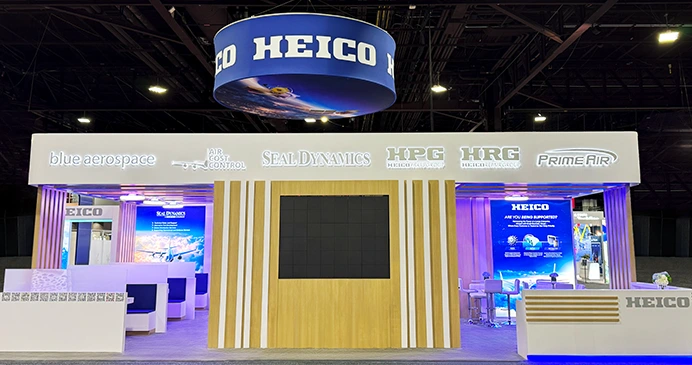
At HR Exhibits Service, Inc., our Las Vegas location is both a workshop for designing and building booths and a strategic storage hub for companies that want to set up at major Western and Southwestern shows. Our location just minutes from the Las Vegas Convention Center means that your booth materials will be safely stored near one of the busiest exhibition hubs in the United States. Because we build them, we know the specific needs of complicated custom exhibits. This lets us offer storage and logistics support based on real-life building experience with trade show booth storage.
Conclusion
When you store your booth in a smart way, you can protect your investment in the exhibit and make things run more smoothly across all of your trade shows. The ideal storage option strikes a balance between protecting the environment, making things easy to get to, saving money, and integrating services, with trade show booth storage serving as the central hub that connects all these factors. This turns static storage into a dynamic asset that improves buying efficiency and maximises return on investment.
As you get ready for the big shows coming up in 2026, like CEDIA in Denver, IMTS in Chicago, and PRINTING United Expo in Las Vegas, you should think about how you store your booth so that it arrives spotless and ready to give great brand experiences. Companies that plan booth storage as an important part of their exhibits always do better than those that don't; they protect their assets better, save money over the life of their assets, and show their brand better at more events.
FAQ
How should I protect booth assets during long-term storage?
To keep booth products safe, you need to use smart packing and good environmental controls. Keep images in tubes or flat boxes so they don't touch the storage floors. Before taking apart electronic parts, write down how they are configured and wrap them in anti-static materials. For structural parts, use special boxes with foam inserts. Climate-controlled buildings keep out the changes in humidity and temperature that damage storage the most.
What are typical booth storage costs in the USA market?
The cost of storage depends a lot on where it is, how much is stored, and the level of service. Basic warehouse room costs between 50¢ and 150¢ per cubic foot per month. The price per cubic foot in climate-controlled spaces ranges from $0.75 to $2.50. Expect to pay an extra $75 to $200 in handling fees for each time you receive or ship something. Depending on the size and complexity of the booth, full trade show booth storage plans that include asset management and repair services usually cost between $500 and $3,000.
Is it worth it for small businesses to rent storage space?
Small exhibitors who go to fewer than six shows a year often find that renting space is cheaper than buying their own. Renting containers instead of buying them saves money and reduces commitment during uncertain growth phases. Find your break-even point by comparing the annual rental costs to the costs of buying and maintaining storage equipment. For businesses with changing show schedules, flexibility value should also be taken into account.
Partner With Expert Trade Show Booth Storage Solutions
Taking care of the logistics of your booth shouldn't take away from your main goal, which should be to create memorable brand experiences at big industry events. HR Exhibits Service, Inc. offers comprehensive exhibit design and construction services as well as strategic trade show booth storage solutions made just for exhibitors in the United States. Our site in Las Vegas offers climate-controlled storage, asset management, and cleaning services to make sure that your booth materials are always ready for events.
Our team can help you get ready for IMTS in Chicago, Global Security Exchange in Atlanta, CEDIA in Denver, or PRINTING United Expo in Las Vegas. We have the local support and business knowledge to make complicated multi-show plans run smoothly. We can store everything for your trade show booth, from the inventory of the parts to coordinating shipping to the venue. Email us at info@hrexhibits.com to talk about custom storage plans that will protect your investment and make managing your exhibition program easier.
References
1. Exhibit Designers and Producers Association (EDPA). "Asset Management Best Practices for Trade Show Exhibitors." Industry Standards Publication, 2024.
2. International Association of Exhibitions and Events (IAEE). "Trade Show Logistics and Warehousing Guidelines for B2B Exhibitors." Professional Development Series, 2025.
3. Trade Show Executive Magazine. "The Hidden Costs of Poor Exhibit Storage: A Procurement Analysis." Annual Industry Report, 2024.
4. Society of Independent Show Organizers (SISO). "Environmental Controls and Asset Preservation in Exhibit Warehousing." Technical Standards Document, 2023.
5. Center for Exhibition Industry Research (CEIR). "Total Cost of Ownership: Calculating ROI for Trade Show Storage Solutions." Economic Impact Study, 2024.
6. National Trade Show Storage Association. "Climate Control Requirements for Modern Exhibit Materials and Electronics." Technical Specification Guide, 2025.
Embark on Your Journey to Exceptional Exhibitions! Contact HR Exhibits Today to Transform Your Vision into Global Success.
HR Exhibits Service, Inc.