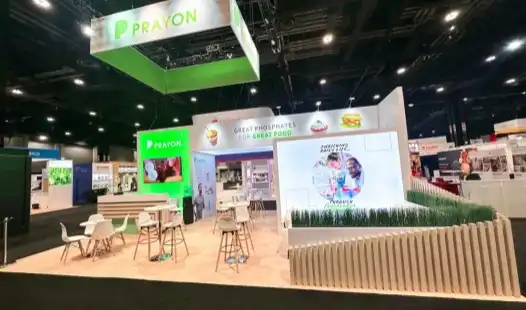
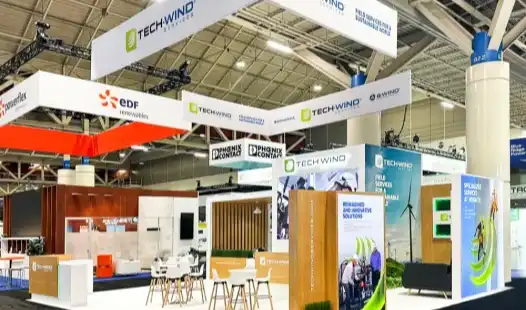
Engaging Young Professionals with Digital Experiences at Trade Shows
Capturing the attention of young professionals at trade shows requires more than just a table and a banner. Today's digitally native audiences expect immersive, interactive experiences that reflect their tech-forward mindset. A strategic show booth design that integrates cutting-edge digital tools can transform casual passersby into qualified leads. By combining thoughtful spatial planning with technologies like augmented reality, touchscreens, and dynamic lighting, exhibitors can create memorable brand moments that resonate long after the show floor closes. At HR Exhibits Service, Inc., we specialize in engineering these high-impact environments for exhibitors across tech, manufacturing, medical, energy, and consumer goods industries.
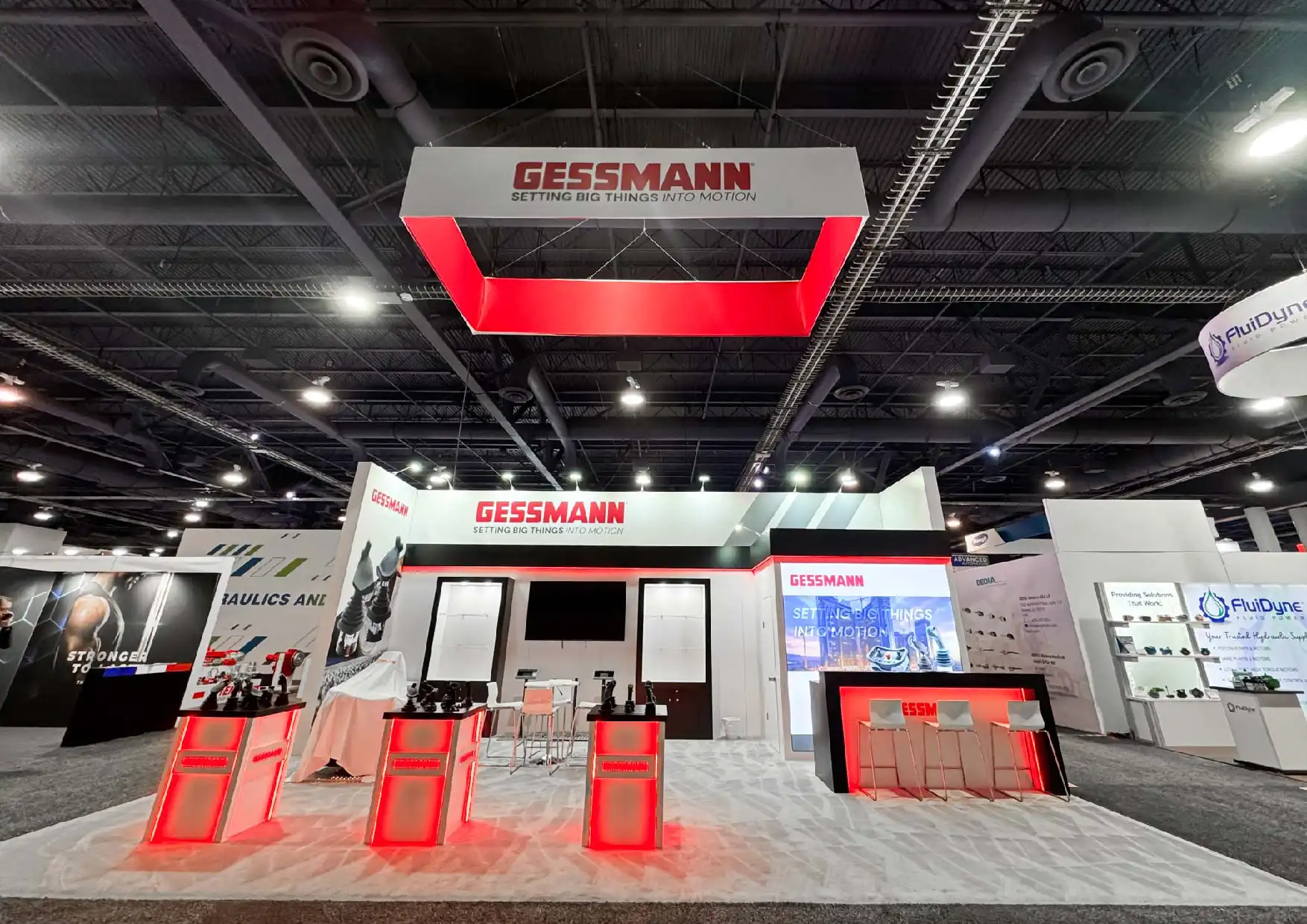
Understanding the Importance of Digital Booth Design for Young Professionals
A rising number of B2B buyers and influencers at trade shows are young workers, usually Millennials and Gen Z decision-makers. These people came because they grew up with computers, expect information right away, and value live experiences over static presentations. Traditional booth setups don't work for this group because they don't offer the visual and interactive excitement that these guests want.
This problem is dealt with directly in show booth design. Modern show spaces don't just use written materials and sales pitches; they also have hands-on technology demos, interactive displays, and real-time data visualisation. This method fits the way that young professionals like to get information: quickly, visually, and on their own terms.
Why Digital Integration Drives Lead Generation
Digital features in booths are useful for more than one strategic reason. Touchscreens that are interactive let people look through product catalogues at their own pace and sort the results by the criteria that are most important to them. People can try out products in simulated environments during virtual reality demonstrations, instead of having to deal with the logistics of moving heavy equipment. Augmented reality overlays can show how to put something or show internal parts. This makes complicated technical knowledge interesting and easy to understand.
Besides interaction, digital tools offer data that can be measured. RFID badges, digital lead capture forms, and heat-mapping sensors all keep track of what visitors do, how long they stay, and how they interact with content. This information can help purchasing managers and marketing directors figure out the exact return on investment (ROI), make the best decisions about future booth investments, and find out which features of a product get the most attention.
Current Trends Shaping Digital Booth Experiences
There have been a lot of big changes in the trade show business. Sustainability is now a must, and exhibitors want eco-friendly materials like tension fabric systems and aluminium extrusions that can be recycled. Digital signs are used instead of printed graphics, which cuts down on waste and lets content be updated in real time. The cost of LED wall technology has gone down, which means that even medium-sized exhibitors can now afford large AV walls.
Using social media together is another strong trend. Live social feeds on booth monitors, Instagram-worthy photo ops with branded backdrops, and hashtag campaigns all help booths reach people outside of the show floor. Young professionals often share their experiences online, which can turn your booth into a viral marketing opportunity if it's set up in a way that makes it easy for people to share.
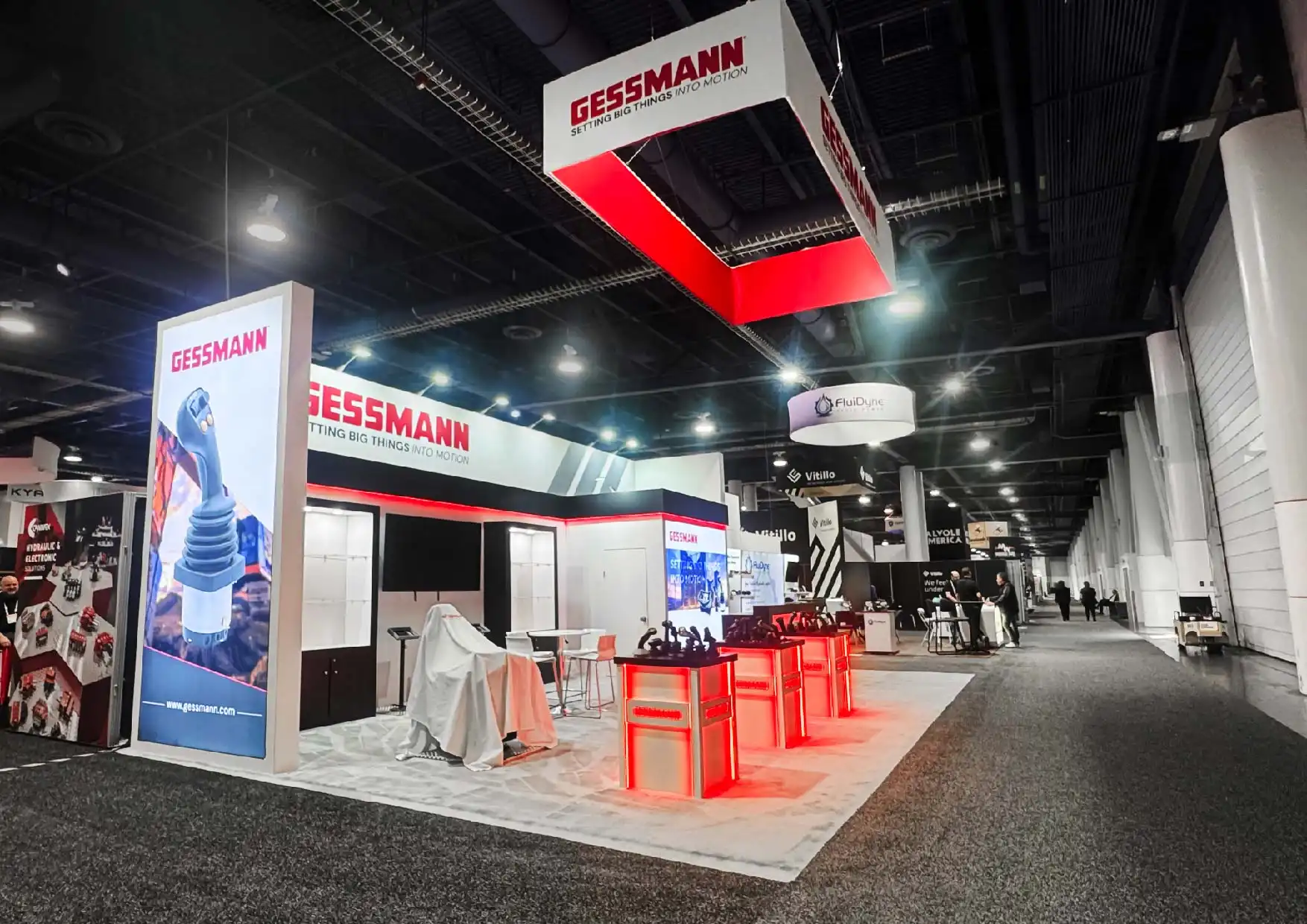
Key Booth Design Elements to Engage Young Professionals
To make a show place that appeals to younger people, you need to pay close attention to both the way it looks and how it works. The goal is more than just getting people to come in. You need to make an atmosphere that encourages real interaction and makes it easy to have useful talks.
Open, Flexible Spatial Layouts
Modern show booth design architecture prefers open-plan layouts to closed-off, maze-like ones. Young workers like things to be open and easy to get in touch with. With 360-degree view, island booths make it easy for people to approach from all sides, removing any psychological hurdles. Wide aisles and clear views meet ADA requirements (minimum 36 inches) and keep visitors from leaving because of crowding.
Different ways of interacting can be supported by chairs that can be moved around. Lounge chairs that are comfortable make for casual chat areas where sales teams can talk without stress. People who need to "quick check-in" with their phones can use standing-height tables with built-in charging stations. Acoustically dampening materials in semi-private meeting pods make it possible to show off products in private even when the show floor is busy and noisy.
Interactive Technology Integration
Using technology together is what makes digital interaction work. Visitors can set up goods, figure out their return on investment (ROI), or get personalised quotes from touchscreen kiosks that run custom apps. These self-service tools understand that young professionals like to do their own study before talking to salespeople. These interactions collect data that is then sent straight to CRM systems. This way, no leads get lost.
Augmented reality experiences on computers or AR glasses make things come to life. A company that makes medical devices can show in great detail how their products work on the inside. A manufacturing exhibitor doesn't have to worry about running out of floor space to show how a machine works. These immersive technologies help people understand products better and create unique moments that set your brand apart from competitors who use regular screens.
Even more immersion can be found in virtual reality stations. People who are there can virtually tour buildings, use goods in real-world settings, or take part in training simulations. Virtual reality needs its own room and staff to keep an eye on it, but the new factor brings in crowds and encourages people to stay for a long time, which are both important for the success of a show floor.
Strategic Lighting and Dynamic Branding
Lighting design has a big effect on both how well you can see and how you feel. LED systems with a Colour Rendering Index rating above 90 show products accurately, which is very important in fields like consumer goods where colour accuracy is important. The Kelvin temperature you choose affects the mood. For example, warmer 3000K lighting makes places feel more friendly and like hotels, while cooler 6000K temperatures make things look more precise and high-tech, which is good for medical or tech shows.
Dynamic LED walls change the ways that brands can be used. These screens can show more than just static images. They can show video testimonials, product animations, live social feeds, or even games that you can interact with. Content can change throughout the day to keep things interesting to look at and reach different groups of people who come to the show at different times. Movement and brightness of LED technology naturally get people's attention in busy show halls, making your booth more visible than other booths in the same category.
Overhead rigging with logos on it makes it easy to see from far away. Young professionals at big shows like Money 20/20 or FABTECH use overhead markers to find their way through the crowded aisles. Placement of lit-up brand elements at a height of 12 to 15 feet creates lights that direct specific guests directly to your location.
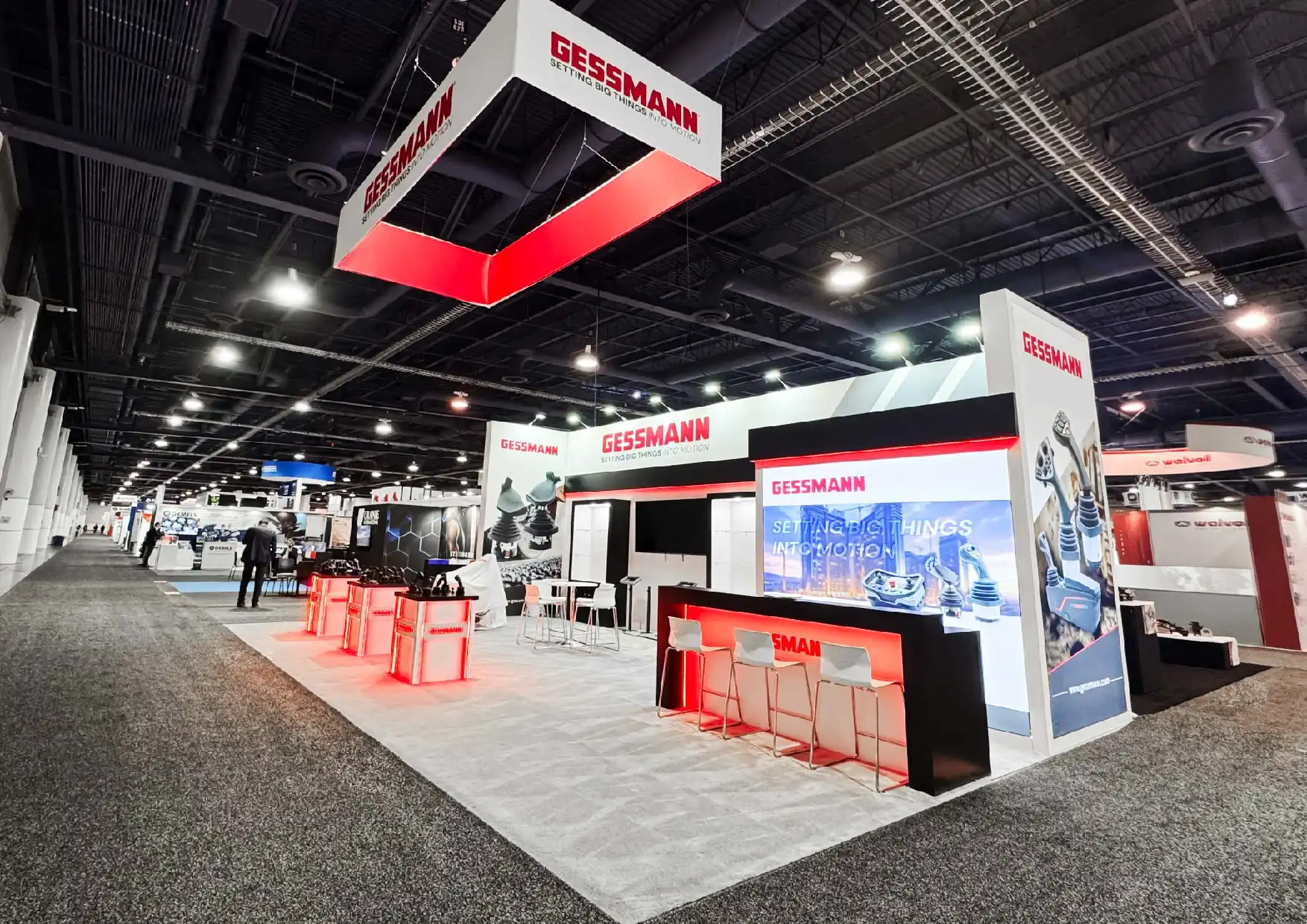
Comparison of Booth Design Options for Digital Experiences
When choosing the right booth structure, you have to think about a lot of things, like your budget, the technology you need, how many times you want to use it, and how hard it is to set up. Depending on your trade show goals and organisational skills, different design methods will give you different benefits.
Custom vs. Modular Booth Designs
Custom show booth designs give you the most freedom to be creative and help your brand stand out. Custom structures can have unique architectural features, complicated geometry, and technology housing that is seamlessly merged. They are made from scratch using materials like MDF with high-pressure laminate finishes. Custom designs for major shows are often chosen by big companies with big budgets because they create unique brand settings that get people's attention.
The main benefits are that it perfectly matches brand guidelines, the space is optimised for showing off certain products, and it can be changed to fit specific needs, like having reinforced flooring for heavy equipment displays that can hold loads of more than 1000 kg/sqm. Custom builds are great for medical sales directors who need clean, aesthetically pleasing displays or tech companies that want to show off big setups.
There are good options, such as modular systems like aluminium extrusion frames. These designed parts are made of light 6063-T5 aluminium alloy profiles that fit together without any tools, making it easy to put them together and change their layout. When it comes to flexibility, modular systems are the best. The same parts can be used to make 10x10 booths for regional shows and 20x20 booths for national shows. Dye-sublimation printed tension fabric graphics (240–320 gsm weight) are attached to frames and have high-resolution graphics that don't wrinkle. They are also lighter than rigid panels.
Modular methods are especially helpful for startups that want to save money and companies that present at many shows each year. The systems can be packed up into small shipping boxes, which cuts down on drayage fees by a huge amount. These fees are often the secret costs that destroy trade show budgets. With small crews, setup usually takes two to four hours. For complex custom builds, it can take up to two days.
Portable vs. Custom-Built Solutions
Portable booth systems put ease of use and low cost first. Tension fabric is usually used over frames that can be folded up, and these light designs usually have LED lighting strips and basic accessory mounting points built in. Portable solutions work well for startups that want to show their brand at The Battery Show or SEMICON West but can't afford to make a big investment.
The way that movable systems integrate technology has gotten a lot better. These days, portable booths can hold tablets, small LED monitors, and touchscreen mounts. These systems aren't good for complex VR sets or big video walls, but they do have the digital tools you need to grab leads and show off your products. On the other hand, you can't change as much and the system doesn't look as good as bigger ones.
On the other end of the range are custom-built permanent buildings. Steel truss systems, a lot of woodworking, and complicated electrical distribution networks that support high-voltage equipment are used in these heavy installations. Companies that show their products at the same place over and over, like the many shows in Las Vegas in October, sometimes buy semi-permanent buildings that can be stored nearby between events.
Procurement Strategies for Booth Investment
When B2B buyers are looking for booth design partners, they should think about a few important things. Expertise in your supplier's business is very important. For example, a partner with experience in medical device exhibitions knows legal compliance and professional aesthetic standards differently than one who focuses on consumer goods.
There are a lot of different pricing models. Some providers offer packages that include planning, manufacturing, logistics, installation, and takedown. Others separate services so you can pick only the parts you need. When going to shows like FABTECH (October 21–23, 2026, Las Vegas) or SupplySide Global (October 26–30, 2026, Las Vegas), working with a local seller in Las Vegas like HR Exhibits Service, Inc. saves money on shipping and gives you help while you're there.
Ask for thorough portfolios that show finished projects that were shown at similar trade shows. Check for structural engineering licenses, especially for designs with two levels or rigging installations. Check that the fire safety rules, such as NFPA 701 standards that are needed at U.S. venues, are being followed. Find out about the different ways to store items, how they can be fixed up, and how the graphics can be updated so that the items always look new across multiple show seasons.
The ability to integrate technology should be looked at more closely. Can the provider rent out and program AV equipment? Do they offer computer help during the show? Can they make last-minute changes to graphics or add new products? These details about how things work set professional exhibition partners apart from basic fabricators.

Implementing Digital Experiences: Step-by-Step Guide for B2B Buyers
Putting digital experiences into action successfully takes careful planning and execution. This roadmap helps procurement teams and marketing managers make the important choices that will make sure your investment gets the most engagement and results that can be measured.
Defining Engagement Objectives
Set clear, measurable goals that are in line with what young professionals expect. Which do you value more: the number of leads or their quality? Do you want to show off your technical skills or get people to know your brand? Different goals lead to different design choices. At a specialised show, a medical device company might focus on private display areas. At Money 20/20 (October 18–21, 2026, Las Vegas), on the other hand, a startup might try to make social media moments that reach more than just participants.
Set measurable goals for success right away. Set clear goals, like getting 200 approved leads, 500 completed product demonstrations, and 1,000 social media views with your brand's hashtag. These clear goals help with choosing technology and figuring out how many people to hire. These KPIs should be tracked by analytics tools built into digital displays, which should give real-time feedback during the show and full reports afterward.
Selecting Appropriate Technologies
Make sure that the technology you buy fits with your audience and participation goals. Touchscreen product configurators are useful for people who want to look at different versions of a product. VR experiences are useful when it's not possible to show how to use a physical product, like when showing how industrial equipment works or when walking through a building. AR apps are great at showing what's inside complicated products or how to put them together.
Technology decisions are affected by how much money you have. Simple digital tools, like lead capture systems that use tablets and single touchscreen kiosks, are much cheaper than a bunch of VR stations or huge LED video walls. Instead of accepting every new technology that comes out, focus on the ones that directly help you reach your goals. Show booth design also plays a critical role here, because even the best technology can fall flat if the physical layout and visual flow don't support visitor engagement. A single well-done interactive feature works better than several technologies that don't work well together and confuse guests and make it hard for booth staff.
Think about the choices between renting and buying. For businesses that only go to a few shows a year, renting AV and tech hardware through your booth design partner is often a better deal than buying, storing, and maintaining equipment all year long. Technical support should be included in rental agreements so that broken equipment can be fixed quickly during busy show times.
Partnering with Reliable Booth Design Teams
Your show partner has a big effect on how well the performance goes. Big October shows like The Battery Show in Detroit (October 12–15, 2026), SEMICON West in San Francisco (October 13–15, 2026), and the group of Las Vegas events (Money 20/20, FABTECH, and SupplySide Global) can benefit greatly from companies like HR Exhibits Service, Inc., which is based in Las Vegas and has local workshop facilities.
As a result, local partners know the rules that apply to each place, keep in touch with show service contractors, and offer help during setup and show operations. When mechanical problems come up, this closeness is very important. A team in Las Vegas can react within hours instead of days, which keeps your show from having to deal with costly downtime that hurts its return on investment.
Check to see if your partners can provide a full range of services. Can they handle the conceptual design, 3D rendering, engineering drawings, fabrication, shipping, overseeing the installation, and coordinating the takedown? Comprehensive service packages get rid of the problems that come with managing multiple vendors, like coordinating their work. At HR Exhibits Service, Inc., we help clients from the first idea to the final execution. We make sure that everything goes smoothly, even for exhibitors from other countries or states who aren't used to U.S. show environments.
Logistics Coordination and Execution
Logistics for trade shows involve complicated schedules and tight due dates. Venues have set times for installations. If you miss your time slot, you might have to set up your booth while people are walking by. Professional display partners keep track of these deadlines by arranging the sending of materials, the hiring of crews, and the review processes that meet the needs of show management.
Moving things around is a major security risk. Freight must arrive during delivery times set by the venue and be clearly marked with information about the exhibitors and where they want to be placed in the halls. When shipping labels are wrong or deliveries are made at the wrong time, huge late fees or missing materials happen. Logistics like these are taken care of by partners with a lot of experience, like HR Exhibits Service, Inc. They store booth parts in our Las Vegas facility and deliver them directly to the venue loading docks when they're needed.
For on-site installation, you need skilled workers who know about the venue's electrical codes, rigging rules, and fire guard checks. Our installation teams work quickly and efficiently, and depending on how complicated the job is, they can usually put together a booth in 4 to 8 hours. We work with show services to set up electricity connections, internet access, carpet installation, and furniture rentals. This way, you get a space that is ready for your goods and staff right away.
Staff Training for Digital Engagement
The most advanced booth technology won't work if the people who work there aren't properly trained. Your team needs to be technically skilled with interactive systems and know how to lead visitors through demos while collecting lead information. In addition to having technical knowledge, staff should be able to tell the difference between looking for fun and genuinely interested in something, so they can focus their efforts on qualified prospects.
Working together with dependable show booth design teams means planning for enough staff to make sure that booth stations are watched over during the whole show. Nothing wastes money faster than technology shows or practice places that aren't being watched. Coverage should be based on how much traffic you expect—big shows need bigger teams that can keep up their energy levels for 8–10 hours a day.
Measuring Success and Future-Proofing Your Booth Design
To justify an investment in a trade show, you need to see real performance statistics. Digital booth parts create detailed data that measure engagement, lead quality, and conversion rates in a way that goes far beyond the usual "badge scan" measurements. With this measurement feature, shows go from being marketing costs to income drivers that can be tracked.
Leveraging Analytics for Performance Assessment
Modern booth technology can record more than one stream of data. Touchscreen apps keep track of how long you interact with them, what material you view, and the settings you choose. This shows which product features you're most interested in. RFID tracking shows trends of traffic, so you can see where your booth is busiest and where it's least busy. Video analytics keep track of how long people stay on certain screens, count users, and figure out who they are.
Combine these sources of data into complete dashboards that marketing directors and procurement managers can use. Compare participation data from different shows and find links between changes in show booth design and performance results. This method is based on facts, so it takes the guessing out of future design choices and directs resources toward tried-and-true interaction strategies.
Lead quality assessment needs to include follow-up after the show. When you collect leads through digital forms, make sure to include information about the example or piece of content that made the lead contact you. As these leads move through your sales process, keep track of their real conversion rates and the amount of money they bring in. This closed-loop measurement shows real ROI, which explains why trade shows should continue to be funded even when financial partners question the value of the shows. Show booth design directly affects lead quality as well, because a well-organized and visually compelling booth attracts more relevant visitors and makes it easier to capture meaningful data during interactions.
Emerging Trends in Booth Design
Sustainability is becoming more and more important. Young workers are becoming more and more interested in brands that care about the environment. When compared to disposable builds, reusable booth systems produce a lot less waste. Tension cloth images use less material and ship in smaller boxes, which cuts down on pollution from shipping. LED lighting uses less electricity than regular theatre lights. These environmentally friendly options are good for guests who care about the earth and also lower the costs of running the event.
Immersive experiences are moving from using separate VR headsets to using shared mixed reality spaces. Multiple people can experience holographic product demos or collaborative design sessions at the same time. Even though these technologies are still pricey, keep an eye on how they are used at big events as the prices drop.
The next big thing is integrating artificial intelligence. When human staff are busy, booth machines with AI-powered robots answer questions about products. Machine learning algorithms look at how visitors behave in real time and let staff know when high-value prospects show strong engagement signals. When used legally and morally, facial recognition technology can tell the difference between repeat guests and VIPs who have already signed up, allowing for more personalised greetings.
Hybrid event integration combines real-life and virtual events. Live-stream booth demos to people far away, so you can reach more people than just the people who are there in person. Prospects can look around your room before deciding to meet you in person with virtual booth tours. These mixed methods get the most out of booth expenses by getting people involved before, during, and after events.
Continuous Improvement Through Feedback
Along with quantitative data, get personal comments. Post-show surveys that ask visitors about their experience at the booth give information that analytics can't get. What made them confused? What made them feel good? What would have made them more interested? This feedback shows design flaws and ways to make things better.
Talk to your booth staff right away after an event, while their memories are still new. Frontline teams watch how visitors respond and listen to questions that stats don't pick up. They know which protests got people's attention and which ones didn't. From an organisational point of view, they can see ways to make future shows better by changing things like where technology is placed, how interaction scripts are written, or how traffic flows.
Take a lot of pictures of your booth at the show, making sure to show it in comparison to the other booths there. By looking at these pictures without bias, you can see how your design stacks up against its neighbours. Does your brand stand out or do you fit in? Do people notice your digital features or don't they? This visual evaluation helps with decisions about refresh for upcoming events.
Iterate ideas often to stay ahead of the competition. Even booths that are doing well can benefit from updates every so often. These updates can include changing the plan, adding new technologies, or updating the images. Plan major updates every two to three years and small updates every year. This approach to continuous improvement makes sure that your booth stays useful as technology and audience expectations change.
Conclusion
To get young professionals interested in trade shows, digital technologies need to be strategically placed in well-thought-out exhibition spaces. Traditional booths can be turned into strong lead creation engines by adding interactive displays, immersive experiences, and data-driven analytics. Show booth design is equally crucial here, because even the most advanced digital tools will fail to engage young professionals if the physical layout, visual appeal, and traffic flow do not support easy exploration and social interaction.
This October 2026, whether you're showing at The Battery Show, SEMICON West, Money 20/20, FABTECH, or SupplySide Global, putting an emphasis on digital involvement that fits the needs of young professionals will greatly increase your show ROI. To be successful, you need to carefully plan everything, choose the right technology, find reliable delivery partners, and keep measuring. By following these rules, B2B exhibitors can make brand experiences that people will remember, which will turn trade show visitors into good business chances.
FAQ
What makes digital booth designs more effective for engaging young professionals?
As digital natives, young professionals expect experiences that are interactive and based on technology. It's hard for static displays to get people's attention at competitive shows. Digital elements like touchscreens, augmented reality (AR) demos, and moving LED walls encourage hands-on participation and self-directed exploration, which is how younger people naturally learn. These technologies also offer measurable analytics that show ROI, which is very important for procurement decision-makers who are looking at trade show investments. Digital booth designs are much more successful than traditional ones because they increase involvement and give measurable results.
How much should I budget for a booth with digital experiences?
Budgets change a lot depending on the size of the booth, the amount of customisation, and the difficulty of the technology. Around $8,000 to $15,000 gets you a small 10x10 modular booth with a single tablet and LED lights. Prices range from $35,000 to $75,000 for unique 20x20 designs that use a number of engaging technologies. It's possible for island booths with lots of VR stations, huge LED walls, and complicated building features to cost more than $150,000. Working with partners with a lot of experience, like HR Exhibits Service, Inc., can help you get the most out of your money by matching effect with budget and preventing mistakes that waste money and time.
Can I reuse digital booth components across multiple shows?
Of course. Modular booth systems are designed to be used over and over again and to be reconfigured. Freight boxes made of aluminium extrusion frames and tension fabric prints can be used again and again, making it easy to move from one event to the next. Digital devices like tablets, touchscreens, and small LED displays are kept safe in cases. Many vendors spend money on core booth equipment that they use at more than one show, only changing the graphics and content to keep the booth looking new. This reusability makes the long-term return on investment (ROI) much higher than with disposable custom builds. HR Exhibits Service, Inc. offers storage options and repair services to keep the quality of booths after years of use at trade shows.
Partner with HR Exhibits Service, Inc. for Your Next Trade Show
To make high-impact digital exhibition spaces, you need to know a lot about both designing booths and integrating technology. Your trusted show booth design manufacturer and implementation partner, HR Exhibits Service, Inc., has worked with exhibitors in the medical, manufacturing, consumer goods, and technology industries for decades. Our building and team in Las Vegas offer the best support for the big October 2026 shows, including Money 20/20, FABTECH, and SupplySide Global.
They also help clients across the country at events like The Battery Show in Detroit and SEMICON West in San Francisco. We take care of the whole project process, from conceptual design to on-site delivery. This way, we can make sure that your booth gives young workers the immersive digital experiences they want. Get in touch with us right away at info@hrexhibits.com to talk about how we can make your next trade show a hit that brings in leads.
References
1. Freeman, J. & Morrison, K. (2023). Digital Transformation in Exhibition Design: Engaging Next-Generation B2B Buyers. Trade Show Industry Research Foundation.
2. International Association of Exhibitions and Events. (2024). Technology Adoption Trends in North American Trade Shows: 2024 Industry Report.
3. Henderson, R. (2023). "Measuring ROI from Interactive Booth Technologies." Exhibition Marketing Quarterly, 38(2), 45-62.
4. Parker, S. & Chen, L. (2024). Spatial Design Principles for Technology-Integrated Exhibition Environments. American Institute of Architects, Commercial Design Division.
5. Trade Show Executive Magazine. (2023). "Millennial and Gen Z Decision-Makers: Understanding the New Exhibition Audience." Annual Attendee Research Study, November 2023.
6. National Fire Protection Association. (2024). NFPA 701 Standard Methods of Fire Tests for Flame Propagation of Textiles and Films: 2024 Edition. NFPA Standards Council.
Embark on Your Journey to Exceptional Exhibitions! Contact HR Exhibits Today to Transform Your Vision into Global Success.
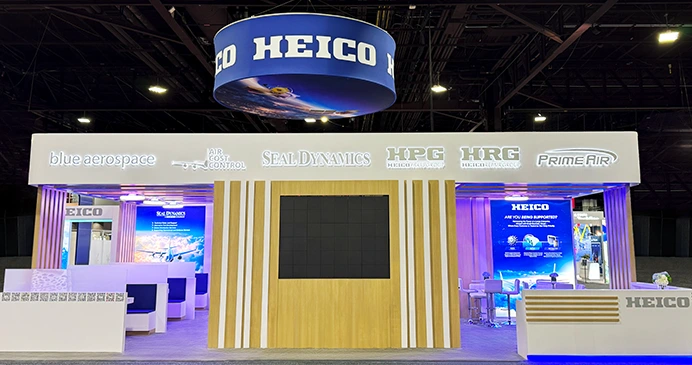
HR Exhibits Service, Inc.