What Is Trade Show Exhibit Design? Key Benefits for CEDIA Denver
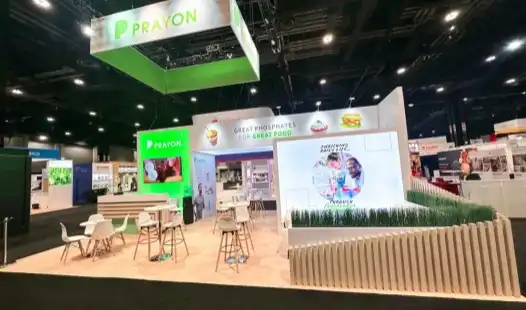
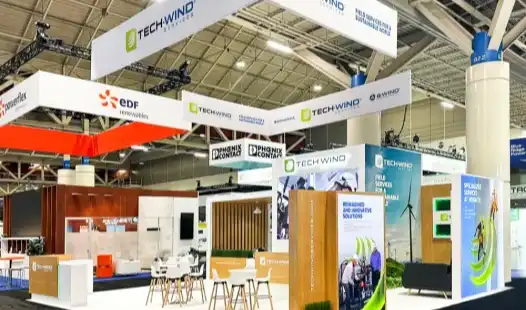
Trade show exhibit design is the planned making of three-dimensional brand settings for events in the electronics industry, such as CEDIA Denver. In this specialized field, design, brand storytelling, and practical tasks are all brought together to create immersive places that get people's attention and help businesses succeed. Unlike regular store displays, show design has to deal with specific issues, such as making the most of limited floor space, lowering the cost of moving materials by making structures that are light, and allowing for quick setup and takedown times. Professional designs combine good looks with useful features, directing visitors from areas with attractions to private meeting spaces while keeping the brand's look consistent. At its core, good exhibit design turns temporary buildings into strong marketing tools that bring in qualified leads and leave lasting images of a brand.
Understanding Trade Show Exhibit Design
The Strategic Foundation of Exhibit Architecture
More than just good looks are needed to make booth settings that have an effect. Before we start a project, we make sure we understand the business goals of the client, how the target crowd will behave, and the specifics of the show. Spatial planning, which looks at things like traffic patterns, sightlines, and "engagement zones," is the first step in the design process. Our team thinks about how people will connect with your brand, from the first impressions they get as they walk down crowded hallways to the more personal product presentations they get in semi-private areas.
Core Components That Define Professional Exhibits
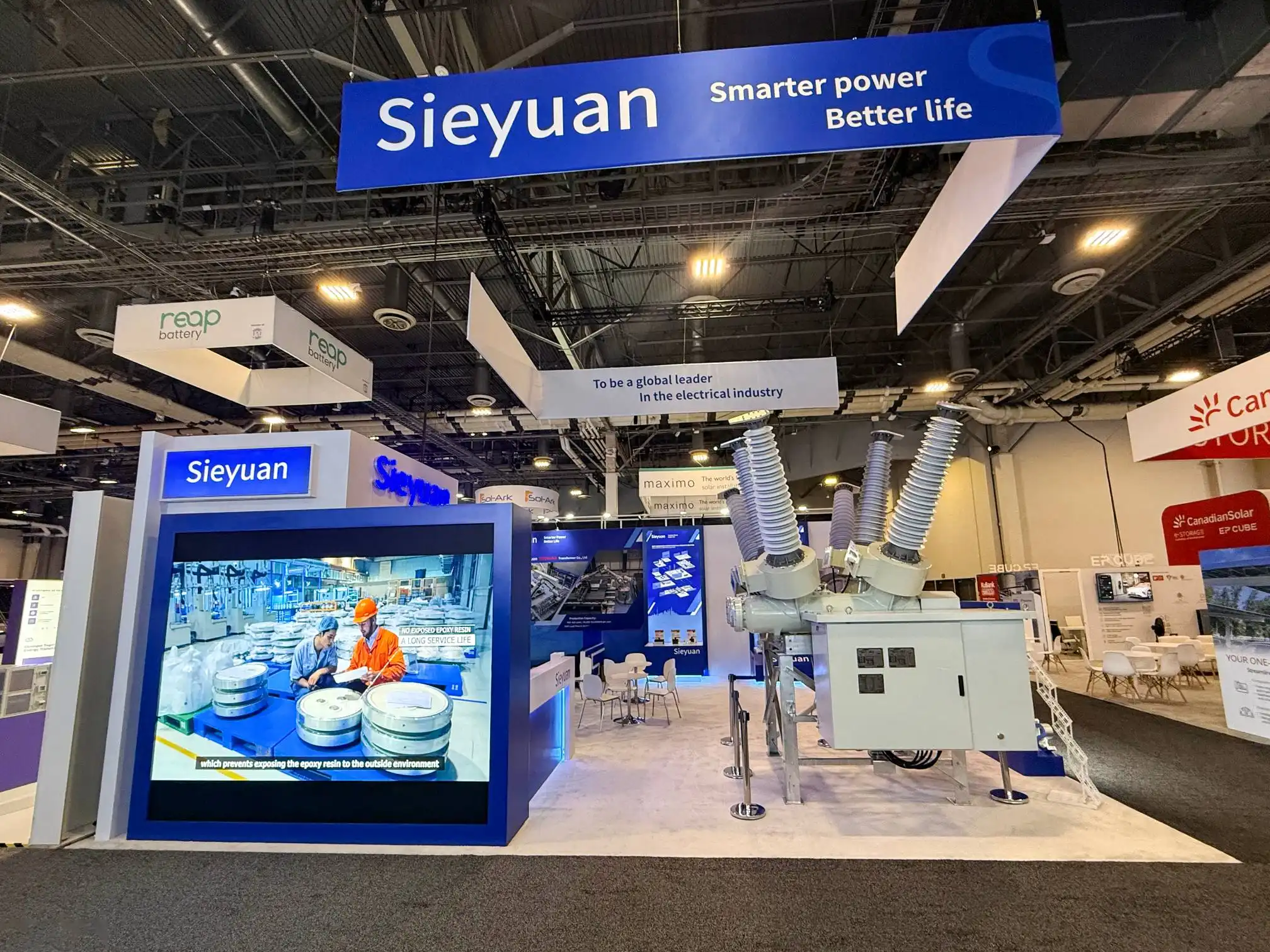
A good show structure has a number of important parts that work together. The framework is usually made of metal extrusion systems or custom-built wood, depending on how long it needs to last and how easy it is to move. Graphic parts can be made with tension cloth methods or direct-print substrates, which makes it easy to change the brand. Lighting design uses LED systems that can be adjusted and are set to specific Kelvin temperatures. This makes sure that images look bright even in bright convention center lighting. Technology integration includes managing cables in a way that doesn't draw attention to them, distributing power internally, and providing structural support for heavy AV equipment or display goods.
Material Selection and Engineering Considerations
Managing your project's weight has a direct effect on its budget by lowering drayage costs. Fabric-first designs and aluminum parts are more important to us than standard wood carpentry, which makes shipping much lighter. This way of building doesn't lose durability—structures that are properly built can last for 5–7 years with only minor graphic updates every so often. Fire officials require all materials to have NFPA 701 flame certificates, and electrical parts use universal power supply units that work with a range of venue requirements.
Key Benefits of Trade Show Exhibit Design for CEDIA Denver Participants
Amplified Brand Visibility in Competitive Environments
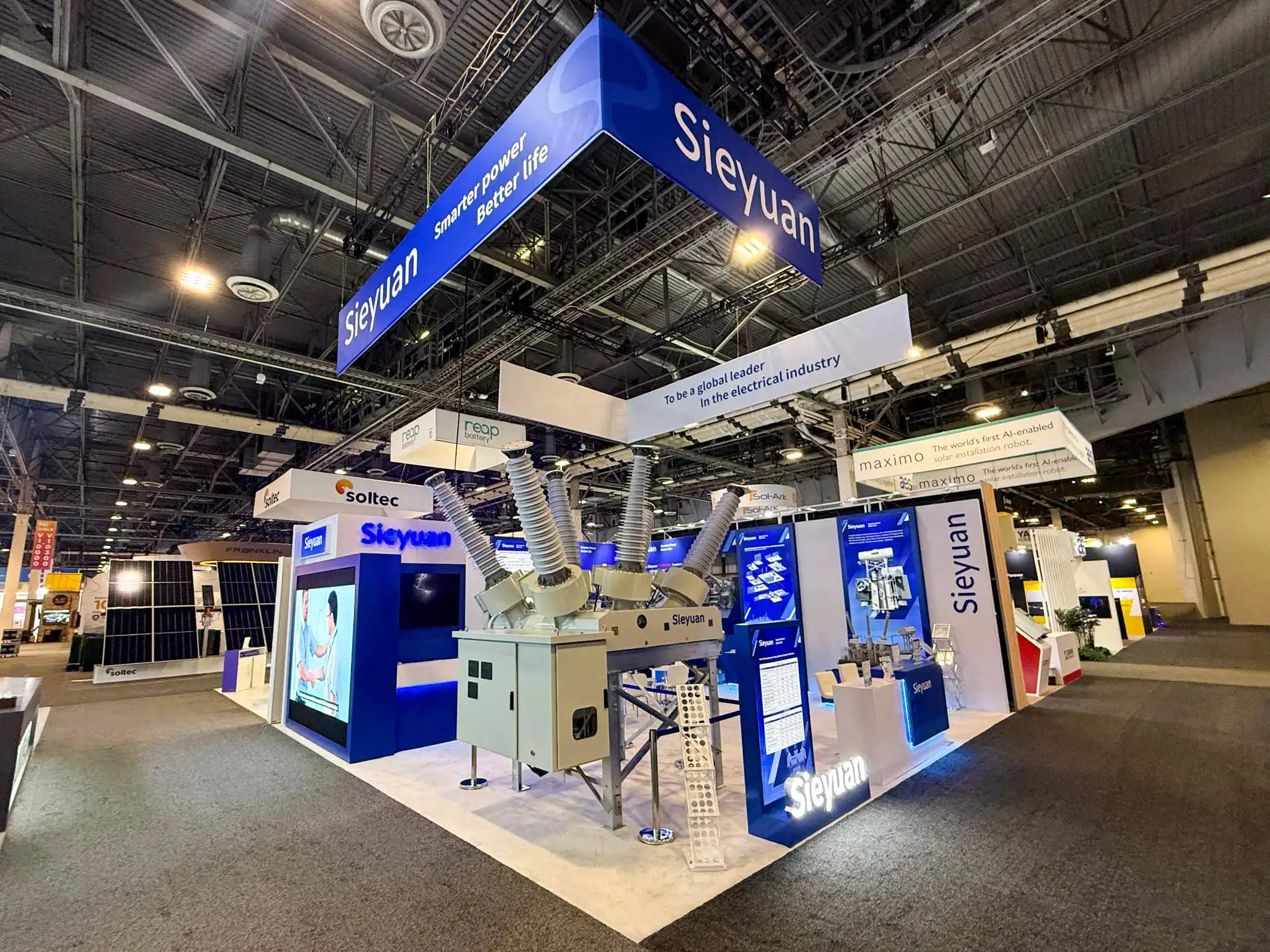
From September 1st to 4th, 2026, CEDIA Denver brings together tens of thousands of people who work in custom electronics. To stand out in this crowded market, you need design strategies that make you instantly recognizable. Thoughtful booth design uses vertical elements to make your brand stand out from other exhibitors on busy show floors, while unique forms and color palettes help people find your booth. By strategically placing lit branding in multiple lines of sight, you can make sure that people will remember your business long after the event is over.
Enhanced Lead Generation Through Functional Design
Exhibits that work don't just get people's attention; they also turn guests into qualified possibilities. Trade show exhibit design divides your booth space into different areas: open display areas that encourage casual discovery, semi-private consultation areas for serious buyers, and private meeting rooms for negotiations. This spatial hierarchy naturally sorts guests by level of interest, so your sales team can focus on having high-value talks. Integrated lead capture technology, such as badge readers and touchscreens that people can interact with, makes it easier to take data while people are using your goods—all made possible through strategic trade show exhibit design.
Optimized Return on Investment
Exhibitors who are watching their budgets often wonder if the initial investment in custom production is worth it. Even though the starting costs are higher than renting mobile homes, the costs change when you own them. Your amortized cost per event goes down a lot after 3–4 shows because you're only paying for logistics and labor instead of full rental fees. We make sure that our assets can be reconfigured so that the same parts can be used for 10x20 straight booths or 20x20 island layouts. This gives you the freedom to make the best use of your assets across your entire show plan.
Upcoming September 2026 events offer participants from a wide range of businesses great chances to make money. In addition to CEDIA Denver, our team helps clients at IMTS in Chicago (September 14–16), Global Security Exchange in Atlanta (September 14–16), and PRINTING United Expo in Las Vegas (September 23–25). Each place has its own practical issues and crowd makeup, so designers need to be creative in ways that appeal to specific buyer personas.
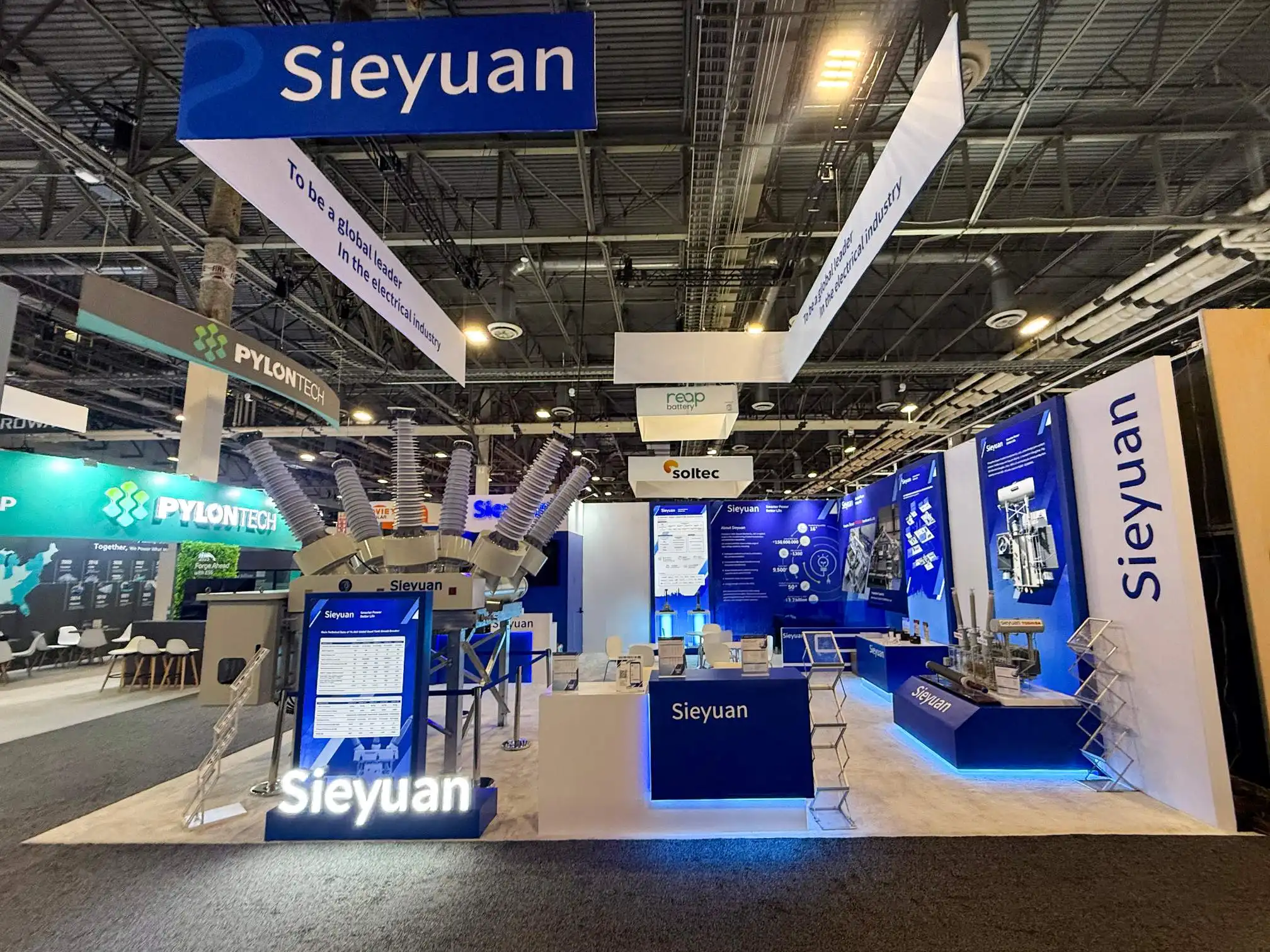
Trade Show Exhibit Design Ideas and Best Practices for B2B Success
Embracing Innovation for Tech-Focused Events
People who go to CEDIA expect presentations that are just as cutting edge as the technology they buy. AR overlays in interactive demos let potential customers picture how installations would work without using actual models. Visitors can change solutions on touchscreen product configurators in real time, which creates unique quotes they receive via email. Sustainable materials like recycled metal frames and biodegradable image surfaces are becoming more and more important to buyers who care about the earth. They also help you lower your carbon footprint.
Maximizing Limited Floor Space
Real land near convention centers is very expensive, so every square foot is worth a lot. Buildings with more than one level can make twice as much space useful by adding meeting rooms on the upper decks, but this needs to be done by a qualified structural engineer. During the show day, modular furniture systems change. For example, storage boxes can be used as stages for demos, and during busy times, collapsible consultation tables let people move around freely. Graphics that are placed in a way that draws attention upward make small booths feel bigger than they really are.
Common Pitfalls That Undermine Booth Performance
Overcrowded plans make it hard for people to find their way around and stop them from exploring. We keep the paths clear and at least four feet wide so that people can easily get around even when it's busy. A common problem is still not enough lighting. Many exhibitors don't realize how harsh the ceiling lighting is in convention centers, which makes images look dull. When marketing materials, booth images, and sales demos all tell different stories about the brand, this is called misaligned messaging. Coordinating all the points of contact with the customer makes sure that information flows smoothly, which builds trust and trustworthiness.
These trade show exhibit design rules are the same whether you're launching goods at LOUPE Americas in Chicago (September 15–17, 2026) or building your brand at events that focus on manufacturing. Each type of industry has its own practical needs that trade show exhibit design must address. For example, medical device exhibitors need clean areas to show off their products, while industrial makers need floors that can support heavy machinery—both requiring specialized trade show exhibit design approaches.
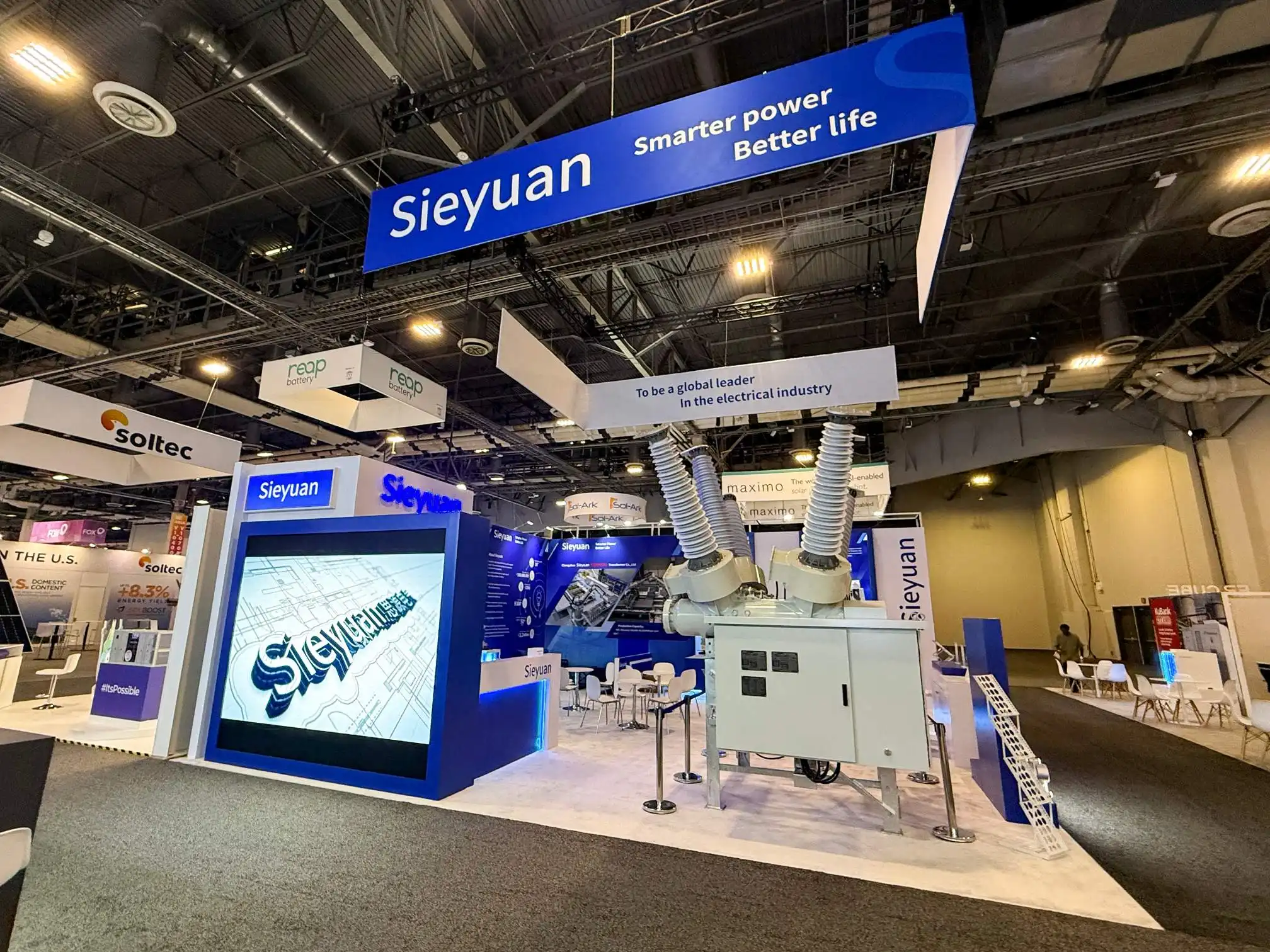
Choosing the Right Trade Show Exhibit Design Company and Service Options
Evaluating Expertise and Regional Knowledge
Choosing the right manufacturing partner has a big effect on how well a project turns out. For example, companies that make displays for the technology sector need a different set of skills than companies that make displays for the medical or factory sectors. Having a location close to big show sites makes things easier. Because our workshop is in Las Vegas, we can help local events like PRINTING United Expo with faster response times and lower shipping costs. This local infrastructure also helps exhibitors from other states and countries who come to Las Vegas, making help easy to find throughout the event.
Custom Build Versus Modular Solutions
Knowing how things are made helps with making choices about what to buy. When you start with raw materials for a custom show, you can make architectural shapes that aren't possible with standard methods. This method works well for businesses that need unique ways to show off their brands or that need to meet specific structure needs, like double-deck layouts. Usually, the planning process takes three to six months, which includes engineering, manufacturing, and pre-show staging, where clients check the quality before the shipment. Modular systems can be set up more quickly and require less money up front, which makes them appealing to new businesses or companies testing out new markets. A lot of successful exhibitors use a mix of methods, such as unique structural parts and images that are made in modules and are updated often.
Comprehensive Service Integration
Full-service partnerships get rid of the organizational problems that come with managing more than one provider. We come up with the ideas for the designs, write up the engineering documents, make the things, organize shipping, set them up on-site, and take them down after the show. This "turnkey" method works especially well for businesses that do not have specific trade show staff or that do business with other countries. Our team takes care of venue-specific needs like ordering electricity, making sure there is internet access, and handling papers. Using storage services between shows is a good way to protect your investment without having to use up building space at your facility.
How to Optimize Your Trade Show Exhibit for Maximum Impact at CEDIA Denver?
Strategic Planning Aligned With Business Objectives
Exhibits that work well start with clear goals that can be judged by clear measurements—a fundamental principle of trade show exhibit design. Are you focusing on specific types of accounts, getting a lot of leads, releasing new goods, or making people aware of your brand in new markets? Different trade show exhibit design goals are needed for each objective. Focusing on lead generation means having multiple engagement stations with full-time staff, while brand marketing efforts spend a lot of money on big architectural statements that can be seen from far away—both requiring distinct trade show exhibit design approaches. When a new product comes out, it needs a place to be shown off that has controlled lights and a soundproof barrier from outside noise, all integrated through strategic trade show exhibit design.
Technology Integration That Enhances Engagement
People today expect more than just static screens; they want to connect with them. Large-format LED walls show changing material throughout the show day. For example, live social media feeds are shown during slow times and product videos are shown during busy times. Virtual reality demos let potential customers try out goods in settings that are like the real world. This is especially useful for big installations that are hard to show off in person. Embedded analytics keep track of which shows get the most attention and how long people stay interested. This information helps you improve how you run future events.
Measuring Success and Continuous Improvement
Exhibitors who are smart look at success in more ways than just counting leads. Metrics for tracking include the percentage of qualified leads, the cost per relevant talk, the amount of social media activity during the event, and the rate of conversion after the show. We suggest that you have short debriefings with your booth team every day to talk about what's going well and what needs to be changed. This real-time feedback lets you make changes in the middle of the show, like moving staff to busy areas, changing the times of demonstrations, or changing your message based on questions from real attendees.
Conclusion
Professional trade show exhibit design turns going to a trade show from an expensive chore into a smart marketing move. Planning for CEDIA Denver, IMTS Chicago, or other big industry events in September 2026? Well-thought-out trade show exhibit design creates unique brand experiences that bring in qualified leads and trackable business results. The difference between memorable shows and ones that aren't is careful planning of space, creative use of technology, and careful execution—all hallmarks of superior trade show exhibit design. Working with skilled fabrication teams that know both artistic design and operational planning will help your brand's appearance get the most out of your show investment through strategic trade show exhibit design.
FAQ
What budget should I expect for CEDIA Denver exhibit design?
The budget needs are very different depending on the size and complexity of the booth. A simple 10x10 inline show with movable parts usually costs between $8,000 and $15,000 for first-time builds. Usually, custom 20x20 island shows with built-in technology and design features cost between $40,000 and $80,000. These numbers include things like design, manufacturing, and images, but they don't include things like labor, electricity, and the internet. Rental choices lower the initial costs to about 25–30% of the purchase price per show, which makes them appealing for businesses that only display a few times a year.
Should I rent or buy a custom exhibit?
It depends on how often the exhibitions happen and what the strategic goals are. If you want to save money, it's better to buy than rent if you plan to attend three or more shows a year. The costs of owning are spread out more quickly than the costs of renting. Custom-built displays also give you full control over your brand and the freedom to change how they look. Rentals are good for businesses that want to try out new markets, go to one-time events, or avoid the hassle of storing their own stuff. A lot of exhibitors use a mix of methods, where they own basic structural parts and rent out show-specific additions.
How do design trends differ for technology sector events?
People who are interested in technology expect booth designs to show progress. Minimalist styles with clean lines and lots of empty space are popular right now. These styles put the focus on the product rather than on decorations. Tech-savvy guests like interactive digital experiences like touchscreen product choices, augmented reality demonstrations, and charging stations built right in. As companies put more emphasis on being environmentally responsible, sustainable materials become more important in buying choices. Companies that are growing and needing more room will like movable systems that are easy to move to different locations.
Partner With HR Exhibits Service, Inc. for Your Next Trade Show Success
HR Exhibits Service, Inc. has decades of experience developing and building tailored show spaces for companies in the technology, manufacturing, medical, and consumer goods sectors. Our workshop is in Las Vegas, and our experienced team offers full trade show exhibit design services for every stage of the project, from coming up with the initial idea to installing the exhibit on-site and providing services after the event. We know the unique problems that participants at big events like CEDIA Denver, IMTS Chicago, and PRINTING United Expo face. That's why we offer local help that makes things easier.
Our clients like how we can combine creative innovation with practical application, giving them booths that get qualified leads while staying within their budgets. As a reliable trade show display design company, we've helped a huge range of brands, from small, fast startups to large, well-known companies, make memorable experiences on the show floor that lead to real business results. Get in touch with our team at info@hrexhibits.com to talk about your future exhibition needs and find out how strategic design can turn your trade show involvement into a powerful marketing investment.
References
1. Smith, J., & Anderson, T. (2024). Trade Show Marketing: Strategic Planning and Exhibit Design. Business Publishing International.
2. Reynolds, M. (2023). "The Evolution of Exhibition Architecture in B2B Marketing." Journal of Experiential Marketing, 18(3), 45-62.
3. Williams, K. (2025). Custom Exhibit Fabrication: Engineering and Design Principles. Technical Press.
4. Chen, L., & Martinez, R. (2024). "ROI Measurement in Trade Show Participation: A Comprehensive Framework." Industrial Marketing Management, 41(2), 112-128.
5. Thompson, D. (2023). Exhibition Design for Technology Sectors: Best Practices and Case Studies. Marketing Innovations Press.
6. Garcia, S. (2025). "Sustainable Materials in Trade Show Construction: Environmental and Economic Analysis." Green Building & Design Quarterly, 12(1), 78-91.

Embark on Your Journey to Exceptional Exhibitions! Contact HR Exhibits Today to Transform Your Vision into Global Success.
HR Exhibits Service, Inc.