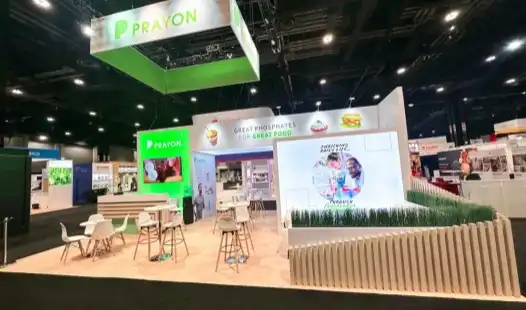
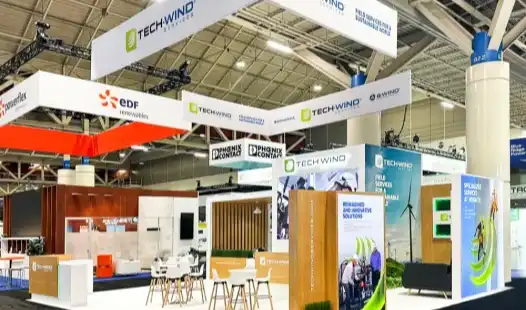
Ultimate Guide to Exhibit Design Companies for Tech Brands
Choosing the right exhibit design companies can change how tech companies interact with people at big industry events. These specialized partners take care of everything, from the first sketches of an idea to the final installation. They make spaces that show off new ideas while also adhering to strict venue rules and meeting tight deadlines. Partnering with experienced booth builders will make sure that your investment gives you measurable returns through strategic design, high-quality fabrication, and flawless execution that fits your marketing goals, whether you're launching semiconductor technology at SEMICON West or showing off electric vehicle solutions at The Battery Show.
Understanding Exhibit Design Companies and Their Value to Tech Brands
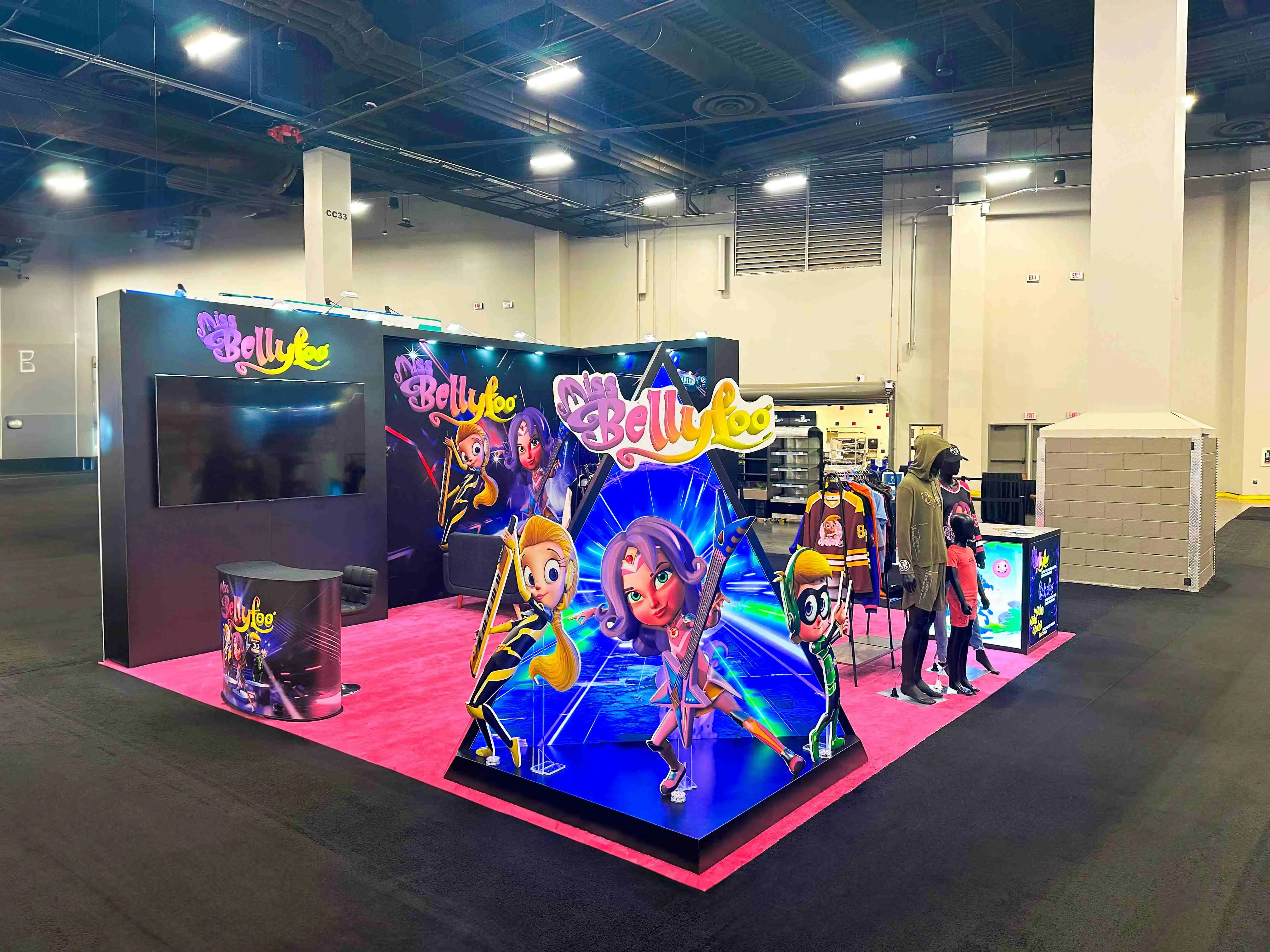
Tech companies use professional booth designers as strategic partners to help them get through the tough world of trade show marketing. Their job isn't just to make things look nice; they also design places that explain complex technological benefits through immersive experiences.
Types of Exhibit Design Providers
There are three different types of booth building experts on the market. Using proprietary materials and new building elements, custom display houses build structures that are completely one-of-a-kind and meet the needs of a particular brand. Reconfigurable platforms like Octanorm or beMatrix are used by modular system providers to offer scalability across various events. Hybrid designers use both of these methods together, adding unique images and interactive technology to standard building parts. Each type fits a different price and needs to be used more than once.
The Collaborative Design Process
Booth projects that go well follow a structured process that starts with discovery meetings where designers learn about product lines, target groups, and how to place themselves in the market. This information is used to make 3D models that show how spaces are laid out, how traffic flows, and where technologies will be integrated. Then, engineering teams make thorough CAD models that include the material lists, electrical loads, and structural estimates that the venue needs in order to be approved. The fabrication phase turns these plans into real parts in climate-controlled rooms. The next step is pre-show staging, where the whole booth is put together in the building before it is shipped. This is an important quality control step.
Strategic Benefits for Technology Exhibitors
There are measurable benefits to working with specialized exhibit experts. Professional designers set up lights and sight lines so that product demonstrations stand out. They also create natural meeting spots that make people stay at the booth 40–60% longer than with standard layouts. Their knowledge in choosing materials strikes a balance between how they look and practical issues like weight limits that affect drayage costs—the often-overlooked fees for moving materials that can eat up 15 to 20 percent of total show budgets. Experienced companies also keep in touch with venue labor groups and general contractors. This keeps work from stopping, which can be expensive, and makes sure that all city fire marshal rules are followed.
How to Choose the Right Exhibit Design Company for Your Tech Brand?
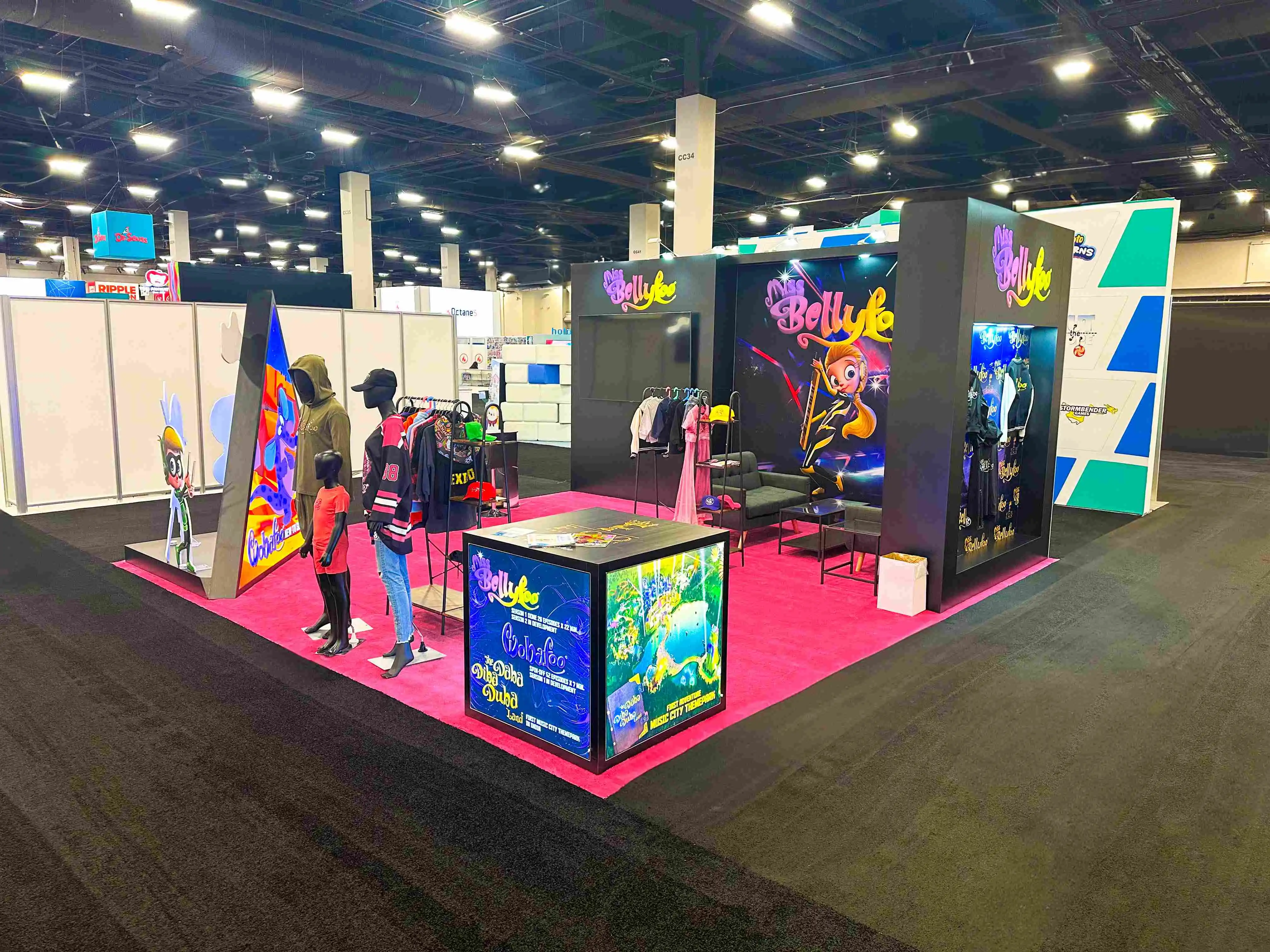
There are a lot of skilled vendors for procurement teams to choose from, so they need to do a lot of systematic review to find the best deals. The process of choosing should make sure that the booth's features fit with larger marketing plans while also keeping risk to a minimum.
Framework for Evaluating Potential Partners
A organized screening method looks at a number of important factors. Looking at a potential partner's portfolio can show you if they understand the needs of the tech industry. For example, look for past projects that have integrated charging stations for device demos, strong audiovisual infrastructure for presentation halls, and neat cable management systems. Clear pricing is very important, and reliable exhibit design companies give detailed plans that separate design fees, manufacturing costs, graphics production, and installation services. Sustainability practices are becoming more and more important when choosing a seller. For example, forward-thinking buyers prefer FSC-certified lumber, cloth systems that use less vinyl, and energy-efficient LED lighting that cuts down on electrical service calls.
Matching Solutions to Exhibition Needs
Depending on the event, the booth needs to be set up in a certain way. Startups that are going to their first trade shows can benefit from hiring options that keep capital costs low while they test how the market responds. Mid-sized businesses that take part in three to four events a year should look into ownership models where unique structures are spread out over several activations. Enterprise tech companies that need to be at big tech shows like Money 20/20 or FABTECH on a regular basis need display places that can store, fix up, and coordinate operations across multiple cities. Total cost of ownership is weighed against how often it is used, how much space it takes up, and the resources available for managing projects internally in the choice matrix.
Essential Questions for Vendor Vetting
Smart people who work in buying ask pointed questions that show how well they know how to do their job. Ask how long it usually takes from signing the contract to installing the furniture on the show floor. As a general rule, it takes 12 to 16 weeks for special projects to be completed, but experienced shops can speed up the process for an extra fee. Ask for references from tech clients who have exhibited at the same shows you're interested in, and then check those links personally. Talk about what to do in case of common problems like late orders, broken parts, or last-minute design changes. Pay attention to how sellers deal with the stress that comes with trade shows.
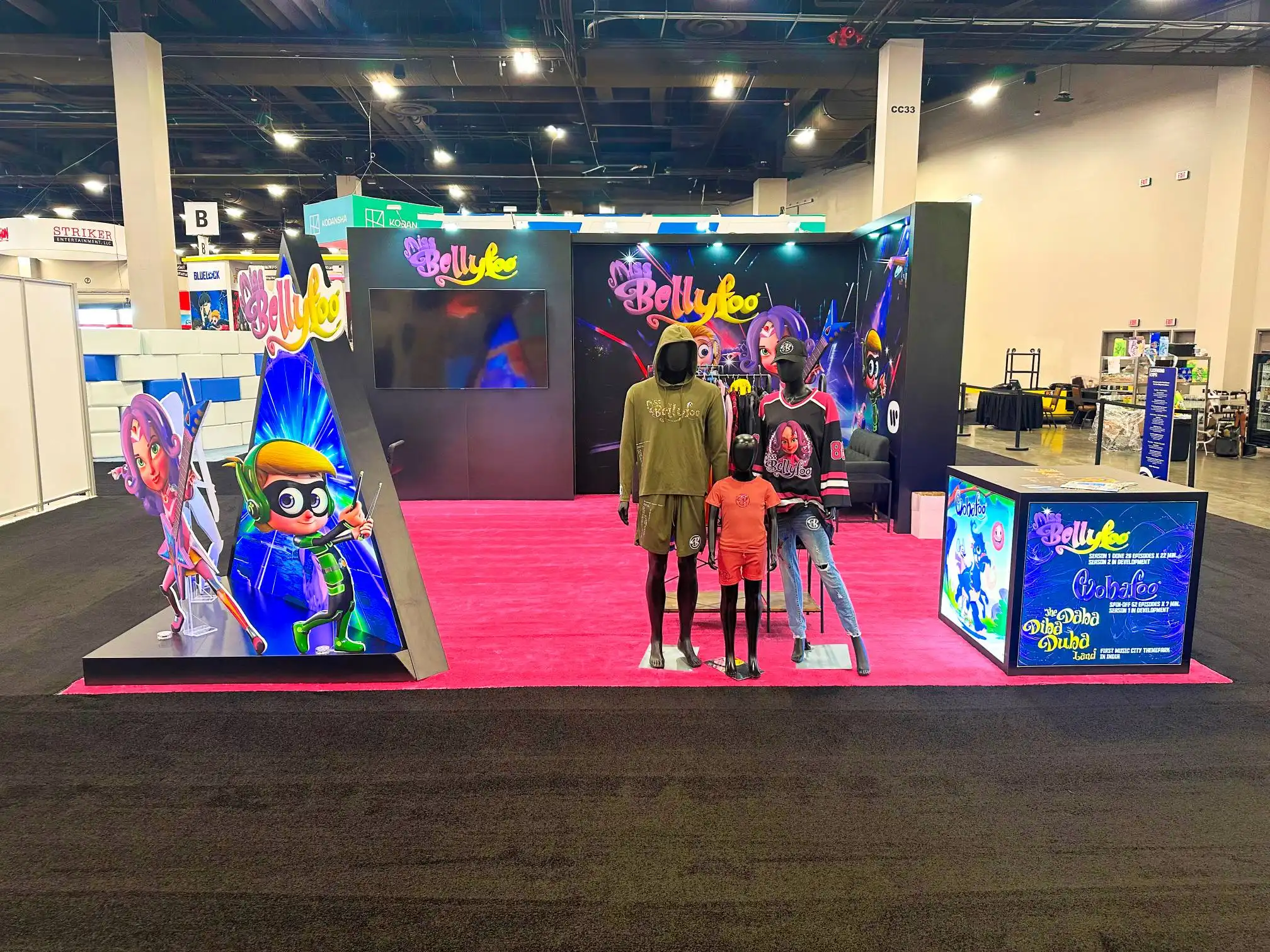
Current Trends Shaping Tech Exhibit Design in 2026
The trade show scene changes quickly as tech companies fight for visitors' attention in halls that are getting more and more crowded. At the moment, cutting-edge booth experiences are shaped by a number of design trends.
Immersive Technology Integration
Augmented reality and virtual reality displays used to be new ideas, but now they're commonplace at tech-themed events. Advanced exhibitors use AR product configurators that let users change the details of a product and see how it would work in their own settings. This way, they can collect qualified lead information through interactive engagement. VR display zones take potential buyers into simulated use cases. This works especially well for industrial tools or software platforms that can't be shown in person. These layers of technology need careful planning of power and network equipment. This is where professional booth designers come in handy with their technical know-how.
Sustainable Design Materials and Practices
Being environmentally friendly now affects buying choices in the business-to-business technology field. Modern exhibit houses use eco-friendly methods like tension fabric graphics that are lighter and cause less pollution during shipping, bamboo or recycled composite panels instead of wood for building, and modular parts that can be taken apart and used again and again over a 5–10 year period. Brands that display at SupplySide Global or similar health-focused conferences can really benefit from clear sustainability promises that match the design of their booths with their company's environmental goals. This creates a sense of authenticity that buyers who are environmentally aware will connect with.
Minimalist Aesthetics with Maximum Impact
Modern tech booths have clear sightlines, lots of empty space, and focused lighting that draws attention to important goods or demos instead of lots of text. This method works best for businesses that make semiconductors at SEMICON West or new financial technologies at Money 20/20, where complicated goods need to be shown in a clear way. By strategically placing reception areas with high-end finishes, you can make them feel more private for talks with qualified prospects while still making the booth easy for everyone to get to. The minimalist mindset applies to graphics, with strong pictures replacing the large blocks of text that were too much for older booths. Top exhibit design companies understand these industry-specific nuances and apply them to create compelling, clean aesthetics that resonate with tech-savvy audiences.
Comparing Top Exhibit Design Options for Technology Events
It's helpful for procurement workers to know how different service models serve different types of exhibitors in the tech industry.
Custom Versus Modular Exhibit Solutions
Unique building forms, proprietary materials, and fully integrated technology systems make custom manufacturing the best way to set your brand apart. This method works well for large tech companies with big budgets that need to have a strong brand presence at a lot of industry events. Depending on how complicated it is and how well it integrates technology, costs are usually between $150 and $400 per square foot. Modular systems can be set up in a variety of ways and require less money up front. Standard components can be rented for as little as $75 to $125 per square foot. More and more people are using hybrid methods, which combine modular frames with unique images and technology elements that make the brand stand out while also saving money.
Boutique Firms Versus Large-Scale Providers
Smaller specialty display houses offer more individual service and creative freedom, and they often do a great job of coming up with new design ideas for new tech brands. Their flexibility lets them make changes quickly and solve problems in a way that fits each customer's needs, but they might not be able to handle multiple shows at once or foreign logistics networks. Large, well-known providers offer a wide range of services, such as in-house logo design, large rental stocks, and project managers who handle complicated coordination. Customers in the enterprise sector like their standardized processes and financial safety. However, unique work is sometimes carried out using more conservative templates.
Evaluating Provider Capabilities Through Client Work
Portfolio analysis gives you an unbiased look at how good your design skills are and how well your technology performance is. Look over case studies from events that fit your business and booth size needs. Look at closeup photos that show the finish quality, graphics clarity, and level of technology integration. Client reviews should specifically talk about how well the vendor met deadlines, stuck to budgets, and solved problems during installation. These are the real tests of a vendor's skills that show which ones are reliable and which ones aren't.
Navigating Procurement for Major Technology Trade Shows
Clear procurement methods that set standards and protect both parties through organized agreements are the first step to good project management.
Preparing Comprehensive RFQs
Request for Quotation documents should include exact booth sizes, show dates and locations, features like meeting rooms or demonstration areas that are wanted, technology needs like power loads and network connections, and any other things that need to be thought about, like water connections or structures that hang from the ceiling. Include your brand rules, product specifications that need to be shown, and information from past events about your competitors' booths. Detailed RFQs allow for accurate price comparisons and stop scope creep, which drives up final costs.
Understanding Contract Essentials and Timelines
Professional services agreements must make it clear what needs to be done at each stage of a project, such as approval of the idea, engineering sketches, visual proofs, finishing of manufacturing, and supervision of installation. Set up payment plans that are based on completed milestones instead of random dates. This will protect your investment if there are delays. Make it clear who is responsible for paying the venue's fines for late installations or code violations. Include clauses for change orders that spell out how changes will affect prices and schedules when they happen. Realistic schedules allow 3–4 weeks for designing, 6–8 weeks for making unique parts, and 2–3 days for installing on-site, based on how complicated the booth is. Working with experienced exhibit design companies ensures these agreements are structured to protect both parties while delivering high-quality results on time.
Managing On-Site Installation and Logistics
Make sure that the bids you receive include supervised installation services. A lot of booth makers offer project managers who work with venue contractors, electricity suppliers, and AV techs to make sure that everything goes smoothly during setup. Know what your staff is supposed to do during installation. Usually, sellers are in charge of placing products, stocking literature, and finalizing the technology setup, while workers put together the structure and mount the graphics. When you work with local exhibit experts for Las Vegas shows like FABTECH, Money 20/20, and SupplySide Global, you get a lot of benefits, like established vendor relationships and warehouses that are close by, which cuts down on shipping costs and lets you respond quickly to last-minute needs.
Supporting Tech Brands at America's Largest Trade Shows
Technology companies have to deal with busy show plans, with a lot of big events happening at the same time during busy times. Figuring out which tech shows cater to specific industries can help you make sure that your booth investments are directed at the right people. The Battery Show and Electric & Hybrid Vehicle Technology Expo in Detroit (October 12-15, 2026) attracts automotive engineers, battery manufacturers, and clean energy innovators requiring specialized booth infrastructure for heavy component displays and live demonstrations. Professional exhibit builders design reinforced flooring systems supporting equipment loads while creating presentation zones for technical discussions.
SEMICON West in San Francisco (October 13-15, 2026) serves semiconductor manufacturing professionals expecting sophisticated booth environments reflecting the precision of their industry. Successful exhibitors deploy clean aesthetic designs with integrated demonstration equipment, private meeting spaces for IP-sensitive conversations, and hospitality areas facilitating relationship development in this highly specialized sector. Money 20/20 in Las Vegas (October 18-21, 2026) brings together fintech innovators, payment technology providers, and financial services decision-makers. Booth designs emphasize interactive technology demonstrations, secure areas for confidential product briefings, and brand experiences that communicate security and innovation—core concerns for financial technology buyers.
FABTECH in Las Vegas (October 21-23, 2026) showcases manufacturing technology, metal forming equipment, and automation solutions. Exhibitors require robust booth structures accommodating heavy machinery displays, live fabrication demonstrations, and technical specification areas where engineers evaluate equipment capabilities. SupplySide Global in Las Vegas (October 26-30, 2026) serves ingredient suppliers, health product manufacturers, and nutritional technology companies. Booth designs incorporate product sampling areas, quality certification displays, and professional meeting spaces supporting the consultative sales processes typical in this B2B sector.
Conclusion
Choosing skilled booth builders has a big effect on the return on investment (ROI) for tech companies that compete at big industry events. When people work together in the right way, exhibition space can become smart marketing tools that engage prospects, show off technical skills, and create qualified sales chances. Creative innovation and practical execution are both important in successful relationships. They offer unique brand experiences while keeping track of budgets, deadlines, and complicated logistics. As technology trade shows get more competitive, procurement professionals who regularly review design firms, make sure project standards are clear, and stick to realistic deadlines set their brands up for measurable success at multiple events each year. Partnering with experienced exhibit design companies ensures that your booth not only attracts attention but also delivers tangible business results through strategic planning and flawless execution.
FAQ
Q1: What timeline should we expect from initial concept to show floor installation?
A: From signing the contract to finishing the construction, full custom booth jobs take 12 to 16 weeks. This schedule gives 3–4 weeks for coming up with a design idea and getting it approved, 2 weeks for engineering drawings and venue submissions, 6–8 weeks for making structural parts and graphics, and 2–3 days for setting up the booth on-site, based on its size and complexity. Timelines can be cut down to 6 to 8 weeks with modular or rental options, but there are usually fees for getting service faster.
Q2: How much should we budget for a mid-size technology trade show exhibit?
A: Medium-sized booths (20x20 to 30x30) usually cost between $40,000 and $120,000 for custom-built ones or between $15,000 and $35,000 per show for rented ones. The prices change depending on how complicated the structure is, how much technology needs to be integrated, how complex the graphics are, and whether the plans include services like installation guidance, shipping, and storage. Teams in charge of buying things should set aside extra money for things like internet, electricity, and renting chairs through show general contractors.
Q3: What steps ensure our exhibit design meets sustainability expectations?
A: Ask for bids that include eco-friendly materials like FSC-certified wood, metal extrusions that can be recycled, and tension cloth graphics systems that get rid of vinyl trash. Ask vendors if parts can be used at more than one event, if the lighting is energy-efficient, and if the building is light so that it lowers shipping emissions. Reputable companies show proof of environmentally friendly practices and can try to get show-specific green certifications if the sites have programs that reward vendors who are good for the environment.
Partner with HR Exhibits Service, Inc. for Your Technology Trade Show Success
For tech companies showing off their products all over North America, HR Exhibits Service, Inc. designs and builds complete booths for them. Our center in Las Vegas gives companies that are taking part in big industry events like Money 20/20, FABTECH, and SupplySide Global strategic benefits by providing local support that makes operations easier and cheaper. We help our clients with every step of a project, from coming up with an idea and seeing it in 3D to making the product, overseeing the placement, and finding a way to store it after the show.
Our team knows what technical needs technology exhibitors have and can set up power infrastructure for product demos, make safe areas for private conversations, and create modular layouts that can be used in a variety of event spaces. We offer display solutions that turn complicated technical issues into interesting experiences for visitors, whether you're starting at The Battery Show in Detroit or showing off new semiconductor technologies at SEMICON West. Get in touch with our exhibit design experts at info@hrexhibits.com to talk about your needs for the upcoming trade show and find out how our experience working with clients in the technology sector gives us an edge on busy show floors.
References
1. Trade Show Exhibitors Association (TSEA). Best Practices in Exhibit Design and Project Management. Chicago: TSEA Publishing, 2023.
2. Miller, Jonathan and Rebecca Chen. "ROI Measurement Strategies for B2B Technology Trade Show Participation." Journal of Business-to-Business Marketing, vol. 30, no. 2, 2023, pp. 145-168.
3. Exhibition and Event Association of Australasia. Global Standards for Sustainable Exhibit Design and Construction. Sydney: EEAA Press, 2024.
4. Kaufman, David L. The Complete Guide to Trade Show Marketing: Strategy, Execution, and Measurement. New York: Business Expert Press, 2023.
5. International Association of Exhibitions and Events. Technology Integration in Modern Exhibition Design: Industry Benchmarks and Case Studies. Dallas: IAEE Foundation, 2024.
6. Stevens, Patricia. "Material Innovations and Cost Optimization in Custom Trade Show Exhibits." Exhibition Management Quarterly, vol. 18, no. 4, 2023, pp. 22-39.

Embark on Your Journey to Exceptional Exhibitions! Contact HR Exhibits Today to Transform Your Vision into Global Success.
HR Exhibits Service, Inc.