Trade Show Exhibit Design Guide for First-Time Exhibitors
Going to a trade show for the first time can be scary, but if you know the basics of how to plan an exhibit, you'll be ready for success. Trade show exhibits are important parts of business-to-business (B2B) buying because they let people show off goods, raise knowledge of brands, and make useful connections. For first-time vendors, spending money on a custom trade show exhibit design can make your booth stand out from others, making sure it fits perfectly with your brand's values and business goals and giving you the most chances to interact with people during the event.
Introducing Custom Trade Show Exhibit Design
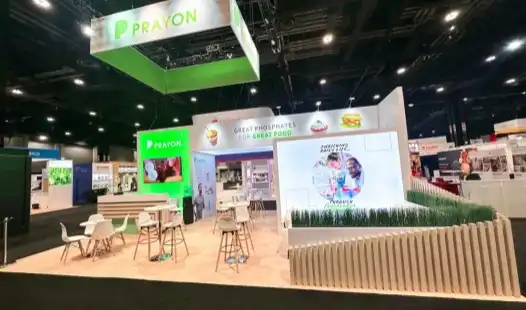
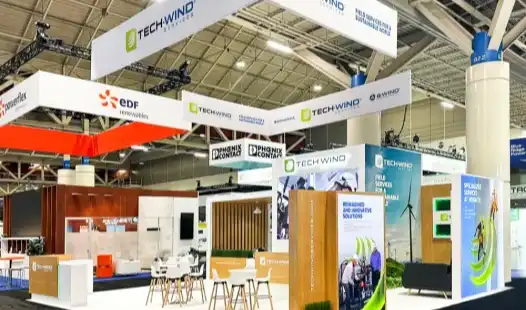
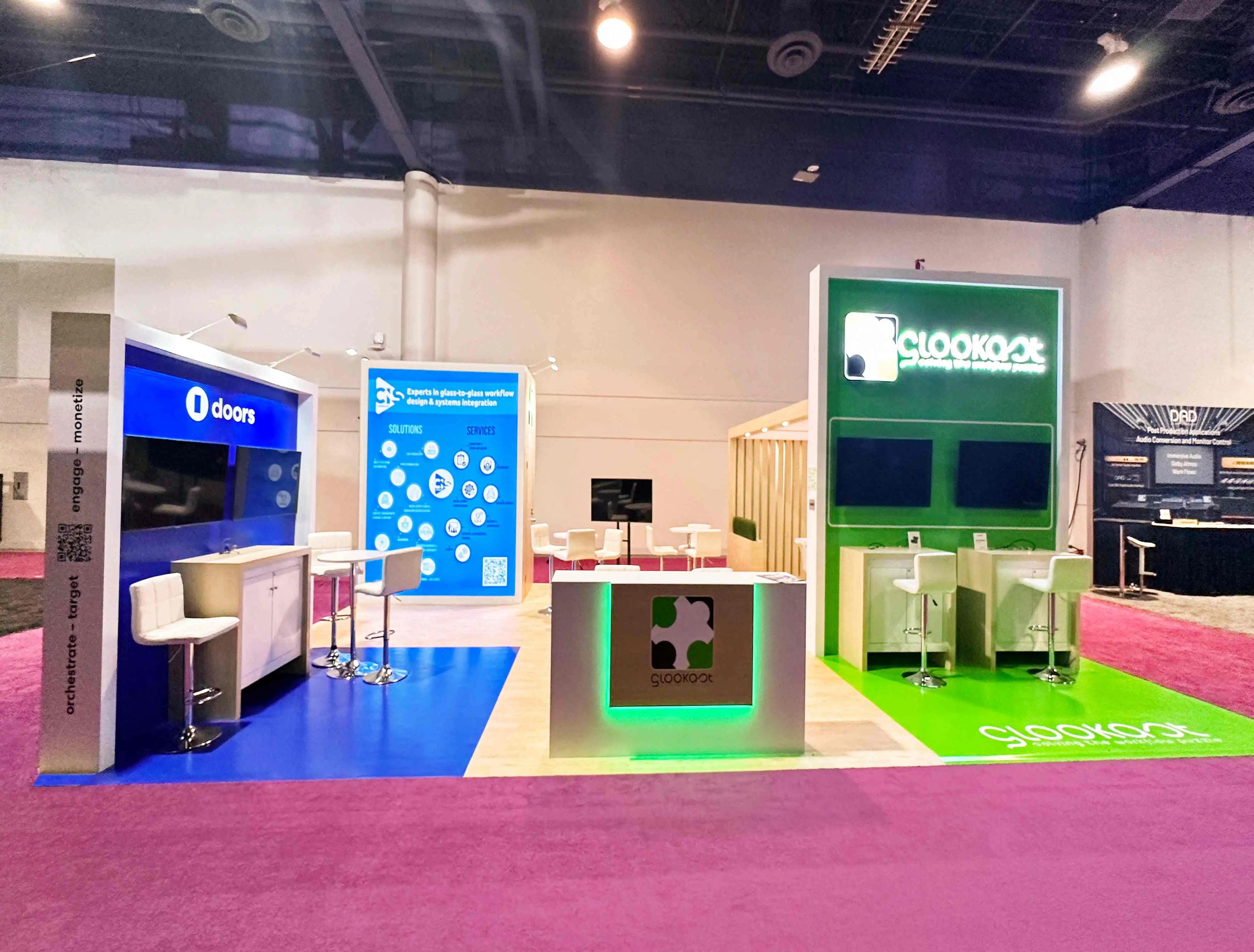
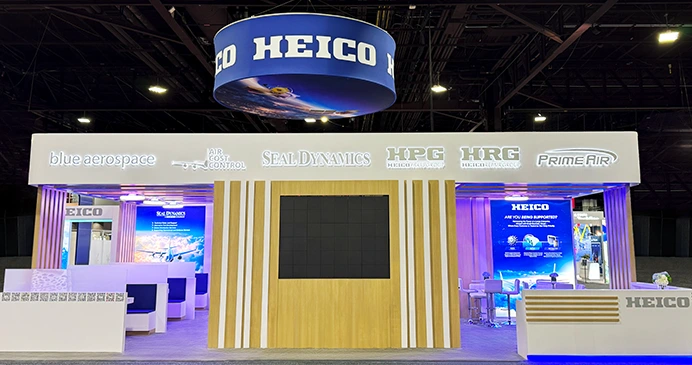
Creating custom trade show exhibits means making booth structures that are unique to your business and fit its brand personality, marketing goals, and space needs. Unlike standard modular systems or rental choices, these custom settings are built from the ground up using unique materials, architectural elements, and technology that works with everything else.
What Sets Custom Exhibits Apart from Standard Solutions?
Custom displays and flexible exhibits are different in how they tell stories about brands and how they use space. Custom designs let you choose any material you want, from high-quality hardwoods and metal extrusions to tension fabrics and special plastics. Because of this, designers can make forms, visual hierarchy, and structure features that aren't possible with generic systems.
Custom exhibits are great at fixing difficult spatial problems because they use smart architectural layouts to direct visitors to key conversion points like product displays, meeting rooms, and practice areas. Custom builds have strong structures that can support big equipment displays, double-deck layouts, and complex rigging systems that need approved by qualified engineers.
Industry-Specific Applications and Requirements
Different businesses need booths that are designed and work in specific ways. To make product demos more realistic, tech companies that display at CES or InfoComm need server cabinets with built-in ventilation systems, integrated wire management systems, and seamless LED video wall installs. At shows like IMTS, companies that make things need flooring systems that are strengthened and can hold more than 2,000 pounds per square foot of machines.
Medical and pharmaceutical businesses that go to specialized conferences need meeting rooms that are HIPAA-compliant and have sound privacy features. Consumer goods brands, on the other hand, focus on making sure their products are durable and clean for a lot of people. Because of the unique needs of each business, custom solutions often work better than one-size-fits-all options.
Current Trends Shaping Exhibit Innovation
Absolutely. The evolution of technology and materials is fundamentally shaping modern custom trade show exhibit design. Virtual and augmented reality experiences are being used more and more in custom exhibit designs today. These create interactive environments that keep people interested and show off complicated goods in fun ways, turning a static display into an immersive brand journey. Furthermore, sustainability has become very important, and eco-friendly materials and LED lighting systems that use little energy are now expected components of a responsible and forward-thinking custom trade show exhibit design. Complementing these elements, modern digital signs and interactive touchscreens let you change the content on the fly and see how engaged visitors are in real time, ensuring your custom design remains dynamic and data-informed throughout the event.
How to Design a Trade Show Exhibit That Attracts Visitors?
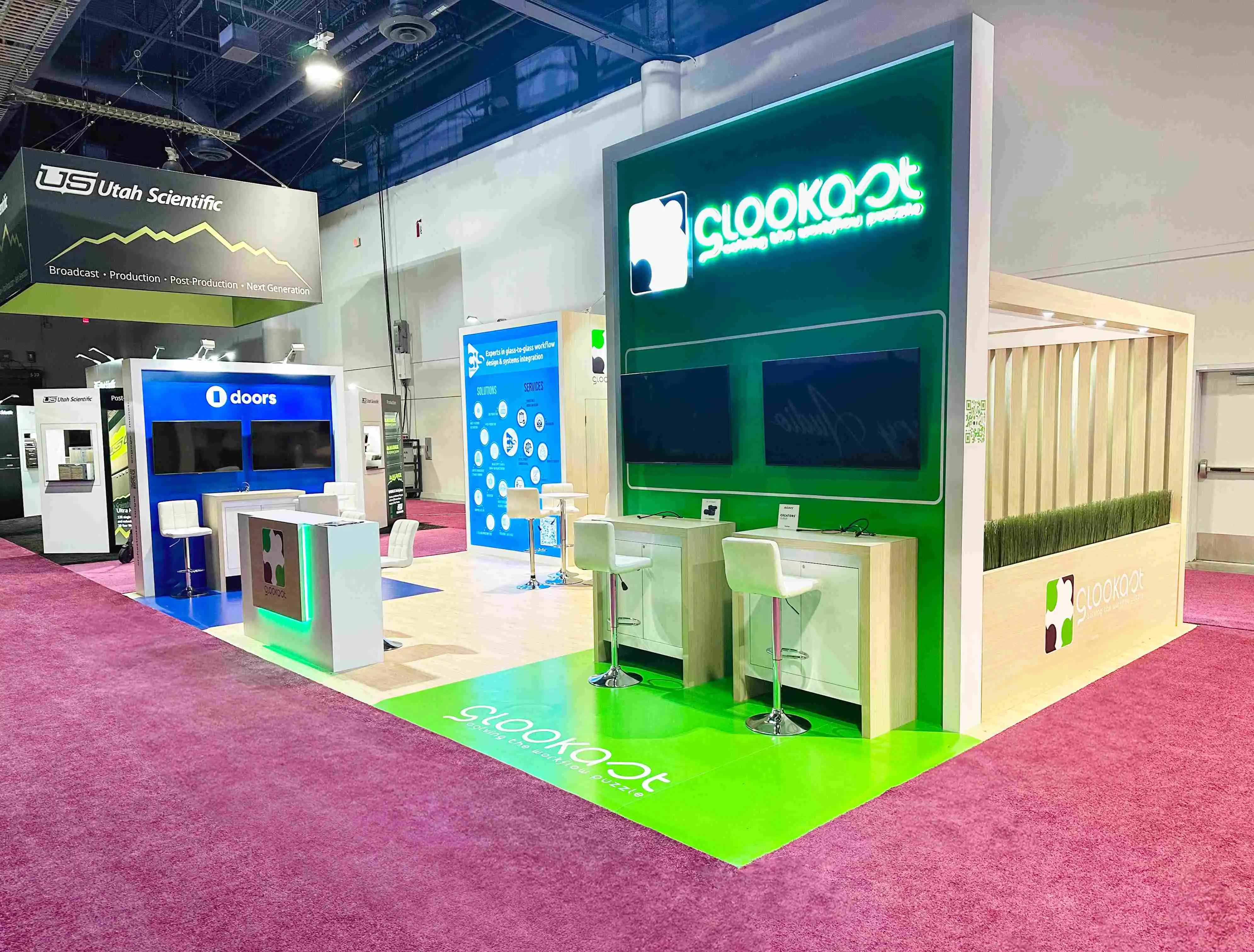
To make a show that gets a lot of visitors, you need to carefully consider how it looks, how it works, and how to make the visitors' experience the best it can be. Good booth designs have clear focal points that quickly communicate brand messages and make it easy for people to move around the area.
Establishing Visual Hierarchy and Brand Presence
The way your exhibit looks should make people immediately think of your brand. This can be done by using uniform color schemes, fonts, and messages that are in line with your overall marketing efforts. Putting big images, company names, and pictures of products at eye level is a smart way to make sure they are seen from across busy show floors.
Lighting is an important part of setting the mood and drawing attention to important parts of your booth. Professional LED systems can bring out the best in your goods, make your space feel warm and inviting even during long show days, and create ambiance. Adding multimedia features like video walls or interactive displays should not take away from your main message, but rather make it stronger.
Optimizing Layout for Engagement and Conversion
Booth layouts that work well mix open, friendly areas with specific areas for deep talks and product demos. You might want to divide your exhibit into different areas, such as a greeting area for making the first contact, display areas for showing off products, and private meeting areas for important business talks.
Visitors should be able to easily move through your main points of communication without hitting any snags or dead ends. During busy times, wide walkways make it easier to get around, and carefully put furniture makes it easy to talk when it's quiet. Integrated storage solutions into the booth design keep it looking clean and professional during the whole event.
Interactive Elements That Drive Participation
Modern guests want more than just handing out brochures; they want to be involved and have fun. Your booth can become a stop instead of just another display by adding virtual reality experiences, game-like features, and interactive product demos. These features not only bring in visitors, but they also make situations that people will remember, which can lead to further talks.
Integration of technology should have clear goals, not just be interesting for its own sake. Tablet-based lead capture systems make it easier to get information from visitors, and live product configurators let potential buyers see real-time examples of how their purchases can be customized. These tools give you useful information and make the experience better for visitors.
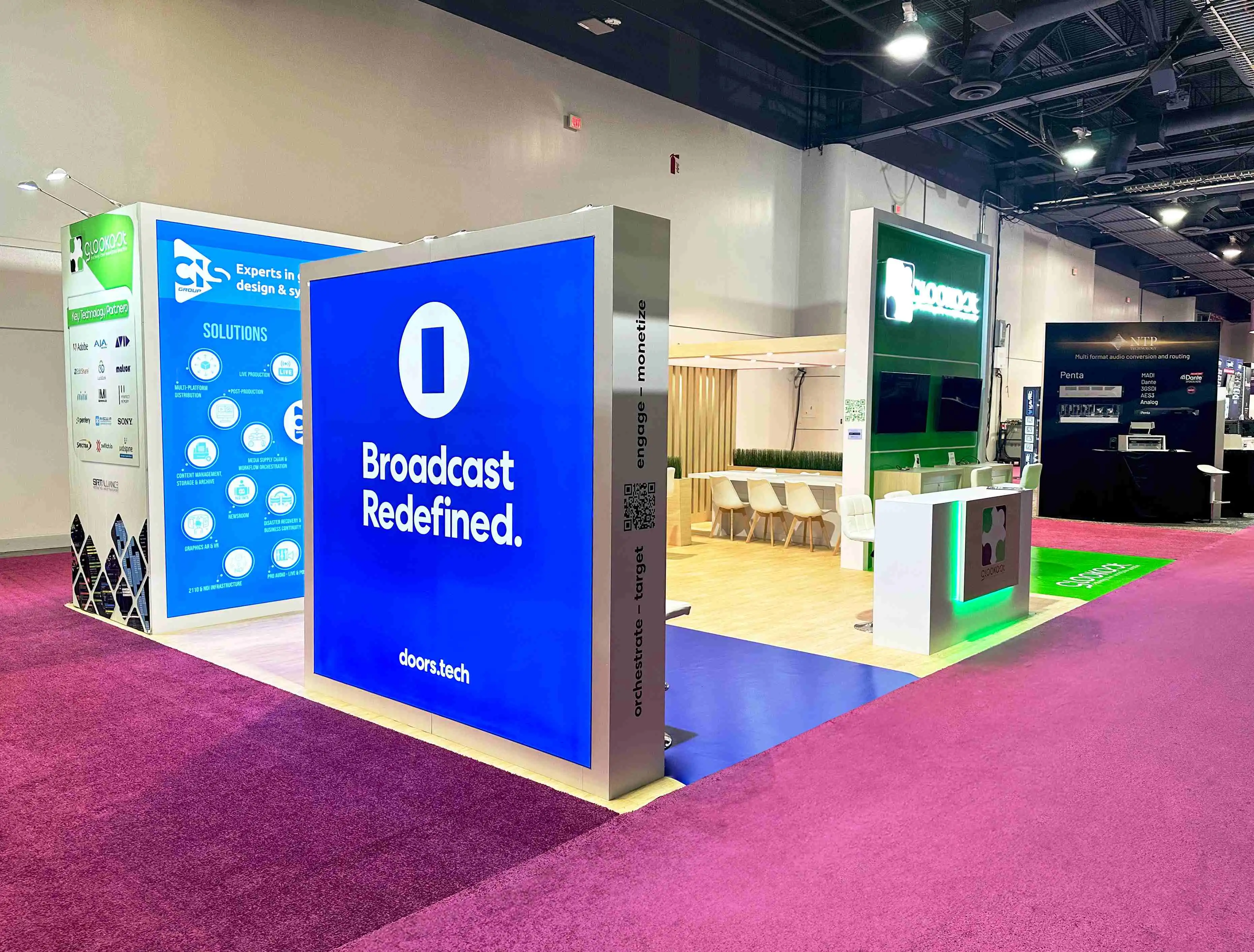
Procurement Guide: Ordering Your Custom Trade Show Exhibit
One of the most important choices you'll have to make when planning a trade show is choosing the right display partner. Custom exhibit creation is very complicated, so you need providers with a lot of experience, a wide range of services, and a good track record in your business.
Evaluating Potential Exhibit Partners
When evaluating possible suppliers, look at their past work to see if it includes projects that are similar to your needs in terms of scale and business. Look for proof that they know how to do structural engineering, especially if your show needs to hold big items or be set up on more than one level. Their project management skills and ability to meet schedules can be seen in client comments and case studies.
Geography is an important factor in both the logistics of a project and its ongoing support. Suppliers who are close to important trade show markets can offer helpful on-site help and lower shipping costs. Companies like HR Exhibits Service, Inc., which is based in Las Vegas and covers all of North America, give participants at big industry events a lot of benefits.
Understanding Project Timelines and Investment Requirements
Custom trade show display design and construction usually takes three to six months from the time the first idea is approved to the time the exhibit is set up on the show floor. This schedule includes developing the plan (two to four weeks), getting engineering paperwork and approvals (two weeks), making the product and checking its quality (six to eight weeks), and coordinating operations (one to two weeks). When you start the process early, you have time to plan properly and avoid rush fees that can have a big effect on project costs.
That's an excellent and accurate financial breakdown. The initial investment for a custom trade show exhibit design depends a lot on the size, complexity, and needs for integrating technology of the booth. Even though custom displays cost more to buy up front than rented choices, the money you spend on them usually pays for itself after three to four events. This is because, when you own unique assets born from a strategic custom trade show exhibit design, you eliminate recurring rental fees. The only ongoing costs you'll have are for logistics like shipping, storage, and occasional refurbishment work, allowing for a predictable long-term budget and a stronger, consistently presented brand.
Managing Installation and Support Services
Professional placement services make sure that your show looks just the way you planned it to while also meeting the strict safety standards of the convention center. Installation teams with a lot of experience know how hard it can be to work in a trade show setting, with short setup times and coordinating with many vendors and service providers.
Full support packages should include preparation before the show, supervision on-site, and the ability to fix things quickly in a situation. Reputable display companies keep networks of approved installation partners in all the major trade show markets. This makes sure that the quality is always the same and that there aren't any problems during crucial setup times.
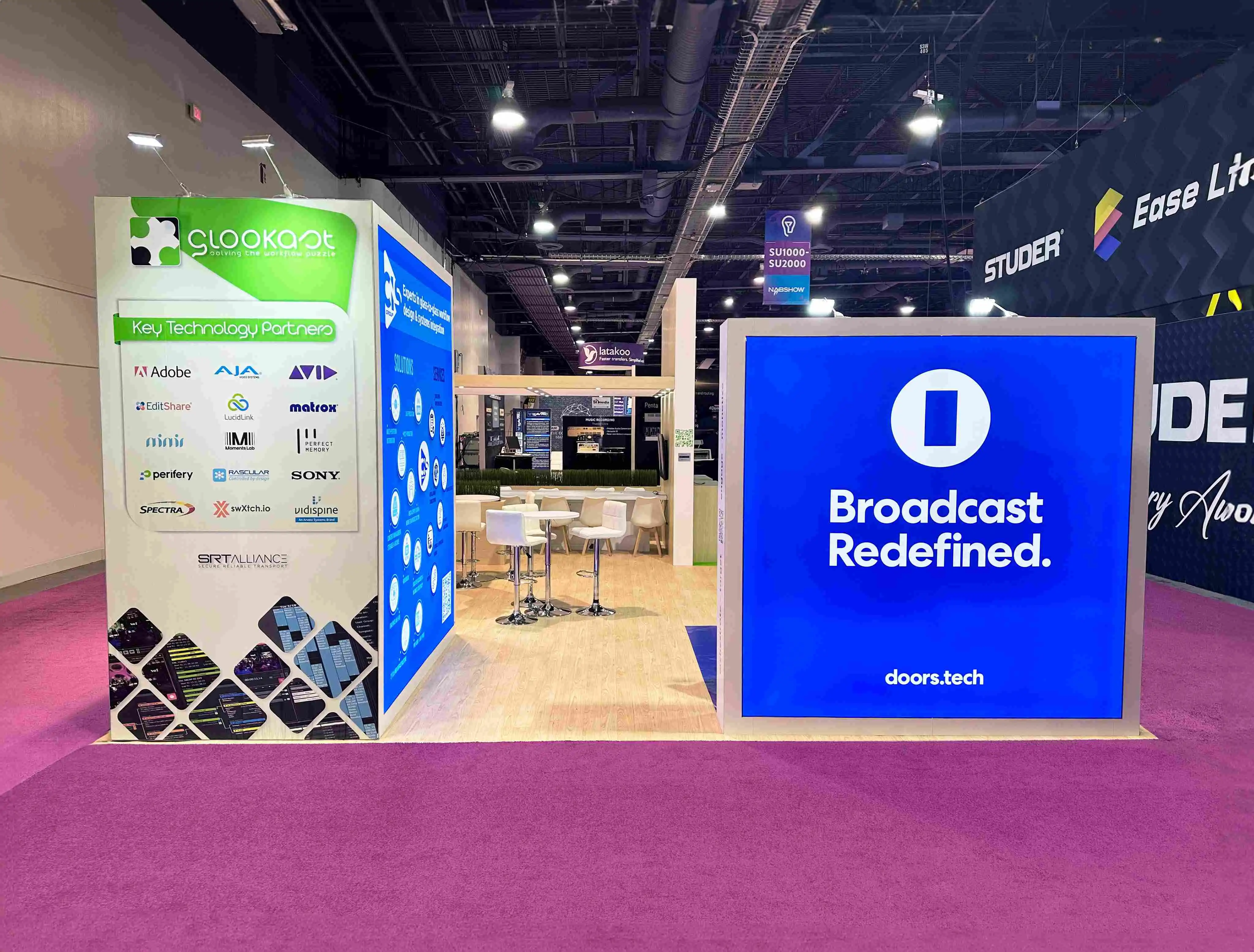
Maximizing ROI Through Effective Trade Show Exhibit Design
The return on investment for going to a trade show goes far beyond making sales right away. Well-designed displays help with bigger marketing goals like building brand knowledge, getting new leads, staying ahead of the competition, and getting to know customers better.
Strategic Lead Generation and Visitor Engagement
Effective exhibit designs give visitors many ways to connect with the show in a meaningful way. In product display areas, people are encouraged to try out products for themselves. This helps potential customers understand value propositions better than reading marketing papers alone. Private meeting rooms let people have important business talks away from the noise and distractions of the show floor.
When lead screening tools are built into booth operations, they help sales teams focus on the most promising leads. Digital lead capture tools make it easier to gather information, and automatic follow-up systems make sure that people are contacted quickly after the show. These organized methods turn random trips to the booth into real sales chances.
Measuring Success Through Key Performance Indicators
Setting clear metrics before the event makes it possible to accurately measure the return on investment (ROI) and make plans for the future better. Quantitative measures include the number of visitors, the number of leads generated, and the direct sales that can be traced back to the show. Qualitative reviews look at things like how well people know about a brand, how well they know about competitors, and how well they build relationships.
Cost per lead, lead quality scores, and conversion rates from first contact to closed business should all be looked at in a post-event study. This information is very helpful for making better display ideas and marketing plans in the future. By measuring and improving things on a regular basis, you can stay ahead of the competition at trade shows.
Common Pitfalls That Undermine Investment Returns
This is precisely why a strategic, professionally-guided approach is so critical. Many first-time sellers make mistakes that cost a lot of money and lower their return on investment (ROI). A common pitfall is the failure to invest in a focused custom trade show exhibit design. When booths try to show off too many goods at once without a clear, custom-designed layout and flow, they tend to confuse guests instead of helping them understand what the products are all about. Furthermore, if you don't have enough staff or train your booth staff well within the context of your custom exhibit's messaging and goals, you could miss out on important contacts with visitors and hurt how people think of your brand. A cohesive design strategy inherently addresses these operational weaknesses.
When technology is used in ways that put excitement over usefulness, it often causes more problems than it solves. Complex systems that need a lot of help from visitors or often break down take away from the main message and make potential buyers angry. Innovation, dependability, and ease of use should all be balanced in successful displays.
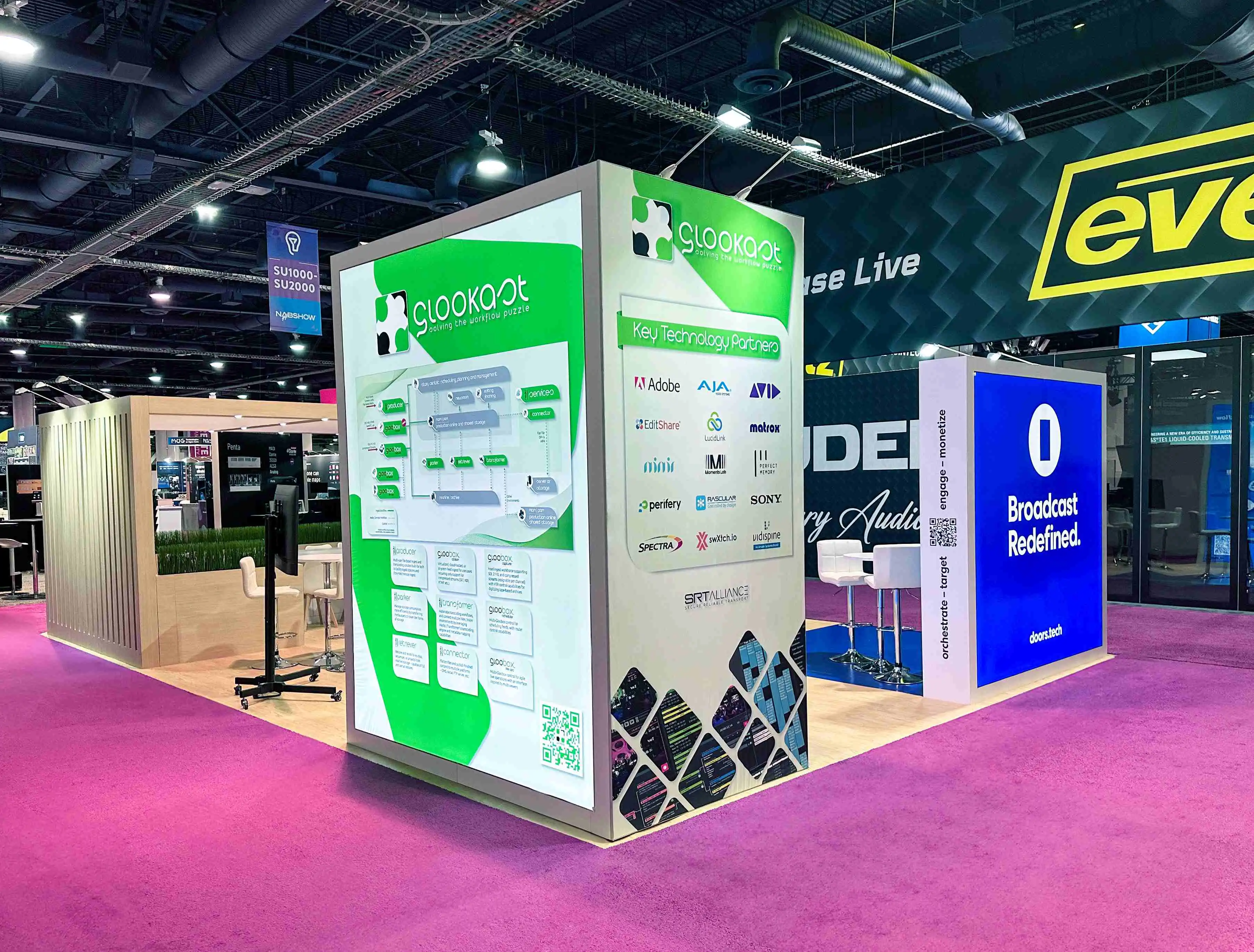
Future Trends and Innovations in Custom Trade Show Exhibit Design
As new technologies, changing visitor expectations, and worries about environment change the way trade shows are traditionally run, the exhibition business is also changing quickly.
Emerging Technology Integration
Virtual and augmented reality technologies are getting better and cheaper, which means that people can now have more engaging experiences with products than they could in a standard booth. These tools make it possible to show off complicated industrial equipment in small areas. They also create unique experiences that set brands apart from competitors.
Personalized content delivery and automatic lead selection systems made possible by artificial intelligence and machine learning are making visitors more interested. Smart booth technologies can change messages and displays based on how visitors behave and what they say they're interested in. This makes exchanges more relevant and useful.
Sustainability and Environmental Responsibility
Concern for the environment is leading to big changes in the materials used in exhibits, the way they are built, and how they are run. Recycled aluminum, eco-friendly fabrics, and wood goods that come from responsible sources are all examples of sustainable materials that are no longer just high-end choices.
LED lighting systems, smart power management, and incorporating green energy all make buildings more energy efficient, which is good for the environment and often lowers their operating costs. People who care about the environment will like these environmentally friendly practices, which also help with larger business responsibility efforts.
Adaptability and Future-Proofing Strategies
Innovative exhibit designs use flexible parts within custom frames so that the layout can be changed to fit different booth sizes and show needs. This gives assets longer useful lives while keeping the unique brand features that come with custom designs.
Scalable technology infrastructure lets updates and changes be made in the future without having to completely redesign the show. Planning carefully during the early stages of development can make room for new technologies and changing business needs over many years of use.
Conclusion
Custom design for your trade show booth is an investment in the marketing and business growth of your company. By partnering with a full-service builder for your custom trade show exhibit design, you gain access to the all-around approach to booth planning, from the first idea to the study after the event. This integrated method makes sure that you get the most out of your trade show involvement and builds long-lasting competitive advantages.
For display programs to be successful, they need to pay close attention to the details of the designs, form smart partnerships with vendors, and measure results in a planned way. Because unique exhibit development is so complicated, it's important to get help from a professional, especially for first-time exhibitors who aren't used to working with exhibits.
The future of trade shows lies in making events that people will remember and that appeal to groups that are becoming more sophisticated. Trade shows are still great places for businesses to grow and develop their markets as long as they stay focused on their main goals and are open to new ideas.
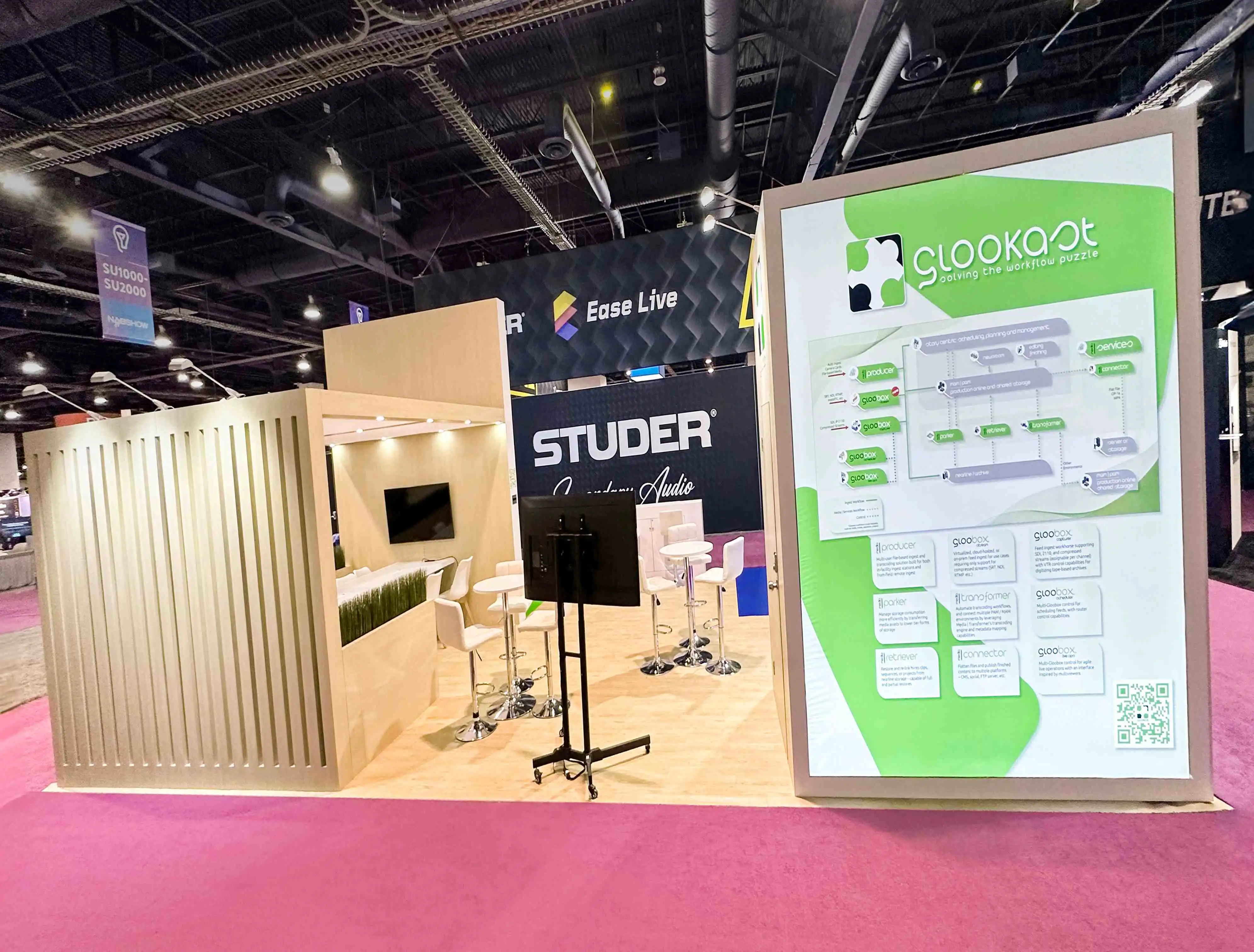
Partner with HR Exhibits Service, Inc. for Your Custom Trade Show Success
Companies in the technology, industrial, medical, energy, and consumer goods industries have been using HR Exhibits Service, Inc. for decades for their custom trade show exhibit design and fabrication needs. Our building in Las Vegas and our extensive North American support network make sure that the whole project goes smoothly, from the first ideas for the design to the final installation and breakdown services.
As a reliable custom trade show exhibit design company, we handle the whole project, making sure that your investment pays off and sets up your brand for long-term growth. HR Exhibits Service, Inc. can be reached at info@hrexhibits.com to learn more about how our custom solutions can help you turn your trade show participation into powerful business growth possibilities.
References
1. "Trade Show Exhibitors Association Industry Standards and Best Practices Manual," Exhibition Industry Research Foundation, 2023.
2. Johnson, Michael R. "Strategic Event Marketing: Custom Exhibit Design for Maximum ROI," Journal of Business-to-Business Marketing, Vol. 28, No. 3, 2023.
3. Anderson, Sarah K. "Sustainable Exhibition Design: Environmental Responsibility in Trade Show Participation," International Association of Exhibitions and Events, 2023.
4. Thompson, David L. "Technology Integration in Modern Trade Show Environments," Event Marketing Institute Quarterly, Winter 2023.
5. "Global Trade Show Industry Analysis: Trends, Technologies, and Future Outlook," Freeman Research Division, Annual Report 2023.
6. Martinez, Elena C. "B2B Lead Generation Through Strategic Exhibit Design: A Comprehensive Analysis," Marketing Science Institute Working Paper, 2023.

Embark on Your Journey to Exceptional Exhibitions! Contact HR Exhibits Today to Transform Your Vision into Global Success.
HR Exhibits Service, Inc.