Custom Large Exhibits: Maximizing Impact in the USA
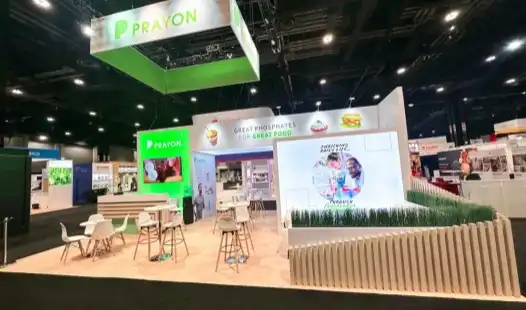
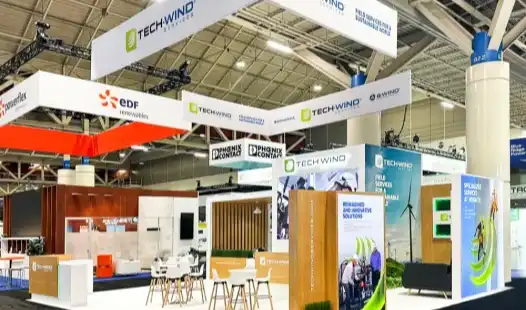
Custom Large Exhibits are the best way for businesses to sell themselves at trade shows because they let them show off their brand and interact with attendees at the biggest industry events in the US. These high-tech display solutions are more than just traditional booths. They use interactive technologies, advanced design elements, and smart space utilization to create memorable experiences that lead to important business contacts. Companies are becoming more aware that spending money on professionally designed large exhibits pays off in the form of better brand recognition, more qualified leads, and a stronger position in the market for their products. This is especially true at big trade shows like CES, NAB Show, and IMTS, where competition is getting tougher.
Understanding Custom Large Exhibits: Types, Benefits, and Key Trends
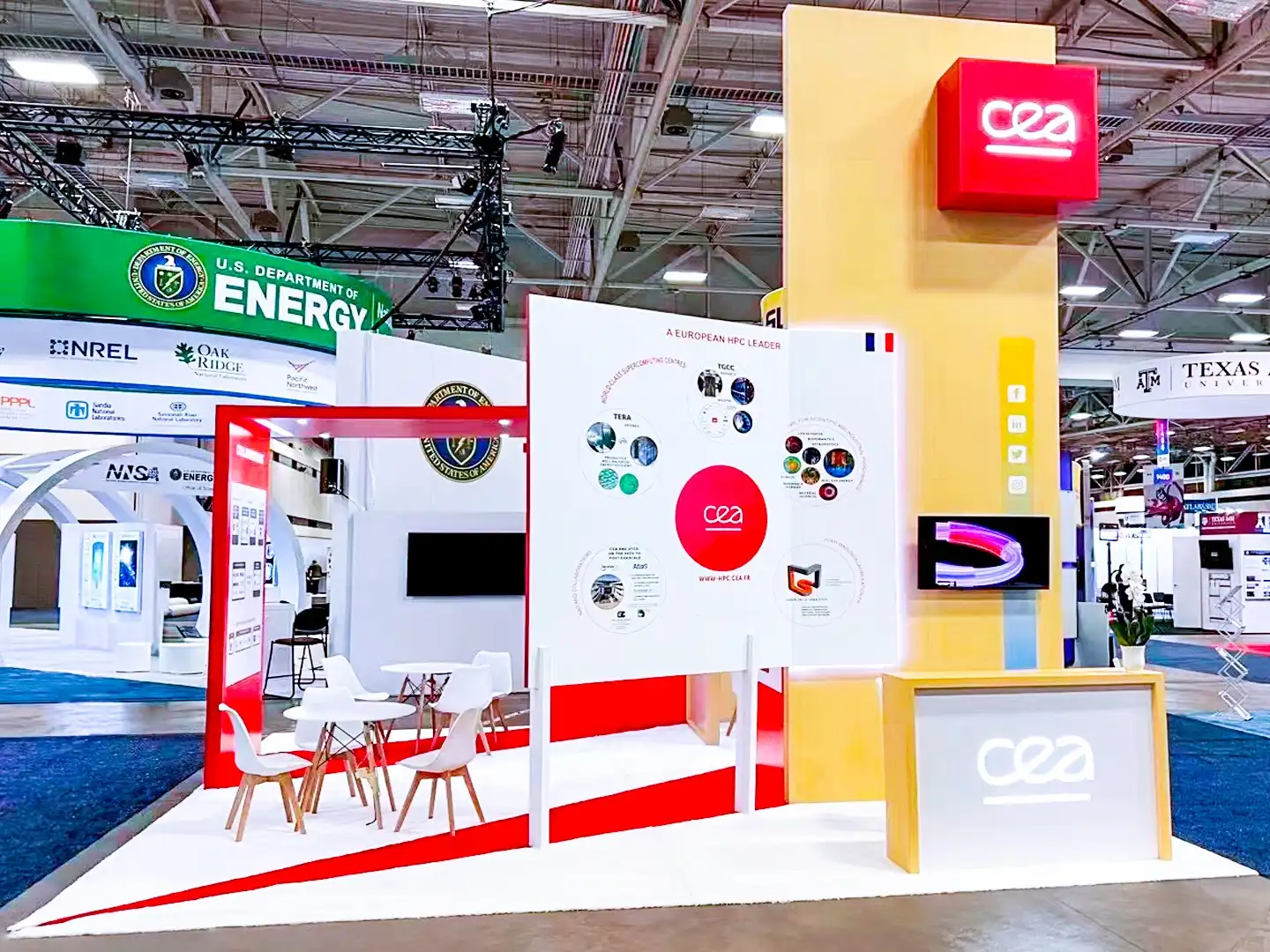
Large-scale show displays have changed a lot over the years. They used to be simple banner stands and basic booth layouts, but now they're complex brand settings that tell interesting stories. Most of the time, these displays are 20 feet by 20 feet or bigger, and they have more than one area for showing off products, meeting with clients, and having engaging activities that keep people interested on many levels.
Modern big shows use both architecture and cutting-edge technology to make brand experiences that are truly immersive. Unlike most modular systems, these screens have parts that were specially made to meet the needs of each individual client. Scalability lets businesses change their appearance depending on the space available at an event, but they can keep their brand messaging uniform across all of their events during the exhibition season.
Working with tech giants like Seastar Corporation and AISPEX at CES shows that custom displays are a great way to show off new ideas in a competitive setting. These partnerships have shown that investing in strategic design pays off in a big way by getting more visitors to connect with your site and interacting with approved prospects.
Modern materials have changed how big exhibits are built. For example, metal extrusions make frames that are both light and strong and can hold up complex architectural elements. Composite panels are flexible and can be used to make bent surfaces and interesting shapes that stand out from the crowd on large show floors. These materials can be used more than once and still look good, which makes them a cost-effective choice for businesses that take part in yearly show circuits.
As companies try to connect their marketing with their goals for environmental duty, choosing materials that are sustainable has become more important. People who care about the environment will like recyclable parts and low-impact manufacturing methods. These features also meet corporate sustainability requirements that affect purchasing choices.
Smart lighting systems, interactive displays, and virtual reality experiences turn static shows into dynamic brand experiences that keep visitors' attention and get them to stay involved for longer. These technologies offer measurable data that help exhibitors figure out how visitors behave and get the most out of their money spent on future events.
Virtual reality demos let businesses show off goods and services that they might not be able to physically display. This increases the range of things that can be shared effectively in exhibition places. Putting these technologies together needs careful planning and skilled execution to make sure everything runs smoothly during events that last more than one day.
How to Design Custom Large Exhibits That Drive Business Success?
Clear target description and thorough audience analysis are the first steps to designing a successful Custom Large Exhibits project. This is to make sure that every part of the design helps the company reach its goals. The design of the exhibit must fit with the overall marketing strategy and create memorable experiences that set the brand apart from competitors. This is true whether the exhibit is introducing new goods, joining new markets, or strengthening current relationships.
Effective design processes begin with in-depth meetings with all stakeholders to learn about the company's goals, the people they want to reach, and the most important messages they want to send. Each of the people who work in operations, marketing, and sales brings something important to the table that affects design choices and functional needs.
Working with big names in the radio business like Vela, Glookast, and Radio.Cloud at NAB Show shows how strategic planning can turn technical skills into interesting visual stories. These relationships showed how important it is to know the communication needs of each industry while making shows that make business talks more valuable.
Strategically dividing up large exhibits' space allows for different types of tourist contact while still allowing traffic to run naturally through the display area. Private meeting rooms let you have private conversations with important prospects, while open presentation rooms bring in more people and get them interested in the goods or services being shown.
When planning product display zones, it's important to think about things like sight lines, lighting, and how easy it is for guests to connect with the products. Storage areas, places to keep technical equipment, and areas for staff to get ready for work must all work together without affecting the building's general look or the quality of the visiting experience.
Professional display builders use materials that have the right amount of visual effect and practicality for moving, putting together, and using over and over again. Aluminum frames keep the structure strong and allow for flexible setups that can be changed to fit different venues and space limitations.
Graphics and digital screens that are of high quality must be able to handle being used for long periods of time while still showing colors accurately and clearly in a range of lighting conditions. The flooring needs to be able to handle a lot of foot traffic and be comfortable for both guests and staff who spend a lot of time in the show space.
Comparing Custom Large Exhibits With Standard Solutions: Making the Right Choice
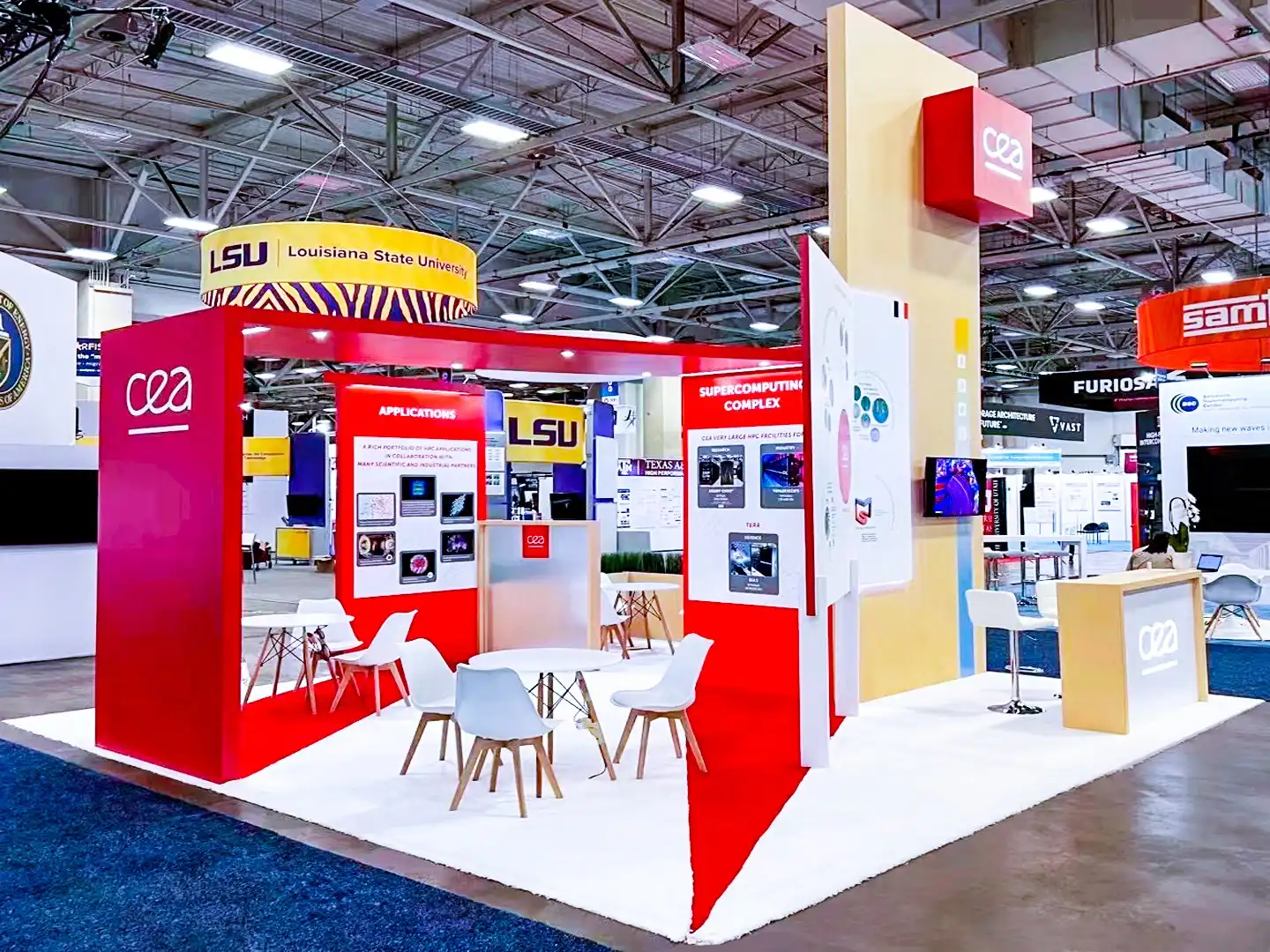
Choosing between custom big exhibits and standard modular systems depends on a number of factors, such as the exhibit's regularity, budget, brand image needs, and long-term marketing goals. A Custom Large Exhibits solution, while a significant investment, offers unparalleled impact and uniqueness for brands prioritizing a commanding presence. Businesses can make smart investments that help them reach their strategic goals when they understand these trade-offs.
Custom exhibits give companies a lot of design freedom, so they can make brand settings that are unique and reflect their company's beliefs and personality. Standard systems may be cheaper at first, but they make it harder to be creative and may not help the brand stand out in crowded show spaces where unique experiences are key to business success.
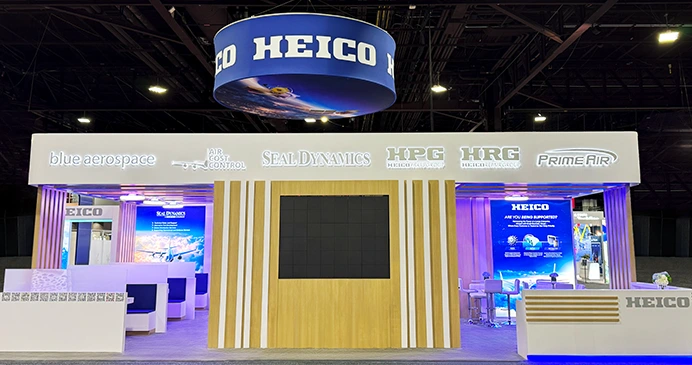
The flight business needs high-tech displays that show accuracy and dependability. Our work with HEICO Corporation, Unical Aviation Inc., and SIA Engineering Company at MRO Americas shows how custom design elements can effectively show technical know-how while also making professional spaces that make it easier to have difficult business conversations.
Large custom shows require a lot of money to buy, which needs to be weighed against the expected returns in the form of leads, brand publicity, and chances to build relationships. Companies that take part in more than one event a year often find that unique solutions are more cost-effective in the long run than renting standard systems over and over again.
Modular systems give companies the freedom to try out new markets or take part in one-time events where they can't afford to make a full custom investment. But companies that want to set up long-term show plans usually do better with custom solutions that can be changed and added to as their needs change.
If you choose display makers with a history of completing large-scale projects, you lower the risk of design failures, building delays, and problems with assembly on-site. International suppliers may not be able to match the level of logistics planning, installation support, and ongoing repair services that local providers can give.
Different display makers have very different quality standards. This is why looking at portfolios and checking with clients' references are important parts of the buying process. Companies should judge service providers by how long they've been in business, how good their professional skills are, and how well they can finish jobs on time and on budget.
Navigating Procurement: How to Buy and Manage Custom Large Exhibits in the USA?
Getting big show displays requires a lot of people to work together, a lot of complicated planning, and careful time management to make sure the project is finished on time. Knowing the best ways to do things in a certain business can help buyers deal with these issues and get the most out of their show marketing budget.
To choose a good provider, you should start by doing thorough capability surveys that look at things like design skills, manufacturing capacity, project management systems, and the quality of customer service. Potential providers should show that they have worked on projects like this before and give specific references from businesses in the same industry.
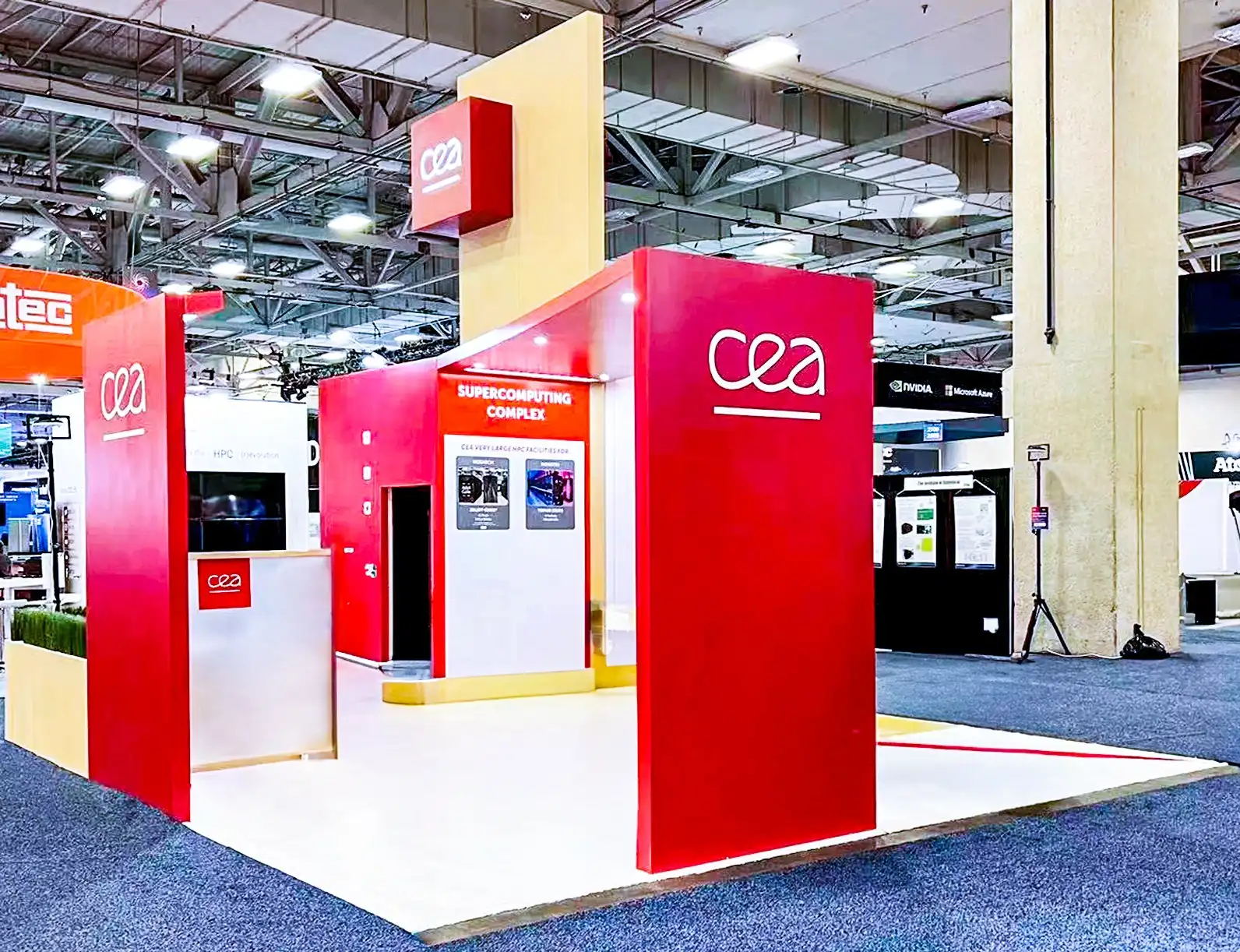
Our collection, which includes work in the technology, perfume, manufacturing, and energy industries, shows the wide range of skills needed to run a successful big exhibit. At ASD Market Week, projects with Khadlaj Perfumes and Universal Perfumes show that we can change the way we create to fit the style of different industries while still meeting quality standards.
When working on a big show project, the planning phase, making, shipping, and installation on-site all need to be carefully coordinated. Lead times for complex custom displays are usually between 12 and 16 weeks, but rush jobs can sometimes be done with some changes to the project's scope or the price.
Tracking important milestones makes sure that projects stay on track and gives designers time to make any changes that are needed during the design development phase. Regular contact between all project partners helps avoid misunderstandings and find problems before they affect project completion schedules.
Large show costs include planning the design, making the exhibit—which encompasses Custom Large Exhibits—fabricating logos, shipping, setting it up, and maintaining it. Buyers can better understand value propositions and make smart choices about feature goals and budget allocation strategies when price structures are clear.
Value engineering can be used to lower costs without affecting the look or function of the product by choosing the right materials, making the structure work better, and standardizing parts. Manufacturers with a lot of experience can offer options that get the job done while staying within the budget and meeting the deadline.
Future-Proofing Your Exhibits: Trends and Strategies for Long-Term Success
As technology improves and attendees' standards shift, the exhibition industry keeps changing. This means that display design and investment plans need to be forward-thinking. Companies that see these trends coming will be in a good situation to keep doing well in markets that are very competitive.
Adding augmented reality, interactive screens, and smart sensors to regular exhibits turns them into data-rich spaces that give useful information about how visitors behave and interact with the exhibits. These technologies make it possible for visitors to have more unique experiences and also collect data that helps future show plans.
Our work with Sieyuan Electric Co. in the green energy sector at RE+ shows how combining technology can improve difficult scientific conversations while also making interesting experiences that teach people about new solutions. To keep working, digital aspects must support the main brand message instead of taking over it.
As companies align their exhibition plans with their larger environmental goals, sustainable design practices become more important in the buying choices. Materials that can be recycled, lighting that uses less energy, and flexible building methods all help the earth and often save money by making things last longer and be used again.
Companies can meet their own sustainability goals and appeal to people who care about the environment and business partners who choose vendors based on environmental responsibility factors by using green certification programs and sustainable material sources.
Designing exhibits that can be used for more than one thing gets the best return on investment and gives you the freedom to change to different event types and space setups. Modular parts can be rearranged to fit different-sized spaces while keeping the brand's look and functionality the same in all display settings.
Companies that plan ahead for exhibit evolution can change or add to their displays as their business needs alter. This protects their initial investments and keeps them relevant in ever-changing markets that require constant innovation and adaptation.
Conclusion
For businesses looking to make the most of their marketing budget at major trade shows across the United States, Custom Large Exhibits remain one of the most efficient options. Professionally designed, large-scale displays have many strategic benefits beyond just making your brand more visible. They create engaging experiences that help people make real business connections and find qualified leads in crowded show spaces. As new technologies and concerns about the environment change the rules in the industry, businesses that spend money on well-thought-out custom shows set themselves up for long-term success while also meeting short-term marketing goals that support their exhibition spending.
FAQ
What is the typical timeline for designing and building a custom large exhibit?
Custom big exhibit projects usually take 12 to 16 weeks from the time the first idea is approved to the time the exhibit is installed. This schedule shows the stages of design development, client changes, production, images production, and coordinating shipping. Sometimes, rush tasks can be done by changing the scope or speeding up the process, but for the best results and lowest costs, we suggest planning well in advance.
How much should companies budget for a large custom exhibit?
Large handmade shows usually cost between $75,000 and $300,000, but this depends on the size, complexity, how technology is integrated, and the materials that are used. Cost is affected by things like the need for a certain structure, interactive features, specialty lighting, and the creation of unique graphics. We give clients thorough quotes that break down all the parts so they can understand the value propositions and make smart financial choices.
Can custom exhibits be modified for different trade shows?
When custom exhibits are properly created, they include modular parts that can be moved around to fit different place requirements and space sizes. Strategic planning during the early stages of design makes sure that displays can be changed to fit the needs of different trade shows while still staying true to the brand and working well. This gives companies that take part in more than one regular event the best chance to get the most out of their investments.
What industries benefit most from large custom exhibit investments?
Large custom exhibits are especially useful for the technology, industrial, medical device, aerospace, and energy industries because they need to show off complicated features and build trust with smart people. But any business that wants to stand out in a crowded show space can make a lot of money by designing custom displays that make brand experiences that people will remember.
Partner with HR Exhibits Service, Inc. for Your Next Exhibition Success
HR Exhibits Service, Inc. has been a top custom big exhibits maker for decades. Our Las Vegas plant serves a wide range of businesses with full design, production, and installation services. Successful partnerships with leaders in the technology, industrial, medical, energy, and consumer goods industries have been part of our past work at major events like CES, NAB Show, IMTS, and OTC. We know how hard it can be to buy a lot of exhibits at once, and we offer complete solutions that make the most of your trade show investment and guarantee perfect performance from start to finish. Get in touch with our knowledgeable staff at info@hrexhibits.com to talk about your future show needs and find out how our unique approach to custom exhibit manufacturing can help your brand stand out at important industry events.
References
1. Trade Show Executive Magazine. "Custom Exhibit Design Trends and ROI Analysis in the American Exhibition Industry." 2024 Annual Exhibition Industry Report.
2. International Association of Exhibitions and Events. "Large Scale Exhibition Infrastructure and Procurement Best Practices." Professional Development Series, Volume 12.
3. Exhibition Services and Contractors Association. "Material Innovation and Sustainability in Custom Exhibit Manufacturing." Technical Standards Publication.
4. Center for Exhibition Industry Research. "Technology Integration and Visitor Engagement Metrics in Large Custom Exhibits." Research Quarterly, Issue 3.
5. American Society of Association Executives. "Strategic Exhibition Investment and Business Impact Measurement." Marketing Professional Guidelines.
6. National Trade Show Exhibitors Association. "Procurement Strategies for Large Custom Exhibition Displays in North American Markets." Industry Best Practices Manual.

Embark on Your Journey to Exceptional Exhibitions! Contact HR Exhibits Today to Transform Your Vision into Global Success.
HR Exhibits Service, Inc.