Top 5 Trade Show Exhibit Fabrication Tips for IMTS 2026 Chicago
For IMTS 2026 Chicago trade show exhibit fabrication to go well, you need to plan ahead, choose the right materials, and work with experienced booth makers. To make sure their displays look good and last a long time, exhibitors need to carefully plan their schedules and work with skilled fabrication partners who know what industrial shows need. These five tips from experts will help procurement teams and marketing managers get high-performing shows that stick to tight budgets and meet tight deadlines, whether they're showing off new product lines or advanced manufacturing technology.
Introduction
IMTS 2026 Chicago will be held from September 14th to 16th as the world's largest industrial technology show. Tens of thousands of workers from the industry will be attending. This event happens every two years and gives B2B buying experts, engineering teams, and brand managers from the tech, manufacturing, medical, and energy sectors the best chances to meet each other and make connections. Your booth is like a walking billboard for your business on a crowded show floor, so making sure it's well-built is important to your marketing success.
Besides IMTS, September 2026 offers a number of important show chances. LOUPE Americas takes place at the same time in Chicago from September 15th to 17th and focuses on high-end jewelry and watches. Custom electronics experts go to CEDIA in Denver from September 1st to 4th. The Global Security Exchange (GSX) in Atlanta from September 14th to 16th and the Printing United Expo in Las Vegas from September 23rd to 25th round out a busy show season. Custom manufacturing methods are needed for each show, but the basic ideas stay the same: good building, interesting design, and reliable execution.
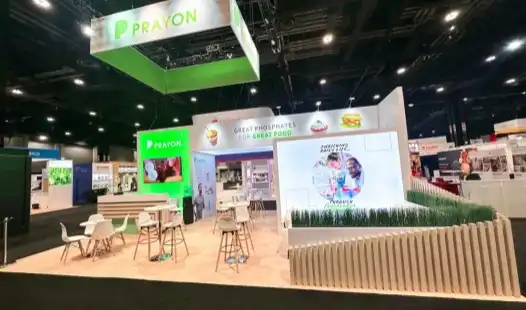
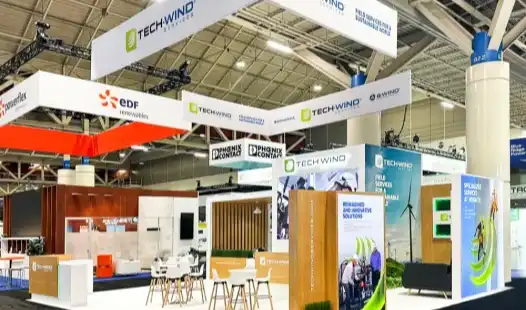
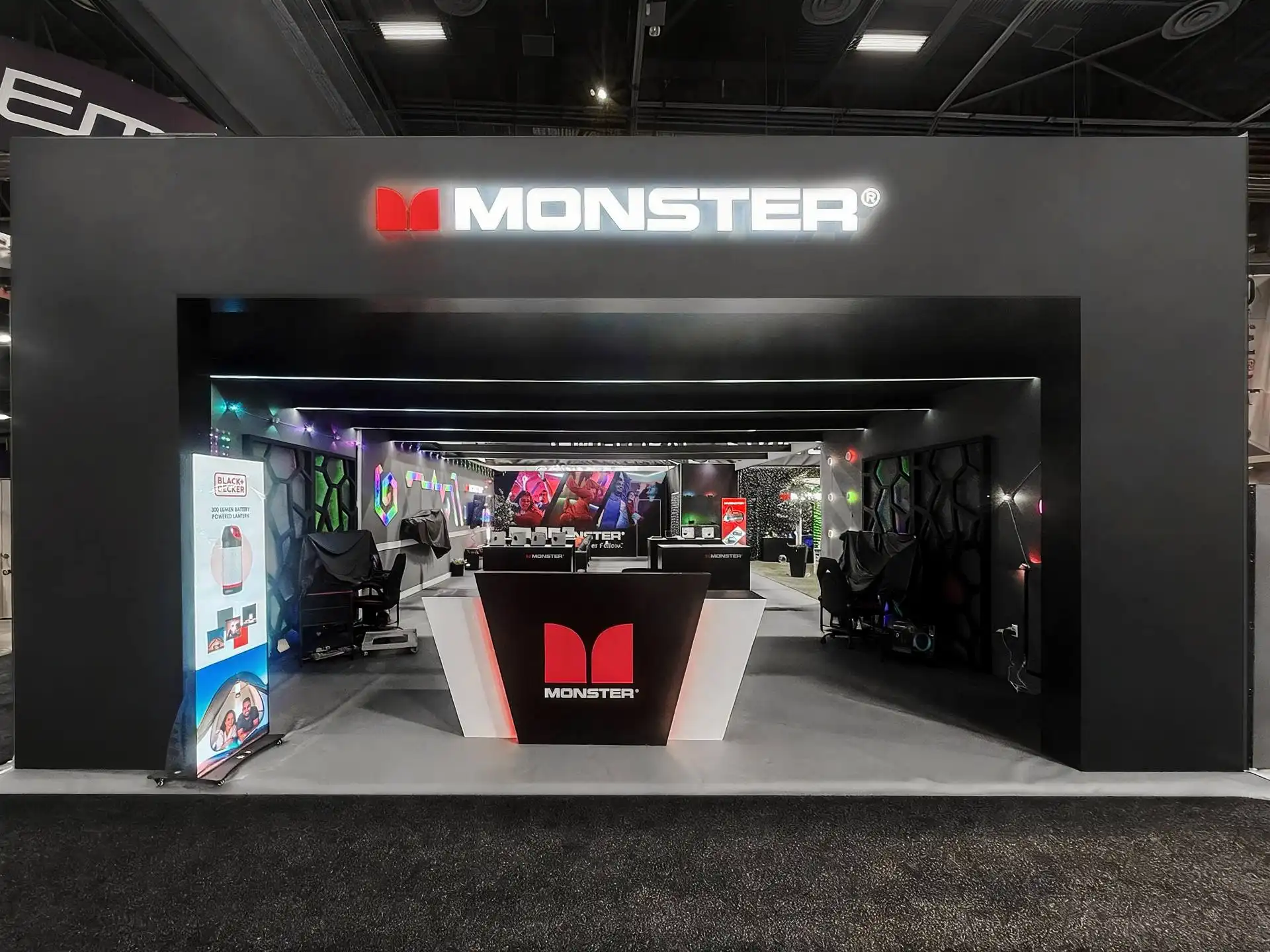
To make an effective display, you need to combine engineering accuracy with clever brand storytelling. Trade show exhibit fabrication, on the other hand, uses lightweight, flexible systems that are designed to be put together and taken apart many times. The steps include carpentry, CNC machining, graphic design, and electricity integration to make settings that are engaging, can handle a lot of people, and meet strict safety standards for venues. Smart buying teams know that the quality of the trade show exhibit fabrication has a direct effect on how engaged visitors are, how people feel about the brand, and ultimately, how well they can generate leads.
Plan Your Trade Show Exhibit Fabrication Early and Strategically
Start Your Timeline 12-16 Weeks Before Show Open
Making a custom trade show exhibit fabrication takes a lot of time, especially for complicated structures with multiple levels or shows that use heavy machinery displays, which are popular at IMTS. We at HR Exhibits Service, Inc. suggest that you start talking about things four months before your show. This schedule includes changes to the plan, engineering sketches, getting materials, making things in the shop, quality checks, and getting to Chicago. Not only does rushing trade show exhibit fabrication raise costs, but it also lowers the quality of the build and limits the customizing options that make your brand stand out.
Define Clear Project Milestones and Stakeholder Roles
From the idea stage to the installation stage, successful projects set goals that can be measured. We plan all of our outputs with the procurement teams: the first design must be approved by week two, the engineering drawings must be turned in by week four, the trade show exhibit fabrication must be finished by week ten, and the stage check must be done by week twelve. Miscommunications that cost a lot of money can be avoided if your marketing department, operations staff, and our trade show exhibit fabrication team all follow clear communication procedures. When everyone knows what they need to do and when they need to do it, the end exhibit will smoothly combine branding, technology demos, and logistical needs.
Coordinate with Venue Requirements Early
McCormick Place has rules about booth height, hanging points, electricity loads, and fire safety that must be followed. We take care of all permit applications and work with general builders to make sure that your show meets the structural load and NFPA 701 flame retardancy standards. Starting these talks early keeps design changes from being made at the last minute or costly fixes being made on-site. Our workshop in Las Vegas keeps in touch with labor groups and service providers in Chicago. This makes the installation process easier for exhibitors from other states who aren't familiar with the local rules.
Choose Materials That Balance Durability, Aesthetics, and Sustainability
Leverage Aluminum Extrusions for Strength and Portability
Industrial displays get a lot out of metal tube systems because they are very strong for how light they are. When compared to traditional wood building, these aircraft-grade materials make it possible to ship much lighter while still supporting big product displays and overhead signs. Less weight means less drayage fees, which are often the second-biggest cost of a show after renting the room. Aluminum frames are great for companies that want to display at IMTS and other regional industrial events because they are easy to take apart and pack up, and they don't warp or break down after multiple show rounds.
Select Graphics and Finishes That Withstand Convention Center Conditions
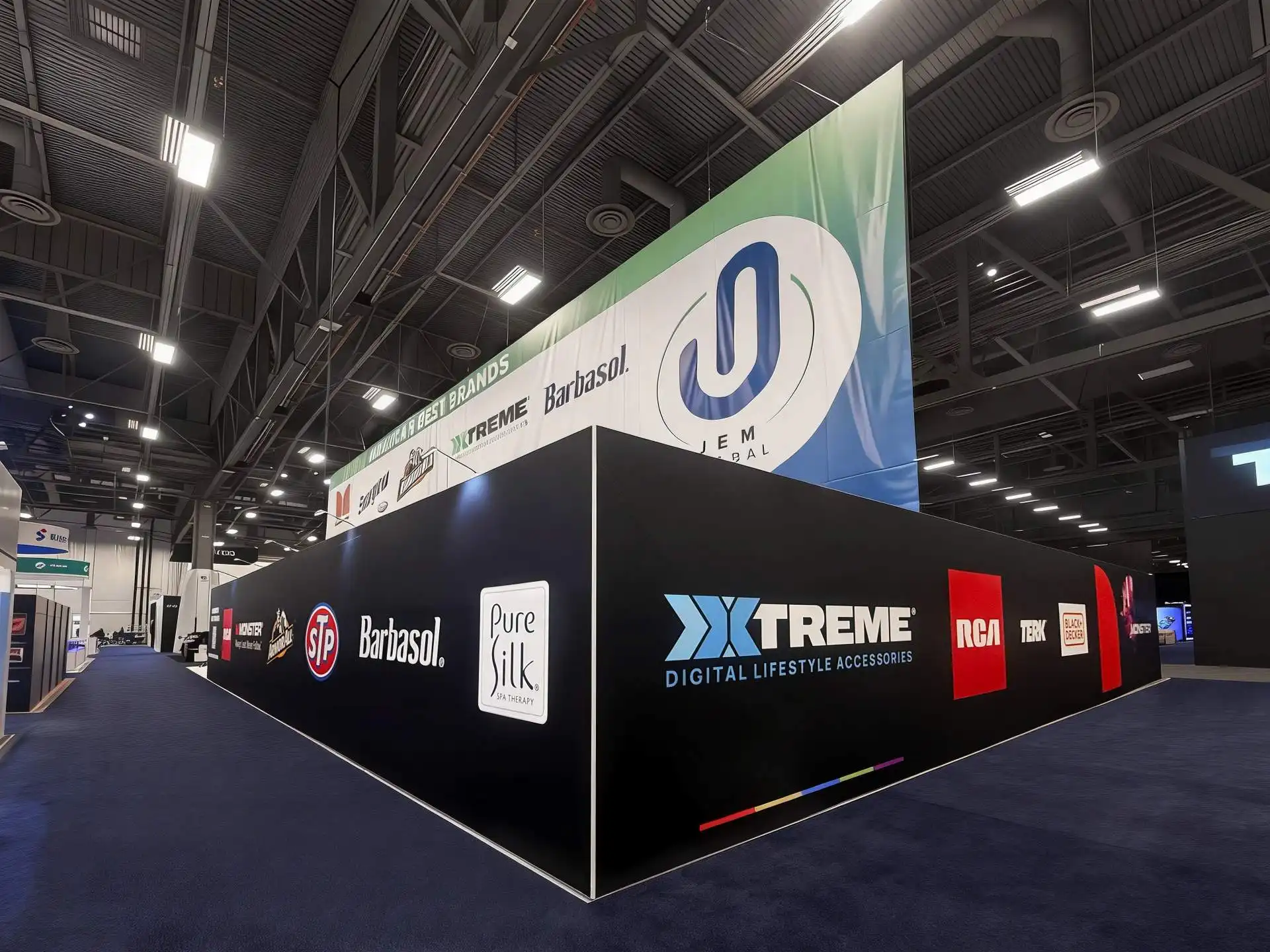
Under the harsh lights of a convention center, high-pressure laminates and UV-cured graphic finishes don't scratch or fade. We use Silicone Edge Graphics (SEG) and tension fabric methods that keep their sharp look even after multiple installs. These materials have the ASTM E84 Class A fire ratings that venue fire guards need, and they can be changed without any tools when the messages for different shows need to be changed. The right surface finishes will protect your investment and keep the show looking professional for many years.
Prioritize Modular Components for Multi-Show Flexibility
Smart choice of materials lets the booth be set up in different ways on different-sized areas. A well-designed 20x30 exhibit at IMTS can be shrunk down to a 10x20 size for area shows or blown up to 20x40 size for future events. We create parts with standard sizes and shared connection points, so walls, tables, and display pieces can be moved around without having to be made from scratch. This flexible method helps you get the most out of your money while keeping your brand consistent across all of your exhibitions, such as GSX in Atlanta or PRINTING United Expo in Las Vegas.
Collaborate with Experienced Trade Show Exhibit Fabricators
Evaluate Portfolio Experience in Industrial Exhibitions
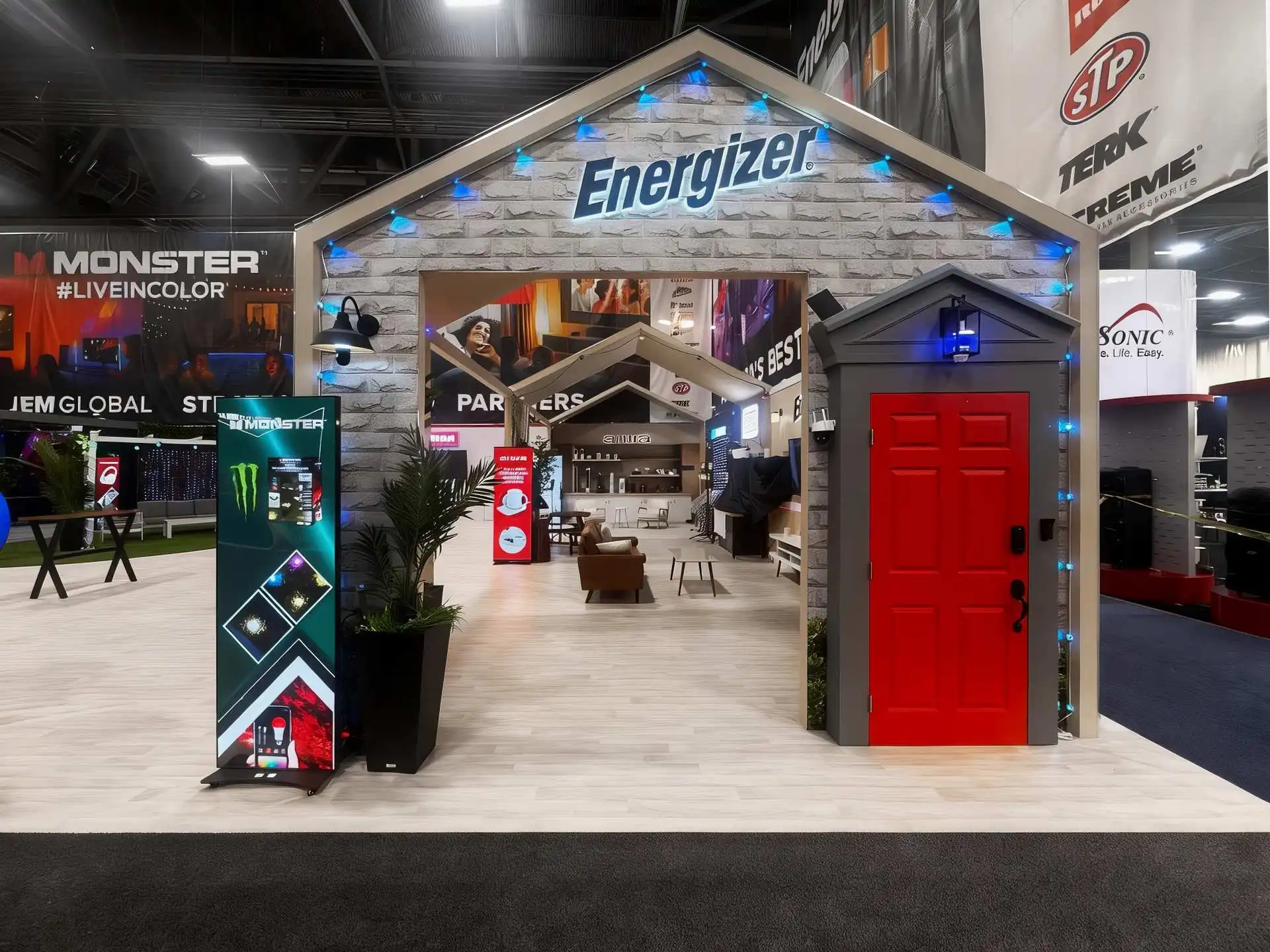
Not all production shops know how to meet the unique needs of making technology shows. When looking at possible partners, look at the projects they've worked on at IMTS, ConExpo, or other similar trade shows. For heavy machinery shows, these kinds of exhibitions often need reinforced floors, integrated power distribution for live equipment testing, and complex rigging for displays that hang from the ceiling. HR Exhibits Service, Inc. has built booths for tech innovators, medical device makers, and energy sector leaders. This has given us a deep understanding of the needs of these industries that general booth builders might miss.
Verify Full-Service Capabilities From Design Through Installation
Full service offers get rid of problems with teamwork and gaps in who is responsible for what. Our team takes care of the whole process, from the initial idea to the final product. This includes creative design, 3D renderings, engineering specs, shop trade show exhibit fabrication, quality staging, crating, shipping, installation on-site, and takedown after the show. This all-in-one method works especially well for companies that are exhibiting from other countries or don't have specialized trade show staff. We have a workshop in Las Vegas that helps vendors at PRINTING United Expo and other events in Nevada. Our logistics networks have been tested and work well in Chicago, Atlanta, Denver, and other big show cities across the United States.
Confirm Quality Control Protocols and Warranty Coverage
Professional makers make full mock-ups of the show before they ship it, putting it together in the shop to check for fit issues, graphic alignment, and electrical connection. Instead of finding problems in Chicago while your CEO waits for the booth to be finished, this stage process finds problems while fixes are still easy and cheap. We keep track of every part with thorough packing lists that match up with assembly plans. This way, no hardware gets lost during installation. To make sure your investment is properly protected, ask potential fabricators about their insurance terms, how they handle damage repair, and how they supervise work on-site.
Optimize Exhibit Design with User Experience and Brand Messaging in Mind
Create Intuitive Traffic Flow and Functional Zones
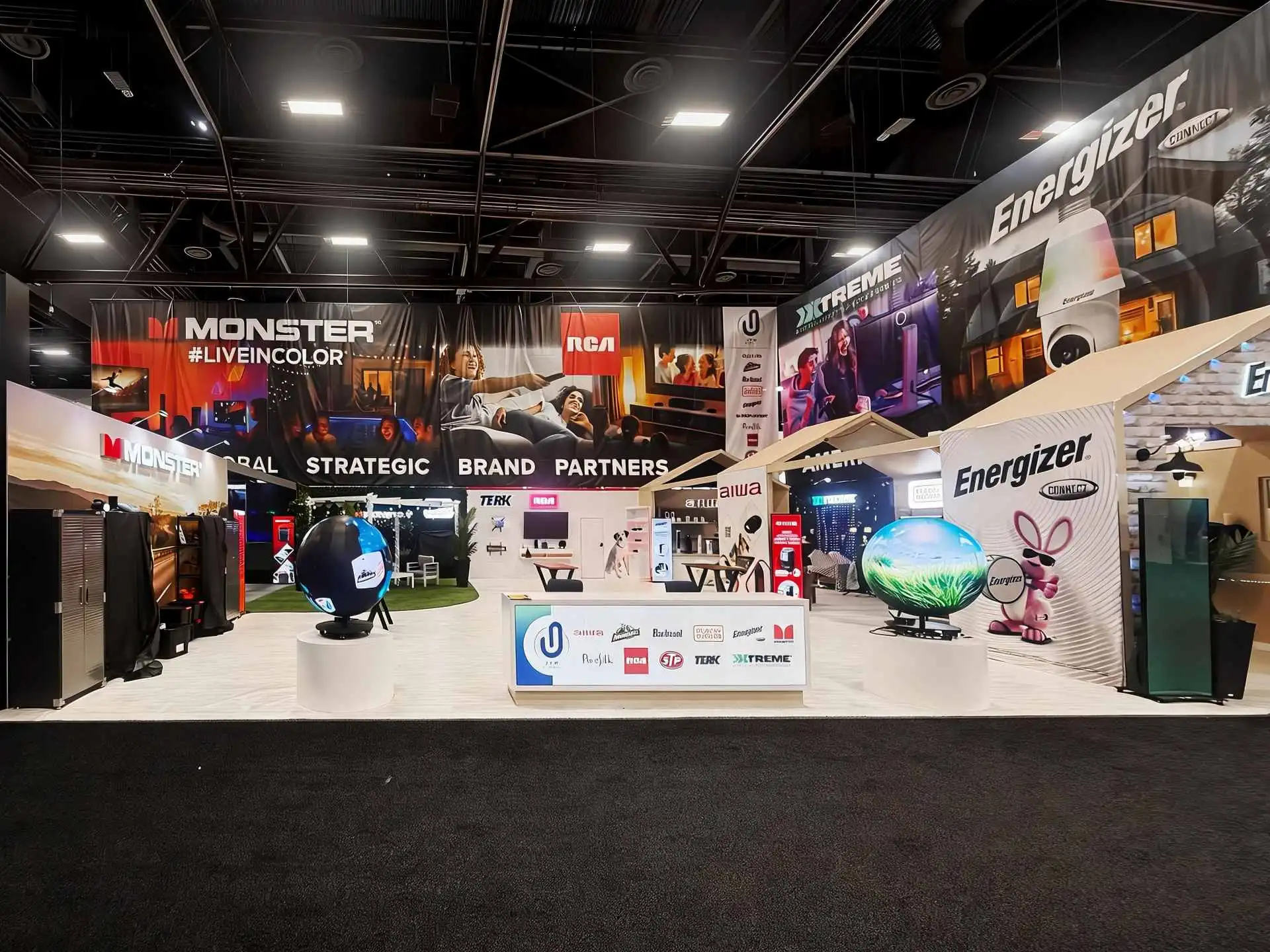
Layouts that work well lead people easily through your exhibit's story. At entry places, people should be able to get in without having to wait in line, and inside, there should be clear paths to practice areas, meeting rooms, and product displays. For medical device exhibitors at IMTS, we often set up semi-private meeting areas with soundproofing so that HIPAA-compliant talks can happen in the midst of the noise of the show floor. Manufacturing technology companies can use separate areas for different purposes, such as a "engagement zone" with interactive displays, a "technical demonstration space," and a "hospitality area" for approved prospects. Smart spatial planning lets you get the most out of your booth's space while keeping the number of visitors at a safe level.
Integrate Interactive Technology That Enhances Rather Than Distracts
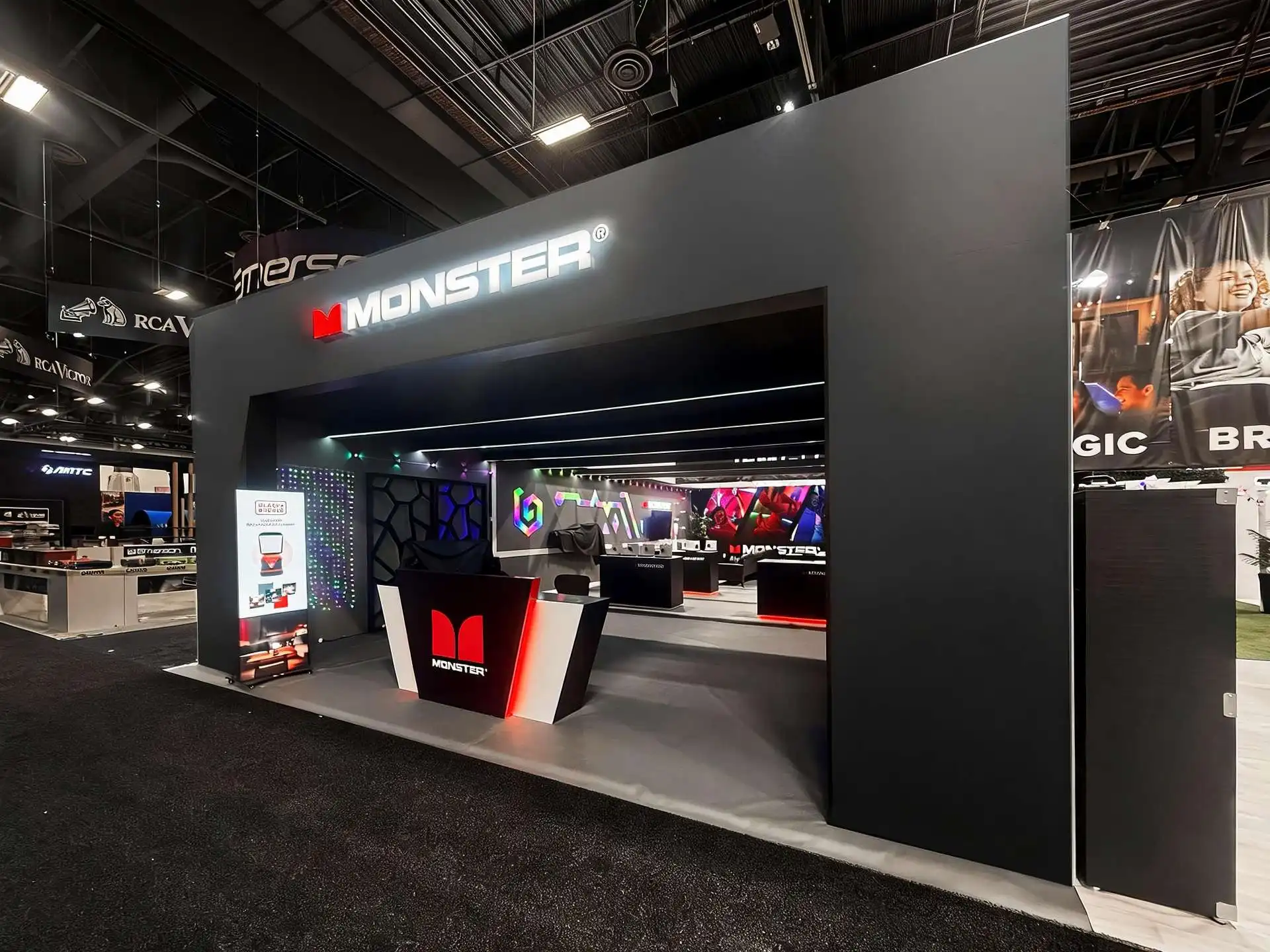
Digital aspects should not take away from the message of your brand. Large-format LED walls are a good way to show product movies and live manufacturing demonstrations. They are especially useful when moving actual equipment would be too hard or expensive. Touch screens let people look at technical details at their own pace, which frees up staff to talk to trained leads. Wire management systems that hide cables inside building parts and allow equipment that makes a lot of heat to escape are what we do. Before it is shipped, all combined technology is tested for electricity continuity to make sure that it won't break down on-site, which could hurt your marketing goals.
Prototype Critical Elements Before Final Production
Physical or virtual prototyping can help complex shows test their design ideas. For complicated joinery, custom fixtures, or odd structural parts, we make test pieces to make sure that the way they are put together is correct and that the finish is good. Before going to full trade show exhibit fabrication, stakeholders can use virtual reality walkthroughs to check sight lines, brand exposure, and spatial connections. This step cuts down on expensive changes and makes sure that the finished show fits your vision. We check the safety of the structure's parts and make sure all the materials meet the venue's fire codes. This way, you can be sure that your booth will pass fire inspector reviews right away.
Manage Budget and Costs Effectively Without Compromising Quality
Understand Total Cost of Ownership Beyond Initial Fabrication
Budgets for exhibits need to include fees for design, materials, work, shipping, setting up, and storing or fixing up the exhibits later on. At McCormick Place, drayage fees are based on the weight and time of the package. There are big fines for supplies that are late. On-site workers must follow union rules that set group sizes and rules for how to do the job, which affects how long the installation takes and how much it costs. We give clear, itemized figures that split costs that can be controlled from fees that the place requires. This helps procurement teams make good use of their funds. Knowing these parts lets you compare the real costs of different ways to make something and helps financial partners understand why capital investments are necessary.
Compare Custom Fabrication Against Rental Solutions Strategically
Custom-built displays are best for companies that exhibit a lot because they keep their brand consistent and last for years. A handmade booth that is well taken care of will last for three to five years and be used at many shows, spreading the cost of the initial investment over many events. Rental displays require less money up front, but they can't be changed much and have fees that add up quickly. Rentals give businesses that are just trying out show marketing or going to one-time events more options. For well-known brands with regular show plans, custom trade show exhibit fabrication that supports brand identity and works with changing product lines across your show calendar usually gives you a better return on investment.
Negotiate Contract Terms That Protect Your Interests
Professional trade show exhibit fabrication contracts spell out when payments are due, how to make changes to the scope, who is responsible for installation, and how to settle disagreements. We don't require full payment up front; instead, we tie payments to the completion of milestones. This protects your financial interests and keeps our team driven throughout production. The wording in the contract should cover things like changing the launch date of a product, the approval process for a material replacement, and guarantee coverage for structural parts and finishing. Our team works openly with buying groups to come up with terms that are good for everyone and spell out clear standards so there are no misunderstandings.
Conclusion
To make a booth that works well at IMTS 2026 Chicago, you need to plan ahead, choose the right materials, and work with experienced trade show exhibit fabrication builders who know what an industrial show needs. Starting your trade show exhibit fabrication project 12 to 16 weeks before the show opens gives you enough time to improve the design, ensure quality construction, and confirm all details are addressed. Choosing long-lasting, flexible materials through proper trade show exhibit fabrication will maximize your exhibit's value across multiple shows and maintain its professional appearance over its entire lifecycle.
Working with a full-service trade show exhibit fabrication provider eliminates communication gaps and ensures single-source accountability from concept through installation. These trade show exhibit fabrication principles help procurement teams select displays that deliver measurable marketing results within budget—whether showcasing new manufacturing technologies at IMTS, security solutions at GSX, or printing innovations at PRINTING United Expo.
FAQ
How far in advance should we start planning booth fabrication for IMTS 2026?
It usually takes 12 to 16 weeks from the first idea to the show installation for complex custom exhibits. This schedule allows for changes to the plan, approvals from engineers, production in the shop, quality checks, and travel to Chicago. Starting earlier gives you more options for incorporating feedback from stakeholders and getting preferred production slots during busy show seasons.
What are typical cost differences between custom fabrication and rental exhibits?
Custom booths cost more at first, but they pay for themselves over several shows, so after three to four shows, the return on investment (ROI) is usually higher. Rental displays lower initial costs, but they charge fees for each show and don't let you customize them much for branding. Your choice should be based on how often you want to show, how consistent you need your brand to be, and your long-term marketing plan.
Can exhibits be reconfigured for different booth sizes at future shows?
Of course. Using standard parts in modular construction lets you change the layout from 10x20 to 20x30 or even bigger areas. We make systems with link points that can be moved around to fit different plans while keeping the brand's look consistent. This method helps businesses that present at many events a year get the most out of their capital investments.
What sustainability options exist for exhibit fabrication?
Many vendors put a high value on materials that can be recycled, such as metal extrusions, fabric prints on frames that can be used again and again, and LED lighting that uses less energy. When compared to single-use building, modular designs make exhibits last longer, which means less waste. We buy materials that meet environmental standards and are made so that they can be taken apart and put back together again. This way, when we change the marking, we can just replace the parts instead of throwing them away.
Partner with HR Exhibits Service, Inc. for Your Next Exhibition Success
Industrial and tech businesses getting ready for big exhibitions across the United States can get help from HR Exhibits Service, Inc., which specializes in building unique exhibits. Our workshop is in Las Vegas, and our experienced team provides full services from initial design ideas to on-site installation. This makes sure that your booth works perfectly whether you're at IMTS in Chicago, GSX in Atlanta, CEDIA in Denver, or PRINTING United Expo in Las Vegas.
We know the specific needs of industrial technology displays and can provide reinforced structures for heavy equipment displays, built-in power systems for live demos, and careful attention to the venue's safety requirements. We are a trusted booth fabricator that works with exhibitors in the tech, industrial, medical, and energy industries. We combine great design with precise engineering and strong management skills. Email us at info@hrexhibits.com to talk about your display goals and get a thorough proposal that fits your brand's needs, your budget, and your schedule. Let us turn your idea for IMTS 2026 into an exciting physical space that brings in qualified leads and produces measurable business results.
References
1. Society of Manufacturing Engineers (2025). IMTS Exhibition Planning Guide: Best Practices for Industrial Exhibitors. Chicago: SME Publications.
2. Thompson, R. & Martinez, J. (2024). Trade Show Exhibit Design and Construction: Engineering Principles for Portable Structures. New York: Exhibition Industry Press.
3. National Fire Protection Association (2024). NFPA 701: Standard Methods of Fire Tests for Flame Propagation of Textiles and Films. Quincy: NFPA Standards Council.
4. Williams, K. (2025). ROI Measurement in B2B Exhibition Marketing: Metrics and Methodologies. Boston: Marketing Analytics Journal, 38(2), 147-168.
5. Center for Exhibition Industry Research (2024). Material Selection and Sustainability in Trade Show Fabrication: Industry Benchmarks. Dallas: CEIR Research Reports.
6. Henderson, M. (2023). Modular Exhibit Systems: Design Flexibility and Cost Optimization Strategies. San Francisco: Exhibition Designers and Producers Association.

Embark on Your Journey to Exceptional Exhibitions! Contact HR Exhibits Today to Transform Your Vision into Global Success.
HR Exhibits Service, Inc.