CEDIA Booth Storage & Logistics Denver 2026 Guide
Getting ready for CEDIA 2026 in Denver requires more than just a great booth design. It also requires a smart plan for keeping assets safe and deploying them without any problems. Professional trade show booth storage is the important link between events. It protects your investment through climate-controlled storage, active inventory management, and coordinated operations. Unlike regular self-storage, specialized display storage takes into account the specific needs of keeping graphics, metal structures, and technology components while making sure you can get back to work quickly for your next show.
Understanding Trade Show Booth Storage: Essentials for CEDIA Denver 2026
What Defines Professional Exhibit Asset Management?
Professional storage for exhibits works very differently from storage options for regular people. Rather than just renting room, it works as a strategy fulfillment center that combines warehouse management systems (WMS) with active asset tracking. Your booth's parts—tension fabric graphics, truss systems, interactive displays, and shipping crates—are handled in a special way that keeps them from falling apart because they are stored in the wrong way. The temperature in the holding area stays between 55°F and 80°F, and the relative humidity is kept between 35 and 50%. This keeps sticky vinyl from coming off, board substrates from warping, and silicone edge graphics (SEG) from breaking down. Your metal extrusions will not rust, and the digital screens will not get damaged by water, which could be very bad for setup at the Colorado Convention Center.
Common Storage Challenges That Derail Event Success
When storage isn't handled properly, marketing managers getting ready for CEDIA Denver 2026, which takes place September 1–4, will run into problems they know will happen. Disorganized parts are at the top of the list. Finding missing header graphics or lost AV wires hours before the doors open causes extra stress and hurts your professional image. Damage from bad packaging during transport from storage to site costs exhibitors thousands of dollars in repairs or new graphics that have to be sent overnight. Tracking down broken-up booth parts in different places wastes important buying time. It's very hard to coordinate shipping when your truss connectors are in one place and your branding booths are in another. When goods come in containers that aren't clearly labeled, drayage problems make costs go up because show contractors have to charge extra for handling them.
Best Practices for Climate-Controlled Asset Protection
Using strict keeping rules will protect your display investment for as long as it lasts. Custom crating lined with high-density foam (Ethafoam) cushions items during truck moves and LTL shipping. Each crate should have a detailed label that matches your Master Bill of Lading. During check-in, the goods should be taken to get a baseline record of their state.
Vertical stacking systems make the most of cubic space while keeping stacked parts from getting damaged by tension. To keep your fabric images from getting lasting creases that can't be hidden by photo printing in a convention center, you should hang them up instead of folding them up. Structure parts need to be checked every so often. For example, metal extrusions should be checked for tiny cracks, locking mechanisms should be checked for thread integrity, and truss systems should be checked to make sure they can hold weight. Security procedures that are in line with C-TPAT standards protect the chain of custody. This is especially important for showcasing high-value technologies or test equipment at CEDIA. Digital asset management systems let you see your inventory state, cubic footage usage, and repair records in real time through cloud-based dashboards.
Comparing Trade Show Booth Storage Options for CEDIA Exhibitors
Owning Versus Renting Storage Solutions
Whether you choose dedicated owned storage or open rental models depends on how many shows you have each year and how many assets you have. When you're showing at 15 or more events a year and need to keep your booth's goods accessible at all times, it makes financial sense to own storage. Spending money on reserved room gives you peace of mind, but it also limits your options when your program needs to grow or shrink.
Rental storage from specialized companies lets you change how you run your business without making a long-term cash investment. You only pay for the space or pallets that you actually use. Prices change with the seasons to fit your event schedule. This model is especially helpful for small and medium-sized businesses that want to attend national events like Global Security Exchange in Atlanta (September 14–16), IMTS in Chicago (September 14–16), or PRINTING United Expo in Las Vegas (September 23–25) along with regional shows like CEDIA. They can do this without having to pay for facility costs all year. For flexible trade show booth storage, this approach allows you to scale operations according to your event calendar.
Evaluating Denver-Area Storage Facilities
For CEDIA vendors, being close to the Colorado Convention Center is very important. Local storage in Denver cuts down on shipping times and costs while letting you make last-minute changes quickly. When looking at facilities, people who buy things should make sure that the security infrastructure includes things like CCTV cameras that are on all the time, limited entry systems, and insurance coverage that goes beyond a warehouse worker's legal responsibility. Accessibility windows show how flexible your business is—can your team or service providers get materials outside of business hours for quick shipments? Scalability lets you adapt to growth. Your 10x20 booth could get bigger next year, needing more space, without causing any problems with the facility change. Premium facilities offer refurbishment services for exhibits, which lets techs fix damaged laminate, redo graphics, or replace hardware while assets are still being stored. This makes sure that everything is 100% ready for the show before it goes up.
Modular and Custom Storage Configurations
Customized storage options make the best use of room for each booth's layout. Modular systems with movable shelves can handle parts of different sizes, from small bookcases to huge video walls. Custom-built crates that are made to fit the shape of your booth waste less room and cost less per cubic foot. At CEDIA, technology dealers can store their items in places that don't generate static electricity and that have power outlets for checking their equipment on a regular basis. LED walls and engaging robots need to be "burned in" between events to make sure they work without having to be completely reconstructed at each place. These custom arrangements stop the "show-floor surprises" that make your sales team less effective.
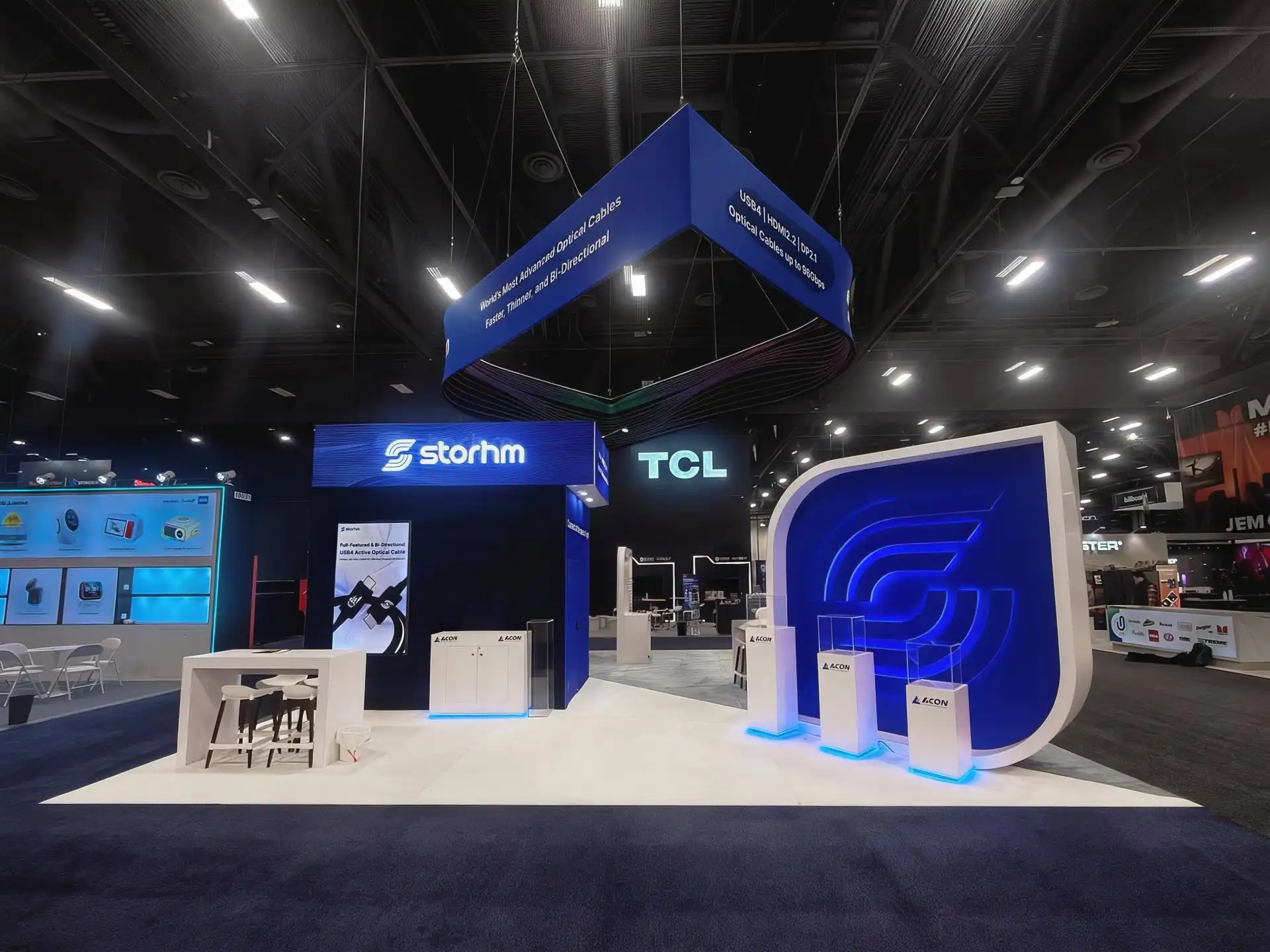
Streamlining Booth Logistics for CEDIA Denver 2026: From Storage to Setup
Synchronizing Warehouse Operations with Event Timelines
When supplies are coordinated well, storage goes from being a liability to a competitive benefit. The process starts with advance warehouse notice, which usually happens 10–14 days before CEDIA opens on September 1. This lets your storage provider start pull-and-pack operations. All of your pre-event checklists are checked against the final inspection of the assets, and any problems found are fixed on-site. Transportation schedules are in line with the official move-in dates for the Colorado Convention Center. This way, early arrival fees and short setup slots are avoided. Your goods should come at the time you scheduled for installation, not hours or days early. This way, you won't have to pay extra for drayage or storage, which is something that show-appointed contractors often do. GPS tracking lets you see shipments in real time, which helps your project managers perfectly schedule installation teams.
Coordinating Multi-Show Logistics Across September 2026
Companies that are showing at more than one event in September have to deal with more complicated logistics. Your booth could go to CEDIA Denver (September 1-4), then right away to GSX Atlanta (September 14–16) or IMTS Chicago (September 14–16), and then maybe to PRINTING United Expo in Las Vegas (September 23–25). For this circuit to work, venues, storage facilities, and transportation companies must coordinate with military accuracy. Strategically placing stores becomes very important for trade show booth storage. Instead of bringing your things back to one warehouse between events, you might want to think about locally spread storage. For example, there are facilities in the Denver area that serve CEDIA, facilities close to Chicago that serve IMTS and LOUPE Americas (September 15–17), and facilities near our HR Exhibits facility in Las Vegas that serve PRINTING United. This method cuts down on travel times and freight costs while also providing backup in case of transportation problems.
Engaging Specialized Logistics Providers
Working with booth planning experts who know the rhythm of trade shows gets rid of administrative tasks that get in the way of marketing goals. These companies handle everything, from planning storage releases to setting up dedicated or LTL shipping based on load requirements, taking care of customs paperwork for foreign parts, and talking directly with contractors hired by the show for receiving. Professional transportation partners are different from commodity freight brokers because they plan for what could go wrong. What happens if your shipment hits a roadblock in a Colorado mountain pass? Premium providers keep backup transportation networks and communicate ahead of time, putting in place rush pulls within two to four hours when situations call for faster air freight or dedicated truck deployment to meet move-in dates.
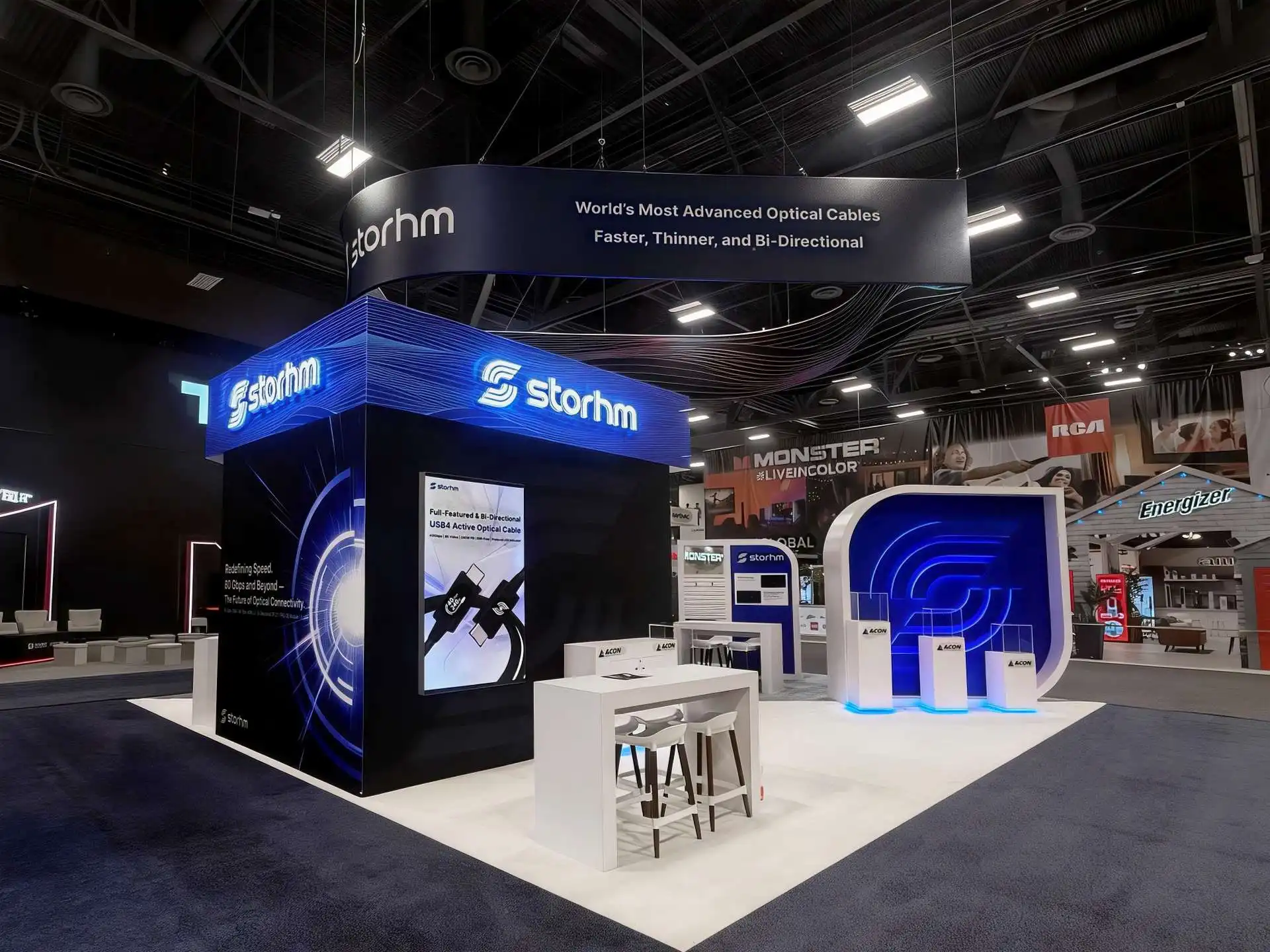
Cost and Contract Considerations for CEDIA Booth Storage & Logistics
Understanding Pricing Models and Hidden Fees
The costs of storage go beyond just the regular rent. Prices usually include charges for cubic volume or box position, plus extra charges for handling materials coming in and going out, which includes the labor for the forklift and updating the inventory system every time materials change. If you understand this structure, you won't be surprised by your budget when your 20x20 booth, which takes up 300 cubic feet, creates handle charges of $150 to $250 per event. Prices per unit change based on length of time; annual contracts often get 15–25% savings compared to month-to-month agreements. Service level tiers separate basic storage from choices that add value, such as refurbishment, photography recording, and "white-glove" treatment for fragile parts. Extra fees like palletizing, shrink-wrapping, special tools for over-sized things, or after-hours entry premiums can hide costs.
Negotiating Contracts for Maximum Flexibility
When negotiating a contract, you should put freedom clauses that work with the changes in your show schedule at the top of the list. Scalability terms let you change the number of cubic feet without any fees as your portfolio of booths grows. Seasonal rate structures take into account that your assets aren't being used between shows, so fees are lower during quiet times compared to busy pull-and-pack times around CEDIA and other September events. Service-level agreements (SLAs) set performance standards, such as guaranteed pull-times (materials must be ready to ship within X hours of being requested), damage responsibility caps, and ways to communicate progress updates. Strong contracts give you the option to end the agreement with 90 days' notice instead of a strict yearly commitment. This protects your interests if your show plans change or your storage providers don't do a good job.
Real-World ROI Through Strategic Storage Management
A medical device company that goes to CEDIA and three other shows a year cut its overall logistics costs by 32% by working with a single storage source that lets them view their files from multiple locations. Their strategic deal got them savings for buying in bulk, and they kept different inventories in Denver, Chicago, and Las Vegas to keep up with their show schedule. They used to lose $8,400 a year in damaged graphics, but climate-controlled trade show booth storage got rid of that problem. Integrated operations also cut administrative costs by 40%. Another technology vendor set up quarterly aging reports that showed which parts were sitting idle and taking up valuable space. They cut their monthly costs from $1,850 to $1,120 while increasing inventory turnover by getting rid of old assets and adjusting the size of their storage space. These results show that careful storage management has a direct effect on the bottom line of an exhibition's return on investment (ROI).
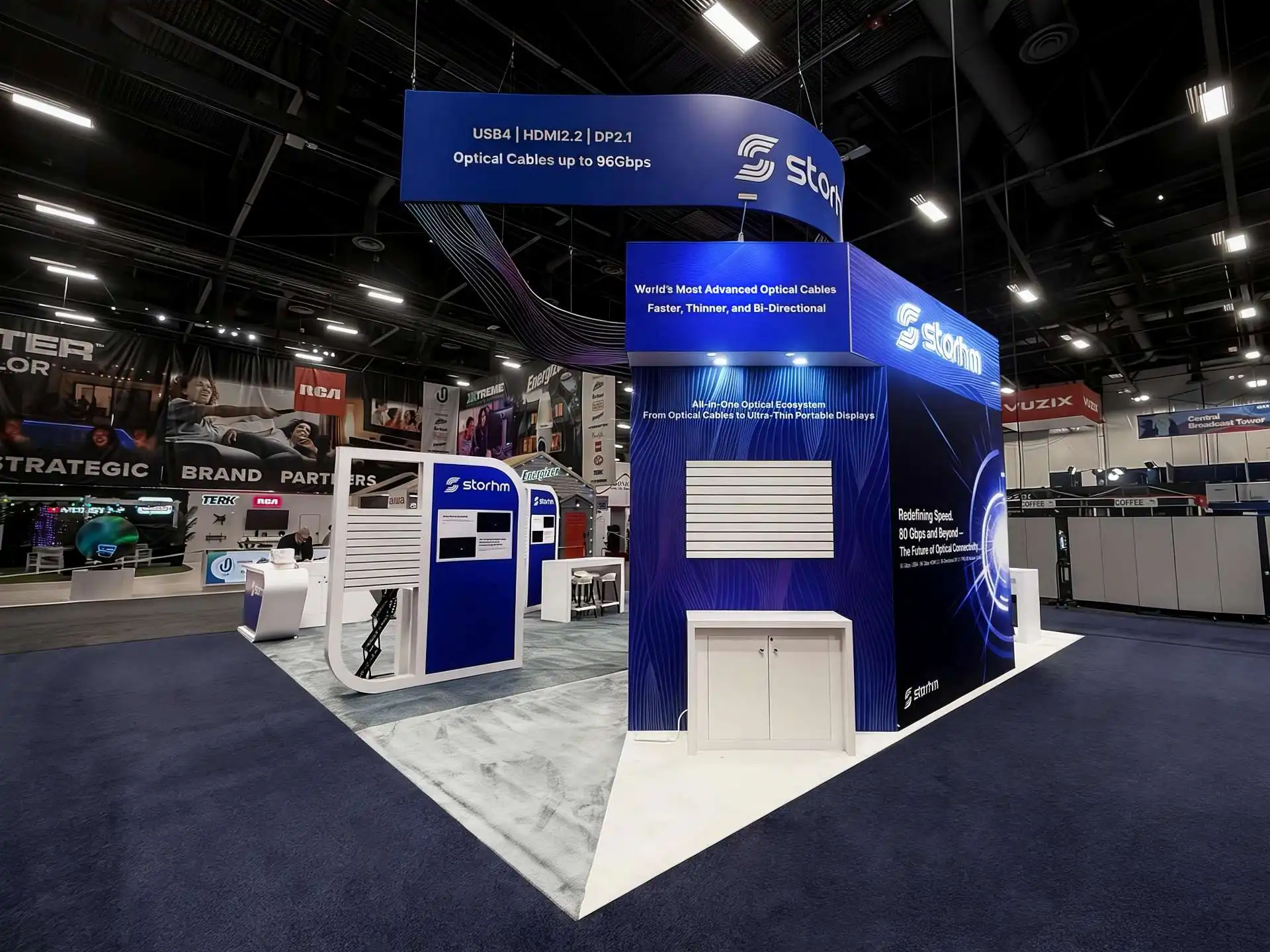
Trusted Trade Show Booth Storage Suppliers & Service Providers for CEDIA 2026
Evaluating U.S.-Based Storage Partners
More than just price comparisons need to be taken into account when choosing reliable storage partners. Top-notch U.S. facilities have security measures like supervised entry, multiple video systems, and insurance coverage that goes beyond what a warehouseman is legally responsible for. Exhibitors should make sure that the companies they are interested in have complete inland marine plans that protect their assets while they are being stored, transported, and set up on-site.
Modern companies are different from old stores because they use technology together. Cloud-based tracking systems let you see where assets are, how they're doing, and when they're going to be deployed for an event in real time. Using mobile apps, project managers can take pictures of saved parts from afar, check the amounts, and approve shipments without having to make calls or send emails, which can take a long time and slow down decision-making during tight pre-show timelines. Excellent customer service is shown by having dedicated account management, or a single point of contact who knows your booth's layout, show schedule, and service tastes. Responding to problems with communication during crises, like when bad weather threatens delivery dates, is what sets trusted partners apart from transactional sellers who disappear when problems arise.
Custom Storage Manufacturing for Unique Requirements
When booth designs have odd sizes, are very fragile, or have specific environmental needs, standard building solutions don't work. Engineered crating systems from custom storage making fill in these gaps. Aluminum truss setups get separate cases that keep metal from rubbing against metal, which wears down finishes. Curved cloth shapes can be hung from above, keeping the tension intact between events. Exhibits at CEDIA that are heavy on technology need temperature conditions that go beyond what is normally found in a building. Server racks, LED processors, and interactive touchscreen grids need stable temperatures, dust-free surroundings, and regular power-on tests to make sure they are ready to go. Custom manufacturing builds these technical needs into storage infrastructure that is specifically designed to protect six-figure technology investments.
Leveraging Reviews and Industry Directories
Independent evaluation tools help procurement workers look at more than just marketing claims to figure out how trustworthy a provider is. Industry databases, such as the Exhibitor Magazine Supplier Database, collect confirmed customer reviews that rate storage providers on three service dimensions: how well they handle care, how clear their billing is, and how well they solve problems. These outsiders' points of view show patterns of behavior that are left out of sales pitches. Professional groups, like the International Association of Exhibitions and Events (IAEE), keep source listings that have standards for who can be listed. Membership shows that a company is committed to doing business in an honest way and following best practices in the industry. Cross-referencing several sources of validation, such as online reviews, suggestions from peers, and credentials from professional organizations, boosts trust in relationship choices that will have an effect on your CEDIA performance and brand image.
Conclusion
Whether your involvement in CEDIA Denver 2026 gives you a great return on investment (ROI) or turns into an expensive lesson in operational oversight depends on how well you plan your storage and operations. Professional show storage saves big booth investments with climate control, security measures, and active inventory management that you can't get with regular storage. Choosing the best storage models—rental vs. owned, local vs. distributed—aligns your business goals and show schedule with your logistics infrastructure. The busy show schedule in September 2026 in Denver, Chicago, Atlanta, and Las Vegas needs well-coordinated operations, which are provided by specialized companies that combine transportation, storage, and on-site services. Effective trade show booth storage ensures that your assets are protected and ready for each event. Managing costs through clear contracts and smart partnerships turns storage from an extra cost to an asset that helps your business do better, and reliable providers are the basis for your marketing success.
FAQ
Q1: How does professional exhibit storage differ from standard warehouse rental?
A: Professional trade show booth storage uses climate-controlled spaces (55–80°F, 35–50% humidity) and warehouse management tools to keep track of each booth's parts. Unlike static storage, display experts offer methods for inspecting assets, services for refurbishment between shows, and coordinated operations such as booking transportation and liaising with show contractors. The price is based on cubic volume or pallet places instead of raw square footage. This takes into account how efficiently vertical racks are used and the work that goes into and out of handling. Premium providers keep insurance coverage that goes above and beyond a standard warehouseman's legal responsibility. They also provide anti-static environments with power access for testing technology, which is something that most customer storage facilities don't offer.
Q2: What insurance coverage protects my booth during storage and transit?
A: Standard warehouseman's liability insurance doesn't cover kept goods very well. Exhibitors should get inland marine insurance or all-risk property riders that protect the value of their booths while they are being stored, transported, and set up on-site. These specific plans fill in the gaps in building coverage and protect against damage caused by handling, the environment, or theft. When looking at different storage companies, make sure you check their insurance standards and see if they set minimum amounts of coverage. Taking pictures of your belongings' state when you check them in sets a baseline that can be used to back claims if they get damaged, which will help your case with insurance companies and storage partners.
Q3: Can you coordinate storage for exhibitors attending multiple September 2026 shows?
A: To exhibit at CEDIA Denver, IMTS Chicago, GSX Atlanta, and PRINTING United Expo Las Vegas by September 2026, you need to carefully plan your operations. Regionally distributing storage assets close to each place is one way to use strategic methods to cut down on travel times and freight costs between events. On the other hand, centralized storage with specialized transportation schedule can work if there is enough time between shows. The best answer relies on how complicated the booth is, how much money you have, and whether you're using identical exhibits or ones that are designed to fit the place. Every day, specialized companies handle these multi-show circuits, taking advantage of bulk shipping savings and keeping backup transportation networks up and running to meet the short time gaps between back-to-back shows.
HR Exhibits Service, Inc.: Your Complete Exhibition Partner for CEDIA Denver 2026 and Beyond
You shouldn't let CEDIA's complicated rules get in the way of your main goal, which is to meet with custom integration professionals and show off new solutions. Through our site in Las Vegas, HR Exhibits Service, Inc. offers full show support, including booth design, manufacturing, and transportation planning. As a full-service, U.S.-based trade show booth storage company, we get rid of the need for multiple vendors, which wastes time and money and increases risk.
Our team specializes in deploying smoothly for shows in Denver and big events in September 2026, like IMTS Chicago, GSX Atlanta, and PRINTING United Expo Las Vegas. We can customize our services to fit your needs and your budget, whether you're the founder of a startup trying to get the best return on investment (ROI) with a creative 10x10 presence or the marketing manager for a large company planning a 30x40 special installation. Our local workshop in Las Vegas lets us quickly fix up, make last-minute changes to, and handle with care shows that use a lot of technology that are popular at CEDIA.
We think of show marketing as building relationships, not just making sure the details are taken care of. Our all-around approach turns the difficulty of an exhibition into a competitive advantage. From climate-controlled asset storage that protects the value of your investment to on-site project management that makes sure everything is set up perfectly, we take care of everything. Get in touch with our team at info@hrexhibits.com to talk about how expert booth construction and smart storage integration can help you stand out at CEDIA while keeping costs low and taking away the stress of coordinating with multiple vendors.
References
1. Exhibition Industry Research Foundation. (2025). Trade Show Logistics and Asset Management: Best Practices for B2B Exhibitors. Chicago: CEIR Publications.
2. International Safe Transit Association. (2024). ISTA Distribution Testing Guidelines for Exhibition Materials and Custom Crating. East Lansing: ISTA Standards Division.
3. Morrow, Sandra L. (2025). The Complete Guide to Trade Show Marketing: Strategic Planning Through Post-Event Analysis. New York: Business Event Publishing.
4. National Association of Display Industries. (2024). Climate Control Standards for Exhibit Component Storage and Preservation. Milwaukee: NADI Technical Committee.
5. Rogers, Timothy J., and Chen, Maria K. (2025). Supply Chain Optimization for Trade Show Exhibitors: Reducing Costs While Improving Service Quality. Boston: Logistics Management Press.
6. Trade Show Executive Magazine. (2025). "Storage and Transportation Trends Shaping Exhibition Logistics in 2026." Trade Show Executive, 37(2), 44-52.

Embark on Your Journey to Exceptional Exhibitions! Contact HR Exhibits Today to Transform Your Vision into Global Success.
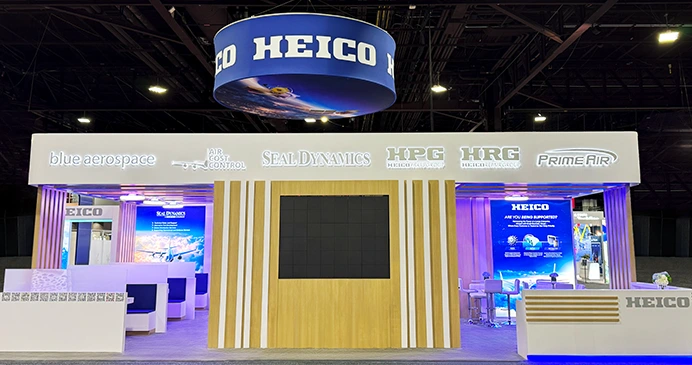
HR Exhibits Service, Inc.