Tips for effectively dismantling your trade show booth
The last few hours of a trade exhibition are a crucial time when the future state of your investment is decided. The lifetime of your assets, cost effectiveness, and preparedness for your next event are all directly impacted by the efficient disassembly of your trade show booth. Strategic takedown goes beyond just packing up; it maintains structural integrity, safeguards delicate parts like LED systems and bespoke graphics, and guarantees that your booth will arrive at the next location—or storage facility—in perfect shape. The methodical approach that procurement managers must take to safeguard capital expenditures while adhering to strict deadlines and managing intricate logistics across several service providers is explained in this book.
Understanding the Trade Show Booth Dismantling Process
The meticulous removal and safe packaging of display buildings once an event is over is known as trade show booth teardown. Depending on the construction of the booth, the complexity varies significantly. A thorough understanding of connection points and load-bearing components is necessary for custom-built exhibitions with integrated AV systems, hanging signage, and customized lighting. Aluminum extrusion profile modular systems allow for toolless disassembly, but they need meticulous inventory management of interchangeable parts. Despite their simplicity, portable displays still need protective packaging to avoid graphic damage while being transported.
The Core Challenges Procurement Teams Face
There is a lot of pressure when venue windows are disassembled. Strict "show close" deadlines, usually four hours after the exhibit floor formally closes, are enforced by the majority of convention halls. If you miss this window, organized work teams will charge you exorbitant overtime. There are additional levels of complication when coordinating with your internal team, general contractor services, and specialist freight handlers. These coordination issues are made more difficult by the sheer size of events like CES or IMTS, where we have assisted customers like Seastar Corporation and GURUTZPE.
Why Proper Dismantling Protects Your Investment?
A substantial capital expense is shown by your display. The initial cost of a 20x20 bespoke island booth often surpasses $75,000. Hasty disassembly results in avoidable damage that accumulates over many performances, such as bent metal frames, cracked laminate panels, or scratched graphics. In comparison to ad hoc methods, methodical dismantling processes prolong booth longevity by 40%, directly safeguarding your procurement budget and vendor relationships, as we have shown at HR Exhibits Service, Inc.
Step-by-Step Guide to Systematic Trade Show Booth Dismantling
Before the exhibit floor ends, strategic disassembly starts. Preparation while your booth is still in operation is essential for a successful dismantling.
Pre-Dismantling Preparation
Two hours before the end of the exhibition, go over the schematic designs and assembly paperwork for your display. Make sure every instrument is available, including packaging tape dispensers, power drills with the proper bits, hex keys, and safety supplies like bubble wrap and corner protectors. Give your team a briefing on work allocations, such as who is in charge of inventory monitoring, who is in charge of structural aspects, and who is in charge of electronics. The disorganized scrambling that results in misplaced parts or broken materials is avoided during this preparatory stage. A well-planned trade show booth design and thorough preparation ensure that everything runs smoothly and efficiently during the teardown process.
We collaborated with VideoRay at the Offshore Technology Conference (OTC), where their stand showcased demonstrations of sensitive underwater robots. To make sure nothing was left behind or tangled during disassembly, our pre-dismantling checklist includes power-down procedures for display equipment, protective boxes staged for quick packing, and labeled cable management.
Disassembling Delicate and Electronic Components
Lighting and electronics systems need top importance. All systems should be turned off in accordance with the manufacturer's instructions since sudden disconnections may harm LED drivers or control boards. Before structural disassembly starts, remove and bundle these components into special protective containers. AV integration is widespread at NAB Show, where we have constructed booths for broadcast technology firms like Glookast and Radio.Cloud. In order to capture the original configuration for reinstallation, we remove media servers, control panels, and display monitors one at a time, taking pictures of each device in situ.
It takes patience to handle cables. To avoid kinks, coil cables are secured using velcro straps instead of zip ties, which might result in pressure points. Indicate the origin and destination of each cable on both ends. By paying attention, you may avoid the annoying "cable mystery" in your subsequent setup.
Deconstructing Modular and Custom Structures
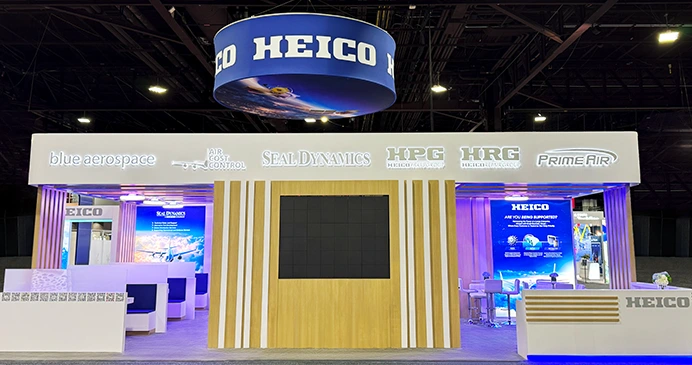
Reverse engineering is used in structural dismantling. Custom booths constructed from plywood or MDF should be removed in the opposite order of construction. Before working with structural components, remove the fabric panels and graphics. In order to prevent ripping the fabric or harming the extrusion channels that hold it, tension fabric systems—such as the silicone-edge graphics (SEG) we deploy for medical customers at shows like MRO Americas, where we worked with HEICO Corporation—need to be released carefully.
Faster disassembly is possible with modular systems that use cam-lock connections, but careful planning is essential. Sort parts according to size and kind. Put all of the connections in the designated bags for the various frame components. We reduced reassembly time by 35% at future events by color-coding hardware packs to match frame parts when we constructed displays for Layn Natural Ingredients Corp. and other nutraceutical exhibitors at SupplySide Global.
Packing and Labeling for Transportation
Loose parts are transformed into cargo that is ready for transportation via proper packaging. Rigid panels should be individually wrapped in foam sheets or bubble wrap and fastened with packing tape. To distribute weight and avoid warping, stack panels vertically in specially designed crates. Never fold graphics aggressively; instead, wrap bigger images around tubes that are at least 6 inches in diameter to avoid crease lines.
It is impossible to stress the importance of labeling discipline. Each crate, box, and component should carry visible identification indicating contents, destination, and handling requirements. Make use of a numbering scheme that aligns with your inventory manifest. When applicable, add "fragile" and directional arrows. Our labeling method made sure that Sieyuan Electric Co., Ltd.'s unique components passed customs and reached their Las Vegas warehouse undamaged during the RE+ event, where we assisted the renewable energy exhibitor with sophisticated electrical demonstration equipment.
Partnering with Reliable Logistics Providers
The last crucial component is transportation coordination. Select freight partners that are knowledgeable about drayage rules at major convention centers and have expertise with trade show logistics. Verify that your shipment's weight and dimensions meet carrier criteria, and confirm that pickup timings correspond with venue specifications. We continue to collaborate with specialist trade show freight firms that manage the particular requirements of exhibition cargo, such as awareness of advance warehouse deadlines and appropriate paperwork for shipments abroad.
Best Practices to Avoid Common Pitfalls During Dismantling
The Cost of Rushing and Poor Planning
Underestimating the time required for disassembly is the most common error. Teams make the risky assumption that dismantling takes half as long as installation. Dismantling intricate bespoke booths might take up to 70% of the installation time. Rushing results in hardware misplacement, damaged parts, and neglected goods on the exhibition floor. We saw rivals abandoning specialist lighting fixtures at AAPEX, where automotive suppliers like WHI display, just because they ran out of time. This resulted in thousands of dollars in needless replacement expenses. Proper trade show booth design takes into account both setup and teardown logistics, ensuring that enough time is allocated for careful disassembly and reducing the risk of costly mistakes.
Documentation and Checklists That Protect Assets
By using a thorough deconstruction checklist, disassembly becomes controlled execution rather than reactive scrambling. Pre-dismantling preparation, stepwise disassembly, and post-dismantling verification are the three stages of your checklist. Add distinct line items for every part of the booth, such as carpet squares and hanging signage. Assign designated team members to handle each component of the checklist.
Based on the unique design of their booth, we offer our customers specialized disassembly procedures. Khadlaj Perfumes' fragrance exhibition booth during ASD Market Week requires unique handling techniques for sample inventory and glass shelves. They saved thousands of dollars in inventory loss since our checklist included distinct areas for recovering retail products and made sure that no product samples were thrown away with packaging materials.
Training and Safety Protocol Compliance
Inadequate training increases the danger of harm and liability. When disassembling a booth, team members should be familiar with fundamental structural concepts, safe lifting methods, and tool use. Regulations governing convention centers may need for certain safety certificates for particular tasks, especially when dealing with electrical systems or high constructions. Fines or mandatory work stoppages may follow noncompliance.
Safety compliance is a must at big industrial shows like IMTS, where we built exhibits for precision equipment manufacturers GURUTZPE and Etxetar. Rigging knowledge and the right tools are necessary for heavy machinery displays. In order to safeguard both employees and your priceless exhibit assets, we make sure our installation staff adhere to OSHA regulations and keep up-to-date certifications.
Innovative Solutions and Technology to Optimize Booth Dismantling
Modern exhibit design increasingly incorporates features that simplify dismantling while maintaining visual impact during the event.
Modular Design Advantages
Many of our customers have switched to hybrid modular systems, which combine custom-branded graphics and specialist components with the adaptability of changeable frames. Exhibitors with different booth sizes who visit various events benefit from this strategy. In order to maximize asset use, the same basic components reconfigure as a 10x20 inline at a regional technology event after configuring as a 20x20 island at CES for a customer like Rexing. This flexibility in trade show booth design ensures a cost-effective and scalable approach for exhibitors, optimizing both setup and teardown efficiency across multiple events.
Digital Tools That Improve Workflow
Technology improves the accuracy and effectiveness of disassembly. Tablet-accessible digital checklists enable instantaneous picture documenting of component status and real-time job monitoring. Barcode-scanning inventory management software guarantee that every item is accounted for prior to departure from the location. Coordination between your procurement department, logistics companies, and on-site workers is made possible by cloud-based project management systems.
These products assist warranty claims in the event of shipment damage and provide audit trails to safeguard vendor relationships. Our computerized records quickly detect any differences between what shipped and what arrived when components arrive at our Las Vegas location for storage or refurbishing, facilitating quick insurance claims or carrier disputes.
Full-Service Partnerships Reduce Complexity
HR Exhibits Service, Inc. is a complete trade show booth provider that unifies many service connections into a single point of responsibility. We take care of design, fabrication, shipping, installation, disassembly, and storage, removing the need for several suppliers to coordinate. For exhibitors from different states or countries attending significant conferences in the area, our Las Vegas workshop offers local assistance.
International customers such as Lattafa Perfumes Industries LLC found this integrated approach useful during ASD Market Week. From the first design to the post-show deconstruction, we oversaw their booth, including the creation of graphics, on-site installation, safe dismantling, and customs paperwork for their overseas export. While we made sure every component was returned to their plant securely, their staff concentrated only on customer interaction rather than logistical coordination.
Sustainability Considerations in Booth Dismantling and Storage
Environmental responsibility increasingly influences procurement decisions and brand perception. Sustainable dismantling practices align with both corporate social responsibility objectives and cost efficiency.
Choosing Reusable and Recyclable Components
Material selection during initial booth design determines end-of-life environmental impact. Aluminum frames are infinitely recyclable without quality degradation. Tension fabric graphics can be swapped for updated messaging while retaining frames, reducing waste compared to rigid printed panels. When components do reach end-of-service, responsible disposal through specialized recycling partners prevents exhibit materials from entering landfills. Sustainable trade show booth design practices ensure that your exhibition infrastructure not only meets brand needs but also minimizes its environmental footprint over time.
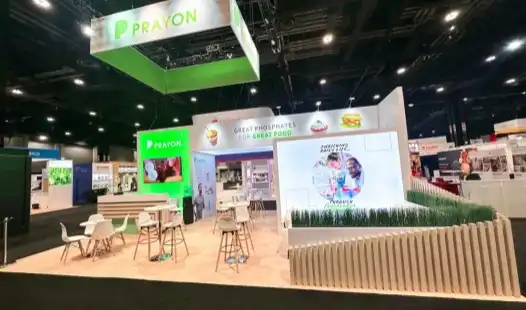
We prioritize sustainable materials in booth construction. The modular systems we recommend typically achieve 85-90% reusability across multiple shows and rebrandings. For clients in the food and beverage sector exhibiting at events like the IFT show—where we've worked with Prayon and Aditya Birla Group—using sustainable materials reinforces their brands' commitment to environmental stewardship, a message that resonates with increasingly eco-conscious buyers.
Storage Practices That Extend Asset Lifespan
Proper storage between events protects your investment and reduces replacement needs. Climate-controlled facilities prevent humidity damage to graphics and electronics, while preventing warping in wooden components. Organized storage systems—where components are indexed and shelved systematically—enable quick retrieval and reduce handling damage during access.
Our Las Vegas facility provides secure, climate-controlled storage tailored to trade show assets. We inventory components digitally, photograph storage locations, and can rapidly pull and prep your booth for upcoming events. This service particularly benefits companies exhibiting at multiple Las Vegas conventions annually, eliminating repeated cross-country shipping while ensuring their exhibits remain show-ready.
The Business Case for Green Practices
Sustainability measures deliver tangible procurement advantages beyond environmental ethics. Reusable booth systems reduce per-show costs dramatically compared to disposable builds. Green certifications can unlock preferential booth assignments at certain exhibitions or qualify you for sustainability awards that generate valuable media attention. Increasingly, B2B buyers evaluate suppliers' environmental practices, making your booth's sustainability a competitive differentiator.
When supporting clients at industry-specific events—from InfoComm for AV technology firms like Moka Technology, to automotive aftermarket shows like SEMA where we worked with Gtechniq—we emphasize how sustainable booth design reflects their broader corporate values. This alignment strengthens brand authenticity and appeals to procurement professionals who must justify vendor selections against environmental, social, and governance (ESG) criteria.
Conclusion
Effective booth dismantling is where professionalism meets practicality. The systematic approach outlined here—emphasizing preparation, careful handling of specialized components, comprehensive documentation, and strategic logistics partnerships—protects your substantial trade show investment while positioning you for continued exhibition success. Whether you're managing a startup's cost-sensitive portable display or a multinational corporation's custom island exhibit at major shows like CES or SupplySide Global, disciplined teardown procedures prevent damage, control costs, and maintain brand integrity.
By incorporating modern modular designs, digital coordination tools, and sustainability practices, you transform dismantling from a stressful afterthought into a strategic advantage that maximizes ROI across your entire exhibition program. A well-thought-out trade show booth design ensures that every phase, from setup to teardown, supports your broader marketing and business objectives.
FAQ
Q1: How long does professional booth dismantling typically take?
A: Dismantling timeframes vary based on booth complexity and size. A simple 10x10 portable display requires 1-2 hours for proper teardown and packing. Modular 10x20 inline booths typically need 3-4 hours. Custom 20x20 island exhibits with integrated AV, specialty lighting, and complex structures can require 6-8 hours for complete, damage-free dismantling. Always allocate more time than you anticipate—rushing causes expensive mistakes.
Q2: Should we rent dismantling services or use internal staff?
A: This decision depends on booth complexity and staff expertise. Simple portable displays can be handled by trained internal teams. Complex custom exhibits benefit from professional services provided by your booth manufacturer or specialized I&D contractors who understand structural nuances and have proper equipment. Consider that professional crews often complete teardown faster and with less damage risk, potentially offsetting their cost through avoided repairs and efficient use of the venue's dismantling window.
Q3: What packing materials provide optimal component protection?
A: Rigid panels require bubble wrap or foam sheets secured with packing tape. Graphics should be rolled around tubes with at least 6-inch diameter. Aluminum extrusions can be bundled together with edge protectors preventing scratches. Electronics and lighting need dedicated cases with custom foam inserts. Corner protectors prevent crate damage during handling. Invest in quality materials—inadequate protection during one shipment can destroy components worth thousands.
Partner with HR Exhibits Service, Inc. for Complete Trade Show Booth Solutions
Dismantling represents just one phase of successful exhibition marketing. At HR Exhibits Service, Inc., we provide comprehensive support throughout your entire trade show lifecycle—from innovative booth design tailored to your industry, through precision fabrication at our Las Vegas facility, expert installation, and meticulous dismantling that protects your investment. As an experienced trade show booth manufacturer serving technology, medical, manufacturing, energy, and consumer goods sectors, we understand the unique requirements of corporate marketing managers seeking strong branding, startup founders focused on ROI, and procurement professionals demanding reliable execution and cost control.
Our local Las Vegas workshop provides invaluable support for international and out-of-state exhibitors attending major conventions. Whether you're showcasing at CES, NAB Show, IMTS, SupplySide Global, or any exhibition worldwide, our team handles complex logistics so you focus on engaging customers. Contact HR Exhibits Service, Inc. at info@hrexhibits.com to discuss how our full-service approach delivers memorable trade show experiences that maximize your marketing investment while ensuring every component returns safely for your next event.
References
1. Miller, J. (2021). Strategic Management of Trade Show Assets: A Procurement Guide. Exhibition Industry Press.
2. Thompson, R. & Chen, L. (2022). "Lifecycle Cost Analysis of Modular versus Custom Exhibition Systems," Journal of Business Events Management, 18(3), 45-67.
3. National Association of Broadcasters. (2023). Trade Show Logistics and Installation Standards Handbook. NAB Publications.
4. Stevens, M. (2020). Sustainable Exhibition Design: Materials, Methods, and Business Cases. Green Business Publishing.
5. International Association of Exhibitions and Events. (2022). "Best Practices for Exhibition Installation and Dismantle Operations," IAEE White Paper Series, Issue 14.
6. Rodriguez, A. (2023). "Technology Integration in Trade Show Operations: Digital Tools for Enhanced Efficiency," Event Marketing Quarterly, 29(2), 112-128.

Embark on Your Journey to Exceptional Exhibitions! Contact HR Exhibits Today to Transform Your Vision into Global Success.
HR Exhibits Service, Inc.