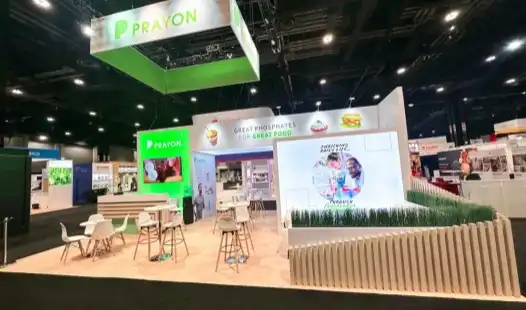
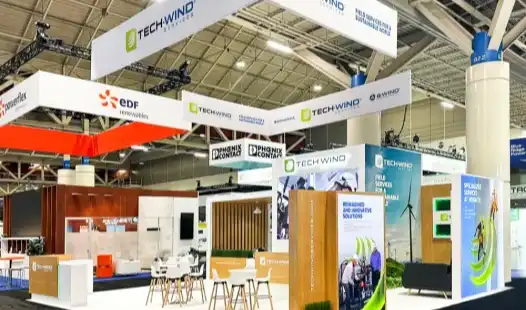
BIO Convention Booth Design Trends for 2026
Innovative trade show booth design has a direct impact on brand awareness and lead generation results at the BIO International Convention, which continues to be a key event for biotech and life sciences professionals. As BIO 2026 in San Diego approaches on June 22–25, forward-thinking exhibitors understand that booth design is more than just aesthetics; it's a smart marketing tool designed to turn foot traffic into qualified business contacts. In order to create immersive venues where complicated scientific narratives become remembered and approachable, modern exhibition contexts need designs that strike a compromise between environmental responsibility and technological proficiency. We've observed that companies investing in well-planned exhibition architecture consistently outperform competitors in attendee engagement metrics and post-show conversion rates, making strategic design decisions critical for procurement managers and marketing directors alike.
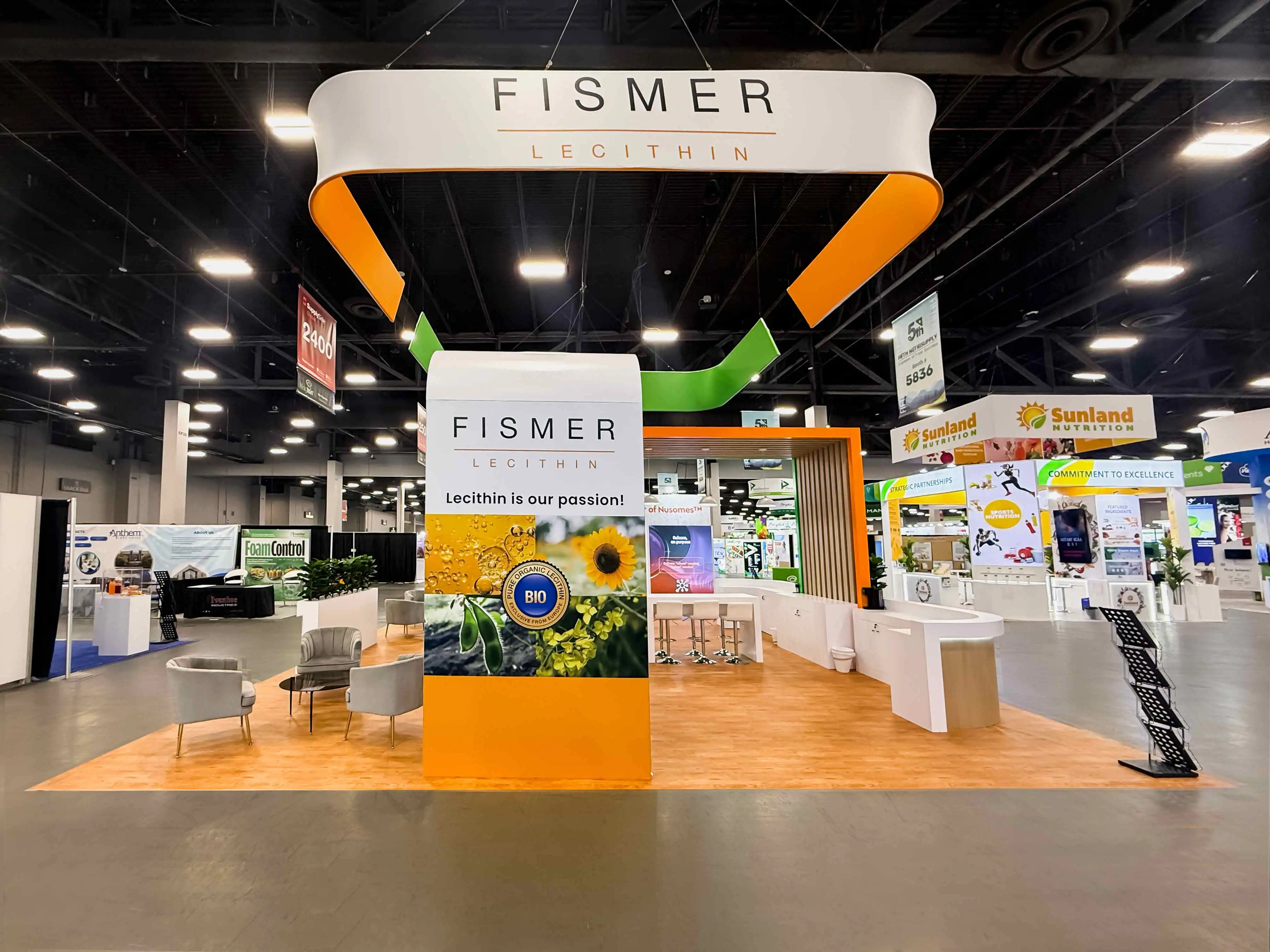
Understanding the Latest BIO Convention Booth Design Trends for 2026
Attendee expectations and technical advancements are driving a fast evolution in exhibition design. We expect to see designs at BIO 2026 that put an emphasis on operational flexibility, sustainability, and interaction in all booth formats.
Digital Immersion Reshaping Visitor Engagement
In professional exhibition settings, interactive technologies have transitioned from novelty to necessity. Pharmaceutical businesses may see molecular structures at scale via augmented reality demos, and users can instantly modify product parameters using touchscreen interfaces. In addition to drawing attendees' attention in packed convention halls, these digital interfaces provide exhibitors useful behavioral information about potential customers' preferences. Virtual reality simulations that show equipment operation without the logistical difficulties of shipping delicate apparatus to San Diego are very helpful for medical device producers.
Sustainability Credentials Becoming Non-Negotiable
Every stage of procurement choices now takes the environment into account. Booth materials that support their corporate sustainability ambitions are becoming more and more important to biotech businesses. Tension fabric graphics printed with water-based inks, bamboo composite panels, and recycled aluminum extrusions are no longer considered luxury alternatives but rather standard specs. Procurement teams are requesting thorough lifecycle evaluations for booth components, assessing long-term reusability over many events in addition to the initial environmental effect. This change matches larger industry principles, according to which environmental stewardship improves a brand's standing with stakeholders and authorities.
Modular Architecture Maximizing Investment Value
Adapting to changing space allocations across several events throughout the year is a recurring difficulty for exhibitors that is addressed by flexible booth solutions. For regional medical conferences, BIO's 20x30 island format may be reconfigured into smaller footprints thanks to sophisticated modular frameworks. By removing the requirement for separate booth purchases for various event levels, this flexibility significantly increases return on investment. Exhibitors keep constant branding and a professional image regardless of configuration size thanks to the technological complexity of contemporary modular systems, which minimizes design compromises.
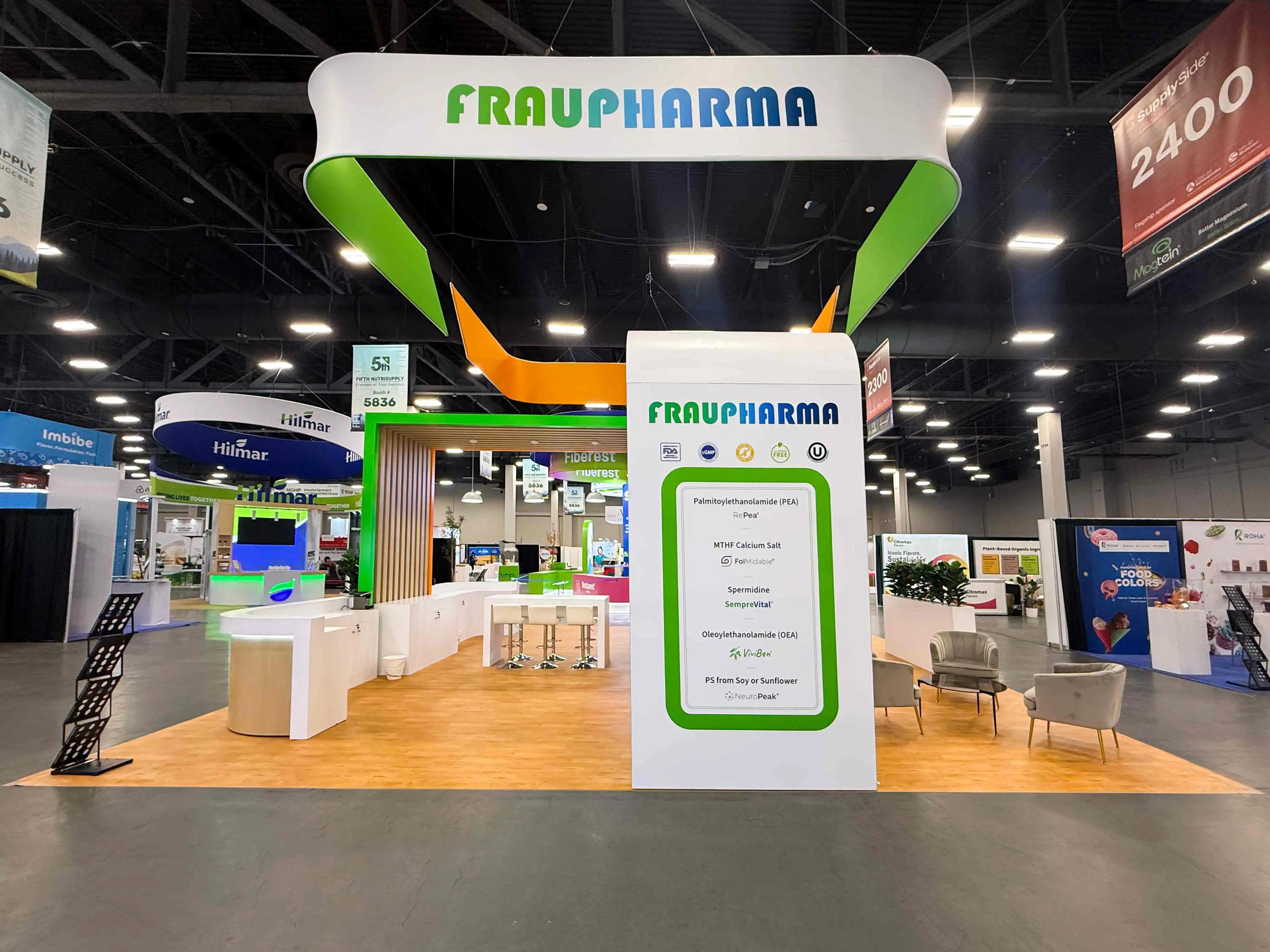
Top 7 Trade Show Booth Design Ideas to Stand Out at BIO 2026
It takes careful consideration of visitor experience, technological integration, and spatial design to stand out in crowded exhibition spaces. Trade show booth design strategies like these have worked well across a variety of the sectors we service, including manufacturing and medical technology.
Immersive Technology Zones Creating Memorable Interactions
Deeper interaction with complicated items is made possible by dedicated experience spaces inside your exhibit footprint. Think about setting up a semi-enclosed display area where guests may engage with augmented reality interfaces without being distracted by the noise from the nearby conference. By converting abstract information into captivating visual tales, pharmaceutical corporations have effectively used this strategy to lead potential customers via clinical trial data visualizations. The secret is to strike a balance between practical usage and technical wow factor, making sure that demonstrations complement your sales strategy rather than just being entertaining.
Material Choices Communicating Brand Values
Surface choices become concrete manifestations of business identity, going beyond durability concerns. Natural wood veneers and high-CRI LED lighting combine to create cozy, welcoming spaces that are ideal for patient-focused medical companies. On the other hand, brushed aluminum panels with clean white surfaces convey accuracy and creativity suitable for producers of diagnostic equipment. In order to ensure that compliance never sacrifices visual impact, we walk customers through material requirements that satisfy NFPA 701 fire safety regulations while producing desired aesthetic results.
Strategic Spatial Flow Optimizing Traffic Patterns
Careful layout design creates natural routes to important interaction zones and avoids bottlenecks during moments of high attendance. Clear sightlines and open-plan layouts encourage exploration, and well-placed demonstration spaces provide meeting spots that employees can efficiently keep an eye on. Storage options built inside structural columns preserve aesthetically pleasing design without compromising usefulness; staff can still access sample goods and promotional materials without overcrowding areas that are visible to visitors. Professional exhibition architecture is distinguished from amateur endeavors by this focus on practical elements.
Lighting Design Directing Attention and Mood
At the same time, illumination has psychological and functional benefits. Accent lighting creates visual hierarchy within your booth space and draws attention to highlighted items. Throughout show days, mood may be changed thanks to variable color temperature capabilities, which energize chilly tones in the morning and change to a warmer ambience in the evening. In order to guarantee that product colors seem realistic under convention hall lighting circumstances, we specify lights that score more than 90 on the Color Rendering Index. This is especially important for consumer and medical items that need exact color representation.
Branding Integration Beyond Logo Placement
Prominent logo display is just one aspect of a cohesive visual identity. Marketing efforts are strengthened by the subconscious brand identification that is produced by consistent color schemes, typographic schemes, and message hierarchies. Without the visual disruption of frame corners, silicone-edge graphics on tension fabric provide vivid, continuous visuals. Additionally, these SEG systems enable graphics upgrades in between events without necessitating structural changes, which is a useful benefit for businesses who often update their marketing messaging or introduce new product lines.
Ergonomic Considerations Supporting Extended Interactions
During extended show days, the level of engagement is directly impacted by the comfort of both staff and visitors. Different engagement patterns are accommodated by counter heights that allow for both sitting consultations and standing chats. Despite changes in the conference hall's HVAC system, climate control in bigger island booths keeps the temperature pleasant. By lowering background noise, acoustic treatments make it possible for staff members to have fruitful discussions on difficult technical topics without having to struggle to speak properly.
Smart Storage Solutions Maintaining Professional Appearance
Visitor impression is significantly impacted by behind-the-scenes functioning. Important samples and equipment are kept safe overnight in lockable storage chambers included into the booth construction. Quick-access shelving allows staff to replenish brochures and promotional items efficiently without leaving booth areas unattended. In order to ensure that operational needs never jeopardize the professional presentation that attendees associate with industry-leading companies, we build these utility zones to be invisible from the viewpoint of visitors.
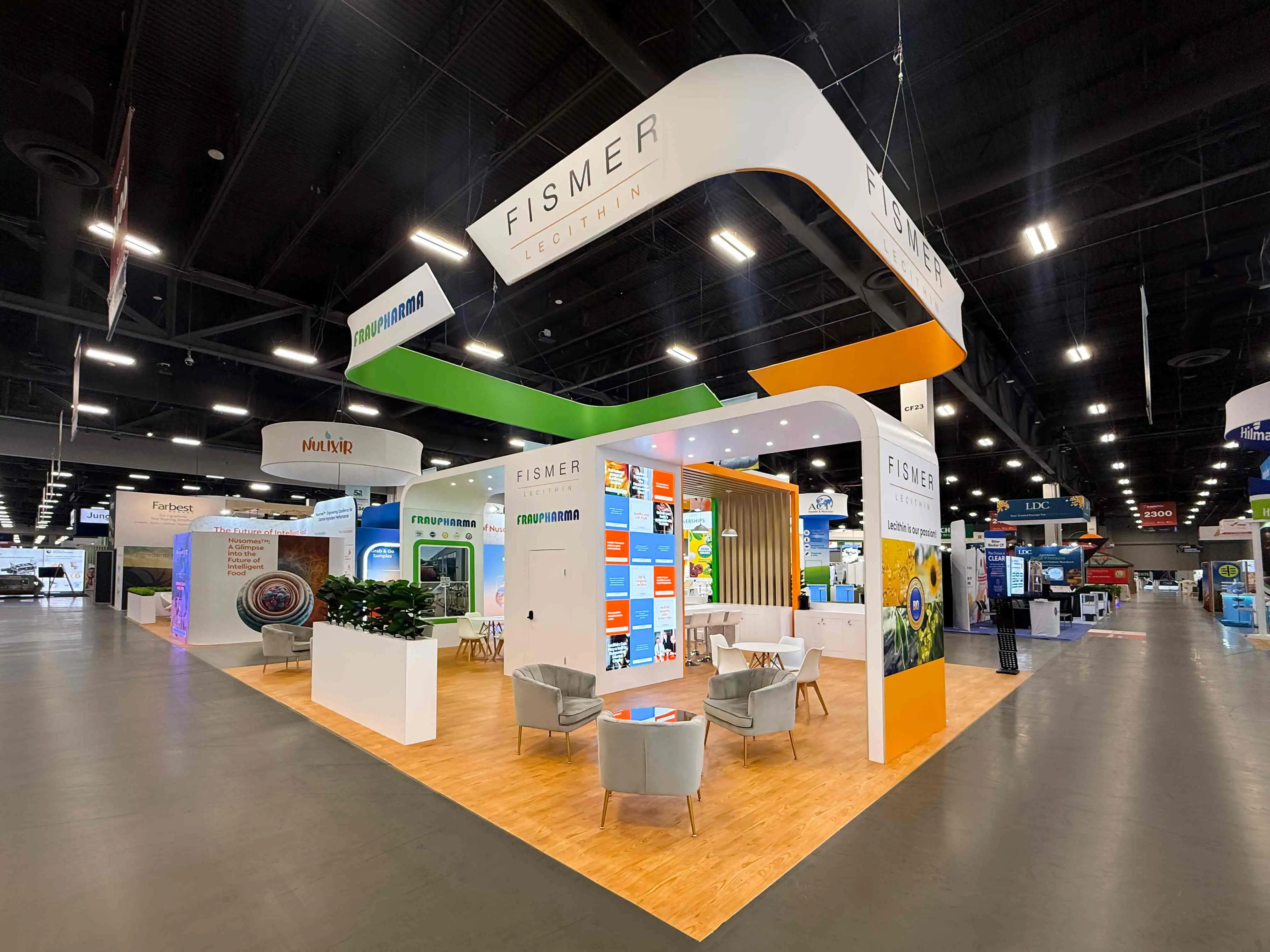
How to Choose Between Custom, Modular, and Portable Booths for BIO 2026?
Instead of focusing on the needs of a particular event, booth arrangement choices should be in line with long-term exhibition objectives. Trade show booth design decisions like these are part of the broader strategy we use to guide procurement teams, taking into account variables that go beyond short-term financial limitations.
Custom Booths Delivering Brand Differentiation
Unlimited creative flexibility is provided by fully customized buildings, allowing for distinctive architectural features that come to represent a brand's personality. When biotech businesses introduce ground-breaking treatments, they often spend in bespoke buildings that physically represent innovation narratives. For example, they may use materials that symbolically relate to the advantages of the product or use organic curves that resemble molecular structures.
These expenditures usually run from large five-figure amounts to six-figure budgets for intricate double-deck layouts, but for businesses where BIO is their main yearly marketing campaign, the branding effect might justify expenses. Compared to modular options, installation durations are lengthier, necessitating exhibit house partnerships that can handle intricate production and logistics.
Modular Systems Balancing Flexibility with Professionalism
For many industrial and medical exhibitors, engineered modular frames provide the sweet spot. By using aluminum extrusion profiles that interlock in conventional configurations, these systems enable booth expansion or reduction without the need to buy brand-new parts. At BIO 2026, a medical device maker would set up a 30x30 island. Later on in the year, the same components might be rearranged into a 10x20 inline booth at regional conferences.
Graphics panels are simply interchangeable, allowing for consistent brand design while offering product-specific messages for various occasions. Investment levels range from bespoke to portable, with high-quality modular systems costing around 60% less and offering a professional look comparable to custom constructions.
Portable Booths Optimizing Budget Efficiency
Pop-up displays and portable counters let startups and developing biotech enterprises make the most of their meager marketing expenditures. The outdated "briefcase booth" cliché has been far surpassed by contemporary portable alternatives, which now feature tension fabric constructions with intricate designs and integrated LED lights that can be assembled in less than an hour. These technologies work well in 10x10 linear areas where complex design might seem claustrophobic.
Compared to bigger systems, there are design limitations, but imaginative graphics and well-chosen accessories may have a significant effect. When taking part in several smaller events each year, procurement teams should consider portable choices since the total cost of shipping and installation for bigger booths would be more than the investment in portable systems.
Decision Factors Beyond Initial Investment
Regardless of the style of booth used, vendor skills have a significant impact on ultimate success. We advise procurement specialists to assess exhibition partners based on their technical proficiency, project management skills, and service coverage in the cities of destination. For exhibitors at BIO 2026 in neighboring San Diego, our Las Vegas-based workshop offers vital local assistance, removing the anxiety of working with unknown providers in far-off destinations. Total cost of ownership assessments should take installation schedules, storage between events, and refurbishing possibilities into account. Sometimes high-end initial expenditures provide better lifespan value than low-cost alternatives that need to be replaced frequently.
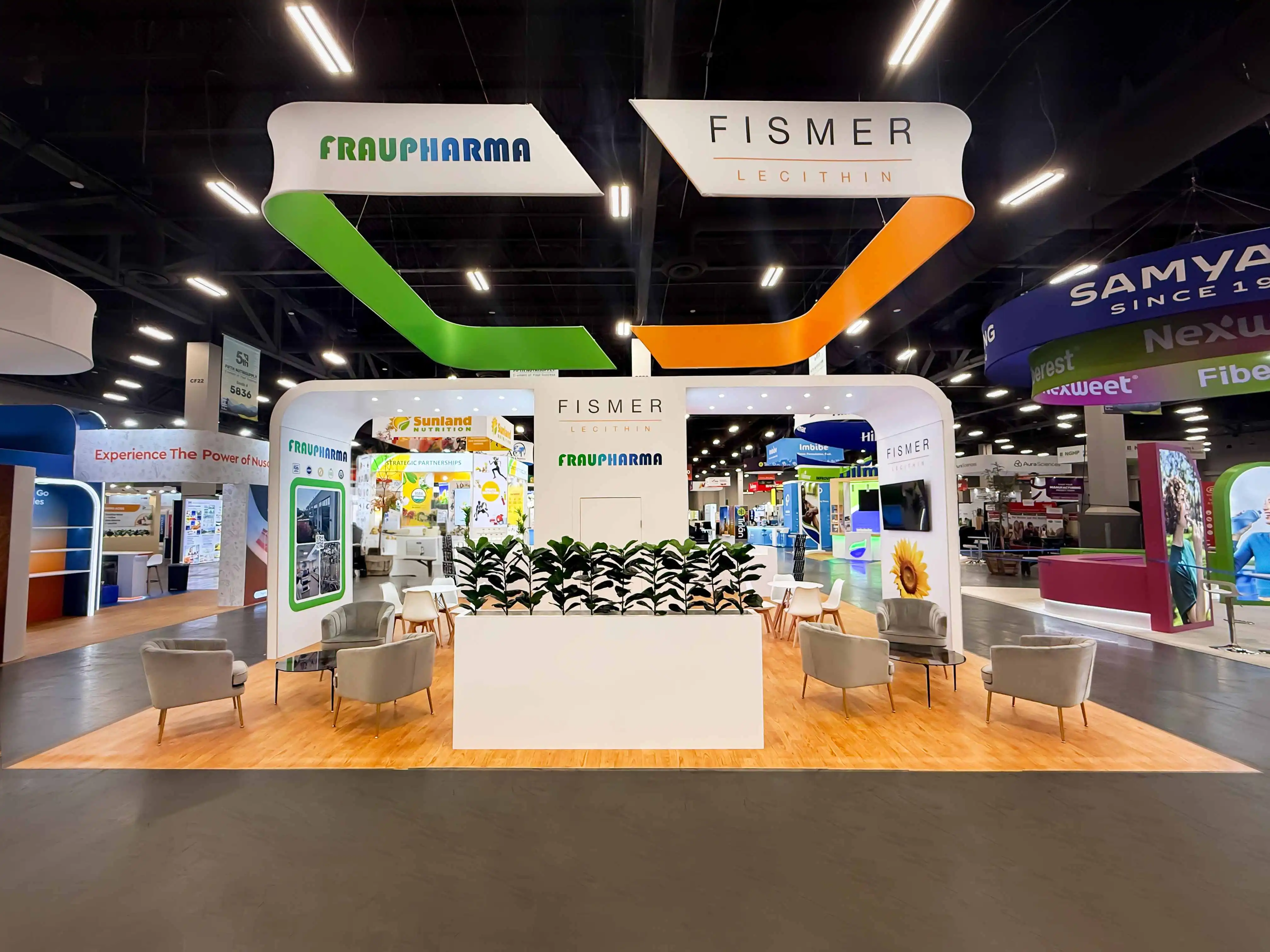
Essential Trade Show Booth Design Checklist for B2B Buyers at BIO 2026
Systematic planning guarantees that exhibition investments provide quantifiable results and avoids expensive oversights. This framework, which includes careful trade show booth design strategies, is the result of years of working with customers at significant conventions in the industrial, energy, technology, and medical sectors.
Define Clear Business Objectives and Success Metrics
Vague goals like "increasing brand awareness" provide insufficient direction for design decisions. Quantifiable targets such as "capture 150 qualified leads" or "schedule 40 private demonstrations" enable strategic spatial planning. A company prioritizing lead volume might allocate more square footage to open engagement areas with multiple staff stations. Conversely, exhibitors focusing on high-value enterprise relationships might dedicate premium space to private meeting rooms with acoustic isolation and premium furnishings. Understanding audience profiles—whether targeting procurement managers, research scientists, or C-suite executives—informs aesthetic choices, messaging tone, and technology integration strategies.
Specify Materials Balancing Durability with Visual Appeal
Surface selections must withstand repeated assembly cycles while maintaining pristine appearance under harsh convention lighting. We specify materials tested for colorfastness, scratch resistance, and structural integrity under varying temperature and humidity conditions. Locking hardware should exceed minimum load ratings, particularly for overhead elements in compliance with venue structural requirements. All soft goods require NFPA 701 certification for fire retardancy—a non-negotiable specification enforced by convention centers through pre-show inspections. These technical requirements coexist with aesthetic considerations, ensuring practical specifications never compromise the visual impact driving attendee engagement.
Evaluate Technology Integration Supporting Sales Process
Digital elements should enhance rather than distract from human interactions. Touchscreen interfaces displaying product catalogs allow visitors to self-explore offerings before engaging staff, increasing conversation efficiency. Lead capture systems integrated with CRM platforms ensure contact information collected during busy show days flows immediately into sales pipelines. Power distribution planning becomes critical—modern booths require substantial electrical capacity for displays, lighting, demonstration equipment, and device charging stations. We coordinate these technical requirements with venue contractors early in planning cycles, avoiding last-minute surprises that derail installation schedules.
Conduct Rigorous Vendor Selection and Contract Review
Exhibition partnerships involve significant trust—vendors must deliver on promises when failure means losing your primary annual marketing opportunity. We recommend evaluating potential partners on portfolio diversity, client references specific to your industry, and crisis management capabilities. Contract terms should clearly specify deliverables, installation timelines, onsite support availability, and liability coverage. Understanding what's included versus what incurs additional charges prevents budget overruns. Payment schedules typically require deposits months before events, making vendor financial stability a legitimate due diligence consideration.
Plan Installation Logistics and Onsite Management
Successful booth installations require choreographing numerous moving parts within compressed timelines. Material shipping to convention centers follows strict schedules—missing advance warehouse deadlines forces premium direct-to-show-floor delivery fees. Our teams coordinate with general contractors managing electrical, plumbing, and internet installations, ensuring all utilities activate before booth construction begins. Onsite supervision during installation catches problems early when solutions remain manageable, rather than discovering issues during exhibitor move-in when options narrow considerably. Post-show dismantle and shipping arrangements require equal attention, ensuring valuable booth components return safely to storage rather than suffering damage during rushed teardowns.
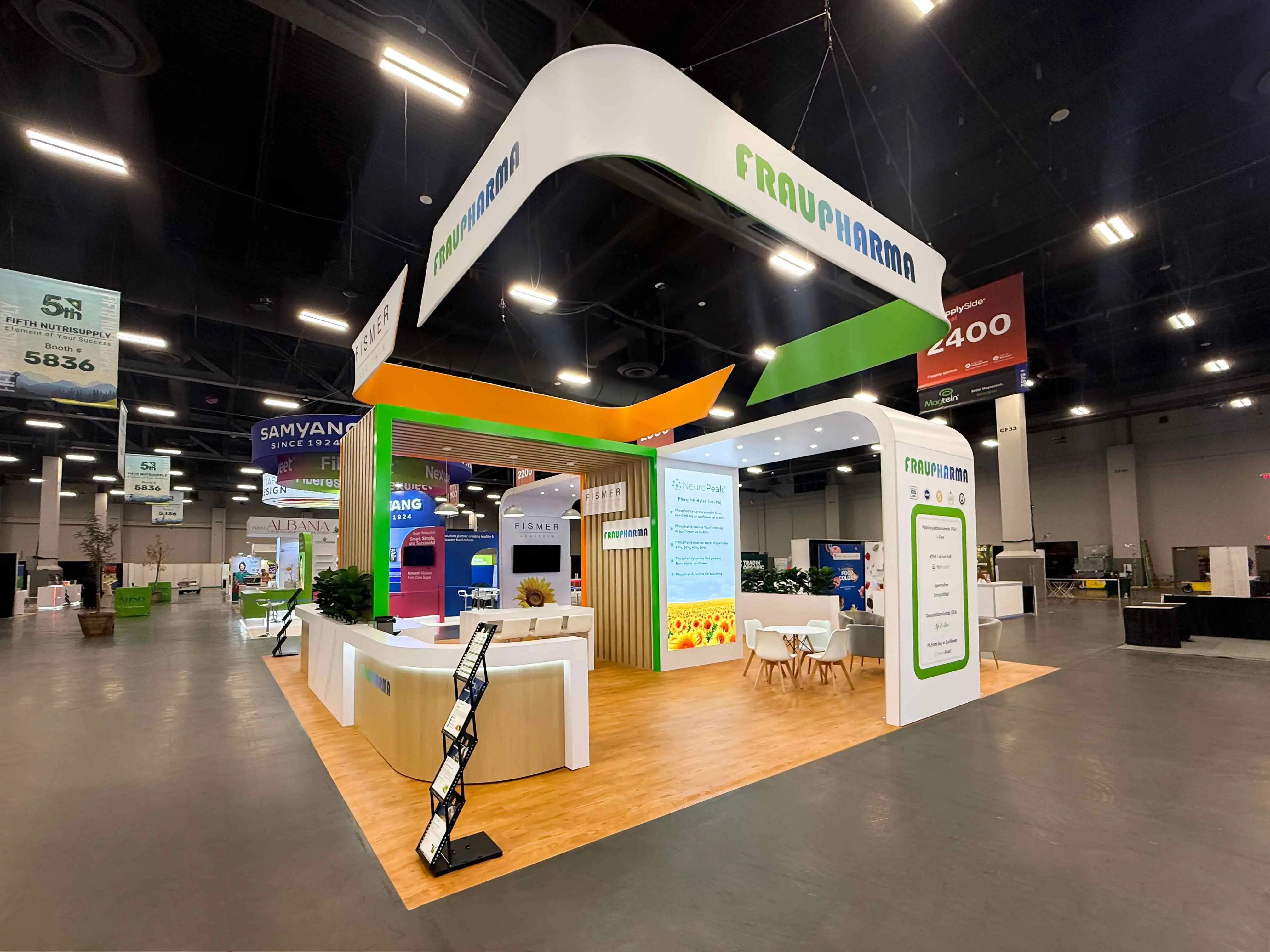
Future-Proofing Your BIO Convention Booth: Trends Beyond 2026
Strategic procurement decisions account for evolutionary trends reshaping exhibition environments over the coming years. We monitor these developments closely to guide clients toward investments, including trade show booth design, that deliver extended value.
Artificial Intelligence Personalizing Visitor Experiences
AI-powered systems will soon recognize returning visitors and adapt displays to match previous interests, creating personalized experiences at scale. Predictive analytics might identify high-potential prospects based on behavioral patterns, alerting staff to prioritize specific conversations. These capabilities require booth infrastructure supporting substantial data processing—robust internet connectivity, sophisticated sensors, and integration with broader marketing technology stacks. Early adopters gain competitive advantages, though implementations must respect privacy concerns increasingly prominent in healthcare and biotech contexts.
Holographic Displays Eliminating Physical Product Requirements
Three-dimensional holographic projections will allow pharmaceutical companies to showcase products without transporting physical inventory to convention sites. Medical device manufacturers can demonstrate equipment functionality through photorealistic holograms occupying minimal floor space compared to actual machinery. This technology particularly benefits international exhibitors reducing shipping expenses and customs complexities. As holographic systems achieve mainstream affordability, booth designs will evolve to incorporate dedicated projection zones with optimal viewing angles and controlled ambient lighting.
Hybrid Event Infrastructure Supporting Dual Audiences
Post-pandemic event strategies increasingly blend physical and virtual attendance. Future booth designs will integrate camera systems, lighting optimized for broadcast quality, and acoustic treatments ensuring clear audio for remote participants. This hybrid approach expands reach beyond convention attendees, though it requires rethinking spatial design to accommodate filming requirements without compromising in-person experiences. Exhibitors must consider how booth aesthetics translate through screens, ensuring branding elements remain effective in both physical and digital contexts.
Circular Economy Principles Minimizing Material Waste
Sustainability evolution extends beyond using recycled materials to designing for complete lifecycle management. Future procurement specifications will emphasize component repurposing, standardized connections enabling cross-system compatibility, and take-back programs where manufacturers reclaim and refurbish booth elements. This circular approach reduces total environmental impact while potentially lowering long-term costs as secondary markets develop for quality used exhibition components. Biotech companies leading in corporate responsibility will drive demand for these regenerative business models.
Beyond BIO 2026, we see exhibitors participating in major June events throughout the country. CLEANPOWER in Houston (June 1-4) attracts renewable energy innovators requiring industrial-scale exhibition solutions. InfoComm in Las Vegas (June 13-19) showcases audiovisual technologies in displays demanding cutting-edge integration. The NFPA Conference in Las Vegas (June 22-24) and Automate Show in Chicago (June 22-25) run concurrent with BIO, presenting opportunities for exhibitors active across multiple sectors. Our capabilities span these diverse industries—we design and build custom solutions for technology launches, manufacturing showcases, medical presentations, and corporate branding initiatives regardless of venue or industry vertical.
Conclusion
Strategic exhibition design represents a significant investment requiring careful consideration of immediate needs and long-term value. The trends shaping BIO 2026—digital interactivity, environmental responsibility, and modular flexibility—reflect broader shifts in how companies approach trade show marketing. Successful exhibitors recognize that trade show booth design extends beyond visual appeal to encompass functional excellence, strategic positioning, and measurable business outcomes.
As biotech and life sciences industries continue evolving, exhibition strategies must adapt correspondingly, balancing innovation with practical execution. Procurement decisions made today influence marketing capabilities for years ahead, making thorough evaluation of design approaches, material specifications, and vendor partnerships essential for maximizing exhibition ROI and competitive positioning.
FAQ
Q1: What budget should we allocate for BIO 2026 booth design?
A: Budget allocations vary dramatically based on booth size and customization level. Portable solutions for 10x10 spaces may require $5,000-$15,000 including graphics and accessories. Quality modular systems for 20x20 configurations typically range $30,000-$60,000. Custom island booths exceeding 30x30 often involve six-figure investments when including design fees, fabrication, graphics, technology integration, and installation services. We recommend allocating 15-20% of total event budgets for booth-related expenses, encompassing design, construction, shipping, installation labor, and storage between events.
Q2: How far in advance should we begin booth design planning?
A: Comprehensive booth projects require 4-6 months lead time for optimal outcomes. Custom fabrication involves design approval cycles, engineering drawings, material procurement, construction, quality control, and logistics coordination—rushing these phases compromises quality. We can execute accelerated timelines when necessary, though compressed schedules limit design iterations and material options. Early engagement also secures preferred installation time slots during exhibitor move-in, avoiding premium labor rates for after-hours installations that late planners sometimes require.
Q3: Can existing booth components be updated for BIO 2026?
A: Most quality modular and custom booths accommodate refreshes without complete replacement. Graphics panels interchange easily, allowing messaging updates reflecting current product portfolios. Technology upgrades—replacing older monitors with current displays or adding interactive elements—rejuvenate existing structures cost-effectively. We regularly assess client booth inventories, recommending strategic enhancements delivering maximum impact relative to investment. Sometimes targeted updates achieve greater returns than complete redesigns, particularly when underlying booth architecture remains structurally sound and aesthetically relevant.
Partner With HR Exhibits Service, Inc. for Your BIO 2026 Success
Exhibiting at BIO International Convention demands an exhibition partner combining creative vision with flawless execution capabilities. HR Exhibits Service, Inc. specializes in designing and constructing custom and modular booth solutions for biotech, pharmaceutical, medical device, and life sciences companies seeking competitive advantages on the show floor. Our Las Vegas-based facility and experienced team support exhibitors at BIO 2026 in San Diego and across North America, managing every detail from initial concepts through onsite installation and post-show logistics.
We serve as your dedicated trade show booth design manufacturer, delivering turnkey solutions that transform exhibition spaces into strategic marketing assets generating qualified leads and strengthening brand positioning. Reach out to our team at info@hrexhibits.com to discuss your BIO 2026 objectives and discover how our comprehensive approach to exhibition architecture can elevate your presence at this crucial industry event.
References
1. Freeman Company. "2025 Trade Show Trends Report: Technology Integration in Exhibition Environments." Freeman Research Institute, 2025.
2. Center for Exhibition Industry Research (CEIR). "Evolution of Sustainable Practices in Trade Show Design and Operations." CEIR Industry Analysis, 2025.
3. Biotechnology Innovation Organization. "BIO International Convention Exhibitor Success Metrics and Best Practices." BIO Convention Services, 2025.
4. Exhibitor Magazine. "Modular Booth Systems: ROI Analysis for Multi-Event Exhibition Strategies." Exhibitor Media Group, 2024.
5. International Association of Exhibitions and Events (IAEE). "Future of Trade Shows: Hybrid Event Infrastructure and Visitor Experience Design." IAEE Professional Development Series, 2025.
6. Trade Show Executive. "Material Science and Booth Construction: Fire Safety Standards and Sustainability Innovations." TSE Technical Guide, 2025.

Embark on Your Journey to Exceptional Exhibitions! Contact HR Exhibits Today to Transform Your Vision into Global Success.
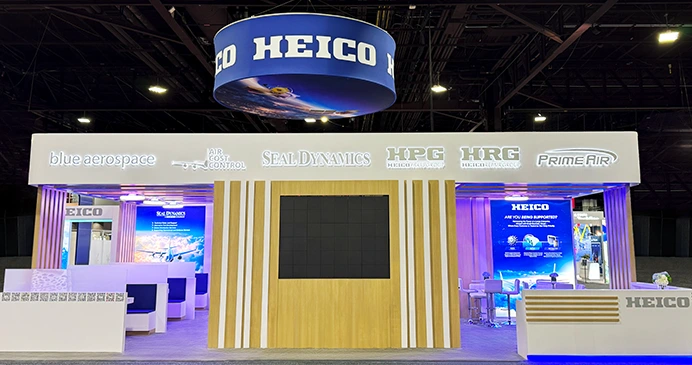
HR Exhibits Service, Inc.