A guide to successfully setting up your trade show booth
It takes careful planning, expert execution, and a thorough grasp of how physical locations turn visitors into qualified leads to set up your trade show booth successfully. The most effective B2B marketing tool for your company is a well-designed exhibition stand, which combines visual impact, practical design, and easy logistics to provide memorable encounters that influence procurement choices. The success of your booth directly affects lead generation, brand positioning, and return on investment in competitive international markets, whether you're introducing goods at CES, exhibiting breakthroughs at NAB Show, or cultivating partnerships at IMTS.

Understanding the Basics of Trade Show Booths
What Constitutes a Professional Exhibition Stand?
An exhibition stand is more than just a transient building; it's a brand environment that's created to support important commercial discussions. Expert booths include architectural frames made of custom-milled substrates or anodized aluminum extrusion profiles, together with strategic lighting systems, high-resolution graphics, and functional areas for private meetings and product demonstrations. These buildings must sustain large equipment loads for a variety of sectors, including manufacturing and medical technology, while adhering to strict fire safety regulations like NFPA 701 certification.
Strategic Benefits in Procurement Contexts
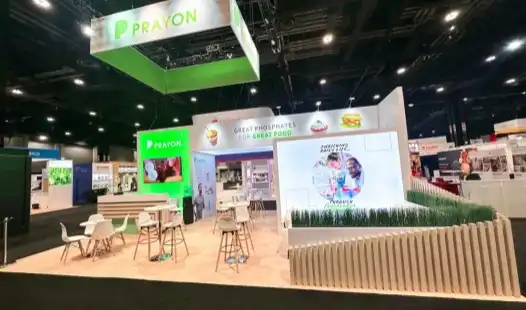
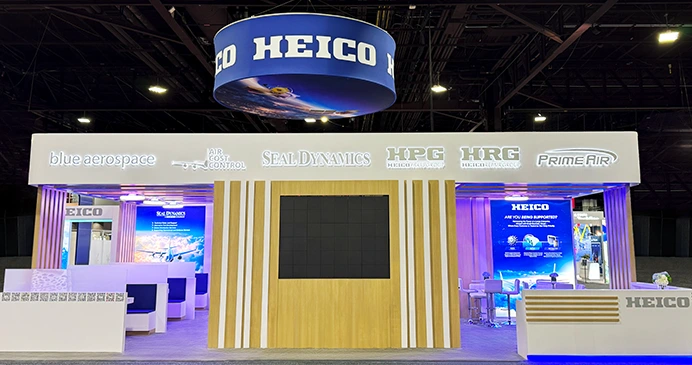
Exhibition spaces provide in-person product assessments that are not possible via digital channels, which speeds up B2B procurement procedures. Within controlled brand experiences, distributors analyze partnership possibility, engineers study technical specs directly, and purchasing managers evaluate construction quality. Custom booths are used by organizations like Prayon at IFT FIRST and HEICO Corporation at MRO Americas to showcase operational skills that boost supplier credibility and reduce decision-making times for high-value contracts.
Common Booth Types and Size Considerations
Different display types fulfill different strategic objectives. For companies like Sieyuan Electric at RE+ demonstrating sophisticated renewable energy systems, custom buildings provide total creative flexibility with integrated technology and second-level meeting areas. Modular solutions maximize asset use for multi-show exhibitors by offering changeable frameworks that change from 20x20 island configurations to 10x10 inline installations. Smaller venues and regional roadshows benefit from portable solutions. Standard sizes vary from 40x40 island layouts for big companies to 10x10 inline booths for startups; the amount of space allotted depends on the needs for product demonstrations, expected traffic numbers, and financial constraints.
Essential Components for Visitor Engagement
Multiple functional features are balanced in effective booths. Reception counters designed with lead capture technology and literature storage, cable-managed presentation tables, and cozy chairs for long consultations are among the furniture options. High-CRI LED arrays (Color Rendering Index > 90) are used in lighting systems to guarantee accurate product color representation, and visitor focus may be controlled by adjusting the temperature between 3000K and 5000K. Graphics use direct-to-substrate printing or tension fabric techniques with silicone-edge framing to provide vivid brand message that can be seen on crowded exhibit floors. These elements complement one another; during Glookast's NAB Show presentation, smooth broadcast demos that successfully engaged media professionals were made possible by integrated AV equipment inside bespoke cabinets.

Step-by-Step Trade Show Booth Setup Guide
Identifying Common Setup Challenges
In convention venues, exhibitors often face space limitations, as adjacent booths create visual rivalry and column placements interfere with sightlines. Strict freight schedules, unionized labor laws demanding authorized installers, and drayage prices that often surpass shipping costs all contribute to logistical challenges. Poor visual hierarchy is a common problem in brand communications; too complicated visuals confuse users instead of directing them to important items. When trade show booth design lacks clear access points or creates bottlenecks around demonstration areas, traffic flow issues arise, decreasing possibilities for interaction during peak show hours.
Analyzing Root Causes of Setup Failures
Inadequate pre-show preparation is the root cause of many setup problems. Brands are unable to predict how guest mobility patterns impact booth orientation if they do not do a thorough floor plan study. During fire marshal inspections, businesses who are not aware with venue laws find significant compliance issues that result in expensive last-minute changes. Structures that seem spectacular but lack useful zones for lead qualifying discussions are the consequence of misalignment between marketing teams and booth builders. Inaccurate weight estimations in crate specifications result in unforeseen forklift charges and longer installation times, which reduce setup windows and raise labor expenses.
Key Principles for Functional Design
Proven spatial concepts are the foundation of successful booth architecture. The "open corner" strategy invites attendees to enter from a variety of directions by placing substantial barriers in the direction of booth neighbors while maintaining translucent perimeter boundaries. Tower structures and hanging signage are examples of vertical branding components that guarantee visibility across exposition rooms where rival booths produce visual cacophony. Clear routes that organically direct guests from eye-catching front displays to demonstration zones and private meeting spaces are included into traffic flow design. These ideas were used at Infocomm by organizations like Moka Technology, which created multi-layered experiences where participants moved from interactive product displays to technical consulting areas without feeling compelled.
Real-World Case Study: Manufacturing Technology Excellence
Etxetar and GURUTZPE encountered the difficulty of showcasing large industrial gear on higher levels with weight restrictions when they took part in IMTS. In order to distribute equipment loads across larger surface areas and create beneath-floor plenums for three-phase electrical wiring, the solution included specially designed raised flooring systems with Belfast floor structure. Alongside CNC equipment, modular wall systems with integrated tool storage showed organizational efficiency. Precision manufacturing skills were emphasized by strategically placed lights above machine beds, while separate, enclosed conference rooms offered peaceful areas for contract talks. OEM customers looking for long-term manufacturing collaborations provided qualifying leads as a consequence of this functional strategy.
Practical Pre-Show Checklist
On-site issues are reduced by thorough planning. Eight weeks prior to show dates, make sure all material certifications (such as electrical inspection reports and fire retardancy documents) meet venue criteria. Shipping timetables should be coordinated with warehouse deadlines in advance, usually five days prior to show opening. To expedite drayage processing, pre-label every container with booth numbers and detailed material descriptions. For union work teams, provide comprehensive installation drawings that include the locations of compressed air, internet connections, and electrical drops. Plan training sessions for booth employees that include lead collection procedures, product presentations, and shift rotations. To handle last-minute damage during freight transportation, include backup graphics and necessary equipment in carry-on baggage.

Trade Show Booth Design Tips and Marketing Strategies
Clear Branding Tailored to B2B Audiences
Exhibitors are assessed by professional audiences based on their operational competence and trustworthiness. Procurement managers want instant clarity on product categories, technical capabilities, and service breadth, so brand expression must strike a balance between visual impact and meaningful message. Strategic roles are played by color psychology: green color schemes boost sustainability narratives for renewable energy exhibitors, while blue tones communicate dependability for businesses like Al Khafji Joint Operations at OTC.
With big headlines outlining value propositions and subordinate text outlining requirements, typographic hierarchies direct attention. To assist engineers envision implementation possibilities, photography should show items in real-world contexts rather than sterile studio ones. All of these elements come together through thoughtful trade show booth design, ensuring that your brand's message is both clear and compelling.
Modular Versus Custom Design Trade-offs
Modular systems are appropriate for exhibitors attending six or more yearly exhibitions across a range of booth sizes because they provide reconfiguration flexibility and save storage costs via standardized components. By using tool-less assembly, these frameworks allow for fewer installation teams and less labor costs. Unrestricted creative flexibility is provided by custom constructions, which may include brand-specific architectural features, integrated technology installations, and distinctive spatial layouts that are not achievable with modular limits.
Custom investments that create unique brand landmarks within crowded technology pavilions benefit companies exhibiting at signature annual events, such as Seastar Corporation, AISPEX, Rexing, and Xtreme at CES. Higher initial costs are justified by superior memorability and engagement metrics.
Expert Lighting Techniques for Product Visibility
Booth surroundings are transformed from simple screens into immersive experiences via the use of lighting techniques. Narrow-beam LED spotlights are used for accent lighting, which draws customers from aisles by highlighting hero goods. Backlighting tension fabric graphics ensures that brand message is viewable from all sides by producing uniform illumination without hot spots.
Real-time adjustments depending on ambient hall conditions are possible with adjustable track lighting, which dims during bright morning sessions and intensifies when natural light declines. The choice of color temperature affects how visitors behave: during ASD Market Week, cosmetics exhibitors like Khadlaj Perfumes and Lattafa Perfumes create friendly environments with warmer 3000K tones, while industrial equipment exhibits benefit from colder 5000K temps that accentuate metal surfaces.
Innovative Technology Integration and Sustainable Materials
In crowded exposition spaces, interactive features set booths apart. Self-guided product discovery is made possible by large-format touchscreens, which also record visitor interaction data and lessen staff strain during periods of high traffic. Particularly useful for businesses like VideoRay showcasing underwater robots at OTC, augmented reality technologies allow guests to see equipment installations in their own facilities.
Virtual reality experiences create emotional connections beyond static displays by immersing visitors in operational locations, such as television control centers, hospital operating rooms, or mining sites. Procurement decisions are increasingly influenced by sustainable material choices: biodegradable graphic substrates, recyclable aluminum frames, and rental schemes that remove post-show trash appeal to corporate sustainability objectives while lowering exhibitor carbon footprints.
Comprehensive Marketing Tactics Across Show Phases
Twelve weeks before to events, pre-show advertising starts with targeted email ads to registered guests that provide meeting incentives or exclusive booth demos. Social media teasers create excitement among industry followers by showcasing booth renderings and product sneak peeks. Scheduled product demos at regular intervals are one of the on-site interaction tactics that reduce booth congestion by establishing predictable traffic patterns.
Lead capture technology guarantees prompt data gathering with personalized follow-up triggers by integrating badge scanners with CRM systems. Successful exhibitors stand out from rivals thanks to post-show follow-ups, which include segmented messaging depending on visitor engagement levels, targeted outreach within 48 hours when discussions are still fresh, and nurturing sequences that last six weeks after the event to continue momentum toward procurement decisions.

Making Informed Procurement Decisions for Your Trade Show Booth
Rental Versus Purchase Analysis
Exhibitors that visit fewer than four yearly events or businesses exploring new markets prior to making a financial commitment are well suited for rental programs. For teams that are not experienced with venue management, rental agreements usually include installation services, on-site assistance, and post-show disassembly. For businesses with regular display schedules, purchase choices make financial sense since they may amortize expenses across many deployments while retaining total brand management.
Companies that exhibit at SupplySide Global every year, such as Layn Natural Ingredients Corp., TCI Bio, and Fismer Lecithin, benefit from owned assets that support brand consistency over several event years and enable gradual improvements to technology and graphics components without requiring complete rebuilds. This strategic approach is supported by well-executed trade show booth design that evolves with the brand while maintaining visual coherence and impact.
Material Durability and Eco-Conscious Choices
Substrate selection impacts both longevity and environmental footprint. High-pressure laminate surfaces withstand repeated installations better than vinyl wraps, maintaining appearance quality through dozens of show cycles. Aluminum frameworks offer superior durability compared to wooden alternatives, resisting warping during climate-controlled storage and supporting heavier graphic panels without structural reinforcement.
Eco-conscious procurement increasingly considers lifecycle impacts: modular systems with interchangeable components reduce waste, LED lighting consumes less energy than halogen alternatives, and fabric graphics enable washing and reuse rather than disposal after single events. These choices align with corporate sustainability reporting requirements while delivering operational cost reductions.
Essential Supplier Selection Criteria
Vetting exhibition service providers requires examining multiple competency indicators. Review portfolios demonstrating experience within your specific industry—suppliers familiar with medical device regulations understand compliance requirements that general contractors might overlook. Verify certifications including business licenses, liability insurance coverage adequate for venue requirements, and any union affiliations necessary for labor jurisdiction compliance.
Client testimonials from companies like Radio.Cloud and EMAM Inc., who exhibited at NAB Show, provide insights into communication responsiveness and problem-solving capabilities during high-pressure installation windows. Site visit opportunities to fabrication facilities reveal production capacities, quality control processes, and material inventory depth that ensure on-time delivery.
Logistics Management for Seamless Execution
Professional logistics coordination separates successful exhibitions from operational disasters. Advance warehouse services provided by venues receive freight up to 30 days before shows, reducing rush shipping costs and drayage premiums. Consolidated shipping combines booth components with promotional materials in shared containers, lowering per-unit freight expenses for international exhibitors.
On-site support teams stationed at convention centers during installation provide immediate responses to unexpected challenges—missing hardware, damaged graphics, or utility connection issues—preventing delays that cascade into incomplete booth setups. Post-show white glove services include careful dismantling, crate repacking, and return shipping coordination, protecting assets during reverse logistics while allowing booth staff to focus on lead follow-up activities immediately after events conclude.
Procurement Resources and Our Trade Show Booth Solutions
Comprehensive Offerings for Diverse Client Needs
We provide end-to-end exhibition solutions spanning initial concept development through on-site execution and post-show asset management. Our custom design services create unique brand environments tailored to specific product demonstration requirements, whether showcasing broadcast technology for clients like Vela at NAB Show or highlighting automotive innovations for Gtechniq at SEMA. Modular rental programs offer flexibility for exhibitors testing new show participation or managing variable budget allocations across multiple annual events.
Hybrid approaches combine owned structural elements with rented accessories, optimizing capital deployment while maintaining brand consistency. All of these solutions are supported by expertly crafted trade show booth designs that ensure seamless integration of your brand message and exhibit goals.
Our Las Vegas-based fabrication facility provides crucial local support advantages. International and out-of-state exhibitors participating in Las Vegas exhibitions—CES, CONEXPO, NAB Show—benefit from reduced shipping distances, extended installation windows free from cross-country freight uncertainties, and immediate access to our technical teams for last-minute modifications. This local presence proved essential for clients across technology, broadcasting, manufacturing, and specialty industries who require responsive support within tight convention center schedules.
Accessory Availability and Turnkey Solutions
Complete booth functionality requires integrated accessory ecosystems beyond basic structures. Our furniture collections include reception counters with locking storage, height-adjustable demonstration tables accommodating varied product sizes, and ergonomic seating for extended client consultations. Lighting packages feature adjustable LED track systems, fabric backlighting kits, and accent spotlights with dimming controls, enabling precise ambiance creation. Graphic production services deliver tension fabric panels, rigid substrate printing, and vinyl applications across any surface requirement. Audio-visual integration incorporates display mounting, cable management systems, and technology furniture designed around specific equipment dimensions.
Logistical support services address the complex coordination requirements that burden exhibitors unfamiliar with venue operations. We manage advance warehouse bookings, coordinate material handling with show-appointed contractors, and schedule union labor crews across installation phases. Our team navigates fire marshal inspections, electrical certifications, and structural permits that vary across venues. On-site supervision throughout installation ensures adherence to design specifications while making real-time adjustments for unexpected spatial challenges. This turnkey approach allows marketing teams to focus on visitor engagement strategies rather than construction logistics.
Proven Expertise Across Major Industry Events
Our portfolio spans premier B2B exhibitions where professional credibility determines procurement outcomes. At SupplySide Global, we've supported ingredient suppliers including Frau Pharma, Caldic, Eva Nutra, Amapharm GmbH, Huangshan Capsule, and Duas Rodas with booth environments that facilitate technical conversations about formulation capabilities.
Aviation industry experience includes complex builds for HEICO Corporation, Unical Aviation Inc., and SIA Engineering Company at MRO Americas, where booth designs accommodated heavy component displays and private negotiation spaces. Energy sector projects for Offshore Technology Conference exhibited operational scale through custom structures that conveyed technical sophistication to engineering audiences.
Consumer goods exhibitions require different design approaches balancing visual appeal with product sampling logistics. Our work with Universal Perfumes & Cosmetics Inc. at ASD Market Week created inviting environments where retail buyers evaluated fragrance collections comfortably. Technology showcases demanded interactive experiences—our CES builds integrated demonstration stations allowing attendees hands-on product exploration under guided staff supervision. This breadth of industry expertise ensures we understand the unique functional requirements, regulatory considerations, and audience expectations specific to your exhibition environment.
Building Trust Through Client Success Stories
Long-term relationships with returning clients demonstrate our commitment to measurable results. Companies participating in annual industry events rely on our institutional knowledge—we understand their brand evolution, product launch cycles, and changing exhibition strategies. Feedback from procurement professionals at organizations like SCT and Moka Technology highlights our responsiveness during planning phases, accuracy in cost estimation preventing budget surprises, and problem-solving capabilities when unexpected challenges arise on show floors.
Our collaborative approach involves stakeholders across marketing, operations, and procurement teams from initial consultations through post-show evaluations. Detailed project documentation provides transparency regarding material selections, construction methodologies, and timeline dependencies. Regular progress updates during fabrication phases include photography documenting build quality before shipping. Post-show debriefs capture lessons learned and improvement opportunities that inform future exhibition strategies, creating continuous optimization cycles that enhance return on exhibition investments over time.
Conclusion
Successful exhibition participation demands strategic alignment between brand objectives, audience expectations, and operational execution. Professional trade show booth design and setup services transform physical spaces into powerful B2B marketing assets that generate qualified leads, strengthen brand positioning, and accelerate procurement decisions. From understanding fundamental booth types and navigating setup challenges to implementing advanced design strategies and making informed procurement choices, every decision impacts your exhibition ROI.
The integration of innovative technology, sustainable materials, and comprehensive marketing tactics creates memorable experiences that differentiate your brand within competitive show environments. Partnering with experienced exhibition service providers ensures seamless logistics management, regulatory compliance, and on-site support that protects your marketing investment while allowing your team to focus on relationship building and lead conversion.
FAQ
Q1: What booth size works best for different exhibitor types?
A: Startup companies typically begin with 10x10 inline spaces, providing sufficient area for focused product demonstrations and small meeting tables while managing budget constraints. Mid-size corporations often select 20x20 island configurations offering visibility from multiple aisles, accommodating separate demonstration zones and private meeting areas. Large enterprises exhibiting at flagship events choose 30x30 or 40x40 islands enabling second-story meeting rooms, multiple product theaters, and hospitality spaces that support dozens of simultaneous visitor interactions.
Q2: How far in advance should booth planning begin?
A: Custom booth projects require 16-20 weeks lead time from initial design consultations through final installation. This timeline includes concept development, detailed engineering, material procurement, fabrication, shipping coordination, and on-site installation. Modular rental programs offer shorter 8-12 week windows, though earlier booking ensures preferred inventory availability during peak show seasons when popular configurations face high demand.
Q3: Does renting or purchasing provide better value?
A: The break-even analysis typically favors purchasing for exhibitors attending four or more shows annually with consistent booth sizes. Rental programs suit companies exploring new markets, participating in occasional events, or requiring different configurations across varied show schedules. Hybrid approaches—owning core structural elements while renting accessories and graphics—balance flexibility with cost efficiency for many B2B exhibitors managing diverse annual exhibition portfolios.
Partner with Proven Trade Show Booth Manufacturers
HR Exhibits Service, Inc. brings decades of specialized expertise as a trusted trade show booth manufacturer serving B2B exhibitors across technology, manufacturing, medical, energy, and consumer goods industries. Our Las Vegas-based fabrication facility and experienced team guide clients from initial concept through flawless on-site execution, delivering custom and modular solutions that generate measurable procurement results.
We've supported major brands at CES, NAB Show, IMTS, MRO Americas, SupplySide Global, and dozens of additional industry exhibitions with booths engineered for maximum impact and operational reliability. Contact our team at info@hrexhibits.com for personalized consultations and detailed quotes aligned with your exhibition objectives, budget parameters, and brand positioning goals. Explore our comprehensive service portfolio and discover how strategic booth design transforms trade show participation into powerful B2B marketing advantages.
References
1. Trade Show Executive. "Best Practices in Exhibit Design and Lead Generation Strategies for B2B Marketers." Trade Show Executive Magazine, 2023.
2. Center for Exhibition Industry Research. "The Impact of Trade Show Participation on B2B Procurement and Sales Cycles." CEIR Research Report, 2022.
3. Exhibit Surveys, Inc. "Attendee Engagement Metrics and Booth Design Effectiveness Study." Annual Exhibition Industry Analysis, 2023.
4. International Association of Exhibitions and Events. "Standards and Guidelines for Trade Show Construction and Safety Compliance." IAEE Professional Development Series, 2023.
5. Freeman Company. "The Evolution of Exhibition Environments: Technology Integration and Sustainable Practices in Modern Booth Design." Industry White Paper, 2022.
6. Event Marketing Institute. "Measuring ROI from Trade Show Investments: A Comprehensive Framework for B2B Exhibitors." EMI Research Publication, 2023.

Embark on Your Journey to Exceptional Exhibitions! Contact HR Exhibits Today to Transform Your Vision into Global Success.
HR Exhibits Service, Inc.