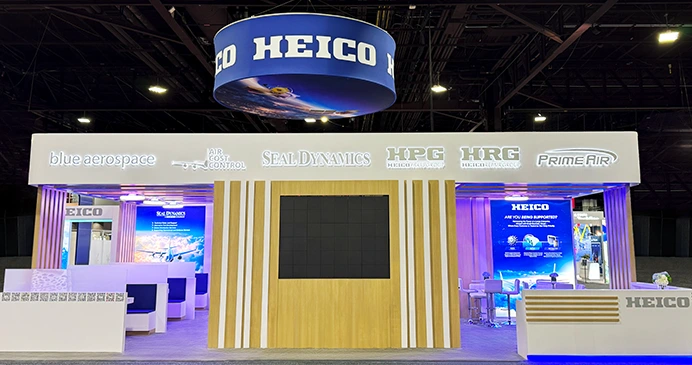
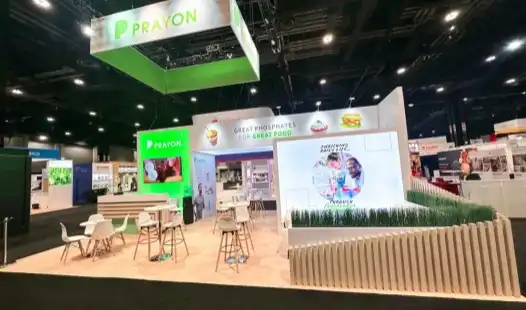
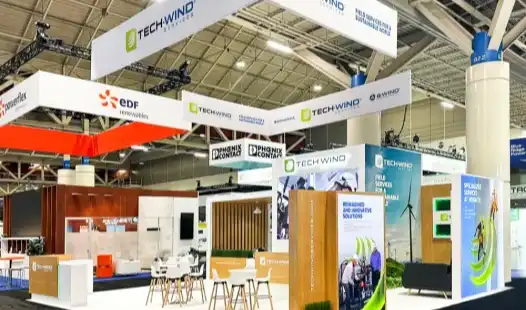
Designing a custom trade show display involves a comprehensive approach that transforms your brand vision into a compelling exhibition presence. The process encompasses strategic planning, creative design development, material selection, and meticulous execution to create displays that captivate audiences and generate meaningful business connections. Unlike standard booth rentals, custom exhibition solutions offer unique branding opportunities, enhanced visitor engagement, and measurable return on investment for companies participating in professional trade shows and industry events.
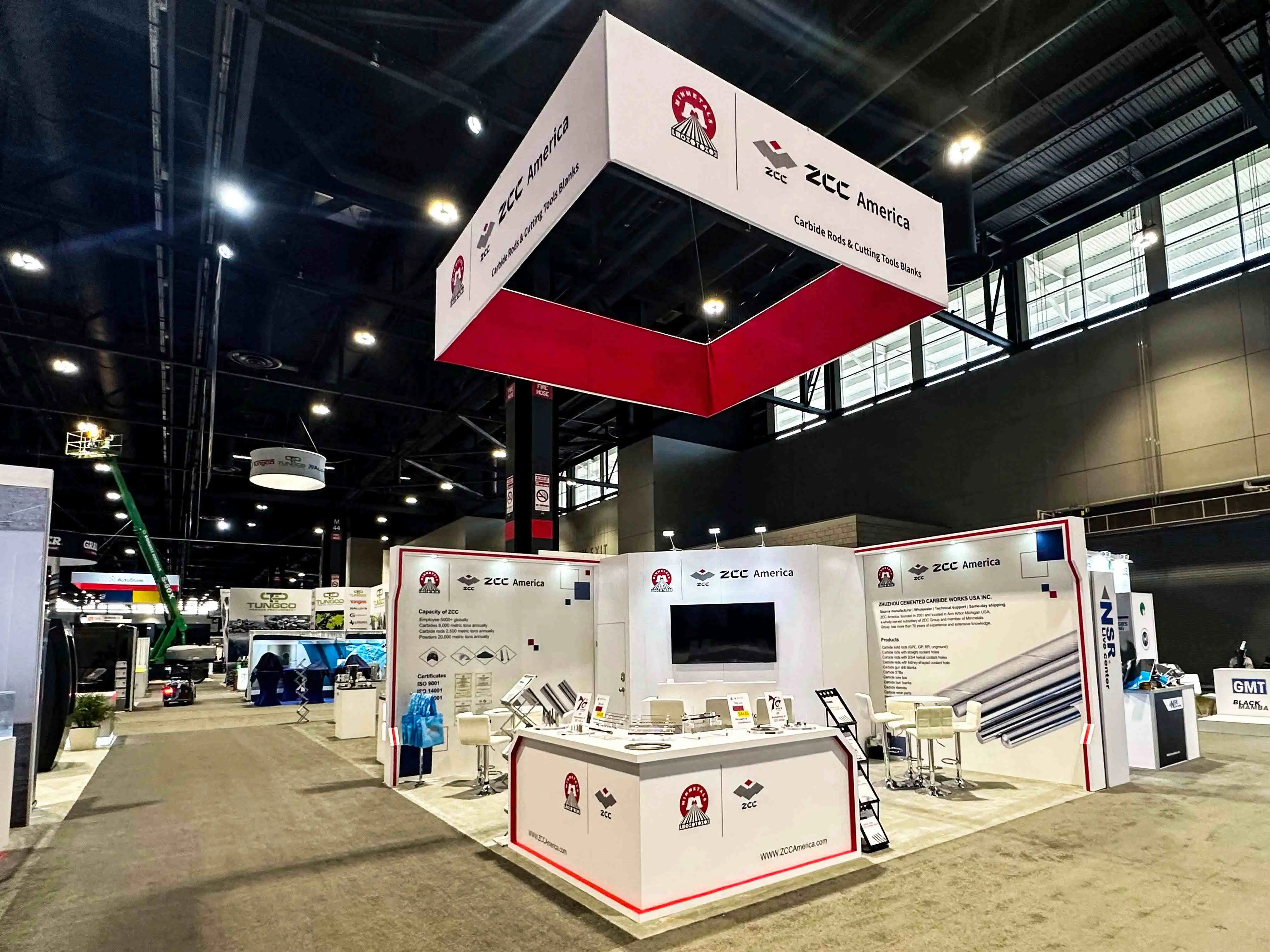
Understanding Custom Trade Show Display Fundamentals
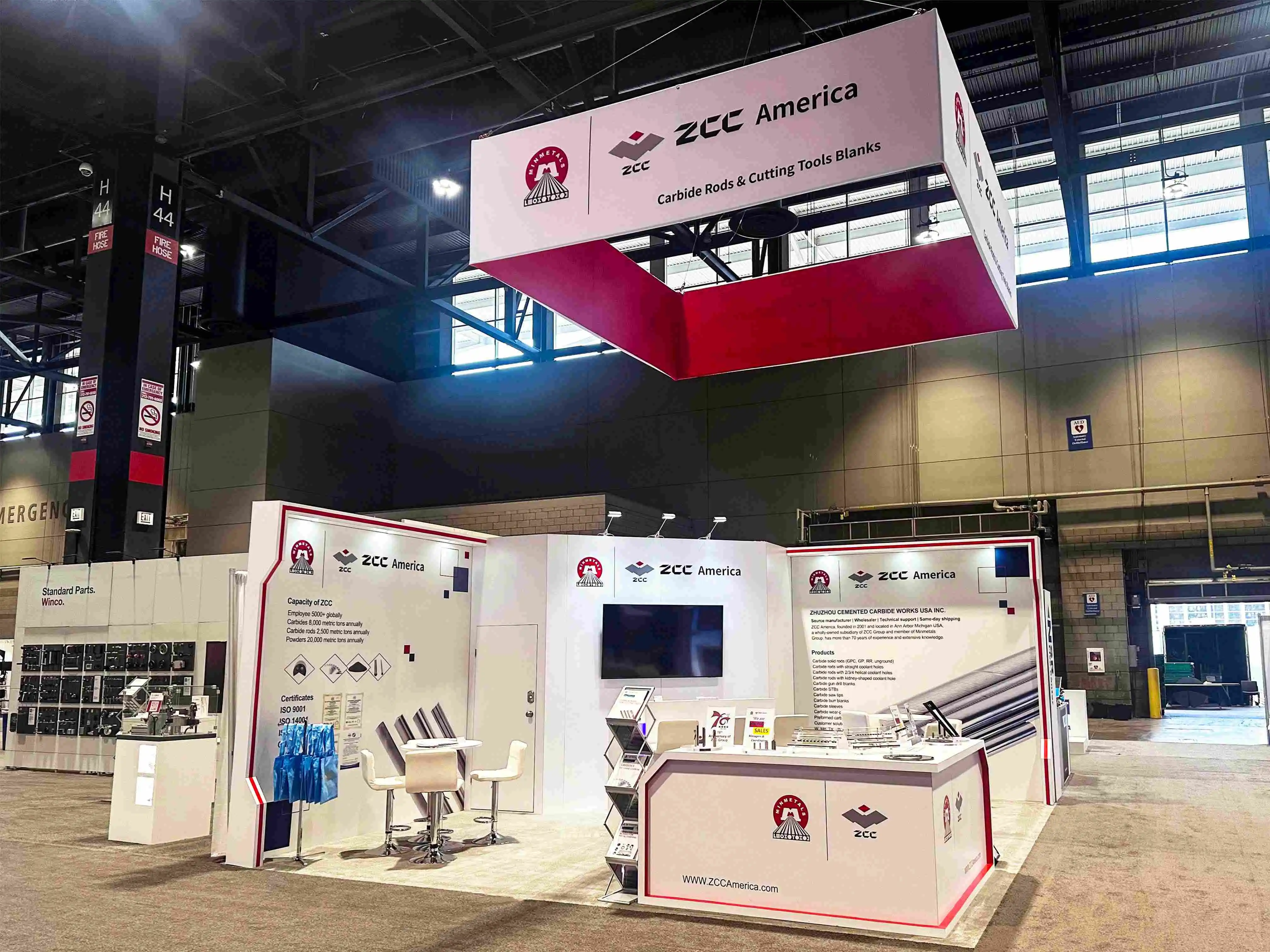
Exhibit booths that are made to order are complex marketing expenditures that go much beyond the simple act of displaying products. These customized settings act as multifaceted brand ambassadors, expressing the values of the firm, the innovations of the product, and the market positioning via the use of strategic design features. Displays at contemporary trade shows are constructed using cutting-edge materials such as lightweight aluminum frames, high-resolution fabric visualizations, interactive digital sections, and modular construction techniques that can be adapted to meet the needs of a variety of venues.
The degree of customisation and the degree of strategic alignment are the two factors that differentiate bespoke displays from conventional displays. Personalized solutions cater to particular business goals, the preferences of the target audience, and the need for brand distinction, all while preserving the flexibility to accommodate various event participation. Aluminum extrusions, which provide a strong foundation, tension fabric systems, which enable bright graphics reproduction, and LED lighting, which creates dynamic atmospheric effects, are all examples of materials that play important roles in terms of lifespan and visual impact.
Understanding custom trade show display size regulations, electrical requirements, and venue-specific guidelines ensures seamless integration within exhibition environments. International exhibitors particularly benefit from modular designs that accommodate varying space allocations and shipping constraints across different markets and venues.
Defining Objectives and Strategic Planning
Successful custom display projects begin with comprehensive objective definition that aligns exhibition goals with broader marketing strategies. Companies typically pursue multiple objectives including brand awareness amplification, product launch promotion, lead generation enhancement, and competitive positioning improvement. Each objective influences design decisions, from traffic flow patterns to interactive technology integration.
Target audience analysis shapes every design element, considering visitor demographics, industry preferences, and engagement behaviors observed at similar events. Competitor analysis reveals differentiation opportunities and helps identify design trends that resonate with specific market segments. Budget allocation requires careful consideration of design complexity, material quality, manufacturing timelines, and long-term usage projections.
The decision between purchasing and renting depends on exhibition frequency, storage capabilities, and budget flexibility. Companies participating in multiple annual events often find purchasing more economical, while occasional exhibitors benefit from rental arrangements that include setup services and storage solutions. Modular systems offer compromise solutions, allowing component expansion and reconfiguration for different events while maintaining brand consistency.
Creative Design Development Process
Design development transforms strategic objectives into visual concepts that communicate brand messages effectively within custom trade show display environments. The creative process begins with brand guideline integration, ensuring consistent color palettes, typography selections, and messaging hierarchy that reinforce company identity. Experienced designers leverage spatial psychology principles to create intuitive visitor journeys that guide attention toward key products and engagement zones.
Here are the essential design elements that contribute to effective custom displays:
- Visual hierarchy implementation: Strategic placement of logos, headlines, and product imagery creates clear information flow that captures visitor attention and communicates key messages within seconds of approach.
- Interactive technology integration: Touch screens, product demonstrations, virtual reality experiences, and digital presentations enhance visitor engagement while collecting valuable lead qualification data.
- Lighting design optimization: Professional lighting systems highlight products, create ambient atmosphere, and ensure consistent graphic reproduction under varying venue conditions.
- Traffic flow consideration: Open layouts, defined meeting areas, and strategic product placement encourage natural visitor movement while providing comfortable interaction spaces.
These aspects of design collaborate in a synergistic manner to provide immersive customer interactions that distinguish businesses from their rivals while simultaneously accomplishing certain marketing goals. In the course of the development process, professional consulting guarantees that the design is feasible, that it complies with regulations, and that it makes the most efficient use of materials.
Production and Manufacturing Excellence
Manufacturing custom exhibition displays requires precision engineering, quality control protocols, and timeline management to deliver exceptional results. The production phase typically spans 4-6 weeks, depending on design complexity, material specifications, and graphic printing requirements. Quality manufacturers implement rigorous inspection procedures at each production stage, from frame welding and fabric printing to electronic component integration and final assembly testing.
The choice of material has a considerable influence on both the aesthetic appeal and the structural performance of the structure. Premium extruded aluminum alloys provide lightweight strength that is appropriate for repeated assembly, and cutting-edge printing processes for fabric produce vivid colors and crisp detail reproduction that enable the product to keep its quality even after several usage. Color matching, material set up, and finishing operations are all part of the graphics manufacturing process. These steps guarantee that the final product meets professional presentation requirements.
Professional manufacturers of custom trade show displays coordinate shipping logistics, providing protective packaging systems designed for international transport and venue delivery requirements. Detailed assembly instructions, component labeling, and tool specifications enable efficient setup procedures while minimizing installation complexity and potential complications during event preparation.
Installation and Event Execution
Coordination of design teams, facility management, and installation professionals is necessary for successful display installation. This is done to guarantee that the setup operations are seamless and that the presentation quality is at its highest possible level. Prior to the event, preparations are made to ensure that there are enough storage options for personal possessions and marketing materials, as well as electricity connections, internet connectivity, and security needs.
In most cases, on-site assembly takes place during the authorized installation times. This kind of assembly calls for effective collaboration among team members and the ability to solve problems in order to face unforeseen obstacles. Installation crews who have years of experience carry with them specialized equipment, backup ingredients, and technical ability to manage a variety of situations that may occur during the process of setting up the system.
Event execution extends beyond physical installation to include staff training, lead capture system implementation, and daily maintenance procedures that preserve display quality throughout exhibition duration. Post-event dismantling requires careful component handling and packaging to protect investment value for future applications.
Maintenance and Long-term Value Optimization
To get the most out of your custom display expenditures, you need to implement preventative maintenance procedures that maintain the display's look quality, structural integrity, overall component operation over a number of different events. While preserving professional presentation standards, the lifetime of the display may be extended via the implementation of routine cleaning methods, component assessments, and minor repair techniques.
Storage considerations include climate-controlled environments, protective packaging systems, and organized inventory management that facilitates efficient preparation for subsequent events. Modular design advantages become apparent during storage and transportation phases, as component-based systems require less space and offer easier handling compared to traditional fixed structures.
By using display updates and refreshes, businesses are able to include new items, modifications to message, and advances in design without having to completely rebuild their displays. In order to preserve relevance while preserving the value of the original investment over longer use periods, strategic component replacement, cosmetic updates, and technological upgrades are implemented wherever possible.
Conclusion
The step-by-step process of designing custom trade show displays encompasses strategic planning, creative development, precision manufacturing, and professional execution that transforms exhibition participation into powerful marketing investments. Success depends on clear objective definition, experienced design partnership, quality manufacturing standards, and comprehensive project management that addresses every detail from initial concept to final installation.
Companies that invest in professional custom display solutions consistently achieve superior brand recognition, enhanced visitor engagement, and measurable return on investment that justifies exhibition participation costs. The process requires careful consideration of design elements, material selections, and logistics coordination, but delivers exceptional results when executed with expertise and attention to detail.
FAQ
Q1: How long does the complete design and production process typically take for a custom trade show display?
A: The complete process typically requires 6-8 weeks from initial consultation to final delivery. This timeline includes 1-2 weeks for design development and approval, 4-6 weeks for manufacturing and quality control, and additional time for shipping and logistics coordination. Rush orders may be accommodated with expedited production schedules, though this often involves additional costs and limited design complexity.
Q2: What factors most significantly influence custom trade show display pricing?
A: The price is determined by the display size, the quality of the materials, the intricacy of the design, and the needs for technological integration. When compared to smaller, more straightforward designs, larger displays that are constructed with high-quality materials, sophisticated illustrations, and interactive components attract more expenditures. Shipping distances, delivery services, and storage possibilities are some other aspects that have an impact on the overall expenses of the installation process.
Q3: Can custom displays be modified or updated for different events and changing business needs?
A: When it comes to adjustments and upgrades, modular bespoke displays provide an exceptional degree of versatility. Graphics may be changed to represent new items or message, components can be rearranged to accommodate a variety of booth sizes, and technological features can be improved to ensure that they continue to have a current appeal. The versatility of the display allows it to have a longer lifetime and results in a greater return upon investment across a variety of events.
Partner with HR Exhibits Service, Inc. for Your Custom Trade Show Display Success
In order to create excellent bespoke trade show displays, one has to possess experience, originality, and dependable execution, all of which are qualities that HR Exhibits Solutions, Inc. constantly provides for international exhibitors all over the globe. The success of your exhibition is ensured by our all-encompassing approach, which includes strategic advice, the development of new designs, precise manufacture, and smooth logistical coordination.
As a reputable maker of bespoke trade show displays, we are aware of the specific issues that are faced by multinational organizations and medium to big businesses that are participating in professional shows. In order to ensure that we are in compliance with global standards while simultaneously producing innovative solutions that fascinate target audiences and produce qualified leads, our team blends an international view with local knowledge. Experience the difference professional exhibition services make for your next trade show participation. Contact us at info@hrexhibits.com to discuss your custom display requirements and discover how our expertise can enhance your brand presence at upcoming events.