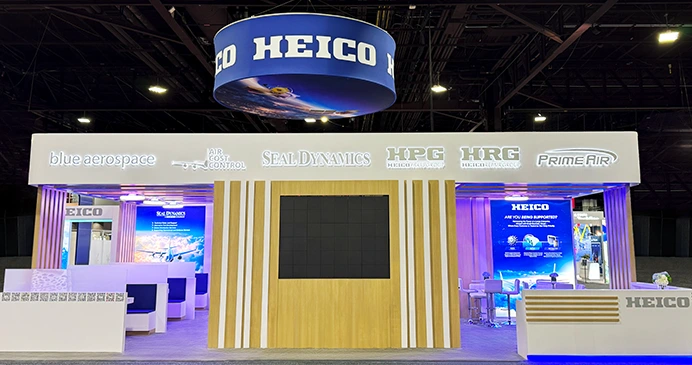
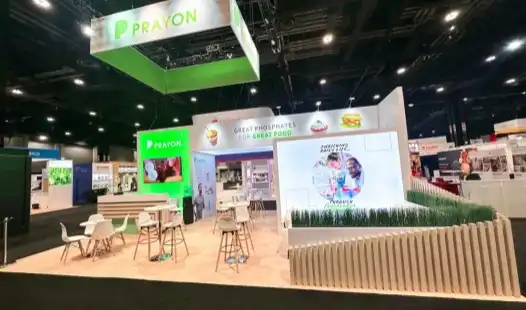
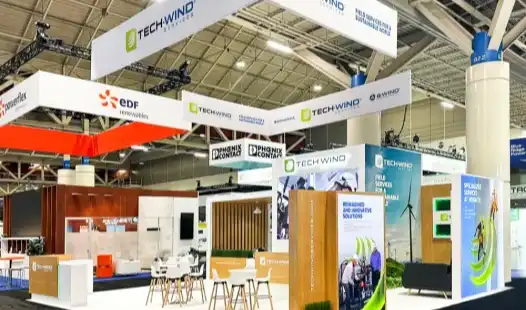
The custom trade show exhibit design landscape has evolved dramatically this year, reflecting a perfect blend of sustainability, technology integration, and immersive brand experiences. Modern exhibitors prioritize eco-friendly materials, interactive digital elements, and modular systems that maximize flexibility while minimizing environmental impact. These trends respond to changing buyer expectations and the need for memorable brand interactions that drive meaningful connections in competitive trade show environments.

Why Custom Trade Show Exhibit Design Matters More Than Ever?
International businesses operating in today's competitive marketplace face unprecedented challenges when participating in exhibitions across different continents. The complexity of standing out among hundreds of competitors while navigating foreign regulations and cultural preferences demands strategic exhibit planning. Custom exhibition display design has become the cornerstone of successful trade show participation, offering companies the flexibility to adapt their messaging and visual identity to specific markets.
It is common knowledge among marketing managers and image supervisors that it is no longer possible to properly attract the attention of an audience using generic, off-the-shelf displays. Custom solutions make it possible for companies to express their one-of-a-kind value proposition while also ensuring that they comply with the criteria of the local show. This individualized strategy has a substantial influence on the ability of international exhibitors to generate leads, increase brand awareness, and increase their return on investment.
Selection Criteria for Outstanding Trade Show Booth Design
When it comes to determining the usefulness and worth of the greatest bespoke trade show displays, there are numerous essential criteria that are taken into consideration. Because international exhibitors want solutions that can easily adapt to diverse venue requirements, cultural settings, and regulatory norms across numerous countries, versatility is the most important factor to take into account.
Sustainability credentials have become non-negotiable for many corporations, particularly those targeting environmentally conscious audiences in Europe and North America. Modern exhibit booth design services must demonstrate measurable environmental benefits without compromising visual impact or functionality. Durability and reusability directly influence total cost of ownership, making these factors essential for budget-conscious purchasing managers.
Technology integration capabilities separate exceptional designs from standard offerings. Interactive elements, digital displays, and smart lighting systems create engaging experiences that resonate with modern audiences. The ability to incorporate these features seamlessly while maintaining brand consistency across different cultural markets determines long-term success.

Sustainable Materials and Eco-Conscious Design Solutions
Environmental responsibility has transformed from a nice-to-have feature into a business imperative for international exhibitors, a shift that is clearly reflected in custom trade show exhibit design. It now prioritizes renewable materials, recyclable components, and energy-efficient systems that align with corporate sustainability goals while reducing operational costs.
The use of bamboo in the construction of buildings has gained great popularity with businesses that are concerned about the environment since these buildings provide exceptional endurance while preserving a classy appearance. These materials work particularly well in humid conditions and have natural antibacterial characteristics, which are beneficial to exhibition venues that see high levels of foot traffic during exhibitions. The thinness of bamboo components results in reduced transportation costs for foreign exhibitors, which creates benefits that are both beneficial to the environment and the economy.
Another significant step forward in environmentally responsible exhibition design is the use of recycled aluminum frame systems. These trade exhibition displays comprised of modular components provide remarkable strength-to-weight ratios while simultaneously enabling intricate architectural designs. The recyclability element is appealing to businesses that have stringent environmental policies, especially those that operate in European markets wherein rules around sustainability are continuing to get more stringent. Through the use of sophisticated powder coating procedures, these systems are able to keep their look during numerous display cycles, therefore producing the highest possible return on investment.
The incorporation of LED lighting has brought about a revolution in the energy consumption of trade show exhibit setup, resulting in a reduction in power needs by as much as 80 percent in comparison to conventional lighting systems. Exhibitors are able to modify their visual presentation to cater to a variety of cultural markets or time-dependent promotions thanks to the programmable color shifting capabilities offered by modern LED systems. By automatically adjusting the brightness levels depending on the ambient lighting conditions, smart sensors are able to provide the best possible viewing experiences while simultaneously reducing the amount of energy that is wasted.

Interactive Technology Integration Trends
Because of the advent of digital innovation, the expectations for display solutions at trade shows have been changed, and interactive technology has become a vital component for attracting and retaining the attention of visitors. The use of touch-screen pitches, augmented reality situations, and virtual reality demos all contribute to the creation of memorable encounters that differentiate businesses from their rivals who rely on conventional static displays.
By using the cameras on their smartphones or tablets specifically designed for the purpose, augmented reality apps enable visitors to view items in their own settings. When it comes to sophisticated industrial equipment or building goods, where spatial linkages are of great importance, this method shows to be extremely successful. According to recent studies conducted by the industry, custom-branded exhibitions that take use of augmented reality capabilities indicate engagement rates that are forty percent greater than those of standard display techniques.
Interactive projection mapping transforms custom trade show exhibit design into dynamic storytelling platforms, creating immersive brand experiences that adapt to visitor presence and behavior. Advanced sensors detect movement patterns, triggering customized content that responds to individual interactions. These systems work exceptionally well in cultural contexts where direct personal interaction might be less common, allowing brands to communicate effectively across different social norms.
Smart data collection systems embedded within interactive trade show exhibits capture valuable visitor insights while respecting privacy regulations across different international markets. GDPR compliance features ensure seamless operation in European venues, while flexible data handling protocols accommodate varying privacy requirements in North American markets. Real-time analytics help exhibitors adjust their messaging and product focus during events, maximizing conversion opportunities.

Modular and Flexible Exhibit Systems
Adaptability has become crucial for international exhibitors who participate in multiple events across different continents throughout the year. Portable trade show exhibits with modular components allow brands to reconfigure their presentations based on venue constraints, audience preferences, and local market conditions without requiring complete redesigns.
Through the use of tool-free assembly methods, trade show booth building has been revolutionized, resulting in a reduction in setup time as well as costs while simultaneously limiting the possibility of assembly mistakes. When it comes to international exhibitors, who may not have a relationship with familiar installation crews in other marketplaces, these advances prove to be very helpful. Components that are color-coded and techniques of connection that are easy to understand guarantee that the assembly quality is constant regardless of the degree of expertise of the local labor.
It is possible to handle a wide range of booth sizes using expandable framework designs, which do not need any extra structural components. With the ability to grow from a tiny 10x10 setup to an enormous 30x40 installation, a single modular system offers an incredible value to businesses who are participating in exhibits of varying sizes. While maintaining consistency in branding across all presentations, this flexibility helps to decrease the amount of inventory that is required and the expenses associated with delivery.
Integrated storage solutions within modular structures eliminate the need for separate storage units, maximizing usable display space while maintaining clean aesthetic lines. Hidden compartments accommodate literature, product samples, and technical equipment without compromising the overall design integrity. These features prove essential for international exhibitors who must transport materials efficiently while maintaining professional presentations.

Market Analysis: Regional Preferences and Regulations
Understanding regional preferences and regulatory requirements across the USA, Canada, and Europe is essential for successful international exhibition participation and custom trade show exhibit design. Each market presents unique challenges and opportunities that influence custom exhibit booth builders' design decisions and material selections.
Generally speaking, the markets in North America appreciate designs that are daring, attention-grabbing, and that transmit vital ideas in a rapid and efficient manner. Significant trade exhibitions in places such as Las Vegas, Nevada, Chicago, and Toronto are known for their fast-paced nature, which necessitates displays that are capable of capturing the attention of visitors in a matter of seconds. The use of vivid colors, visuals with a huge size, and interactive demonstrations all function incredibly well in these settings. Having electrical needs that adhere to conventional norms makes the process of integrating technology for individualized advertising displays much simpler.
When it comes to environmental and safety standards, European exposition venues are often more stringent than their American counterparts. These requirements require comprehensive documentation regarding materials, fire resistant ratings, and recycling methods. Particularly in the case of German trade exhibitions, stringent regulations are maintained for the operations of booth installation and disassembly. During the beginning stages of planning, the design of a custom event booth has to take into account these criteria in order to avoid incurring expensive delays or being rejected by the authorities at the site.
Canadian markets combine the efficiency standards of the United States with the environmental conscience of Europe, resulting in the creation of one-of-a-kind needs for designs that are both sustainable and impactful. In locations where French is spoken, there are additional linguistic issues that have an impact on visual design and the production of interactive content. When it comes to trade fair display solutions that are aimed at Quebec markets or neighboring francophone areas, having the ability to speak two languages becomes very necessary.
Budget Optimization and ROI Considerations
When it comes to securing a sufficient return on investment throughout numerous exhibition cycles, international exhibitors are required to strike a compromise between their creative objectives and the reality of their budgets. If you want to design a custom trade show stand, you need to conduct a thorough cost analysis that takes into account both the immediate expenses and the long-term value creation that can be achieved through reusability along with adaptability.
Instead of concentrating simply on those costs associated with the original design and construction, purchasing managers should take into account the overall cost of ownership. It is possible that high-quality flexible structures may demand bigger initial expenditures; but, they will produce considerable savings due to their various uses, decreased shipping costs, and minimum storage requirements. As a result of the fact that depreciation schedules for bespoke exhibitions often stretch between three and five years, durability is an essential component in the process of financial planning.
Rental versus purchase decisions depend heavily on exhibition frequency and geographic distribution. Companies participating in fewer than four events annually often find rental solutions more cost-effective, particularly when exhibitions span multiple continents. However, frequent exhibitors benefit from ownership models that provide consistent branding and eliminate recurring rental fees.
Conclusion
The custom trade show exhibit design industry continues evolving toward sustainable, technology-enhanced solutions that provide exceptional flexibility for international exhibitors. Modular systems, eco-friendly materials, and interactive digital elements have become standard expectations rather than premium features. Success in modern exhibition environments requires partners who understand both creative possibilities and practical constraints of international trade show participation. Companies that embrace these trends while maintaining focus on clear ROI objectives position themselves for continued success in competitive global markets.
FAQ
Q1: What is the typical timeline for custom trade show exhibit design and construction?
A: Custom exhibit projects typically require 8-12 weeks from initial concept approval to final delivery. This timeline includes design development, engineering, material procurement, construction, and quality testing. International projects may require additional time for shipping and customs clearance, particularly for complex installations requiring specialized materials or components.
Q2: How do shipping and logistics work for international trade show exhibits?
A: Professional exhibit service providers handle all logistics coordination, including customs documentation, freight forwarding, and venue delivery scheduling. Modular designs optimize shipping efficiency by maximizing container utilization while protecting components during transit. Experienced providers maintain relationships with local installation teams in major exhibition markets, ensuring smooth setup processes.
Q3: Can custom exhibits be modified for different booth sizes and venues?
A: Modern modular exhibit systems offer exceptional flexibility, allowing configurations ranging from compact inline booths to large island installations. Professional designers create scalable frameworks that maintain brand consistency while adapting to various space constraints. This adaptability maximizes investment value for companies participating in multiple exhibitions with different booth size requirements.
Transform Your Exhibition Presence with HR Exhibits Service, Inc.
For full assistance throughout the whole of the exhibition process, international exhibitors that are looking for great bespoke trade show display design solutions may count on HR Shows Service, Inc. The experienced members of our team are aware of the complications involved in participating in foreign trade shows. These complexity include managing local rules and developing designs that are culturally suitable and connect with a variety of audiences.
We are a reliable provider of bespoke trade show display design, and we mix creative quality with practical knowledge in order to produce solutions that go above and beyond expectations while remaining within the boundaries of the budget. Regardless of whether you are exhibiting in the big apple, Toronto, London, or Frankfurt, our global perspective guarantees that everything will go off without error. Because we take care of every aspect, from the original idea creation to the administration of the on-site operations, you are free to concentrate on engaging potential customers and establishing fruitful business partnerships. Contact us at info@hrexhibits.com to discuss your upcoming exhibition needs and discover how our customized solutions can drive measurable results for your international marketing initiatives.
References
1. Smith, Jennifer A. "Sustainable Materials in Modern Exhibition Design." Trade Show Executive Magazine, Vol. 45, No. 3, 2024, pp. 78-85.
2. Rodriguez, Miguel and Chen, Patricia L. "Interactive Technology Adoption in B2B Trade Shows: A Global Analysis." International Exhibition Research Journal, Vol. 28, No. 2, 2024, pp. 134-152.
3. Thompson, Robert K. "Modular Exhibit Systems: Cost Analysis and ROI Implications for International Exhibitors." Exhibition Industry Report, Annual Edition 2024, pp. 23-41.
4. European Trade Fair Association. "Environmental Standards and Regulations for Exhibition Design in EU Markets." ETFA Guidelines Publication, 2024 Edition.
5. Williams, Sarah M. and Johnson, David P. "Cultural Adaptation Strategies in International Trade Show Marketing." Global Business Communications Quarterly, Vol. 12, No. 4, 2024, pp. 67-89.
6. North American Exhibition Services Council. "Technology Integration Best Practices for Trade Show Exhibits." NAESC Technical Standards Manual, Revised Edition 2024.