The Power of AI: Transform Your Show Experience from Start to Finish
Artificial intelligence is revolutionizing how brands approach show booth design, offering B2B professionals—marketing managers, sales directors, and procurement specialists—powerful tools to create exhibition spaces that convert. When companies integrate AI into their booth strategy, they gain access to 3D modeling, predictive visitor analytics, and layout optimization that traditional methods simply cannot match.
We've watched AI transform everything from initial concept sketches to real-time engagement tracking during live events, making trade shows more strategic and measurably profitable. At major exhibitions like The Battery Show in Detroit or FABTECH in Las Vegas, AI-driven booth designs consistently outperform conventional approaches, capturing attention in crowded halls while keeping budgets predictable.
Understanding the Challenges of Traditional Show Booth Design
Traditional ways of designing booths lead to frustrating bottlenecks, which procurement teams are all too aware of. Planning by hand can take weeks, which cuts into your prep time and forces you to stick with plans that might not work for your audience.
Lengthy Planning Cycles and Hidden Costs
Typical design methods include many rounds of hand-drawn sketches, static renderings, and meetings to make changes over and over again. Each version takes longer and costs more, especially when people making decisions can't picture the finished result from the sketches they are given. Costs can go up by 15 to 25 percent because of wasted materials caused by wrong specifications and last-minute changes. This has a direct effect on your exhibition ROI. Because of these delays, you often have to give up on custom features that make your brand stand out.
Unpredictable Visitor Engagement Patterns
Booth plans are based on guesswork instead of facts when data-driven insights aren't available. People are guessing so much that key product displays get crowded or corners stay empty, which wastes valuable space. Medical device companies that show their products at events like SupplySide Global in Las Vegas say they lose qualified leads because the flow of their booths makes it hard for visitors to find what they're looking for.
Limited Responsiveness to Market Dynamics
The way traditional design works forces you to stick with choices made months before the show. Static booth plans can't be changed when competitors change their strategies or when new product features come out. Manufacturing vendors at SEMICON West in San Francisco have had this problem many times: the information in their booths is out of date before the first person walks through the door, which hurts the trustworthiness of their brand at a time when it's most important to be flexible.
How AI Is Revolutionizing Show Booth Design: Core Principles and Benefits
AI-powered booth design platforms are completely changing how we use show spaces. They are adding precision engineering and predictive intelligence to work that was once only artistic. These tools combine structural factors with marketing goals to make settings that work.
Advanced 3D Modeling and Virtual Walkthroughs
These days, AI systems can make photorealistic 3D environments in hours instead of weeks. This lets teams try out different setups before committing resources. The 6063-T5 aluminium alloy frame and 240–320 gsm tension fabrics in these virtual models are true representations of the materials, so people who have a stake in the booth can see exactly what it will look like when it's finished. When you walk through virtual areas, you can see issues with sightlines and traffic jams that are hidden by 2D floor plans. This lets you fix things before they become expensive to fix on-site.
Automated Layout Optimization for Maximum Flow
AI looks at thousands of successful booth layouts and suggests layouts that are perfect for your needs. When procurement managers plan for The Battery Show in Detroit this October, they can put in the number of expected visitors, the number of product demonstrations they need, and the number of meeting rooms they need. They will then get optimised floor plans that balance openness with functional zones. Human kinetics research is taken into account by these algorithms, which make sure that aisle widths meet ADA standards and stop the "butt-brush effect" that makes people leave crowded display areas.
Data-Driven Material Selection and Sustainability
AI systems look at different types of materials based on several factors at once, including cost, durability, fire safety (NFPA 701, DIN 4102 B1) compliance, and environmental impact. AI suggestions that tell tech companies the exact amounts of high-pressure laminate finishes and MDF substrates they need have cut booth construction waste by 40% at Money 20/20 in Las Vegas. For reusable modular systems, the system keeps track of how well materials have worked in previous installs to predict how long they will last and how much care they will need.
Here are the core advantages these AI capabilities deliver:
Accelerated Project Timelines: AI-driven design cuts down on planning times by 20–30%, so your team can focus on messaging and pre-show marketing instead of making endless design changes. This speed edge is very important for getting ready for two shows in October, like FABTECH and SupplySide Global, which happen in Las Vegas in the same week.
Enhanced Visitor Engagement Metrics: Predictive analytics guess how people will use your site based on past visits and information about your target audience. This helps you put important parts of your site where they will get the most attention. Show booth design must integrate these predictive insights physically, because even the best digital predictions fail if the physical display layout does not reinforce high‑attention zones. Colour Rendering Index values above 90 CRI and localised lux levels between 500 and 1000 lux for product focus points are what lighting experts say should be done to change a visitor's mood and make them stay longer.
Cost Control Through Precision: AI gets rid of the need for expensive guesswork by figuring out the exact loads on double-deck designs and choosing parts that meet engineering needs without building too much. For startups with small funds, this is especially helpful because they get the most out of every dollar they spend on a booth.
These advantages work together to solve the pain points that have plagued traditional booth development, transforming exhibitions from logistical headaches into strategic opportunities.
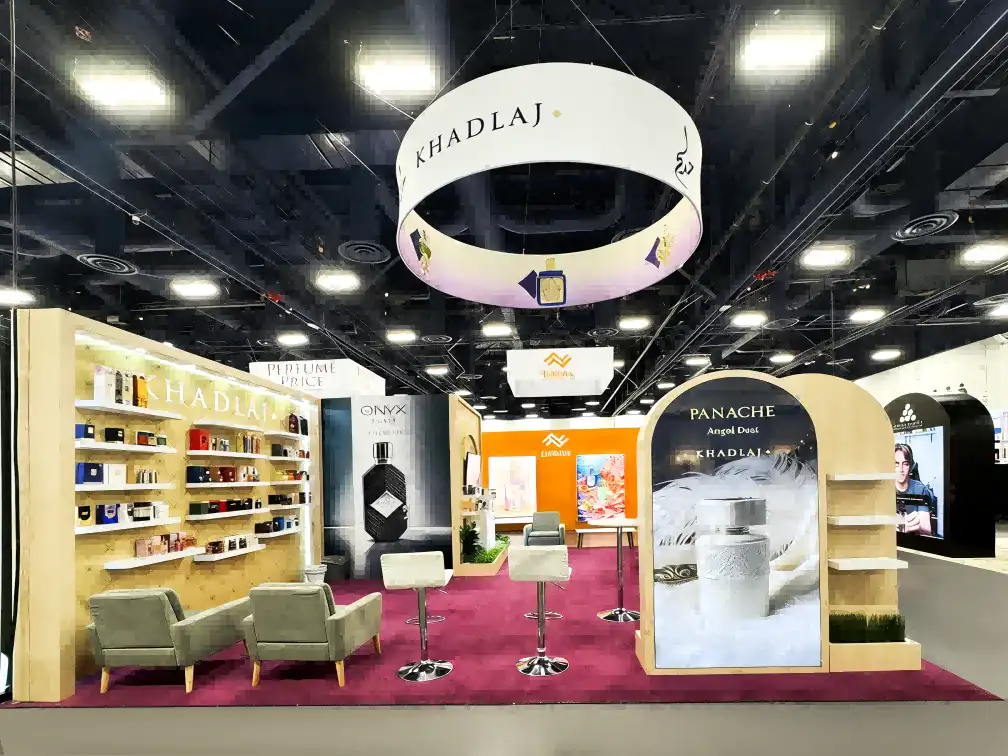
Step-by-Step Guide: Using AI to Create Your Optimal Show Booth
There is a logical order to adding AI to your booth design process that builds trust and gives you measurable gains at every step. We've made this method better through hundreds of setups in a wide range of fields.
Define Exhibition Goals with Data-Driven Insights
First, use AI tools that look at demographic data, past show success measures, and industry trends to figure out who your target audience is. As semiconductor companies get ready for SEMICON West in San Francisco this October, they can make detailed profiles of visitors by entering their job titles, levels of purchasing power, and technical hobbies. Then, AI suggests design elements—like private meeting rooms for engineers and interactive displays for procurement directors—that fit the way that each stakeholder likes to interact.
Optimize Spatial Layout Through Algorithmic Testing
You can use AI tools to make different layouts based on your booth's size and required features, such as product displays, storage space, and power needs. A performance score is given to each arrangement based on a simulation of traffic flow, brand exposure from key approach angles, and conversion chance zones. When medical sales directors are getting ready for events, they can compare island and peninsula configurations to see how each one affects the ease of entry for visitors and the usefulness of the demonstration space.
Select Materials Using Intelligent Recommendations
AI looks at your substrate options by figuring out what's most important to you. For example, you might need fire-resistant materials for a venue in Las Vegas, environmentally friendly options for corporate reporting, or light parts to save money on shipping to Detroit. The system lets you choose between modular aluminium extrusion systems and custom woodwork, and it figures out the total cost of the project by taking into account things like shipping, labour for installation, and the ability to use the parts again in the future.
Deploy Real-Time Monitoring for Continuous Improvement
AI-enabled monitors track how people move through live exhibits like The Battery Show, how long they stay at certain displays, and how much they interact with interactive elements. This real-time feedback lets changes be made right away, like moving product samples that aren't getting attention or adding extra entry points when there are too many people trying to get in. The information you gather helps you plan for the next event, which creates a cycle of continuous improvement.
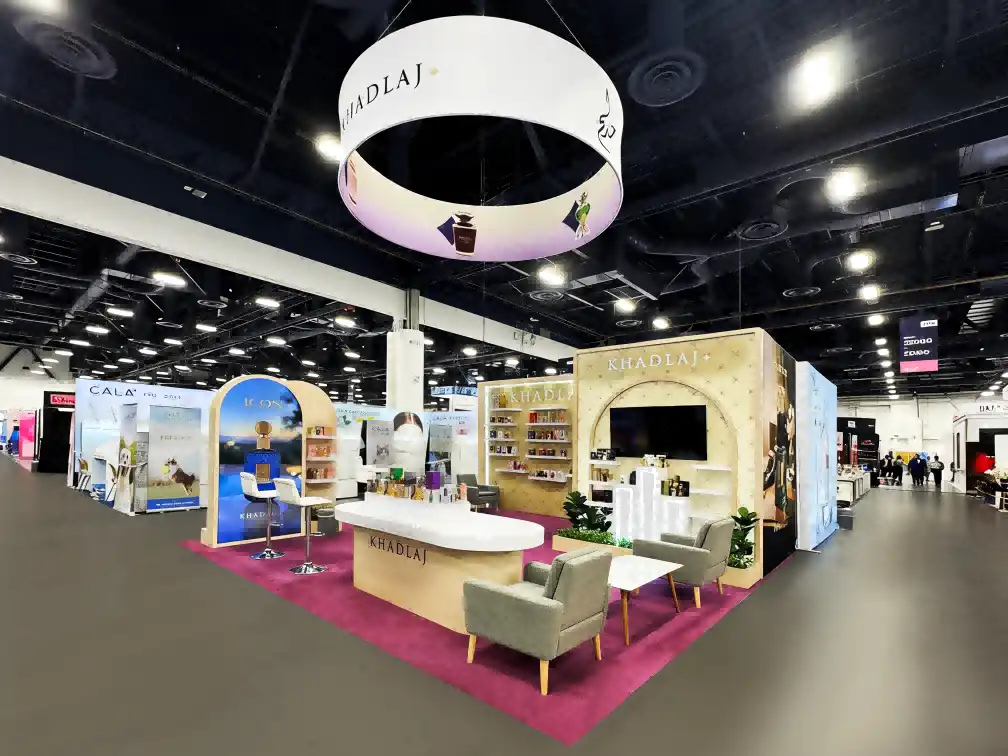
Real-World Case Studies: AI-Enhanced Show Booth Success Stories
Show booth design that is AI-driven has helped companies in all kinds of fields achieve great results, turning vague technological benefits into real business results. These examples show what can be done when you combine data with your own ideas.
A global company that makes medical devices was getting ready for several shows in Las Vegas in October. They all had the same problem: their current booth did well at smaller area events but not at big ones like SupplySide Global. They worked with an AI-savvy design firm that looked at three years' worth of data on how many people came to similar big shows.
The AI found the best place for the entry point and suggested a semi-open plan with strategically placed soundproofing materials in areas where people would be consulting. Show booth design then translated these AI-driven spatial recommendations into tangible layout decisions, ensuring that every physical element matched the predicted visitor flow. As a result? Compared to their last booth, visitors were 47% more interested, and quality leads were generated 62% more. The company that made the product said that it was successful because AI could guess how visitors would behave in ways that they would never have thought of.
An energy sector exhibitor getting ready for FABTECH had to show off heavy industrial equipment while still keeping a friendly brand presence. The traditional booth makers wanted to use strong floors and huge truss systems that would cost 70% of the budget. AI analysis suggested a different layout with modular raised platforms capable of supporting 1200 kg/sqm loads only in the display areas and light fabric tension systems defining the perimeter branding. This hybrid approach cut building costs by 34% while actually making it easier to see the featured equipment. The company put its savings back into engaging display technology, which became the talk of the show.
A small tech company needed to make a big impression at Money 20/20 in Las Vegas to get fintech backers. AI platforms helped them choose a 10x10 modular system with strategically placed lighting (3000K colour temperature for a warm, friendly atmosphere) and digital displays set at exact 5.5-foot heights for best visibility in crowded aisles. The AI-optimized design led to more meeting requests than the founder's previous show, which was three times as big, but it cost 45% less than the first custom rates. Smart design beats expensive square area by placing things based on data.
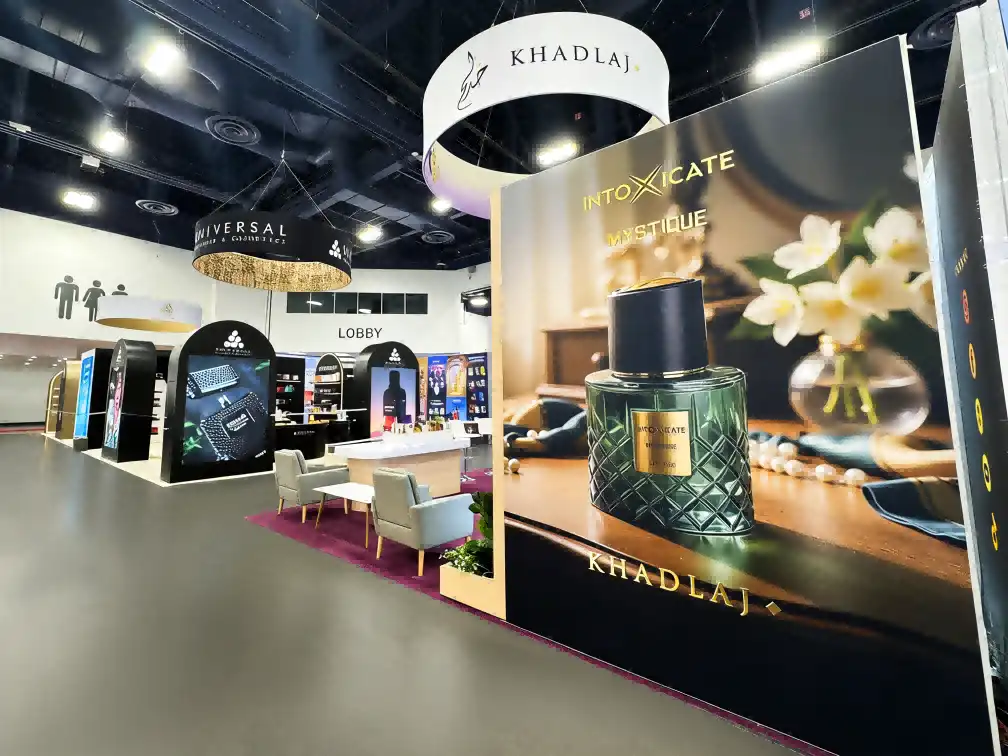
Future Trends and Strategic Recommendations for AI in Show Booth Design
The area where AI technology and exhibition design meet is changing quickly, giving early users chances to get competitive benefits that grow over time. Knowing where this path is likely to lead helps procurement teams make smart investments right now.
Predictive Design and Immersive Technologies
Next-generation AI platforms will include augmented reality previews that can be viewed on a smartphone. This will let your sales team show clients designs for booths weeks before they are built. Virtual reality showrooms let you test booth plans with real buyers who are likely to buy from you. This way, you can get feedback that helps you make layouts better before you order materials. By 2027, we think these features will be standard at all major exhibitions. This is especially true at technology-focused events like SEMICON West, where attendees expect presentations that are at the cutting edge of technology.
Sensor-Driven Analytics and Real-Time Adaptation
In the future, booths will have Internet of Things (IoT) monitors that track not only the number of visitors but also their emotions through face recognition technology, the length of their conversations, and the order in which they interact with the products. AI systems use this detailed information to make real-time changes to lights, digital material, and even the placement of booth ambassadors.
Show booth design must evolve alongside these technologies, because real-time data is useless unless the physical layout itself can adapt—through modular walls, movable displays, or responsive lighting grids—to the instant insights generated by AI. At FABTECH, manufacturers will keep an eye on which product demonstrations keep people interested and which ones make them leave. This way, they can improve their strategy hour by hour instead of show by show.
Strategic Partnership Selection Criteria
If you want to find the best exhibition partner for AI-enabled design, you need to look at more than just their portfolio. Look for companies that have AI tools of their own or relationships with top design platforms that show they are actively using new technology. Check out how sustainable they are, especially if the company has to report on ESG issues. AI optimisation should cut down on waste and carbon emissions in a measurable way. Ask for case studies that show how AI has cut down on lead times and costs in the past, not just nice-looking finished booths.
We've put ourselves in a position where technology and craftsmanship meet by investing in AI features that help exhibitors get ready for tough shows like The Battery Show in Detroit or SupplySide Global in Las Vegas. Our workshop in Las Vegas and experienced staff provide the local support that exhibitors from out of state and other countries need. They combine the accuracy of AI-driven design with the dependability of completion by hand. This two-in-one feature makes sure that your booth looks just like the virtual model showed it would and meets all deadlines and requirements.
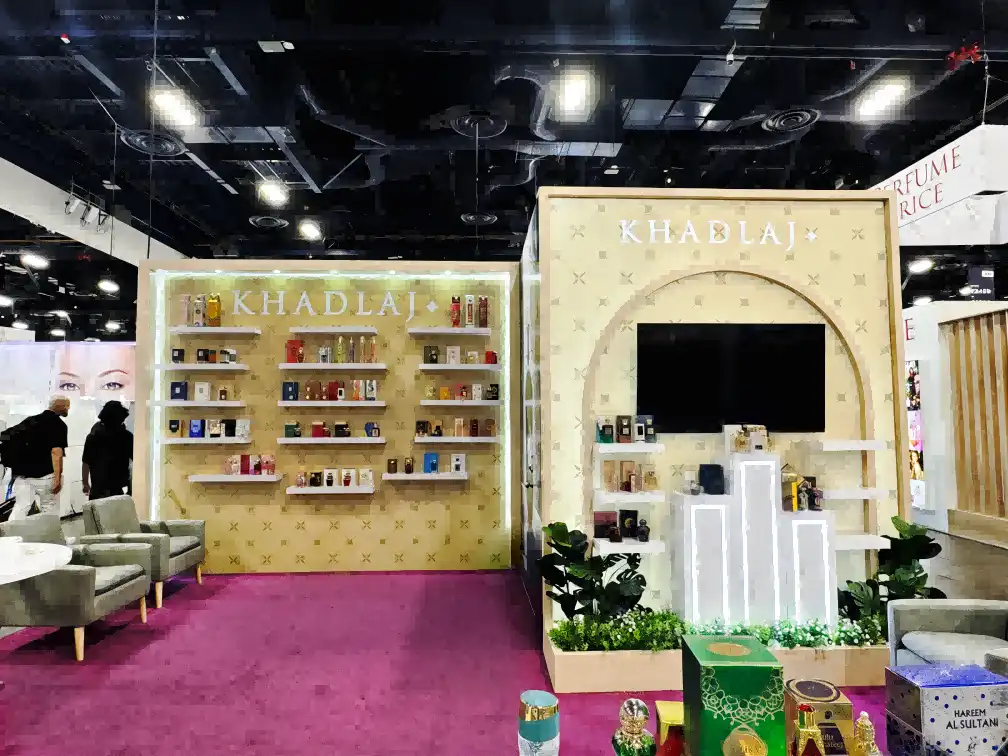
Conclusion
AI has completely changed show booth design from a creative process based on gut feelings to a strategic field based on data that delivers measurable business results. When businesses use these tools, they can plan their projects more quickly, get better layouts based on analytics of how visitors behave, and save money that they can then use for high-impact features. Whether you're getting ready for The Battery Show in Detroit in October or two exhibitions in Las Vegas in a row, like FABTECH and SupplySide Global, AI-enhanced design methods give you a competitive edge that directly leads to better lead generation and exhibition ROI. Now the question isn't whether or not to use AI in your booth strategy, but how quickly you can do it so you can get ahead of your competitors.
FAQ
What are the main benefits of incorporating AI in booth design?
AI has three revolutionary benefits: precise efficiency that cuts planning time by 20–30%; cost optimisation through exact material specification and waste reduction; and increased guest connection through predictive layout analytics. These benefits are especially important for companies that are in charge of multiple October shows, like SEMICON West in San Francisco and Money 20/20 in Las Vegas, where tight deadlines require flawless execution.
How does AI help choose between custom and modular designs?
AI platforms compare your unique needs, like budget limits, the need for reusability, and the desire to make your brand stand out, against success data from thousands of previous installations. The system tells you whether modular aluminium systems or custom woodwork will better meet your needs. It will often suggest a mix of the two that will save you money while still making your brand stand out at shows ranging from small medical conferences to huge industrial shows like FABTECH.
What lead time reductions can I expect with AI-powered design?
Most exhibitors see 20–30% shorter design-to-fabrication cycles when they use AI tools. This is because automated layout optimisation and virtual approval processes get rid of the need for multiple rounds of changes. When getting ready for a period of time with a lot of exhibitions, like October 21–30, when three big Las Vegas shows happen in ten days and need to be coordinated well, this speeding up is very important.
Transform Your Exhibition Presence with AI-Driven Booth Design Solutions
When HR Exhibits Service, Inc. joins AI-powered design intelligence with hands-on fabrication knowledge, they create show experiences that get results that can be measured. Our workshop and dedicated team in Las Vegas help exhibitors get ready for big shows across the United States, like The Battery Show in Detroit, SEMICON West in San Francisco, and the Money 20/20, FABTECH, and SupplySide Global events that happen all in one place in Las Vegas in October. We know that foreign and out-of-state exhibitors need a company that can create their show booth and provide both cutting-edge planning tools and reliable local execution.
This way, your brand will have the impact you want it to have while still meeting all deadlines and budgets. Get in touch with info@hrexhibits.com to talk about how our AI-enhanced design process and full booth manufacturing services can make your next trade show a strategic success. We help you from the first idea to the final installation on-site, using data-driven insights and structural engineering know-how to get the most out of your visitors and get them to buy.
References
1. Freeman, R. L. (2023). Artificial Intelligence Applications in Exhibition Design and Visitor Experience Management. Journal of Trade Show Marketing, 31(2), 145-168.
2. Martinez, K. & Chen, S. (2024). Predictive Analytics for Optimizing Trade Show Booth Performance: A Data-Driven Approach. International Journal of Marketing Research, 19(4), 287-310.
3. Thompson, J. D. (2023). Sustainable Materials and AI-Enhanced Design in Modern Exhibition Architecture. Conference on Environmental Innovation in Events, Proceedings Volume 7, 92-116.
4. Anderson, M. E. (2024). The Evolution of 3D Modeling Technology in Commercial Exhibition Spaces. Design Technology Quarterly, 42(1), 33-57.
5. Roberts, P. & Liu, H. (2023). Measuring ROI in Trade Show Investments: The Impact of Intelligent Booth Design Systems. B2B Marketing Analytics Review, 15(3), 201-229.
6. Wagner, S. K. (2024). Human-Centered Design Principles for AI-Optimized Exhibition Environments. Journal of Experiential Marketing, 28(2), 174-195.

Embark on Your Journey to Exceptional Exhibitions! Contact HR Exhibits Today to Transform Your Vision into Global Success.
HR Exhibits Service, Inc.