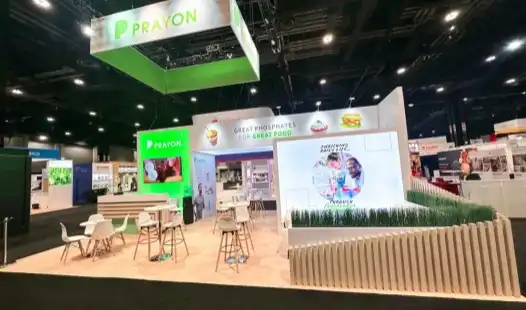
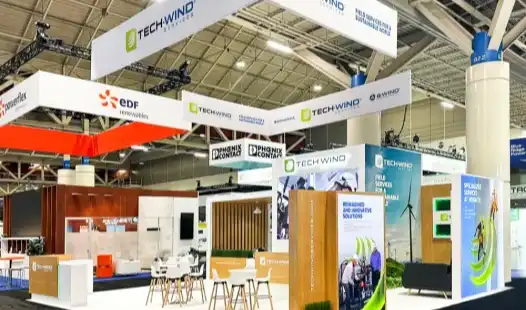
Custom Trade Show Design for Las Vegas: No Local Worries
When you're getting ready to show at big events in the US, especially in Las Vegas, the last thing you need is the stress of planning your booth's design, construction, and set-up from far away. Custom trade show design is the specialized process of developing unique display spaces that faithfully reflect your brand personality and address practical logistical issues. Customized booth solutions, on the other hand, turn your show space into an engaging brand experience that drives measured engagement. This is in contrast to modular rental systems that fit in with the background. You don't have to worry about unfamiliar settings, tight schedules, or compliance issues when you have a local fabrication facility in Las Vegas and an experienced team ready to help you. You can easily show off your technology, medical devices, manufacturing innovations, or consumer goods.
Understanding Custom Trade Show Design: A Complete Guide
What Makes Custom Design Different from Standard Booths?
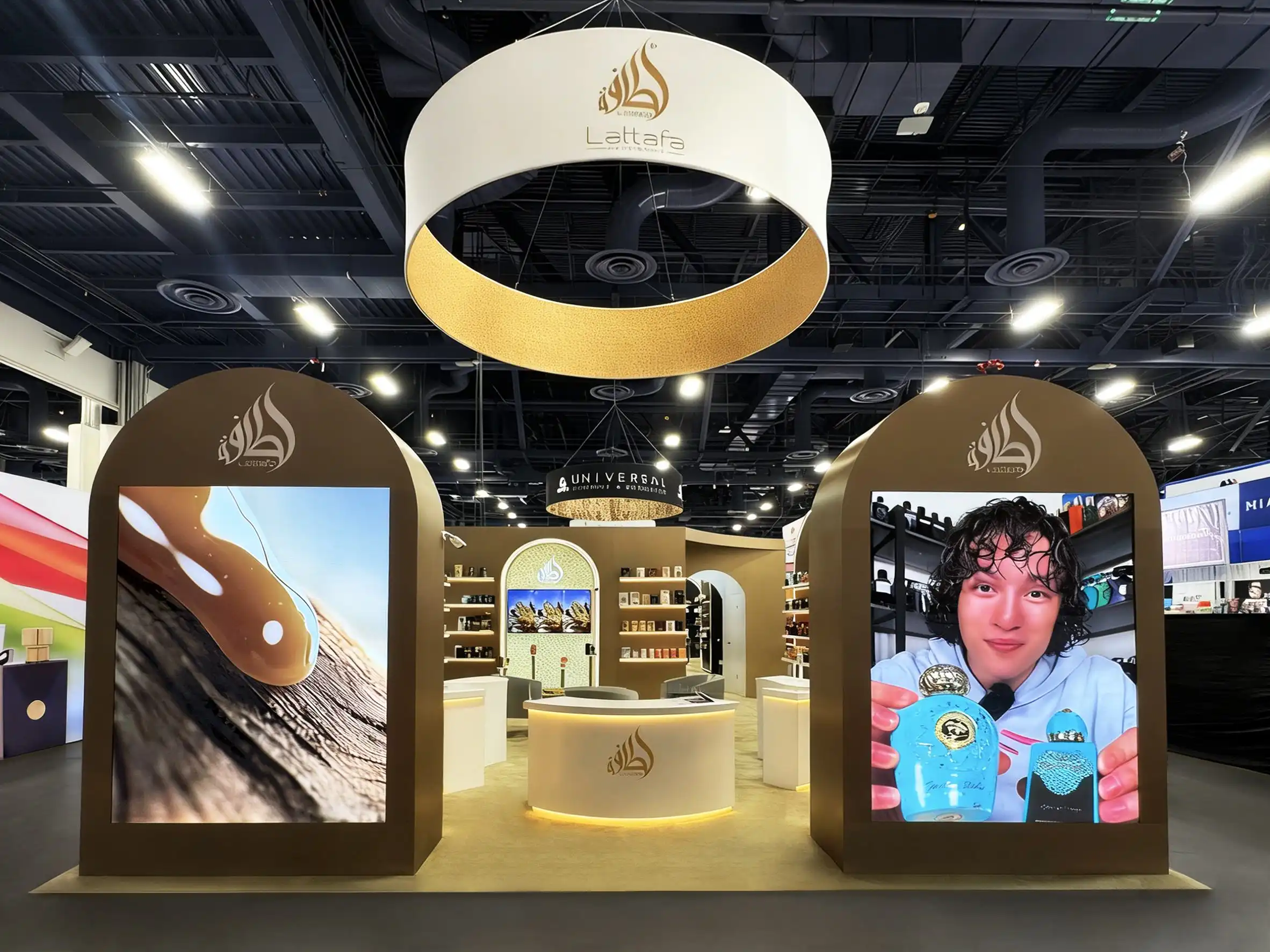
Customized show spaces help businesses reach their goals in ways that standard setups can't. Portable screens and modular rents are convenient, but they don't give you the freedom to design your own unique experiences in space. Custom trade show design builds use raw materials like engineered wood, metal extrusion, tension fabrics, and acrylics to make buildings that are exactly what you want. Using this method makes it easier for brands to stand out by using visual hierarchy and unique forms that stand out in crowded show halls.
The process of fabrication combines artistic stories with structural engineering. Instead of just a place to show off your products, your booth turns into a useful space where product demos can happen easily, private meeting rooms can be used for important talks, and interactive areas encourage exploration. This level of customization is especially useful at places with a lot of sellers all trying to get the attention of visitors.
Why Las Vegas Trade Shows Demand Local Expertise?
Some of the most important business events in the country take place in Las Vegas. The PRINTING United Expo, which will take place from September 23–25, 2026, is one of these. Tens of thousands of people come to these huge shows, and dealers have to deal with complicated venue rules, union labor rules, and tight installation deadlines. Working with a local fabrication partner takes away the stress of organizing tasks across time zones or working with freight handlers you don't know.
With local help, your booth will get to the event on time, be set up by skilled professionals who know the space well, and any last-minute changes will be made quickly. Our workshop in Las Vegas stores your booth's items between shows, takes care of repairs, and ships items to other places when needed. This framework gives foreign and out-of-state exhibitors the same benefits as local businesses, so their brands look the same at all of their events.
Key Elements That Define Successful Custom Booth Design
Effective display structures match how they look with what they need to do. Several important factors determine whether your booth gets good leads or is ignored:
- Spatial Planning: How people use your space will depend on how traffic flows through it. The layout is planned so that tourists can easily move from areas that grab their attention to areas where significant talks take place. Bad planning leads to jams or places that aren't being used, which wastes valuable space.
- Brand Consistency: The colors, materials, images, and lighting you choose for your design should all support your company's character. Companies that make medical devices need to be clinically professional. Technology startups can benefit from modern simplicity. Manufacturing companies often show off their industrial power. Before anyone talks, your booth sends a message about your brand's values.
- Structural Integrity: Custom builds must be able to safely hold big tools, have raised platforms, or work with hanging parts. All materials must have signed engineering plans and flame-spread certificates brought to convention centers. These compliance requirements aren't just extra hassles; they're there to protect vendors and visitors and keep the show running smoothly.
Every project we do is based on these basic ideas, which makes sure that your investment has real business benefits instead of just looking good.
How to Create an Effective Custom Trade Show Design in Las Vegas?
Identifying Your Core Exhibition Objectives
Successful booth projects start with clear strategy goals and custom trade show design that aligns with those objectives. Marketing managers usually focus on getting people to know about a brand and finding new leads, while sales directors put more emphasis on having approved talks and showing how well a product works—all of which custom trade show design can support. Teams in charge of buying things have to balance these goals with the need to stay within budget and use things more than once, making custom trade show design a strategic investment. Every custom trade show design choice is based on the success measures that were set up front, such as the number of leads, the number of demo attendees, and the number of meeting plans.
Some common mistakes people make are putting looks over function, not estimating how much storage they will need, or not planning for how staff will work together. A nice booth that doesn't have a private place to meet makes sales teams unhappy. Installation funds are stretched thin by impressive shows that are hard to put together. To avoid these mistakes, you need to be honest about both your business goals and your working needs.
Essential Design Principles for Las Vegas Venues
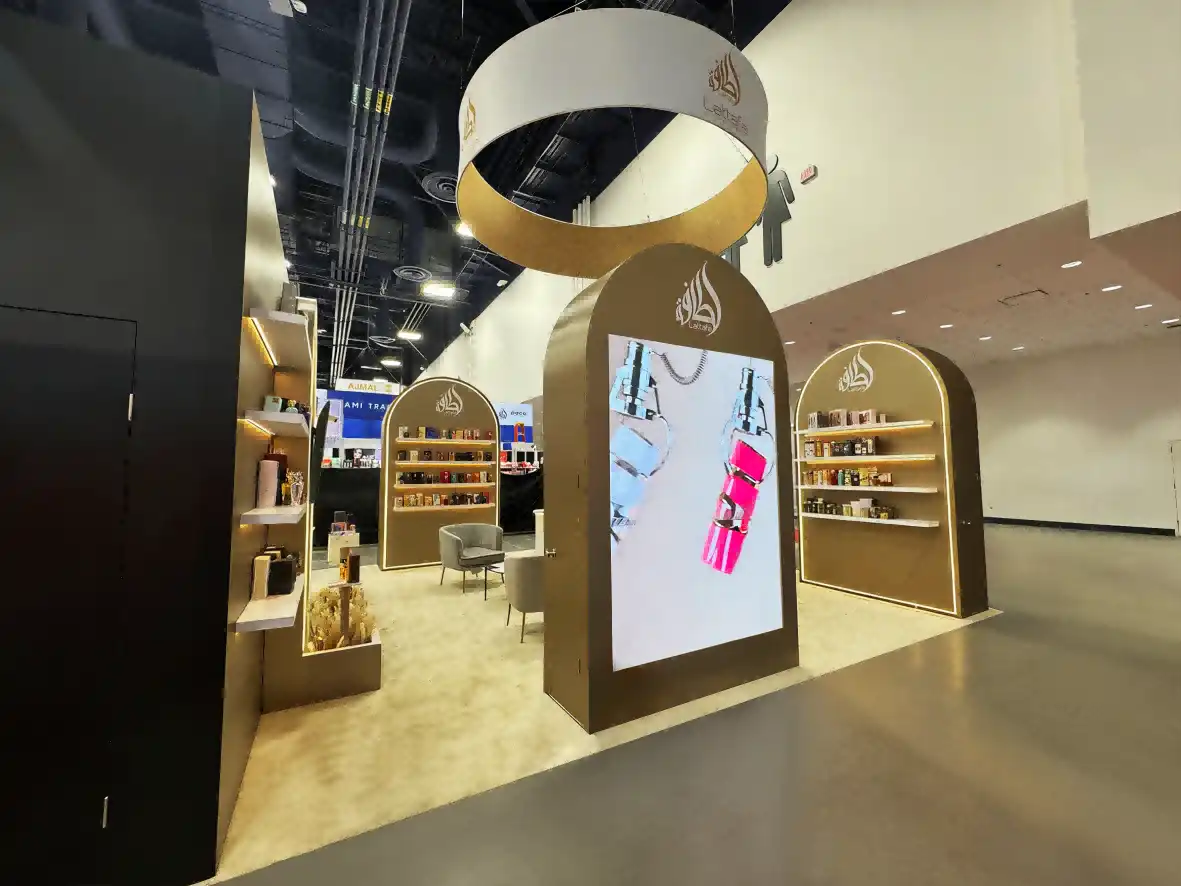
The unique features of Las Vegas trade centers affect how well booths do. Places with high ceilings, like the Las Vegas Convention Center, can have dramatic vertical elements and graphics that hang from the sky to make them easier to see from across the large rooms. But these same places are hard to light because the general lighting in venues often makes the mood flat and dull, which makes standard displays look bad.
This problem can be solved with strategic lighting planning. LED systems that let you change the color temperatures of the light shine on goods and make rooms feel warm and welcoming. No matter what, backlit images keep their color. Directional lighting bring attention to important details without making them look too bright. These tips will make sure that your booth stays interesting to look at during long show days.
Interactive features turn passive watching into active participation. Attendees can quickly find the right answers with touchscreen product choices. Virtual reality demos put potential customers in situations that can't be recreated physically. Live display areas show off the product's features in a believable way. Technology merging shouldn't feel like a trick; it should be natural and meet real information needs, not just be interesting.
Real-World Success: Learning from Proven Booth Strategies
A company that makes medical devices was getting ready for industry shows and needed to show off complicated surgery tools while keeping a clinical look that would appeal to doctors and nurses. The booth had a specialized display theater with controlled lighting, comfortable seats, and a screen for long product shows. There were also private consultation areas for private conversations. Modular wall systems let set-ups be changed from show to show while keeping the brand's look consistent.
Another client, an industrial technology business that was going to be at IMTS in Chicago from September 14th to 16th, 2026, needed a booth that could hold displays of heavy machinery. The design included heavy-duty flooring that was reinforced, wire management for equipment that needs a lot of power, and planned sightlines that showed off the size of the products without taking over the room. The structure's flexible design let it be rearranged for smaller shows, which protected the client's investment over several shows.
These examples show how careful custom trade show design does more than just make places look nice; it solves real business problems. Your booth should work as hard as your sales team, making it easier for people to talk to each other and speeding up the review process.
Comparing Custom Trade Show Design Options: Making the Right Choice for Your Business
Modular Systems Versus Fully Custom Builds
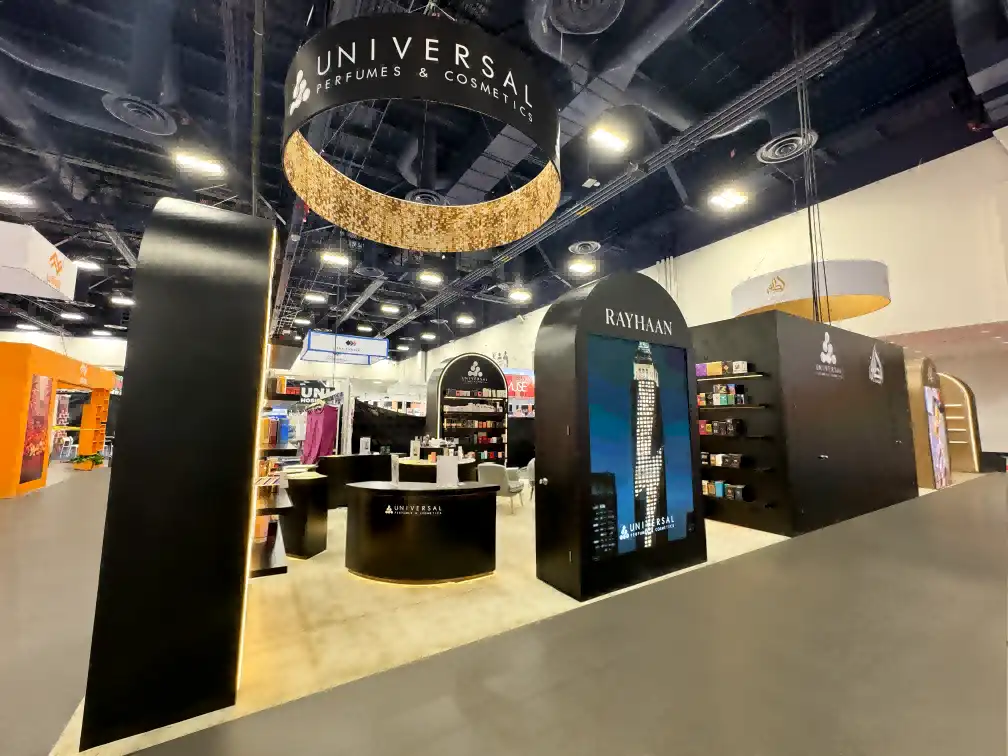
Choosing between modular freedom and full customization has a big effect on both the prices and the value in the long run. Standardized frames, panels, and bars are used in modular systems so that they can be reconfigured to fit different booth sizes. This method has lower entry fees and makes it easy to make changes between shows. But modular plans make it harder to be creative with architecture, and buildings that use the same method often look the same.
Fully customized builds make settings that are completely unique and fit your needs. The booth costs more up front—usually three to five times what a movable unit costs—but it can be used again and again, so your brand stays consistent across multiple events. After three or more shows spread out over two years, the investment pays off by spreading out the costs of building and making a bigger mark on the brand.
A mixed method takes all of these things into account. For unique branding, core structure elements are custom-fabricated, and some parts are made using modular principles to give the building more freedom. This approach makes the best use of the budget by putting a lot of money into high-visibility parts while still being flexible enough to work with booths of different sizes.
Understanding ROI Metrics and Pricing Models
To judge the value of booth expenses, procurement workers need clear cost frameworks. There are more than just square space that affects the price. Engineering and building structures that are more complicated—with multiple levels, heavy loads, and combined technology—cost more to plan and build. The quality of the graphics production affects how they look and how long they last. High-quality materials last longer and can be installed more times than cheaper ones.
The choice of material has a huge effect on both how it looks and how much it costs to run. Shipping costs are cut directly by the lightweight metal construction, which cuts down on drayage fees that often take up half of the show budget. Strategic packing design, like stacking parts effectively and reducing the number of crates used, lowers the cost of moving materials even more. These things to think about aren't small details; they have big long-term costs that careful custom trade show design planning takes into account ahead of time.
Evaluating Design Partners: What to Look For
Picking the right manufacturing partner affects everything, from the quality of the design to how smoothly it goes together on-site. Professional trade show builders are different from general workers or marketing firms that try their hand at booth design in a number of ways.
Instead of businesses that outsource building, look for partners with their own facilities for making things. Having direct control over the building process makes sure that quality standards are met and gives you the freedom to change the schedule as show times get closer. Having a workshop in Las Vegas has clear benefits for shows all over the area, as it cuts down on shipping delays and allows for quick changes.
Diversifying your portfolio shows that you can work in a variety of businesses and booth sizes. Companies that have been to medical shows before know how to deal with regulations and make sure that the displays look good. Experience in the technology field shows that you can work with digital systems that are all connected. Veterans of the manufacturing show can safely use big equipment. Study case studies that are related to your business and the scope of your booth.
Find out about the full service deal. Does the partner just do the planning, leaving you to plan the building and installation on your own? Or do they take care of the whole process, including show services, making graphics, and supervising on-site? Comprehensive help gets rid of organizational issues and gives people a single point of responsibility when problems happen.
Optimizing Your Custom Trade Show Booth for Maximum Impact
Layout Strategies That Drive Engagement
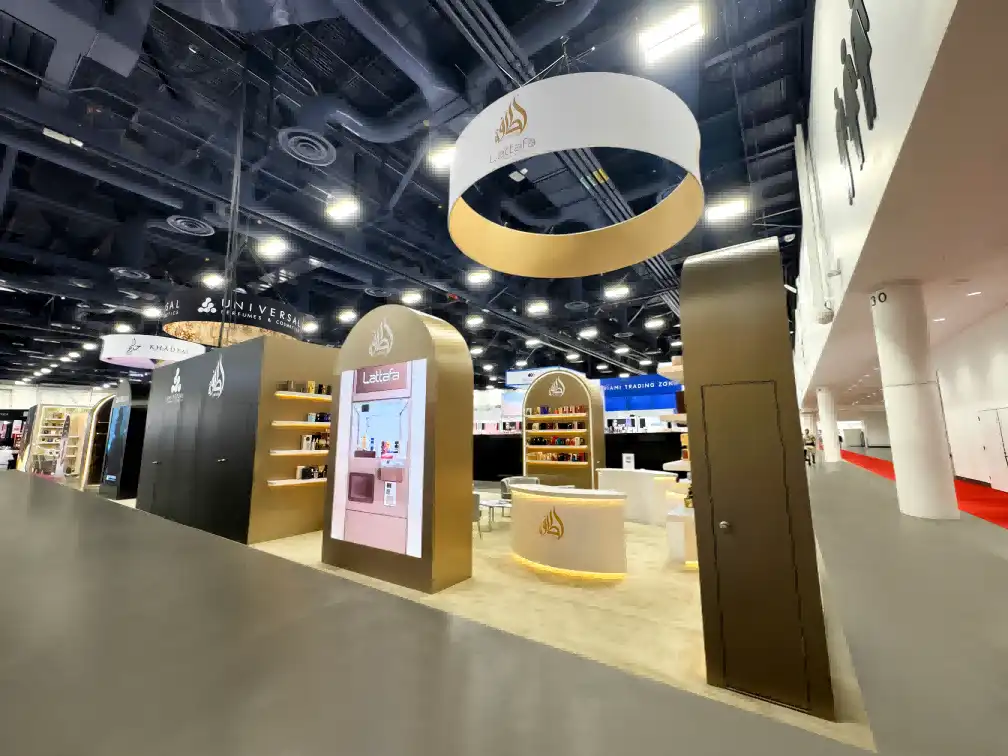
The layout of the booth has a direct effect on how people act and connect with each other. Clear sightlines and open layouts make it easy to explore, and strategically placed hurdles add interest without blocking view. At entry points, people should feel welcome, not scared. Stay away from walls that make guests feel like they're invading private space. Demonstration places need to have enough space for small groups to work without being too crowded, which would make people not want to participate.
When planning traffic flow, both internal movement and outward appeal are taken into account. Putting the main features, like product demos and interactive displays, in areas that face the aisles gets the attention of people who are walking by. Supporting elements like book racks, charging stations, and seats are located inside the booth to encourage people to move deeper inside. This layered method makes the best use of room and keeps things running smoothly, even when traffic is heavy.
Even though storage options may seem boring, they need your full attention. Shipping cases that are too big, staff items, and book supplies need to be kept out of sight. Built-in storage keeps things looking neat and makes sure that important things are always close at hand. Back areas that are too crowded from not having enough storage space look less professional and make it harder for staff to find things quickly.
Lighting Techniques That Elevate Visual Appeal
Lighting changes the atmosphere of a booth and how products are shown. Traditional lights can't compare to the flexibility of LED technology. Programmable color temperatures change throughout the day, keeping things lively in the early morning and making rooms feel warm and welcome in the afternoon. Dimming lets you change the level of brightness for different tasks—bright lighting for product demos, a softer atmosphere for private meetings.
Dynamic backlighting gives things depth and dimension that flat lighting can't. Backlit fabric patterns keep colors bright and light spread evenly across big areas. Edge-lit acrylic panels make effects that are modern and high-tech, which are great for tech goods. Accent lighting that is put with care draws attention to certain goods or architectural features, making focal points that direct visual attention in a planned way.
Shadow control turns out to be just as important in custom trade show design. Shadows on goods or faces during talks look bad when there isn't enough light—a flaw that professional custom trade show design avoids. When light sources from different directions overlap in custom trade show design, harsh shadows are eliminated while the depth of space is kept. This level of attention to detail in custom trade show design is what sets properly created environments apart from those made by amateurs.
Interactive Technology Integration
Digital features shouldn't take over the booth experience; they should add to it. Touchscreen product configurators let guests look at their options on their own, which frees up staff to have more in-depth talks with serious prospects. These systems instantly gather information about users, like what products they're interested in and how to contact them. This way, no leads get lost during busy times.
Virtual reality and augmented reality apps put users in situations that they couldn't physically repeat. Manufacturers of construction tools can simulate job sites, makers of medical devices can see how surgeries will look, and makers of software platforms can show how processes work. These engaging experiences leave lasting memories that go beyond showing off a product.
Integrating technologies needs careful planning of the infrastructure. Power distribution that works well, network connection that you can rely on, and safe equipment mounting are all things that you must think about. Broken screens or tangled cords are the fastest ways to ruin a professional show. Built-in protection for equipment and cable handling saves assets and keeps things looking clean.

Ordering and Working with Custom Trade Show Design Services in Las Vegas
The Collaborative Design Process From Start to Finish
Professional booth development follows an organized schedule that makes sure good results without any stress at the last minute. The first step is a discovery meeting, where we talk about your business goals, the characteristics of your target audience, your needs for product demonstrations, and your brand standards. All decisions after this initial talk are based on it, making sure that design choices support strategy goals.
It usually takes four to six weeks to build a design. Initial drawings show how the space will be laid out and how it should look. Details like material choices, graphic methods, and technology merging are improved in revisions. As soon as you agree with the design direction, engineering specifications are made, which are used to make the technical plans that are needed for manufacturing and venue approval. It takes two to three more weeks for this process to finish.
Fabrication takes six to eight weeks, based on how complicated the booth is and what special parts are needed. Custom hardware, integrated technology, and one-of-a-kind building features all add time to the process. People in a hurry can be helped, but they usually have to pay more. By planning ahead, you can avoid these pointless costs and make things easier for everyone.
Rigorous quality control during pre-show setup is essential for custom trade show design. Your completed custom trade show design is fully assembled in our workshop, allowing thorough inspection of all components, graphic quality, and structural integrity before shipment to the event venue. This custom trade show design preview identifies potential issues early—when corrections are still straightforward—rather than discovering problems during installation when options are limited and rush costs escalate. Protect your custom trade show design investment with pre-show validation.
Managing Lead Times and Show Schedules
A realistic planning timeline begins three to six months before your exhibition date. This delay lets the four-phase process happen without speeding up any of them. Technology goods that want to be shown at events like the PRINTING United Expo in Las Vegas need to start talking to people by spring 2026 so that they can finish in September. Manufacturing companies getting ready for IMTS in Chicago should start making plans early in the spring so that they can meet installation dates in mid-September.
Scheduling is affected by the needs of the venue. Convention centers need booth designs, engineering stamps, and material certificates to be sent in ahead of time. If you miss these dates, you might not be able to setup as planned or have restrictions on the show floor. We are in charge of these entries and make sure that all the paperwork is sent on time and meets the requirements.
Material lead times affect scheduling, especially when it comes to custom finishes or parts that are made to order. Standard display materials can be sent out fast, but one-of-a-kind items may need more time to be made. Early selection of materials guarantees supply and avoids delays that could harm show preparation.
Why Local Las Vegas Support Matters
Running a display business out of Las Vegas has clear benefits for shows in the area and beyond. Our building keeps booth items between events, so you don't have to ship everything back to your main office after each one. This central storage cuts down on freight costs, makes operations easier, and saves your investment with climate-controlled storage.
When show plans squeeze setup into small windows, installation knowledge is very important. Our teams know all about the venues in Las Vegas, including how to use the loading dock, the rules for the facilities, and the recommended contractors. This knowledge speeds up installation, stops mistakes that cost a lot of money, and makes sure that all local rules are followed. When problems come up out of the blue, being in the area lets you respond quickly instead of having to handle a situation from far away.
We help vendors at big events all over the United States. Our all-around method helps companies that are presenting at Global Security Exchange in Atlanta (September 14–16, 2026) or CEDIA in Denver (September 1-4, 2026). Our site in Las Vegas makes it easier to set up regional shows, and our national network makes sure that you get great custom trade show design service no matter where your exhibition plan takes you.
Conclusion
To make an interesting exhibition presence, you need to find a balance between your artistic vision and the practicalities of the space, between brand consistency and budget limits, and between short-term effect and long-term value. Custom trade show design solutions give you the edge you need to get people to connect with you in a trade show setting that is full of competition. Whether you're a corporate marketing manager in charge of a big brand investment, a startup founder trying to make the most of limited resources, or a procurement professional looking at different suppliers, working with experienced local teams who specialize in custom trade show design takes away the coordination problems that make long-distance exhibitors mad. Your main job should still be to connect with customers and close deals, not to handle installation details or fix problems at the last minute—let custom trade show design professionals manage the execution.
FAQ
How long does custom booth fabrication typically require?
Professional builds take three to six months from the first meeting to being finished and ready to show. This schedule includes four to six weeks for finding and design development, two to three weeks for engineering and technical details, six to eight weeks for manufacturing, and one week for pre-show staging to make sure the quality is good. Starting early keeps you from having to pay extra for rush jobs and makes sure that your booth gets the care that leads to good results.
Does custom design prove cost-effective compared to rental options?
Three to five times as much is spent up front as it is to rent, but after three or more shows over two years, owning it pays for itself. The box becomes a business asset that can be used again and again, which spreads out the costs of building it while keeping the same look. In addition to being cheaper, custom builds have a bigger effect on your brand than stock rentals. This leads to better quality leads and higher conversion rates, which makes the investment worth it.
Can custom booths reconfigure for different exhibition spaces?
Adapting to different booth sizes is possible with careful planning, but this must be built in from the start. Modular architecture features can be added or moved around without changing the way the building looks or how stable it is. This scalability saves your investment as your showing plans change, since the same core assets can cover an area of 10x20 at one show and 20x30 at another.
What factors influence exhibition material handling costs?
Bad design choices lead to too much weight and box count, which directly raises drayage costs that often take up half of your show budget. Billable weight and cubic area are cut by using lightweight metal construction and smart packing techniques like nesting parts and limiting the number of crates used. These things should be thought about not just after the fact; they have big ongoing costs that smart planning takes into account ahead of time.
Partner With Las Vegas Custom Trade Show Design Experts You Can Trust
It shouldn't feel like figuring out an alien management puzzle when you're exhibiting at big industry events. When it comes to your next trade show, HR Exhibits Service, Inc. gives decades of experience in exhibitions along with the practical benefits of local manufacturing and installation help in Las Vegas. Our workshop gets rid of the problems that out-of-state exhibitors have with teamwork, so you can have a smooth experience whether you're showing off new technologies, medical products, manufacturing solutions, or anything else.
As an experienced custom trade show design company, we help customers from all over the world and the United States through every step of the process, from the first idea to the final placement. This way, you can be sure that your booth investment brings in real business results without the usual stress. Email our team at info@hrexhibits.com to talk about your future exhibition needs and find out how a local relationship can make or break a trade show.
References
1. Smith, J. & Anderson, K. (2024). Strategic Exhibition Design: Maximizing Trade Show ROI Through Custom Environments. New York: Business Marketing Press.
2. Reynolds, M. (2023). "The Evolution of Trade Show Architecture: From Modular to Custom Solutions." Journal of Exhibition Management, 18(3), 45-67.
3. Thompson, L. (2025). Las Vegas Convention Services Handbook: Venue Regulations and Best Practices. Las Vegas: Hospitality Industry Publications.
4. Chen, R. & Williams, D. (2024). "Cost-Benefit Analysis of Exhibition Booth Investment Strategies." International Journal of Marketing Research, 31(2), 112-134.
5. Martinez, S. (2023). Lighting Design for Commercial Exhibitions: Technical Guide for Brand Environments. Chicago: Design Technology Institute.
6. National Trade Show Exhibitors Association. (2025). Exhibition Industry Trends Report: Booth Design and Attendee Engagement Metrics. Dallas: NTSEA Research Division.

Embark on Your Journey to Exceptional Exhibitions! Contact HR Exhibits Today to Transform Your Vision into Global Success.
HR Exhibits Service, Inc.