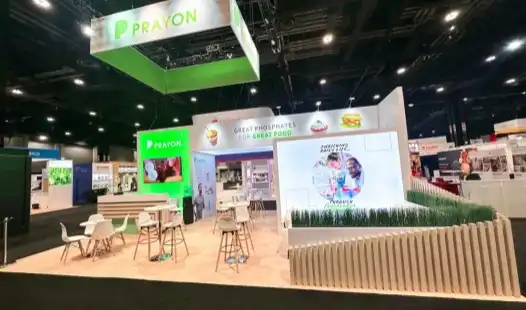
Small Space at Cosmoprof: Best Trade Show Booth Displays That Pop
Your booth is your main sales tool when you're at Cosmoprof North America Las Vegas, which will be held at the Las Vegas Convention Center from July 13–15, 2026. Working with small spaces, like those at this prestigious beauty industry event, makes the task more difficult. To choose the best trade show booth displays for small areas, you need to think strategically about how to balance how they look with how well they work. Even if you don't have a lot of space, smart design choices can turn small areas into strong brand experiences that grab people's attention, keep their attention, and generate good leads.
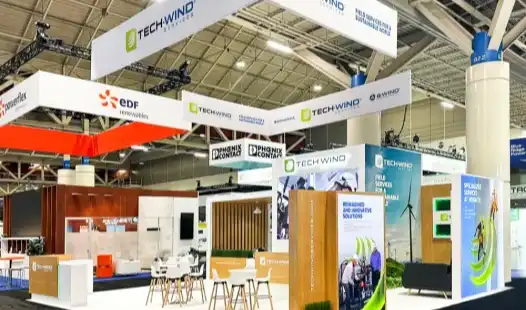
Understanding the Challenges of Small Trade Show Booth Spaces
Finding your way around the Cosmoprof show floor can be hard for brands with small booth footprints. Marketing leaders and managers of sales departments always say that crowded plans make it harder to show off product lines properly. When sellers next to you set up big, complicated structures that might block out smaller displays, the visual fight gets tougher. Demonstration areas, meeting rooms, and store space are limited by the amount of floor space available. This makes it hard to decide what to prioritize, which affects the guest experience.
Overcrowding Kills Engagement
During busy show hours, small booths make it hard for people to get through. When three or four people enter a 10x10 room at the same time, the crowding makes it hard for other people to come in. This effect shortens dwell time, which is an important measure for tracking how long prospects connect with your brand. Industry study shows that booths with traffic jams have 40% fewer qualified talks than booths with well-planned layouts, highlighting why thoughtful spatial planning is essential for the best trade show booth displays. Crowded places make people feel like they don't belong, not that they are famous. This is especially bad for small and medium-sized businesses that are trying to establish a position in the market.
Ineffective Layouts Waste Opportunity
A lot of sellers set up their tables around the edges of the room, which blocks your view and makes it hard to see. This set-up comes from the way stores have always been set up, not from a show plan. At Cosmoprof, people walk about three feet per second, looking for related vendors. This means that your booth has three seconds to share your brand identity. Layouts that aren't well thought out hide important messages behind physical barriers, pushing brand stories to the background. When products are put at the wrong heights, they are out of reach for people walking by, making top inventory almost impossible to see.
Low Visitor Engagement Reduces ROI
After the show, it's painfully clear that the link between space design and lead quality is real. Teams in charge of buying things find that booths that are too crowded make it harder for people to make real contacts, even when the number of people walking by is the same. To make room for storage, interactive demonstration areas get smaller, which limits hands-on product experiences that turn interest into a desire to buy. When they can't have private meetings in open floor plans, medical sales directors who are showing off skincare or cosmetic tools have a hard time. If there aren't any marked areas for interaction, staff have to stop people in the halls, which feels rude and hurts the brand's reputation.
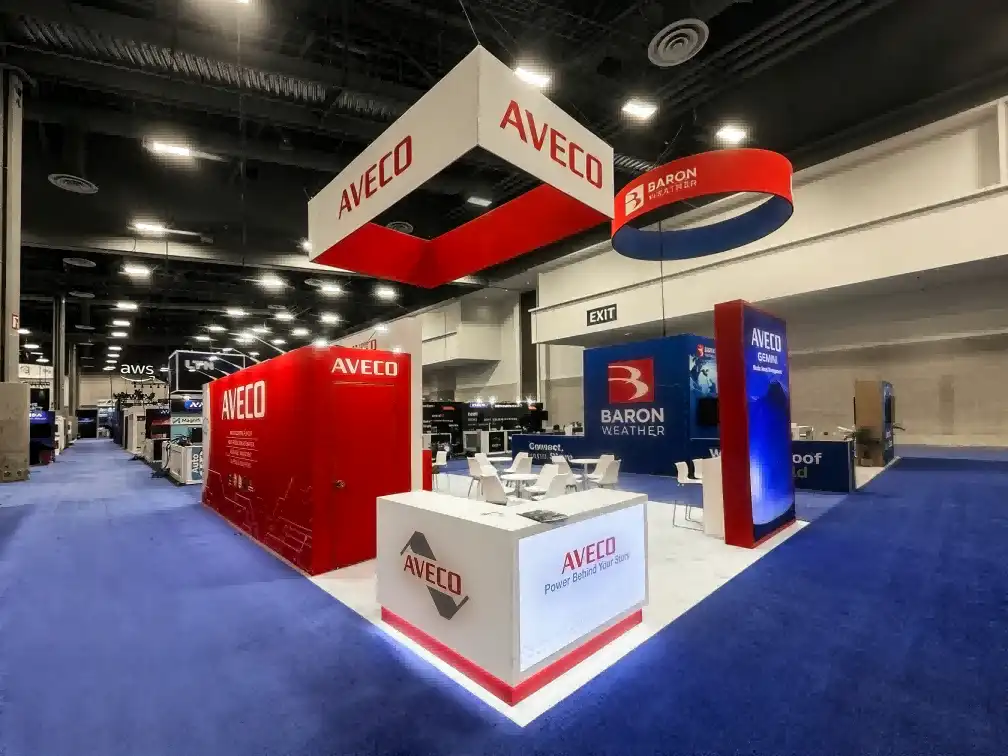
Vertical space utilization is the first step towards strategic solutions. Hanging signs and banners give your brand a presence without taking up any floor space. Modular display systems allow for flexible configurations that can fit booths of different sizes at different shows. Branding elements that are visually appealing, like high-resolution graphics, strategic lighting, and clear message levels, make up for the lack of horizontal room by blocking sightlines vertically.
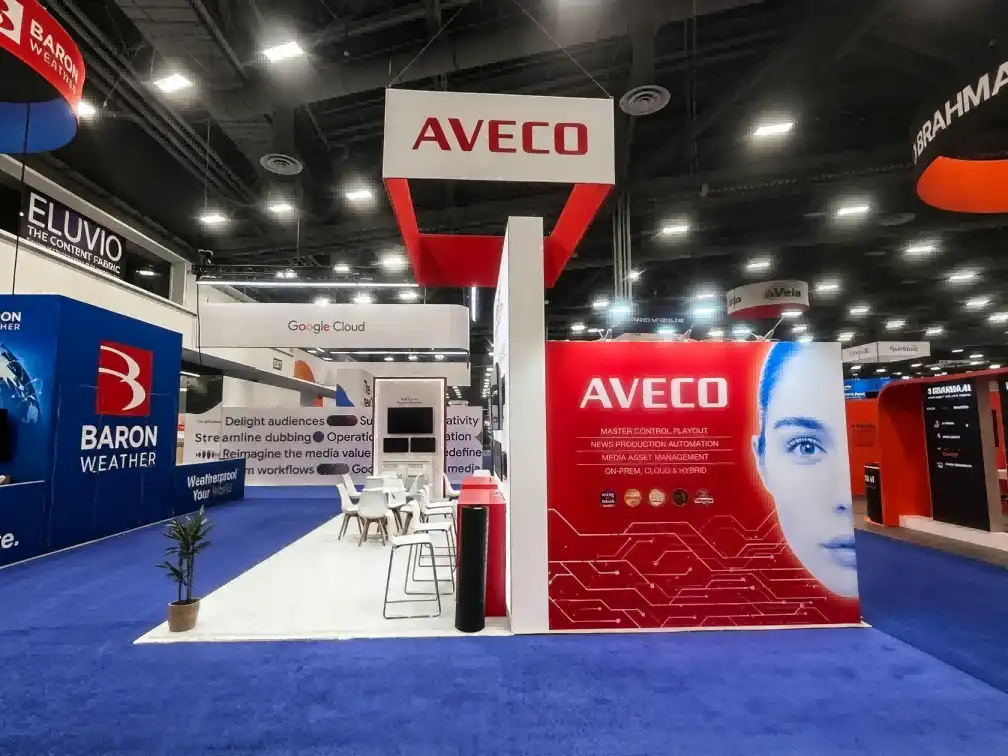
Top Types of Trade Show Booth Displays That Work Best in Small Spaces
Choosing the right display design has a direct effect on how well Cosmoprof works. Depending on your income, how often you plan to use it, and how you want to place your brand, each structural system has its own benefits. When marketing managers are looking at their choices, they have to weigh the initial investment against the long-term use of assets while still meeting the needs of the show.
Modular Systems Deliver Flexibility
Aluminum extrusion profiles used in modular booth frames can be snapped together without any tools to make structures that range from simple backdrops to complicated multi-level layouts. Because the parts can be rearranged to fit different booth sizes, these systems work great in small spaces, making them some of the best trade show booth displays for adaptable and cost-effective exhibiting. A flexible kit made for a 10x20 inline spot at Cosmoprof 2026 can be changed into two different 10x10 setups for regional shows, which increases the value of the object over its entire life. The tech behind good modular systems lets you combine shelves, monitor mounts, and lighting channels so that you don't have to make new ones for every show.
The cost certainty that flexible systems offer is appreciated by procurement teams. Modular frames allow brand updates through simple graphic panel swaps, unlike custom carpentry that charges modification fees whenever the design changes. This flexibility is especially helpful for consumer goods companies starting seasonal lines of products at Cosmoprof, where visual message changes every three months but structural investment stays the same. Aluminum extrusion is light, which means that drayage charges are lower. These are the fees for moving materials, which can be over $1,000 for small booths and surprise first-time exhibitors.
Custom-Built Booths Strengthen Brand Identity
Custom-designed displays make unforgettable experiences that can't be made with off-the-shelf products when brand differentiation supports a higher investment. The builders of these one-of-a-kind buildings start with a blank slate and plan around specific product demonstrations, traffic flow patterns, and brand storytelling routines. At Cosmoprof, custom booths usually have unique geometric shapes, built-in storage that blends into the structure, and branded architectural details like bent walls or special lighting installations.
As part of the planning process for custom exhibits, CAD modeling is used to plan how the weight will be distributed, how to best use shipping crates, and how to put the displays together. Custom cabinets that keep expensive display equipment safe while still letting people see them are helpful for medical gadget exhibitors. Tech companies that are releasing new beauty apps build charging stations, demo tablets, and interactive screens right into the structure, instead of adding technology to general frames after the fact. Custom production takes longer—usually 8 to 12 weeks from approval of the design to delivery—so Cosmoprof vendors need to be very good at planning.
Portable Displays Simplify Logistics
Pop-up displays and tension fabric systems changed small booth shows by making the building process much simpler. These options can be put together in less than 30 minutes by one person because they come in wheeled cases that are small enough to fit in airplane carry-on bags. Fabric designs are printed with dye-sublimation technology, which creates vivid, high-resolution images at 1200+ DPI that don't wrinkle when they're being moved. Startup owners and regional teams that are presenting at Cosmoprof without dedicated operations support like the portability benefit.
Modern fabric systems use SEG (Silicone Edge Graphics) technology, in which printed fabric slides into aluminum frame channels to make graphic walls that are properly tensioned and don't show any hardware. With the option of backlighting, these cloth displays become bright brand statements that stand out in crowded hallways. Because portable systems are so light, shipping costs are much lower—a full 10x10 booth can be sent for less than $200, while standard hard-wall shows cost $800 or more. This difference in prices lets exhibitors on a tight budget use the extra money they save to pay for better floor placement or more promotional activities.
Environmental awareness is becoming more and more important in all B2B buying choices. Eco-friendly booth materials meet company sustainability goals and appeal to Cosmoprof's beauty industry audience, where end customers care about clean ingredients and responsible sources. Frames made of recyclable aluminum, accents made of FSC-certified wood, and cloth designs printed with water-based inks all help the environment without lowering the quality of the design. A number of exhibitors at recent trade shows said that good media coverage especially praised the environmentally friendly choices they made for their booths. This generated PR value beyond the direct interactions at the shows.
Digital Signage Maximizes Visual Impact
By putting technology into small spaces, message capacity is increased while still staying within physical limits. LED video walls that are 55 to 85 inches wide show changing material that changes based on the time of day or the people who are watching. At Cosmoprof, exhibitors plan material in the morning to show off the benefits of their products to attract professional buyers who arrive early. In the afternoon, they switch to showing how their products can be used to draw more customers. Such dynamic integration of digital elements is a hallmark of the best trade show booth displays, as people can be drawn in from three lanes away because video screens have motion that grabs people's attention better than static pictures.
Touchscreen booths are both ways to get people's attention and save room. Instead of wasting valuable space on leaflet racks and product catalogs, interactive displays hold whole digital libraries that can be accessed through simple interfaces. Visitors look through product specs, video testimonials, and technical paperwork on their own, while staff focus on having meaningful talks instead of answering the same basic questions over and over again. These systems have built-in data gathering features that connect directly to CRM platforms. This automates lead screening tasks that used to take staff hours after the show.
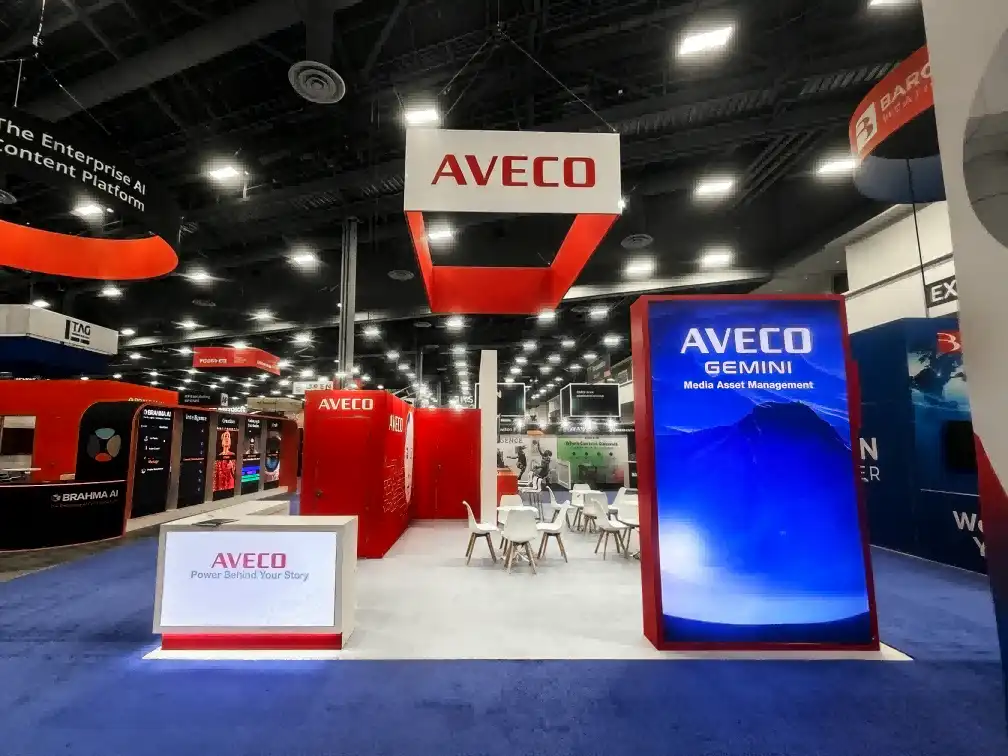
How to Design a Trade Show Booth Display That Pops in Small Spaces?
Making a small booth that works well requires careful planning that takes into account visibility, connection, and operating efficiency all at the same time. The planning process should be organized so that each part is given the most weight based on how it helps achieve the main goals of the show.
Establish Strong Visual Hierarchy
Your booth needs to share three different levels of information so that people can get involved at different levels. The logo, color scheme, and positioning statement that make up a brand's personality must be able to be seen from 50 feet away so that prospects can find the right sellers while walking the aisles. Large images, overhead signs, and strong text that can be read from far away are used in this level. Cosmoprof guests look at hundreds of exhibitors during their visit, so it's important for brands to be instantly recognizable in order to be included in the consideration set.
Mid-range marketing is aimed at people who are within 15 feet and gives them information about the product group and what makes it different. This layer uses clear value propositions and appealing images to answer the important question, "What do you offer that I need?" At this level, graphics should include lifestyle photos that show how goods are used instead of just one shot of an object. Aspirational images that link technical specs to end-user benefits work especially well with buyers in the beauty business.
When people come to your booth, they will find detailed information that gives them technology specs, price clues, and calls to action. Literature racks, tablet-based presentations, and one-on-one sales talks are all used in this more personal stage. The hierarchy makes sure that casual users can get just the right amount of information to self-qualify, while serious buyers can get enough information to think about making a purchase.
Optimize Lighting for Attention
Strategic lighting can turn small booths from boring places to be into draws that people can't resist. LED lighting technology lets you precisely control color temperature, strength, and directionality while using very little power, which is important because meeting centers charge a lot for electricity. By using the psychological effect of light sources in dark show halls, backlighting tension cloth graphics makes brand statements that look bigger than they really are.
Highlighting draws attention to certain goods or display areas, making visual hubs that direct traffic flow. Track lighting systems attached to booth structures make it possible to move them around between shows to accommodate different product needs without having to build new structures. Accent lighting at floor level makes your booth's visual presence spread beyond its walls, giving the impression of more room while still following convention center rules about not blocking aisles.
Choosing the right color temperature affects how visitors feel and how long they stay. Warm lighting (2700–3000K) makes spaces feel welcoming, which is good for beauty and health brands at Cosmoprof, while cooler temperatures (4000–5000K) show technical precision, which is good for medical devices and scientific skin care. During the show day, programmable lighting systems change scenes to keep things interesting for both return guests and convention center staff.
Plan Efficient Traffic Flow
"Open corner" plans work best for small booths because they don't have any real barriers on two sides, so people can come in from more than one point. This way of thinking about design is different from fortress-style setups with counter barriers that make people less likely to explore on their own. According to study on show design, open layouts make booths 60% easier to get to, which is directly linked to more visitors.
Clear paths through the booth space keep things from getting crowded and lead people past important messages and displays of products. The best small booth has a clear area for people to come in and be greeted by staff, a center area for demonstrations or interactions, and a transition area near the exit where talks end and information is handed out. This progression follows the natural way people move while making sure that every user sees the company consistently, no matter how long they stay.
Storage solutions built into the structure of the booth keep the view clear while offering important functions. Hidden shelves behind graphic panels, under-counter cabinets, and lockable cases all save important floor room that can be used by visitors. Medical sales directors care a lot about keeping expensive demonstration tools and regulated goods that need controlled access safe. When you plan your storage space carefully, you can get rid of the stacks of cardboard boxes that hurt the professional image of your brand during slow times.
Implement Interactive Demonstrations
Hands-on experiences with a product make people more likely to buy it than idle viewing, which is why demonstration areas are so important for the success of a small booth. At Cosmoprof, companies that sell beauty products set up application booths where people can try out different formulas. This creates memorable sensory experiences that set brands apart from rivals. Tech businesses that are showing off skin care products or salon equipment can benefit from live demos that show how easy the products are to use and how they work.
Demonstrations leave a big physical mark, so creative space solutions are needed. When demand is high, fold-down bars make more space for demonstrations. When demand is low, they are folded back to free up floor space. Mobile demonstration carts move around in booth space or into the aisles for guerrilla marketing activities. However, exhibitors should make sure that hallway demos are allowed by show rules before using this strategy.
Scheduled demonstrations cause attendance peaks that create social proof, where groups bring in more people who want to see what all the fuss is about. Putting up times for demonstrations on booth images and social media pages builds excitement and turns your small booth into a place to go instead of just a show. Recording demos for social media posts helps shows make more money by reaching people who can't be there in person.
Balance Presence with Space Constraints
Figuring out the right booth size based on product lines and worker levels keeps things from looking too crowded or too empty. When set up correctly, a 10x10 booth can easily fit two staff members and four to five customers at the same time. When this number is exceeded, traffic problems happen that make people not want to drive more. Startup founders who are tight on money sometimes don't give their businesses enough space, so they try to show off a lot of products in spaces that aren't big enough, failing to achieve the best trade show booth displays due to overcrowding and poor visitor flow.
Using vertical room to make up for a small floor space doesn't raise the cost of the booth. The 12 to 16-foot height gaps at the Las Vegas Convention Center are used by hanging signs, product displays, and tall structures. These features create a brand presence that can be seen from across the show halls, making booths much easier to find. Different venues have different rigging needs and weight limits, so it's important to talk to show management early on in the planning process.
The edges of your booth establish brand area, but they don't have to line up with buildings. Floor designs that go all the way to the edges of the booth visually make the room look bigger while still following convention center rules. Carpet inlays in brand colors make clear areas within small footprints. These create psychological barriers between display areas and talk areas without actually building walls.
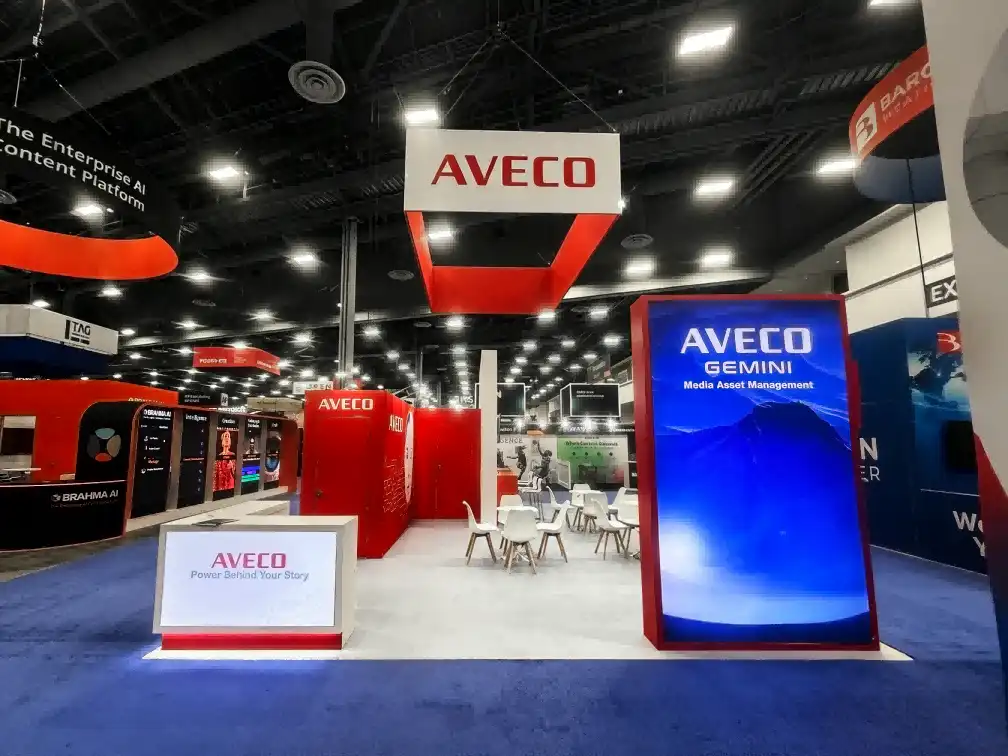
Latest Trade Show Booth Display Trends to Watch in 2026
At big shows like Cosmoprof North America 2026, staying up to date on changes in display design gives you an edge over other exhibitors. New trends show bigger changes in marketing technology, concern for the environment, and attendees' standards that have been shaped by digital experiences.
Immersive Technology Integration
Augmented reality apps let small booths show off huge catalogs of products without having to keep any actual stock. When people point their phones at trigger pictures, they can see 3D models of products, watch how-to videos for apps, or go to virtual stores with full product lines. This technology is especially helpful for beauty brands that are showing at Cosmoprof because they need to show hundreds of SKUs, but the room needed is too small to do so. Packaging design and color accuracy are very important in these situations.
Visitors can go to branded settings that can't be made in a convention center using virtual reality stations. Skincare companies show off the places where they get their ingredients, where they make their products, or the spa settings where their products work best. These immersive trips make emotional links that set brands apart in markets that are already full. The equipment's size stays small—a VR headset station needs about four square feet of room, which includes safety buffers.
Touchscreen technology can do more than just show catalogs of products; it can also create personalized consultations. Artificial intelligence (AI)-powered skin analysis apps take pictures of visitors' skin tones and then suggest the right product routines, making trade shows feel like high-end stores. The information gathered during these exchanges is used to automate marketing after the show, which lets for personalized follow-up that refers to specific session results.
Sustainable Materials Gain Priority
Documentation about the environmental effect of all parts of the supply chain, including exhibition items, is being asked for more and more by corporate buyers. Recycled aluminum, reclaimed wood, and biodegradable materials are used to make booth displays that meet environmental standards and show that a brand values conscious shopping. Because the beauty industry puts a lot of focus on using clean ingredients and getting them in an ethical way, exhibitors at Cosmoprof who want to match their brands with real people should think about choosing a sustainable booth.
LED lighting is 75% more energy-efficient than standard halogen systems. This means that it has less of an effect on the environment and costs less to run. Charging stations driven by solar panels are a nice touch for visitors and show support for green energy. These eco-friendly features make people feel good about the brand in ways that go beyond the show itself, especially when they are shared on social media and used in public relations.
When compared to useless trade show displays that are thrown away after just one use, modular systems are made to last ten years or more. Good materials don't break down after being put together many times, shipped, or stored for a long time. This durability means a lower total cost of ownership and helps companies meet the standards for sustainability reports that are being looked at more closely by regulators and stakeholders.
Minimalist Aesthetics Dominate Design
In modern booth design, visual clarity is more important than complexity. This is because most people want clean, simple brand experiences. Minimalist methods use lots of white space, limited color schemes, and focused messaging that gets across core value propositions without being too much for guests to handle. This style works especially well in small shops where too many visual elements can make things look crowded and disorganized.
The building of exhibitions is influenced by Scandinavian design principles that stress practicality and natural materials. Light wood tones, matte black metal details, and soft, neutral backgrounds make for sophisticated settings that make product displays more impressive. These choices are appealing to high-end beauty brands at Cosmoprof, where the look of the package and how people feel about the brand directly affect buying decisions.
When working with minimalist frames, typography becomes more important, and big letterforms can be used for both message and visual design. Custom fonts can be used to create unique visual marks that are just as easy to recognize as names. The removal of decorative elements draws attention to design choices that were made on purpose, which requires careful choice of materials and high-quality building.
Modular Flexibility Supports Multi-Show Strategies
Exhibitors who take part in a variety of trade shows over the course of the year benefit from booth systems that can be changed to fit different sites and types of visitors. A flexible setup made for Cosmoprof North America in Las Vegas could be changed into a different layout for beauty shows, medical aesthetics conferences, or events for the retail business in other parts of the country. This adaptability is precisely what makes such systems among the best trade show booth displays, as it maximizes asset utilization while maintaining a consistent brand look across all media.
Interchangeable graphic panels enable message customization without structural modifications. If an exhibitor is at an industry job fair, they might switch out graphics that focus on their products for ones that focus on hiring. If they are at a foreign show, they might switch out graphics that focus on their native language. The investment in the structure stays the same, but visual information changes to meet the needs of each group and meet show goals.
Scalable systems can grow with your needs without becoming outdated. Startup owners can start with 10x10 booths and add parts as their budgets grow. Eventually, they can use all of these flexible pieces to build 20x20 island shows. This method of investing little by little fits with the reality of financial planning and avoids the loss that comes with replacing all of the booth equipment at the same time during growth phases.
Conclusion
The best performance from a small booth at Cosmoprof North America Las Vegas 2026 depends on carefully choosing displays that are in line with business goals, audience behavior, and practical issues. The best trade show booth displays for small areas use vertical room, modular flexibility, and technology integration to make up for lack of space while still creating a strong brand presence. Whether you buy a custom show that makes your brand stand out or a portable system that is easy to set up, smart design choices turn small spaces into valuable marketing tools. Successful sellers know that booth equipment is a strategic marketing investment, so they pick partners who help them with everything from the first design to checking how things went after the show. As show design trends move toward sustainability, technology, and simple looks, working with experienced builders ensures that your presence stays modern and competitive.
FAQ
Q1: What booth size works best for small space exhibitors at Cosmoprof?
A: Most small space sellers at Cosmoprof North America choose 10x10 or 10x20 inline setups. These standard sizes give you enough room for product displays, demo areas, and two to four staff members without spending too much money. You might see 8x10 booths at smaller regional shows, but not usually at big events like Cosmoprof, where how the booth looks is very important for getting people interested. When picking a booth, think about how much space you need for demos, how many workers you'll have, and how much storage you'll need, while also staying within your budget.
Q2: How much should companies budget for small trade show booth displays?
A: Budgets for small booth displays vary a lot based on whether you buy or rent, how much you customize it, and how often you plan to use it. Simple pop-up displays for a 10x10 space start at around $1,500 to $3,000, which includes graphics. Modular systems with built-in features usually cost between $5,000 and $12,000, depending on how complex they are. Custom-made displays for small spaces start at around $15,000 and can cost more if they have special needs. Renting a high-quality display for one show costs between $2,000 and $5,000. Companies that go to several shows a year save more money by buying their booths, while companies that only go to one show might be better off renting.
Q3: Can exhibitors set up small booths without professional installation help?
A: Many portable and modular booth systems are made so that the seller can set them up themselves without help from experts. Pop-up displays can usually be put together in 20 to 30 minutes. Modular systems take about two to four hours, depending on how complex they are, and they come with instructions that are easy for staff to follow. But union rules at the Las Vegas Convention Center may require that certain jobs, like connecting electricity, hanging signs, and moving equipment, be done by certified workers. Checking show rules and talking to your booth supplier first will help you avoid problems that could delay your opening.
Ready to Create Your Perfect Cosmoprof Booth?
HR Exhibits Service, Inc. specialized in designing and building strong trade show displays for sellers with small spaces at big industry events. We are based in Las Vegas, and our factory is close to the convention center that is holding Cosmoprof North America 2026. This allows us to offer local support to both domestic and international clients. Our team knows what the manufacturing, medical, tech, beauty, construction, and consumer goods industries need. We provide custom solutions that match your brand and show goals. As a company that makes trade show booth displays, we handle the whole project, from the first design to setting it up and managing the logistics after the show. Email us at info@hrexhibits.com to talk about how we can make your Cosmoprof booth a lead-generating success that makes the most of every square foot of your investment.
References
1. Exhibition Industry Research Report 2024: Trends in Small Booth Design and Visitor Engagement Metrics. Trade Show Executive Magazine Annual Industry Analysis.
2. Modular Display Systems: Engineering Standards and Performance Specifications. International Association of Exhibitions and Events Technical Guidelines 2023.
3. Sustainable Materials in Trade Show Construction: Environmental Impact Assessment and Best Practices. Green Meeting Industry Council Research Publication 2024.
4. Convention Center Regulations and Union Labor Requirements: Comprehensive Guide for Las Vegas Exhibition Facilities. Nevada Exhibition Services Handbook 2024.
5. Beauty Industry Trade Shows: Attendee Behavior Patterns and Booth Design Effectiveness Study. Cosmoprof Global Market Research Report 2023.
6. Return on Investment Analysis for Trade Show Marketing: Comparing Booth Ownership versus Rental Models. B2B Marketing Quarterly Financial Performance Review 2024.
Embark on Your Journey to Exceptional Exhibitions! Contact HR Exhibits Today to Transform Your Vision into Global Success.
HR Exhibits Service, Inc.