Last-Minute IFT FIRST? Rush Booth Builders in Canada & USA
Finding a reliable exhibition booth builder becomes mission-critical when your team has to meet a short timeline for the IFT FIRST Annual Meeting & Food Expo, which will take place in Chicago, Illinois, from July 12–15, 2026. Last-minute booth requests happen when approvals take too long, designs change, or unexpected business problems come up. A skilled rush exhibition booth builder who works in both Canada and the US will make sure that your brand stands out at this important Institute of Food Technologists event. This will protect your investment and keep visitors interested even though time is limited.
We know that operations teams, marketing leaders, and procurement managers need quick, clear answers that don't compromise the integrity of the structure or the business. This guide talks about the choice criteria, service models, cost factors, and current trends that affect rush booth building. It will help you stay calm and confident in high-stakes situations.
Understanding the Need for Rush Exhibition Booth Builders
Building a booth at the last minute is very different from the normal planning process. Custom manufacturing usually takes eight to twelve weeks, but rush jobs can cut that time down to three to six weeks or even less. Some common causes are late budget approvals, rebranded materials that need new designs, shipping delays on parts from overseas, or last-minute choices to make the booth bigger after the initial floor plan was turned in.
These shortened plans make logistics even more difficult. It's necessary to find materials quickly, work extra hours, and pay more for freight. Venue-specific rules, like the union labor rules and fire safety codes at McCormick Place, need proof of instant compliance. At high-profile events like IFT FIRST, where food technology innovators and global manufacturers come together, delays or quality problems directly lead to lost lead creation chances and a worse public image of the brand.
Why Specialized Expertise Matters
Professionals who work in rush booths keep up-to-date networks of suppliers, efficient permit processes, and manufacturing teams that are ready to help at any time. This infrastructure lowers the risks that come with short deadlines by making sure that structural safety, AV integration, and labeled images are up to the same level of quality as projects with longer lead times. Hiring a specialized exhibition booth builder defends the image of your brand and makes sure that things run smoothly when things get tough.
How to Choose the Right Rush Exhibition Booth Builder
To choose the right partner, you need to do a structured review that fits the needs of your pressing project. Which companies can actually deliver depends on where the event is happening, how long it takes, and how big it is.
Speed and Turnaround Capabilities
Check to see how quickly each candidate can respond. Top builders have their own manufacturing shops, like ours in Las Vegas, so they can start making things the same week. Ask for case studies that show three- to four-week custom booth completions that include approval of the design, CNC manufacturing, and placement on-site. When providers only use third-party suppliers, they leave holes in their schedules that put tight dates at risk.
Customization vs. Modular Flexibility
See how the needs for custom branding fit with the facts of time. Fully customized "build and burn" buildings give you more freedom to be creative, but they take longer to make. With two to three weeks, modular systems with aluminum extrusion frames and interchangeable SEG fabric panels can give any room a professional look. Hybrid methods combine flexible infrastructure with custom-printed logos and numbers that fit the needs of the business. This improves speed without sacrificing the brand's personality.
Experience with Cross-Border Logistics
For IFT FIRST exhibitors coming from Canada or other countries, getting through U.S. customs, coordinating drayage, and following the rules at the Chicago spot requires specialized knowledge. Check to see how much experience your exhibition booth builder has with managing cross-border goods, such as ATA Carnet paperwork and working with McCormick Place's exclusive contractors. Local support teams stationed near the event, like our partners in the Chicago area, make last-minute fixing easier.
Pricing Transparency and Contract Terms
Rush projects cost more, but reliable sources make it clear which fees are for base manufacturing and which are for expedited surcharges. Ask for detailed prices that include changes to the design, better materials, overtime pay, extra freight, and on-site control. Flexible payment terms and "what-if" conditions protect against delays that were not expected, making sure that everyone is responsible.
We suggest keeping a purchase plan that looks at things like turnaround guarantees, material approvals, insurance coverage, and storage choices after the show. Give more weight to builders who show they are good at communicating and have a good name at North American trade shows.
Types of Exhibition Booth Builder Services & What Fits Rush Needs
Knowing the different service models that are out there helps vendors match their skills to your unique rush needs. Each method finds a different mix between speed, cost, and flexibility.
Custom Fabrication for Brand-Centric Projects
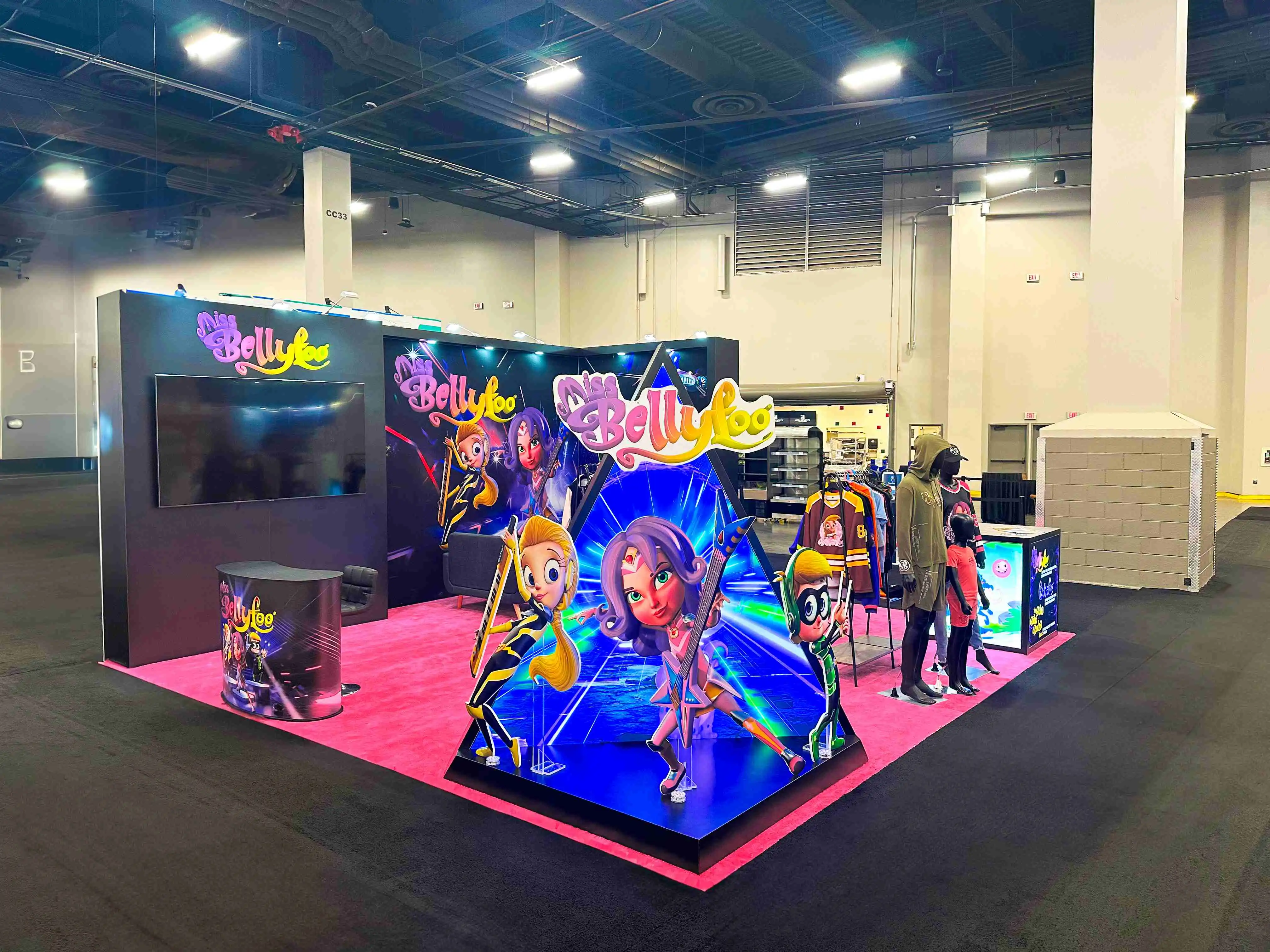
Custom builds give you unique building plans with features like multi-level platforms, curved walls, and built-in demo kitchens for tasting food. These designs are made to fit IFT FIRST's focus on food technology innovation. For these projects to go smoothly, they need thorough CAD engineering, buying materials, and building them in the workshop. Custom builds usually take eight to twelve weeks, but rush builders can finish in just four weeks thanks to longer shop hours, parallel processes (approving designs and buying materials at the same time), and dedicated project managers who oversee each step. Custom solutions work best for business marketing managers with medium to large budgets who want to tell powerful stories about their brands.
Modular and Rental Solutions
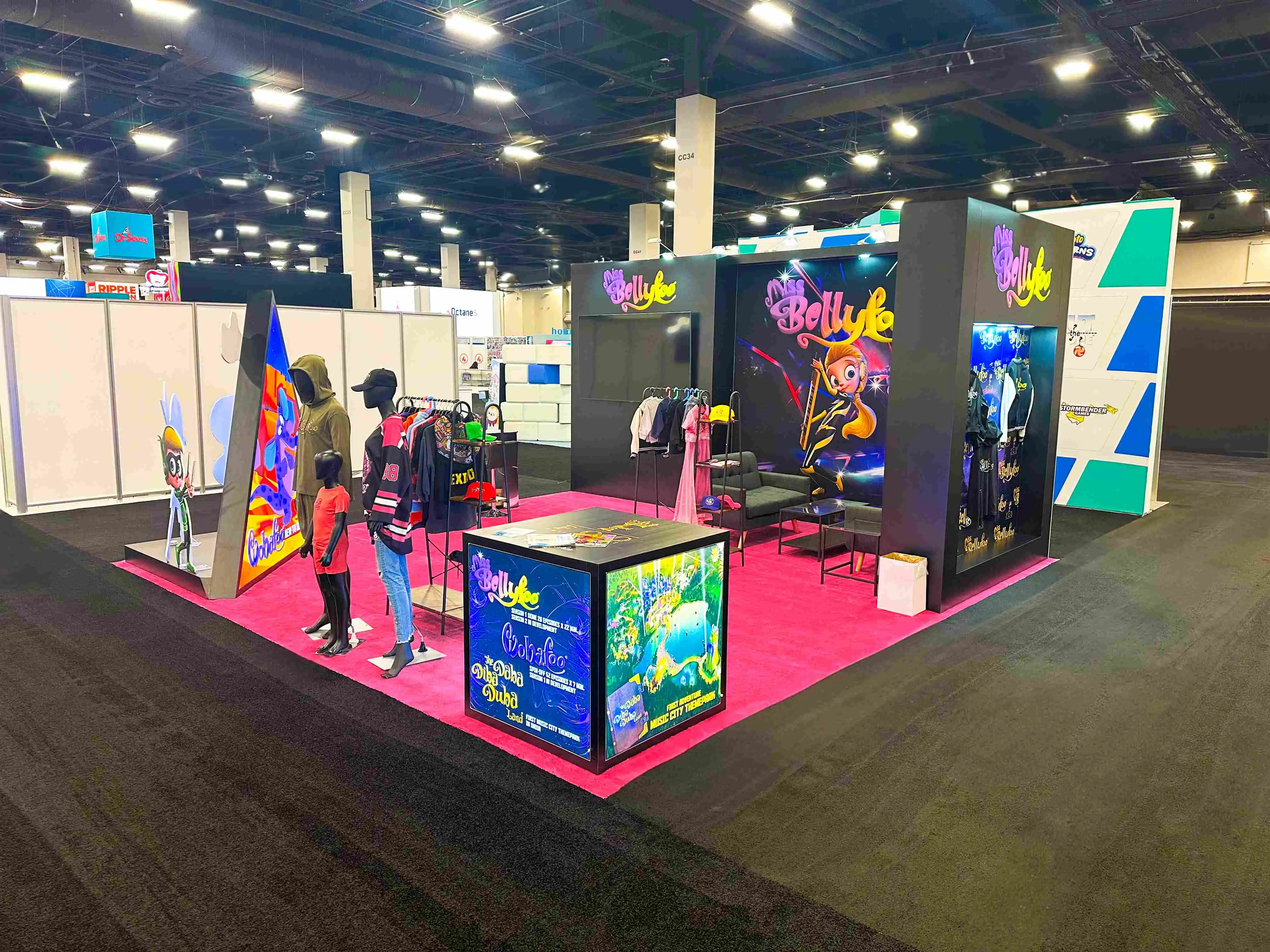
Modular systems use pre-engineered parts that are quickly put together on-site. These parts include tool-free metal frames, snap-lock connections, and reuse fabric graphics. Rental stocks kept by well-known builders allow for rapid deployment, usually in two weeks or less.
These options are good for company founders who want to save money or exhibitors who want to try out new markets because they offer a professional look without committing to long-term storage. Modular designs support functional zones like meeting rooms, demo stations, and product displays. This is very important for medical device sales directors who are showing off FDA-approved equipment at food safety expos.
Turnkey Design, Installation, and Dismantling Packages
Full-service packages take care of every step, from creative drawings to obtaining permits, coordinating freight, installing and setting up audiovisual equipment on-site, and taking everything down after the show. Turnkey models free up internal resources, so marketing teams can focus on promoting the show before it happens and getting people involved instead of worrying about the little things that make it all work. These all-inclusive deals make sure that IFT FIRST exhibitors who are in charge of global product launches can run their events smoothly, even if they are far from Chicago.
Material supply has a direct effect on how feasible it is to rush. When an exhibition booth builder keeps metal extrusion shapes, laminate panels, and LED lighting fixtures in stock, they don't have to wait for deliveries. On-site support teams, which include qualified electricians and union labor liaisons, fix problems as they happen during installation, which keeps costs down and avoids delays. Maintenance services after an event, like fixing up images and storing parts for future shows, increase the value of a commodity.
Practical integration of these services varies by project scale. A medical nutrition business might use a 20x20 island booth with custom counters, chilled sample stations, and flexible infrastructure to get the best of both speed and usefulness. Larger 30x40 displays for international food ingredient suppliers could have custom architectural elements like suspended trusses and private taste rooms built at the same time as modular perimeter walls. This would allow for tight deadlines without sacrificing design effect.
Latest Trends in Exhibition Booth Building for Rush Projects
Sustainability, technology integration, and service flexibility will be important in the industry after 2026, and they will all have an effect on the success of rush projects.
Sustainable Materials and Eco-Conscious Design
More and more, exhibitors want options that are good for the earth. When compared to disposable MDF designs, modular metal frames can be recycled over and over again. The carbon footprint of SEG cloth images made from recycled PET bottles is smaller, but the colors are still very bright. FSC-certified wood and water-based laminates meet the environmental requirements of businesses.
For people at IFT FIRST who work in the food and drink industry, where sustainability standards have a direct effect on how people think of a brand, designing an eco-friendly booth supports the company's values and speeds up approvals from procurement teams that care about the environment.
Technology-Enhanced Engagement Tools
AR/VR demos, touchscreens that you can interact with, and moving LED video walls turn static displays into realistic experiences. These technologies can now be added by rush exhibition booth builder teams on short notice thanks to partnerships with AV experts and pre-configured wiring models.
Digital signs lets you change the content at any time, so you can change the messages throughout the four-day IFT FIRST expo without having to make any actual changes. These tools show a level of technical detail that printed images can't match for food technology sellers showing off complicated ways to make food or use ingredients.
Modularity Driving Supply Chain Responsiveness
As buyers' needs change, they put more value on quick rollout and full service. With modular systems, setups can be changed quickly for multiple shows, spreading out the cost of the purchase over the course of the year. Builders who offer design files, which are pre-approved models that can be changed to fit different booth sizes, cut the time it takes to get approval from weeks to days. This responsiveness is very helpful when sellers decide at the last minute to add functional zones or increase their size based on information from competitors.
Strategic advice for procurement managers centers on optimizing the mix of suppliers. On-site reaction times are faster for local builders near big expo towns like Chicago, Las Vegas, and Toronto than for sellers far away. But well-established national networks offer consistency across efforts in more than one place. For IFT FIRST exhibitors running shows at the same time across North America, working with builders who run classes in both the U.S. and Canadian markets makes sure that the brand is carried out consistently and that procedures are eased.
Cost Factors and Pricing Insights for Rush Exhibition Booth Builders
When you're in a hurry, managing your budget means knowing what causes extra costs and how to use smart cost-optimization methods.
Expedited Material Surcharges
Due to faster supplier delivery, rush manufacturing costs more for materials. Extra charges of 15 to 25 percent are added to aluminum extrusions, laminate panels, and custom logos that are shipped by air freight instead of ground transport. Extra fees are charged for custom-milled parts that need to be CNC-machined overnight. A transparent exhibition booth builder breaks down these costs into different items, separating the prices of base materials from emergency fees so that budget choices can be made with more knowledge.
Premium Labor and Logistics Fees
Labor costs are 30–40% higher on special projects than on regular ones because of overtime, weekend manufacturing shifts, and dedicated installation teams. The strict union contracts that rule event workers at McCormick Place make costs go up even more because crew minimums and hourly rates have to be met. Premium freight services, like white-glove delivery and faster customs clearance for Canadian exhibitors, raise the cost of logistics. But these investments keep terrible things from happening, like missing the date for installation, which leaves booth space empty and no return on the investment in the show.
Custom vs. Modular Cost Structures
Depending on the difficulty of the design, the quality of the materials, and the short time frame, custom builds for rush jobs usually cost between $150 and $250 per square foot. Modular rents cost between $75 and $125 per square foot and can be scaled up or down as needed. They also save time. At $100 to $175 per square foot, hybrid methods like modular frames with custom graphics and useful elements are a good mix between cost and branding.
For a normal 20x20 booth at IFT FIRST, modular solutions could cost between $30,000 and $50,000, which includes design, fabrication, shipping, installation, and takedown. On the other hand, fully custom builds can cost between $60,000 and $100,000, based on how complicated the architecture is and how well the technology is integrated.
Asking for multiple quotes is a useful budgeting tip. These quote scenarios should include best-case timelines with standard costs, rush scenarios with higher fees, and backup budgets for problems that come up out of the blue. Flexible contract terms, like payment stages that are tied to results, lower the risk of losing money if deadlines change. When buyers get quotes, they should make sure they know what services are included: Are graphics, lights, audiovisual equipment, floors, and furniture all included, or are they priced separately?
Conclusion
Finding a trustworthy exhibition booth builder for IFT FIRST projects that need to be done quickly, with a lot of skill, and with a wide range of services is important. Short deadlines make it harder to deal with regulations and logistics, so you need to be able to do specialty rush building. Procurement managers protect brand exposure and event ROI by looking at things like turnaround promises, customization options, cross-border shipping experience, and clear pricing.
Sustainability, technology integration, and modular response are some of the current trends that are changing the rush booth scene. Exhibitors who work with builders who are ahead of the curve can gain strategic benefits. With the right partner, even projects that need to be done right away can have the structural integrity, brand consistency, and visitor connection that make a trade show presence at top food technology events like IFT FIRST in Chicago popular.
FAQ
How quickly can rush booth makers get the work done in time for IFT FIRST in Chicago?
Depending on the complexity of the design and the amount of work they already have, experienced rush builders can usually deliver modular booths in two to three weeks and custom hybrid builds in four to six weeks. Installation times are cut even more when builders have local workshops close to Chicago or work together with workers at McCormick Place. Consultations that happen right away lead to faster project starts.
What makes custom booths different from movable booths in an emergency?
Custom booths give you more design options, like unique building elements and branded structure features, but they take longer to make. Modular booths use pre-engineered parts that can be put together quickly and used at multiple shows, giving them a professional look with faster lead times. Hybrid methods are a good balance between speed and uniqueness because they combine modular efficiency with custom branding elements.
How do builders make sure quality when they have to work quickly?
Reliable rush builders have their own fabrication shops, experienced installation teams, and material sources that have already been checked out. This way, delays caused by third parties are avoided. Parallel processes, like getting approvals for the design and buying the materials at the same time, and strict quality checks at the manufacturing and pre-assembly stages make sure that the structure is sound and that the brand is maintained, just like with standard-timeline projects.
Partner with HR Exhibits Service, Inc. for Your IFT FIRST Booth Needs
HR Exhibits Service, Inc. has a track record of meeting last-minute exhibition needs for global brands, medical device makers, and food technology inventors at IFT FIRST and other important North American trade shows. Our manufacturing workshop in Las Vegas allows for quick turnarounds, and our full-service model takes care of all the logistics, from the initial idea to removal. We are experts at working with union workers, understanding the rules at McCormick Place, and providing complete solutions that are fit for business marketing managers, startup owners, and sales directors.
As a reliable exhibition booth builder and provider, we offer clear pricing, a range of customization options, and dedicated project management to make sure your brand has the biggest effect possible at the Institute of Food Technologists' main event. We are the best partner for cross-border projects with short deadlines because we have helped foreign exhibitors, including Canadian companies that had to deal with U.S. customs and supplies.
Contact our team at info@hrexhibits.com right away to talk about what you need for your IFT FIRST show. You can get a full price, look at our modular and custom service packages, or talk to a booth expert who knows how to meet the specific needs of food and beverage industry trade shows. You can look at our portfolio at hrexhibits.com and learn more about how we turn pressing problems into memorable trade show experiences.
References
1. Institute of Food Technologists. IFT FIRST Annual Meeting & Food Expo: Exhibitor Guidelines and Technical Specifications. Chicago: IFT Publications, 2025.
2. Trade Show Executive. Managing Last-Minute Exhibition Logistics: Best Practices for Rush Booth Construction. New York: Trade Show Executive Media Group, 2024.
3. Exhibitor Magazine. Modular vs. Custom Booths: Cost and Timeline Comparisons for North American Trade Shows. Rochester: Exhibitor Media Group, 2024.
4. International Association of Exhibitions and Events. Sustainability Trends in Trade Show Booth Design and Fabrication. Dallas: IAEE Research Foundation, 2024.
5. McCormick Place Convention Center. Union Labor Requirements and Venue-Specific Regulations for Exhibitors. Chicago: McCormick Place Management, 2025.
6. Event Marketer. Technology Integration in Exhibition Booths: AR, VR, and Digital Signage ROI Analysis. Norwalk: Event Marketer Publications, 2024.

Embark on Your Journey to Exceptional Exhibitions! Contact HR Exhibits Today to Transform Your Vision into Global Success.
HR Exhibits Service, Inc.