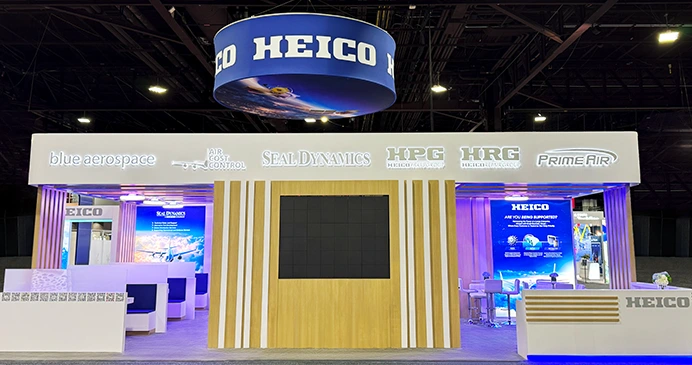
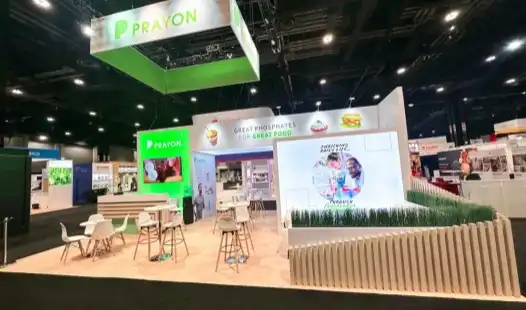
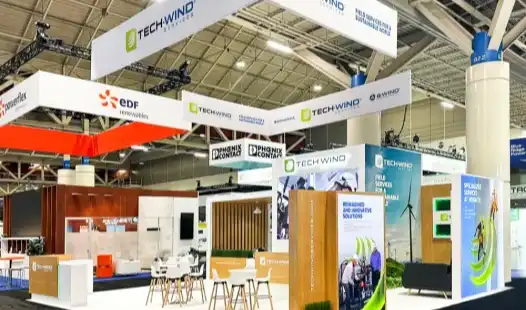
Modular displays represent the evolution of trade show marketing, offering unparalleled flexibility and functionality for businesses seeking maximum impact at exhibitions. A custom modular trade show display provides companies with the ability to adapt their brand presentation across various booth sizes and event requirements without the substantial investment of creating entirely new displays for each show. These innovative solutions combine cost-effectiveness with visual appeal, allowing exhibitors to reconfigure components seamlessly while maintaining professional aesthetics that capture audience attention and drive meaningful engagement.
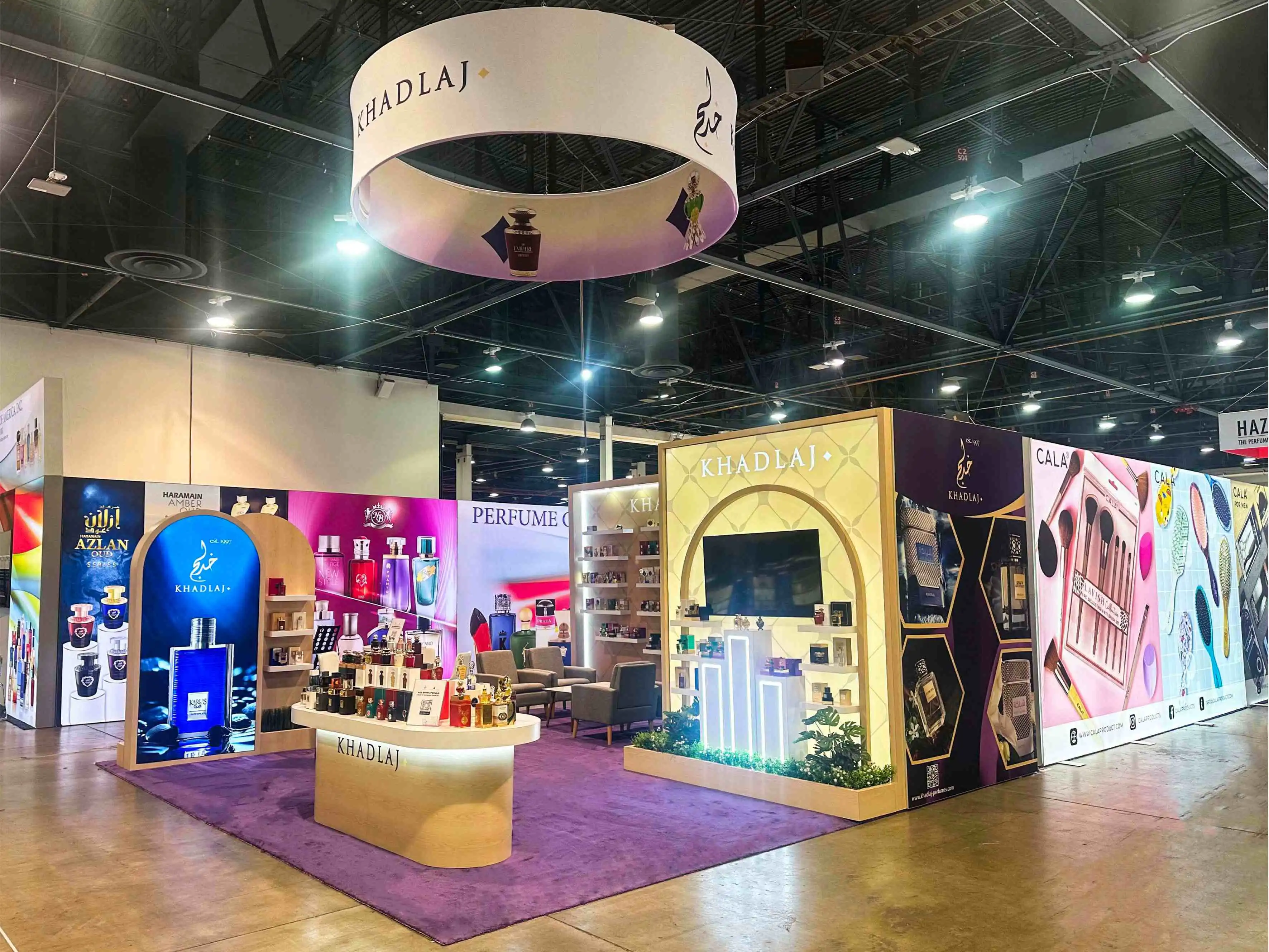
Understanding Custom Modular Trade Show Displays
Through the provision of an unparalleled level of variety in booth design and setup, custom modular marketplace displays bring about a revolution in the way in which firms approach exhibition marketing. These systems are made up of replaceable components that may be rearranged to meet the needs of a variety of space configurations. These systems can handle everything from small booths measuring 10 by 10 inches to enormous island displays that cover many locations.
The core advantage lies in their adaptability. Unlike traditional custom displays that serve single purposes, modular exhibition systems allow companies to invest once and benefit repeatedly. The components work together harmoniously, creating cohesive brand experiences while offering practical benefits that procurement managers appreciate.
The lightweight aluminum framework design, tool-free installation processes, and standardized linkages that assure compatibility across components are some of the key qualities that separate modular display systems from other types of display systems. Because of these qualities, the amount of time required for setup is greatly reduced, and in many cases, a single person can assemble smaller setups. When it comes to graphics panels, tension fabric or stiff substrates are often used. These materials are able to preserve a clear visual quality even after being subjected to frequent usage and transit.
Material selection plays a crucial role in determining the longevity and performance of a Custom Modular Trade Show Display. High-grade aluminum extrusions provide the essential structural integrity for the system while remaining lightweight for optimal shipping efficiency. For the visual components, fabric graphics offer superior wrinkle-resistant properties and vibrant color reproduction, which are essential for maintaining a flawless, professional appearance and ensuring consistent brand impact throughout extended exhibition schedules.
Design Principles for Effective Modular Exhibition Systems
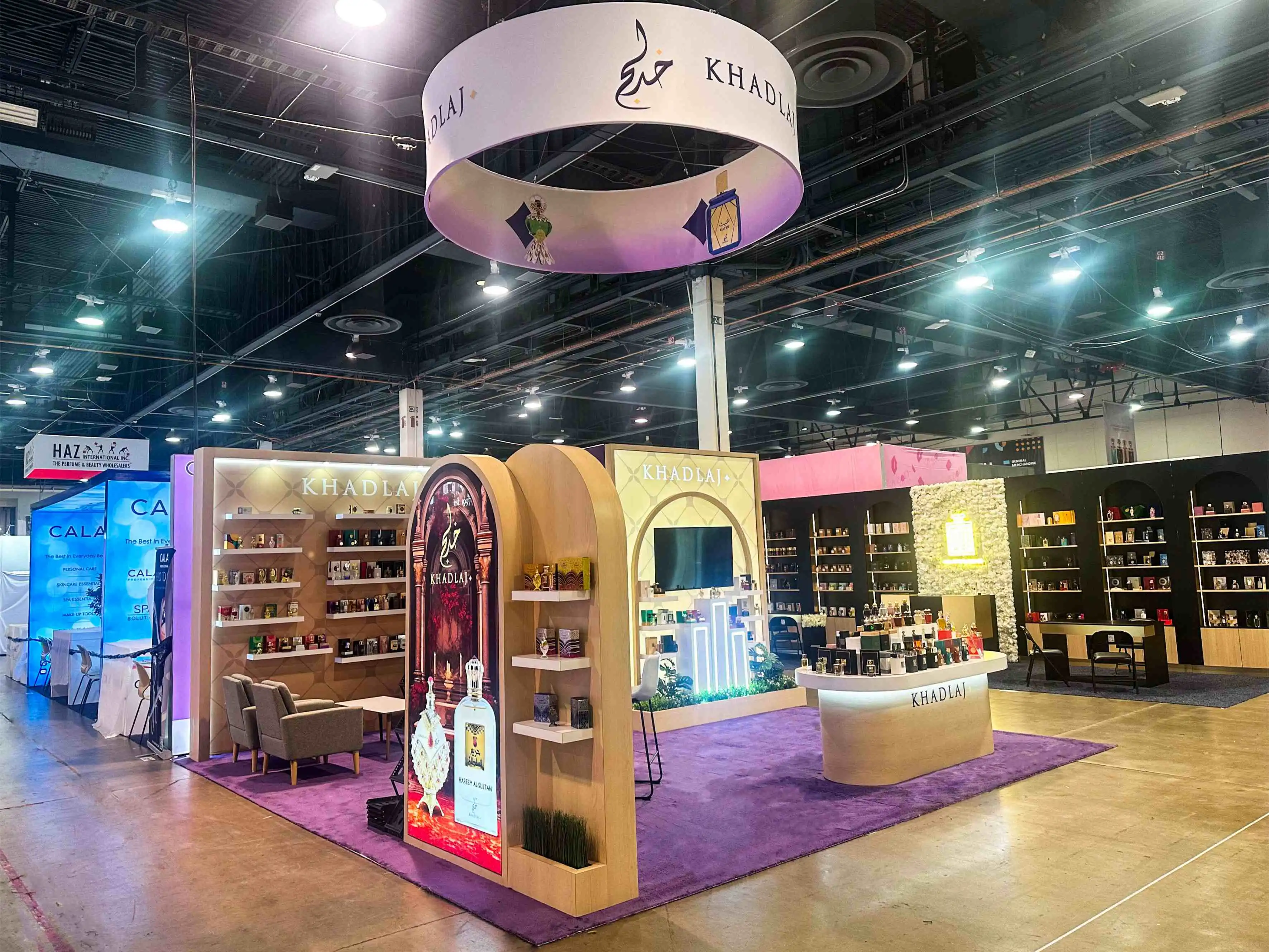
A modular display design that is successful strikes a balance between aesthetic appeal and practical usefulness, so providing surroundings that have the potential to encourage meaningful interactions entre exhibitors and prospects. Beginning with a knowledge of the brand's goals and then translating those objectives into physical encounters that connect with the target audience is the first step in the design process.
The following are some of the essential ideas that are included into effective modularity booth designs in order to optimize attendance and operational efficiency:
The visual order plays a crucial part in directing the attention of visitors by strategically positioning the parts that are most important to the message. The primary brand messaging should be placed in prominent areas that are visible from the major aisles, while supplemental information may be positioned inside the booth space to promote further in-depth research. Taking this technique results in the creation of natural visitor flow patterns, which in turn improves prospects for lead generation.
Specific functions are served by functional zones included inside modular displays. These functional zones include product show areas as well as private meeting places. Modular components may be used to establish and modify these zones, which enables exhibitors to maximize their layout in accordance with the unique needs of their show or the preferences of their audience. The incorporation of hidden compartments as well as display cases into modular systems makes the integration of storage materials less noticeable.
Color psychology and lighting integration enhance the overall impact of modular displays. LED lighting systems can be incorporated into framework components, providing even illumination that highlights products and graphics while creating inviting atmospheres. The ability to adjust lighting configurations adds another layer of customization that helps brands stand out in competitive exhibition environments.
Comparing Display Solutions: Making Strategic Decisions
When evaluating display options, procurement professionals must consider multiple factors that impact both immediate costs and long-term value. Modular systems, especially a Custom Modular Trade Show Display, often present higher initial investments compared to basic portable displays. However, when analyzing total cost of ownership and brand impact, the cost-per-use calculation and return on investment frequently favor a custom modular solution for companies with regular exhibition schedules, due to its durability, adaptability, and consistent professional presentation.
When it comes to durability, comparisons reveal major benefits for modular systems that are well designed. It is possible for high-quality components to tolerate hundreds of manufacturing cycles without compromising their structural integrity or keeping their aesthetic attractiveness. As a result of its lifespan, budgeting may be more accurately predicted, and replacement costs can be lowered throughout the term of many display programs.
Transportation efficiency becomes particularly important for international exhibitors. Modular components typically pack into standardized shipping cases that optimize freight costs and simplify logistics coordination. The ability to ship components separately also provides flexibility when working with international shipping requirements or tight delivery schedules.
Storage considerations affect long-term ownership costs. Modular systems designed with compact storage in mind reduce warehouse requirements and associated expenses. Many systems include wheeled storage cases that double as shipping containers, streamlining the entire logistics process from warehouse to show floor.
Procurement Strategies and Order Management
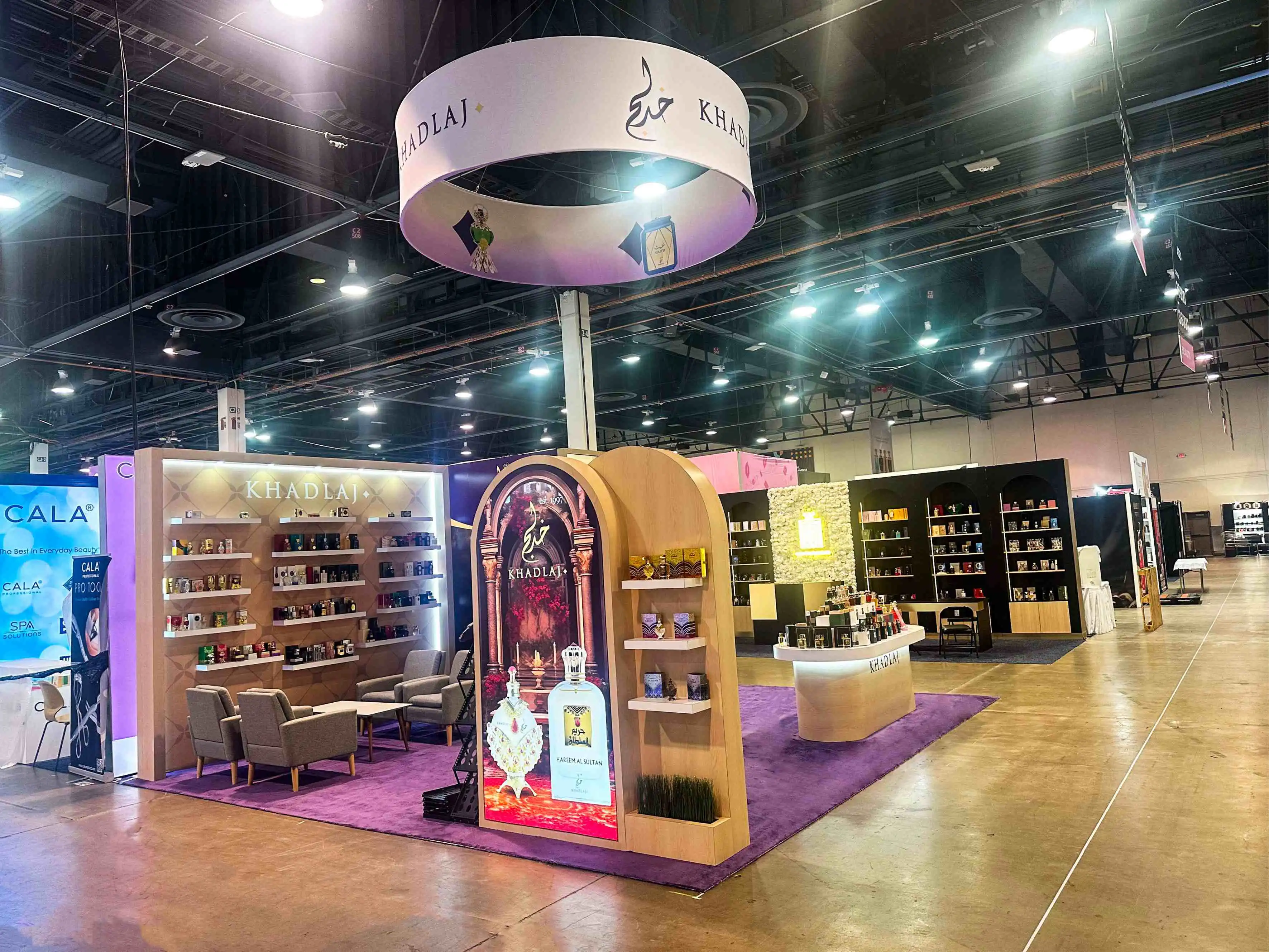
The procurement teams are able to make more informed judgments and more properly budget for exhibition programs when they have a better understanding of the modular display price structures. The pricing structure often takes into account the complexity of the components, the degree of customisation, and the manufacturing volume. Larger orders or multiple-store commitment are more likely to profit from economies of scale.
In order to effectively manage lead time, it is necessary to coordinate timing between manufacturing schedules and design approval dates. When compared to completely customized solutions, standard modular elements often have shorter lead times. However, they still provide the flexibility that is necessary for company-specific graphics and settings. There are possibilities for rush manufacturing for those who have urgent needs; nevertheless, preparing ahead assures that the results will be of the highest possible quality and price.
The procurement process typically follows a structured approach that begins with needs assessment and space planning. Design development incorporates brand guidelines and functional requirements, followed by detailed engineering that ensures proper fit and finish. Production oversight maintains quality standards while meeting delivery commitments.
Rental options provide a practical alternative, particularly for a Custom Modular Trade Show Display, catering to companies with limited exhibition schedules or those testing new market opportunities. Many modular display manufacturers offer rental programs for these custom systems that include setup services, maintenance, and storage between shows. This approach reduces capital investment while providing access to high-quality, brand-specific display solutions that maintain a professional and cohesive image.
Industry Trends and Future Developments
Integration of new technologies and measures to promote environmental sustainability are driving innovation in the modular display business, which is continuing to undergo change. In order to create combinations that connect physical presence wih interactive capabilities, smart display parts now mix digital components in a seamless manner into classic framework systems.
Sustainability concerns influence material selection and manufacturing processes across the industry. Recyclable aluminum components and eco-friendly fabric options address corporate environmental objectives while maintaining performance standards. Many manufacturers now offer take-back programs that ensure responsible disposal or recycling of display components at end-of-life.
The increasing prevalence of digital integration is a trend that improves the possibilities of modular display systems. In order to create variable visual experiences that may adapt to varied content during the course of exhibition days, LED video panels that are built for modular foundation integration are available. The incorporation of capacious touchscreens and brand configurators into modular constructions allows for the creation of engaging experiences that result in the generation of qualified leads.
Augmented reality applications are beginning to integrate with physical modular displays, creating immersive experiences that showcase products or services in new ways. These technological enhancements work alongside traditional display elements to create memorable brand encounters that differentiate exhibitors in competitive markets.
Conclusion
Modular displays represent the future of exhibition marketing, offering the flexibility and functionality that modern businesses require for successful trade show participation. These versatile systems, particularly a Custom Modular Trade Show Display, provide cost-effective solutions that adapt to changing needs while maintaining professional aesthetics that drive meaningful visitor engagement. The investment in quality modular display systems pays dividends through reduced long-term costs, simplified logistics, and enhanced brand presentation capabilities. As the exhibition industry continues evolving, modular solutions like a Custom Modular Trade Show Display position companies for success across diverse markets and exhibition environments, making them essential tools for competitive advantage in today's dynamic business landscape.
FAQ
Q1: What is the typical lifespan of a quality modular display system?
A: With frequent usage, properly built modular display systems generally survive between five and ten years, depending on the frequency of transit and the level of care used during the setup process. Components of a quality aluminum framework often outlive graphics, who may need renewal every three to five years in order to keep their look current and to ensure that the brand remains relevant.
Q2: Can modular displays accommodate different booth sizes without additional purchases?
A: Yes, properly designed modular systems can be reconfigured for various booth sizes using existing components. However, significantly larger spaces may require additional components to maintain visual impact and proper proportions within the expanded area.
Q3: How do shipping costs compare between modular and traditional custom displays?
A: Modular displays typically ship more efficiently due to standardized packing configurations and optimized component design. The ability to ship only necessary components for specific shows can reduce freight costs, particularly for international exhibitions where shipping expenses represent significant budget items.
Transform Your Exhibition Strategy with HR Exhibits Service, Inc.
Through HR Installations Service, Inc., international exhibitors who are looking for dependable bespoke modular show display ideas will be able to receive full assistance. Our competence in the construction of modular displays combines our unique design skills with a realistic awareness of the constraints that are placed on exhibitions across the world.
The challenges that foreign companies face when they participate in trade exhibitions all over the globe are something that we are aware of. Our modular display solutions are designed to handle the specific issues that arise while showing in a variety of nations and places, all while ensuring that the presentation of the brand remains constant and that operational efficiency is maintained. Every system that we develop demonstrates our dedication to producing high-quality goods and ensuring the success of our customers.
We are a seasoned provider of bespoke modular trade show displays, and we provide comprehensive project management services, beginning with the original design and continuing through on-site assistance. In order to build solutions that satisfy particular goals while also optimizing allocations of money across many show programs, our team collaborates closely with procurement executives and marketing specialists.
Rapid prototyping, specialized engineering, and scaling production are some of the manufacturing skills that we provide. These capabilities allow us to fulfill both small-run orders and major corporate projects successfully. The systems of quality control guarantee that every component satisfies our stringent requirements for both its endurance and its aesthetic appeal. Ready to explore how modular displays can enhance your exhibition strategy? Contact us at info@hrexhibits.com to discuss your specific requirements and receive a comprehensive proposal tailored to your exhibition objectives.
References
1. Anderson, M. & Thompson, R. (2023). "Trade Show Display Innovation: Modular Systems and Market Adaptation." Exhibition Marketing Quarterly, 15(3), 45-62.
2. Chen, L. (2024). "Sustainable Materials in Modular Display Manufacturing: Environmental Impact and Industry Standards." Green Business Review, 8(2), 78-91.
3. Davis, K. & Wilson, J. (2023). "Cost-Benefit Analysis of Modular vs. Custom Trade Show Displays." B2B Marketing Analytics, 12(4), 134-149.
4. Rodriguez, S. (2024). "Digital Integration in Physical Display Systems: Technology Trends and Applications." Exhibition Technology Today, 6(1), 23-37.
5. Smith, P. & Johnson, A. (2023). "International Trade Show Logistics: Modular Solutions for Global Exhibitors." International Business Expo Journal, 19(7), 88-103.
6. Williams, D. (2024). "Procurement Best Practices for Modular Display Systems in Corporate Exhibition Programs." Corporate Event Management, 11(2), 56-71.