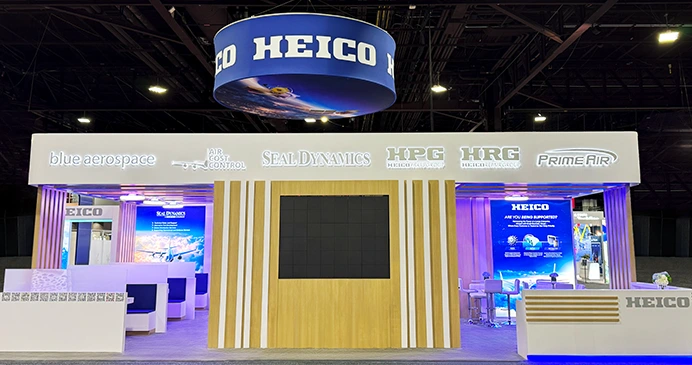
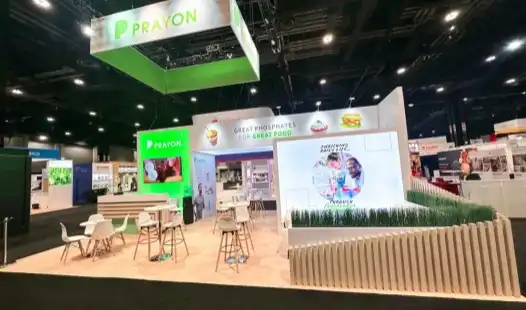
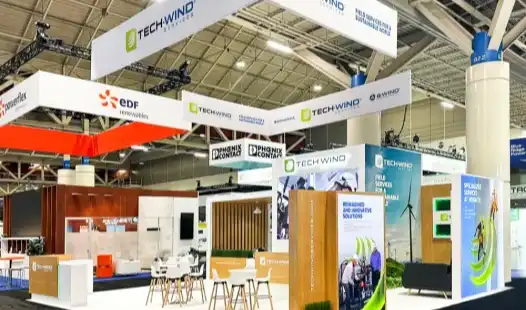
Interactive features for custom booth displays represent the evolution of modern trade show marketing, transforming static presentations into dynamic experiences that captivate audiences and generate meaningful leads. These technology-enhanced elements include touchscreen displays, augmented reality demonstrations, virtual reality experiences, and gamification systems that create memorable brand interactions. A well-designed custom trade show booth incorporating interactive features can increase visitor engagement by up to 70% compared to traditional displays, while providing valuable data insights that drive follow-up strategies. These innovative solutions address the growing need for differentiation in competitive B2B environments, where capturing attention and building trust quickly becomes essential for marketing success.
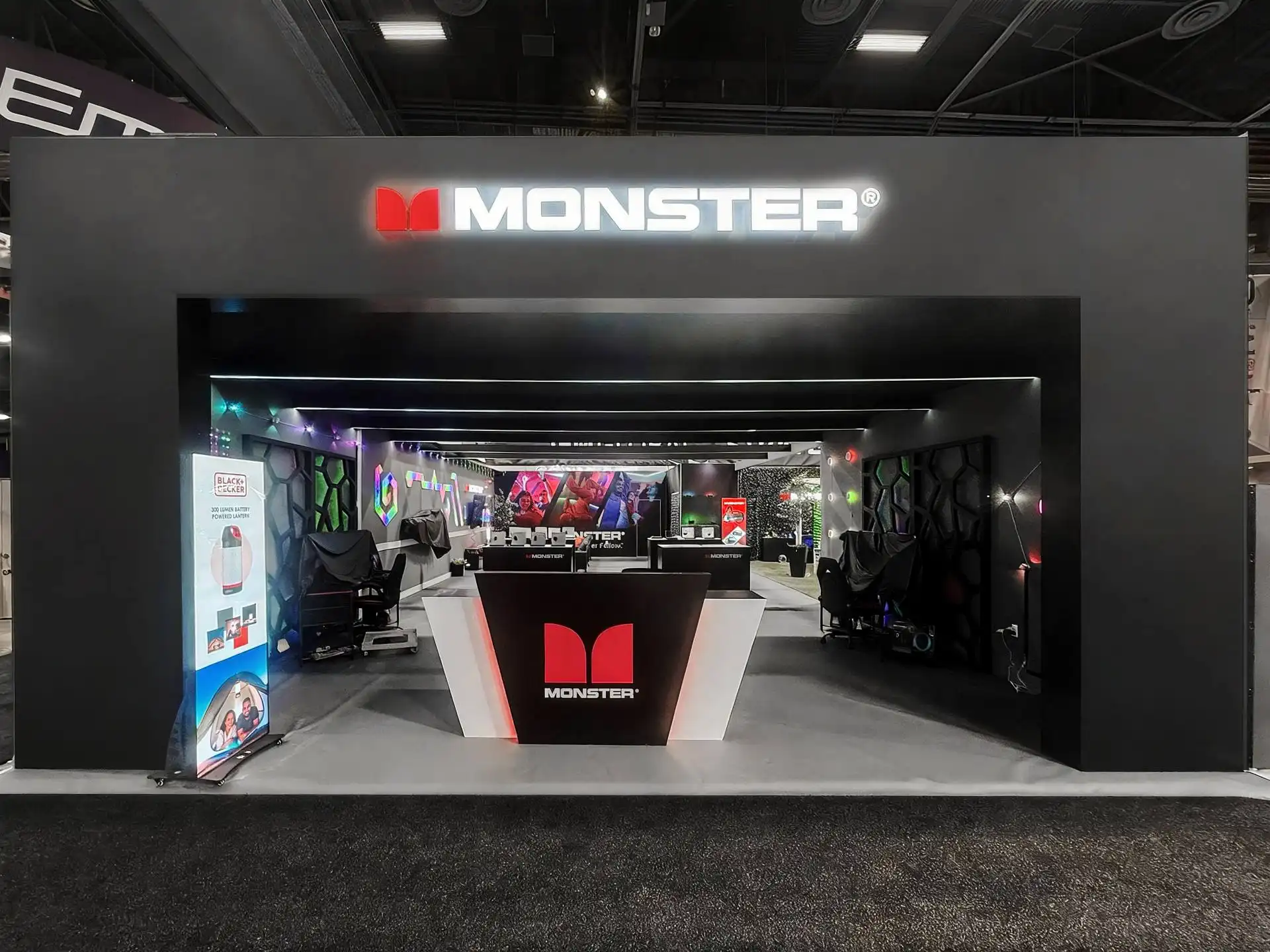
Understanding Interactive Features in Custom Trade Show Booths
The term "interactive features" refers to a wide range of technology-enabled components that are included into exhibition displays with the purpose of attracting visitors via the use of hands-on experiences. As a result of these components, passive watching is transformed into active engagement, which results in deeper relationships being established between companies and prospective customers. There are a variety of modern interactive cubicle solutions available, including as online displays for product research, reality overlays that display items in real-world surroundings, and virtual reality spaces that immerse visitors into comprehensive brand experiences.
The introduction of these characteristics in a systematic manner tackles important issues that are encountered by organizations that display internationally. When attending a trade show, consumers often spend just a few seconds assessing typical booth displays; however, interactive aspects greatly lengthen the amount of time that attendees remain in the booth. It has been shown via research that attendees spend a typical of 8.5 minutes visiting booths that include interactive elements, in contrast to the 2.3 minutes that they spend at static displays. More possibilities for meaningful talks and the development of relationships are made available as a result of this longer involvement.
Modern interactive solutions also offer sophisticated data collection capabilities that help exhibitors understand visitor behavior patterns. Heat mapping technology tracks which display areas generate the most interest, while digital forms capture contact information seamlessly during the engagement process. These insights enable more targeted follow-up communications and help refine future exhibition strategies.
Because of their adaptability, interactive booth features are suited for use in a wide variety of sectors and kinds of exhibitions. via the use of interactive simulations, technology businesses may exhibit the capabilities of their software, manufacturing companies can display the capabilities of their complicated gear via virtual walkthroughs, & service providers can utilize entertainment to explain their procedures in an interesting manner. Because of their versatility, interactive elements are beneficial investments for businesses that participate in several trade exhibitions across a variety of industries.

Designing Custom Trade Show Booths with Interactive Features
Effective interactive booth design requires careful balance between technological innovation and practical functionality. The design process begins with understanding specific marketing objectives and target audience preferences. Successful interactive booth layouts consider traffic flow patterns, ensuring that technology elements enhance rather than obstruct natural visitor movement through the space.
Space optimization becomes crucial when incorporating interactive features into a Custom Trade Show Booth. Compact touchscreen kiosks work well in smaller exhibit spaces, providing product information and lead capture without overwhelming the area. Medium-sized booths benefit from dedicated demonstration zones where visitors can experience products through guided interactive sessions. Larger custom exhibits can accommodate multiple interactive zones, creating diverse engagement opportunities that appeal to different visitor types.
Here are the essential design considerations for interactive booth features:
- Technology Integration: Seamless incorporation of hardware and software systems that operate reliably throughout the exhibition period. This includes ensuring adequate power supply, stable internet connectivity, and backup systems to prevent technical failures during peak visitor periods.
- User Experience Design: Intuitive interfaces that visitors can navigate easily without extensive instruction or assistance. The interactive elements should provide immediate value and clear pathways to additional information or contact opportunities.
- Brand Consistency: Visual design elements that maintain brand identity while incorporating modern interactive features. The technology should enhance brand messaging rather than distract from core marketing objectives.
- Accessibility Features: Design considerations that ensure interactive elements are usable by visitors with varying abilities and comfort levels with technology. This includes appropriate screen heights, audio options, and alternative interaction methods.
These design principles ensure that interactive features contribute effectively to overall booth performance while maintaining professional appearance standards expected in B2B exhibition environments.
Comparing Interactive Custom Trade Show Booths with Traditional Booths
There is more to the difference between interacting custom booths and classic display options than just the incorporation of technology at the surface level. In the process of communicating with prospective customers, interactive booths bring about a fundamental shift from the dissemination of information in a passive manner to the creation of experiences that include active interaction. This shift has an effect on the behavior of visitors, the quality of leads, and the prospects for developing long-term strategic relationships.
In order to attract and engage customers, traditional booth displays depend largely on the visual attractiveness of the booth as well as interactions between staff members. The amount of product displays and information exchange that can be accomplished during the customary durations of trade shows is restricted by these methodologies, despite the fact that they are beneficial for particular applications. Interactive features are able to circumvent these limits by enabling visitors to explore goods and services at their desired speed while simultaneously collecting their individual interests and information for contact in an automated fashion.
Investment concerns shine a light on significant distinctions between the various kinds of booths. Additionally, traditional television systems often demand lesser initial expenditures; but, they provide restricted data collecting capabilities and shorter periods of time for visitors to connect with the display. The initial expenditures for interactive booth solutions are greater, but they provide demonstrable returns in the form of enhanced lead quality, lengthier visitor engagements, and extensive data that can be used to influence future marketing initiatives.
The operational advantages of interactive booths become particularly evident during busy exhibition periods. While a traditional Custom Trade Show Booth might depend entirely on staff availability for product demonstrations, a strategically designed interactive system can engage multiple visitors simultaneously. This scalability ensures that no potential leads are missed during peak traffic periods, while staff can focus on high-value conversations with qualified prospects.
Interactive booth solutions are often found to be more advantageous in long-term cost analysis for businesses who participate in several shows on an annual basis. The adaptable structure of designed systems for interaction enables components to be adjusted for a variety of display sizes and expo themes, which maximizes return for investments across a number of different events. When it comes to maintaining modern appearance requirements, traditional display components often need more regular upgrades and replacements.
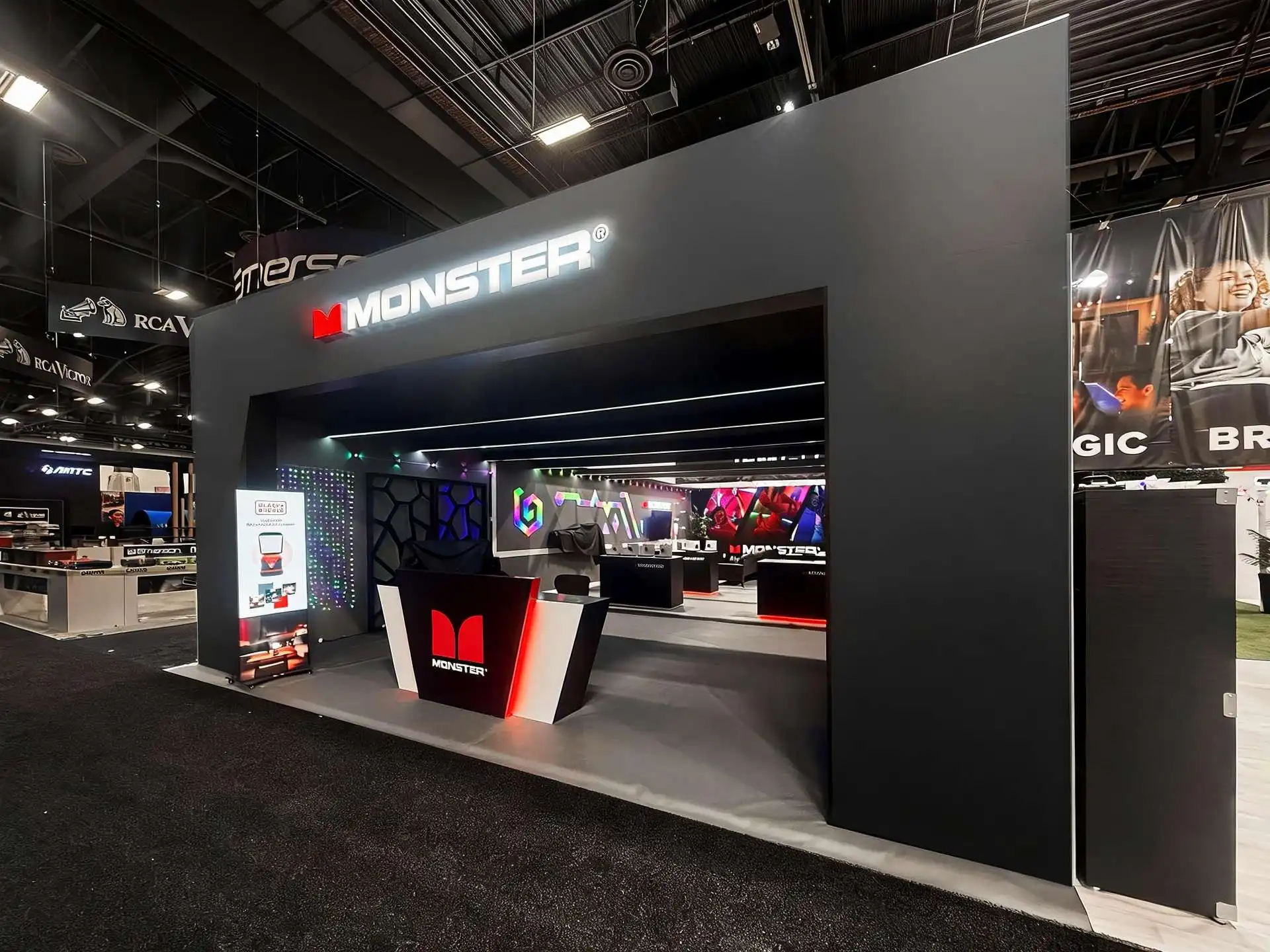
Implementing and Building Interactive Features in Custom Booths
In order to successfully deploy interactive booth elements, it is necessary for design teams, technology experts, and fair logistics professionals to carefully coordinate their efforts. Comprehensive planning stages that cover both technical needs and practical exhibition limits are the starting point for initiatives that are more likely to be successful. This phase of planning normally takes place between 12 and 16 weeks before to the date of the exhibition. This is done to ensure that sufficient time is available for designing, fabricating, testing, and training personnel.
Technical infrastructure development forms the foundation of effective interactive booth implementation. Power requirements, internet connectivity, and hardware specifications must be determined early in the design process to ensure compatibility with exhibition venue capabilities. Many international exhibition venues have specific technical requirements and restrictions that must be incorporated into the booth design from the beginning.
The fabrication process for interactive booths involves specialized skills that combine traditional booth construction with advanced technology integration. Experienced fabricators understand how to create durable mounting systems for sensitive electronic equipment while maintaining the aesthetic appeal expected in professional exhibition environments. Quality control processes during fabrication help identify potential issues before on-site installation begins.
It is very necessary to have pre-exhibition testing methods in place in order to guarantee dependable functioning during live events. During these rounds of testing, functionality evaluation, stress testing under settings that replicate intensive use, and validation of the backup system are all taken into consideration. In addition to assisting in the identification of possible failure areas, comprehensive testing ensures that the support teams are ready to resolve any difficulties that may develop during the show.
Staff training programs prepare booth personnel to maximize the effectiveness of interactive features within a Custom Trade Show Booth. Training typically covers basic troubleshooting procedures, visitor guidance techniques, and data collection processes. Well-trained staff can seamlessly integrate interactive elements into their visitor engagement strategies, creating cohesive brand experiences that combine human interaction with technological innovation.

Future Trends and Innovations in Interactive Custom Trade Show Booths
Technology advancements in areas like as the use of artificial intelligence, augmented and environmentally responsible design methods are driving the further acceleration of the growth of interactive booth technology. The way in which businesses approach exhibiting marketing is being reshaped as a result of these growing trends, which are also offering new potential for meaningful experiences for visitors. It is helpful for exhibition planners to have an understanding of these advancements so that they can make educated judgments on the investments in technology and the methods for booth design.
The use of artificial intelligence is expanding the potential of interactive booths by making it possible to provide visitors with individualized experiences that are based on contemporaneous behavioral analysis. Systems that are driven by artificial intelligence are able to modify the display of information depending on the interests of visitors, in addition to providing personalized product suggestions and automatically qualifying leads based on interaction patterns. These features allow the booth personnel to concentrate their efforts on the prospects who have the greatest potential while simultaneously ensuring that everybody who comes get information that is pertinent to their needs.
Augmented reality technology is becoming more accessible and practical for trade show applications. Modern AR solutions can overlay digital information onto physical products, demonstrate complex processes through visual simulations, and create immersive brand experiences using standard mobile devices. This accessibility makes AR features viable for companies with varying budget constraints while delivering impressive visitor experiences.
A growing number of choices regarding the design of interactive booths are being influenced by sustainability concerns. Many businesses are looking for technological solutions that will help them achieve their environmental responsibility objectives while still preserving the quality of the experiences they provide to visitors. In forward-thinking booth designs, modular interactive equipment that can be reused across several shows, display technologies that are efficient in terms of energy use, and electronic alternatives alongside printed materials are becoming typical elements.
The incorporation of immediate analytics of data is making it possible to implement more complex tactics for tracking leads and follow-up inquiries. At this point in time, interactive systems are able to record comprehensive information on the journeys of visitors. This includes the content areas that create the greatest interest, the length of time that visitors spend interacting with various features, and the information that they access while they are at the booth. With the use of this data, significant insights may be gained for immediate follow-up discussions as well as for the refining of long-term marketing strategies.
Conclusion
Interactive features represent the future of effective trade show marketing, offering unprecedented opportunities to engage visitors, capture quality leads, and differentiate brands in competitive exhibition environments. The strategic implementation of these technologies transforms a traditional Custom Trade Show Booth into a dynamic, memorable platform for interaction that drives meaningful business relationships. Companies investing in well-designed interactive booth solutions consistently report improved visitor engagement, higher lead quality, and enhanced brand recognition that extends far beyond the exhibition floor. As trade show marketing continues evolving, interactive features will become increasingly essential for companies seeking to maximize their exhibition investments and achieve sustainable competitive advantages in global markets.
FAQ
Q1: What interactive features work best for smaller custom trade show booths?
A: The use of QR code systems, tablet-based catalogs for products, and compact touchscreen displays are all examples of technologies that perform particularly well in tiny settings. In order to enhance involvement without overwhelming the restricted square footage, several alternatives are used. Not only can digital business card interchange systems and simple the technology of augmented reality programs that can be accessible via guest cellphones offer tremendous interaction capabilities, but they also preserve space efficiency.
Q2: How long does developing a fully interactive custom booth typically take?
A: A complete interactive booth creation typically takes ten to fourteen weeks, beginning with the original design and ending with an installation that is ready for show. The steps of design assessment, technology selection, manufacturing, integration testing, then staff training are all included in this timetable. When compared to smaller interactive additions, which can typically be finished in six to eight weeks, more complicated projects that need the creation of specialized software may take more time.
Q3: Can interactive booth features be reused for multiple trade shows?
A: It is true that interactive systems that have been correctly developed are constructed to be portable and reusable across a number of different shows. The software content may be refreshed to reflect new items or messages, and the modular technological components can be modified to accommodate a variety of booth sizes and layouts. The return expense for businesses who take part in numerous yearly exhibits is greatly improved as a result of this reusability.
Partner with HR Exhibits Service, Inc. for Your Next Interactive Booth Experience
HR Exhibits Service Inc. is prepared to revolutionize your show presence by providing you with cutting-edge interactive exhibit solutions that are designed to increase interaction and provide qualified leads. With our all-encompassing strategy, which combines creative design experience with the integration of cutting-edge technology, we guarantee that your bespoke trade show booth will generate quantifiable results at each and every event. Due to the fact that we are a reputable manufacturer of bespoke trade show booths, we are aware of the specific difficulties that are encountered by foreign exhibitors. We provide comprehensive solutions that remove the complexity of logistics while simultaneously increasing the effect of marketing.
Ready to discover how interactive features can elevate your next trade show presence? Our consultation process begins with understanding your specific marketing goals, target audience characteristics, and exhibition requirements. Contact us at info@hrexhibits.com to schedule a personalized discussion about your interactive booth needs and receive a tailored proposal designed to maximize your exhibition success. Visit our website at hrexhibits.com to explore our portfolio of successful interactive booth projects and discover the possibilities for your brand.
References
1. Exhibition Industry Research Association. "Trade Show Engagement Metrics and Interactive Technology Impact Study." Annual Industry Report, 2023.
2. Johnson, Michael R. "Digital Transformation in B2B Exhibition Marketing: Interactive Technologies and Visitor Behavior Analysis." Journal of Trade Show Marketing, Volume 18, 2023.
3. International Association of Exhibitions and Events. "Global Exhibition Technology Trends and Implementation Best Practices." Industry White Paper, 2023.
4. Chen, Sarah L. and Williams, David K. "ROI Analysis of Interactive Booth Features in International Trade Shows." Business Exhibition Quarterly, Issue 3, 2023.
5. Trade Show Executive Magazine. "Interactive Booth Design: Technology Integration Strategies for Maximum Visitor Engagement." Annual Technology Issue, 2023.
6. European Exhibition Research Institute. "Comparative Analysis of Traditional vs. Interactive Exhibition Displays: Visitor Engagement and Lead Generation Effectiveness." Research Publication, 2023.