How 3D Booth Design Improves Trade Show Engagement Results
It can be stressful to walk into a big trade show. There are a lot of booths, and they all want to get people's attention and get leads. Still, some shows naturally get a lot of attention while others don't. A lot of the time, the difference is how well the booth gets its point across before it's even made. 3D booth design turns vague ideas into real-world images, so exhibitors can tweak the plan of the space, brand elements, and guest paths before spending money on building the booth.
This method cuts down on expensive shocks, makes it easier for everyone to work together, and makes exhibition places that are perfect for getting people involved. We've seen at HR Exhibits Service, Inc. how realistic drawings and virtual walkthroughs help our clients make decisions with confidence, which leads to booths that don't just stand out; they get people to buy.
Understanding 3D Booth Design and Its Strategic Value
What Makes 3D Visualization Essential for Modern Exhibitors
The way floor plans and sketches are usually drawn leaves too much open to opinion. When marketing managers look at a 2D model, it's hard for them to picture how their brand will look in a crowded show hall. This guessing is taken away by three-dimensional rendering, which shows photorealistic views from different points.
Lighting effects, material patterns, and product placement become clear, which lets teams more accurately judge the choices they made in the design process. This openness is appreciated by procurement professionals as it cuts down on change orders and price overruns. It's easier for projects to move forward when everyone, from sales directors to transportation managers, can see exactly what they're okaying.
How Immersive Previews Strengthen Stakeholder Confidence
At big events like the IFT FIRST Annual Meeting & Food Expo in Chicago (July 12–15, 2026) and Cosmoprof North America Las Vegas (July 13–15, 2026), we've helped business marketing managers get their brands known. In these high-stakes situations, everything has to go perfectly.
With virtual walkthroughs, decision-makers can look at their booth online and find problems like odd sightlines, bad traffic flow, or not enough space for displaying products weeks before the booth is built. This proactive improvement boosts trust among internal teams and outside partners, making sure that the end installation fits with marketing goals.
Reinforcing Brand Identity Through Spatial Storytelling
A well-done display does more than just show off goods; it also tells a story about the brand. Three-dimensional modeling puts parts of a brand's visual identity, like color schemes, logos, fonts, and images, into a 3D space. 3D booth design integrates these elements seamlessly. Designs that mix clinical precision with welcoming atmospheres are good for medical sales directors who need meeting areas that work and look good at the same time. Startup owners who want to be creative without spending a lot of money can try out bold plans and flexible parts online, making sure they have the most impact possible while staying within their budget.
Core Elements of High-Impact 3D Exhibit Design
Mapping Visitor Flow for Optimal Engagement
To have a good booth, you must first understand how people behave. We look at entry places, traffic patterns, and dwell time to make plans that easily lead people where they need to go. Open doors make it easy to look around, and clearly defined areas, like product displays, practice areas, and private meeting rooms, serve different functions without making the space feel disorganized.
During the planning process, we model different crowd densities to make sure that paths can still be used during busy times. This attention to circulation not only makes the experience of visitors better, but it also helps your team set up more important contacts.
Integrating Lighting and Graphics for Maximum Visibility
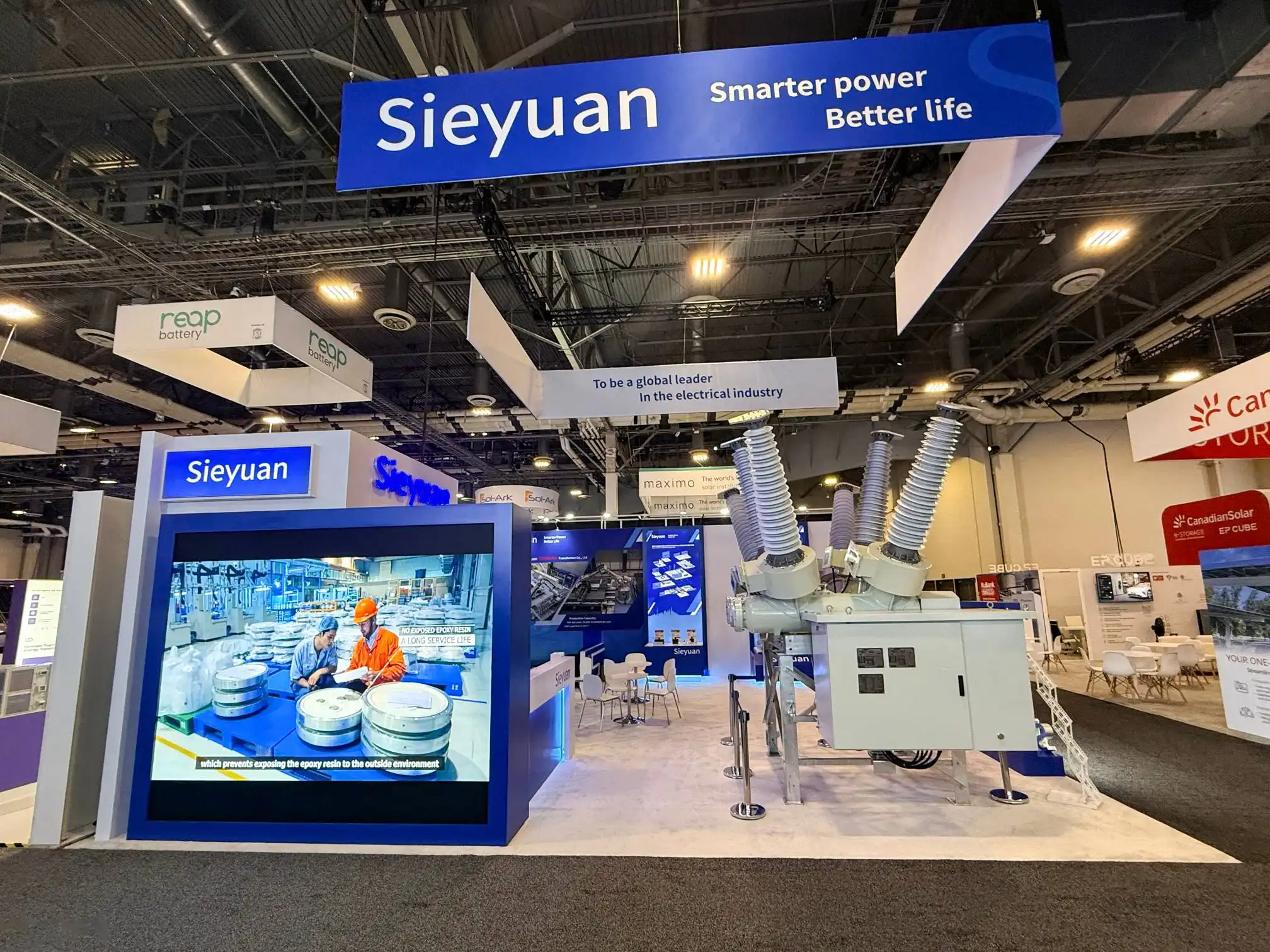
Lighting changes how we see things. Smart lighting draws attention from across the hall, creates atmosphere, and draws attention to important goods. We make lively visual settings by combining spotlights above, images that are lit from behind, and LED accents. Graphics need to be readable from far away and interesting up close.
This mix is found by trying the size and placement of the graphics in a virtual model. Choices of materials are also important. Different brand traits are shown by finishes that reflect light, natural wood textures, or matte surfaces. By testing these combos online, expensive material mismatches can be avoided.
When we plan exhibits for SUPERZOO in Las Vegas (August 12–19, 2026), we stress how important it is for booth design to be able to handle a wide range of products, from big machinery to small consumer goods, while still looking good. Our workshop in Las Vegas lets us help both local dealers and clients from other countries without any problems.
Building Interactive Touchpoints That Drive Conversations
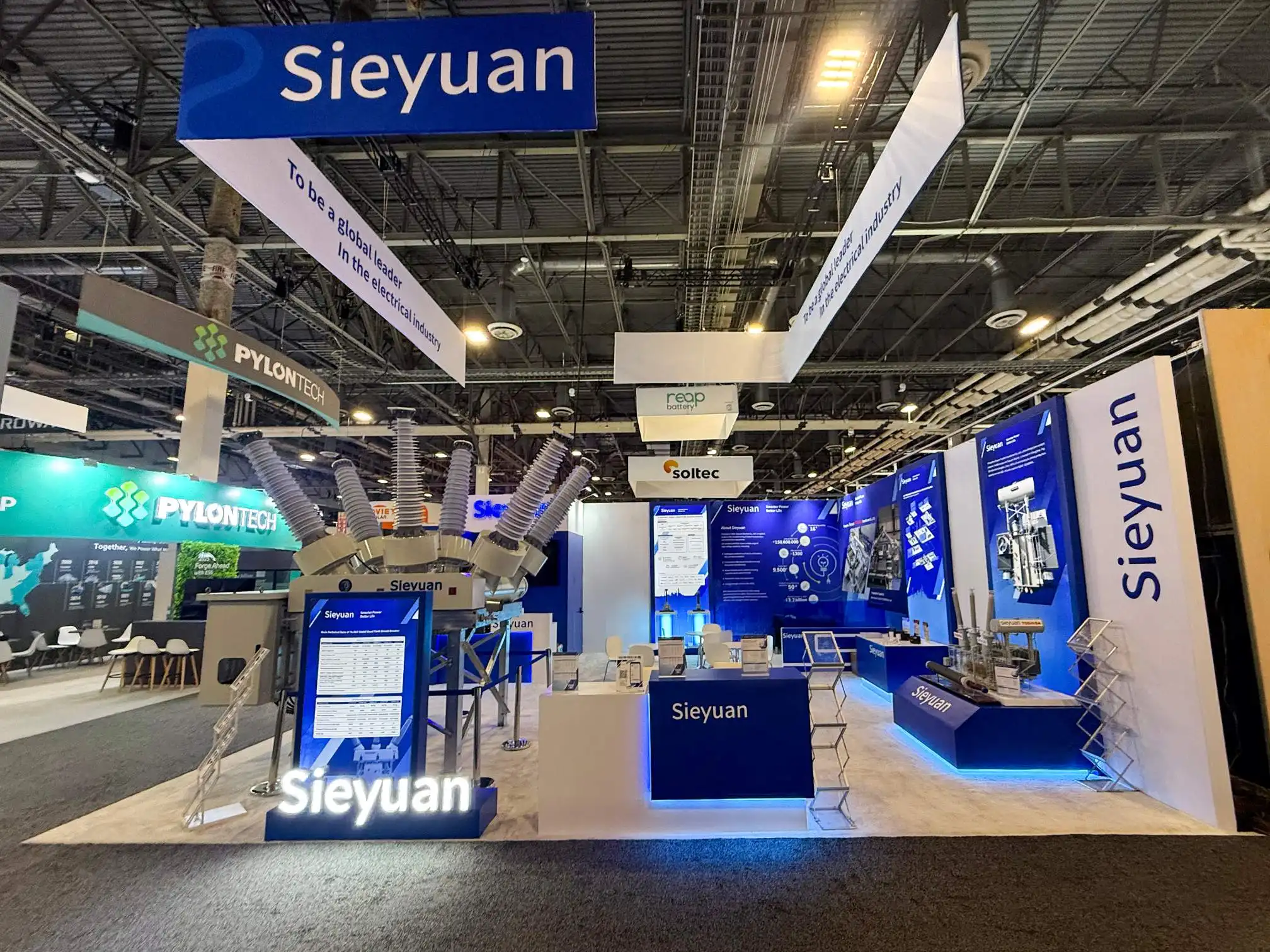
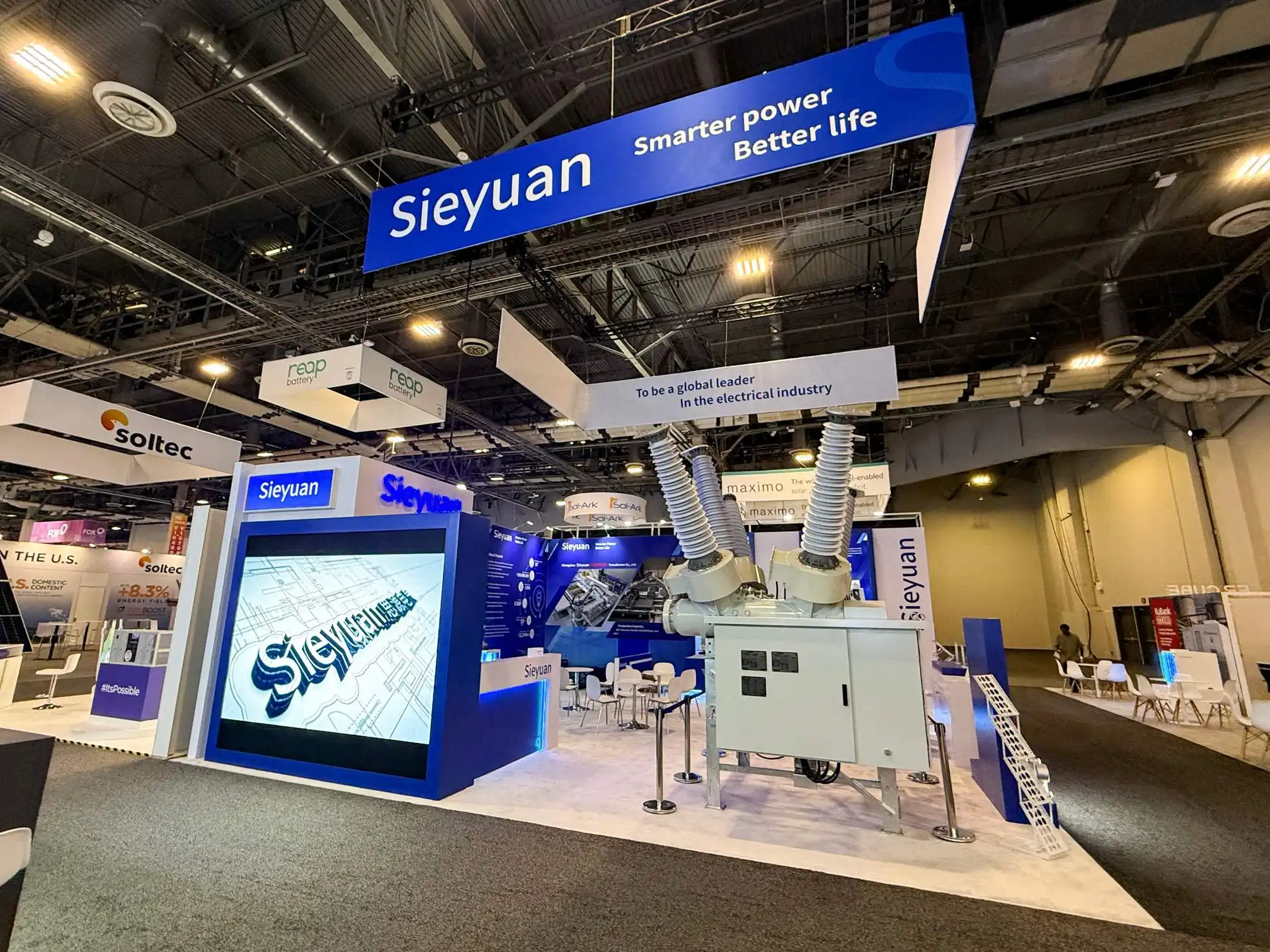
No longer are static images enough. People who go expect to be able to connect with things, like product lists on touchscreens, augmented reality demos, or live equipment trials. With 3D booth design planning, these technologies are given room while also making sure they don't take over the general look. We've helped clients in the energy sector set up big screens that show operating models. These screens are placed to catch people's attention while still leaving room for face-to-face conversations. Medical device exhibitors have hands-on trial areas that are set up with enough space for safe product presentations.
Choosing the Right Design Approach for Your Budget and Goals
Custom Builds Versus Modular Systems
Custom stands are the best way for your brand to be seen. Everything about you, from the way buildings are built to the way furniture is designed, shows who you are. This choice is good for big companies with big funds that want to make a big impression at big events like CES or SHOT Show.
Custom manufacturing, on the other hand, takes longer and costs more. 3D booth design offers a balanced alternative. Modular solutions are adaptable and can be used again and again. Pre-engineered parts can be put together in a number of different ways, which makes them perfect for artists who go to a lot of shows each year. Startup founders like modular solutions because they let them be creative while keeping costs low. As the business grows, the modules can be changed or added to.
Evaluating Software Tools and Service Models
Design software includes simple programs like SketchUp that can be used for basic rendering and more complex programs like 3ds Max that can create complex lighting and material effects. Blender's open-source freedom makes it a good choice for presenters on a budget. But software by itself doesn't promise results. Success depends on how well the plan was thought out. Full-service providers like HR Exhibits Service, Inc. know how venue rules, installation logistics, and audience standards affect design choices because they have both technology know-how and trade show experience. Our team oversees the whole process, from rough sketches to on-site checks, to make sure everything goes smoothly.
Hidden Costs and Value Optimization
The total cost of the project, not just the planning fees, must be looked at by procurement managers. Shipping, work for setting up, storage, and show services like internet, electricity, and renting chairs add up fast. We give clear breakdowns of costs early on in the planning process, which helps clients make good use of their funds.
Reusable parts, like movable walls, display cases, and lighting rigs, help presenters who go to more than one event save money on costs per show. Our plant in Las Vegas is conveniently located for West Coast shows, saving money on freight costs and making it easier to work with foreign clients who aren't familiar with U.S. trade show rules.
Proven Strategies That Elevate Visitor Engagement
Creating Memorable First Impressions from a Distance
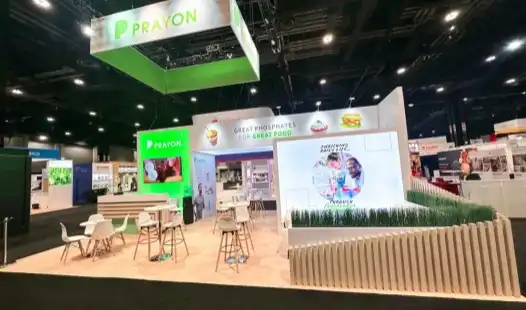
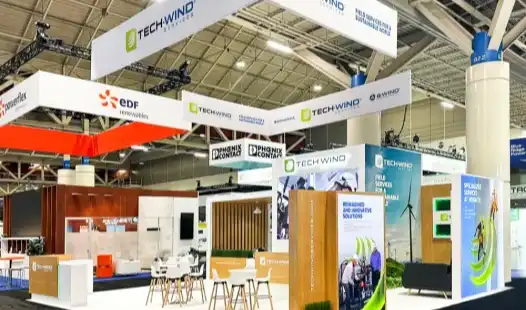
The exhibition rooms are very big. People must be able to see your booth from 50 feet away. To do this, we use strong architectural features that are higher than normal 10-foot backdrops, such as tall buildings, unique shapes, or dramatic lighting. Color psychology plays a part. For example, tech companies often choose cool blues and grays that make people think of new ideas, while food and drink vendors at IFT FIRST might choose warm, inviting colors. The goal is for people to recognize your company right away, before they even read a word.
Designing Zones That Facilitate Different Interaction Types
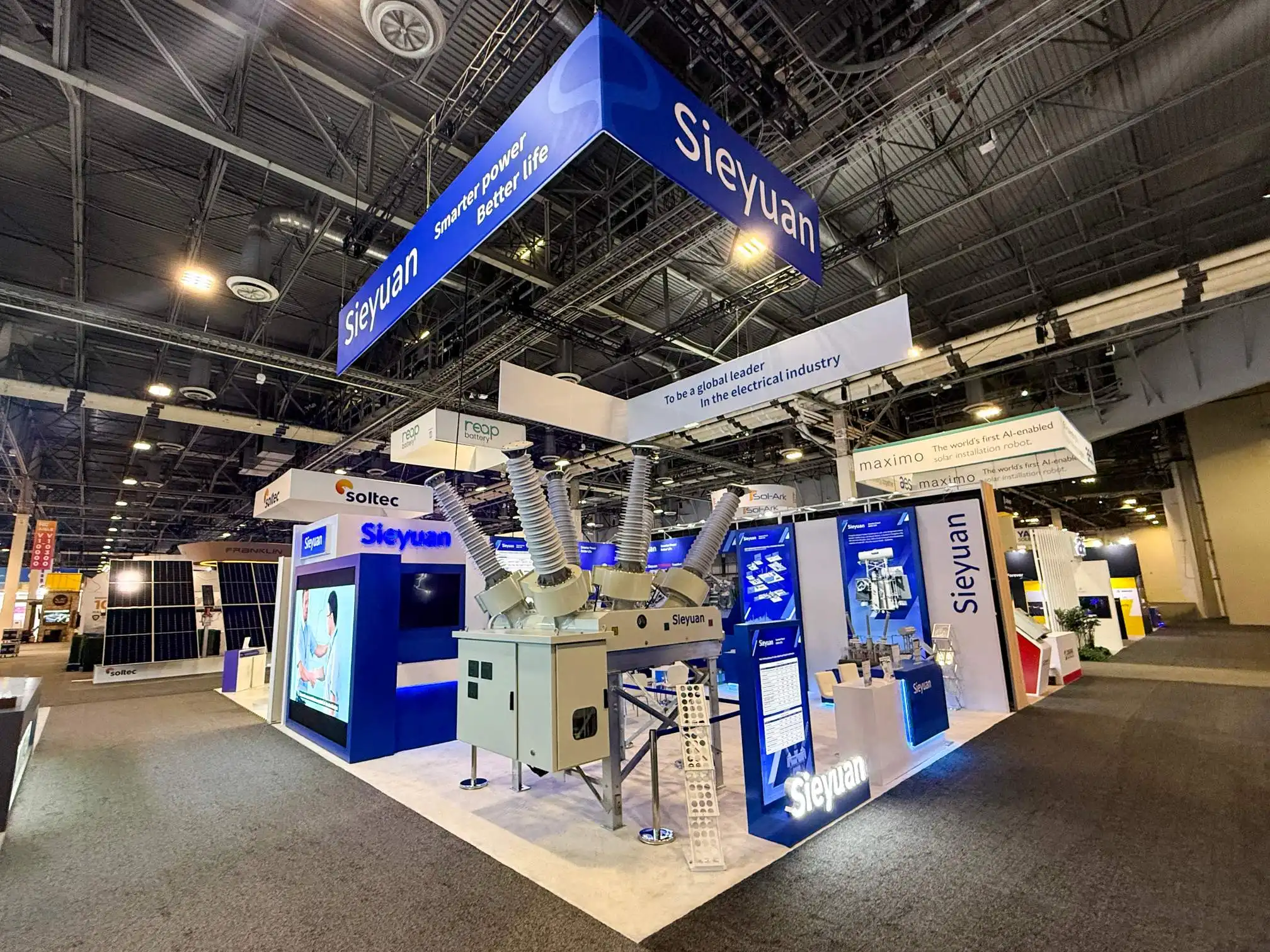
Not every tourist comes with the same goal in mind. Some people want quick information, others want full product demos, and important prospects may need to talk in private. Designs that work well take all three into account. People are more likely to look if the perimeter is open and there is information and staff available. Seating in the middle of display areas encourages people to stay longer. You can have important business talks away from the noise of the floor in semi-private alcoves or meeting rooms that are raised. This tiered method gets the most leads while still letting good conversations happen.
Measuring Performance and Refining Future Exhibits
When the show ends, engagement doesn't end either. We help our customers set up measures like booth traffic counts, lead capture rates, product demo participation, and post-show conversions so they can figure out their return on investment (ROI). A lot of sellers don't think that research after the event is useful.
Digital tracking tools built into interactive displays give information about how visitors behave, such as which goods they were most interested in, how long they spent viewing material, and which messages they found most effective. These findings help with future design changes, making a cycle of continuous improvement that makes success better at many events.
Selecting a Trade Show Partner That Delivers Results
What to Evaluate When Vetting Exhibit Providers
Experience is important. 3D booth design reflects that expertise. Find out from possible partners how long they've been in business and what trade shows they attend. Have they made stands for SUPERZOO or Cosmoprof North America? Do they know the rules that apply to the McCormick Place in Chicago or the Las Vegas Convention Center?
Think carefully about portfolios, not just how they look, but also how they work, including how the cables are managed, how strong the structure is, and how long the materials will last. Ask for references from clients, preferably from businesses with similar goals and funds. The difference between good companies and great ones is their technological skills. Can they send samples of virtual reality? Do they have project management tools that lets people work together in real time?
Questions That Reveal Vendor Reliability
During the first meeting, ask about more than just prices. Find out how they deal with problems that are bound to come up, like late deliveries, broken materials, or last-minute changes to the design. What backup plans are there for problems at the show site? How do they work together with workers who do show services like water, electricity, and rigging?
Find out how their team is organized. Will you have a specific project manager, or will you be communicating with a lot of different people? It's also important to know about their guarantee and services after the show. Do they offer repair for parts that can be used again? Can they keep parts of the booth between events?
Timeline Expectations and Collaboration Best Practices
For quality displays, you need to plan ahead enough time. Custom builds usually take 12 to 16 weeks from the time the idea is approved until it is installed at the show site. This includes time for design revisions, production, and shipping. This could be cut down to 8–10 weeks with modular options. But big shows like IFT FIRST fill up quickly. Starting talks six months in advance makes sure there is access and keeps decisions from having to be made quickly.
Clear communication patterns are needed for collaborations to work. For example, during the planning phase, there should be weekly check-ins, daily updates during production, and on-site contact during installation. At HR Exhibits Service, Inc., we keep project timelines clear and review them based on milestones. This way, clients stay aware and in control of the process the whole time.
Our training in Las Vegas has clear benefits for exhibitors going to shows in other states. International clients like having a partner in the U.S. who can help them with customs, freight operations, and local labor laws. Exhibitors from other states like how close we are to the Las Vegas Convention Center. This makes it cheaper for them to support events like Cosmoprof and SUPERZOO without having to pay for shipping across the country.
Conclusion
In conclusion, 3D booth design isn't just a way to show off—it's a smart investment that aligns stakeholders, gets visitors involved, and boosts trade show ROI. Exhibitors lower risk and improve outcomes by imagining space plans, trying different design variations online, and fine-tuning every part before building starts.
You need the right design partner whether you're the founder of a startup that wants to be creative without spending a lot of money or the marketing manager for a large company that wants to have a big presence at IFT FIRST or Cosmoprof North America. To be successful at a trade show, you need more than just nice looks. You also need practical design that is based on knowledge of how people attend, expert knowledge of logistics, and strict standards for execution.
FAQ
What advantages does 3D booth design offer compared to traditional planning methods?
Visualizing things in three dimensions gets rid of the confusion that comes with flat floor plans. Stakeholders see accurate pictures of the lighting, materials, and how things fit together in space, which helps them make smart choices before the building starts. This keeps everyone on the team on the same page, cuts down on expensive changes, and makes sure the finished exhibit fits the approved ideas.
How much lead time should we allow for custom booth development?
Custom displays usually take 12 to 16 weeks from the time the plan is approved until they are set up at the show. This includes making small changes to the plan over time (3–4 weeks), making the product (6–8 weeks), and coordinating shipping and installation (2–3 weeks). A lot of the time, you have to plan ahead for big trade shows like IFT FIRST or Cosmoprof North America because site space and service providers get booked months in advance. If you start talking about your event six months in advance, you'll have enough time to come up with creative ideas without sacrificing quality or making hasty choices.
Can modular booth components be reconfigured for different show sizes?
Of course. Modular systems are designed to be flexible, so their parts can be used in a range of booth sizes and shapes. Using the same walls, lights, and show cases, a 20x20 exhibit can be shrunk to 10x20 or blown up to 20x30. This flexibility makes investments more valuable for exhibitors who go to multiple events a year because they can lower their costs per show while keeping their brand uniform across all sites.
Transform Your Next Trade Show Into a Lead-Generating Success
Make your next trade show a success that brings in new leads. When HR Exhibits Service, Inc. combines great design with real-world trade show knowledge, they can create booth solutions that really help businesses. From food and drink expos in Chicago to beauty industry shows and pet product fairs in Las Vegas, our workshop in Las Vegas helps exhibitors at big U.S. events. We help customers from other countries and states navigate all the complexities of U.S. shows. Our services cover everything, from the initial 3D booth design idea to installation on-site and support after the show. Get in touch with us at info@hrexhibits.com to talk about how our exhibit design and build services can help you stand out at shows in 2026 and beyond.
References
1. Herbig, Paul, and Kramer, Hugh. "The Effect of Information Overload on the Innovation Choice Process: Innovation Overload." Journal of Consumer Marketing, vol. 11, no. 2, 1994, pp. 45-54.
2. Bettis-Outland, Harriette, et al. "Beyond Tradition: Trade Show Effectiveness for Small-Firm Exhibitors." Journal of Marketing Theory and Practice, vol. 26, no. 2, 2018, pp. 187-204.
3. Hansen, Karyn. "Measuring Performance at Trade Shows: Scale Development and Validation." Journal of Business Research, vol. 57, no. 1, 2004, pp. 1-13.
4. Gopalakrishna, Srinath, and Lilien, Gary L. "A Three-Stage Model of Industrial Trade Show Performance." Marketing Science, vol. 14, no. 1, 1995, pp. 22-42.
5. Tanner, John F., et al. "The Influence of Trade Show Information on Buying Center Communications." Journal of Business & Industrial Marketing, vol. 16, no. 7, 2001, pp. 551-564.
6. Smith, Timothy M., et al. "How Trade Show Objectives Influence Marketing Communication Strategies." Industrial Marketing Management, vol. 33, no. 6, 2004, pp. 449-458.

Embark on Your Journey to Exceptional Exhibitions! Contact HR Exhibits Today to Transform Your Vision into Global Success.
HR Exhibits Service, Inc.