Island Booth Design Strategies for High Traffic Exhibitions
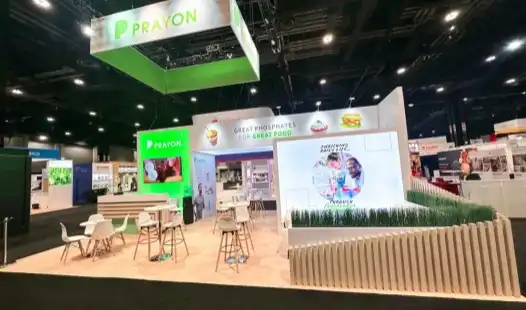
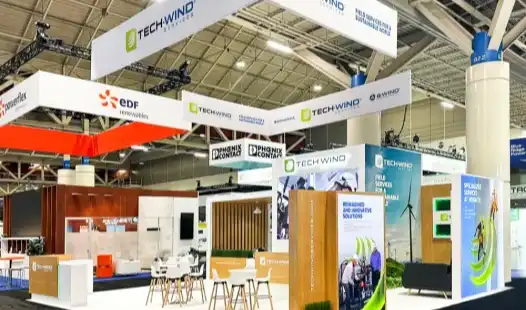
If you have the right island booth design, it will be your best marketing tool at big trade shows like the IFT FIRST Annual Meeting & Food Expo in Chicago or Cosmoprof North America in Las Vegas. An island booth is set up on its own on the show floor and can be reached from all four sides. It provides the best exposure and interaction opportunities with attendees.
This smart placement lets vendors create engaging brand experiences that draw people in from all directions, making it much easier for people to walk by and connect. At high-traffic trade shows with lots of rivals trying to get people's attention, a well-designed stand-alone booth can turn your floor space into a brand spot that draws people in and turns them into qualified leads and long-term business relationships.
Understanding Island Booth Design and Its Key Benefits
Why Island Booths Excel at High-Traffic Shows
As you walk through the crowded show halls at events like SUPERZOO in Las Vegas (August 12–18, 2026), you can quickly tell which booths get people's interest. Because they can be reached from any direction, island booth design naturally rule the scenery.
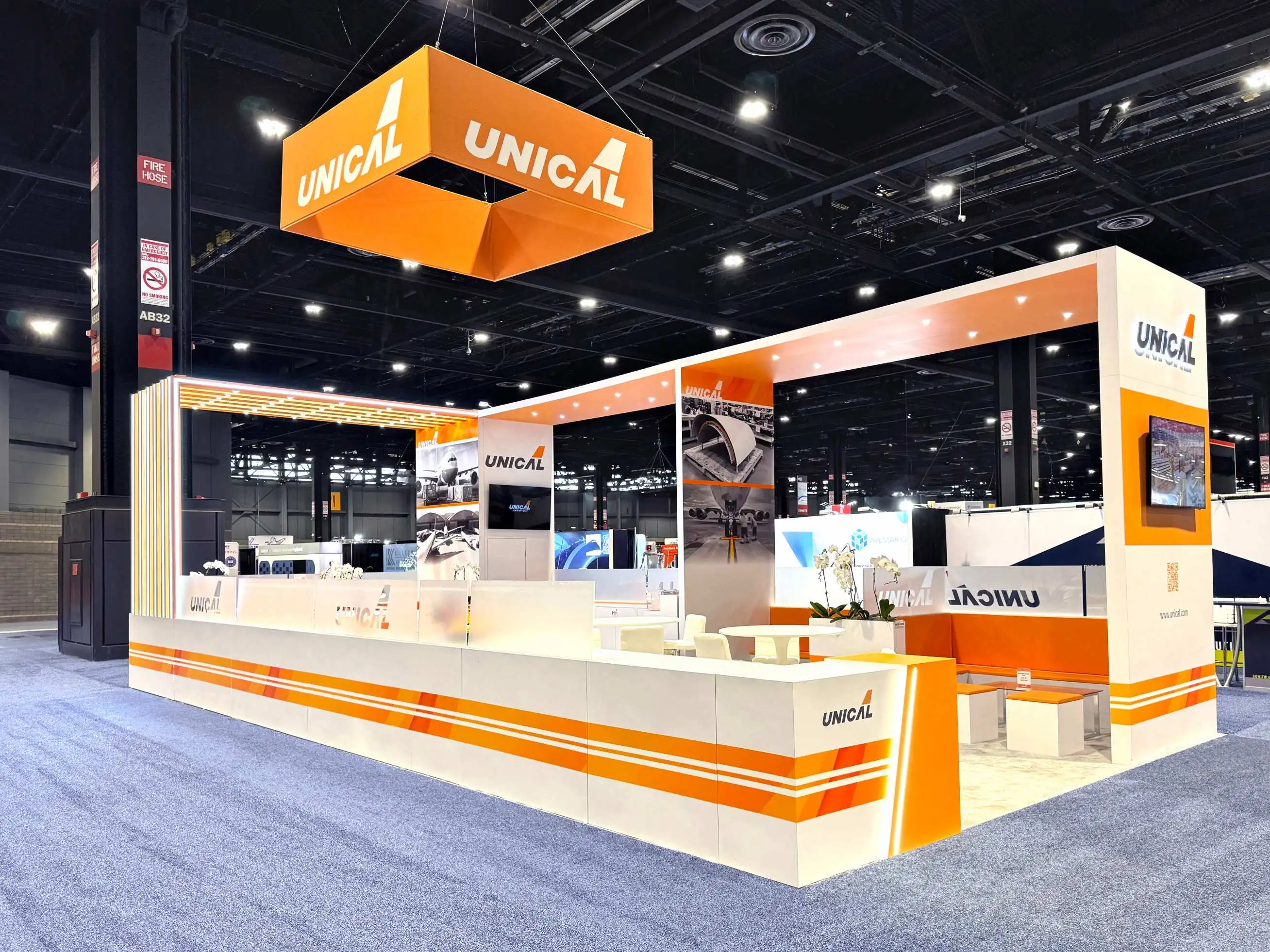
Island setups let people come in from the way that feels most natural to them, unlike straight booths where people are squished between neighbors or peninsula designs where entry points are limited. This ease of entry is very important for managing crowds because tourists don't feel trapped or rushed, which makes it easier for people to have deep talks.
At CES for tech companies and at specialized healthcare expos for medical device makers, we've built island exhibits that get 40–60% more people to interact with them than standard booths. You can't say enough about how open space makes you feel. People who attend think that island booths are the best places to show because they are in the spotlight and are associated with leadership and creativity in the industry.
Current Design Trends Shaping Exhibition Success
Since 2024, the exhibition scene has changed a lot. Design choices are now based on sustainability and integrating technology. Modular building systems are now the most talked-about way to buy things because they match how they look with how many times they can be used. Shipping costs are 30–40% less with lightweight aluminum extrusions and tension cloth prints than with traditional heavy-build methods. This is a very important factor for businesses that have booths at many shows throughout the year.
Digital integration is more than just showing things on a computer. Augmented reality product demos, interactive touchscreens, and real-time data display all make experiences that people will remember. They will take pictures and share them on social media, which will help your brand reach people far beyond the show floor. At Cosmoprof North America Las Vegas (July 13–15, 2026), beauty and personal care brands will be competing hard for people's attention. The best leads will be found on islands that include physical experiences and digital storytelling.
Maximizing ROI Through Strategic Layout Planning
Buying island booth space costs money, so it needs to be carefully planned to be worth it. When you go to shows like the IFT FIRST Annual Meeting & Food Expo (July 12–15, 2026, Chicago), a premium corner or center-floor location can cost you 50–70% of your total exhibition budget. However, if it's built right, the return is much greater than the cost.
Several important parts of strategic planning work together to make great experiences for visitors:
- Traffic Flow Architecture: Making clear paths that let people move through your space easily, making journey-like experiences that show off many products or services without making it feel crowded. Wide entryways make people less hesitant, and clearly defined zones give each space a purpose. For example, show spaces, private meeting rooms, product displays, and reception areas all have different jobs to do.
- Vertical Brand Presence: Hanging signs, architectural towers, and other high-up branding elements can be used to their full potential to make the most of height limits and improve exposure on crowded show floors. Vertical features help people find your booth from hundreds of feet away at places like the Las Vegas Convention Center, where SUPERZOO is held.
- Flexible Zones: Using movable parts that can be rearranged between shows means that the same booth investment can be used for various exhibitions. At a Chicago food show, a 20x20 island booth might focus on places where people can try out different products. At a Las Vegas beauty show, the same parts could be rearranged to include advice areas and stages for live demonstrations.
These layout ideas directly address buying worries about getting the most out of investments across multiple events. Being able to refresh and rearrange without having to completely rebuild saves money and keeps brand shows new and up-to-date.
Essential Strategies for Designing an Effective Island Booth
Creating Engaging Visitor Pathways
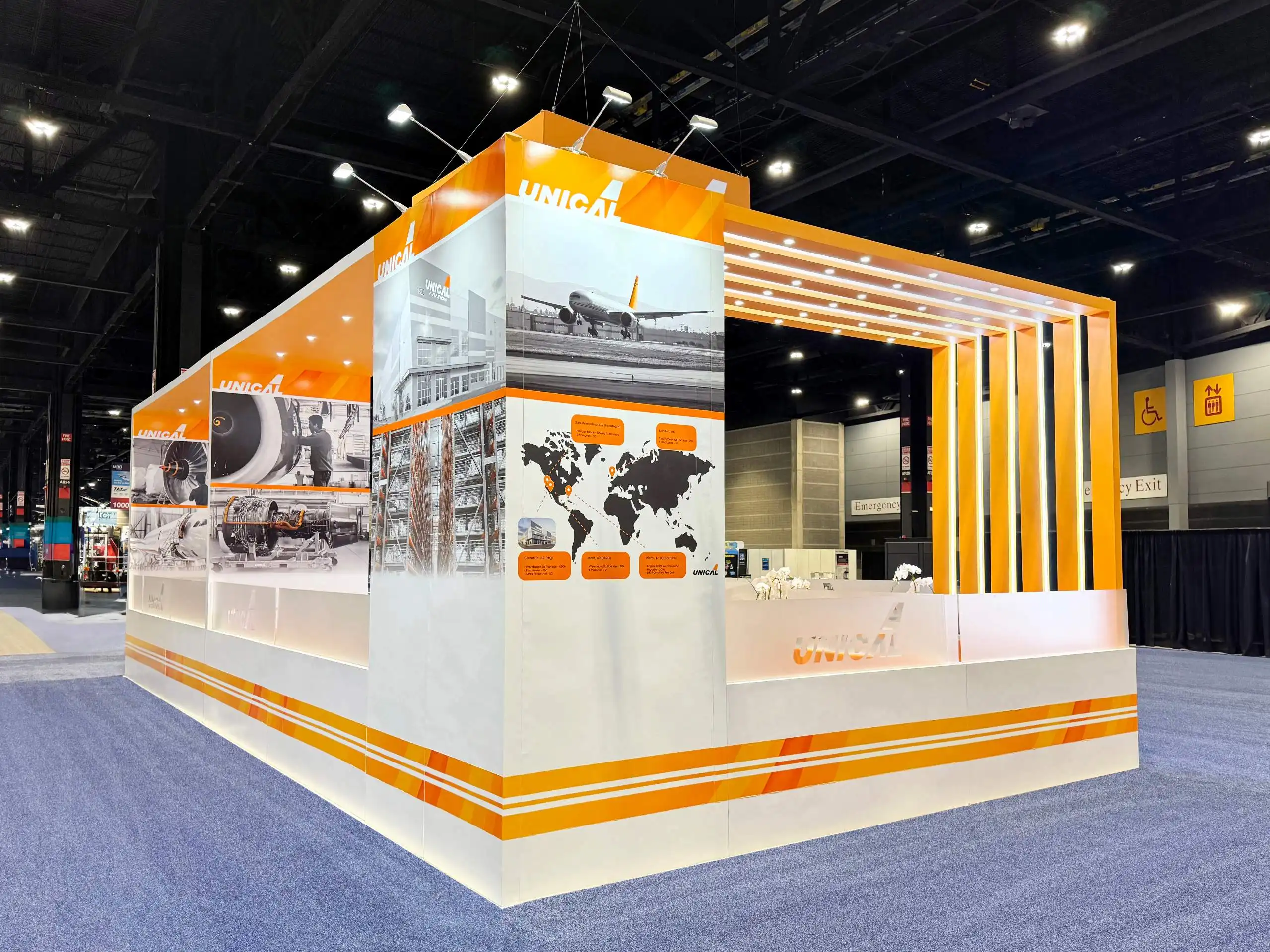
It feels different to stand at the entrance of a popular island booth design than to walk up to a normal booth. The design should make people naturally curious by using visual focal points that catch the eye without being too much, as well as clear sightlines that let people slowly see interesting details as they move around. We create pathways that encourage a 270-degree walk-through experience. This way, attendees can move at their own pace, and your team can start talks at a number of different places.
The best plans put interesting things, like product demos, interactive displays, or unique building features, where they can be seen from the main aisles. This placement takes advantage of the natural flow of people moving through the exhibition hall, drawing the attention of people who are going somewhere else but stop when they see something interesting.
Lighting and Technology Integration
With the right lights, good booth ideas can become truly amazing. We use LED systems that highlight products in a striking way while using little energy and staying cool to the touch. You can exactly match brand standards with the color temperatures that are available, and programmed sequences can change the mood throughout the day—bright and lively during peak hours, and calmer and more formal during evening networking events.
Technology collaboration is more than just having flashy screens. Real-world examples include lead gathering systems that sync with your CRM in real time, managing product samples' supplies, and setting up appointments in a way that makes your sales team as productive as possible. At high-traffic shows, these operating tools will help you make the most of every chance and give qualified prospects your full attention.
Modular Flexibility for Multi-Show Strategies
One problem that companies that display at many events have in common is how to keep their brand consistent while adapting to different show goals, settings, and customers. This is beautifully solved by modular building. The amazing 20x30 island booth for Cosmoprof North America is made from the same structure framework that can be changed into a 20x20 for regional shows or a 30x30 for big events like CES.
This freedom to change helps protect your property over time. Modular systems are better than special builds that are only used once and then become useless or out of date. They change with your business. The graphics are easy to change to show off new goods or ads, and the structure stays professional even after years of use.
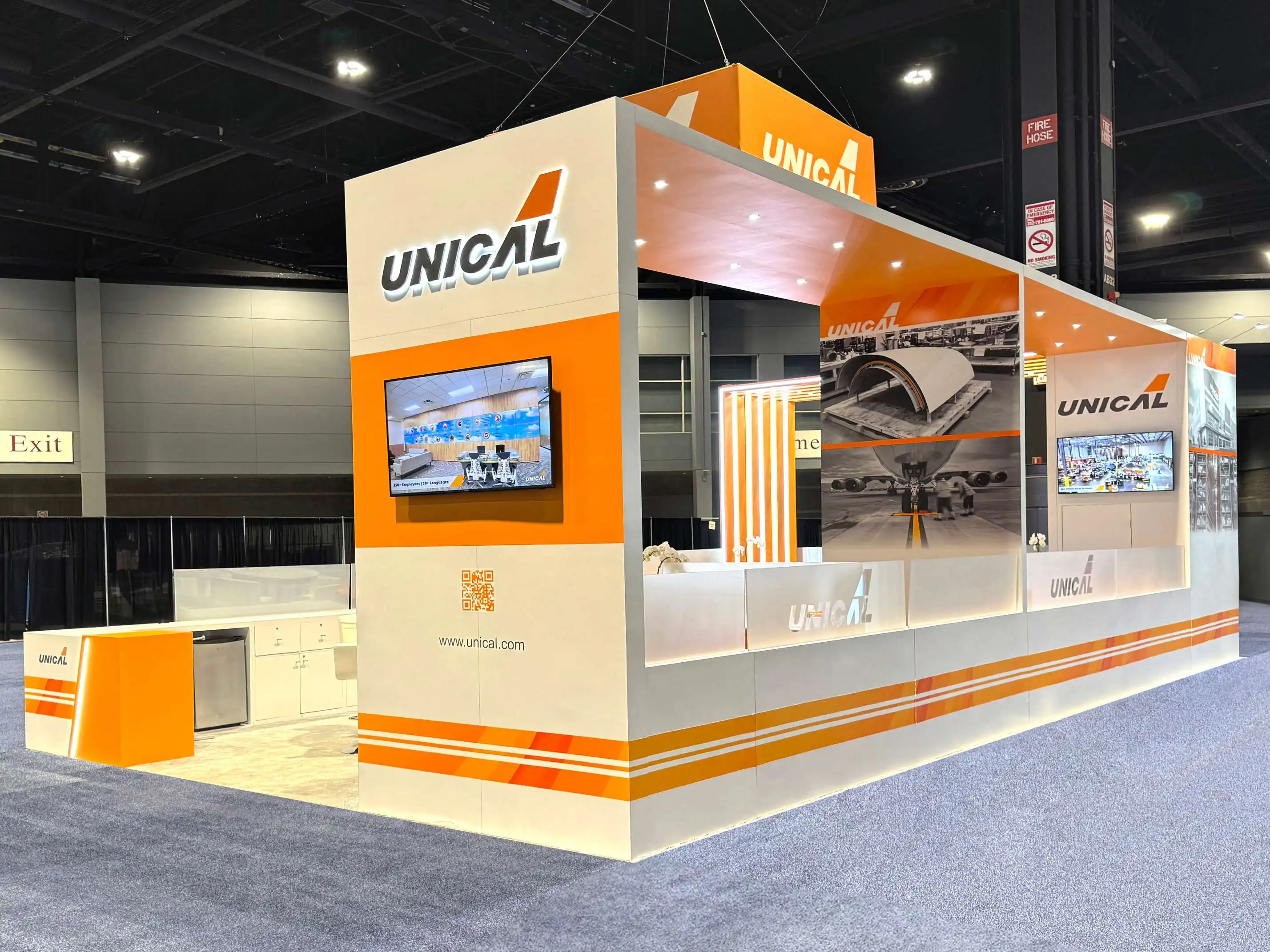
Comparing Island Booth Design Options for Informed Procurement
Custom Build vs. Modular Systems
Choosing between fully custom building and modular systems is a big decision that affects budgets, timelines, and the long-term strategy for the show. Custom builds let you be as creative as you want, with unique building features, complex multi-level structures, and design languages that are special to your brand and can't be copied. From idea approval to show-ready completion, these projects usually take 12 to 16 weeks, and the cost ranges from $150 to $400 per square foot, based on how complicated they are and what materials are used.
Different benefits come with modular solutions. Prefabricated parts are easy to put together quickly, which saves money on staff at show sites. Turnaround times are cut down to 6 to 8 weeks, and prices run from $100 to $250 per square foot. Working within standard measurements and connection systems is a trade-off that comes with modular products, but modern ones have become incredibly advanced, letting you make big changes to how they are put together.
It turns out that hybrid methods work best for many vendors. Custom branded elements, like unique welcome desks, product displays, or architectural features, that work with modular building systems are something we do all the time. This mix gives your brand a unique look while still getting the practical benefits of modular reusability and lower shipping costs.
Material Selection Impact on Performance and Sustainability
The materials used affect every part of the island booth design performance, from the cost of building it to its ongoing upkeep and final destruction. Traditional wood construction is comfortable and gives you a lot of ways to customize it, but it's heavier, which means higher drayage costs—often an extra $1,000 to $3,000 per show for big island layouts. Wood also needs more upkeep and can only be used for 8–12 shows before it needs to be replaced.
Extrusion methods made of aluminum have changed the way exhibitions are built. When compared to wood frames, these lightweight frameworks cut shipping weights by 60–70% while still offering better structural stability.
The systems can be taken apart and put back together many times without breaking down, and they usually last for more than 50 shows. In terms of sustainability, metal parts can be recycled over and over again, which is in line with companies' environmental promises that are becoming more and more important in purchasing decisions.
Tension fabric images are another new material invention that is useful in real life. Silicone edge graphics (SEG) systems make graphic screens that look like pillows and don't have any joints or wrinkles that can be seen. The cloth designs are easy to ship because they fold up small, wash well to keep their look, and are 40–50% cheaper to replace than rigid printed panels when campaigns or branding needs to be changed. We've given medical device companies that present at specialized healthcare shows cloth systems that keep their booths looking brand new for 30+ events with little upkeep.
Investment Analysis: Rental vs. Ownership
Whether to rent or buy relies on how often you want to hold exhibitions, how much space you have, and your budget. Renting makes sense for businesses that only show up a few times a year or don't have a building where they can store booth parts between shows. The cost to rent is usually between 25 and 35 percent of the price to own a similar item per event. The rental business takes care of storage, upkeep, and logistics.
When you show four or more times a year, ownership becomes cost-effective. The initial investment is spread out over several shows, and you have full control over the design, schedule, and changes. Companies that go to big events like IFT FIRST, Cosmoprof, and SUPERZOO every year find that owning the space lets them make more creative booth designs that help people remember their brand by being there all the time. The costs of storage and upkeep must be taken into account when deciding to own something, but for serious vendors, the long-term savings and benefits to their brand make ownership the better choice.
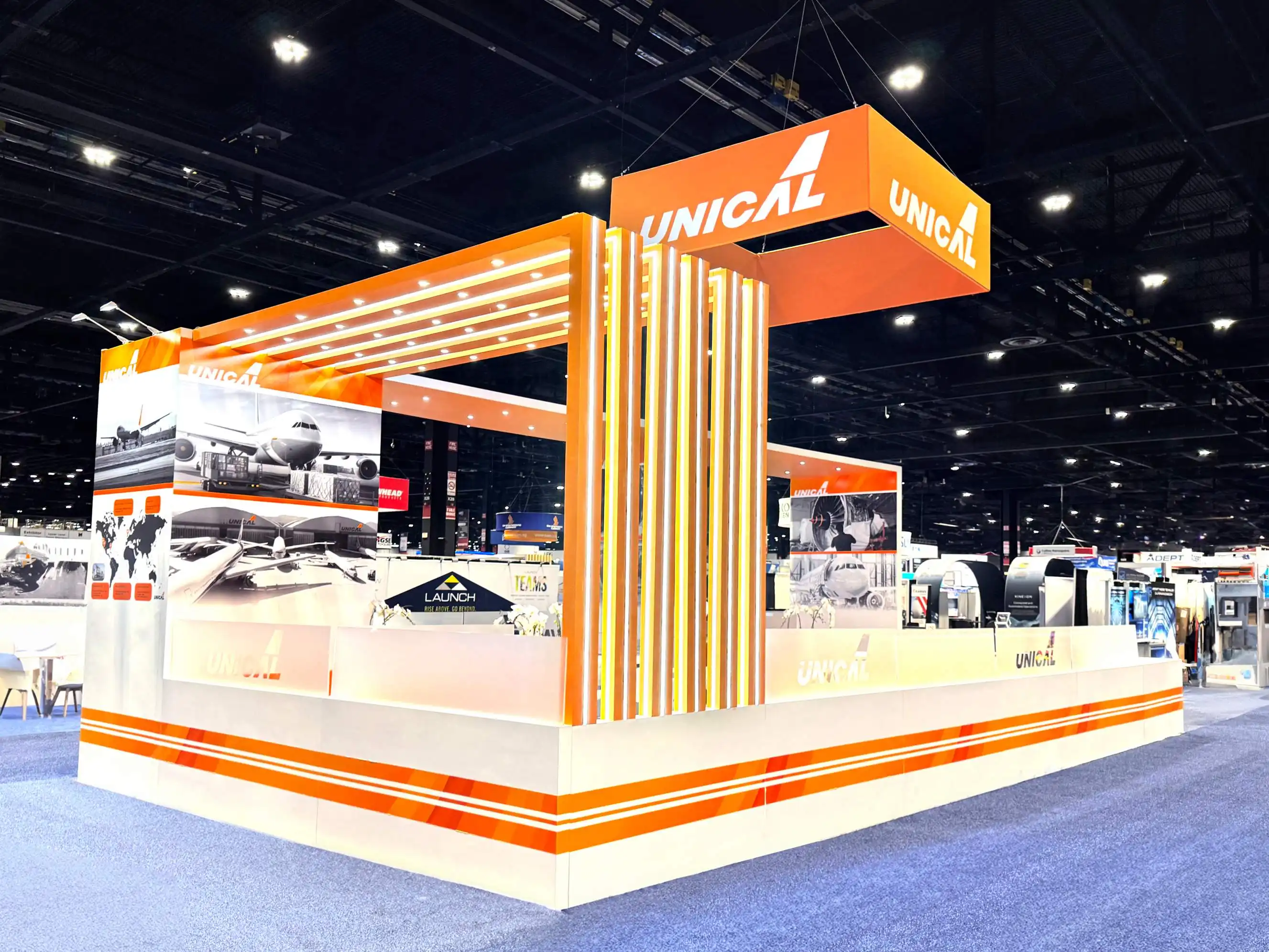
Navigating Purchase and Installation: What B2B Buyers Should Know
Understanding Comprehensive Pricing
Investing in an island booth design includes more than just the cost of the booth building itself. For custom work, design fees usually make up 8–12% of the total cost of the job. These fees cover things like conceptual design, 3D models, technical plans, and graphic design. Between 50 and 60% of the budget goes to materials and production. The rest goes to installation work, shipping, and show services.
Buyers who aren't ready are caught off guard by hidden costs. At most places, show services like power, internet, cleaning, and moving things around will add 20 to 30 percent to the base cost of your booth. Installation labor varies a lot from place to place. Union sites, like Chicago's McCormick Place, which is holding IFT FIRST, have strict labor rules that make prices higher than in right-to-work locations. At places in Las Vegas that host Cosmoprof and SUPERZOO, we offer local installation support that helps vendors get around these problems quickly and easily, avoiding unexpected costs and making sure that setup goes smoothly.
Vendor Selection Criteria for Exhibition Success
Picking the right exhibition partner will determine whether your show goes smoothly or turns into a stressful struggle. Diversifying your portfolio shows that you can do different things. Vendors who have worked in a lot of different industries know what it takes to do different things, like show off tech products, medical tools, and market goods.
We've made shows for energy companies that needed special electrical systems, food companies that needed a lot of cooling, and luxury brands that wanted finishes that looked like they belonged in a museum. Because we have so much knowledge, we can see problems coming before they happen.
When show plans change or new products come out quickly, the ability to quickly turn around work is very important. When it comes to quality and schedule, vendors who have their own processing sites have more control than those who outsource production. Our building in Las Vegas lets us handle last-minute changes and respond quickly when exhibitors need to make changes between show days, which is a huge benefit for companies launching new goods at big shows.
Support during setup and takedown is what sets good sellers apart from great partners. Supervising the installation of your booth makes sure it's put together properly and quickly, which cuts down on expensive work hours on the show floor.
Installers with a lot of experience can quickly figure out what's wrong, work around unexpected venue restrictions, and work with show management to avoid timing problems. Disassembly, packing, and return shipping services after the show finish the cycle. These services protect your investment and make sure that parts get back to storage in great shape.
Logistics and Timeline Management
For a show to go well, the schedule needs to be carefully managed over a number of months. Planning should start 5 to 6 months before big shows, so there is enough time for designing, getting approvals, making, and sending. Show organizers have strict deadlines for shipments to the building in advance—usually two to three weeks before the show opens—and there are heavy fines for arriving late and having to be delivered directly to the show.
For businesses that want to display at more than one show in the summer of 2026, deadlines are tight. To exhibit at both IFT FIRST in Chicago (July 12–15) and Cosmoprof in Las Vegas (July 13–15), you need either two separate booth sets or a complicated plan for shipping parts between cities during the shows. Neither choice is ideal. As part of strategic planning, you might decide to focus on one show with your main booth and rent equipment for the other event, or you could buy flexible parts that can be put together in different ways for shows that happen at the same time.
We help foreign and out-of-state companies deal with these problems by providing them with support in Las Vegas. At our location, we store booth parts between regional shows, do repairs and upkeep, and handle all shipping arrangements. This local presence gets rid of the hassle of arranging logistics from faraway corporate offices. This lowers stress and lets your team focus on goals for the show instead of operational details.
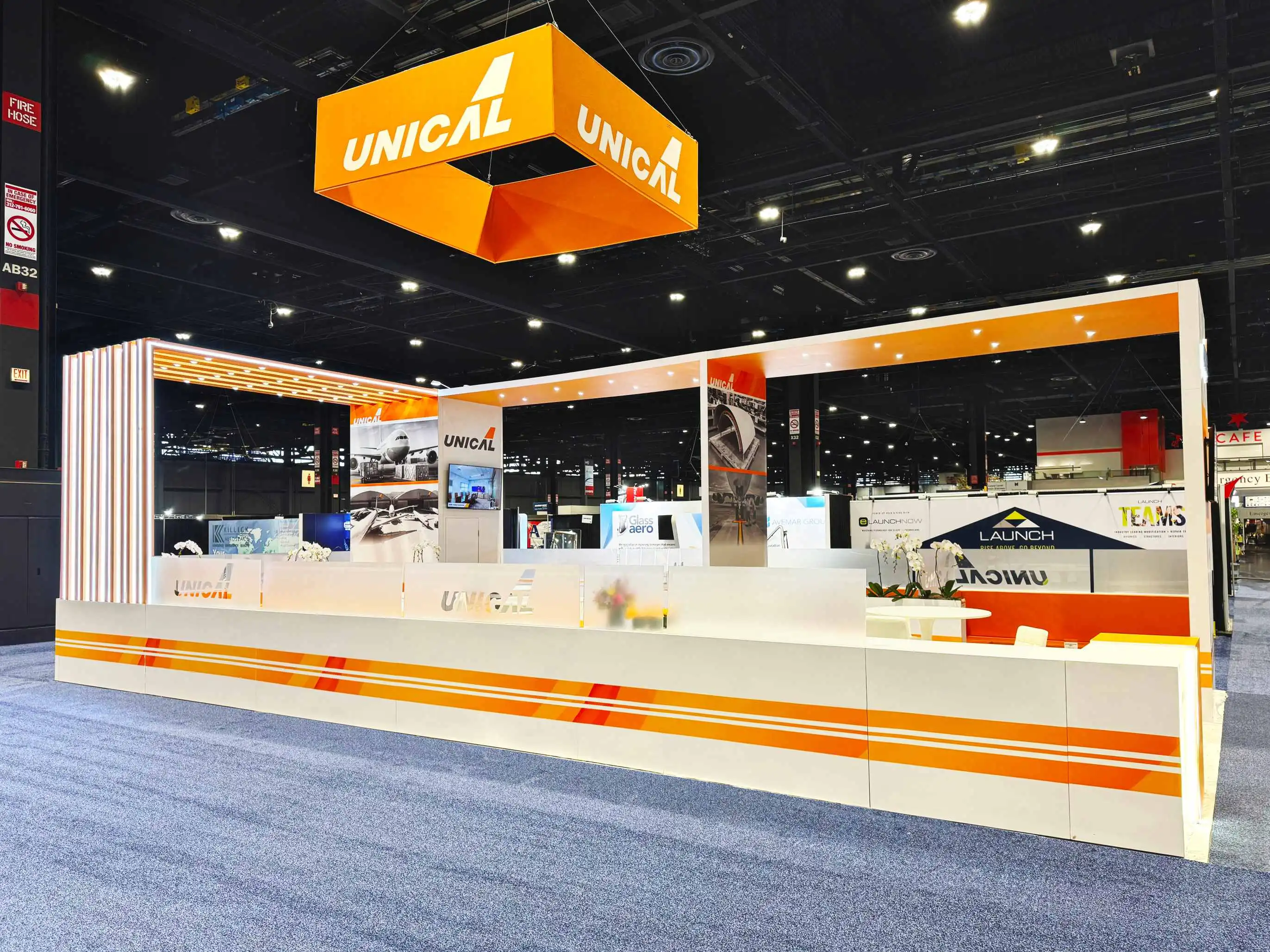
Best Practices and Real-World Examples of Successful Island Booths
Case Studies from High-Impact Exhibitions
When you walk around the floor of big art shows, you can see trends in what works and what doesn't. A medical device company we worked with on a specialized healthcare exhibition had the same problem: they had to show doctors complicated surgery tools in a way that kept their attention without having to give long explanations. We made an island booth design with three separate presentation areas.
Each area has live equipment displays with clear walls that let everyone see. Large monitors showed synced videos of the process while product experts talked to people who were interested. Multiple shows could happen at the same time without being crowded, and brand messages could be seen from across the hall on the raised center tower. The result was 347 suitable physician contacts over three days of the show, which is 65% more than their previous inline booth at the same yearly event.
When a consumer goods company launched a new line of products at a big retail industry show, they had to get people excited about the products and get them to place orders right away. We came up with the idea of a "island booth" that was all about interaction. People could touch products, try out new packaging ideas, and take part in random preference tests that compared their goods to competitors.
The structure of the booth naturally drew people in; as more people interacted with it, more were drawn in by their interest. Thousands of product samples were kept organized without making the open design look cluttered by built-in storage solutions. During the show, the company got buy orders from 23 big retail chains, which was 40% more than their goal.
These examples show rules that work in all kinds of fields. Having multiple places of contact keeps things moving smoothly and boosts your team's output. Interactive parts create natural excitement that brings in more visitors. Thoughtful storage integration keeps the professional look even when there are a lot of visitors and a lot of products on show.
Balancing Aesthetics with Functionality
Designing a beautiful booth that doesn't work well wastes money and time. We've helped businesses get back on their feet after poorly planned exhibits, such as ones with beautiful architecture that blocked views of products, high-tech lighting that made demo screens glare, or artistic layouts that made it hard for people to figure out where to go or what the business actually sold.
Clear goals are the first step to good planning. Needs for product demonstrations, meeting rooms, store space, and team size all affect plan choices. If a company is going to their first big show, they need a design that makes it easy for people to get to and talk to them. They need open, friendly places that make people feel comfortable talking to them. When big companies go to events like CES, they need sophisticated designs that show off their high-end brands and can fit a lot of visitors and talks with important clients.
The most successful island booths we've made have a clear brand identity that can be seen from all approaches, logical space organization that lets visitors move around easily, comfortable areas that make it easy for people to stay and talk for a long time, and practical infrastructure that supports operational needs. All of these things work together to make places where your sales team can do their jobs well and where guests can have good brand experiences that lead to business relationships.
Accessibility and Visitor Comfort Considerations
Not only is inclusive design the right thing to do, it's also a smart business move that can help you get more customers. Booth plans must have enough aisle space, ramp access to any higher platforms, and display heights that people in wheelchairs can reach.
Seating places give people who are walking around in big show halls a chance to rest, which makes them stay at your booth longer. Controlling the temperature is very important at outdoor shows or places that don't have good HVAC systems. During summer shows like SUPERZOO in Las Vegas, portable cooling solutions built into booth designs keep people comfortable.
Things that affect the senses are also important. Audio systems should be able to clearly project sound inside your booth without making noise that bothers people outside. The lighting should give off enough light without making your eyes hurt or giving you headaches.
Different types of flooring affect comfort. For example, carpeting is better for reducing tiredness than concrete show floors. Carpeting also reduces noise and gives a finished look. All of these details affect how people remember your booth—whether they remember it happily or as a place they quickly left because it was too uncomfortable.
Conclusion
Strategic island booth design gives you the best exposure and engagement potential at high-traffic shows. But to be successful, you need to plan carefully and find a balance between creative brand expression and useful usefulness. The money spent on prime show floor placement and high-tech booth architecture pays off because well-designed display spaces help businesses connect with potential customers, build brands, and get more leads.
Working with experienced exhibition professionals will help you make sure that your booth design plan fits with your business goals and that you can handle the complicated details of showing in multiple cities during the summer of 2026. With the right method, going to a show can go from being an expensive form of marketing to a smart investment in growth that gives you real results.
FAQ
What makes island booths more effective than other configurations?
With island booth design, you can get to them from all four sides, making more entry places that can handle more visitors without getting crowded. This plan makes the whole show floor easier to see and lets you make layouts with more options, like demo areas, meeting rooms, and hospitality zones. People think of island placement as premium positioning, which boosts brand trust with attendees who associate center-floor island sites with innovation and leadership in the industry.
How far in advance should companies plan island booth exhibits?
Major display planning should start 5 to 6 months before the shows. This will give enough time for design development, approvals, fabrication, graphic production, and shipping to meet the advance warehouse deadlines set by the show managers. Companies that have booths at more than one show can make sure that their booth designs, budgets, and arrangements are coordinated across their entire exhibition schedule through yearly planning. This helps them make the best use of their resources and present their brand consistently.
What factors have the biggest effect on the cost of an island booth?
Booth size is the main factor that affects costs, but design complexity, material choice, and image production also play a big role. Custom architectural elements are more expensive than modular systems, and the site of the show affects labor costs because union places charge more for approved installation workers. Total ownership costs are also affected by how far the shows are shipped and how much space is needed between shows. Companies should plan to spend an extra 20 to 30 percent on top of the base cost of your booth on show services like internet, power, cleaning, and moving materials.
Ready to Dominate Your Next High-Traffic Exhibition?
At HR Exhibits Service, Inc., we turn problems at trade shows into competitive benefits by designing smart booths and executing them perfectly. Our facility and skilled staff in Las Vegas provide full support for participants at big shows like SUPERZOO, the IFT FIRST Annual Meeting & Food Expo in Chicago, and Cosmoprof North America Las Vegas.
We offer complete solutions from the initial idea to show-floor success, whether you're a startup starting your first big exhibition presence or a well-known company updating your trade show strategy. As a seller of island booth design, we can give you tried-and-true strategies, new materials, and precise logistics that will help you get the best return on investment (ROI). Get in touch with our team at info@hrexhibits.com to talk about how we can improve your expo presence and turn the space on the show floor into real business results.
References
1. Exhibition Industry Research Foundation (2024). "Trade Show Intelligence Report: Booth Design Impact on Visitor Engagement and Lead Quality Metrics."
2. Institute of Food Technologists (2025). "IFT FIRST Annual Meeting & Food Expo Exhibitor Planning Guide: Strategies for Maximizing Trade Show ROI."
3. Professional Convention Management Association (2024). "Exhibition Design Trends Report: Sustainable Materials and Technology Integration in Modern Booth Construction."
4. Freeman Global Research Department (2025). "The Science of Exhibition Design: Spatial Psychology and Traffic Flow Optimization in High-Density Trade Show Environments."
5. Center for Exhibition Industry Research (2024). "Cost Analysis of Exhibition Programs: Comparative Study of Custom Build vs. Modular Systems Across Multi-Show Strategies."
6. International Association of Exhibitions and Events (2025). "Best Practices in Island Booth Design: Case Studies from Leading Corporate Exhibition Programs in Technology, Manufacturing, and Healthcare Sectors."

Embark on Your Journey to Exceptional Exhibitions! Contact HR Exhibits Today to Transform Your Vision into Global Success.
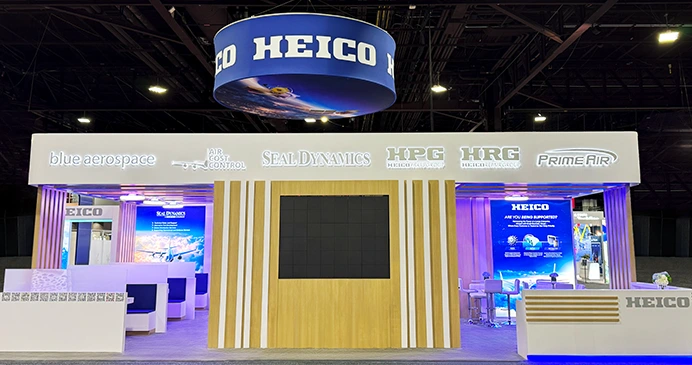
HR Exhibits Service, Inc.