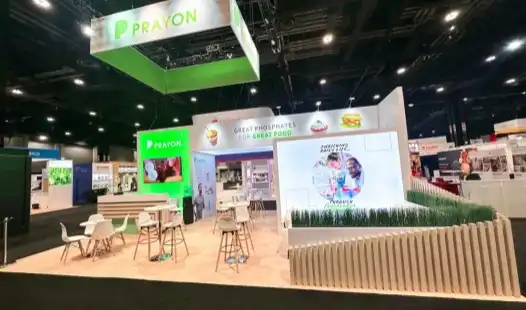
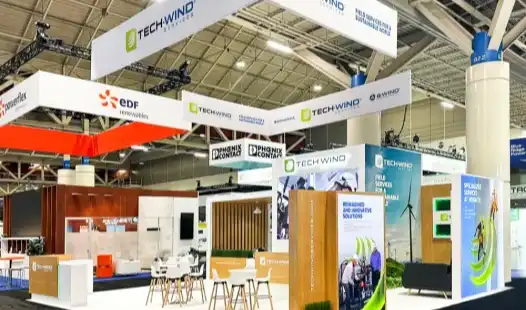
Best Exhibition Stand Design Tips for Global Trade Shows 2026
It takes more than just booking floor space to plan your appearance at big global trade shows. How well your exhibition stand design tells the story of your brand, keeps people interested, and turns walk-bys into approved leads is what determines your success. As 2026 draws near, there is more competition on the trade show floor, especially at well-known events like the IFT FIRST Annual Meeting & Food Expo in Chicago (July 12–15), Cosmoprof North America in Las Vegas (July 13–15), and SUPERZOO in Las Vegas (August 12–16). Whether you're in charge of marketing for a Fortune 500 company or a new medical device company, your booth is like a three-dimensional billboard for your brand. How well you plan it will decide whether people stop and look or walk right by.
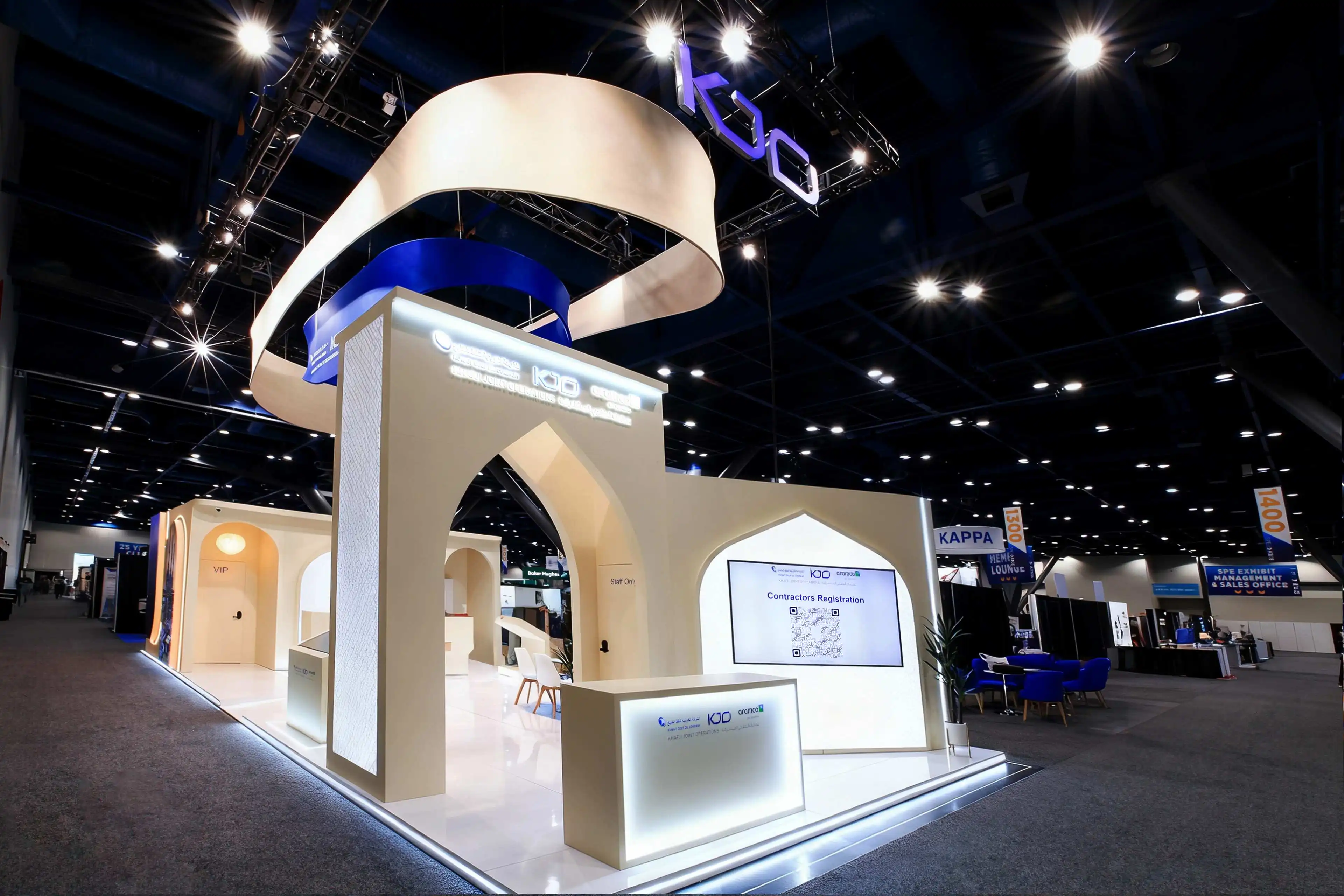
Understanding the Core Principles of Exhibition Stand Design
Spatial information engineering is used to make exhibition stand design work well. Your booth turns vague company ideals into real experiences that people can see, touch, and remember long after the show is over. At its core, professional booth design is about achieving three strategic goals: making your brand stand out in busy halls, making places that are useful and encourage meaningful talks, and providing a measured return on investment (ROI) through lead generation.
What Defines Professional Booth Design
Professional booth architecture blends the strength of the structure with the ability to tell a story visually. For lightweight but long-lasting building, the framework is usually made of extruded aluminum alloys like 6063-T5. The covering is made of fire-resistant fabrics that meet Class A or B1 safety ratings. These technical details are important because trade show places have strict rules that structures that don't follow will be rejected during installation. This is an expensive mistake that professional designers can help you avoid.
Benefits That Impact Your Bottom Line
Your cost per lead is directly affected by how well you plan your booth. When companies spend money on strategic layouts, response rates are 40–60% higher than when they use basic layouts. The layout makes traffic move naturally, leading tourists from the main attraction to areas where they can learn about products and then to private consultation areas. This planned journey cuts down on staff work while improving the quality of contacts. This way, your sales team can focus on serious leads instead of answering the same basic questions over and over.
Types of Solutions Available
There are many booth choices for you. Custom builds give brands full design freedom, letting them make immersive settings that show off their goods at scale. This is great for companies that show off cars or heavy machinery at shows like Conexpo. Companies that go to a lot of trade shows each year can save money by using modular systems because their parts can be rearranged to fit anywhere from 10x10 to 20x20 areas.
Custom centerpieces and flexible perimeter elements are mixed in hybrid solutions, which find a balance between budget and visual effect. More and more, sustainable designs use low-energy LED systems and reusable materials. This helps companies meet their environmental goals while also lowering their long-term costs.
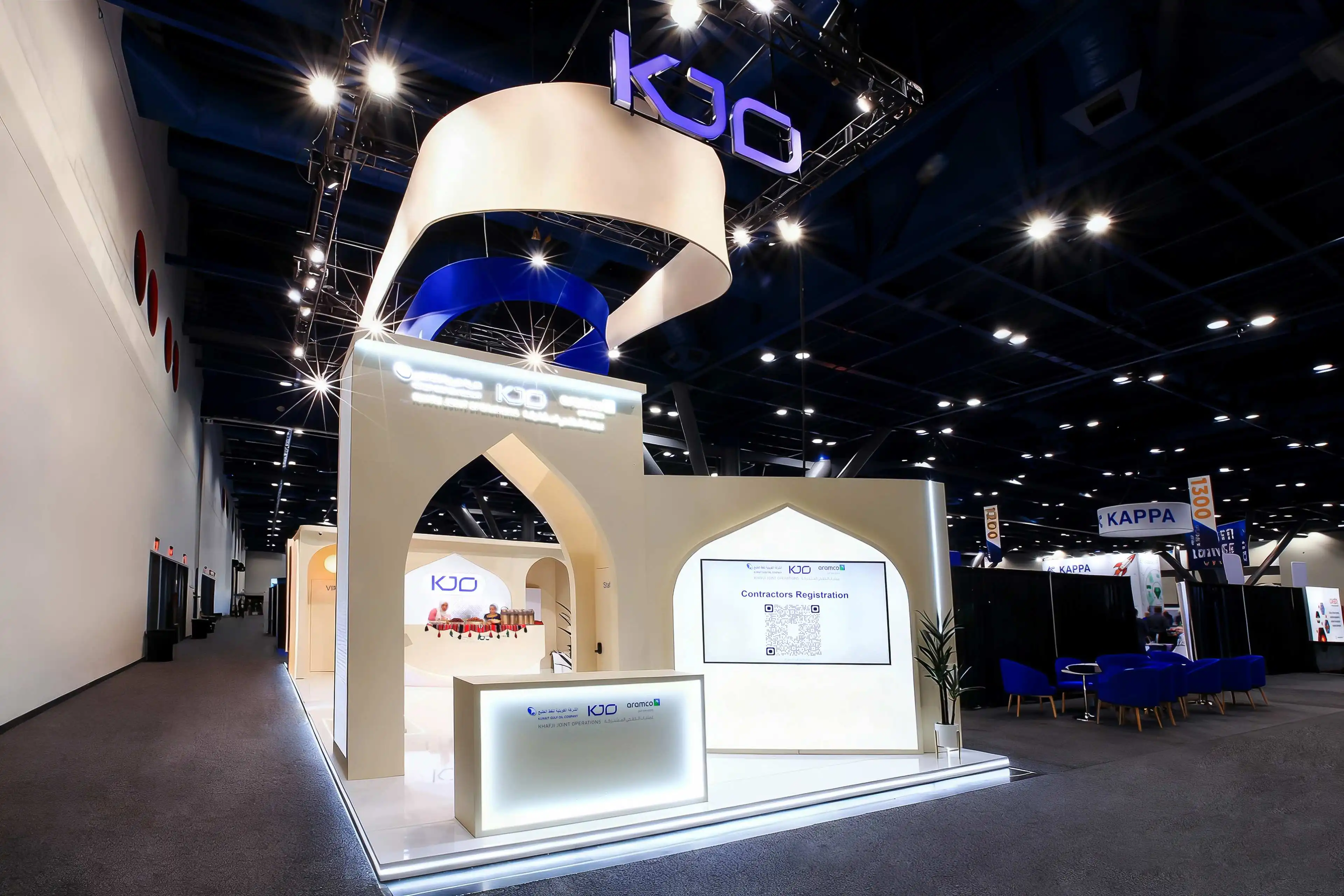
Best Exhibition Stand Design Tips for Global Trade Shows 2026
Strategic planning and following strict design rules are what make the difference between booths that get leads and those that waste floor space. Based on success data from hundreds of trade show builds in the medical, manufacturing, and technology fields, these tried-and-true methods will help you get the most out of your money in exhibition stand design.
Start With Clear Objectives and Audience Targeting
Set attainable goals before you start drawing plans or choosing colors. At IFT FIRST, are you introducing a brand-new line of goods? Aim for display space that can handle a lot of people during the busiest times, like in the morning, when people in the food business are actively looking for new ideas.
Putting medical devices on display at a healthcare congress? Plan to have semi-private meeting pods so that sales directors can show off products in a way that keeps competitors from seeing. Getting the attention of procurement managers requires different space planning than getting the attention of retail customers. Your booth design needs to take these behavioral differences into account.
Avoid Common Layout Pitfalls
Many sellers put up hurdles that make people not want to interact without meaning to. Booths with closed front walls and only one way in or out can be scary, but booths with open corners and multiple ways in or out make them more fun to explore. Putting literature racks around the outside of the building suggests low-value interactions. Putting them further inside makes sure that guests talk to staff before taking brochures.
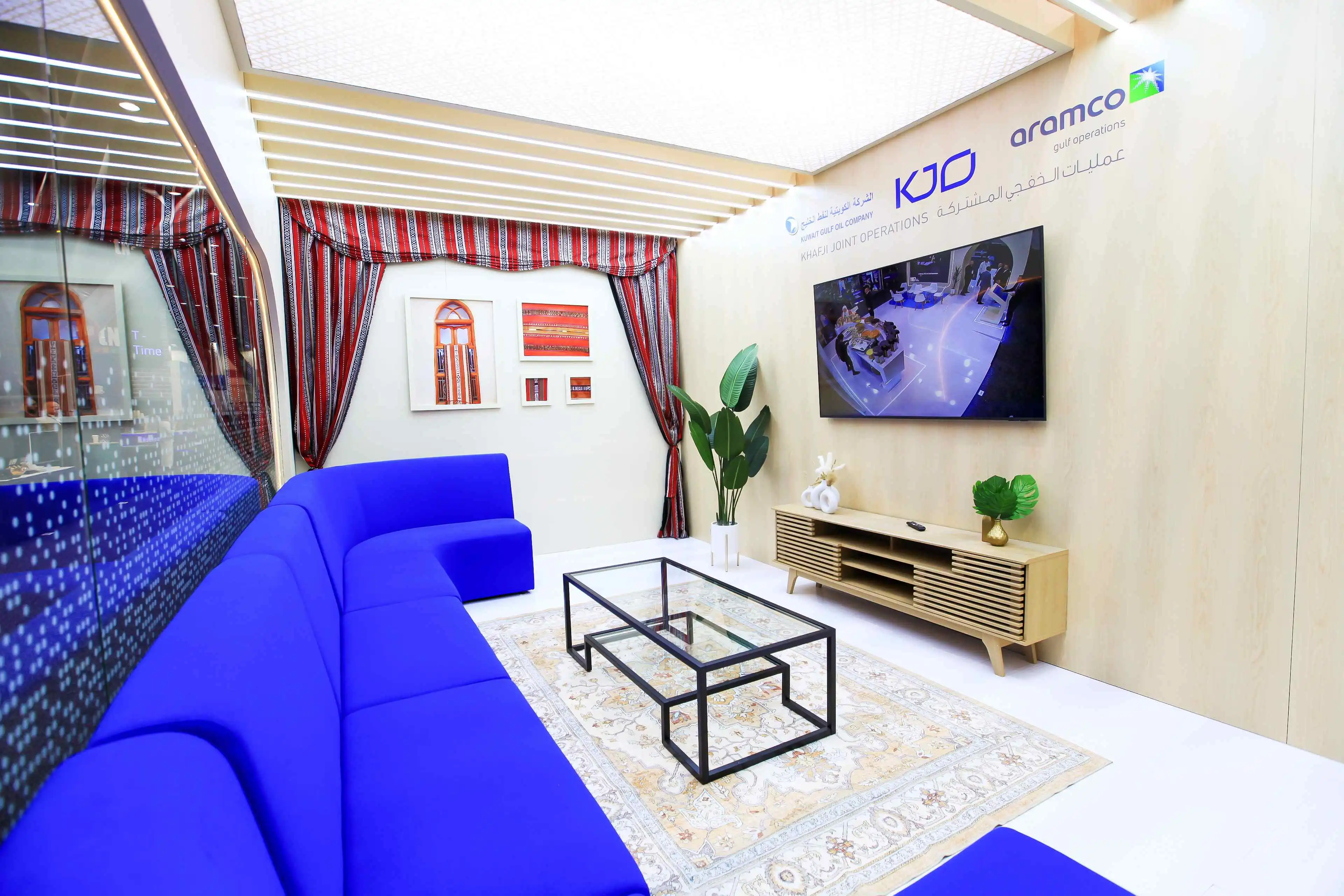
Counter-height tables make it hard to move around, while lounge places where you can sit down encourage longer, more meaningful talks. At Las Vegas's SUPERZOO, pet product brands do well by setting up interactive demo zones where stores can actually test the goods. This is a layout strategy that can be used in other fields if it is changed slightly.
Design Principles That Drive Engagement
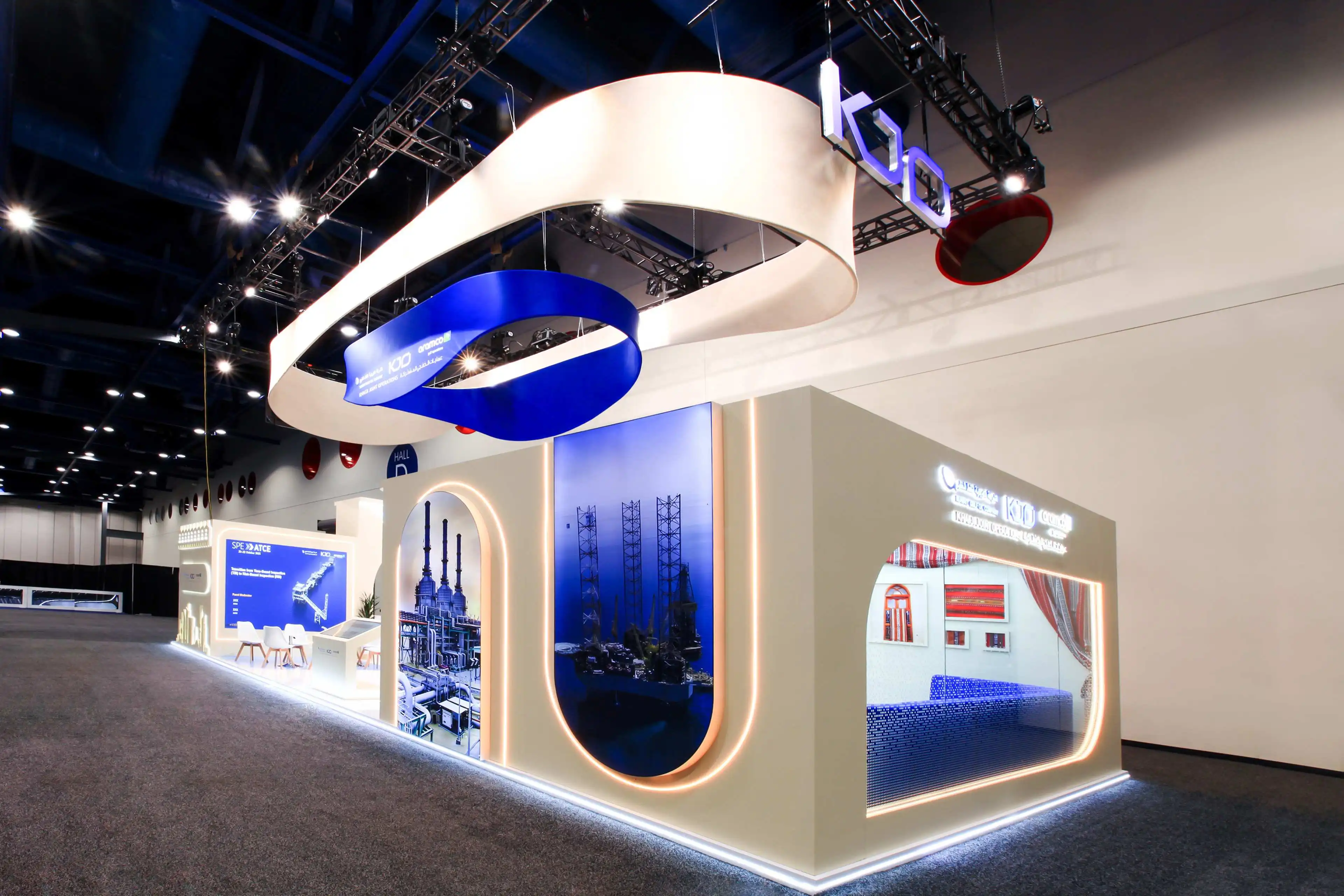
Visual order helps people pay attention. Branding elements that are high up and can be seen from 50 feet away get people's attention right away, while product displays that are mid-level invite a closer look. Temperature of the light is important. 4000K to 5000K makes a clean, professional atmosphere that medical exhibitors need, while warmer tones at 3000K work well for lifestyle brands at Cosmoprof. Choices of materials show how the brand is positioned; for example, high-gloss acrylics and backlit logos show high-end quality, while raw wood and matte finishes show realism and long-lasting use.
With functional zoning, tasks are carefully separated. High-traffic areas around public protest areas draw groups that show people that what they're saying is true. In the back, there are private meeting rooms that are good for negotiating contracts because they are quiet. Storage spaces built into the structure of the booth keep the floor clear of clutter while still making sales materials easy to get to. Putting cable management systems into raised floors or wall spaces keeps the clean look that tech companies want when showing off connected devices.
Real-World Success: Case Studies From Industry Leaders
A medical diagnostics business that went to a healthcare show in Chicago changed the layout of their booth to include three semi-private consultation pods with soundproofing walls. As a result? Compared to their old open-floor plan, they got 73% more qualified leads because sales leaders could talk about sensitive clinical uses without being interrupted. At CES, a consumer goods company bought a modular LED video wall system that could be set up in different ways for different types of products throughout the show. In the morning, classes focused on business-to-business (B2B) apps for retailers. In the afternoon, workshops switched to customer features for media coverage. This flexible method got them written about in 12 trade magazines, which was earned media value that was higher than the total cost of their booth.
Emerging Exhibition Stand Design Trends in 2026
Environmental laws, new technologies, and changed attendee standards all force the exhibition business to change quickly. If you keep up with these trends, your exhibition stand design will look modern instead of old, which has a direct effect on the trustworthiness of your brand.
Sustainability as Standard Practice
Being responsible for the environment went from being a choice to being expected. Sustainable practices are now encouraged or required at major sites. Reusable modular parts are used instead of unique builds that are only used once. More and more strict VOC rules can be met by water-based paints and reusable surfaces.
Compared to gas lighting, energy-efficient LED systems cut electricity costs by 60–70% and get rid of heat problems in crowded halls. Charging stations driven by solar panels offer services to attendees and reinforce environmental brand messages. Companies that want to display at more than one 2026 show, such as IFT FIRST, Cosmoprof, and SUPERZOO, can save money by making booths that are easy to pack up and can be rearranged to fit different spaces.
Digital Integration That Enhances Rather Than Distracts
Technology doesn't take over the experience; it's there to support it. Visitors can look through product brochures at their own pace with interactive touchscreens, which frees up staff to talk to more serious possibilities. Virtual reality demos put people in situations where goods are used, which is especially useful for industrial equipment that is too big to show off in person.
When RFID tag scanning is built into the structure of the booth, lead information is collected without stopping talks. Live social media walls that show posts from attendees cause FOMO, which brings more people from the show floor. The important difference is that technology enhances human contact instead of eliminating it.
Modular Flexibility for Multi-Show Strategies
Companies that go to three or more trade shows a year are using flexible systems that can be changed to fit the needs of each place more and more. For a regional medical show, the same core parts and new graphic panels can be used to change a 20x30 booth at Cosmoprof in Las Vegas to a 10x20 stand. When compared to making unique booths over and over, this method cuts costs by 35 to 50 percent per show. Quick-assembly systems that use cam-locks or magnetic connections get rid of the need for specialized labor. This cuts installation time from eight hours to three hours, which saves money on labor costs.
Comparing Exhibition Stand Design Solutions: Choosing the Right Fit for Your Business
Purchasing managers and operations leaders have to make a big choice: custom or modular? There are also a number of hybrid choices in between. Every method has its own benefits, which will depend on your show strategy, budget, and brand needs regarding exhibition stand design.
Custom Builds for Maximum Brand Impact
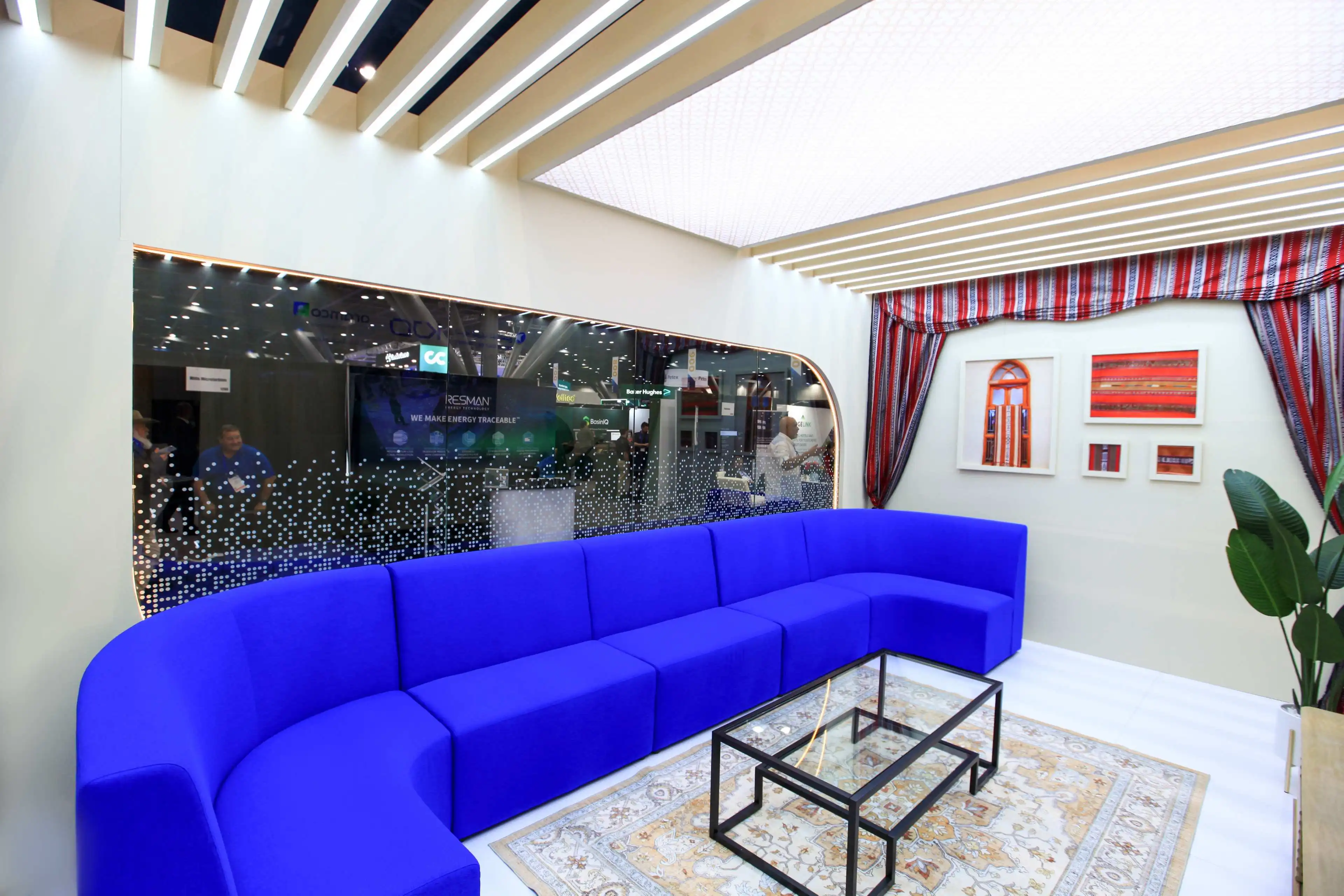
Custom building gives you more creative freedom than any other method. When you show with direct competitors, your booth becomes a branded space that they can't copy. This is a big benefit. Custom builds can be made to fit specific needs, such as reinforced floors for showing off heavy machines at industrial shows or special lights for showing colors accurately at Cosmoprof and other beauty shows. Companies that consistently exhibit at flagship shows should make the investment. The booth becomes a known brand landmark that visitors seek out year after year.
Modular Systems for Cost Efficiency and Flexibility
Standardized parts in modular booth systems can be rearranged to fit different show sizes. Professional looks can be achieved at 40–60% less cost than similar custom builds with aluminum extrusion frames, fabric graphics spread over tension frames, and removable panels. Shipping modular parts is quick and cheap, especially for businesses that have booths in more than one city, like Chicago, Las Vegas, and foreign shows.
Critical Selection Factors
Your strategy for making decisions should look at a number of factors. Even though budgets are important, you should look at the total cost of ownership over many shows instead of just the costs for one event. A $45,000 modular system that is used at six shows a year costs $7,500 each time, while a unique build that is only used once costs, well, $30,000 each time. Look over your display plans.
Companies that go to four or more shows a year get a faster return on their investments when they make flexible investments. Decisions are affected by how much room is available for storage. Modular systems can fit into standard boxes that stack well, but custom builds may need their own warehouse space. Quality of materials and building standards have a direct effect on how long something lasts and how safe it is. Reputable businesses promise that their designs will follow NFPA fire codes, ADA accessibility rules, and venue-specific rules.
Technical and Implementation Tips for Seamless Exhibition Stand Setup
Even the best booth ideas fail if they aren't carried out well. These useful tips make sure that the exhibition stand design setup goes smoothly, that everything works well during the show, and that the takedown goes quickly.
Layout Planning for Traffic Flow and Engagement
The best way to maximize your size is to plan how to use room. About 40% of a 20x20 booth at IFT FIRST should be used for demonstrations, 30% for private meeting rooms, and 30% for travel paths that keep traffic moving during busy times. The open layouts on both sides of corner booths that face the street make them more appealing, which brings in 25–35% more foot traffic than inline booths with only one door.
Viewlines are very important. Put your most interesting visuals where people can see them easily from the main aisles. Branding that is 10 to 12 feet high should be visible above the heads of the crowd, but check the venue's ceiling heights and sign-hanging rules before finishing designs.
Lighting and Electrical Best Practices
Having the right lighting changes how people see the booth. Using multiple sources of shadow-free lighting keeps contrasts from being too stark, which makes it hard to picture goods. This is an important thing to think about since people are sharing booth visits on social media more and more.
Spot lighting that can be adjusted draws attention to certain items, while general LED lines make everything clear. When planning electrical work, accuracy is key. Figure out how much power all of your devices need. Then, ask for 30–40% more power than you think you'll need to keep the circuits from overloading. Professional booth makers build power strips and cable management into the structure of the booth so that there are no obvious cords that could cause accidents.
CAD Files and 3D Visualization Tools
Before building starts, professional booth designers give you detailed CAD models and photorealistic 3D images. These tools can be used for more than one thing. They make sure that the booth's dimensions are legal with the venue and fit within the agreed-upon floor space.
This is an important check because mistakes in measurements found during installation require costly emergency changes. Marketing teams can accept the way something looks before it's made, which saves money on changes that need to be made during production. Before they get to the place, 3D walk-throughs help sales teams figure out how to set up their booths and where to put their staff.
Material Selection for Durability and Sustainability
The choice of substrate affects both efficiency and the effect on the environment. Aluminum frames are stronger per unit of weight than wood frames, so they are easier to ship and cost less to do so while still maintaining their structural integrity show after show. It is better for fabric graphics made on reusable polyester to keep their color after 15-20 uses than vinyl graphics that have been packed and put up many times.
Countertops and display areas that get a lot of use during multi-day shows can be made to last with high-pressure laminates. Choosing sustainable materials affects buying choices more and more. FSC-certified woods, low-VOC adhesives, and reusable surfaces meet the environmental standards of both the site and the company.
Installation and Maintenance for Hassle-Free Execution
Professional installation teams show up with all the tools they need, extra parts, and clear instructions on how to put everything together. They work with show workers to make sure that displays have access to electricity, the internet, and compressed air if they need it. Experienced workers build booths quickly and within the hours agreed upon by the venue. Daily care keeps things looking professional during the show.
Staff should do morning walk-throughs to make sure the lights work, fix displays that were knocked out by traffic the day before, and restock handouts. Having backup parts on hand keeps small problems from turning into big ones. Following a set of steps for post-show teardown makes sure that parts go back to storage unharmed.
Conclusion
To do well at the competitive global trade shows of 2026, you need to plan your exhibition stand design in a way that balances how it looks, how well it works, and how much it costs. The ideas we've talked about here, from knowing basic design principles to choosing dependable manufacturing partners, can help marketing managers, procurement professionals, and sales leaders make decisions about how to plan exhibition strategies.
Whether you care about sustainability, integrating technology, modular freedom, or making the most of your custom effect, the choices you make about your booth design will directly affect how many leads you get and your return on investment from the show. Working with professional, experienced builders lowers your risk and makes sure that your brand gets the attention it needs on busy show floors.
FAQ
How far in advance should I start planning booth design for 2026 shows?
Starting to talk about designs 4 to 6 months before the shows gives enough time for coming up with ideas, getting feedback from clients, making the clothes, and coordinating details without having to pay rush fees. Companies that want to talk to each other about going to IFT FIRST in July 2026 should start by January or February. While modular systems need a little less lead time, 12 to 14 weeks is still the best amount of time for great results in exhibition stand design.
What budget should I allocate per square foot of booth space?
The price ranges are very different depending on how complicated and customized the project is. Most modular systems cost between $150 and $250 per square foot, which includes images and basic furniture. Custom builds cost between $300 and $600 per square foot, based on how complicated the design is, what technologies are built in, and what materials are chosen. These numbers are for booth ownership. Renting a booth lowers the initial cost but raises the cost per show.
Can one booth design work across multiple trade shows?
This approach works especially well with modular devices. A well-thought-out movable booth can be set up in a variety of ways and can change its images to fit the needs of each show. Companies that go to IFT FIRST, Cosmoprof, and SUPERZOO can keep their brand design uniform while making changes to the visual material. Custom builds are less flexible, but they can sometimes be changed to fit different settings with the help of an expert.
How do I ensure booth design complies with venue regulations?
Professional booth designers stay up to date on the rules that all big show centers have to follow, such as fire codes, height limits, electricity needs, and accessibility standards. To make sure you're following the rules, ask your booth provider for engineering plans and material certifications. Reputable businesses promise that their booth designs will meet all building codes and will pay for any problems that arise.
Ready to Elevate Your Trade Show Presence?
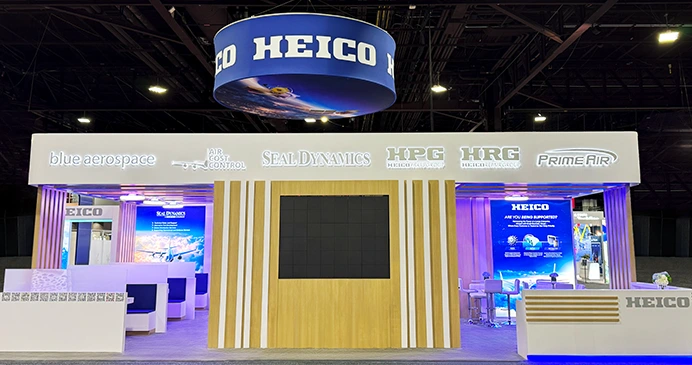
The exhibition stand design and building services offered by HR Exhibits Service, Inc. are specially designed for the major trade shows in 2026, such as IFT FIRST in Chicago, Cosmoprof North America, and SUPERZOO in Las Vegas. Our manufacturing plant in Las Vegas is very important for exhibitors joining Nevada shows because it cuts down on shipping delays across the country and allows for quick on-site action if problems arise.
Our team can help you with everything from the initial idea to the perfect completion on-site, whether you need custom booths to show off heavy industrial equipment or modular systems that can be used at multiple yearly events. Get in touch with our experts at info@hrexhibits.com to talk about how our tried-and-true solutions can turn your show investment into qualified leads and a stronger brand impact.
References
1. Exhibition Services & Contractors Association (2025). "Global Trade Show Design Standards and Best Practices Manual." Chicago: ESCA Publications.
2. Freeman Company Research Division (2025). "2026 Exhibition Industry Trends Report: Sustainability, Technology Integration, and ROI Metrics." Dallas: Freeman Publishing.
3. International Association of Exhibitions and Events (2025). "Strategic Booth Design for Lead Generation: Data-Driven Approaches for B2B Exhibitors." Chicago: IAEE Professional Development Series.
4. Center for Exhibition Industry Research (2025). "Attendee Engagement Patterns at North American Trade Shows: A Behavioral Analysis Study." Irving: CEIR Research Publications.
5. Exhibitor Media Group (2025). "The 2026 Exhibitor Survey: Budget Allocation, Design Preferences, and ROI Measurement in Corporate Exhibition Programs." Rochester: EMG Research.
6. National Fire Protection Association (2024). "NFPA 701 Fire Code Compliance for Trade Show Booth Materials and Construction Standards." Quincy: NFPA Standards Documentation.

Embark on Your Journey to Exceptional Exhibitions! Contact HR Exhibits Today to Transform Your Vision into Global Success.
HR Exhibits Service, Inc.