Booth Layout Planning Guide for Maximum Visitor Attraction
As you get ready for a big trade show, smart booth layout design can mean the difference between having a booth that no one sees and one that does. It's a one-of-a-kind way to make exhibition places that easily direct visitors, draw attention to key goods, and create interactions that people will remember. Anyone who goes to IFT FIRST in Chicago or Cosmoprof in Las Vegas will notice how your booth is set up and decide if they want to talk to you or not. You need to know more than just how things look to do this right. You should also know about ergonomics, how people move through busy show halls, and how to organize what people see. This will help you get people excited and turn them into approved leads.
Understanding Booth Layout Design Principles
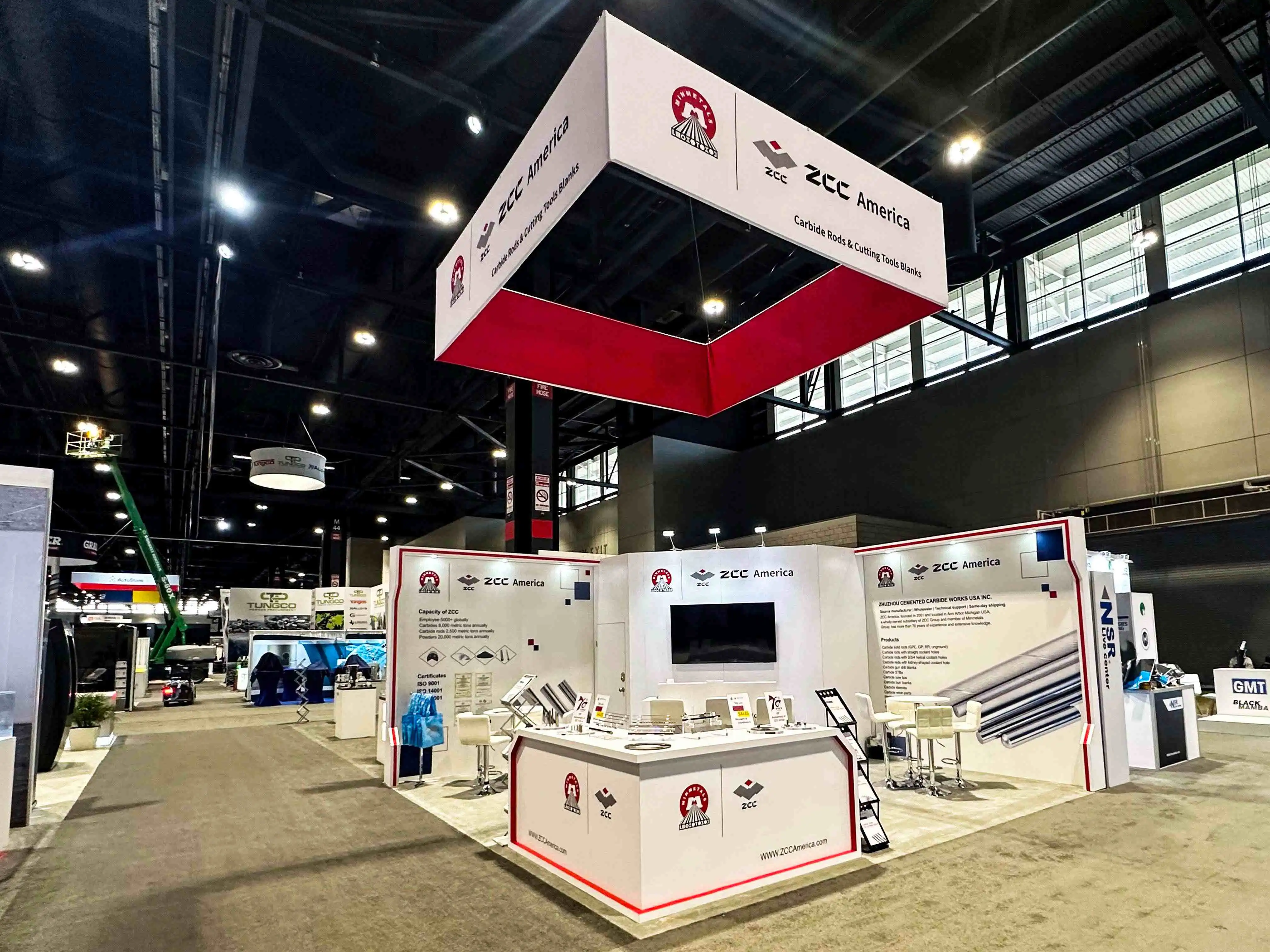
Effective booth layout design differs from normal floor planning in a few fundamental ways that make it successful. Professional booth layouts solve certain problems that exhibitors have, like making natural traffic patterns that avoid bottlenecks, setting up clear visual hierarchies that instantly communicate brand messaging, and making functional zones for showing off products, having private conversations, and giving demonstrations. Plans for floors only show how much room there is.
What Makes Booth Layout Design Different?
Display places used at trade shows, conferences, and brand activations are planned out in terms of how they will look and how they are laid out. It takes brand identity, user experience, and structure building ideas and puts them together to make places where businesses can effectively talk to each other. One problem that can be fixed by professional booth layout design is bad space flow that leads to jams, low brand memory due to visual clutter, wasteful use of expensive floor space, and technology problems during product demos.
Core Design Principles That Drive Visitor Attraction
There are some simple rules that good booth plans follow. Ergonomics is the study of making sure that places where people move and talk are comfortable. It thinks about things like wheelchair access, places to stand and talk, and how far people can watch displays. It is easy for people to move through your area if you plan the entry points, routes, and visual cues so that they work with visitor flow. Light, changes in height, and focal points are all used in visual order to draw attention to the most important words and goods. People will be able to recognize and remember your brand even after the event is over if you are consistent with your use of color, design, and style.
How Layout Influences Visitor Behavior
Companies that track trade shows have found that booth plans have a big impact on how long people stay and how interested they are in what you have to say. There are 40% more guest stops in open corner plans with more than one enter point than in closed corner plans with only one entry point. The displays get 60% more attention at first when they are placed so that they can be seen from the aisles. Set aside places to talk that aren't near busy roads. This makes lead screening go more quickly and makes it feel safer to talk about technical details and buying needs in more depth.
Step-by-Step Guide on How to Design a Booth Layout
Planning your booth well in line with your marketing goals and learning about the types of people who visit your booth are important. This well-thought-out booth layout design ensures that your investment does something useful and doesn't just sit there.
Define Your Objectives and Analyze Your Audience
First, be clear about what success looks like. Going to the IFT FIRST Annual Meeting & Food Expo in Chicago from July 12th to July 15th, 2026? Are you going to be showing off a brand-new line of goods? Getting the word out about your company at Cosmoprof North America Las Vegas (July 13–15, 2026)?
Getting good leads at the Las Vegas SUPERZOO from August 12–20, 2026? For each goal, you need to think about the place in a different way. People need to be able to see the signs when a new product is going on sale. If you want to build a brand, you need to use strong signs that people can see from far away. To find leads, you need meeting rooms and other places to talk that aren't too loud.
How you set up your site will change if you know who visits it. Professional procurement managers want websites that have clear product details, look good, and hide places for people to talk. People who run startups and go to Las Vegas shows like new designs that show how useful and efficient something is. The people in charge of medical sales need places with good lighting and technology help where they can show off their tools.
Compare Modular Versus Custom Layout Solutions
When it comes to budget, freedom, and brand expression, modular and custom ways are not the same. Modular systems save money because they have parts that can be used for more than one event. They normally cost $150 to $300 per square foot. That makes them useful for businesses that are showing at more than one event, like the summer events in Las Vegas. They are easy to set up and take down. With modular frames that can be changed in many ways, brands can be shown by changing the pictures, lights, and layout.
These booth plans, which range from $300 to $800 or more per square foot, let brands make one-of-a-kind experiences that aren't possible with normal systems. They are works of architecture that take over display halls, show off complicated goods, and mix cutting-edge technology in a way that works well. When businesses spend a lot of money to be present at industry events, they usually pick custom solutions that become part of their brand and are used in more than one year and place.
Optimize Visitor Comfort and Flow
Layouts that work take into account the things that people do that change how well they can connect with each other. Do not block the aisles so that people think they can't get in. Instead, keep the aisles looking open. Make the roads at least 4 to 5 feet wide so that during rush hour, cars don't get stuck.
Keep things that are interesting out front, like product demos or displays that people will want to look at, so they can get people's attention right away. On one side of the booth, have public areas where people can talk to each other. In the middle, have semi-private show areas, and in the back, have private meeting rooms. This natural growth fits them as they move deeper into your room.
Strategic Use of Technology, Lighting, and Signage
Things should get better when you use technology, not worse. People are interested in digital screens that are at eye level and facing the hallways without being too much. Touchscreens that you can use work best in places where there are clear tips on what to do. Lighting can set an order by shining bright spots on items, making areas where people talk darker, or adding dramatic accent lighting to parts of a brand.
A sign's important words must be easy to read from 10 to 15 feet away in three seconds, according to the 3-second rule. It's easier to see over the crowd when signs are raised, and pictures with directions show people how to get where you want them to go.
Latest Trends in Booth Layout Design for 2024-2026
New trends show that B2B buying workers' views in fashion, technology, and the environment are all changing. Trade show settings are also always changing.
Sustainable Materials Enhance Brand Reputation
A lot of companies now have to buy renewable goods. In the past, it was just a nice-to-have. You can make an eco-friendly booth with recycled metal frames, FSC-certified wood, cloth prints that can be recycled, and LED lights. These things show that the company cares about the environment. A lot of buying teams now pick which companies to work with based on how sustainable they are. In 2026, businesses that want to hold booths at big events will need products that are eco-friendly and can be included in their sustainable reports.
Digital Integration: AR, VR, and Smart Analytics
Augmented reality apps let people see how things would look in their own settings or how things work inside a company that can't be seen in person. Virtual reality can be used to make brand experiences that are truly immersive. This is very helpful for businesses that want to show off big pieces of equipment or facility solutions at events like IFT FIRST. Smart analytics systems that use beacon technology and visitor tracking can tell you useful things about traffic patterns, stay times, and places where people are most likely to interact. This information lets you change how people are hired at events right now and make plans for better ones in the future.
Minimalist and Modular Aesthetics
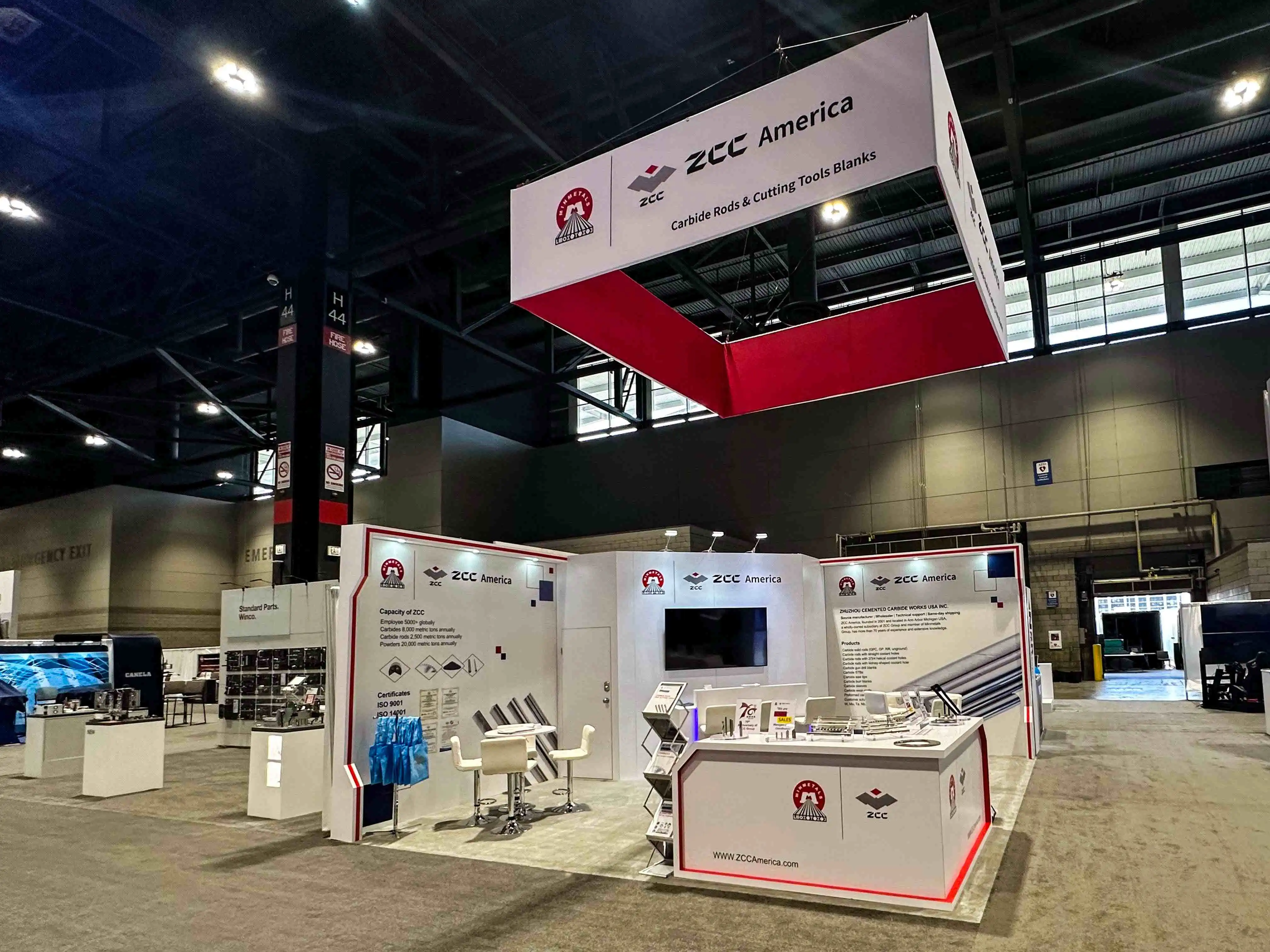
Modern booth design puts more value on simple forms, open spaces, and patterns that can be changed easily than on fancy decorations. This easy method keeps people's attention on the goods and words instead of the fancy building parts. Modular design helps with this because the booth parts can be moved around to fit areas of different sizes at different events. This trend is great for companies that show at more than one Las Vegas location, since floor plans and booth sizes change a lot between shows like Cosmoprof and SUPERZOO.
Choosing the Right Booth Layout Design Solution
You need to think about a lot of things to find the best booth layout design solutions. These include the number of events, your budget, your business goals, and practical things like where the places are and how long it takes to set up.
Evaluating Professional Design Services
Certification and the size and scope of their works are very important things to look for in booth layout design makers or suppliers. The Exhibit Designers & Producers Association (EDPA) is a group of companies that you should look for. This proves they follow the company's rules. See what other people in the same area have written.
For example, the way a booth for food and drinks is set up is very different from the way a booth for makeup or medical devices is set up. If you want to show your work at more than one place in the U.S., you should think about your regional choices. Companies with local support are very helpful for making plans, keeping an eye on things on-site, and making last-minute changes. This is especially true for events in Las Vegas.
Service Packages and Pricing Models
Most of the time, professional booth designers offer a range of set settings. Basic packages that cost between $8,000 and $25,000 come with help, 3D models, picking a modular structure, making pictures, and overseeing the installation. In the middle price range of $25,000 to $75,000, you can get special features like better lighting, storage for events that happen later, and the ability to connect technology. If a business goes to 10 or more shows a year, the premium packages that cost $75,000 to $250,000 or more come with fully customizable building structures, cutting edge technology, full logistics management, and long-term strategy planning.
Rental Solutions as Cost-Effective Alternatives
Rental booths make it easy for businesses on a tight budget or that want to try new events to take part. Different types of units cost different amounts of money to rent, from $45 to $150 per square foot. For this price, the unit is set up and taken down. This is a good choice if you only want to show once in a while, move into a new market, or want to see the return on your investment before buying. To keep costs down and stay true to the brand, rental boxes for summer events in Las Vegas in 2026 often have parts and patterns that can be switched out.
Case Studies: Effective vs. Poor Booth Layout Designs
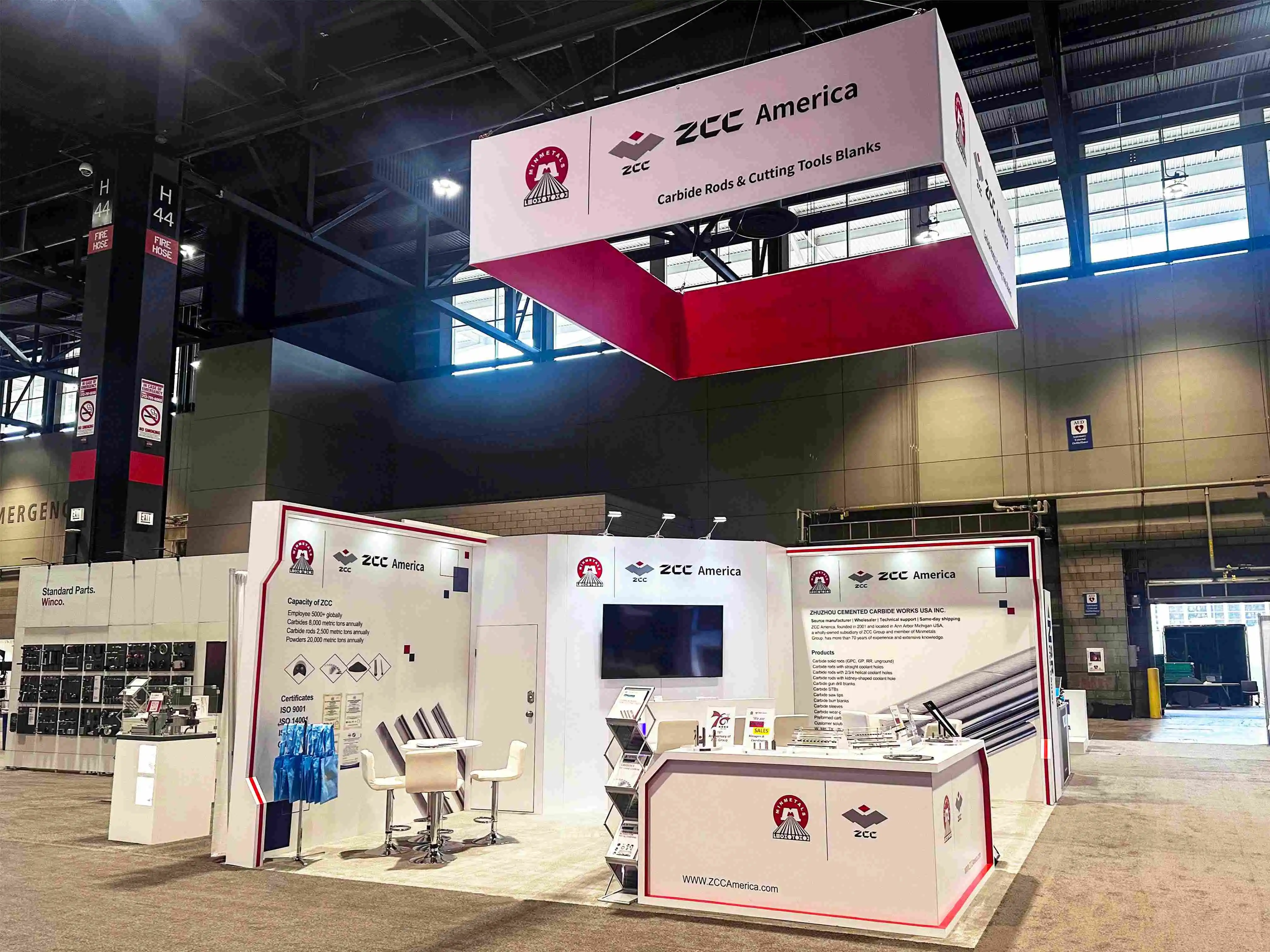
High-Impact Modular Booth Success
In Chicago in 2024, a company that makes medical products set up a 20x30-foot booth that could be moved around and had clear areas. The design had two entry points facing the aisles in an open space. This was 45% more interesting for first-time guests than their old design, which only had one entry point.
There was a show area in the middle that had everything set up at the best height for watching and with just the right amount of light. There were three semi-private meeting rooms on either side of that, each with a tablet station for technical information. Because of this, 180 accepted leads were made in three days, which is 40% more than the year before. There were private rooms that cut down on background noise and other distractions, which helped the sales teams talk better.
Common Pitfalls and Rectifications
In 2023, a company that was showing at a tech event in Las Vegas made a booth that was all about visual drama. It had tall buildings and a lot of complicated graphics. The plan, however, had major flaws. Narrow paths slowed things down when they were busy, and a 20x20 spot could only fit eight people at present. The places where products were being shown didn't have good views from the aisles, which took away from their original draw. It was hard for guests to get in because the staff's desks took up valuable room.
How well they did changed when they made changes for the next event. Fifteen people could visit at the same time if the roads were five feet bigger. Putting demos on high platforms facing the aisles made them 60% more visible and sparked 60% more initial attention. By moving the staff posts to the back corners, there was more space around the edges. This made the area feel easier to get to, which led to 35% more tourist stops. These changes showed that making the plan work better has a big impact on participation without the need for bigger rooms or more money.
Best Practices Summary
There are a few things that all booth plans that work have in common. They keep the room open and easy to get to by giving people more than one way to enter and clear views of the inside. They plan smart visitor tracks that lead from the main attraction to places where people can connect with it more deeply.
They make the room look good while also making sure it works well so that workers can do their jobs and the place looks professional. That means they can be changed to fit different events and be set up again quickly. To make guests feel at ease, they make sure there is enough room, think about how to control the temperature, and set up touch areas that are comfortable for people to use.
Conclusion
The best trade show investment you can make is in strategic booth layout design. This is because it has a direct effect on how many people you get, how interested they are, and how many leads you get. If you're planning a show for IFT FIRST in Chicago, Cosmoprof in Las Vegas, or SUPERZOO later in the summer of 2026, these tips will help you make sure it goes off without a hitch.
Some of these tips are to understand basic design ideas, plan in an organized way, use current trends, and learn from what worked in the past. Good layout plans think about how people move, what interests them, and where they can have useful business conversations. Booths that blend in with the background noise and booths that become event spaces depend on how well the layout is thought out.
FAQ
What factors most significantly influence visitor engagement in booth layouts?
How interested people are is based on three things. How people stop at first depends on how easy it is to get to and how clear the view is from the hallways. Open corners with clear views into your area will bring in a lot more people. Setting up functional zones apart makes sure that tourists can go from being interested to having in-depth conversations without having to deal with traffic patterns that get in the way of their conversations.
Smart focus points use lighting, arrangement, and height to draw attention to the most important goods and messages. Things like having enough space to stand, being able to see a show clearly, and being able to control the temperature in private areas all have a direct effect on stay time and the quality of conversations.
How do I decide between modular and custom booth layouts for my budget?
Three important things to think about are how often the event takes place, how you want to brand it, and your long-term goals. At first, modular choices often cost 40–60% less, and they can be used at more than one event. This makes them a good deal for companies that attend three or more shows a year.
Custom plans cost more than standard plans, but they offer complex features and brand experiences that you can't find in standard plans. Companies that want to stand out at big industry events where brand difference is important for market positioning often choose custom solutions. People who are in charge of a lot of different events can benefit from modular freedom. When deciding how to spend money, it's better to think about how much booth layout design will cost over time rather than just one-time costs.
What timeline should I expect for professional booth design projects?
Before the event, it usually takes a professional booth layout designer 8 to 16 weeks from the first meeting to set up the booth. It takes 12 to 16 weeks to come up with an idea, create it, get the client's OK, build it, and ship it. It can take 6 to 10 weeks to finish a modular job if all the parts are already in stock. You can rush jobs to make extra money, but the quality might go down or you might not be able to make as many changes.
Get started planning events for the summer of 2026 right away. This will give you time to do a good job with the design, get the right permits if the venues need them, and work with the show managers to make sure you meet the Chicago and Las Vegas venues' needs for electricity, rigging, and organization.
Transform Your Exhibition Strategy with Expert Booth Layout Design Services
To meet the needs of companies exhibiting at significant U.S. trade shows, HR Exhibits Service, Inc. provides full booth layout design and construction services. Our facility and trained staff in Las Vegas help vendors at SUPERZOO and Cosmoprof North America Las Vegas with problems that happen in the area. Companies from other states and countries will find this helpful. We also work with people from all over the United States, such as those going to IFT FIRST in Chicago and other North American games. Our design-build process makes sure that your booth gets the most people, stays within your budget, and is delivered on time, no matter if you want it to be flexible or have a unique look. Contact our team at info@hrexhibits.com to talk about your plan for an exhibition in 2026 and get a full project review that is tailored to your business, goals, and event needs.
References
1. Freeman Company (2023). "Trade Show Metrics and Visitor Engagement Analysis: Spatial Design Impact on Lead Generation Outcomes." Freeman Research Institute Annual Report.
2. Exhibit Designers and Producers Association (2024). "Industry Standards for Exhibition Design: Best Practices in Booth Layout Engineering and Visitor Experience Optimization."
3. Center for Exhibition Industry Research (2023). "The Value of Face-to-Face Marketing: Measuring ROI in Trade Show Participation Through Design Variables."
4. International Association of Exhibitions and Events (2024). "Sustainable Exhibition Design: Materials, Methods, and Measurable Impact on Brand Perception in B2B Markets."
5. Trade Show Executive Magazine (2024). "Technology Integration in Modern Booth Design: AR, VR, and Analytics Applications for Enhanced Visitor Engagement."
6. Skyline Exhibits Research Division (2023). "Modular Versus Custom Exhibition Systems: Comparative Analysis of Cost, Flexibility, and Brand Impact Across Multi-Event Programs."
Embark on Your Journey to Exceptional Exhibitions! Contact HR Exhibits Today to Transform Your Vision into Global Success.
HR Exhibits Service, Inc.