Best Booth Lighting Ideas to Increase Engagement
Strategic lighting can turn ordinary show spaces into places that draw large crowds and leave lasting memories of a brand. When it comes to custom exhibit booths, lighting is like an unseen architect that shapes how people behave, how they feel, and how they pay attention to important messages. Smart lighting strategies can bring up to 40% more people to your booth while also making an unforgettable experience for visitors that turns casual readers into qualified leads. The best vendors know that lighting is more than just a way to see. It can also be used to tell stories, make brands stand out, and get people more involved in a variety of trade show settings.
Understanding the Impact of Lighting on Exhibit Booth Engagement
The psychology of lighting is a big part of how people see and interact with display settings. Research shows that properly adjusted lighting has a direct effect on neural reactions, which can change anything from how long you can focus to how you make decisions. Warm color temperatures around 3000K make spaces feel more welcoming, which makes people stay longer, while cooler lighting at 5000K makes it easier to focus and evaluate products.
The Science Behind Visitor Attraction
People's eyes naturally move to well-lit areas, so strategically placing lights is important for getting people to visit your booth. Studies show that sellers who use professional lighting design have 35% more engaged visitors than those who only use the venue's overhead lighting. The difference between the bright booth areas and the darker aisle areas provides a light effect that brings people in from far away.
Research on circadian rhythms shows that the quality of lighting affects how energetic visitors are and how open they are to new information. When exhibitors plan their lights around natural biological patterns, they get better leads and conversations last longer. This scientific knowledge is especially useful at shows that last more than one day, when people are usually tired and less interested in the displays.
Common Lighting Pitfalls That Reduce Engagement
Many sellers hurt their chances of success by not planning their lights well. Visitors naturally avoid places that aren't well lit, and harsh overhead lighting casts ugly shadows that make products look less appealing and makes meeting rooms uncomfortable.
Another major problem is that lighting is not always distributed evenly. When certain booth places don't get enough light, important real estate is barely noticeable to people walking by. This problem often happens with bigger custom displays, where sellers spend most of their lighting cash on the middle parts of the display and forget about the edges that might interest more people.
Inconsistent color temperatures throw off the balance of the picture and make things look sloppy. When you mix warm and cool light sources without meaning to, it makes the eye confused and lowers the overall appeal of the booth. These kinds of mistakes are especially annoying when exhibitors try to connect the venue's lights to their own setups.
Top Booth Lighting Ideas to Elevate Engagement in 2026
Modern lighting for exhibitions saves energy and lets visitors connect with the lighting, making for unique experiences. The following tactics are cutting edge methods that successful sellers use to get people more involved while keeping costs low.
LED Display Integration
Modern LED technology gives you more options than ever before for making lively display spaces. High-resolution LED panels can be used as both light sources and content delivery systems. This means that vendors can change the amount of brightness while also changing the messages on the panels throughout the show days.
At the moment, LED lighting uses 80% less energy than standard lighting and is better at controlling brightness and color. Because of this, vendors can use striking lighting effects without going over the venue's power limits or driving up the cost of utilities. Modern LED systems also produce very little heat, which makes visitors more comfortable in booths that are closed off.
Interactive Backlighting Systems
Absolutely. Touch-responsive lighting is a powerful tool for transforming a custom exhibit booths into a dynamic and engaging environment, turning passive watching into active involvement. When people touch or move around screens or product demos, these systems use proximity sensors and pressure-sensitive surfaces to change the lights. Interactive lighting works especially well within a custom exhibit booth for tech companies showing off their software solutions or medical device makers demonstrating how their equipment works. Because these systems are responsive, they create lasting moments that visitors connect with new brands and cutting-edge features.
Strategic Accent Illumination
Professional accent lighting draws people's attention to certain goods or message elements without making the booth look too busy. Focused beams are used in this method to create visual hierarchy, which makes sure that important information gets the most attention even in crowded show rooms. To use accent lighting well, you need to plan it out carefully so that it doesn't create sharp differences or annoying glare. The best ones use fixtures that can be adjusted so that they can be optimized in real time based on how the place is changing and how many people are visiting during the show days.
Sustainable Lighting Solutions
Environmental awareness is becoming more and more important in business choices, which makes eco-friendly lighting options appealing for placing a brand. Accent lights driven by solar panels and LED systems that run on batteries make venues less reliant on their power grid and back messages about sustainability. These options are especially useful for outdoor events or places that don't have easy access to electricity. Battery-powered systems also provide backup lighting in case the power goes out, so the booth can keep running even if there are problems with the venue's electricity.
Flexible Modular Options
Portable lighting systems can be used with different booth layouts and keep the brand's look uniform at different trade shows. Modular designs let companies change the size of lighting setups to fit their budgets and available space without affecting how they look. Modular systems are especially useful for companies that take part in different types of exhibitions throughout the year because they can be used in a variety of ways. A well-thought-out flexible lighting package can be used in a range of settings, from small 10x10 rooms to big island setups, and still look professional.
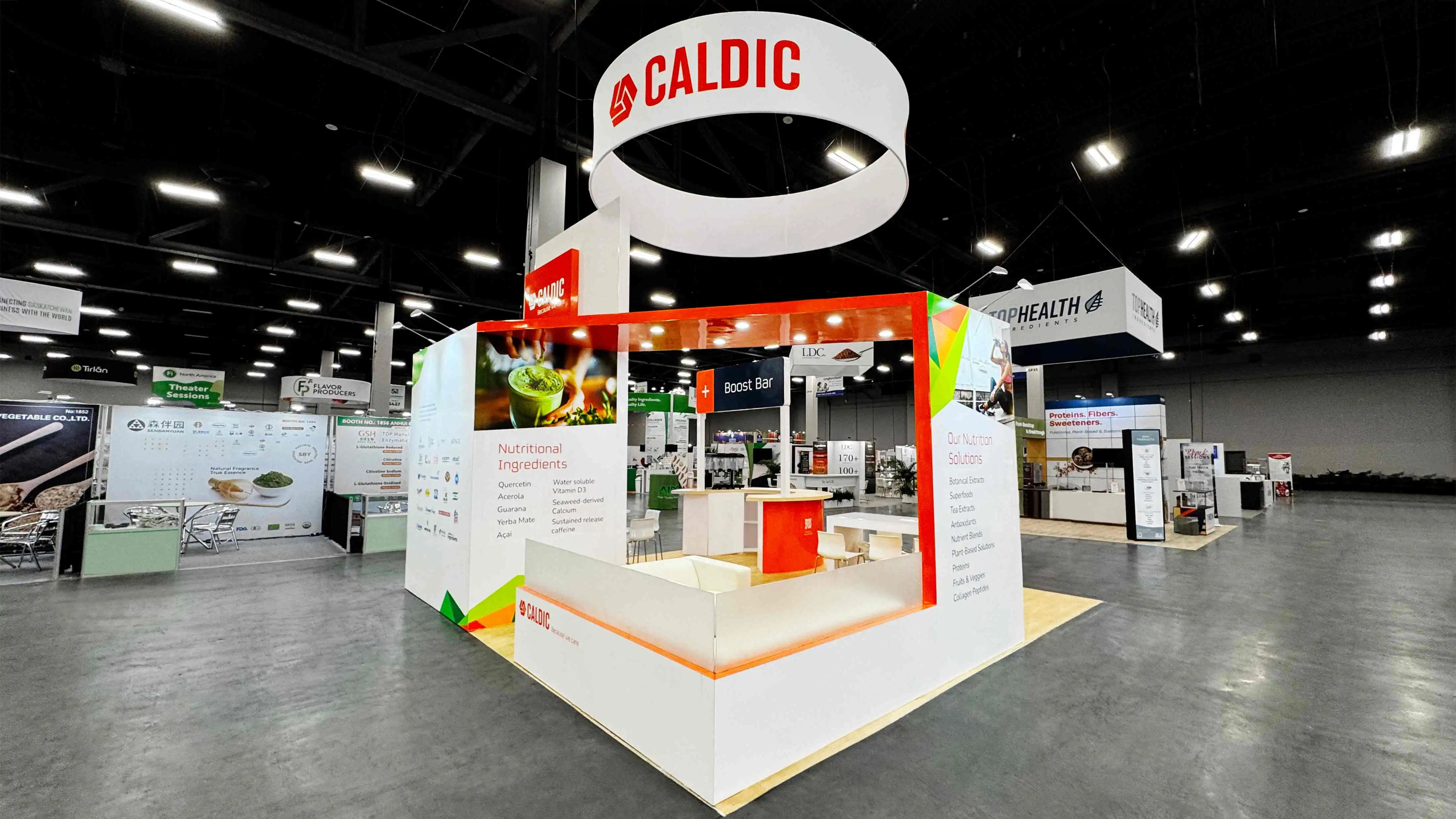
How to Design Custom Exhibit Booth Lighting for Maximum Impact
Systematic lighting design starts with a clear description of the goals that are in line with the general goals of the show. Lighting designers can make lighting schemes that serve a purpose instead of just looking better by knowing how visitors move through an area, what products need to be shown, and how the brand wants to be positioned.
Establishing Lighting Objectives and Booth Layout Alignment
Effective lighting design is directly linked to how you want visitors to feel and how you want people to move through your booth. Different lighting techniques are needed for areas with a lot of foot traffic, private meeting rooms, and areas where products are being shown. The best designs make clear lighting settings that lead people through planned sequences of involvement.
The best places to put key lighting elements can be found by looking at how people behave at events. Bright, friendly lighting at entry places lets people know that the booth is open, and gradual lighting changes in transition zones keep people comfortable as they move from one activity area to another. Product-focused areas need special lighting that makes the goods look better without casting unwanted shadows or reflections. These things need to be carefully thought out in terms of viewing angles, surface materials, and the amount of light in the setting.
Color Temperature and Brightness Calibration
Professional lighting design mixes different color temperature zones to support different tasks while keeping the lighting's overall look consistent. Warm lighting that makes people feel comfortable talking is good for meeting rooms. On the other hand, neutral lighting that shows off colors and textures correctly is best for product displays.
The calibration of the brightness within the custom exhibit booths must take into account how the place changes during the days of the show. Natural light from skylights or windows causes different needs in the morning and afternoon. This means that custom exhibit booths need to have systems that can be adjusted to keep their look consistent even when the lighting outside changes. How close rooms are to each other also affects how bright they need to be. Exhibitors who are next to highly lit competitors may need more lighting to stay visible, while those in a strategically placed custom exhibit booth within darker show areas can make a big impact with only a small amount of lighting.
Creating Focal Points Through Strategic Illumination
Through carefully planned strategies for color and placement, hierarchical lighting design guides visitors' attention to the most important messages and goods. The brightest light goes to the main focal points, while moderate lighting is used on minor elements to set the scene without fighting for attention.
To make a good focus point, you need to know how people process visual information. The eye naturally follows changes from light to dark, which lets designers make visual paths that lead guests through the information patterns they want them to see. This method works especially well for complicated product lines that need organized ways to show them. Dynamic focal point systems can be changed in real time to accommodate changing goals or practice plans during the exhibition days. Programmable lighting controls let booth staff draw attention to different goods or messages without having to change the fixtures themselves.
Comparing Lighting Options for Custom Exhibit Booths and Their Costs
When doing an investment study for display lighting, you need to look at both the short-term and long-term costs of running the business. Depending on how often you show, how complicated your booth is, and how well you need it to work, different lighting methods offer different benefits.
LED Technology Investment Analysis
Lighting systems that use LEDs cost more up front, but they pay for themselves in the long run by using less energy and lasting longer. Traditional incandescent light bulbs only last 1,000 to 2,000 hours, but good LED lighting can last up to 50,000 hours.
Energy economy estimates show that exhibitors who take part in multiple shows each year can save a lot of money. LED systems use about 15 to 20 watts of electricity to light up the same area as 100-watt incandescent bulbs. This cuts down on electricity costs by 80 to 85 percent and makes less heat that could make visitors uncomfortable. Maintenance cost benefits become especially important for businesses that show a lot. During normal show plans, LED fixtures rarely need bulb replacements. This means that extra inventory isn't needed and setup is easier.
Smart Lighting System Evaluation
Intelligent lighting systems have advanced control features that make the higher price worth it because they work better and require less work. Programmable controls let you set up complicated lighting routines that would take more than one person to do by hand. When you can integrate this technology with other booth technologies, you get benefits that go beyond just lighting. Audiovisual shows, product demos, and visitor tracking systems can all work with smart lighting systems to make brand experiences that are smooth. Remote tracking and adjustment tools cut down on the amount of technical work that needs to be done on-site while still ensuring peak performance during display times. This technology is especially useful for foreign shows where technical help might be hard to come by or cost a lot.
Cost-Benefit Analysis for Different Booth Formats
Portable booth lighting options are the most cost-effective for small exhibitors or businesses that only attend a few shows a year. These systems put portability and ease of setup ahead of maximum performance, giving good results at prices that most people can afford.
Large, unique setups that use high-tech lights are worth the extra money because they bring in more visitors and generate more leads. As lighting quality gets better, the cost per approved lead often goes down. This means that companies with big show marketing budgets can afford premium systems. When it comes to investments, modular systems are flexible and let you gradually add more features as your show programs grow. When you make your first purchases, you can focus on basic lighting needs and save the money for future growth.
Working with Custom Exhibit Booth Manufacturers: Lighting Solutions and Services
Professionals who make booths plan the structure and lights together to make sure that the booth works well and looks good. This teamwork stops common issues like not enough electrical power, hard-to-reach fixtures, and problems with lights and display elements not working together.
Integrated Design Consultation Services
As part of their full custom exhibit booth design services, experienced makers offer lighting advice. This integration makes sure that the planned lighting needs are met by the electricity infrastructure, while also keeping the building safe and upholding safety standards. As part of the design input, the venue's specific electrical needs, load limits, and setup conditions are planned for. Manufacturers who are familiar with large show halls can predict problems that might come up and come up with solutions that stop problems from happening on-site that cost a lot of money.
Collaborative design processes let exhibitors balance the money they spend on lighting with the money they spend on other parts of their booths while still sticking to their total project costs. Manufacturers with a lot of experience can offer cheaper options that still have the desired visual effect without lowering performance standards.
Installation and Maintenance Support
Professional installation services make sure that lighting systems are set up correctly, protect maker contracts, and keep safety standards in check. Trained techs know about electrical needs and venue rules that sellers might miss when they try to put their own displays.
Full maintenance support includes testing before the show, fixing problems on-site, and evaluating the system after the show. This service level is especially helpful for businesses that don't have their own professional staff or that are showing in places they haven't been before. Emergency support services give exhibitors peace of mind during busy times when lighting problems could have a big effect on how well their marketing works. Well-known makers keep spare parts on hand and have expert staff who can act quickly in an emergency.
Customization Options for Brand Alignment
Custom lighting solutions meet the needs of a certain brand in a way that standard hire systems can't. Custom colors, branding, and design elements can be added by manufacturers to make booths stand out from others in the same category.
Programmable systems that show brand-specific lighting patterns or work with marketing demos are an example of advanced customization. These features give tourists unique brand experiences that they will remember long after the shows are over. Good makers know what rules need to be followed for foreign exhibitions and can make sure that custom lighting systems meet the different safety and electrical standards that apply in each country and place.
Conclusion
One of the most cost-effective ways to get people to interact with your custom exhibit booths and remember your brand is to use strategic lighting design. The data makes it clear that well-planned lighting tactics improve the number of visitors, the quality of conversations, and the efficiency of lead generation. Modern lighting technologies allow for more creative possibilities than ever before, and they also lower costs by using less energy and making tools last longer. Successful vendors know that lighting is more than just a way to see; within a custom exhibit booth, it can be used to tell stories about a brand and get people more involved with it. Investing in professional lighting design always pays off with more people visiting the booth and better marketing results.
Partner with HR Exhibits Service, Inc. for Exceptional Custom Exhibit Booth Lighting Solutions
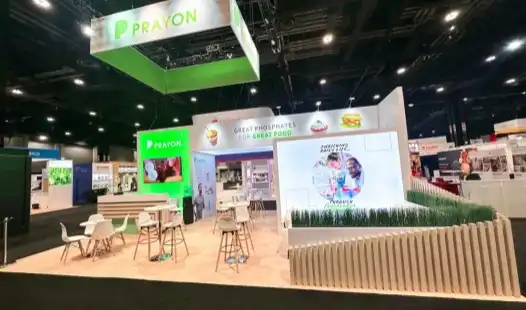
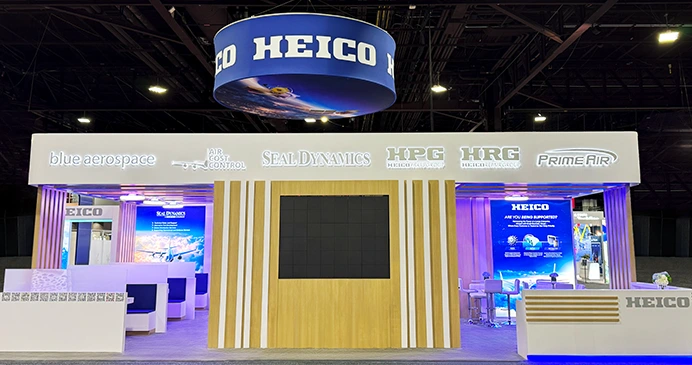
HR Exhibits Service, Inc. is a top custom exhibit booth maker that specializes in creative lighting design and full exhibition services that can help you change how you look at trade shows. We have done great work for industry leaders like Seastar Corporation at CES, Vela at NAB Show, HEICO Corporation at MRO Americas, and Prayon at the IFT Food Expo. Our headquarters are in Las Vegas, but we have offices all over the world. Our skilled professionals use their artistic and technical knowledge to plan, create, and set up unique lighting systems that keep people interested while also working reliably. Get in touch with us at info@hrexhibits.com to find out how our approach to booth design and lights can make your next trade show better.
References
1. International Association of Exhibitions and Events, "Impact of Environmental Design on Attendee Engagement: A Comprehensive Study of Lighting Psychology in Trade Show Settings," Journal of Exhibition Marketing Research, 2023.
2. Smith, Robert and Chen, Maria, "LED Technology Applications in Commercial Exhibition Environments: Cost-Benefit Analysis and Performance Metrics," Trade Show Technology Quarterly, 2024.
3. Exhibition Industry Research Foundation, "Visitor Behavior Patterns and Environmental Influences: Understanding the Role of Lighting in Booth Traffic Generation," Annual Exhibition Marketing Report, 2023.
4. Johnson, Sarah K., "Sustainable Lighting Solutions for Corporate Exhibition Programs: Environmental Impact and Cost Optimization Strategies," Green Events Management Journal, 2024.
5. Professional Lighting Design Association, "Best Practices for Custom Exhibition Lighting: Integration Strategies and Technical Specifications," Industry Standards Publication, 2023.
6. Williams, David and Thompson, Lisa, "Interactive Technology Integration in Modern Exhibition Design: Lighting Systems and Visitor Engagement Optimization," Digital Marketing in Events Review, 2024.
Embark on Your Journey to Exceptional Exhibitions! Contact HR Exhibits Today to Transform Your Vision into Global Success.
HR Exhibits Service, Inc.