Expert Exhibition Booth Design for Food & Beverage Brands
Expert show booth design for food and drink brands is a specialized field that turns ordinary exhibition areas into brand-immersive experiences. This plan uses materials that are good for cleanliness, sampling areas that people can interact with, and interesting visual stories to get the attention of buyers and sellers in the industry. Understanding specific legal requirements, temperature control systems, and sensory engagement strategies that distinguish goods in crowded trade show settings while still adhering to health and safety standards are all necessary for effective Exhibition Booth Design in the food industry.


Comprehending Exhibition Booth Design for Food & Beverage Brands
When it comes to making interesting trade show settings, the food and beverage business has its own problems that make it different from other industries. Unlike technology or industry displays, food brands have to deal with a lot of complicated rules while making places that encourage people to use their senses and try out their products.
Essential Elements of Food & Beverage Booth Design
For the modern food business to work, it needs specialized equipment that helps show off products and follow rules. Temperature-controlled storage systems, show areas that are safe for food, and good air flow stop being nice-to-haves and become necessary parts. These technical standards must work well with parts of the brand story that tell buying managers and sellers about quality, sustainability, and new ideas.
Because food products are sensory, booth designers have to think about how lighting affects how the products look, how airflow affects how the smells spread, and how sound dampening lets people have meaningful talks in noisy show settings. We've seen that food brand displays that work well have designated tasting areas with surfaces that are easy to clean, waste management systems, and clear sight lines that let guests see how food is prepared while still following hygiene standards.
Current Trends Shaping Food Exhibition Spaces
Sustainability has become a big part of food fair design in 2026. Brands are asking for eco-friendly materials and flexible systems that cut down on waste across multiple events. Bamboo composite panels, recycled metal frames, and LED lighting systems are no longer seen as extras, but as normal features.
Interactive technology has grown beyond simple digital displays and now includes augmented reality experiences that show how transparent the supply chain is, QR codes that lead to green badges, and nutrition screens that you can interact with. These digital aspects shouldn't take away from the physical feel of the product, which is still the most important part of food marketing.
As plant-based and functional foods have become more popular, booth plans have changed to allow for longer conversation times, since these goods often need teaching parts. Because of this trend, there is more demand for meeting rooms that are partly private within bigger booth areas. This lets sales teams give detailed product demos without having to compete with other exhibits.

Choosing the Right Exhibition Booth Design Approach: Custom vs Modular
When choosing between custom and flexible booth options, it can be hard for procurement teams in the food and drink industry. Each method has its own benefits that work best with various brand strategies, budgets, and long-term display plans.
Custom Design Solutions for Food Brands
Custom Exhibition Booth Design gives food brands the most freedom when they need specific features like commercial-grade refrigeration, cooking display areas, or special lighting for taking pictures of their products. When brands need to make signature brand experiences, fit products with unique dimensions, or meet complex technical needs that standard modular systems can't handle, these custom solutions really shine.
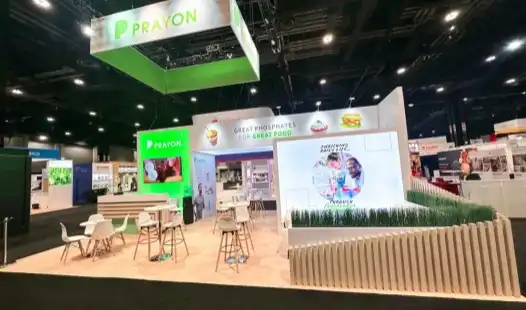
Large food companies that show at top industry events like the IFT FIRST Annual Meeting & Food Expo usually find that the money they spend on custom design is well spent. We've successfully made setups for companies like Prayon and Aditya Birla Group. Custom solutions let you match brand colors exactly, add unique building features, and include storage options that make operations run more smoothly during events that last more than one day.
Custom designs, on the other hand, take longer to make (12 to 16 weeks for complicated food industry setups) and cost more up front. The price includes coming up with a plan, engineering it to make sure it meets food safety standards, making it, and installing it in a way that only certified technicians who know how to work with professional food equipment can do.
Modular Systems for Strategic Flexibility
Modular booth systems have changed a lot to meet the needs of the food business while still being flexible and cost-effective, which is what procurement managers like. Modern modular parts have surfaces that are safe for food, built-in cooling systems, and patterns that can be changed to fit different venues and yearly product launches.
Modular systems can be expanded, which is great for food brands with a lot of different products or businesses that are trying to break into new markets. A 10x10 flexible booth can be expanded to fit more product lines or rented for smaller regional shows, which makes the budget more stable and fits with the buying cycles of the company.
Good modular systems made for food use have antibacterial finishes on the surfaces, joint systems that are easy to clean, and quick building methods that cut down on downtime during show setup. These features meet the specific operating needs of food brands while also giving the website the professional look that is needed in B2B settings.
Material Selection for Food Industry Applications
At food and drink shows, exhibitors need products that look good and work well, as well as meeting health department rules and site safety standards. Standard features, not high-end choices, include stainless steel parts, food-grade plastics, and sealed surface treatments.
As buying teams look for answers that fit with their companies' environmental goals, choosing materials that are sustainable has become more important. Recyclable metal frame systems, FSC-certified wood parts, and low-VOC finishes are now big parts of how vendors are chosen. These materials need to be able to last through multiple uses and still be food-safe after being cleaned and sanitized many times.
Practical Guide to Procurement and Exhibition Booth Design Services
When purchasing professionals look at booth design services for food and drink brands, they need thorough ways to evaluate vendors that go beyond just comparing prices. Because the rules for the food business are so complicated, they need partners with specialized knowledge and a history of following the rules.
Evaluating Design Firms for Food Industry Expertise
Checking a design firm's experience with food-safe building methods and health department compliance procedures is the first step in choosing a good source. Ask for proof of past work done in the food industry, such as client examples from businesses that make similar products and have to follow the same rules.
As part of the technical skills evaluation, the company should be asked to show how well it can create booths with commercial refrigeration, good airflow, and areas for preparing food. The vendor should show that they know about ServSafe rules, local health department standards, and venue-specific rules that usually apply to food service businesses in convention halls.
When it comes to food brands, project management skills are especially important because of how quickly perishable goods need to be shipped and how booth building, product delivery, and staff training all need to work together. Check to see how much experience the company has with logistics planning and how well they can handle complicated work schedules that follow food safety rules.
Design-Build Package Considerations
For uses in the food business, full design-build packages should include specialized services in addition to standard booth building. Help with getting a permit from the health department, finding food-safe equipment, and working with the venue's facilities management to set up the power hookups that commercial food equipment needs are all common parts of these packages.
Value engineering is especially important for projects in the food business, where rules and regulations can make prices go over what was first thought. Work with companies that break down costs clearly and look for possible compliance problems early on in the planning process, instead of waiting until it's too late and it costs a lot of money and time to make changes.
Moving and storing food industry shows needs special care for both the building parts and the equipment that is safe for food. Exhibition Booth Design build packages should include choices for climate-controlled storage, upkeep plans for equipment, and the ability to get replacement parts for important systems like refrigeration.
3D Visualization and Concept Refinement
Advanced 3D rendering software is now necessary for planning food industry booths. This software lets buying teams look at things like traffic flow, sight lines, and equipment placement before they start building. With these digital tools, stakeholders can find possible operating problems and improve plans so that both visitors and staff can work more efficiently.
Interactive 3D models make it easier for marketing teams, operations staff, and design professionals to work together to make sure that the final design of the booth meets both brand goals and realistic operating needs. This collaborative method cuts down on the need for expensive changes during building and the chance of problems with compliance during inspections of the venue.
With the help of virtual reality, procurement teams can now do full walkthroughs that show possible problems with getting to equipment, getting out in an emergency, and how customers move through the space. This technology helps a lot with complicated food service setups where the way things are set up affects how well they work and how well they follow the rules.

Optimizing Exhibition Booth Performance for Maximum Impact
For food and drink show booths to do their best, they need to strategically combine sensory experiences, technology platforms, and environmentally friendly methods that appeal to buyers in the industry and help keep operations running smoothly over multiple days of events.
Interactive Features and Technology Integration
Digital displays in food business booths do more than just show off products. They can also be used for real-time inventory management, showing nutritional information, and communicating about supply chain openness. These systems need to work well with places where food is prepared, be easy to clean, and meet the safety standards for electrical equipment in food service settings.
Augmented reality apps work especially well for food brands that want to show their complicated supply lines, organic certification methods, or environmentally friendly ways of sourcing. These hands-on activities let buyers learn about where products come from, how they're made, and how quality control is done without getting in the way of tasting or bothering booth staff.
When designing a sampling station, you have to think carefully about how to handle traffic, trash, and weather while also making sure the station looks good and stays true to your brand. Installations that work well have separate places for storage, effective systems for serving, and clear lines of sight that let people watch food being prepared while still keeping the right level of hygiene.
Sustainable Design Implementation
As more and more corporate buyers evaluate sellers based on their sustainability practices, environmental responsibility has gone from being a marketing benefit to a requirement for getting goods. Booth designs now include renewable materials, systems that use less energy, and ways to cut down on waste that show care for the earth while still being useful.
Modular building methods help reach sustainability goals by letting parts be used in more than one event, cutting down on waste during production, and lowering the need for movement. These systems must meet standards for durability that are good for use in the food business while also being easy to take apart and reassemble for different venues.
Energy management systems that use LED lights, energy-efficient refrigeration, and smart power transfer cut costs and support environmental efforts by businesses. These systems usually have tracking features that give real-time information on how much energy is being used for environmental reporting needs.
Space Optimization Strategies
When you don't have a lot of booth room, you have to come up with creative ways to show off your products while still keeping food safety clearances and emergency access routes clean. Multifunctional parts like cold display units that can also be used as storage and meeting rooms that can be changed into other uses make the best use of space without sacrificing usefulness.
Using vertical space in the form of overhead storage systems, raised display platforms, and hanging branding elements makes products more visible while keeping floor space open for people to walk around. These options need to work with the venue's roof height and load limits, and they also need to make it easy for staff to do their jobs.
Exhibition Booth Design optimization for traffic flow is especially important at food business booths, where tasting can cause bottlenecks that make it hard for people to move around. Placing interesting things in the right places, making sure there are clear paths and places to wait in line all help keep things running smoothly and give visitors the best chances to get involved.

Building Trust and Making the Right Decision — What Procurement Managers Should Know
When hiring booth design services for the food industry, procurement managers need thorough evaluation models that combine technical skills, cost, and risk management factors that are unique to regulated environments.
Partnership Selection Criteria
Design companies that have won awards have proven knowledge that lowers project risk and boosts brand credibility in B2B settings that are very competitive. In the food industry, however, recognition means that you know about specific regulatory requirements, hygiene practices, and practical challenges that planners of general trade shows might miss.
Evaluating a vendor's financial stability is especially important for projects in the food business because they need specialized tools and often take longer than planned. Ask for financial references, proof of insurance, and proof that the company can bond itself to show that it can handle complicated setups and ongoing help over long-term partnerships.
Being close to important food industry trade shows and factories can have a big effect on the prices of a project and how quickly emergency help can be sent. Check out how well sellers can handle logistics, if they have local partnerships, and if they already have relationships with site management teams at important industry events.
Comprehensive Cost Analysis
Food industry exhibition booth costs usually go over standard trade show budgets because they need special tools, take longer to set up, and need to be maintained all the time for food-safe parts. The people in charge of procurement should set aside 20 to 30 percent more money than they thought they would need in order to meet regulatory requirements and make any changes that are found during venue checks.
Some examples of hidden fees are the cost of a health department permit, the need for special cleaning, extra insurance for food service businesses, and overtime fees for installs that need to work with the venue's utility systems. To make sure you stick to your budget, ask for specific cost reports that list these possible extra costs.
When thinking about long-term costs, you should think about when to maintain the equipment, where to get new parts, how much space is needed to store specialized parts, and how much it will cost to change the designs to fit the needs of different venues. These ongoing costs usually add up to 15 to 20 percent of the initial building cost every year.
Contract Negotiation Essentials
Service level agreements for food industry booth installations should include reaction times for broken equipment, the availability of a backup system, and emergency support processes that take into account the specific risks that come with running a food service business. Include plans for finding other tools and quick repair methods for important parts like refrigeration systems.
Intellectual property issues come up when custom booth designs include secret ways to prepare food, special ways to set up equipment, or one-of-a-kind branding elements that give the business an edge over its competitors. Make it clear who owns what and how it can be used. This will protect trade secrets while still allowing for necessary changes and upkeep.
When assigning responsibility, it's important to think about the many risks that come with running a food service business, such as product liability, health code violations, and possible contamination problems. Make sure that the insurance covers everything and that everyone knows what their job is when it comes to running and maintaining the booth.
Conclusion
Expert Exhibition Booth Design for food and drink brands requires specialized knowledge that strikes a balance between following the rules, running the business efficiently, and creating memorable brand experiences. To make food industry shows successful, you need to make sure that the places you use are clean, safe, and good for building relationships with buyers. Whether they choose custom or flexible solutions, procurement managers need to make sure they work with partners who have a track record of success in the food business and can provide a wide range of services. Professional booth design services pay off in the form of higher brand reputation, more qualified leads, and more efficient operations that help a business grow over the long term in competitive markets.
FAQ
What makes food & beverage booth design different from other industries?
When designing a food and drink booth, you need to think about things like temperature control systems, food-safe materials, health department rules, and built-in sample stations. Unlike most trade show displays, these ones have to fit cooling systems, air systems, and waste management systems while still looking good and staying true to the brand.
How do I choose between custom and modular booth solutions for my food brand?
Custom solutions work best for brands that need specific infrastructure, like industrial kitchens, unique product sizes, or experiences that are unique to the brand. Companies that have a wide range of products or different place needs can save money and time by using modular systems. When making this choice, you should think about your long-term exhibition plan, your budget, and any unique technical needs.
What should I expect to pay for professional food industry booth design?
Booths in the food business usually cost between $150 and $400 per square foot, based on how complicated they are. Specialized equipment, permits, and meeting compliance requirements can add to the cost. Add 20–30% more to your budget than you thought you would for legal compliance and possible changes. Long-term costs for storing and upkeep should also be added to the total spending amount.
How far in advance should I start planning my food & beverage exhibit?
Start making plans 12 to 16 weeks before big trade shows to allow time for design work, getting permits from the health department, finding specialized tools, and coordinating the installation. If you need commercial food equipment for a complex custom installation, you may need to allow more time for governmental approvals and technical integration.
Ready to Transform Your Food & Beverage Brand Presence?
HR Exhibits Service, Inc. has a lot of experience making exhibition spaces that are appealing for food and drink companies at big trade shows in their field. Our manufacturing plant in Las Vegas and our experienced design team know how to deal with the unique challenges of food industry shows, such as following the rules and coming up with ways to get people to use their senses. As a reliable company that designs show booths, we've helped food companies do well at big events like the IFT FIRST Annual Meeting & Food Expo, working with stars in the field like Prayon and Aditya Birla Group. Get in touch with our team at info@hrexhibits.com to talk about how our full design-build services can improve your next trade show appearance with solutions that combine great operations with interesting brand stories.
References
1. Johnson, M. & Thompson, R. "Food Industry Trade Show Marketing: Regulatory Compliance and Design Excellence." Journal of Food Marketing & Distribution, 2024.
2. Anderson, K. "Sustainable Exhibition Design in the Food and Beverage Sector: Materials, Methods, and ROI Analysis." International Trade Show Management Review, 2023.
3. Williams, S. et al. "Interactive Technology Integration in Food Service Exhibition Environments: Best Practices and Case Studies." Food Industry Marketing Quarterly, 2024.
4. Davis, P. "Cost Analysis of Custom vs. Modular Booth Solutions for Food and Beverage Brands." Exhibition Industry Research Foundation, 2023.
5. Martinez, C. & Lee, J. "Health Department Compliance in Trade Show Food Service Operations: A Comprehensive Guide for Exhibition Managers." Food Safety and Exhibition Standards, 2024.
6. Brown, A. "Procurement Strategies for Food Industry Exhibition Services: Vendor Selection and Contract Management." B2B Food Marketing Association, 2023.

Embark on Your Journey to Exceptional Exhibitions! Contact HR Exhibits Today to Transform Your Vision into Global Success.
HR Exhibits Service, Inc.