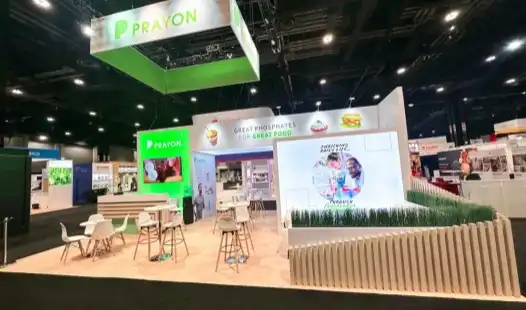
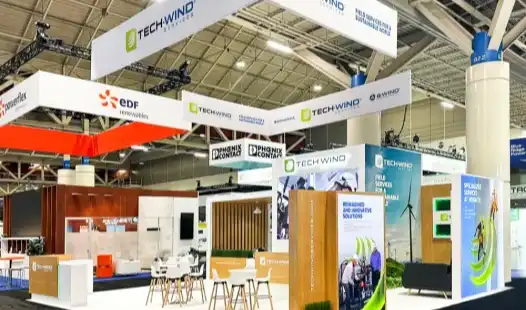
Benefits of Trade Show Display Rentals for Product Launches
By providing professional-grade exhibit solutions without the long-term investment of ownership, trade show display rentals provide immediate value for businesses launching new products. Renting gives you access to cutting-edge modular systems, images on tension fabric, and technology that works together to make unique brand experiences. This method handles the special challenges of product launches, like short deadlines, changing messages, and being responsible for the budget, while making sure your show meets the requirements of the place and gets the most attention from people in busy exhibition spaces.
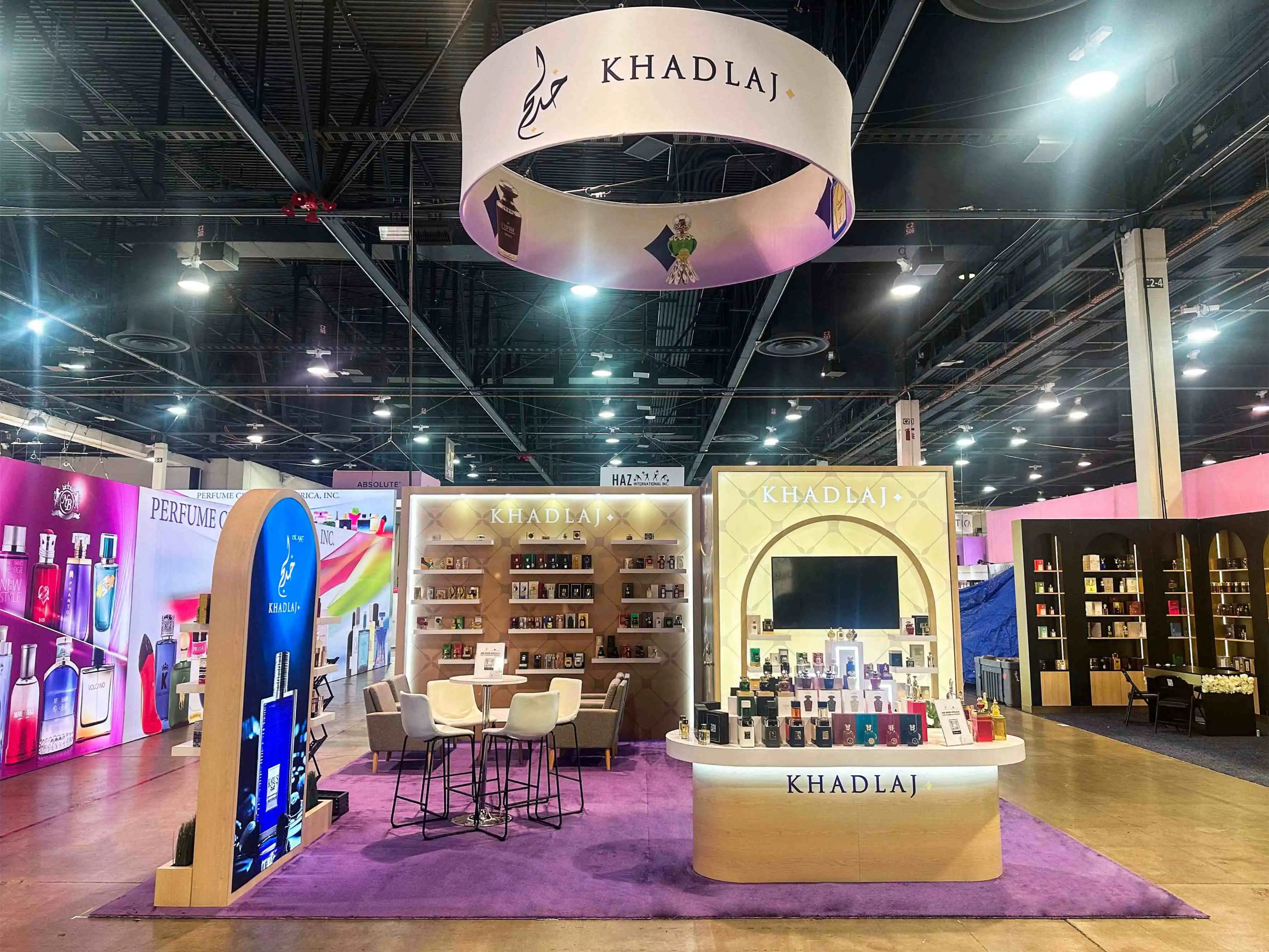
Understanding Trade Show Display Rentals and Their Role in Product Launches
When you launch a product at a trade show, you need to be precise, flexible, and make an impression. Rental exhibits solve the main problem that marketing and sales directors face, which is how to quickly set up a professional presence without spending a lot of money on new equipment or taking care of all the complicated logistics on their own.
What Trade Show Display Rentals Include?
These days, trade show display rentals include a lot more than just tools. We offer aluminum modular frame systems that are designed to be used more than once. They have anodized finishes that protect against damage during shipping and tool-less assembly methods that make installation go much faster. Dye-sublimation graphics on Silicone Edge Graphics (SEG) fabric produce high-resolution images that don't wrinkle and keep the identity of the brand. All the materials meet the NFPA 701 fire retardant standards and ASTM E84 surface burning characteristics, which are requirements for all U.S. convention centers.
The rental package gives procurement teams what they want most, which is predictability. Setting up, transporting, and providing support on-site are all included, which takes away the planning problems that come up for exhibitors from other countries or states. When you show off your medical device at The Battery Show and Electric & Hybrid Vehicle Technology Expo in Detroit (October 12–15, 2026) or your new manufacturing technology at FABTECH in Las Vegas (October 21–23, 2026), rental exhibits let you talk to potential customers instead of putting together your booth.
Why Product Launches Thrive at Trade Shows?
Trade shows bring together your ideal customers in one place, when they are most open to buying. People come to the event with a plan: to find answers, compare sellers, and make purchases. In this setting, introducing a new product goes from being a public message to a live conversation where potential customers can connect directly with your idea. When the stakes are high, problems come up quickly. As start dates get closer, timelines get shorter. As the market responds, standing changes, and so does the messaging. When ROI estimates depend on lead quality and conversion rates, budgets are looked at even more carefully. Because they're made for change, rental exhibits are better able to adapt to these situations than owned ones.
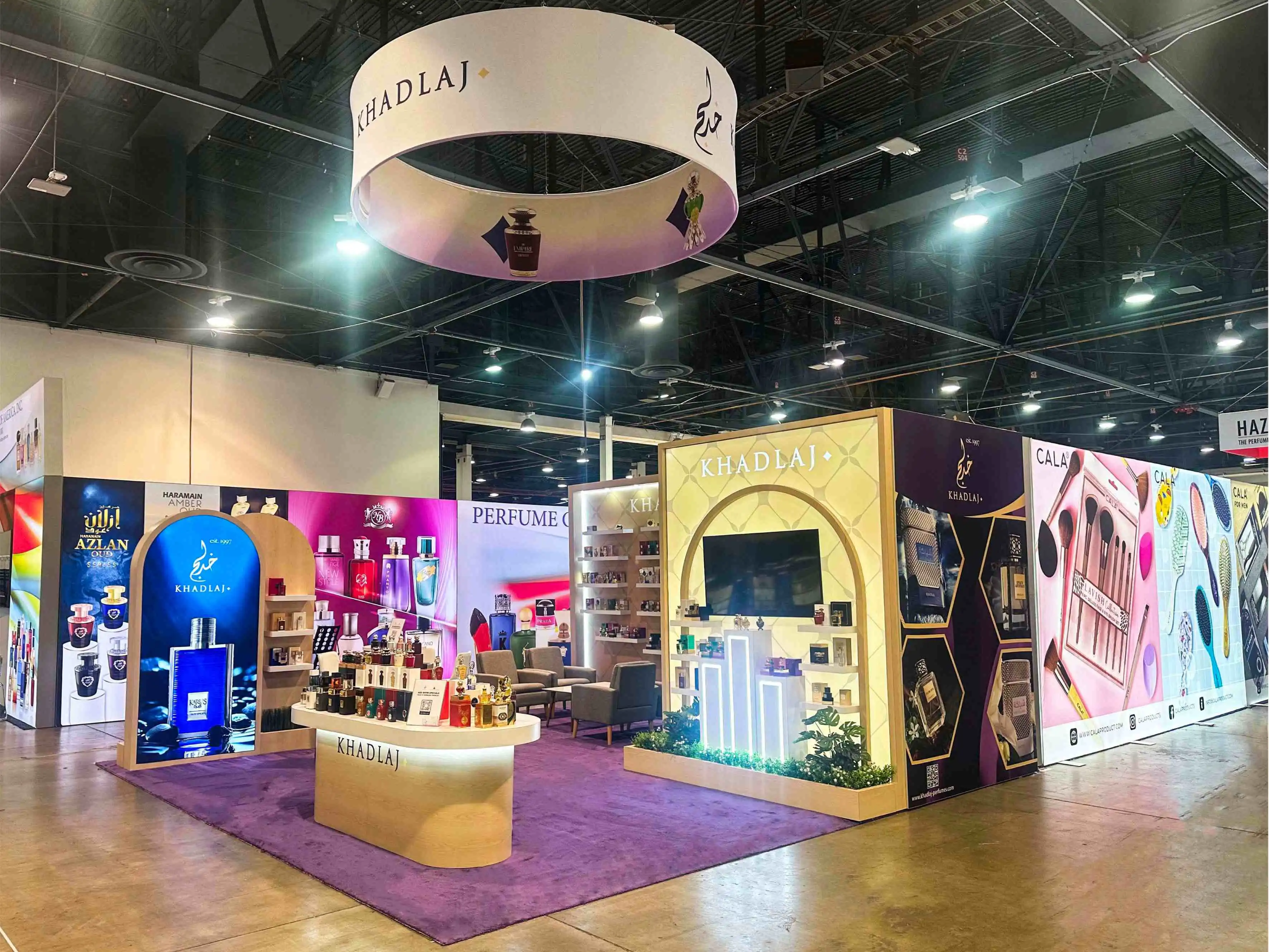
Key Benefits of Trade Show Display Rentals for Product Launches
When compared to the practical needs and budget limits of product launch efforts, the strategic benefits of trade show display rentals become clear.
Rapid Deployment and Reconfiguration
It takes flexibility to launch at SEMICON West in San Francisco (October 13–15, 2026) and then Money 20/20 in Las Vegas (October 18–21, 2026). Rental systems use modular parts that can be put together in different ways to fit different booth sizes and plans. This means that no new structure investments are needed. Modular frames can easily be changed when your semiconductor product needs a 20x20 island setup in San Francisco and a 10x20 inline setup in Las Vegas a few days later. This also applies to changes to the messages—it only takes hours, not weeks, to replace the fabric images between events. This means that your team can change how the products are positioned based on how the market is responding in real time.
When venue access windows are small, installation speed is important. Because we've worked with big Las Vegas shows before, we know the rules for unionized workers, the power needs of venues (110V is standard across all U.S. venues), and the rules that can cause delays for exhibitors who aren't ready. When you rent an exhibit, it already has solutions built in that meet these requirements. This cuts down on setup time by up to 30% compared to traditional custom carpentry methods.
Access to Premium Design and Technology
Startup founders introducing new technologies at SupplySide Global in Las Vegas (October 26–30, 2026) have to deal with a branding paradox: they don't have a lot of money to spend on branding, but people expect them to look professional. This problem is solved by rental displays, which give you access to high-end designs that you would have to spend a lot of money on to own. Integrated LED lighting systems, digital display mounts, and building elements that show innovation and quality can be bought at steady monthly rates instead of for five figures.
Using technology makes visitors more interested. Rental packages can include high-resolution LED video walls (P1.9–P2.6mm pixel pitch) that show live social media feeds, product demos, or customer reviews. Even though there is a lot of RF interference in busy show halls, these screens use shielding designs that keep the signals intact. Because of this, your launch stands out in places where dozens of other companies are trying to get the same customers.
Enhanced ROI Through Cost Control
Total cost of ownership estimates help B2B buying teams decide whether to rent or buy something. When you buy exhibit systems, you have to pay for them up front and then keep paying for them over time for things like storage, maintenance, shipping, and replacement parts as the designs get older. With rental structures, this cost is moved to operational costs, and prices are set in a way that changes based on usage.
Industry data shows that for companies that go to fewer than four shows a year, renting an exhibit is usually 40–60% cheaper than buying one. Rentals not only save you money on direct costs, but they also save you money on hidden costs like climate-controlled storage, repairs between events, and the risk of becoming outdated as booth design trends change. When your manufacturing launch at FABTECH needs display or interactive booths that might not work for your next event, renting them out keeps your assets from being left behind.
Sustainability and Innovation Alignment
Sustainability promises made by companies are having a bigger effect on procurement choices. Rental models naturally cut down on waste by making the best use of assets. For example, one show system serves many clients at dozens of events instead of being stored for 50 weeks a year. We use more and more eco-friendly materials and reusable parts that meet the requirements for environmental reporting without lowering the impact on the way things look.
Integration of augmented reality (AR) is one example of a new trend that is quickly taking over trade shows. Renting lets you use these technologies when your product comes out, so you can test how visitors react without committing to platforms that haven't been tried and tested. Being able to update between events makes sure that your exhibit shows the latest best practices instead of decisions made yesterday.
How to Choose the Right Trade Show Display Rental for Your Product Launch?
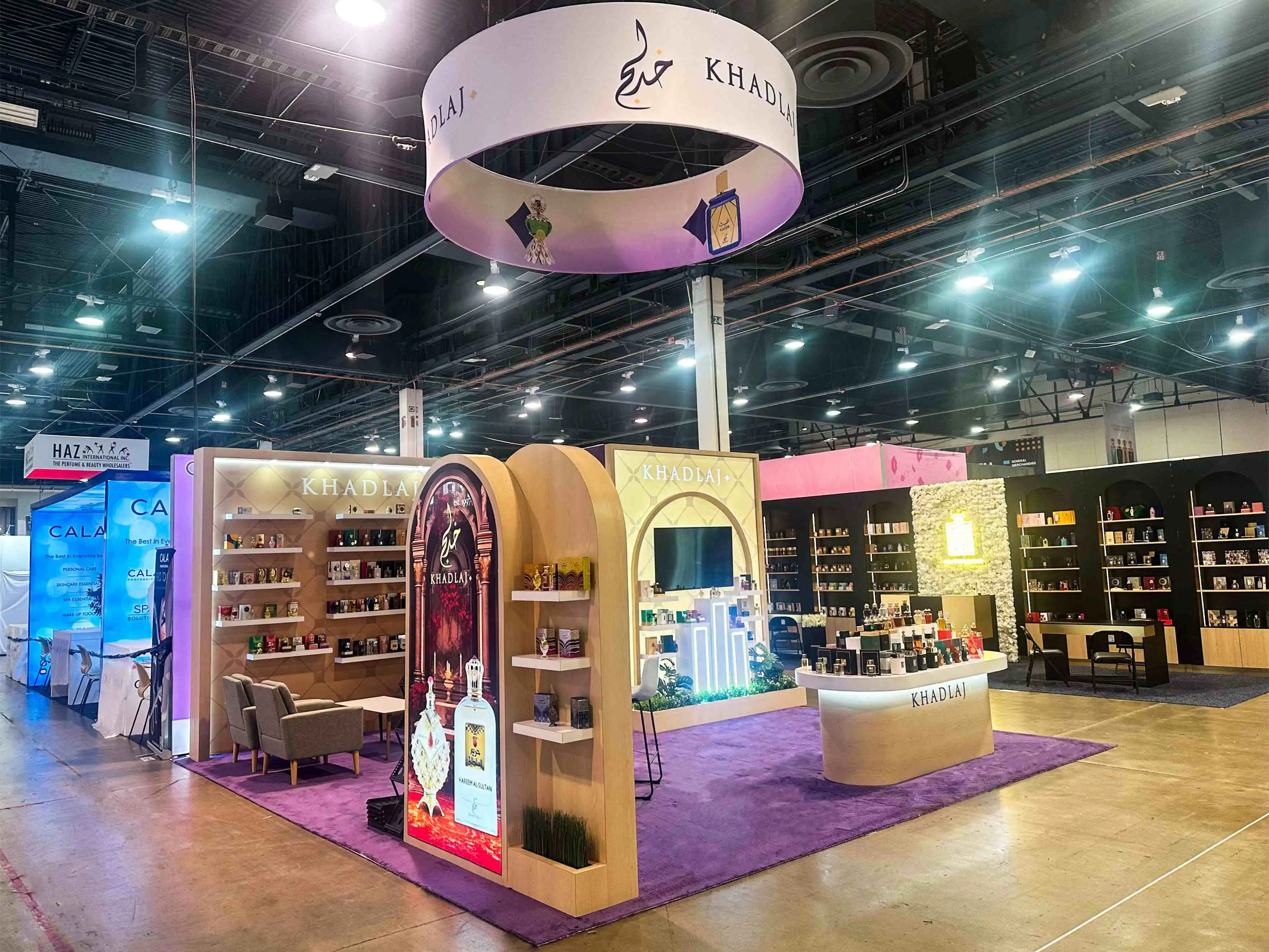
In order to choose the best trade show display rentals, you need to match your start goals with the right structure, graphics, and support services.
Define Your Launch Objectives Clearly
First, write down what success looks like. A corporate marketing manager launching business software at Money 20/20 puts meeting rooms at the top of the list for qualified demonstrations and brand visibility that shows leadership in the industry. When a medical sales director shows off diagnostic tools at The Battery Show, they need useful zones where people can connect with the products and handle materials in a way that follows the rules. Details about renting a booth depend on its size, where it is located in the exhibition hall, how long the event lasts, and the type of people who are likely to attend.
Three of October 2026's biggest trade shows—Money 20/20, FABTECH, and SupplySide Global—will be held in Las Vegas. This means that companies with a wide range of products can use the same rental company for multiple events in the same city. Our building in Las Vegas and our local team make things a lot easier in these situations by cutting down on traveling costs and letting us quickly switch between shows.
Evaluate Display Types for Your Needs
According to your launch needs, each type of rental has its own unique benefits. Aluminum extrusion frames used in modular systems give you the most options and a professional look, making them perfect for large custom booths where corporate branding needs to be precise. These systems have built-in lighting, screens that are placed on the wall, and architectural features that make settings feel more real.
Tension fabric displays are easy to move around and don't weigh much. They also have great graphics quality, making them perfect for startups and smaller exhibitors who want to make a big visual effect with little setup work. The SEG fabric methods we use make sure that images stay flat and wrinkle-free during multi-day displays, so they look professional from the start to the finish. Pop-up displays are useful for certain situations, like tabletop launches, extra show space, or quick setups where ease is more important than customization. Fully customized rental options can be made to fit specific architectural visions for big product launches where extra cost is worth it to stand out.
Assess Supplier Capabilities Rigorously
Professionals in charge of buying things should look at rental companies on more than just price. Reputation in the industry is important, and recommendations from companies in the same field as you show that they have useful experience. What is included in the base price vs. what is charged extra depends on the package's inclusiveness. Some of the things that are included are graphics production, installation labor, removal, shipping, and technical support.
The ability to integrate graphics sets apart good providers from great ones. Color accuracy and brand standards are kept up by using high-quality dye-sublimation printing on the right substrates. Find out how long it takes to make changes to graphics between events and if the supplier keeps calibration standards to make sure the output is always the same. When launches run into problems that were not expected, the dependability of technical help becomes very important. Because our team has worked with big Las Vegas sites before, we can spot problems like power distribution needs, staging requirements, and AV integration issues before they become issues. Having local workshop facilities close to Nevada's main show sites makes it easy to make changes quickly when they are needed.
Understand Pricing Structures
The cost of renting a booth depends on its size, how complicated it is, how long it is rented for, and what services are included. Monthly rates let you plan ahead by knowing how much something will cost, and package deals that include more than one event offer discounts for buying in bulk. Last-minute availability can sometimes lead to better prices, but it also means that there may not be enough inventory during busy exhibition times.
When making a budget, you should set aside a different line item for making graphics, especially if you need to change your message between events. Transportation costs change a lot depending on how far away you are—suppliers in Las Vegas offer big discounts for Nevada shows compared to shipping across the country. Installation labor rates rely on the needs of the venue union and the complexity of the booth.
Tips and Best Practices for Maximizing Trade Show Display Rentals Impact
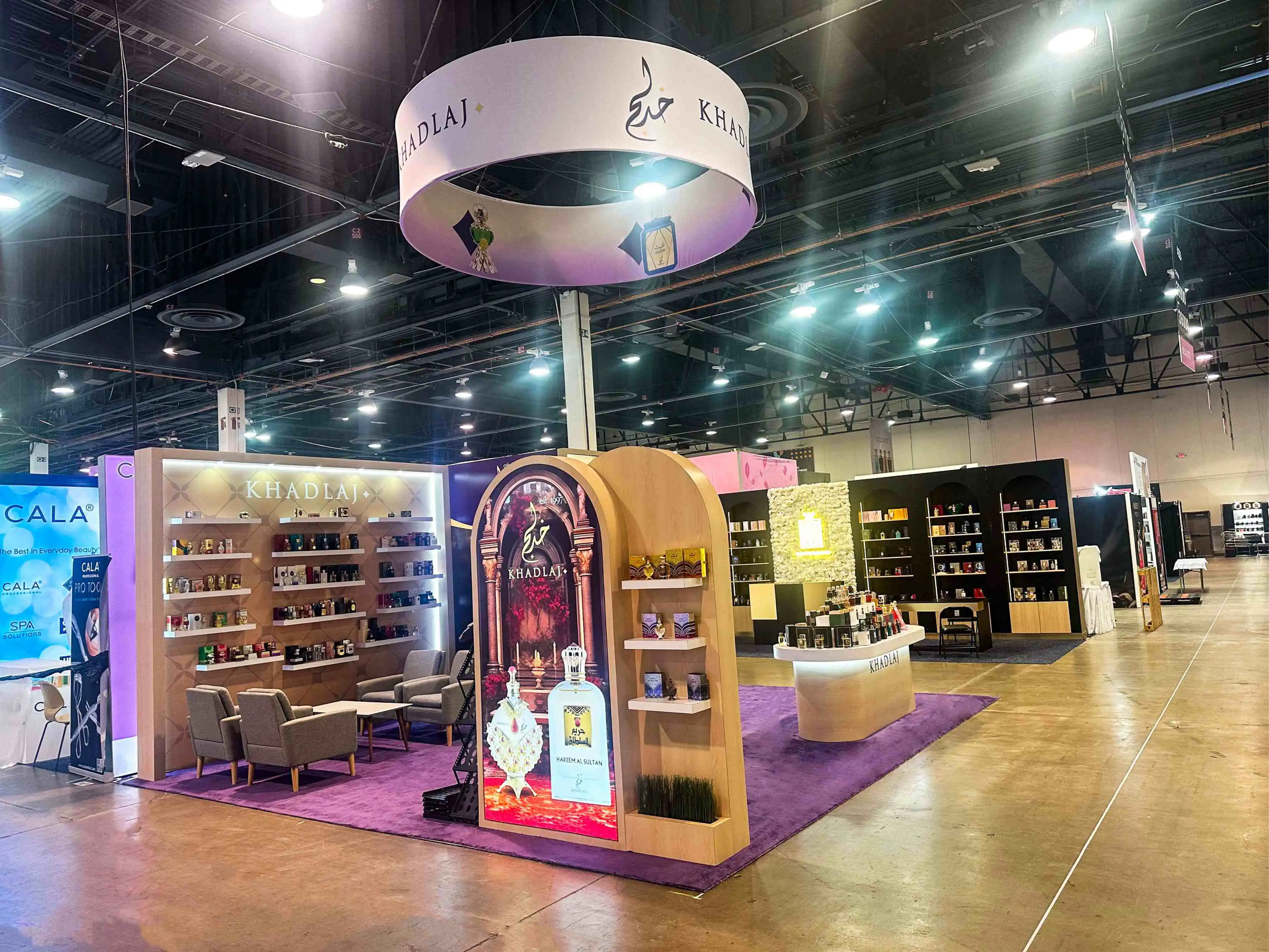
Even the most high-tech trade show display rentals don't work as well as they could if they aren't carefully managed throughout their entire lifecycle.
Pre-Show Planning Essentials
Success starts weeks before the show even starts. Plan your operations ahead of time: check where your booth will be located, look over the venue's rules (like height limits, weight limits, and electrical access), and plan installation times that work for you. There are tight rules for places like the Las Vegas Convention Center. If you miss your installation time, you might not be able to finish setting up before the show starts. When you make images, keep display spaces in mind. Aisles with a lot of foot traffic need big, clear signs that can be read from 15 to 20 feet away. For large-format printing, product images should have a high resolution and be the right size. If you can, please send source files in vector format so that they can be scaled without losing quality.
Design Elements That Drive Engagement
Good shows become remembered when lighting is used in a smart way. Integrated LED systems draw attention to important products, set the mood, and make sure that graphics stay bright even when the lighting changes in the venue. Interactive technology, like touchscreens, product demos, and augmented reality (AR) experiences, makes people want to stay in your area longer, which opens the door to deeper talks. Using the same brand across all of the exhibit's parts makes it look more professional. When you order graphics, make sure they are made according to Pantone standards so that your exhibit matches other marketing materials. The order of the signs should make it easy for people to move from messages that draw them in to information about products and calls to action.
On-Site Staff Training
Making or breaking the launch of a product is up to your team. Teach your staff how to send consistent messages that are both enthusiastic and correct. Practice writing scripts for demonstrations that show your unique strengths without giving too many technical details to potential customers. Set up ways to qualify visitors so that high-potential leads get the attention they deserve and general browsers are politely engaged. Lead capture tools should work with your CRM system so that you can follow up right away while talks are still fresh. Launch teams have used badge scanners, mobile apps, and traditional ways of collecting business cards. Pick tools that your team will use the whole event.
Post-Show Follow-Up Strategy
The effects of an exhibition last long after it's over. Follow up within 48 hours while people are still thinking about your brand. Group leads by how qualified they are and contact them in a way that fits their needs. Sales directors should call high-priority prospects personally, and people who are more interested in the company can get targeted emails. Quantitative metrics (like leads collected and cost per lead) and qualitative feedback (like messaging resonance and competitive positioning) should both be looked at in a performance analysis. This information shapes future exhibition plans and lets you know if your rental requirements met launch goals or need to be changed.
Comparing Trade Show Display Rentals vs. Purchasing: What B2B Clients Should Know?
Whether you should use trade show display rentals or buy depends on how often your company exhibits, your budget, and your strategic goals.
When you rent, you don't have to pay for expensive custom displays up front, which can cost between $15,000 and $75,000. Instead, you pay for them on a regular basis, which fits in with your event plan. The provider will take care of storage, which is a big plus if your facility doesn't have climate-controlled room for delicate pictures and precise hardware. Maintenance and repairs between events are covered by rental agreements, so your team doesn't have to worry about these things.
Companies that exhibit at events with similar booth requirements often should buy because the costs of ownership are spread out over many uses. Some industries may not be able to find many rental options that meet their specific display needs. But owning something comes with risks: fashions in design change, product lines shift, and stored exhibits lose value whether they are used or not.
Rental displays always give you access to new designs and technologies without the chance of them becoming outdated. When fine-pitch LED walls or AR integration are standard in your field, rental deals change, and bought shows become investments that are no longer useful. Being able to change the size of your booth based on the event gives you strategic freedom that you can't get with ownership. For example, you could use a 20x20 island for your main launch and a 10x10 for smaller shows.
Conclusion
Trade show display rentals are a great way to get new products out there because they combine professional looks with operating freedom and cost control. Renting is the best option for businesses that want to maximize their return on investment (ROI) and be flexible because they can access high-end designs, change the layout to fit different settings, and avoid the costs of ownership. Whether you're launching new consumer goods at SupplySide Global, showing groundbreaking technology at SEMICON West, or industrial innovations at FABTECH, rental displays put your brand in the best position to make the most of the event. As the big exhibitions in October 2026 get closer, making smart choices about rentals and getting help from people who know the area well will make sure that your product launch gets people's attention and turns that interest into business results.
FAQ
Q1: What rental display types work best for tech and industrial products?
A: Modular aluminum frame systems used in trade show display rentals support built-in technology like LED video walls (P1.9–P2.5mm) and interactive screens. These structures are strong enough to hold the weight and power of the demonstration equipment while still looking professional. Functional zones allow products to interact in industries like semiconductors (SEMICON West) and manufacturing (FABTECH). This is why modular systems with flexible plans are perfect.
Q2: How far in advance should I book rental displays?
A: Book rental displays 8 to 12 weeks before big shows to make sure there is enough material and time to make graphics. People want to go to events at busy times, like when Money 20/20, FABTECH, and SupplySide Global are all in Las Vegas in October. Booking earlier also gives designers more time to work on their ideas and coordinate logistics, which makes launch dates less stressful.
Q3: Are eco-friendly rental options available?
A: By using shared assets, rental models naturally have less of an effect on the world. A lot of providers now make displays with aluminum frames that can be recycled, fabric graphics that can be used again and again, and LED lighting that uses less power than older choices. These options help companies report on their sustainability while keeping up with standards for professional presentation and visual quality.
Partner with HR Exhibits Service, Inc. for Your Next Product Launch
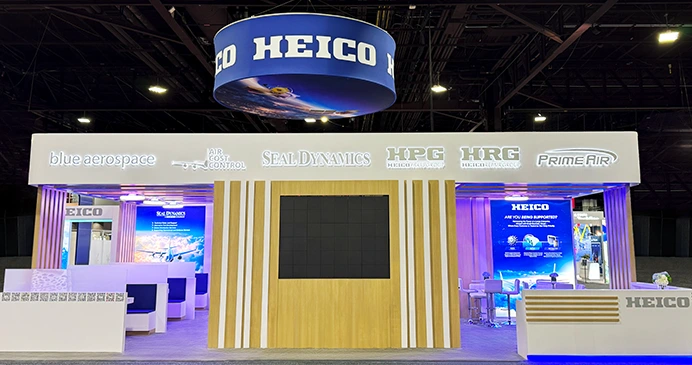
HR Exhibits Service, Inc. has decades of experience designing and building exhibition booths that make a big impression, especially for high-stakes product launches. As a reliable trade show display rentals supplier with manufacturing facilities in Las Vegas, we support exhibitors at big events like The Battery Show in Detroit, SEMICON West in San Francisco, and the October exhibitions in Las Vegas, such as Money 20/20, FABTECH, and SupplySide Global. Our local Las Vegas workshop and experienced team give out-of-state exhibitors the quick answer and venue-specific information they need for a smooth event. We help our clients with every step, from coming up with the initial idea and making the graphics to placement, on-site support, and the details after the show. Contact our team at info@hrexhibits.com to talk about how customized rental solutions can help you make the most of your product launch while staying within your budget and making things as easy as possible to run.
References
1. Anderson, M. (2023). Trade Show Marketing Strategy: Analysis and Return on Investment. Business Exhibition Publishers.
2. Chen, L. & Roberts, P. (2024). Modular Display Systems: Engineering and Applications in Commercial Exhibitions. Technical Press International.
3. Hoffman, D. (2022). The ROI of Trade Shows: Metrics, Measurement, and Management. Marketing Science Institute.
4. Reynolds, S. (2025). Sustainable Practices in Event Marketing: Rental Models and Environmental Impact. Green Business Review.
5. Thompson, K. (2023). Product Launch Strategies for B2B Markets: The Role of Live Events. Industrial Marketing Quarterly.
6. Williams, R. (2024). Exhibition Design Technology: From Concept to Implementation. Event Industry Publications.
Embark on Your Journey to Exceptional Exhibitions! Contact HR Exhibits Today to Transform Your Vision into Global Success.
HR Exhibits Service, Inc.