SupplySide Global 2026 Trade Show Planning Guide Vegas
If you want to be at SupplySide Global 2026, you need to do smart trade show planning that matches creative booth design with ease of operation. This important health and nutrition event, which will take place in Las Vegas from October 26th to October 30th, 2026, needs a complete plan that includes managing deadlines, allocating budgets, building booths, and coordinating marketing. Whether you're the founder of a startup looking for low-cost solutions or the marketing manager of a large company needing custom exhibits, good planning can turn your exhibition investment into measurable business outcomes like qualified leads and better brand positioning in the competitive procurement landscape.
Understanding SupplySide Global 2026 and October's Exhibition Landscape
Why SupplySide Global Matters for Your Business?
SupplySide Global is the biggest event in North America for ingredient providers, nutritional product makers, and sourcing workers who are interested in health. Over 1,300 vendors and 19,000 visitors looking for new ideas in dietary supplements, functional foods, and personal care ingredients are expected at the 2026 event. As a background, Las Vegas is perfect because it has world-class meeting centers, easy-to-reach logistics infrastructure, and our local fabrication support to make sure everything goes smoothly.
October 2026: A Critical Month for Las Vegas Exhibitions
Six big industry events will be held in Las Vegas in October 2026, which will create some unique possibilities and organizational issues. The season starts with the Battery Show and Electric & Hybrid Vehicle Technology Expo in Detroit from October 12–15. Next is SEMICON West in San Francisco from October 13–15. Before SupplySide Global, there is Money 20/20 (October 18–21, Las Vegas) and FABTECH (October 21–23, Las Vegas). At the same time, there is the NBAA Business Aviation Convention (October 20–22, Las Vegas). For this concentration, booth manufacturing promises must be made early on, and timing must be planned carefully to secure prime installation windows and avoid material handling bottlenecks.
Competitive Advantages of Las Vegas as Your Exhibition Hub
Because our plant is in Las Vegas, clients can take advantage of lower drayage costs, shorter freight timelines, and quick problem resolution on-site. Unlike sellers who ship from far away, our local presence gets rid of the risks of cross-country shipping and lets us make last-minute changes to the design. This geographical benefit is especially useful in October, when there are a lot of events happening at once and convention workers, freight services, and hotel rooms are in high demand.
Comprehensive Step-by-Step Trade Show Planning Guide for SupplySide Global 2026
Establishing Clear Objectives and Success Metrics
Setting goals that can be measured is the first step in making a successful exhibit plan. When it comes to selling medical devices, functional display zones that show technical details to procurement committees are usually the top priority for sales directors. On the other hand, technology marketing managers focus on creating immersive brand experiences that set goods apart in crowded ingredient markets. Startup owners have to balance tight budgets with the need to get good leads that cover the costs of the show. Writing down clear goals, like getting 150 qualified leads, setting up 30 meetings with national wholesalers, or getting 5,000 booth impressions, makes it possible to evaluate the show objectively afterward and keep getting better between exhibition rounds.
Creating Your Planning Timeline
Starting to get ready nine months before the opening on October 26 gives enough time for designing, building, and coordinating marketing. This trade show planning timeline suggests that you book booth space by January 2026, finalize your design ideas by April, and finish production by August so that you have time to set up before the show. This mock-up phase, in which we fully build custom structures in our Las Vegas workshop, finds problems with fit and finish before the materials get to the convention floor. This saves money because changes don't have to be made on-site. The plan also includes choices about staffing, training programs, making promotional materials, and pre-show marketing efforts that get people excited about the show and set up meetings with suitable people before the doors open.
Booth Space Selection and Floor Plan Strategy
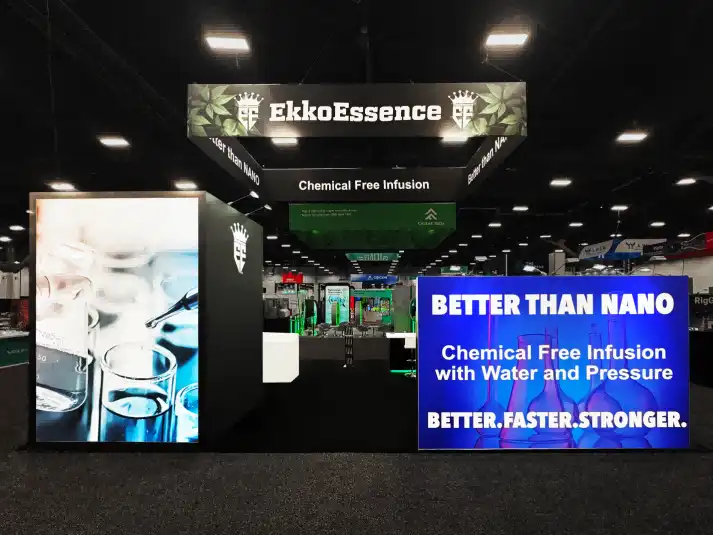
The floor plan for SupplySide Global has different layouts, such as straight, corner, peninsula, and island. Each one has its own sight and traffic flow issues. Island booths are easy to get to from all sides and have the most visual effect, but they need to be carefully designed to draw people in from all directions. Corner locations are better because they have two open sides and less competition from nearby businesses. Inline locations, on the other hand, need eye-catching pictures on the front and smart engagement zones to draw people in. We look at how people moved around at events in the past to find high-traffic areas near seminar rooms, registration areas, and major doors so that you can get the most publicity for the money you have.
Effective Trade Show Marketing Strategies to Boost Your SupplySide Global Presence
Pre-Show Marketing That Drives Booth Traffic
Three months before the event, focused email ads, LinkedIn outreach, and content marketing that appeals to expert buyers and procurement workers are used to get the word out. Effective marketing draws attention to specific product launches, trial times, or show-only deals that make people want to visit the booth. Working with trade magazines to get preview coverage of the show and getting speaking slots at SupplySide educational sessions will make your brand look like a thought leader and bring people to your booth who are looking for expert advice on new ingredient developments and supply chain optimization.
Before campaigns start, we help clients come up with interesting pre-show stories that make their booth experience stand out from others in the same category. With this strategic placement, calls to "visit our booth" become specific value propositions, such as the chance to test new formulations firsthand, talk to technical experts, or get special access to supply chain partnerships. By adding appointment booking tools to your email campaigns, you can turn passive interest into approved meeting times. This way, your sales team will only be interacting with serious prospects and not just casual browsers.
On-Site Engagement Tactics and Lead Capture
To turn booth visitors into qualified leads, you need trained staff, engaging demos, and data capture tools that work well. We create "engagement zones" that easily lead people through product stories, giving them more than one chance to talk instead of just one place to buy something. Touchscreen booths, product tasting stations, and augmented reality screens make people stay longer and be more interested. At the same time, iPad-based lead retrieval systems record contact information, qualification notes, and follow-up goals in real time. This quick recording keeps leads from going to competition and lets you follow up with hot prospects the same day, before they work with someone else.
Scheduled protests that build urgency and crowd momentum are also a part of successful on-site tactics. Announcing "formulation challenge demonstrations at 11 AM and 2 PM" on social media and floor signs brings in groups of people, creating action that is easy to see and brings in more people. These pre-planned times turn static displays into moving experiences that buyers remember when they are evaluating vendors after the show.
Post-Show Follow-Up and ROI Measurement
The success of an exhibition doesn't end on October 30; it requires focused follow-up plans that turn leads into buyers. Putting prospects into groups based on their level of qualification—hot leads needing sales calls right away, warm prospects needing more information, and long-term chances for regular check-ins—makes sure that resources are used effectively. Personalized follow-up that references specific conversations had at the booth shows that you were paying attention and builds relationship momentum. Automated nurture campaigns keep in touch with less important contacts until the buying window opens.
To figure out return on investment, you need to keep track of more than just the number of leads. Calculating the cost per lead, the rate of conversion from inquiry to qualified chance, the average deal size from show-generated leads, and brand recognition measures give you a full picture of how well your campaign is doing. We help our clients set standard measures before the show and set up tracking systems that link exhibition activities to later revenue creation. This way, our clients can make data-driven choices about future involvement in exhibitions and budget allocation.
Comparing Trade Show Booth Options & Services for B2B Buyers at SupplySide Global
Rental Booth Solutions for Flexible Budgets
For businesses that value practical ease over ownership, rental displays offer turnkey comfort and predictable costs. Modern rental systems have metal extrusion frames that hold up cloth graphics, LED lights, and built-in display technology that looks as good as custom production. We have a large rental inventory that is meant to meet the needs of the health and nutrition industry. This includes ingredient display cases, climate-controlled show areas, and surfaces that can be cleaned and meet standards for food safety presentation. This method takes away the need to worry about storage, gives designers more freedom across shows, and includes shipping, setup, and takedown in the price they offer.
Rental options are especially helpful for exhibitors trying out a new show, startups controlling their cash flow, or companies that display at a lot of events every year and finding a place to store everything becomes a hassle. Our hire packages include everything from small 10x10 inline sets to large 30x40 island sets, so they can grow as your show programs do. Graphics are shipped separately on light surfaces, which lets you change the message between shows without having to change the infrastructure. This is helpful when launching seasonal goods or aiming at different groups of people at different exhibitions. Effective trade show planning ensures that rental solutions are aligned with your overall event strategy and brand goals.
Custom Fabrication for Brand Differentiation
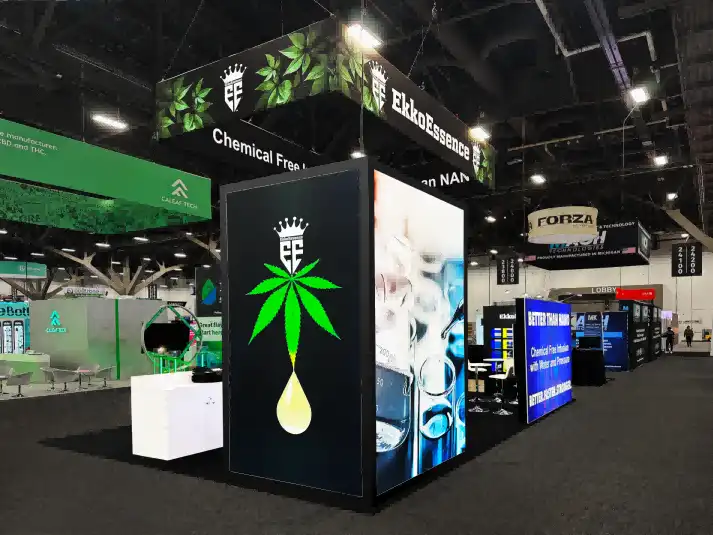
Custom booth design and building gives businesses that need a unique position in the market unmatched branding options and physical impact. Our fabrication center in Las Vegas uses cutting-edge materials like CNC-milled parts, tension fabric systems, custom millwork, and architectural lighting to make one-of-a-kind structures that turn ideas into real brand settings. This method works for complicated needs like double-deck structures that make the most of vertical space, private meeting rooms for secret talks about purchases, and integrating specialized display equipment that normal rental systems can't handle.
Before you can start custom manufacturing, you need to know how your brand works, how your target audience thinks, and what your useful needs are. These ideas are turned into 3D models and detailed building plans that show what the finished exhibit will look like before it is built. Because our workshop is close to Las Vegas gathering centers, customers can visit the site during fabrication to check the quality of the work, make sure the graphics are accurate, and ask for changes while the costs are still low. This collaborative process makes sure that the end installation is even better than expected. It also supports multi-year display plans by using modular parts that can be updated and rearranged to fit different show sizes and spaces.
Evaluating Booth Design and Fabrication Partners
To choose the right booth builder, you need to look at more than just their design portfolios. You also need to look at their technical skills, organizational knowledge, and customer service timeliness. Key evaluation factors include how close the fabrication facility is to your main show markets, the quality of the materials, understanding of union labor laws, and the ability to handle a crisis when problems arise on-site that were not expected. We know how to deal with the rules for Las Vegas conventions, keep good relationships with local labor groups, and handle the tight installation plans that come with having multiple shows in October.
Our full-service plan includes coming up with ideas for designs, making engineering drawings, coordinating freight, supervising on-site, and storing assets between shows. With this turnkey method, you only have to deal with one person who is responsible for all the vendors, like graphic designers, electricians, audiovisual sellers, and installation workers. Clear project management, early warnings about possible problems, and guarantee coverage that protects your investment beyond the show cycle are all benefits for clients.
Budget Planning & Resource Allocation for SupplySide Global 2026
Understanding Total Exhibition Investment
When you make a good budget, you include things like renting a booth, designing and making graphics, freight and drayage, installation work, electricity and utilities, renting furniture and equipment, advertising materials, staffing costs, and marketing costs. 40–45% of SupplySide Global exhibitors' funds are usually spent on booth infrastructure, 20–25% on logistics and setup, 15–20% on marketing and promotional items, and 10–15% on hiring and running costs. These numbers change depending on the size of your booth, how complicated your design is, and whether you're renting or owning your exhibits. However, they can help both new and experienced exhibitors plan their days.
Unprepared vendors are often caught off guard by hidden costs, especially drayage fees for moving goods from freight docks to booth sites. The meeting centers in Las Vegas charge by the hundredweight (CWT), and the rates go up for shipments that arrive outside of advance warehouse windows or need special treatment. We lower these costs by using consolidated shipping strategies, accurate weight estimates, and smart delivery time that takes advantage of the lowest-rate windows. Electrical service is another important variable cost. For example, a 20x20 island booth with lots of lights and show gear might need 60-amp, three-phase service, which can cost several thousand dollars more than just basic outlet connections.
Cost Control Strategies Without Sacrificing Impact
Smart budget management finds investments that will have a big effect and gets rid of costs that aren't necessary and don't help reach core goals. Instead of hard supports, graphics printed on lightweight cloth save money on shipping without lowering the quality of the image. This is especially true for large-format backdrops where viewing distances make texture differences less noticeable. Renting chairs, computers, and lighting gear instead of buying them saves money on storage and maintenance costs and gives you access to new technology that rental companies update all the time. With modular booth designs, you can change the layout of individual parts to fit different show sizes. For example, you can change a 20x20 layout to a 10x20 layout for smaller regional events, making the best use of your infrastructure across your entire yearly exhibition calendar.
When you plan strategically, you can also get discounts for paying early and avoid rush fees that make costs go up for no reason. Standard production times can be met if booth images are approved by August. Approvals received in September, on the other hand, result in rush fees that raise printing costs by 20 to 30 percent. In the same way, booking installation workers through advance warehouse programs instead of directly sending from the dock to the show floor saves a lot of money on drayage costs. Our method for managing projects incorporates these strategies for lowering costs into the trade show planning schedules, protecting budgets without making clients learn complicated convention service price structures.
Contingency Planning and Financial Risk Management
When professionals plan their budgets, they set aside 10 to 15 percent as a "contingency reserve" in case of unplanned costs or last-minute chances that come up while the show is being prepared. Freight damage, reprinting graphics because of color issues, finding out that more electricity is needed during load-in, or quick competitive responses like upgrading booth lighting when neighbors show off displays that are a lot more complicated than expected are all things that can be paid for with contingency funding. This reserve also lets you make investments when the time is right, like sponsoring ads in the show guide or events in the hospitality room, when available inventory creates branding opportunities days before the show starts.
We help our customers create financial tracking systems that compare real spending to planned allocations throughout the planning cycle. This way, they can see early on when categories are getting close to their limits and make changes before they get out of hand. This careful management of money stops budget creep, which happens a lot in show programs and happens when small decisions add up to big cost overruns. After the show, the real costs are recorded in a financial reconciliation. This creates historical standards that help with budgeting in the future and helps with ROI estimates that show top leadership why they should keep investing in the exhibition.
Maximizing Trade Show Success at SupplySide Global 2026: Staffing, Training & Measurement
Building Effective Booth Teams
Choosing the right booth staff means finding a mix between knowledge of the products, ability to communicate, and stamina for the busy four-day show schedule. To answer questions from procurement professionals in a credible way, people in technical roles need to know a lot about formulation chemistry, regulatory compliance, and supply chain logistics. On the other hand, people in relationship-focused roles are expected to listen actively, assess needs, and make appointments so that sales conversations go beyond the initial booth interactions. One person should work in every 50 square feet of booth space, so there is enough coverage without being too crowded, which could scare visitors or make it hard to tell who should talk to people who come up to the booth.
Training programs should go over rules for engaging visitors at the booth, qualifying leads, and entering data into a CRM system. This way, visitors will have the same experience no matter which team member starts the chat. Role-playing games help employees get ready for common situations like politely letting unqualified guests leave, taking technical questions to the right experts, and getting prospects' full contact information without questioning them. Setting up shift plans that rotate staff between busy engagement periods and break times keeps them energized and stops them from getting tired, which is what happens when people are most committed to visiting booths in the afternoon.
Leveraging Technology and Social Media
Real-time social media coverage of the booth lets people who aren't there in person see it too, making digital memories that increase the value of the show. Live-tweeting highlights of demonstrations, posting Instagram stories with visitor reviews, and streaming product launch news through LinkedIn Live all engage people who aren't there in person and create a sense of "must-see" that brings more people to the booth. Using event-specific hashtags and geotagging on content makes it more visible in SupplySide Global's digital environment. This is where organizers share interesting vendor content through official channels and attendees look up exhibitors between classes on the floor.
The use of technology also improves the on-site experience through engaging touchscreens, virtual reality demos, and augmented reality apps that show how complex ingredients work better than static images. We set up technology zones with the right power, network, and sight lines so that digital material can be shown without making it hard for people to access. The important thing is to make sure that technology helps with communication goals instead of making "innovation theater" that takes attention away from the main message. Every screen, app, and digital interaction should help people understand your goods and move them toward buying decisions.
Measuring Success Through Meaningful Metrics
A full performance measurement keeps track of the number and quality of leads, conversion rates, the cost of getting a new customer, and the effects on brand recognition that make show investments worthwhile. Lead scoring systems sort leads into groups based on their buying power, price, timeliness, and how well their needs match up with what the company is selling. This lets sales teams focus their follow-up efforts on the opportunities that have the best chance of closing. Tracking booth traffic with heat mapping technology or by hand counts gives meaning to conversion rates. For example, getting 100 leads from 800 booth visitors results in a 12.5% conversion rate, which sets goals for future efforts to make things better.
Beyond just getting new leads right away, tracking changes in brand recognition, rival intelligence gathered, partnership opportunities found, and team learning experiences gives a full picture of the value. Post-show polls that ask attendees to name exhibitors and talk about how they felt about the brand measure top-of-mind awareness, which affects choices about what to buy in the future. Long-term revenue attribution is shown by win-loss analyses that link closed business to original show contacts. This supports continued exhibition involvement even when instant conversion rates seem low compared to investment.
Conclusion
To be successful at SupplySide Global 2026, you need to plan everything from the creation of your booth to the delivery of your marketing strategies and the evaluation of your performance. The event from October 26th to 30th will cost a lot of money, but with smart trade show planning, the costs can be turned into chances to make money through qualified leads, better brand positioning, and useful industry contacts. Working with experienced booth builders makes things easier and increases your return on investment (ROI), whether you're planning your first health and nutrition show or making the most of ongoing programs. The number of October trade shows in Las Vegas creates unique logistical challenges that can be solved by local workshop skills and industry knowledge. This will make sure that your brand message reaches procurement professionals in compelling physical environments that lead to meaningful business conversations and long-lasting customer relationships.
FAQ
Q1: What is the ideal timeline to begin SupplySide Global 2026 preparations?
A: Starting nine months before the opening on October 26, preferably by January 2026, gives enough time to choose booth space, make designs, coordinate marketing, and train staff. Early-bird price discounts, securing prime floor locations before they sell out, and proper pre-show staging, during which we put together custom structures in our Las Vegas facility to find and fix any problems before installation starts, are all covered by this schedule.
Q2: Should I rent or purchase a custom booth for SupplySide Global?
A: Rental options are good for exhibitors who want to keep their budgets stable and have easy access to operations and design options across multiple shows each year. Custom fabrication is the best way for companies with multi-year display plans that need a unique architectural footprint to differentiate their brand and save money in the long run. Your choice should be based on how often you want to show, your budget, your storage space, and your branding goals. We help clients look at these factors so that we can suggest the best methods for their unique business situations.
Q3: How do I maximize lead generation during the four-day event?
A: Effective lead generation includes marketing before the show that sets up qualified appointments, a booth design that draws people in, trained staff that follows consistent engagement protocols, technology-enabled data capture that keeps leads from being lost, and disciplined follow-up after the show that turns conversations into opportunities. Interactive demos, timed talks that create a sense of urgency, and free, useful content encourage people to visit the booth, and qualifying guidelines make sure that resources are focused on prospects who really have the power to buy and who have short-term buying goals.
Partner with Las Vegas's Leading Trade Show Booth Fabrication Specialists
In order to help vendors at SupplySide Global 2026 and throughout Las Vegas's busy October show schedule, HR Exhibits Service, Inc. offers full booth design, fabrication, and placement services. Our local workshop gets rid of the risks of moving across the country and lets us help quickly when last-minute changes need to be made. From small 10x10 inline displays for startups that want to save money to large custom island structures for corporate marketing managers, we combine creative excellence with precise logistics to turn show investments into measurable business results. Contact info@hrexhibits.com to talk about your SupplySide Global strategy with trade show planning experts who have experience in the health and nutrition business and can be your sole source for booth fabrication throughout the project's lifecycle.
References
1. Trade Show Executive Magazine (2025). "Annual Exhibition Industry Trends Report: Health and Nutrition Sector Analysis." Trade Show Executive Publishing.
2. Center for Exhibition Industry Research (2024). "The Value of Face-to-Face Marketing: B2B Procurement Decision-Maker Study." CEIR Foundation Research Series.
3. SupplySide Network (2025). "2025 Post-Show Report: Attendee Demographics and Exhibitor Outcomes Analysis." Informa Markets Health & Nutrition.
4. Convention Industry Council (2024). "Best Practices in Trade Show Booth Design and Fabrication Standards." CIC Manual Edition 11.
5. International Association of Exhibitions and Events (2025). "Logistics and Drayage Cost Management for Convention Centers." IAEE Professional Development Series.
6. American Society of Association Executives (2024). "Measuring Trade Show ROI: Comprehensive Metrics Framework for B2B Exhibitions." ASAE Research Foundation.

Embark on Your Journey to Exceptional Exhibitions! Contact HR Exhibits Today to Transform Your Vision into Global Success.
HR Exhibits Service, Inc.