5 common trade show mistakes you can avoid
It's like trying to navigate uncharted country without a map when you go into a big trade show without a strategic strategy for your exhibit. You may finally get at your objective, but in the meantime, you will squander opportunities, money, and time. We've worked with hundreds of exhibitors in the IT, industrial, medical, and energy industries, and we've found trends that distinguish good events from bad ones. The good news? With careful preparation and professional exhibition stand design, these expensive mistakes may be completely avoided. Whether you're getting ready for the BIO International Convention in San Diego or CLEANPOWER in Houston in June, knowing these typical pitfalls can turn your investment from a risk into a calculated strategy that yields quantifiable returns. Instead of making the same errors again, astute exhibitors learn from them.
Mistake 1 – Neglecting the Importance of Stand Design Principles
Too many exhibitors handle booth design as an afterthought, concentrating only on obtaining floor space without taking into account how guests will engage with their surroundings. Because trade fairs rely on split-second decisions—attendees decide whether to visit your area within three seconds of passing by—this strategy regularly fails.
Why Design Principles Matter for Your ROI?
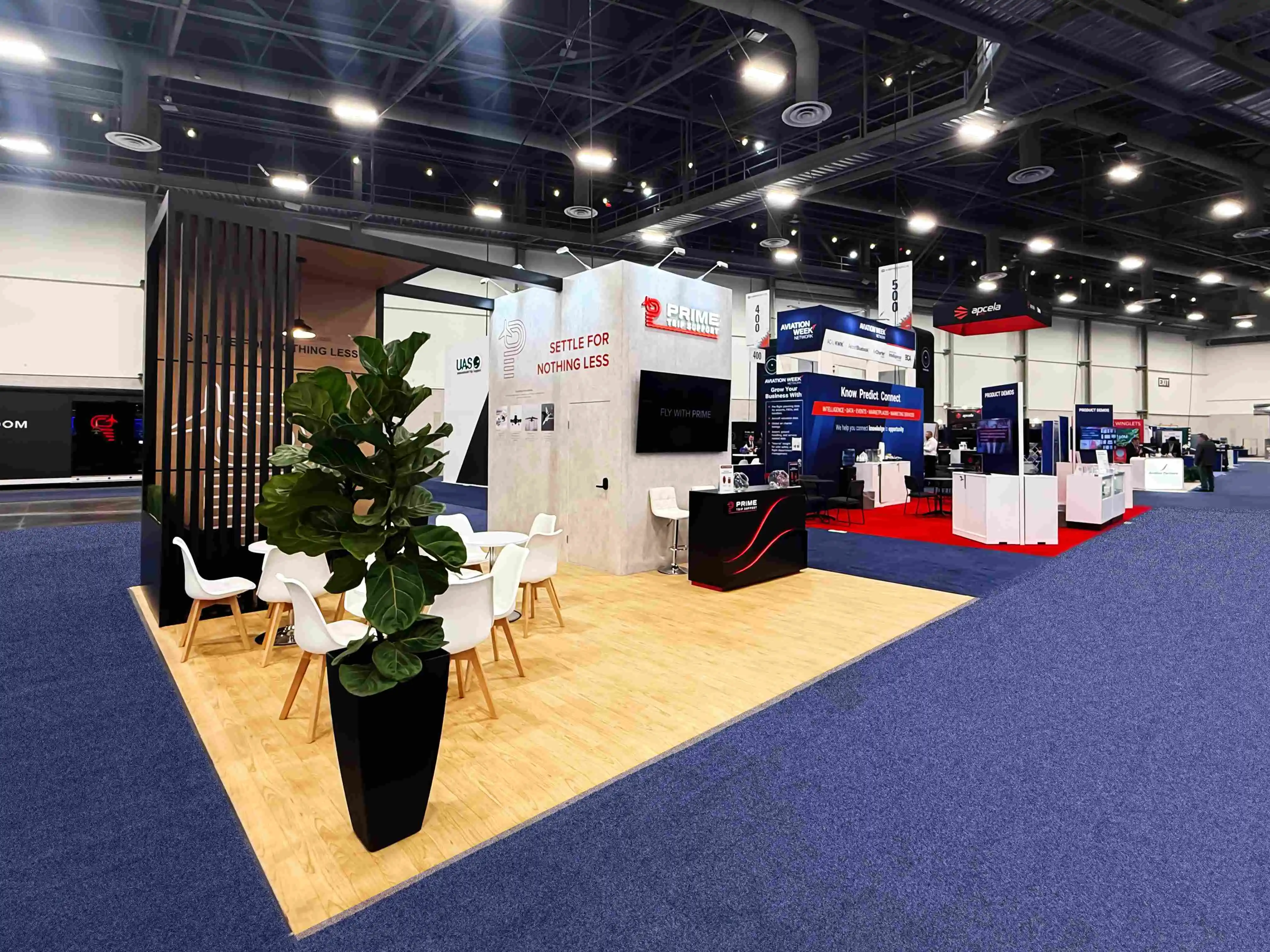
Your booth serves as a three-dimensional advertisement. It must simultaneously convey your business identity, encourage dialogue, and provide unique experiences, in contrast to digital advertisements or brochures. When compared to well planned venues, companies that disregard fundamental design principles usually experience 40–60% lower engagement rates. When you contrast a booth with clear routes, planned product placement, and unified branding with one that is chaotic and confused, the differences are evident.
Balancing Functionality and Visual Appeal
Form and function must be given equal consideration for booth architecture to be effective. Your area needs semi-private spaces for important business meetings, but it also needs broad sight lines so onlookers can view demonstrations from the aisle. At events like InfoComm in Las Vegas (June 13–19, 2026), where thousands of participants generate continual foot traffic, this balance is especially important. Medical device businesses have lost quality leads at comparable conferences due to exhibit arrangements that hindered sales teams from having private discussions regarding installation and cost.
Brand Consistency Across Physical Space
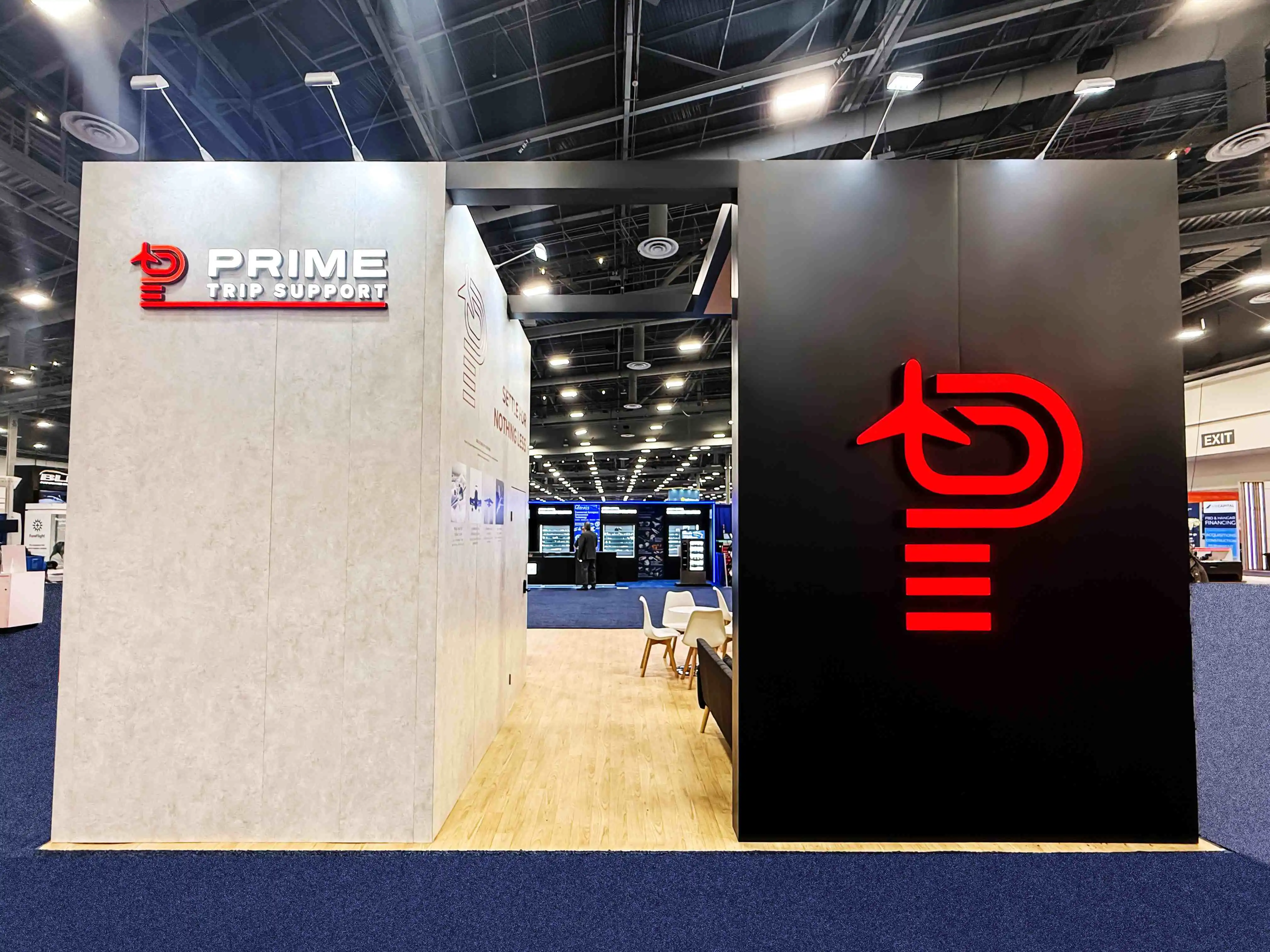
Your printed materials and online presence should be reflected in your real booth. This entails coordinating your brand's online emotional tone as well as color schemes, font, and message hierarchy. Cognitive dissonance brought on by inconsistency causes visitors to doubt your professionalism. We begin by analyzing manufacturing customers' current brand standards when they approach us for the Automate Show in Chicago (June 22–25, 2026) to make sure each panel, graphic, and structural component supports their market position.
Mistake 2 – Overlooking Latest Trends and Innovation in Stand Design
Even though the trade show market is changing quickly, many exhibitors keep using the same booth designs every year. Although this cautious strategy may seem secure, it ensures that you will disappear into the background while rivals draw attention with novel, creative exhibition stand design displays.
Eco-Friendly Materials Enhance Brand Perception
Sustainability is now expected by the general public rather than being a specialized issue. Procurement managers nowadays are favoring suppliers that exhibit environmental responsibility. Recycled aluminum extrusions, biodegradable fabric graphics, and LED lighting systems—which use 75% less energy than conventional halogen fixtures—are all used in contemporary booth architecture. These are strategic differentiators, not just sentimental decisions. By selecting materials that are consistent with industry ideals, fire prevention firms may really show their dedication to safety and environmental stewardship while exhibiting at the NFPA Conference & Expo in Las Vegas (June 22–24, 2026).
Interactive Technologies Create Memorable Experiences
In crowded show halls, static displays are no longer captivating. Interactive data visualizations, augmented reality demos, and touchscreen product configurators turn passive spectators into active participants. For a tech client, we recently created a mixed-reality experience that made it possible for guests to digitally examine industrial equipment at full scale—something that is not achievable with only physical displays. A 300% increase in qualifying leads was directly correlated with the technology, which extended booth dwell time from an average of 90 seconds to more than four minutes.
Virtual Previews Reduce Costly Mistakes
You may visually tour your booth before a single part is made thanks to sophisticated 3D modeling software. This feature lets you manage traffic flow, sightlines, and product positioning while avoiding costly last-minute alterations. Because design faults are found at the planning stage rather than after installation, the investment in virtual previews usually results in a 15–20% reduction in overall booth expenses.
Mistake 3 – Ignoring the Cost-Effectiveness of Custom vs Modular Stands
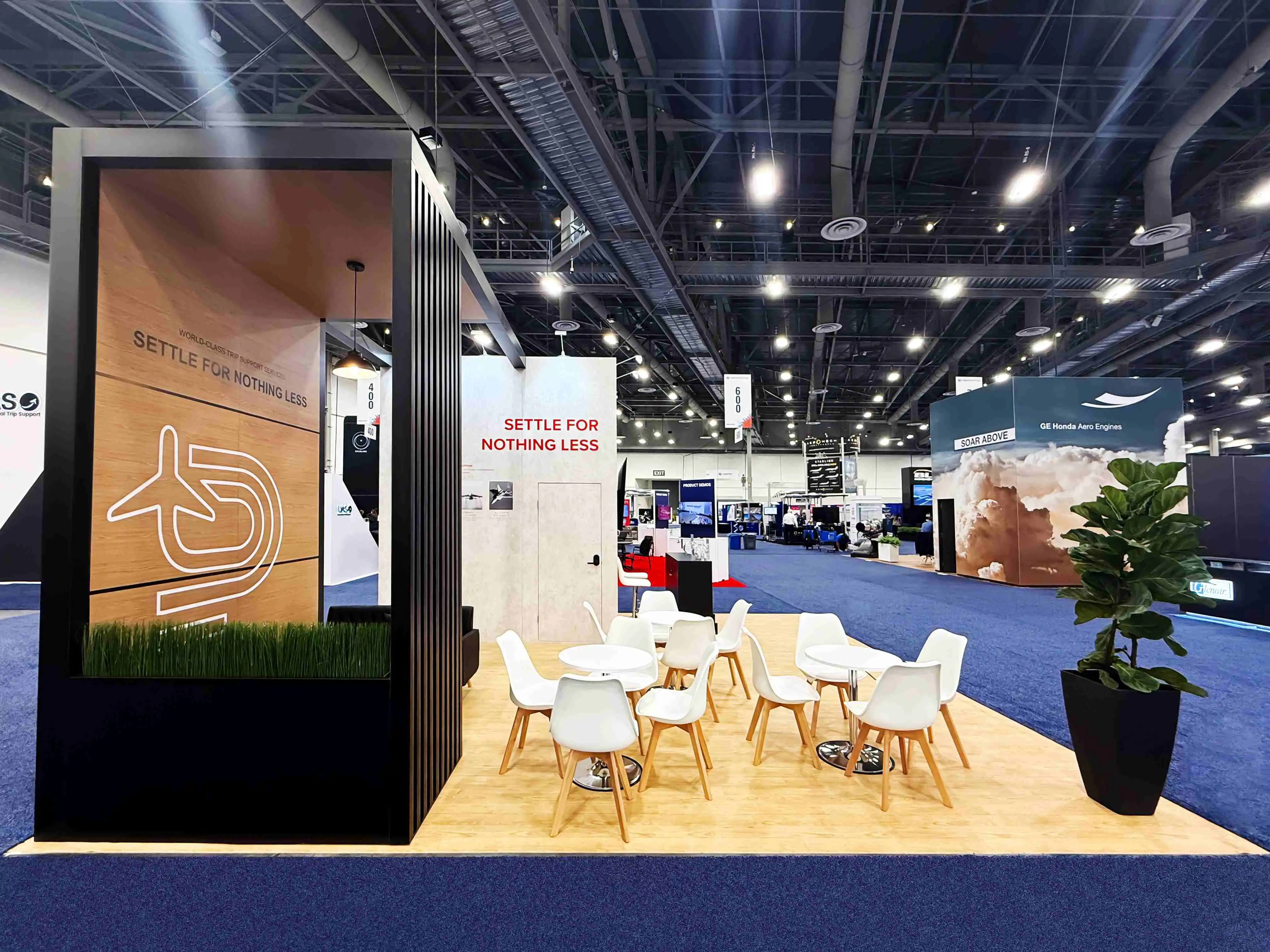
False problems between "cheap modular" and "expensive custom" choices are often created during budget conversations. Because of this oversimplification, exhibitors either underinvest in modular systems that seem generic and forgettable or overpay on superfluous bespoke parts. A balanced approach to exhibition stand design helps avoid these pitfalls, ensuring both cost-effectiveness and memorable impact.
Understanding the True Cost Comparison
Unmatched brand expression and spatial versatility are provided by custom booths, but they come with a high initial cost—typically $150 to $300 per square foot for high-quality construction. Modular systems are reusable throughout many events and cost between $75 and $150 per square foot. But the true cost analysis goes beyond initial pricing. A modular system that is adjusted for five different events is far less expensive each show than a specialized 20x20 booth used only once. Adaptable modular frameworks are very valuable for businesses who present at both CLEANPOWER in Houston (June 1-4, 2026) and BIO International Convention in San Diego (June 22-25, 2026) in the same month.
Scalability and Flexibility Considerations
When different booth sizes are part of your show plan, modular solutions perform very well. At national conventions, the same elements that make up a 10x10 island booth at a regional exhibition may be expanded into a 20x30 peninsula arrangement. For expanding businesses whose trade show budgets and goals rise yearly, this scalability is crucial. Even if they are beautiful, custom booths usually confine you to a certain area.
Rental and Turnkey Solutions Optimize Resources
Storage, shipping, and maintenance expenses are completely eliminated with rental choices. This strategy is especially effective for foreign exhibitors or businesses exploring new markets. Design, manufacturing, shipping, installation, and disassembly services are all included in our turnkey solutions, which simplify complicated multi-vendor collaboration into a single point of responsibility. This technique is usually preferred by startup owners because it turns uncertain project management challenges into set, predictable expenses.
Mistake 4 – Failing to Choose the Right Exhibition Stand Design Company
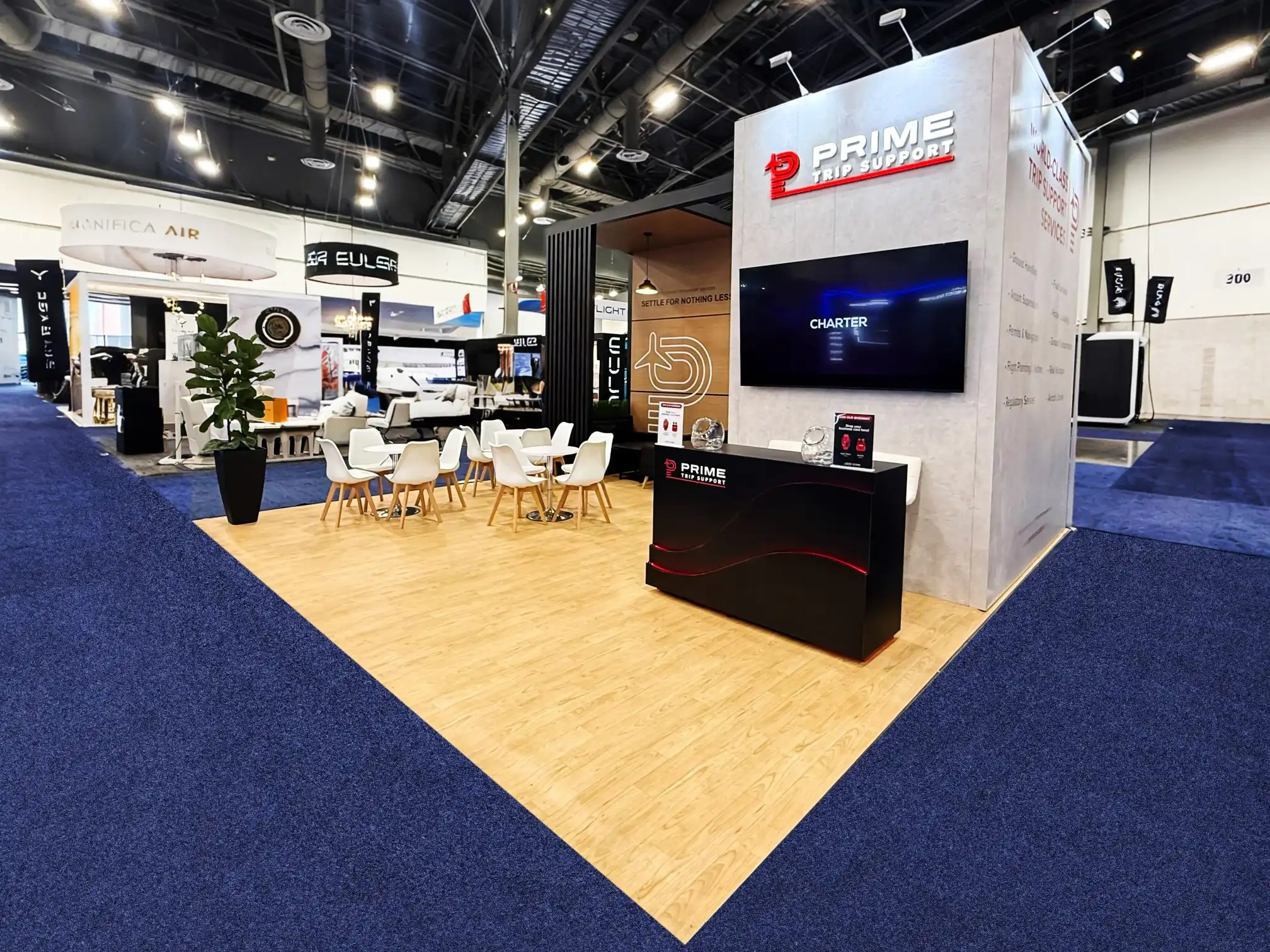
Results are greatly impacted by your booth provider, yet many exhibitors choose partners based mainly on price bids without considering skills, expertise, or service quality. This procurement strategy routinely yields unsatisfactory outcomes, especially when it comes to exhibition stand design, where attention to detail and experience play a crucial role in success.
Evaluating Reputation and Portfolio Evidence
Reputable exhibition stand design businesses have a large portfolio that shows their adaptability to different booth sizes and sectors. To make sure the supplier is aware of your particular needs, ask for case studies from your industry—medical, manufacturing, technology, or energy, for example. External validation comes from awards and industry recognition, but more useful insights come from customer testimonials that highlight problem-solving skills and deadline execution. The logistical expertise needed for high-stakes exhibits is shown by companies that have successfully handled big events like CES, SHOT Show, or Conexpo.
Local vs International Supplier Trade-Offs
For events in their native areas, local suppliers have clear benefits. We offer on-site assistance for the many conferences conducted in Las Vegas, such as InfoComm and NFPA Conference & Expo, and have our own fabrication plant. This close proximity guarantees that our installation specialists have a thorough understanding of venue laws and union needs, minimizes the need for transcontinental shipping, and enables quick reaction to last-minute modifications. Although foreign suppliers may have attractive prices, the initial savings are sometimes offset by time zone variations, communication difficulties, and shipping complications.
Comprehensive Design-Build Services Deliver Seamless Execution
Partnerships with end-to-end service providers, as opposed to dispersed experts, are the most effective. Initial idea development, engineering and manufacturing, graphics creation, logistics management, on-site installation, show-floor assistance, and post-show disassembly are all included in comprehensive support. This integrated strategy offers single-source responsibility and prevents contractors from blaming one another for issues. From the first planning discussions to the last on-site execution, our project management approach helps customers make sure that there are no coordination gaps between disparate providers.
Mistake 5 – Overcomplicating or Oversimplifying Your Stand Design
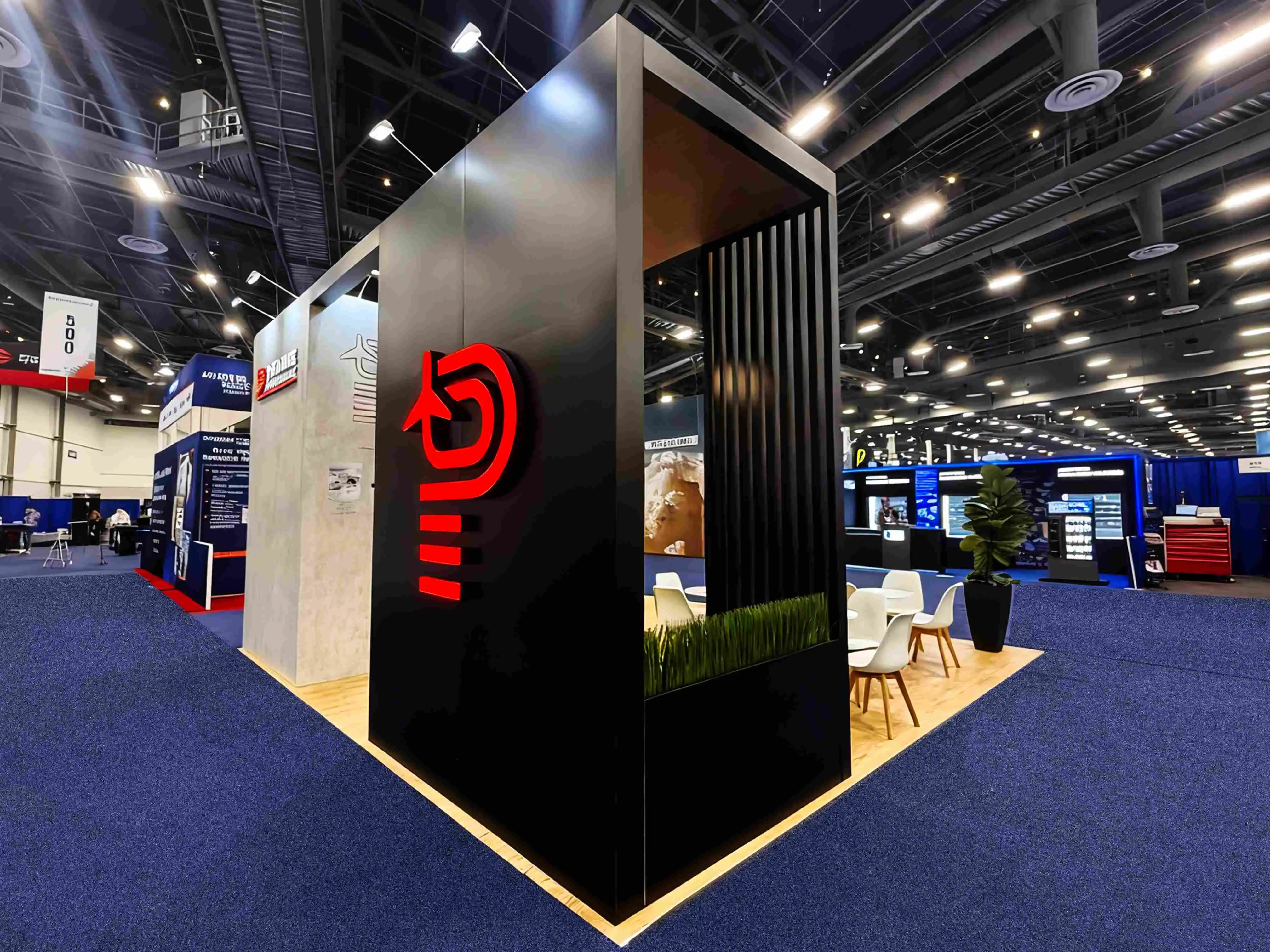
Many exhibitors struggle to choose the right amount of intricacy. Excessive minimalism may make booths appear empty and unmemorable, while an enthusiasm for exhibiting every product and capability results in congested, overpowering environments. Striking the right balance in exhibition stand design is key to creating a memorable yet clear and inviting space.
The Goldilocks Principle for Booth Complexity
Effective design matches complexity to your specific goals and audience sophistication. A medical device company demonstrating surgical equipment at specialized conferences requires detailed technical displays with multiple demonstration zones, private consultation areas, and equipment storage. The same company exhibiting at a broader healthcare conference might emphasize brand awareness with simplified messaging and open layouts encouraging casual conversations. Tailoring complexity to context prevents both information overload and insufficient substance.
Common Beginner Design Pitfalls
New exhibitors frequently make three critical errors. The first involves covering every vertical surface with text and graphics, creating visual chaos that communicates nothing clearly. The second places products or messaging at inappropriate heights—either too low where they're missed entirely or too high where attendees cannot read details. The third neglects lighting design, allowing products to disappear in shadows or creating harsh glare on graphics. These mistakes seem obvious in retrospect but remain remarkably common.
Smart Design Choices for Maximum Impact
Strategic exhibitors identify their three most important messages and design everything around communicating those clearly. This disciplined approach might feel limiting during planning, but it produces dramatically better results on the show floor. Incorporate hierarchy through scale, lighting, and positioning—your primary message should dominate visually, secondary points support it, and tertiary information remains available without demanding attention. This structured approach works across industries, whether you're exhibiting manufacturing equipment at the Automate Show in Chicago or renewable energy solutions at CLEANPOWER in Houston.
Conclusion
Avoiding these five common mistakes positions your company ahead of 70% of exhibitors who continue repeating these costly errors. Success at major trade shows demands more than simply showing up with products and business cards. Strategic booth design grounded in proven principles, incorporating current innovations, optimized for your specific budget parameters, executed by experienced partners, and calibrated to appropriate complexity levels transforms exhibition investments into powerful revenue drivers.
Exhibition stand design tailored to these principles can make all the difference. The upcoming June 2026 show calendar offers exceptional opportunities across industries—from renewable energy and technology to manufacturing automation and biotechnology. Companies that approach these events strategically, learning from others' mistakes and partnering with experienced booth design specialists, consistently generate stronger leads, close larger deals, and build lasting brand recognition that extends well beyond the show floor.
FAQ
Q1: What are the main benefits of professional exhibition stand design?
A: Professional booth design delivers three primary advantages that directly impact your bottom line. Enhanced brand visibility comes from strategic use of height, lighting, and graphics that capture attention in crowded exhibition halls. Visitor engagement increases through thoughtful traffic flow, interactive elements, and spaces designed for different conversation types—from quick introductions to detailed technical discussions.
Q2: How do eco-friendly exhibition stands support sustainability goals?
A: Sustainable booth construction aligns with corporate environmental commitments through material selection, reusability, and waste reduction. Modern eco-friendly stands utilize recycled aluminum frameworks, graphics printed on biodegradable fabrics with water-based inks, and LED lighting consuming 75% less energy than conventional systems. Modular designs extend useful life across multiple shows, dramatically reducing waste compared to single-use custom builds.
Q3: What factors influence exhibition booth design and fabrication costs?
A: Several variables affect total investment requirements. Material choices range from economical fabric graphics to premium materials like backlit acrylic and custom millwork. Booth size and configuration complexity directly impact structural costs and labor hours. Technology integration—from basic monitors to sophisticated interactive displays—can represent 20-40% of budgets. Custom elements like specialized lighting, built-in storage, or elevated platforms add incremental costs but deliver specific functional benefits.
Planning Your Next Trade Show? Partner With Exhibition Stand Design Experts
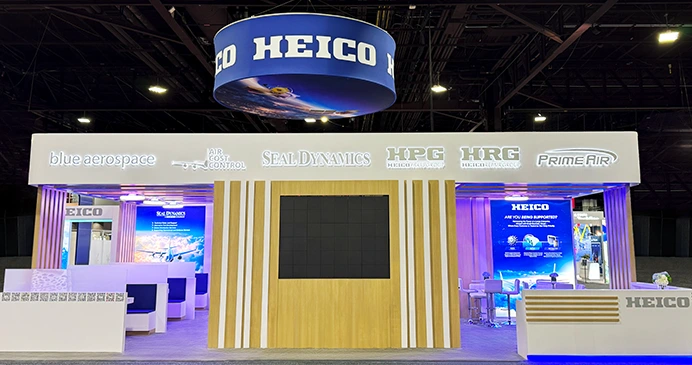
HR Exhibits Service, Inc. eliminates the guesswork from trade show success. Based in Las Vegas with our own fabrication facility, we specialize in designing and constructing memorable booths for manufacturing, medical, technology, construction, and consumer goods companies throughout North America. Our comprehensive services cover everything from initial concept development through on-site installation and post-show logistics.
Whether you're exhibiting at CLEANPOWER in Houston, InfoComm in Las Vegas, the Automate Show in Chicago, or any major convention, our experienced team transforms your marketing vision into engaging physical environments that attract qualified visitors and generate measurable results. Contact info@hrexhibits.com today to discuss your upcoming exhibition needs with a trusted exhibition stand design manufacturer. We offer complimentary consultations and transparent quotes that help you maximize ROI while avoiding the common mistakes that diminish your competitors' results.
References
1. Smith, J. & Williams, R. (2024). Trade Show Engagement Metrics: A Comprehensive Analysis of Booth Design Impact on Lead Generation. Exhibition Industry Research Center.
2. Martinez, C. (2023). Sustainable Materials in Modern Exhibition Architecture. Journal of Event Design and Technology, Vol. 18, Issue 3, pp. 112-134.
3. Thompson, L. et al. (2025). Cost-Benefit Analysis: Custom vs Modular Exhibition Systems. B2B Marketing Insights Quarterly.
4. Anderson, K. (2024). Interactive Technologies in Trade Show Environments: Measuring Visitor Engagement and Retention. International Association of Exhibitions and Events.
5. Chen, M. & Roberts, D. (2023). Strategic Booth Design Principles for B2B Lead Generation. Trade Show Executive Magazine Annual Research Report.
6. Patterson, S. (2025). Procurement Best Practices: Selecting Exhibition Service Providers for Maximum ROI. Corporate Event Management Review, Vol. 12, No. 2, pp. 45-67.

Embark on Your Journey to Exceptional Exhibitions! Contact HR Exhibits Today to Transform Your Vision into Global Success.
HR Exhibits Service, Inc.