Why Trade Show Rental Equipment Helps Brands Scale Faster
Trade show rental equipment is a quick and easy way for brands to reach more customers without having to pay a lot of money for their own gear. Companies can quickly get professional-grade tools that boost their brand image at important industry events by hiring show booths, audiovisual equipment, furniture, and signs. By using this method, you can change the layout of your booth to fit different show sizes and places without having to pay a lot of money up front. Marketing teams can use rental options to wisely spend their money, putting it toward more than one show instead of putting resources into owning things that lose value and need to be stored. This flexibility with money speeds up growth by letting brands try out new markets, introduce new goods at important industry events, and keep their exposure high at multiple trade shows at the same time.
Understanding Trade Show Rental Equipment and Its Strategic Value
What Rental Solutions Include for Modern Exhibitors?
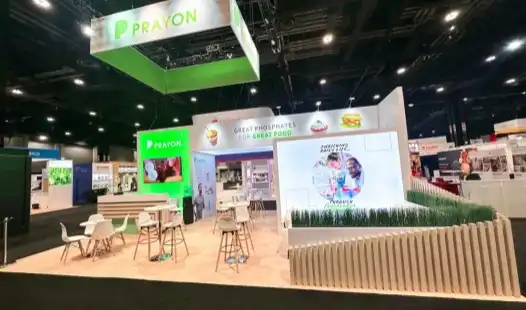
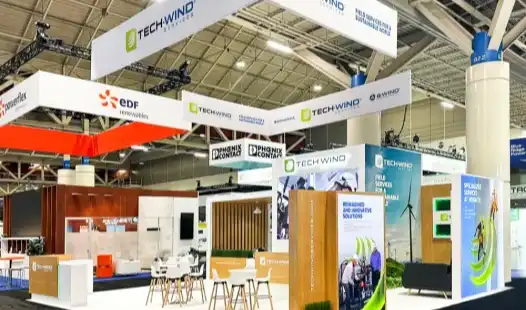
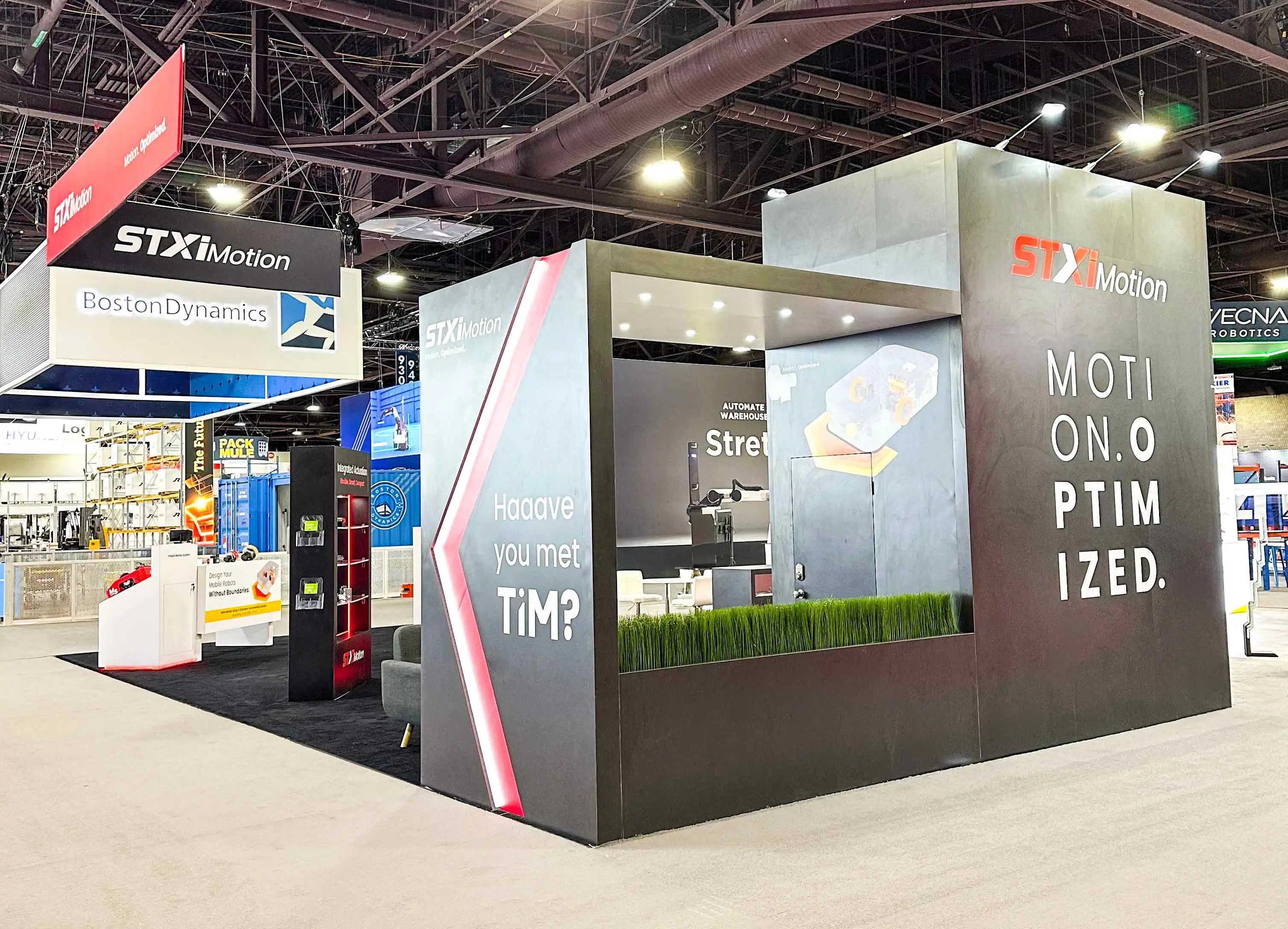
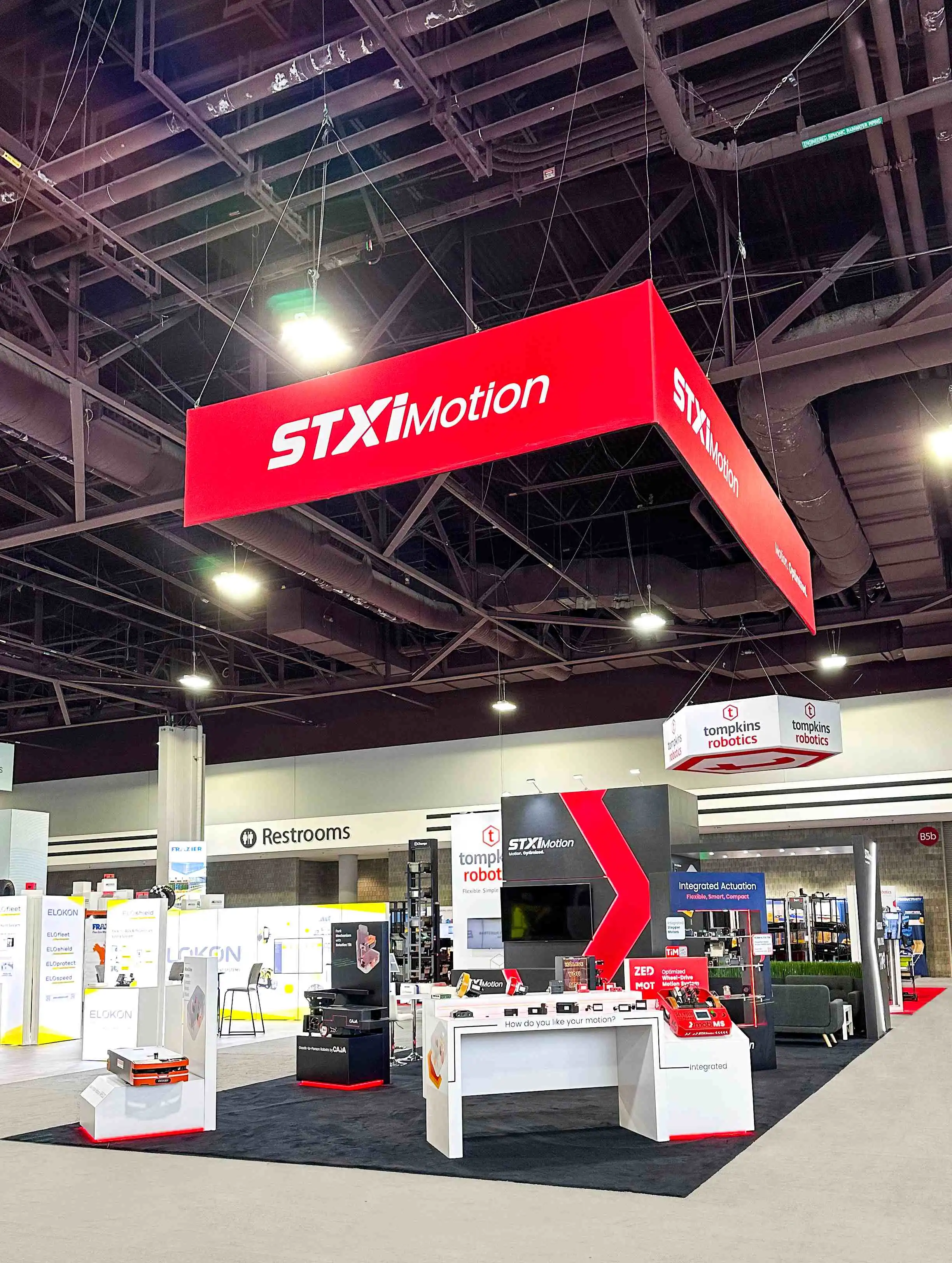
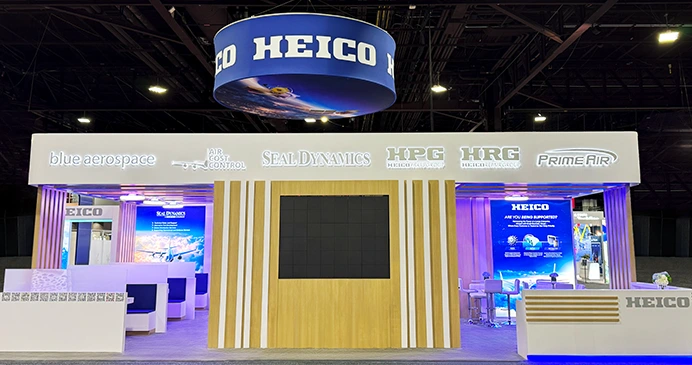
As part of our exhibition rental services, we offer flexible booth structures made with metal extrusion frames, Silicone Edge Graphics (SEG) fabric panels with custom designs, built-in LED lighting systems, and multimedia displays. When put together, these parts make branded settings that look as good as fixed installations. Often, rental packages come with conference tables, product pedestals, safe storage cabinets, and engaging booths that are made to work in trade show settings. Professional rental shows are different from simple pop-up displays because they use heavy-duty building systems that support double-deck structures, video walls, and climate-controlled meeting rooms. This all-around method meets the complicated needs of both corporate marketing managers who want strong branding and startup owners who need creative solutions on a tight budget.
Financial Advantages Beyond Initial Cost Savings
When you rent an exhibition space, your spending changes from capital expenditure (CAPEX) to routine cost (OPEX). This is a big budget-friendly change for procurement teams. Companies don't have to deal with the direct costs of creation, which for big custom booths can reach six figures. In addition to the initial savings, hiring gets rid of monthly storage fees, the need to insure owned items, and the inevitable wear and tear that lowers their resell value. Marketing directors get stable prices for each event, which makes budgeting easier for the whole year's worth of exhibitions. Because of this, sales directors can justify going to more shows because they know that each one has clear costs and there are no secret costs for things like upkeep or repairs that come with owned exhibits.
Flexibility That Matches Business Growth Trajectories
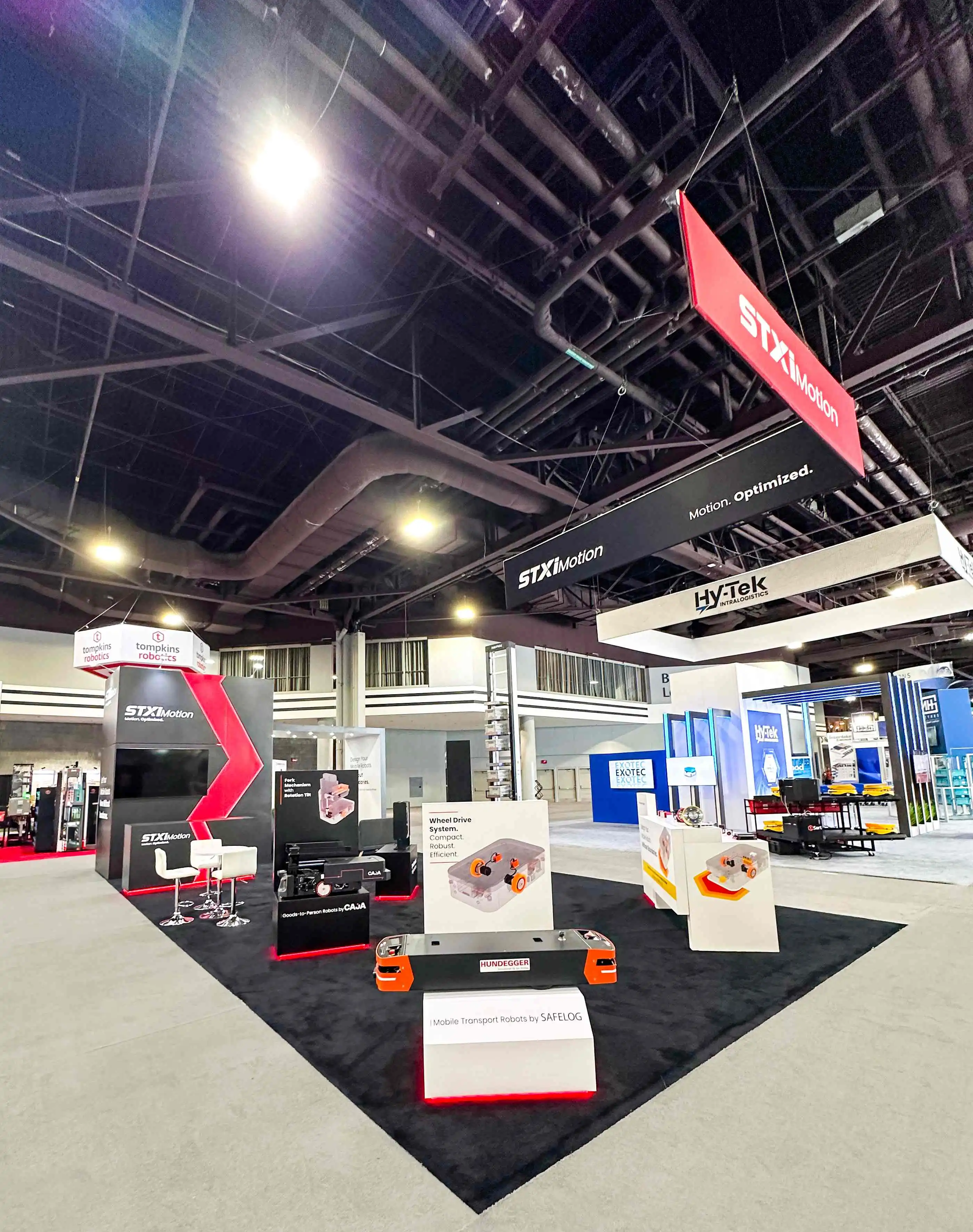
Rental inventory gives brands unique flexibility as they change how they plan to show. Using the modular systems from the same rental company, a medical device company could set up a 10x20 inline booth at a regional meeting and then move it to a 30x40 island setup at a big industry show. This scalability gets rid of the common issue of outgrowing shows or being stuck in booth sizes that are too small. When tech companies release new product lines, they can totally change their visual messaging by switching out the graphic panels but keeping the structure of the message the same. This skill comes in very handy when positioning a brand changes or when quick changes in presentation are needed to meet competition pressures. Operations teams like that handling multiple booth assets is easier because it lets them focus on event planning instead of inventory management.
Why Exhibition Rentals Accelerate Market Expansion?
Eliminating Geographic and Logistical Barriers
Shipping owned displays across international borders makes it very hard for brands to enter new markets. Costs and complications are increased by the need to pay for freight, go through customs procedures, and follow local electricity standards (110V vs. 220V systems). Rental services get around these problems by getting tools from places close to the location. A tech company that wants to exhibit at The Battery Show in Detroit (October 12–15, 2026) or SEMICON West in San Francisco (October 13–15, 2026) can work with local suppliers to keep inventory on hand. This way, the company doesn't have to ship items across the country and can make sure they follow the union labor rules for each venue. By utilizing trade show rental equipment, exhibitors can access venue-compliant displays and technology without the logistical burden of cross-country shipping or customs clearance. This local method works especially well in Las Vegas, where big shows like Money 20/20 (October 18–21, 2026), FABTECH (October 21–23, 2026), and SupplySide Global (October 26–30, 2026) bring in exhibitors from around the world who have to deal with high drayage costs and strict labor authority rules.
Enabling Simultaneous Multi-Show Strategies
When big companies want to grow quickly, they often need to be at events that happen at the same time. To have enough booth assets for multiple shows at the same time, you have to buy expensive goods twice. Rental models let brands set up different booth layouts at the same time without having to spend more money on capital. A manufacturing company could have a booth at both FABTECH in Las Vegas and a nearby industrial trade show at the same time, using different rental suppliers' stock for each event. This feature directly helps income growth by increasing market exposure without having to invest more in assets. When sales leaders know that exhibition infrastructure won't get in the way of their plans to grow their markets, they can look for chances in a wide range of industries and areas.
Building Credibility Through Premium Presentation Quality
Rental companies have strict quality control standards that make sure their items look brand new even after being used a lot. Full booth mock-ups are built in warehouses as part of pre-show staging to make sure that all the motion connections work properly and the structure is stable enough to meet safety standards. During frame soundness tests, metal profiles are looked at for any scratches, dents, or oxidation that could make the frame look less professional. Graphic fit is checked to make sure that SEG fabrics stay taut and don't stretch, and that the printed colors meet Pantone standards at a range of lighting temperatures for exhibitions. This level of care makes sure that hired shows give off the same high-end brand image as assets that were bought. Medical sales directors really like this quality guarantee because they know that their booths will look professional, which is important in the healthcare industry where functional zones and reliable execution directly affect buyer trust.
Practical Process for Securing Rental Exhibition Solutions
Supplier Evaluation and Selection Criteria
Procurement teams should use specific standards that predict successful collaboration to evaluate possible rental partners. Being close to the exhibition places you want to go to makes shipping easier and makes it easier to provide help on-site. Suppliers with facilities in Las Vegas, like HR Exhibits Service, Inc., offer clear benefits for brands that want to take part in the city's busy show schedule. Diversifying your product line is very important. To meet the needs of all kinds of shows, providers should keep a collection of inline booths, island setups, peninsula layouts, and double-deck structures. Service timeliness during the planning stages before an event is often a good indicator of the help that teams will get during crucial installation times. By asking for client references from companies in the same industry, you can find out how the providers deal with difficult technical needs and unexpected problems.
The review should also look at how well rental companies stage their items and how they make sure the quality of their work. Companies that do full mock-ups of their booths before shipping them show that they want to avoid shocks on-site. By checking a supplier's UL/CE approval for lighting armatures, transformers, and wiring harnesses and learning how they test for electrical safety, you can avoid fire risks or power outages during exhibitions. Companies that give on-site technical help during event hours are a great way to make sure that equipment doesn't break down during the event, which could hurt the brand's image. When figuring out the total cost of a show involvement that goes well, these operational factors often end up being more important than the base rental price.
Timeline Planning and Booking Best Practices
Planning ahead is needed to get preferred rental goods, especially during busy show seasons. A lot of people want to rent high-quality tools for big events in Las Vegas in late October 2026, like Money 20/20, FABTECH, and SupplySide Global. To make sure that specific booth sizes and setups are available, procurement teams should start talking to suppliers 90 to 120 days before events. This schedule lets enough time for design input, graphic production, and pre-show setup without having to rush things. Early engagement also gives you more power when negotiating prices and terms of the contract, since sellers value confirmed bookings that help them plan their inventory.
As part of the booking process for trade show rental equipment, deliverables and duties should be talked over in depth. Making it clear what rental packages include—whether it's delivery of the equipment, help with setting it up and taking it down, on-site supervision, or installation labor—avoids confusion that leads to extra costs at the last minute. Most deposit structures require 50% payment when the contract is signed, and the rest is due before shipping. However, the terms change from provider to provider. It's important to carefully read cancellation policies because standard terms in the business world often include harsh fines for canceling within 60 days of an event. Understanding the rules for who is responsible for fixing broken equipment is good for everyone. Most agreements make it clear that regular wear and tear is different from damage caused by carelessness that needs to be paid for.
Creating Comprehensive Equipment Specifications
For renting to go well, the needs must be carefully considered and written down on specific equipment lists. When marketing managers write down their booth size needs, they should think about whether an inline (a straight back wall), peninsula (three open sides), or island (four open sides) layout will best help them reach their show goals. Power needs to be clearly defined. Standard booth packages come with basic electrical service, but for video shows, product demos, or climate control systems, more advanced amperage planning is needed. Lighting design has a big impact on how interested visitors are in a space. There are many types of lighting, from simple overhead lights to complex track lighting systems with color temperature controls that can be changed.
Each business has very different needs for furniture and fixtures. Technology vendors often need places to charge their products, mounts for tablet displays, and comfortable sitting areas that encourage people to connect with the products. Medical gadget companies need safe places to store secret materials, secure show cases, and consultation tables where doctors can talk in private. Consumer goods companies put a lot of emphasis on high-traffic areas, branding booths, and places where customers can try out their products. By telling rental companies about these practical needs, you can help them choose the right product and find any possible problems before the contracts are signed. This kind of group planning lowers the chance of having to improvise on the spot if it turns out that the rental equipment doesn't fully support the activities that were planned for the show.
Selecting the Right Exhibition Rental Partner
Industry Experience and Specialization Depth
There is a wide range in the show knowledge and service focus of rental companies. Providers that focus on trade show settings know how to deal with the unique challenges of event schedules, union labor planning, and venue rules that regular event rental companies might miss. Partners with decades of experience in the field, like HR Exhibits Service, Inc., know a lot about the specifics of each location, like how to use the loading dock at the Las Vegas Convention Center, how to rig your tent at Mandalay Bay, or how the electricity is distributed at The Venetian Expo. This institutional knowledge keeps mistakes and delays from costing a lot of money and time during crucial installation windows, when each hour affects how ready the exhibitors are.
Specialization includes knowing the display needs of a certain business. Suppliers that work with the automotive and industry sectors (which are important for events like The Battery Show in Detroit) keep stock of items that can support the weight of vehicles on strengthened raised ground systems and have climbing gear for installing high-bay lighting. Companies that focus on technology carry server room parts, temperature control systems, and combined cable management solutions that are necessary for electronics shows. Medical professionals know what the rules are when it comes to showing off products and keeping their booths set up so that they can be used as practical advice areas. When you work with specialized suppliers who understand your show needs, you get much better results than when you work with basic rental companies that don't know much about your industry.
Service Scope and Support Infrastructure
Comprehensive rental partnerships include more than just providing tools. They also include design advice, project management, and help with performance on-site. Turnkey service models take care of everything, from coming up with the initial idea to taking down and returning the equipment after the show. This full-service method is especially helpful for exhibitors who are running multiple shows at once or who don't have their own exhibition experience. Design teams should provide 3D models that correctly show how rental parts will look when put together. This way, there won't be any disappointing gaps between what was expected and what actually happened. Project managers plan how the goods will be shipped, when the construction crews will come, and they are the main point of contact during the whole show.
It's clear how useful on-site help is when problems pop up out of the blue during show or installation hours. When equipment breaks down, graphic screens need to be adjusted, or lights need to be moved, having access to an expert right away is helpful. Local suppliers with sites in exhibition towns can respond more quickly than suppliers far away who manage projects from afar. The workshop and team at HR Exhibits Service, Inc. in Las Vegas are very helpful for exhibitors at the city's big fall events because they make sure that technology support gets to them in minutes instead of hours. This local presence also makes it easier for exhibitors to make last-minute changes or adds that they often want to make after seeing how their booth fits in with the other booths.
Transparency in Pricing and Contract Terms
Rental prices range from simple rates for just the tools to full total packages that include design, branding, setup, and takedown services. Teams in charge of buying things should ask for thorough breakdowns that show the differences between costs for things like renting tools, labor, making graphics, shipping, and extra services. This openness makes it possible to compare budgets accurately across multiple providers and keeps costs from coming as a surprise. Some companies offer good base rates, but they charge a lot for important services like supervising the installation or standard lighting updates. Others offer all-inclusive pricing that seems more expensive at first but gives you more value in the long run.
Contract terms should be carefully looked at in addition to prices. Rental times usually include the official show dates plus days for setting up and taking down. Exhibitors will be charged extra if they need to stay longer. Different providers have different insurance needs. Some require exhibitors to have event liability coverage, while others include it in the price of their service. Damage policies should make it clear what the line is between regular wear and tear and damage that needs to be fixed financially. For there to be no disagreements about the state of the tools, return and inspection methods need to be written down. Reliable sellers use simple, clear language in their contracts instead of complicated legal terms that are meant to hide who is responsible for what. This openness shows that the business is doing things in an honest way, which is likely to continue throughout the partnership. When negotiating trade show rental equipment agreements, these contract details are just as important as the equipment quality itself in ensuring a smooth exhibition experience.
Maintaining Excellence Throughout the Rental Lifecycle
Pre-Event Coordination and Preparation
A lot of what happens at a show depends on how well exhibitors and rental companies plan ahead of time. Marketing teams should finish graphic designs a long time before the deadline for production, since custom printing on large-format SEG fabrics needs to be checked for quality and color accuracy. By sending high-resolution artwork files that meet the supplier's requirements, you can avoid delays and make sure that the visual quality meets brand standards. A preliminary look at the floor plan shows any possible issues, such as where to put columns, how to set up exhibits next to each other, or where to put aisles, that could impede the flow of people through the booth. Taking these things into account during the planning stages doesn't cost anything, but making changes at the last minute costs more.
Setting up rules for communication before an event makes it easier to coordinate on the spot. Choosing main contacts from both the vendor and seller teams makes sure that questions are answered quickly and that information doesn't get lost. Sharing installation dates helps exhibitors figure out when they need to be on-site and when supply teams can stage their own equipment. Knowing the venue's specific rules, like how to move in, what badges installation staff need, and how to handle materials, can help you avoid entry delays that shorten already tight installation times. When included in service packages, pre-show staging at the supplier's facility gives exhibitors a chance to look over how their booth is set up before it opens to the public. This way, design flaws can be found early on, when fixes are easy and don't cost much.
On-Site Management and Technical Support
On installation day, plans become real, and problems that were not expected often arise that need to be solved right away. Rental companies with a good reputation send out experienced project managers to arrange the work of the crew, talk to the venue's services, and deal with problems as they come up. These experts know about union labor areas and know which jobs need specific trade workers and which ones need general labor. They are in charge of the ties with electricians, crane services, and internet providers, all of whose work needs to fit in with setting up the booth without any problems. Exhibitors benefit a lot from this teamwork skill, especially when they are going to a place they haven't been before or dealing with complicated rules and regulations like Las Vegas's strict labor union rules.
Technical help during show hours protects against equipment breakdowns that could ruin the goals of the exhibition. Problems with LED displays, lights, or the structure itself need to be fixed quickly by a professional to keep visitors interested. Suppliers who offer specialized support hotlines and technicians who are available show that they care about their clients' success in more ways than just providing equipment. Checking electrical connections, making sure graphic panel tightness is correct, and making sure lighting works at the right strength levels are all examples of preventative monitoring. This proactive approach sets service-oriented rental partners apart from transactional equipment providers who leave after the installation is done.
Post-Show Processes and Continuous Improvement
Disassembly needs the same level of professional care as installation so that equipment doesn't get broken, which could lead to financial responsibility. Rental companies usually set specific times for taking down displays so that they work with the needs of the place and the activities of other exhibitors taking down. Properly disassembling equipment protects the purity of its parts, making sure that the inventory stays in great shape for future renters. Before taking down all of their equipment for good, exhibitors should do walkthroughs to make sure that all of their personal items, branded materials, and product samples have been found. When rental companies pack up their equipment, they write down its state and compare it to records from before the show to see if there is any damage that needs to be talked about.
Debriefing meetings after an event collect useful information that can be used to improve future show performance. Both vendors and rental companies can gain from talking about what went well, what didn't, and how things could be made better. Marketing managers should check to see if the setup of the booth made it easy for visitors to interact with it, if the graphics spoke to the right people, and if useful parts like meeting rooms did what they were supposed to do. Sharing this feedback with rental partners helps them improve the items they offer and the way they provide services. Procurement teams can keep track of total costs and compare them to planned amounts. This way, they can find out why costs went up or down and use what they learned to plan future events. With this method to continuous growth, each exhibition becomes a chance to learn something new that improves the performance of the next show.
Conclusion
By turning big capital costs into manageable operating costs, exhibition hiring strategies help brands grow their market position more efficiently. This financial freedom lets businesses take part in more industry events, try out new markets without committing to long-term assets, and change the layout of their booths as their business needs change. Local rental partnerships get rid of geographical hurdles and offer knowledge that helps people figure out how to meet complicated venue standards and labor laws. Quality rental inventory that is kept up to professional standards makes sure that the brand's reputation is on par with that of owned displays at a much lower cost. For companies leveraging trade show rental equipment, this approach provides access to high-quality displays and technology without the burden of ownership, allowing for greater flexibility across multiple events. As big trade shows like The Battery Show in Detroit, SEMICON West in San Francisco, and several events in Las Vegas in October get closer, brands that are ready with smart rental partnerships set themselves up for faster growth by making the most of the exhibition effect.
FAQ
Q1: What types of assets are available through trade show rental services?
A: For maximum visibility, rental companies offer a wide range of equipment, such as modular booth structures that can be set up inline, peninsula, or island style, double-deck installations, custom-printed graphic panels using Silicone Edge Graphics technology, integrated LED lighting systems with adjustable intensity and color temperature, audiovisual equipment like large-format displays and sound systems, exhibition furniture like consultation tables and casual seating, product display pedestals and secure showcases, interactive kiosks, and climate control systems for enclosed spaces. Premium providers keep a wide range of products in stock to meet the needs of different industries. For example, heavy-duty flooring is needed for car displays, precise lighting is needed for jewelry shows, and multimedia infrastructure is needed for tech demos.
Q2: How far in advance should companies book rental equipment for major exhibitions?
A: To make sure they have the right supplies and enough time to plan, procurement teams should start talking to suppliers 90 to 120 days before big shows. Peak show times, like Las Vegas's concentrated fall schedule with Money 20/20, FABTECH, and SupplySide Global in late October 2026, cause a lot of demand, so it's important to book early. This schedule allows for design advice, color proofing for custom graphic production, pre-show setup to check quality, and coordinating logistics with venue services. Last-minute bookings made within 30 to 45 days often have trouble finding goods and have to pay extra for faster image production or shorter planning cycles.
Q3: What happens if rented equipment sustains damage during an exhibition?
A: Rental agreements make a distinction between normal wear and tear from proper use and damage caused by carelessness or abuse. Standard contracts say that vendors are responsible for paying for extreme damage, with the amount of money needed to fix it or the cost of a new one. Reliable suppliers do thorough pre-event staging that records the state of the equipment before delivery. They then do post-show checks to compare the return status. Small flaws like wrinkles or scratches on the surface don't usually lead to charges, but broken structural parts, torn graphics, or electronics that don't work because they were handled wrong may. Many sellers suggest or require event liability insurance that covers damage to equipment that might happen. This protects both parties financially.
Partner with HR Exhibits Service, Inc. for Your Next Trade Show Success
To increase your presence at trade shows, you need a dependable company that rents out trade show rental equipment and knows exactly what B2B buying teams need. The experts at HR Exhibits Service, Inc. create and build show booths that are both visually striking and well-organized. Our facility and expert staff in Las Vegas offer unbeatable local support for vendors at big events like Money 20/20, FABTECH, and SupplySide Global. They also help clients at The Battery Show in Detroit and SEMICON West in San Francisco. We offer full services, from coming up with the initial idea to putting it into action on-site, to make sure that your brand has the biggest effect possible at every show. Get in touch with us at info@hrexhibits.com to talk about how our hiring options can help you grow your business faster.
References
1. Trade Show Executive Magazine, "Financial Strategies for Exhibition Program Management: CAPEX vs OPEX Models in Corporate Marketing," 2025.
2. Center for Exhibition Industry Research (CEIR), "Rental Equipment Utilization Trends Among B2B Exhibitors: 2024 Annual Report."
3. International Association of Exhibitions and Events (IAEE), "Best Practices in Trade Show Logistics and Supplier Management."
4. Exhibition Services & Contractors Association (ESCA), "Quality Standards for Modular Exhibition Systems and Rental Inventory Maintenance."
5. Society of Independent Show Organizers (SISO), "ROI Measurement in Trade Show Marketing: Owned vs. Rented Asset Performance Analysis."
6. National Trade Show Industry Report, "Geographic Trends in Exhibition Participation: Las Vegas Market Analysis 2023-2026."
Embark on Your Journey to Exceptional Exhibitions! Contact HR Exhibits Today to Transform Your Vision into Global Success.
HR Exhibits Service, Inc.