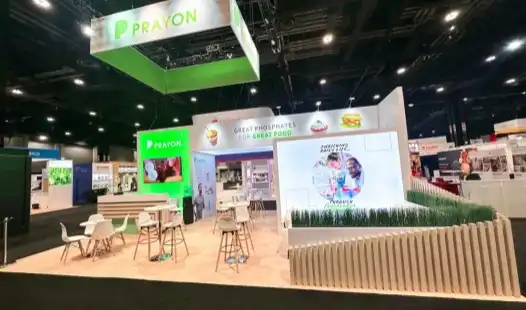
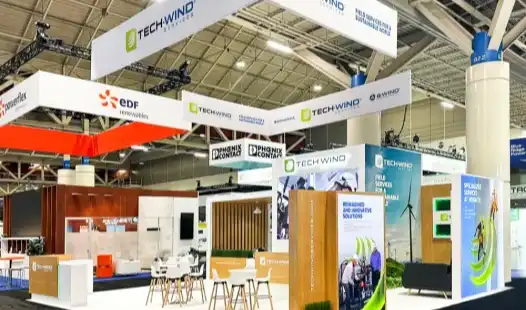
Top Show Booth Design Trends for LOUPE Americas 2026 Exhibitors
A good LOUPE Americas 2026 show booth design depends on smart space planning that turns people who walk by into qualified leads. Professional booth designers use smart lighting systems, tension fabrics, and modular metal frames to make brand experiences that are engaging. These designs strike a mix between good looks and useful zoning, making sure that tech, medical, and manufacturing exhibitors get the best return on investment (ROI) while also meeting the strict venue compliance standards and sustainability demands of today's competitive trade show world.
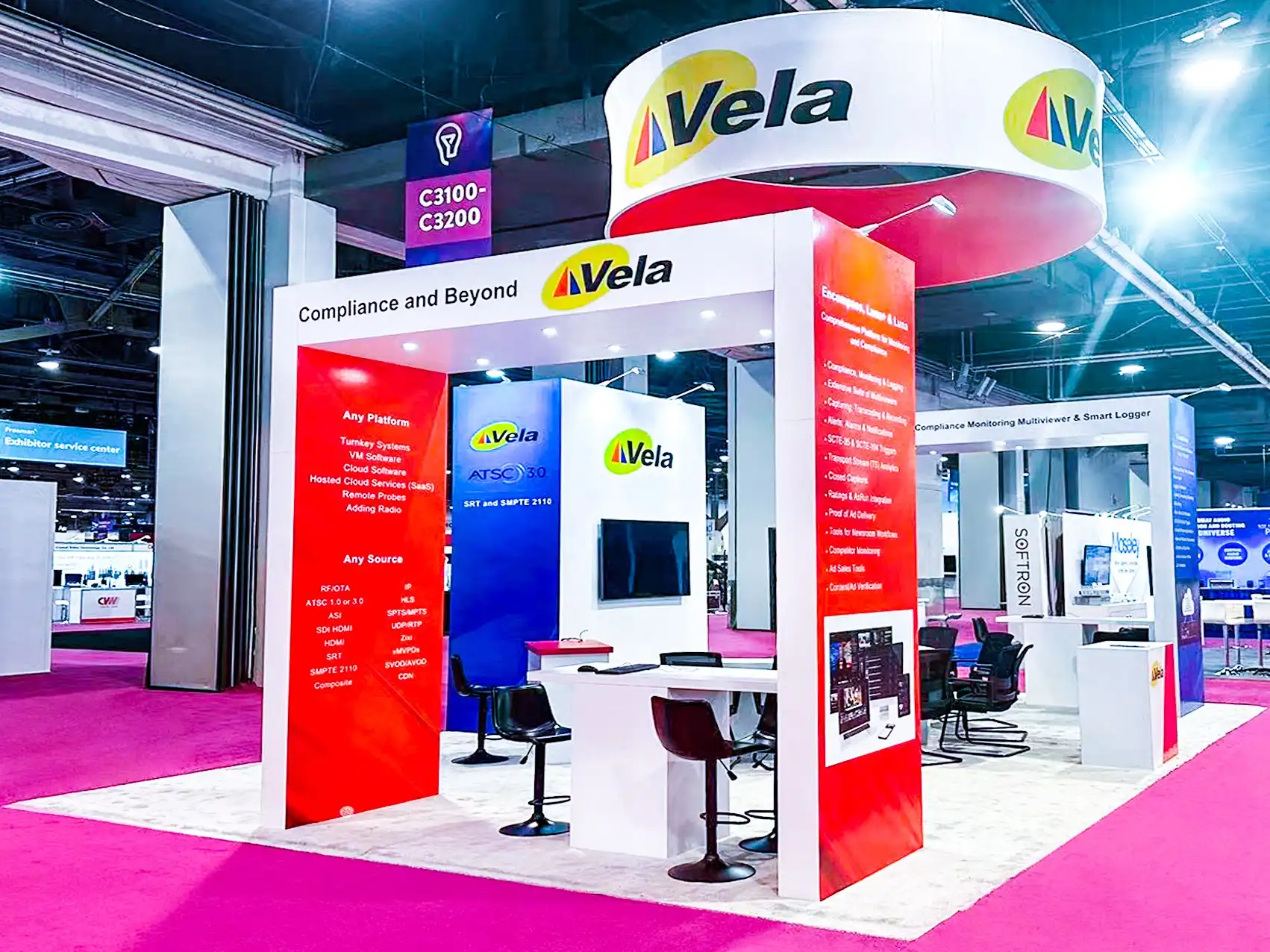
Understanding the Core Elements of Show Booth Design for 2026
Precision building is needed to turn square footage into places that bring in money at trade shows. Effective show booth design does more than just look good; it directs visitors, makes product presentations easier, and creates private consultation areas where deals can be made away from the noisy show floors.
Strategic Goals Behind Professional Booth Architecture
Professional display places do more than just take up room; they help businesses reach specific goals. Marketing managers try to make brands stand out by giving them unique visual marks. Sales directors, on the other hand, need useful areas that help teach customers about products and build relationships. Teams in charge of buying things have to weigh these needs against the facts of budgets and logistics. Quality booth structures use 6063-T5 aluminum alloy frame systems that are strong at tensile strength and light at shipping weight, which has a direct effect on the cost of drayage.
Dye-sublimated tension fabrics (240–320 gsm) are used to make sure that the pictures don't get wrinkled and that the brand's identity is kept throughout multi-day events. Medical gadget exhibitors benefit most from lighting systems that don't produce glare and have Color Rendering Index values higher than 90. This is because it's important to show off precision tools in the right lighting. The structure has to be able to support VESA-compliant mounts for TVs and monitors while still letting people see the goods being shown. These technical details lead to measured results, such as longer customer stays, higher lead capture rates, and better brand recall among target groups after the show.
Optimal Booth Size Selection and Layout Planning
To choose the right booth size, you need to look at how many people you expect to attend, how complicated your products are, and how you compare to your competitors. Inline 10x10 layouts work well for startups showing off specific product lines, while island 20x20 or larger layouts let companies make multi-zone spaces with private meeting rooms. "Line of Sight" rules must be taken into account when planning the layout. For example, booths in a straight line are limited to a height of 8 feet, but buildings on islands can be up to 20 feet tall.
Traffic flow planning keeps lines from getting backed up by placing demonstration areas away from key entrances so that visitors can keep moving. When live talks and one-on-one discussions happen at the same time, acoustic zoning is very important. This means that sound-absorbing materials (foam density exceeding 25 kg/m³) need to be placed strategically in enclosed meeting areas where background noise often exceeds 85 decibels.
Durable Materials and Advanced Lighting Integration
The choice of material has a direct effect on how long the booth lasts and how much it costs to own over many show rounds. FSC-certified wood and low-VOC paints meet requirements for sustainability without lowering the efficiency of the structure. Recycled metal frame systems can hold the same amount of weight as new materials, but they leave less of an impact on the environment, which is a key goal for corporate responsibility reports. Lighting technology has grown beyond just providing light to become a tool for telling stories.
With LED systems that can change the color temperature (2700K–5000K), vendors can change the mood from a warm and friendly advice area to a bright and clinical product display area. In focus zones, lux levels between 500 and 1000 draw attention to new products, while ambient lighting keeps general vision easy. Managing cables with raised floors or hidden wall channels keeps things looking clean and provides power for charging stations and engaging displays that keep people interested for longer.
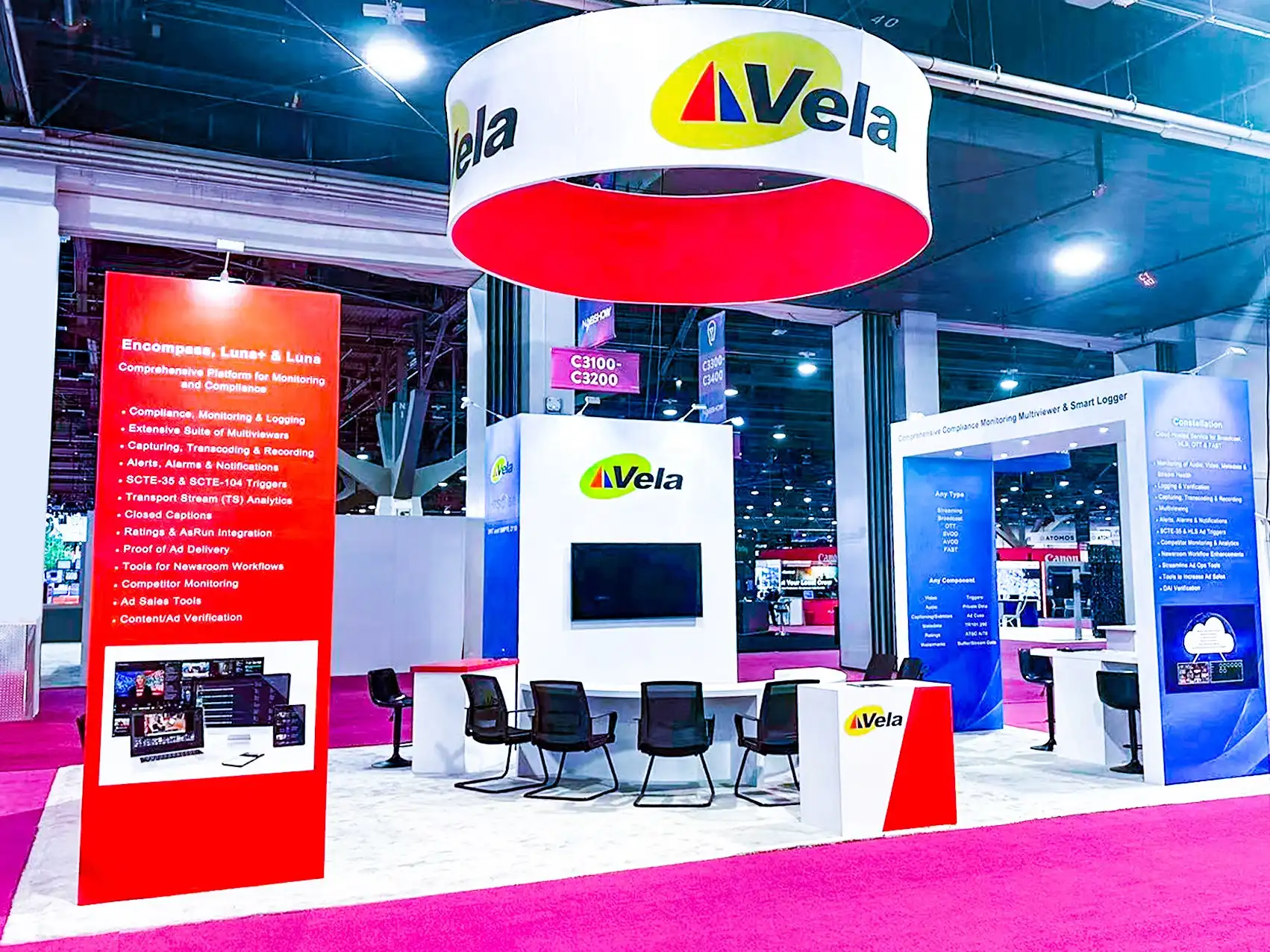
Top 7 Show Booth Design Trends Shaping LOUPE Americas 2026
Exhibitors at major U.S. trade shows in October 2026 will have chances that have never been seen before. These include The Battery Show and Electric & Hybrid Vehicle Technology Expo (October 12–15, Detroit), SEMICON West (October 13–15, San Francisco), Money 20/20 (October 18–21, Las Vegas), FABTECH (October 21–23, Las Vegas), and SupplySide Global (October 26–30, Las Vegas). These events showcase industries where show booth design plays a critical role in shaping buyer perceptions and purchase decisions, making strategic booth planning essential for maximizing return on investment.
Hybrid Digital-Physical Integration Through AR and VR
Augmented reality overlays let visitors see how products can be customized in real time, without having to worry about actual goods. Medical vendors show how surgery tools can be used through VR models, which let people get hands-on experience without any problems with logistics. Technology companies show off their software by putting responsive touchscreens right into the structure of their booths. These digital parts need a strong power grid and temperature control to keep tools from getting too hot during long hours of use. In the design phase, ventilation systems and structural support for big LED video walls must be planned out to keep visitors safe and maintain a clean look that reinforces the brand's class.
Modular-Custom Hybrid Systems Balancing Cost and Distinctiveness
Pure custom construction gives brands the best way to be seen, but it comes with high "build and burn" costs, which can be a problem for companies that are showing at multiple shows in October in Detroit, San Francisco, and Las Vegas. Modular hybrid methods use standard metal frames that can be changed by adding brand graphics, different flooring options, and different lighting setups. This plan cuts the time it takes to make something from 8 weeks to 4 to 6 weeks and the weight of sending it by 30 to 50 percent. This has a direct effect on drayage fees, which are a big cost when moving exhibits from one place to another. Purchasing teams like that they can change the layout of 10x10 modules into 20x20 islands to meet the needs of different shows. This makes the best use of assets across the year's worth of exhibitions.
Sustainability Through Recycled Materials and Waste Reduction
Sustainability promises made by businesses are having a bigger effect on the requirements for buying things. Now, exhibitors want materials made from recycled PET bottles (rPET), structural wood that is FSC-certified, and paint systems that release few toxic organic compounds. Waste management is more than just taking down after an event. For example, companies that are on the cutting edge give used carpet to local charities and fix up pieces of furniture for use in the office instead of throwing them away. It is still necessary to follow fire safety standards (in the US, NFPA 701), but manufacturers now offer eco-friendly materials that meet these strict requirements without lowering performance. People who go to SupplySide Global and The Battery Show really feel this trend, because being environmentally friendly is closely linked to how products are positioned and how companies live their ideals.
Smart Lighting Creating Mood and Focus Zones
Programmable LED systems let exhibitors change the mood of their booths throughout the show hours. For example, during busy times, exhibitors can switch from bright, lively settings to more private, conversation-friendly ones. Color psychology plays a strategic role: warm tones (2700K–3000K) make meeting areas feel more friendly, while cooler temperatures (4000K–5000K) make it easier to see products in areas where they are being shown. Not only does energy saving look good from an environmental point of view, but it also saves money on utility bills at places like the Las Vegas Convention Center, where electricity costs have a big effect on overall event budgets. Union rules about installation and operation must also be taken into account in lighting design, which means that full technical specifications must be provided before entry to the show floor is granted.
Portable Solutions for Multi-Show Campaigns
Exhibitors at October's busy Las Vegas schedule—Money 20/20, FABTECH, and SupplySide Global all happen within 12 days of each other—need buildings that can be set up quickly and can handle being put together many times. Portable systems have links that don't need tools and storage cases that roll up for easy transport between places. Certifications in structural engineering make sure that these lightweight solutions stay stable and safe even after being set up and taken down many times. Companies like it when booth parts can be put together without the help of specialized workers because it saves them money on labor costs. However, professional installation is still recommended for places that are required by unions or have complicated layouts.
Bold Graphics and Immersive Storytelling
High-resolution dye-sublimation printing on tension fabrics makes brand paintings that are seamless and stand out on busy show floors. The visual order leads visitors' attention from the main message that can be seen from 50 feet away to the specifics of a product that can only be seen when they look more closely. Storytelling with sequential graphics produces story flow—visitors easily move from figuring out the problem to finding a solution to being asked to get involved. This method works especially well for startups at SEMICON West, where people need to learn about disruptive technologies in order to understand their competitive benefits and how they can be used in current processes.
Functional Zones Supporting Customer Journey Stages
Advanced booth layouts divide room into sections based on the stages of the buyer trip. Open perimeter areas with images at eye level draw in passing traffic and get across key value propositions in the three seconds that people have to pay attention. In the mid-depth zones, there are engaging demos where staff teach prospects about the products and find out what they need. In the back, there are private meeting rooms with soundproofing, comfortable seats, and display technology that can be used for detailed presentations and contract conversations. At B2B events like FABTECH, where buying decisions involve many people and long evaluation times need private conversations away from rivals and casual onlookers, this segmentation comes in very handy.
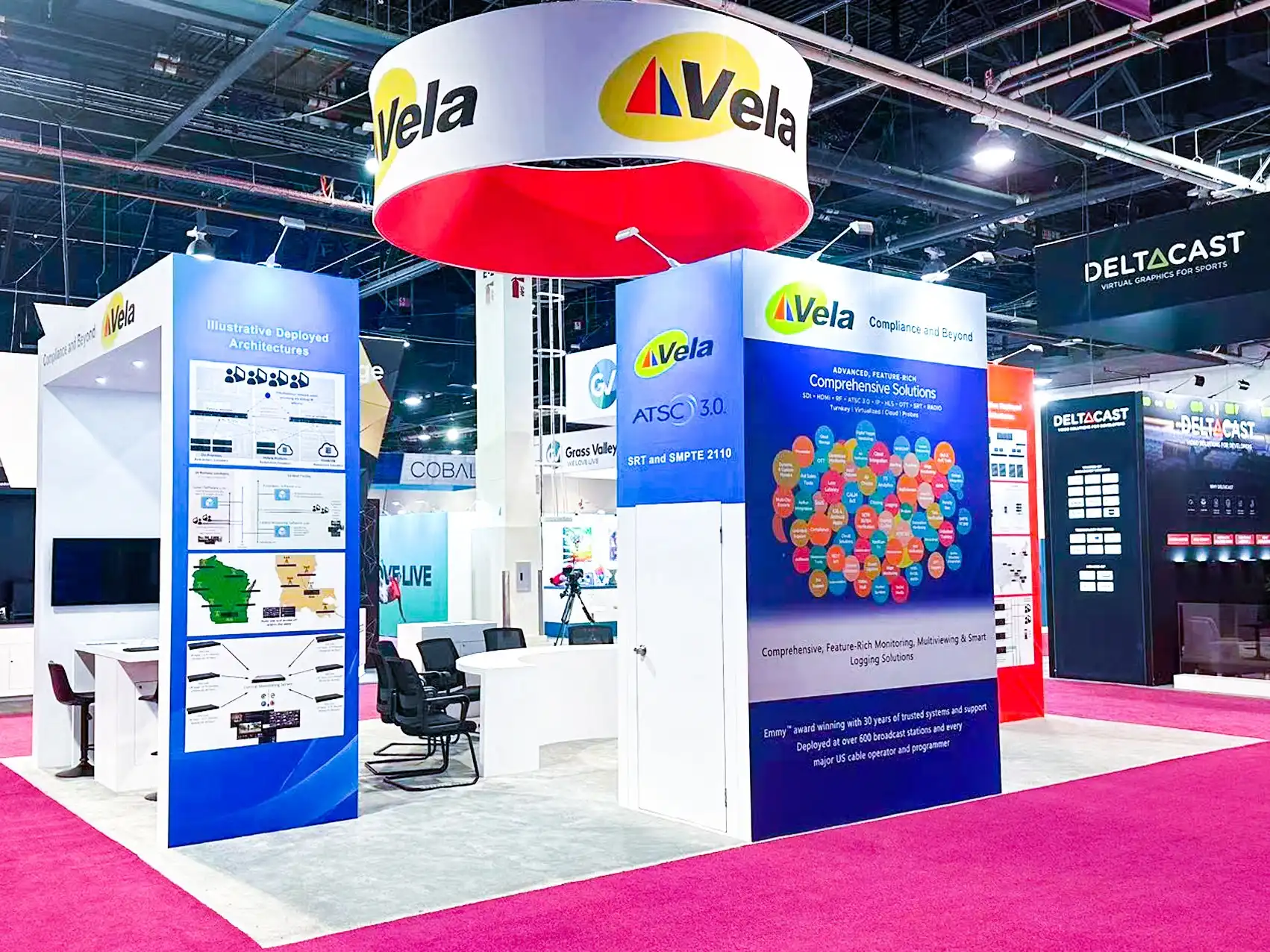
Comparing Show Booth Design Approaches for Optimal Procurement Decisions
The budget has a big effect on the choice of show booth design style, and the trade-offs between initial investment and long-term value need to be carefully thought through. When procurement workers understand these factors, they can make suggestions that are reasonable and in line with marketing goals and budgetary limits.
Custom Fabrication Versus Modular Systems
Custom-built structures give you full freedom to be creative—every measurement, material, and finish can be used to reflect your brand's personality without any problems. This method works well for companies that are launching new lines of big products at big events that are important to the market and warrant spending more money. Custom booths usually need to be built over a period of 6 to 8 weeks, and they cost more to ship because they have unique parts and heavy building materials.
On the other hand, modular systems use common parts like Octanorm, Aluvision, or similar frames that can be changed by adding graphics, extras, or changing the layout. When compared to custom builds, these solutions cut the time it takes to make something by 40% and the weight it takes to ship by half. When a company exhibits every three months or at multiple October shows, modular methods work best because they can be reconfigured easily and require less storing space, which leads to a lower total cost of ownership over three years.
DIY Assembly Versus Professional Installation Services
Small exhibitors often think about installing their own displays to save money on labor costs. This is especially possible with portable modular systems that can be put together without any tools. This plan works for simple 10x10 setups at non-union places where there isn't a lot of time pressure and teams can take their time setting up. When you have island booths, hanging structures, or works at union-mandated venues like the Las Vegas Convention Center, where vendors aren't allowed to touch tools or materials, things get a lot more complicated.
Professional installation services offer more than just technical performance; experienced teams know how to deal with venue-specific rules, arrange internet and electrical connections, and fix problems that come up at the last minute, saving you time that you could have used to prepare for the show. Professional teams make sure booths open on time at events like The Battery Show in Detroit, where setup windows are short because of events happening at the same time.
Budget Optimization Through Strategic Vendor Selection
Teams in charge of buying things should judge sellers based on the variety of their products, how much experience they have with related industries, and the size of their booths. When designers look at past work they've done for tech companies, medical device makers, or industrial exhibitors, it gives you confidence that they know what those sectors need, like cleanroom aesthetics for medical booths, heavy-duty flooring for displays of manufacturing equipment, or complex AV integration for tech demos.
Customization options are also important; providers should show they can be flexible by changing common systems to meet the needs of each brand without charging full custom prices. Sustainability promises are becoming more and more important when choosing a vendor, especially for companies with public environmental goals that require supply chain proof of where materials come from and how much waste is diverted.
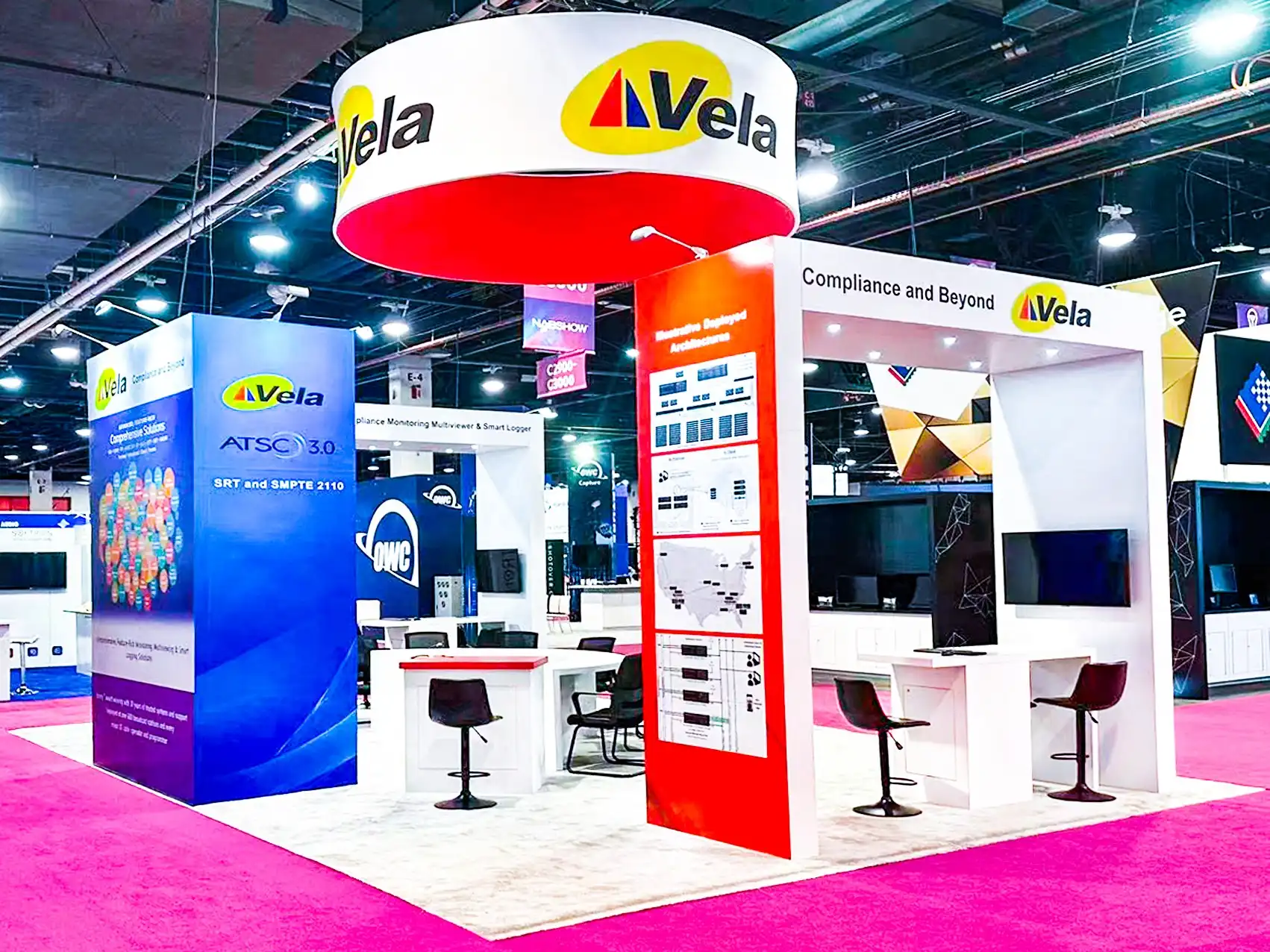
How to Effectively Procure Show Booth Design Services for LOUPE Americas 2026?
To get things you need, you need to know about the important steps in the buying process, from the first meeting to storing things after the show. There are key times where the buyer can have an impact on the results and keep costs down.
Initial Consultation and Design Development Process
Effective buying starts four to six months before the shows, which gives enough time for design changes, production, and coordinating supplies. During the first meeting, brand guidelines, product goals, and functional needs should be discussed. These include the number of demonstration stations, the number of private meeting rooms, storage needs, and technology integration specs. Designers usually come up with two or three ideas and then refine the chosen approach with 3D models that show how visitors would see it and technical drawings that show how it should be built. This step chooses the materials, figures out the structural engineering needs, and does the electrical load estimates that are needed for location approvals. Buyers should ask for proof that the materials meet fire safety standards (NFPA 701) and structure certifications for any platforms or hanging parts that need engineering stamps.
Vetting Suppliers and Evaluating Portfolio Credentials
Qualified providers show they know how to follow venue-specific rules at big U.S. venues. Local providers near exhibition cities have clear benefits. For example, HR Exhibits Service, Inc., which has a factory in Las Vegas, provides on-site support for the three major October Las Vegas events (Money 20/20, FABTECH, and SupplySide Global). This eliminates the risks of cross-country shipping and makes it possible for last-minute changes that would not be possible with faraway suppliers. Your portfolio review should include projects that are related to your business and the size of your booth, as well as recommendations from clients who have shown their work at similar venues.
Sustainability paperwork is becoming more and more important. Ask for details about where the materials come from, how they are disposed of, and any recycling programs at the end of their useful life that are in line with the standards for corporate responsibility reporting. Communication rules are very important. Make sure everyone understands how to handle problems during the planning and building stages, as well as the rules for changes and how to take issues to the next level.
Cost Breakdown and Transparent Pricing Models
Professional prices should list all of the costs involved, including design fees, construction costs, graphic production, shipping and drayage, installation workers, and takedown and storage services. Design fees usually make up 10–15 percent of the total cost of the project. Fabrication costs 40–50 percent, graphics 15-20 percent, and logistics/labor 20–30 percent, based on the location of the site and union rules. Buyers should find out what is included in the base price and what changes are extra.
For example, special lighting packages, AV equipment rentals, furniture choices, and flower and plant installations are often added as line items. Transportation costs change a lot depending on the size of the booth, where the goods come from, and how they are shipped. It's best for exhibitors when suppliers keep their stock close to the places where the shows are held. By understanding these parts, you can compare prices between sellers in a meaningful way and find ways to save money without sacrificing important features or brand effect.
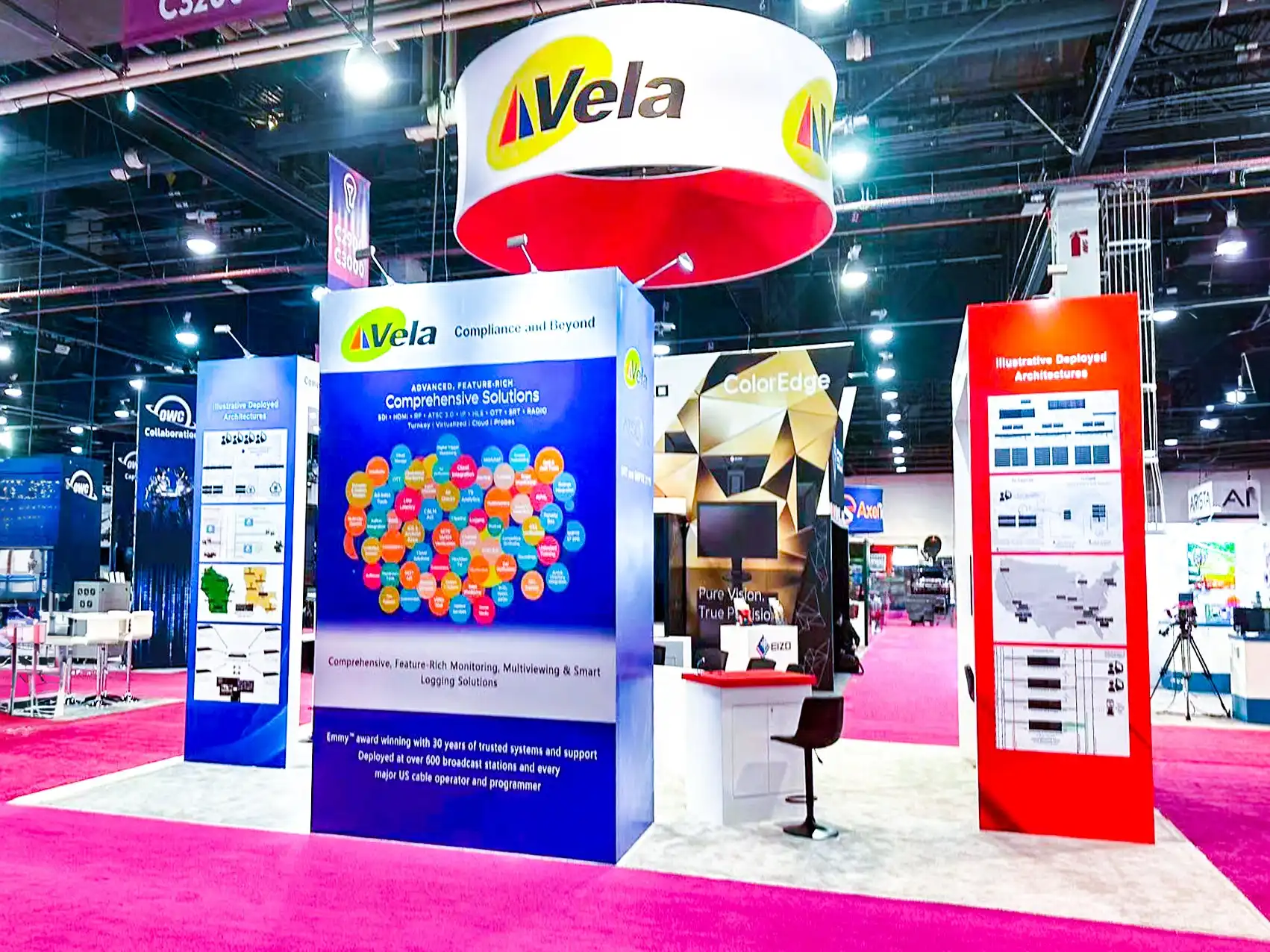
Practical Tips and Checklist for Maximizing Your Show Booth Impact at LOUPE Americas 2026
Successful shows are different from disappointing projects because they are carefully planned and carried out in a methodical way. These useful tips help the marketing and procurement teams make the most of the show booth design's success throughout the whole event.
Pre-Event Planning and Regulatory Compliance Verification
Start by looking over the venue's specific rules, such as any height limits, equipment needs, and union labor laws. Send booth plans to show management for approval 6 to 8 weeks before the event, so you have time to fix any problems with compliance. Coordinate electricity orders that include where the outlets should be located, how much total current is needed, and any special power needs for showing off equipment. Internet access needs to be ordered ahead of time, and the speed needs to be able to handle live video or cloud-based software demos.
Check the plans for setting up and taking down, keeping in mind that union rules may limit work hours or require a certain minimum crew size. If booth parts come before installation windows open, material handling orders should include information about when they need to be delivered and where they should be stored. Damage claims during show operations are protected by insurance documents that cover general responsibility and fixed property.
On-Site Installation and Safety Management Best Practices
For union-compliant work, professional installation teams should show up with full lists of all the parts they need, directions on how to put them together, and all the tools they need. Supervision during installation makes sure that the structure is sound, that the electrical connections are correct, and that the details match the approved drawings. As part of safety rules, overhead elements must be secured with two sets of connection points, emergency exits must always be kept clear, and floor materials must stay flat so there are no trip risks.
Before the show floor opens, test all of the technology—displays, charging stations, and interactive elements—under full load to find and fix any problems without the crowd being there. Staff training should cover things like booth arrangement, where to put products, and how to do demonstrations so that everyone on the team promotes the same brand message and improves the experience of visitors.
Post-Event Maintenance and Asset Management Strategies
Systematic methods for taking apart the booth keep its parts safe for later use. Photograph damage during the takedown so that problems can be recorded and fixed while the items are being stored. Before you pack, clean hard surfaces and cloth designs to keep stains from setting in for good. Putting parts in bins with labels that match the assembly directions will make future installs easier and cut down on setup time. Climate-controlled storage keeps the quality of images and keeps wooden parts from twisting in places where the humidity changes.
Plan refurbishments in between shows. For example, replacing worn rugs, updating graphics to reflect new product launches, or improving technology parts will keep the space looking new and useful. Tracking the total cost of ownership across multiple deployments helps justify the original investment and makes it easier to decide when to replace something or make a big change.
Conclusion
Strategic show booth design turns going to a show from an expensive duty into a marketing outlet that brings in money. In October 2026, there will be a lot of trade shows in Detroit, San Francisco, and Las Vegas. Professional booth design has a direct effect on lead creation and company positioning. It's helpful for procurement teams to know the pros and cons of modular vs. custom options, how to incorporate sustainability, and the best ways to screen suppliers to make sure they can do a good job. Planning ahead of time, following the rules, and managing assets after the show all add to the longevity of the booth and lower the overall cost of ownership. Companies that want to display at The Battery Show, SEMICON West, Money 20/20, FABTECH, or SupplySide Global should hire experienced designers 4 to 6 months in advance to get the best results within their budget.
FAQ
Q1: What advantages do custom booth designs offer over modular systems?
A: Custom show booth designs let you be as creative as you want, making sure that they fit perfectly with your brand's image and your space needs. They make it possible for unique architectural features that wouldn't be possible with standard frameworks. This creates memorable settings that set vendors apart in a crowded show floor. The trade-off is higher initial costs, longer production times, and higher shipping costs compared to modular options that are more flexible and can be used more than once.
Q2: How can exhibitors integrate sustainability without escalating costs?
A: Choose reusable materials like rPET fabrics and FSC-certified wood when the design is first being made instead of adding them later. Choose flexible systems that can be used for more than one show. This way, the environmental impact will be spread out over many operations. Work with providers that offer programs to divert trash and services to refurbish parts. Energy-efficient LED lighting cuts down on energy costs and helps meet sustainability goals, saving money that can be used to pay for more expensive materials.
Q3: What factors should guide booth design supplier selection?
A: Check the portfolio for experience in the right businesses and booth sizes, and ask for recommendations from projects that are similar. Check the level of tailoring and the company's approach to sustainability, which can be seen in how they source materials and deal with trash. Think about how close your suppliers are to the show sites; they can help you quickly and there are no worries about shipping across the country. Check the compliance expert's knowledge of venue-specific rules and union labor standards that affect how the work is done and how much it costs.
Partner with Experienced Booth Design Specialists
As an exhibitor at big U.S. trade shows, HR Exhibits Service, Inc. offers a full range of custom exhibition options. Our plant and local team in Las Vegas provide unmatched support for October events like Money 20/20, FABTECH, and SupplySide Global, making sure that everything runs smoothly without any problems caused by cross-country operations. We work with tech companies, medical device makers, industrial exhibitors, and consumer brands that need skilled show booth design from the first ideas to the final installation on-site. Our services include flexible systems, custom manufacturing, and long-lasting solutions that are meant to get the best return on investment (ROI) while staying within strict budget limits.
We help sourcing teams with design development, material selection, and regulatory compliance, whether they are getting ready for The Battery Show in Detroit, SEMICON West in San Francisco, or several shows in Las Vegas. We know that international and out-of-state exhibitors need reliable local partners who can take care of the logistics of a place they don't know well as a trusted show booth design provider. Get in touch with our team at info@hrexhibits.com to talk about your display needs and find out how our knowledge can turn your attendance at trade shows into real business results.
References
1. Barlow, M., & Stetler, K. (2022). Exhibition Design: Theory and Practice for Creating Engaging Brand Experiences. Oxford Press.
2. Henderson, R. (2023). "Modular Booth Systems: Cost Analysis and ROI Metrics for B2B Exhibitors." Journal of Trade Show Marketing, 18(3), 45-67.
3. National Fire Protection Association. (2024). NFPA 701: Standard Methods of Fire Tests for Flame Propagation of Textiles and Films. NFPA Publications.
4. Porter, J., & Williams, S. (2023). Sustainable Exhibition Practices: Materials, Methods, and Industry Standards. Green Business Press.
5. Trade Show Executive. (2025). "2026 Exhibition Trends Report: Technology Integration and Visitor Engagement Strategies." TSE Research Division, Annual Industry Analysis.
6. Zimmerman, L. (2024). "Spatial Design Psychology in Trade Show Environments: Traffic Flow and Conversion Optimization." Event Marketing Institute Quarterly, 12(2), 22-41.

Embark on Your Journey to Exceptional Exhibitions! Contact HR Exhibits Today to Transform Your Vision into Global Success.
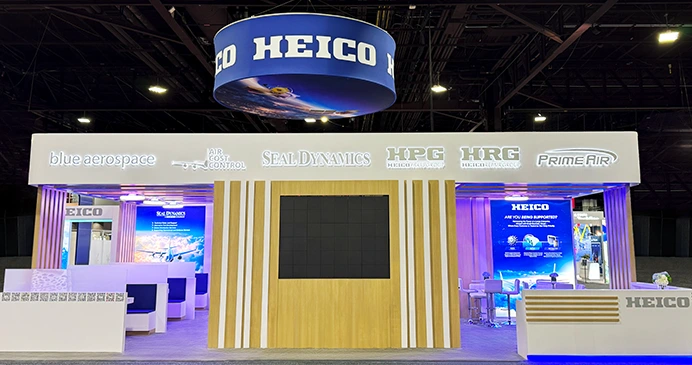
HR Exhibits Service, Inc.