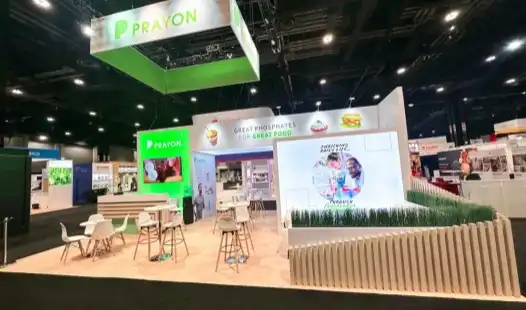
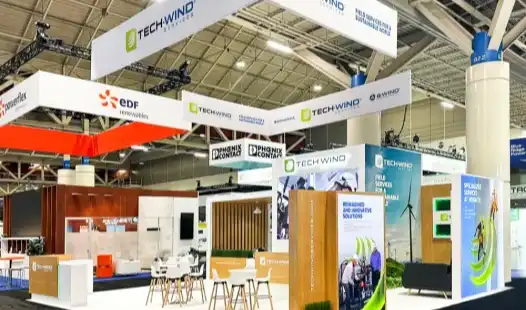
What Makes a Great Exhibition Stand Design in 2026
In 2026, a great exhibition stand design will combine cutting-edge technology with eco-friendly materials and put the needs of visitors and brand stories first. It works like spatial communication engineering, turning your brand into a three-dimensional space that generates leads and returns on investment that can be measured. Modern designs use modularity to make them flexible, smart interactive elements like AR and VR, and soundproofing for private areas. They take care of important problems like lost traffic, hard travel, and brand conflict. Whether you're showing off at SuperZoo in Las Vegas this August or at tech expos around the world, your booth needs to be both a visual draw and a useful office that turns people who walk by into business chances.
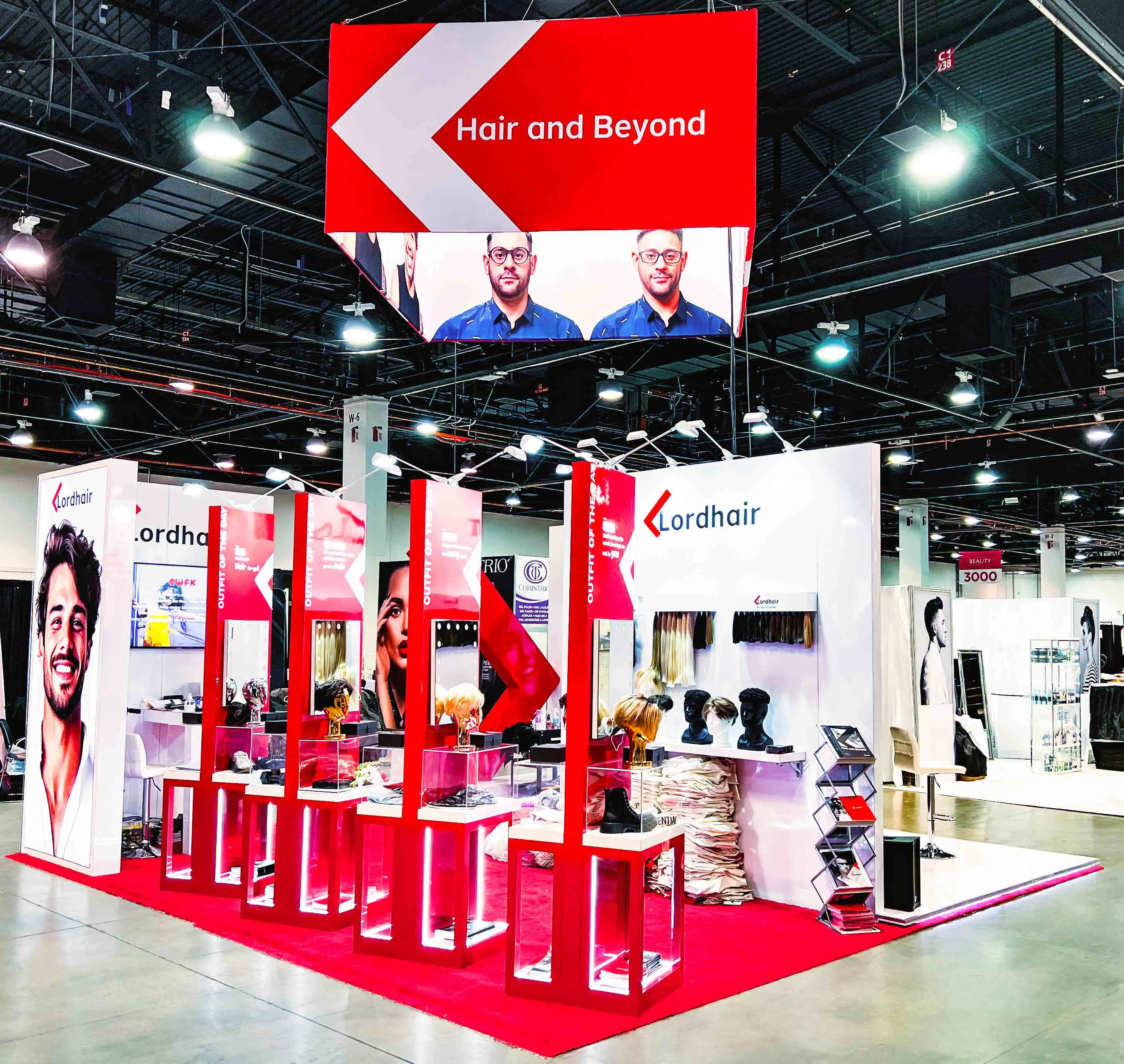
Understanding the Fundamentals of Exhibition Stand Design
The exhibition stand design of booths has changed over time from simple places to show off products to smart marketing tools. Every day at our Las Vegas center, we see this change happen. Brands in the food and drink, medical device, technology, building, and manufacturing industries trust us to make their ideas come to life.
Different Stand Types and Their Applications
Modular Systems offer unmatched flexibility for companies that go to a lot of trade shows each year. Extruded aluminum alloy frames (usually 6063-T5 grade) are used in these designs. They come with tool-less assembly methods, like cam-locks or magnetic connections, that cut down on labor costs by about 30%. A pharmaceutical business we recently worked with changed their 10x10 setup to a 20x20 size so they could use it in different places without having to buy new parts.
Custom Builds give brands experiences that can't be had with off-the-shelf products. We recently built a two-story building for a client in the green energy industry. The lower level was for public product demos, and the upper level was for talks with the C-suite. The design included strengthened raised floors that could hold more than 500 kg per square meter of static load, which was needed to show off heavy machines.
Rental Options are a good way for new businesses or companies that are trying out new areas to save money. Our rental collection has fully equipped rooms with AV systems, LED walls, and furniture—everything you need to have a professional look without having to spend a lot of money.
Which of these types you choose will rely on how often you want to show, your income, and your branding goals. Companies that show quarterly results usually break even on modular purchases in 18 months, compared to renting them over and over again.
Core Design Principles That Drive Results
Every design choice we make is based on how well it works. The arrangement of aisles, interaction zones, and sightlines are all based on how visitors move through the space. We use expected patterns of behavior to map traffic. People typically move toward open, well-lit areas and avoid squished corners.
Branding well takes more than just putting a mark somewhere. It needs constant use of color psychology, typography ordering, and materials that support your place in the market. To show accuracy, a company that makes medical devices needs finishes that are both clean and aesthetically pleasing, as well as clinical white lighting (4000–5000K temperature). To show that they are innovative, consumer electronics brands need to use bright color blocking and moving LED graphics.
Engagement design is more than just how it looks. We plan intentional interaction areas with product demo stations that have enough elbow room, comfy seating groups for long conversations, and semi-private meeting pods with soundproofing (high STC-rated acoustic foam or glass) for private talks. These areas turn people who are just watching into involved players.
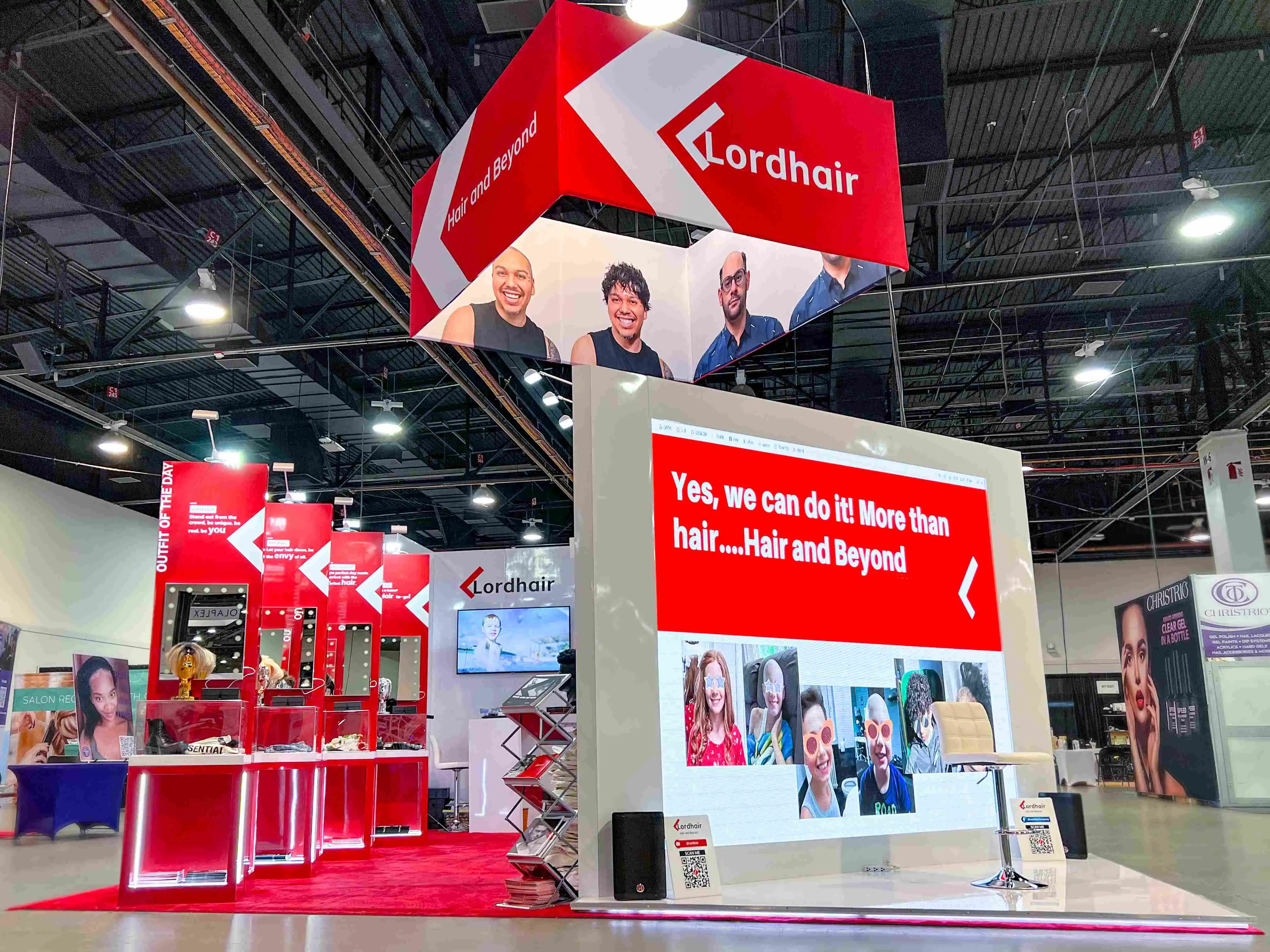
Measurable Benefits of Professional Design
Using height and lighting design strategically can help make a brand more visible. People can see hanging signs and raised marking elements from more than 50 feet away in busy hallways. We use shadow-free LED systems that get rid of the harsh electric lights that are usually found in convention halls. This makes your area a visual haven.
Improving the visitor experience has a direct effect on stay time, which is the most important measure. Our analytics from recent builds show that well-designed engagement zones make visitors stay longer, from an average of 90 seconds to over four minutes. This gives your sales team a lot more chances to qualify visitors.
The way ROI is measured is getting more complex. We now include geographical analytics, such as heat mapping sensors and stay time trackers, that give you real-world information on which booth areas do the best. This helps you plan for future events and show stakeholders that your investment in the exhibition was worth it.
Latest Trends Shaping Exhibition Stand Design in 2026
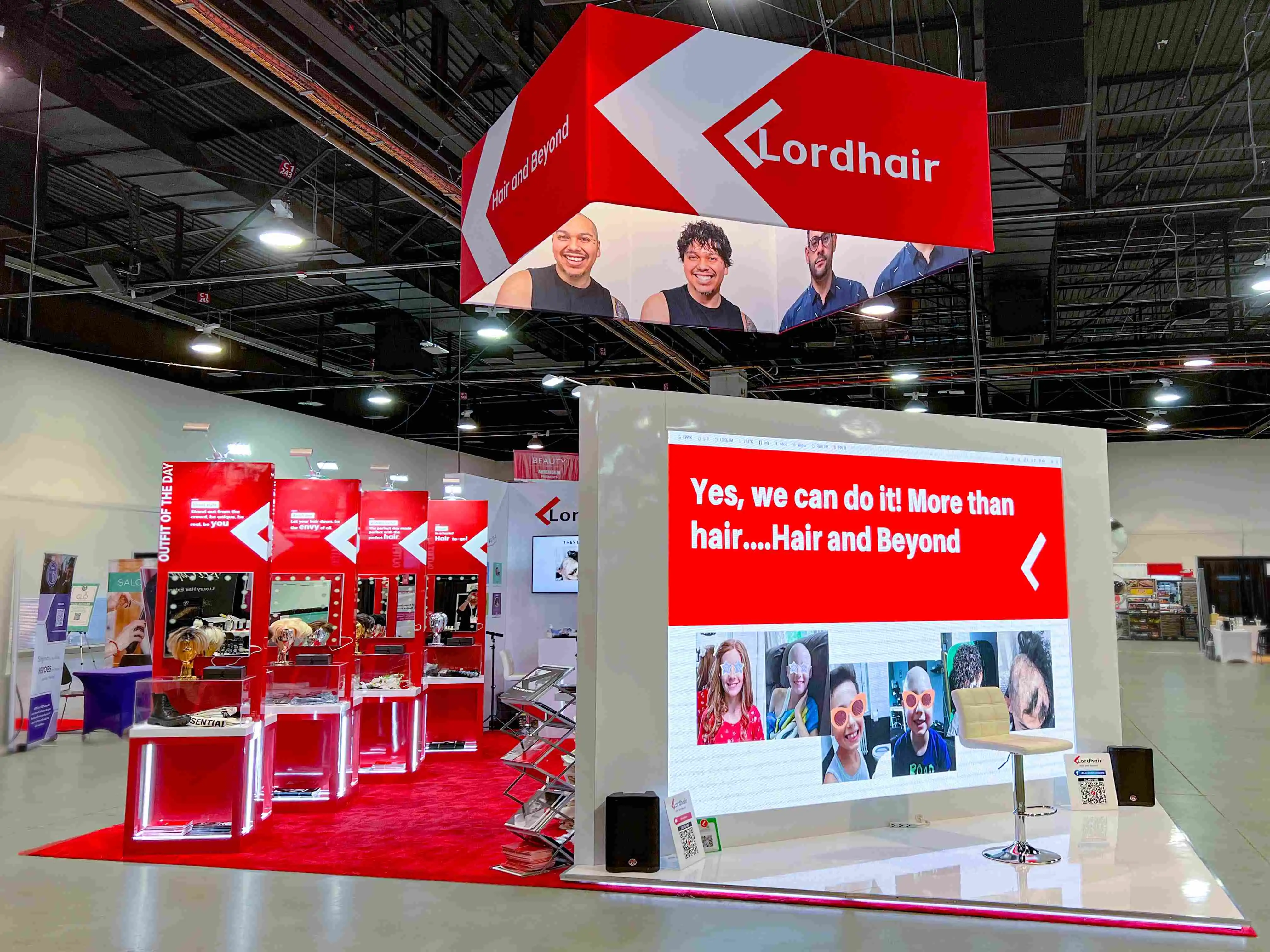
The exhibition scene has changed a lot because buyers want experiences that are more engaging, environmentally friendly, and high-tech. In competitive show settings, static displays from the past don't get people's attention for exhibition stand design in 2026.
Smart Technology Integration
Augmented reality changes how products are shown in fields where real models aren't realistic. A company that makes construction equipment that we work with uses AR screens to let guests look at 360-degree views of big machines that can't fit inside. The views come with animated utility overlays that show engine and hydraulic systems.
Virtual reality makes marketing events that people will remember. We just finished setting up VR stations for an architecture company that let people "walk through" unfinished projects and experience dimensions of space that can't be shown in drawings. These stations consistently drew large crowds of people and produced qualified leads from decision-makers who were fully involved for 8 to 12 minutes.
Touchscreens are no longer the only way to interact with digital devices. We now use floor projection mapping, gesture-controlled interfaces, and clear OLED screens that put digital content on top of real goods. A client in the food and drink industry used see-through displays to show nutritional breakdowns and source stories. The real product could still be seen behind the screen, which combined digital and analog storytelling.
Sustainability as Competitive Advantage
Premium builds now use elements that are good for the environment. We get recycled metal profiles, wood that is FSC-certified, and tension fabrics made from PET bottles that have been used before. These options work especially well for buying teams that have to meet environmental goals for their companies. A recent medical technology client specifically asked for proof that their booth produced less than 200 kg of trash for landfills. We met this goal by building the booth so that it could be completely taken apart and the materials recovered.
Reusable modular frames make exhibitions that last more than one year less harmful to the earth. When you don't have to make new assets for every show, the initial investment was well spent. For clients who are serious about ESG reporting, we keep track of their lifetime carbon footprints and give them the proof they need for sustainability reports.
Collaborative Space Design
Ounces of fortress-style booths with thick walls have been replaced by open architecture. Modern designs use see-through materials, half-walls placed strategically, and open sightlines that lower psychological barriers. Visitors feel at ease coming without making a promise, which raises the rate of initial engagement.
Hospitality zones know that a comfortable environment is important for deep business talks. We add lounge furniture, drink stations, and charging hubs for electronics—amenities that make people want to stay longer. A client in the industrial industry said that 40% of their quality leads came from their hospitality zone, which took up only 15% of their booth space.
How to Choose the Right Exhibition Stand Design for Your Business in 2026
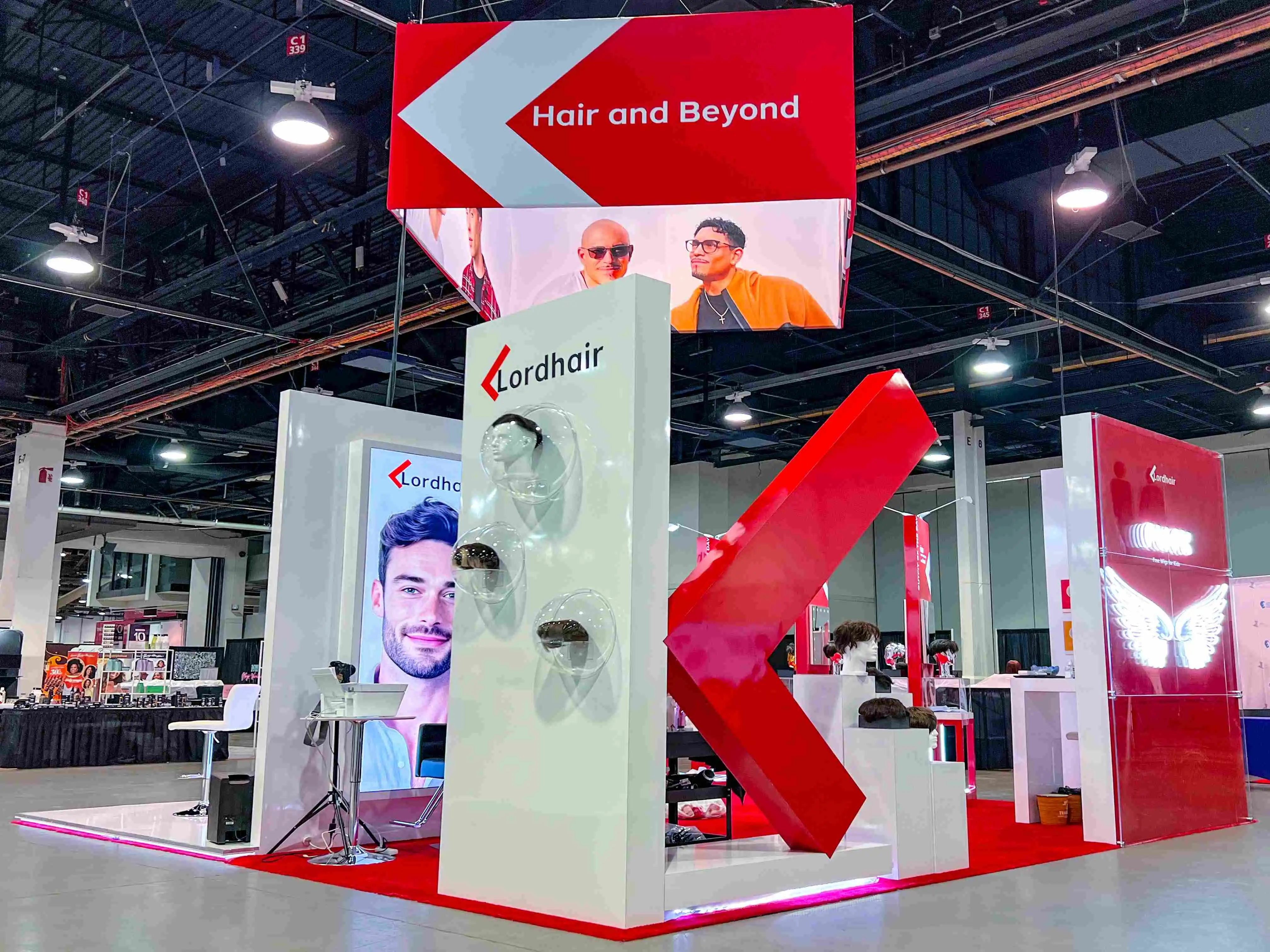
The factors for selection must strike a balance between ambition and realistic limits. We help clients pick the best exhibition stand design for their company using this approach all the time, and the best results happen when everyone agrees on what's most important before the planning process starts.
Defining Clear Business Objectives
Promoting a brand needs a different set of rules than generating leads. When a Fortune 500 company starts a rebranding campaign, they need theatrical lighting, large-format images, and building features that look good in photos for sharing on social media. They're putting money into company recognition and images.
Getting leads requires a working office. You need enough places to meet, demo spots with power and internet access, and places to store material and samples. We recently worked with a startup that put six private demo pods ahead of fancy graphics because their software is so complicated that it needs 20-minute talks. Their booth was like a temporary sales office.
Focus point design helps with product launches. We build stages, both real and imagined, with raised platforms, smart lighting, and sight lines that draw attention to your idea. Theatrical reveals with automatic parts or timed lighting routines make moments that people will remember, and trade magazines write about them.
Budget Considerations and Cost Structures
When you make a full budget, you include more than just the booth. Design and engineering fees make up 12 to 18% of the total cost of a custom build. Fabrication costs vary a lot depending on the materials used. A simple modular setup could cost between $85 and $125 per square foot, while special design builds with built-in technology can cost over $350 per square foot.
The cost of installation and disassembly work (I&D) depends on the complexity of the booth and the union that represents it. Labor costs in Las Vegas are not the same as in Orlando or Chicago. Installing a 20x20 custom booth usually takes 16 to 24 hours of work, and union sites require certain crew makeup that change prices.
Freight, drayage (moving goods from loading docks to your booth space), and storage between events are all parts of transportation and operations. We keep warehouses in Las Vegas so that clients who show at local places more than once don't have to pay for shipping. This is a big benefit for companies that go to SuperZoo, CES, SHOT Show, or Conexpo every year.
Stand Type Comparison
When it comes to multi-show exhibitors who value change freedom, modular systems are the best choice. The metal frames are cheap to ship and easy to put together. We suggest this method for businesses that go to three or more shows a year with booths of different sizes. When compared to unique builds for each event, the breakeven point usually comes in 18 months.
Custom solutions help brands stand out when the cost of doing so is worth it. When tech companies release new goods that change the way people live, they need unique spaces that become talking points. At specialized meetings, medical device companies can get conference rooms that are custom made to meet their specific privacy and lighting needs. This isn't possible with modular components.
It makes sense to rent kits for companies that only want to show up once in a while or to try out new markets. Our rental collection has modern styles with built-in technology, so you don't have to worry about quality. A Canadian company that was going into U.S. markets hired from us for their first three shows in Las Vegas to see how the market responded before committing to a custom build.
Partnering with Experienced Design-Build Firms
Turnkey service providers take away the hassle of coordinating. Design, getting permits, making the parts, sending them, putting them together, helping at the show, taking them apart, and storing them are all things that we handle. You only have to deal with one person instead of designers, fabricators, transportation companies, and I&D workers. This combination stops the misunderstandings that lead to shocks on-site.
Expertise in a certain industry is very important. Our team knows that pharmaceutical booths need secure storage for expensive samples, food and drink displays need surfaces that meet health department standards, and technology shows need strong power distribution with backup systems. We've gotten through the complicated permitting process at every big U.S. site and keep in touch with general builders who can speed up approvals.
Key Exhibition Stand Design Tips and Best Practices for 2026
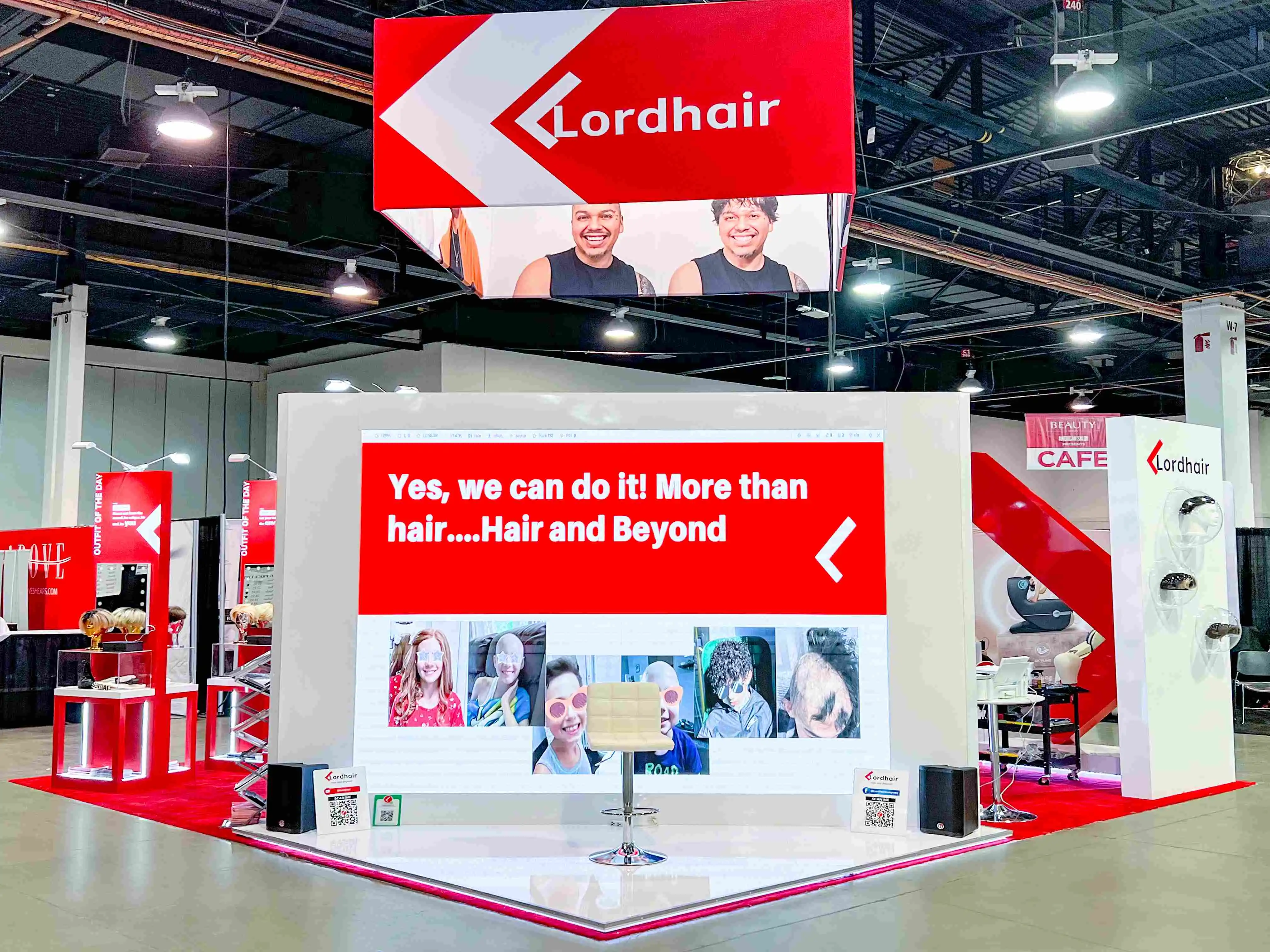
Booths that stand out from those that don't are distinguished by their tactical performance and best practices for exhibition stand design in 2026. These suggestions come from hundreds of builds in a wide range of businesses and venues.
Optimizing Visitor Flow and Engagement Zones
Traffic patterns follow rules that can be predicted. People tend to walk counterclockwise around most show buildings and prefer the aisles on the right. Because they have two exposures, corner tables naturally get more attention. We put minor elements like literature racks and charging stations farther away from these high-traffic areas while directing high-value interaction zones like product demos and meeting rooms toward these high-traffic areas.
The right size for an engagement zone keeps people from being too crowded, which makes a bad impression. Based on how many people are expected at the same time, we figure that a demo station needs about 35 to 40 square feet to easily fit the presenter, the product, and two or three onlookers. Meeting rooms need 25 square feet of space for each person sitting down and moving around. People avoid booths that are too busy; they avoid areas that feel crowded.
Strategic Technology Deployment
Digital signs should add to human contact, not take it away. We put screens in places that draw people in from the aisles, but we also make sure that people have to talk to staff in order to fully understand what's being shown. A building technology client has a dramatic 4K video wall that shows their equipment in action. However, only the booth staff can access the control interface, which forces people to talk.
The choice of material affects both how it looks and how it works. Aluminum composite panels and tension fabrics are two examples of lightweight materials that make shipping cheaper and installation easier. Heavy materials like glass, hardwoods, and metals show that you are a premium brand, but they also make shipping and work more expensive. We help our clients pick materials that fit with their brand's positioning and don't break the bank.
Avoiding Common Design Mistakes
The most common mistake is still bad lighting. The bright overhead electric lights in convention centers are known for making people look bad. They cast shadows and wash out colors. We build custom lighting systems with dimmable LED fixtures that make spaces feel warm and welcoming, show off goods well, and take great pictures for social media.
Layouts that are too busy confuse guests and make messages less clear. The "three-second rule" says that someone walking by should understand your main point of worth in three seconds. This calls for control in the order of messages and in the graphics used. At first, a manufacturing client wanted eight product types to be displayed evenly. We narrowed it down to three hero goods and made supporting materials available upon request, which made the message much clearer.
When booth design doesn't match up with internet presence and other materials, it's called inconsistent branding. Before we start designing, we do brand checks to make sure that the tone, color values, font, imagery style, and value of your website, brochures, and ads all match. Customers subconsciously trust brands that have a consistent look and feel across all interactions; they know and remember those brands.
How HR Exhibits Service, Inc. Supports Your Exhibition Stand Design Needs with Turnkey Solutions
At HR Exhibits Service, Inc., we've built our name on making it easy for foreign and out-of-state exhibitors to take part in U.S. trade shows and help you with your exhibition stand design needs. The Las Vegas Convention Center will host SuperZoo (August 12–14, 2026) and other big events like CES, SHOT Show, and Conexpo-Con/Agg. Our Las Vegas location serves as a key hub for companies going to these events.
We offer a full range of services that cover all stages of an exhibition's lifecycle. The first step in a design meeting is to learn about your business's goals, target audience, and competitors. Our team has experts from the manufacturing, medical equipment, technology, building, and consumer goods industries who can help you with your project. We make thorough 3D models and video tours so you can see what the finished product will look like before it is built.
Our climate-controlled workshop in Las Vegas is where the fabrication takes place, using high-quality products and tried-and-true building methods. Because of this local production benefit, your booth is already at Las Vegas events, so you don't have to pay for and risk shipping it across the country. During production, we keep an eye on quality by checking the fit and finish of every part before it ships or goes to the show floor.
Project management is part of installation and show-site help during the whole event. Our team coordinates I&D with union workers, handles utility links (like electricity, data, and compressed air for some industrial displays), tests functionality before the show, and is ready during the show days for any changes that need to be made. Managers of corporate marketing like it when experienced professionals handle the details so they can focus on getting people interested.
We helped a tech company at an event in Las Vegas that had never been to the U.S. before. We designed their booth, had it built, got the necessary permits, set it up, and trained their sales team on-site. This gave them a complete answer that let them focus on talking to customers. Over the course of three days at the show, they got 187 approved leads and signed their first big U.S. distribution deal right there at the booth.
Multi-event sellers can benefit from services like storage and asset management. We don't ship your booth across the country between shows; instead, we store the parts in our safe building, keep them in good shape between events, and re-arrange them as needed for different shows or booth sizes. By using this method, you can lower your total cost of ownership while still keeping your assets in great shape.
Our clients enjoy a great experience with us because our prices are clear and we communicate quickly. You get detailed prices that include all costs, so there are no shocks when the bills come in. Our team answers questions within hours, not days, because we know that planning a show often has to be done quickly and with a lot of people wanting to know what's going on. People in charge of marketing, purchasing, and management all like working with suppliers who value their time and make their jobs easier.
Conclusion
In 2026, a great exhibition stand design must strike a balance between new ideas and practicality, style and usability, and influence and cost-effectiveness. The best booths tell three-dimensional stories about brands, which leads to important talks and measurable business results. Whether you're a Fortune 500 company starting at CES or a growing maker going to a regional industry show, your booth is a big investment that needs careful planning and professional execution. Smart vendors know that skimping on design and production costs a lot more in missed chances than it saves in initial costs. Work with seasoned experts who know your business, care about your goals, and give you dependable outcomes that let you concentrate on what really matters: attracting prospects and closing deals.
FAQ
What differentiates modular from custom exhibition stands?
Aluminum frames, standard panels, and reuse images are some of the pre-engineered parts that can be put together in different ways to make modular stands. They are cheaper, can be used again and again, and can be turned around faster. Custom tables are made from materials that are specially shaped to fit your brand and the size of your booth. While they offer endless design options and a unique look, they come with higher costs and longer wait times. Companies that show three or more times a year usually find that flexible systems offer better lasting value. On the other hand, companies that attend major events every year may be able to justify unique investments to stand out.
How do design elements attract the right audience to my booth?
Understanding your ideal visitor description is the first step in strategic planning for your exhibition stand design. As people look through the crowded lanes, vertical signs with clear value statements that can be seen from 40 feet or more draw in the right customers. The way something looks in a certain industry is important. For example, medical workers are drawn to clean lines and clinical lighting, while people who buy consumer electronics are drawn to bright colors and moving digital content. Engagement zones that are tailored to your sales process, whether it's short demos or in-depth talks, make sure that the people who enter meet your approval standards. Designs that work well act as filters, bringing in the right people and clearly telling others that your solutions don't meet their needs.
What cost factors should I budget for exhibition stand projects?
Full budgets include design fees (12–18% of all custom projects), fabrication costs ($85–$350+ per square foot depending on complexity), graphics production (large-format printing, SEG fabric systems), technology integration (monitors, lighting, AV systems), transportation (crates, freight, drayage), installation and dismantle labor (varies by venue and union jurisdiction), utilities (electricity, internet, compressed air), and storage between events. Show service fees (furniture rental, cleaning, lead recovery systems) and staff costs (travel, lodging, meals) are two costs that are often forgotten. When you work with turnkey providers, planning is easier because many of these things are bundled together into regular package prices.
Partner with Exhibition Stand Design Experts for Your Next Trade Show
HR Exhibits Service, Inc. helps exhibits in the industrial, medical technology, building, food and beverage, and consumer goods industries by being creative, precise, and based in Las Vegas. Our team takes care of everything, from the initial idea to the final takedown. We offer full solutions that make showing in foreign markets easier in terms of logistics for exhibition stand design and manufacturing. We're your strategic partner for booth design and manufacturing that gets results, whether you're getting ready for SuperZoo in August or planning your multi-event show calendar.
You can talk to our design experts about your unique needs by emailing info@hrexhibits.com or visiting hrexhibits.com. We offer free meetings where we'll talk about your goals, the limitations of the place, and your budget in order to suggest the best way to reach those goals. As a reliable exhibition stand design company with a lot of experience with trade shows, we want your brand to stand out and be remembered.
References
1. Anderson, M. (2025). Trade Show Marketing: Strategies for Exhibition Success in the Digital Age. Business Marketing Press.
2. Chen, L. & Rodriguez, P. (2025). Sustainable Design Practices in Exhibition Architecture. Green Building Council Publications.
3. Exhibition Industry Research Foundation. (2025). 2025 Exhibition Trends Report: Technology Integration and Visitor Engagement Metrics. EIRF Annual Studies.
4. Morrison, K. (2024). Spatial Design Psychology: How Physical Environments Influence B2B Buying Behavior. Marketing Science Quarterly, 38(4), 412-429.
5. Turner, J. (2025). The Complete Guide to Modular Exhibition Systems: Design, Engineering, and Cost Analysis. Trade Show Publishing Group.
6. Williams, S. & Thompson, R. (2026). Exhibition ROI Measurement: Analytics and Attribution Models for Trade Show Investment. B2B Marketing Institute.
Embark on Your Journey to Exceptional Exhibitions! Contact HR Exhibits Today to Transform Your Vision into Global Success.
HR Exhibits Service, Inc.