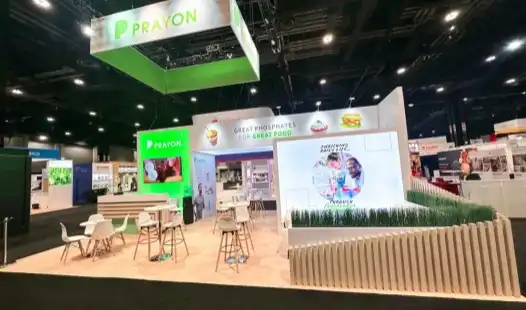
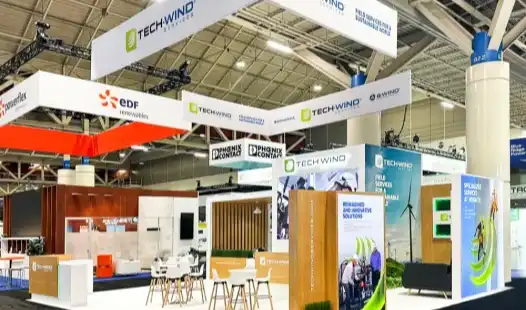
What Is the Best Show Booth Design for GSX Product Demos
When it comes to showcasing complex GSX products at major U.S. trade shows, the best show booth design combines strategic spatial engineering with advanced technical integration. A superior booth architecture maximizes product visibility through calculated lighting systems (CRI > 90), ensures seamless attendee flow using ergonomic layout principles, and incorporates modular aluminum frameworks that support both visual branding and functional demonstration zones. Effective designs solve critical pain points—poor traffic management, limited engagement space, and inadequate power distribution—transforming your exhibition footprint into a high-conversion environment that resonates with purchasing managers and technical decision-makers alike.
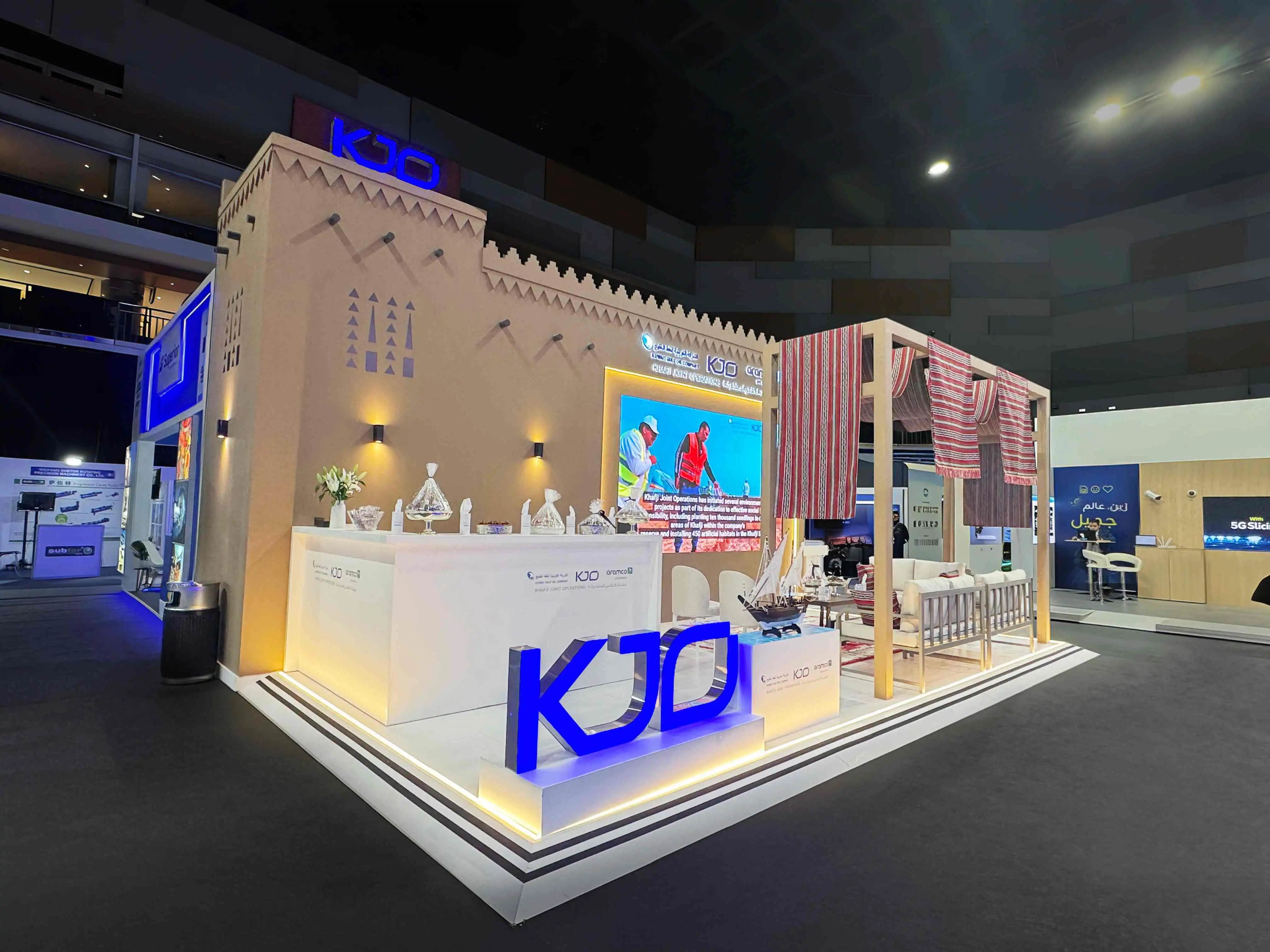
Understanding the Core Principles of Effective Show Booth Design for GSX Demos
In order to show off GSX products, display areas need to be designed to handle a lot of technical information and encourage interaction. In contrast to inactive displays, these booths need to be live show theaters where potential customers can see how the product works in real time. In order for the architectural approach to work, there must be dedicated electrical circuits for high-voltage machinery, reinforced flooring systems that can support equipment loads exceeding 500 kg per point, and acoustic zoning to keep communication clear during trade show noise.
Why GSX Demos Require Specialized Spatial Planning
For GSX technology product demonstrations, engineers need to be able to do thorough walkthroughs in their own operating zones. The layout of the space needs to include three separate functional areas: active show stations with clear views, semi-private conference pods for technical talks, and product literature zones placed strategically at traffic exits. We've observed that booths that don't separate these functions get backed up, and people leave the lines when they have to wait longer than four minutes.
Building Trust Through Professional Presentation Standards
When purchasing managers look at GSX options, one way they judge the trustworthiness of a supplier is by how often they show up at exhibitions. A professionally designed booth shows that the company is professional before any sales talk even starts. Choices of materials are very important. For example, high-pressure laminate finishes show that something will last, while powder-coated aluminum extrusions show that high standards of precision production were met. At big shows like The Battery Show and Electric & Hybrid Vehicle Technology Expo, which will be held in Detroit, MI from October 12–15, 2026, expert viewers can tell right away when a product is well constructed, which affects their choices of which vendors to shortlist.

Top Show Booth Design Trends and Ideas for GSX Product Demos in 2026
Because people care about the environment and it's easier to use modular building systems and eco-friendly materials, the exhibition business has changed a lot. Corporate marketing managers now put a lot of weight on designs that keep the brand consistent across multiple shows while still letting the setup be flexible. This change is especially good for businesses that are presenting at events in October, such as SEMICON West (October 13–15, 2026, San Francisco) and FABTECH (October 21–23, 2026, Las Vegas).
Modular Systems Delivering Configuration Flexibility
Exhibitors can change the size of their booths from 10x10 starter booths to large 20x40 island configurations with modular booth architectures built on Octanorm or similar aluminum profile systems. Show booth design highlights how these systems enable rapid reconfiguration, allowing a single investment to serve multiple event formats. The economics of investing are strong—a good modular system loses value over 8–12 shows, while custom carpentry often becomes outdated after a brand refresh. Companies that go to both Money 20/20 (October 18–21, 2026, Las Vegas) and SupplySide Global (October 26–30, 2026, Las Vegas) in the same month especially benefit from our workshop's ability to quickly change its layout.
Advanced Lighting Creating Immersive Demo Environments
Lighting tech has grown beyond just providing light to become a tool for telling stories. Layered lighting designs now include accent lights with a color temperature of 3000K for areas of hospitality, neutral lighting with a color temperature of 5000K for product displays, and customizable LED systems that create changing visual sequences during demos. We use lighting physics calculations to make sure that the main areas of a demonstration get between 800 and 1000 lux levels. This makes it much easier to see product features and take better photos for social media coverage.
Interactive Technology Integration Boosting Engagement
Integration of AR and VR has gone from being something new to something that expert viewers expect. Touch-screen kiosks with 3D product configurators, live comparisons of specifications, and virtual tours of facilities make involvement last a lot longer. Recent installations show that people spend an average of 6.3 minutes at booths with interactive elements and only 2.1 minutes at static displays. This is an edge for conversion that has a direct effect on the quality of leads.

Step-by-Step Guide to Designing the Best Show Booth for GSX Product Demos
To make a good environment for demonstrations, you need to do a lot of research starting months before the shows. This organized method stops expensive compromises at the last minute and makes sure that all technical needs are met with the right level of engineering care.
Analyzing Spatial Constraints and Traffic Flow Patterns
Get detailed floor plans from the show organizers and make notes on where the columns are, how wide the aisles are, and how the booths next to you are set up. Use the number of attendees to figure out the expected traffic density. For example, a 50,000-attendee show like FABTECH gets about 83 attendees per hour per 100 square feet of exhibition area. Place demonstration stations so that they are not parallel to the main aisles. This will make natural stopping points while still meeting ADA standards for 42-inch clearances.
Selecting Materials for Durability and Logistics Efficiency
The choice of material strikes a mix between how it looks and how it works, taking into account things like shipping weight and setup time. We usually use 6063-T5 aluminum alloy framing for structural elements because it has a great strength-to-weight ratio. Graphics use dye-sublimated tension fabrics (260 gsm), which make displays that don't wrinkle and are easy to ship. High-pressure laminate finishes are put on countertops and display tables to make them last through multiple-day shows while still looking good.
Leveraging Design Software for Layout Optimization
Professional tools like SketchUp Pro or platforms designed specifically for display design make it possible to see 3D models before they are built. Show booth design integrates these digital workflows to turn raw concepts into testable visual environments. These mockups show problems with sightlines and ergonomics, and they let stakeholders give feedback without having to do expensive real testing. We give our clients virtual tours of their booths from the point of view of a visitor. This way, we can make sure that the brand message hierarchy and demonstration flow meet their strategic goals before they give the go-ahead for production.
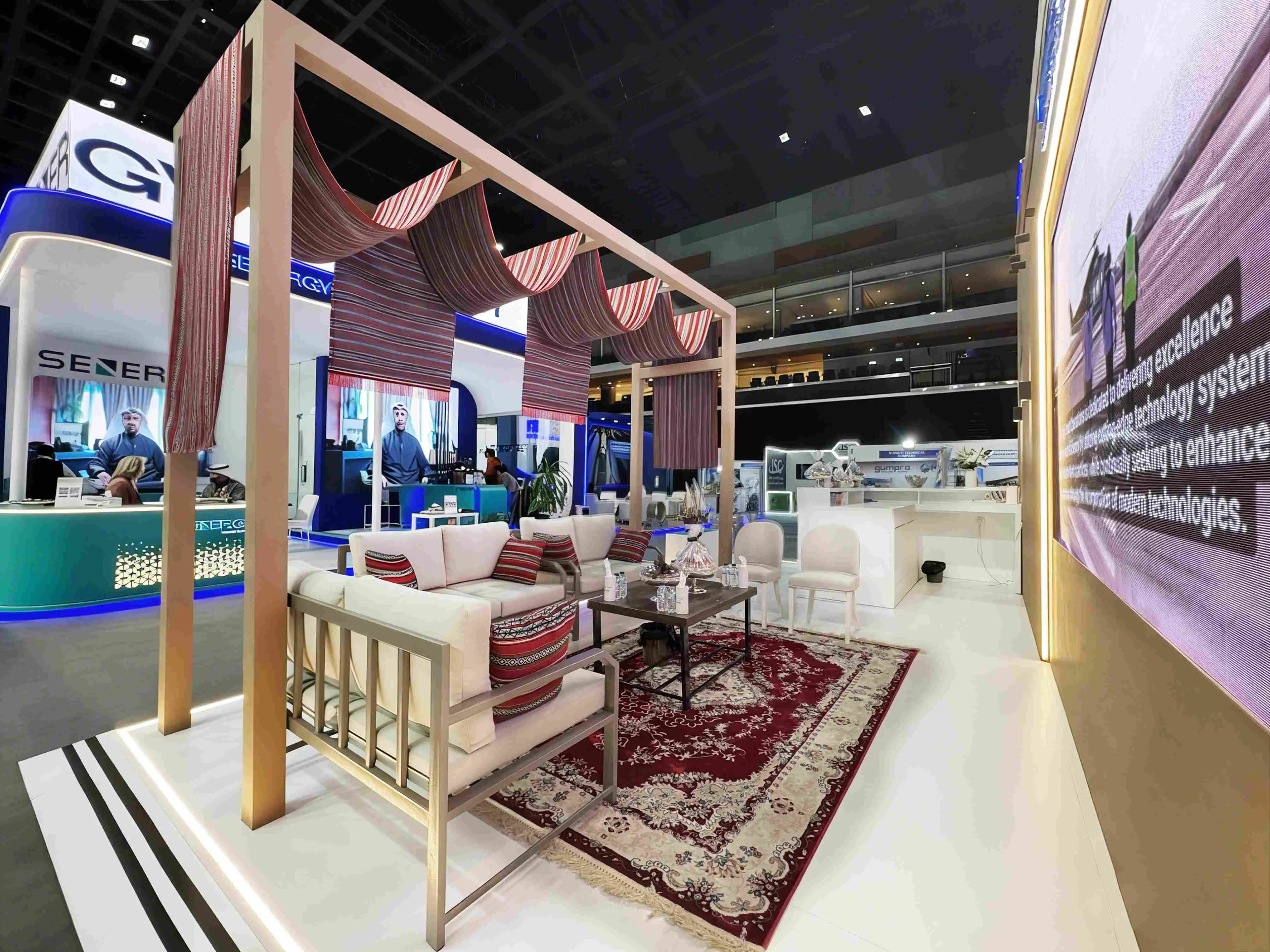
Comparing Show Booth Design Solutions for GSX Demos: Custom, Modular, and Portable Options
The best ways to build a booth depend on your budget and how often you attend exhibitions. Learning about how each type of solution works and how much it costs can help procurement teams make choices based on facts that are in line with marketing goals.
Custom-built ways to set your brand apart
Fully customized booths give you complete freedom in designing them, letting you use architectural elements that become memorable brand signatures. Customized joinery, unique structure shapes, and technology installs that can't be done with standard systems are all part of these solutions. The cost ranges from $150 to $400 per square foot, and the lead time is 8 to 12 weeks. When big companies exhibit at The Battery Show, they can get custom designs that stand out in a crowded market. However, these designs need special storage space and skilled workers to set up.
Modular designs that balance impact with flexibility
70–80% of the look of custom systems can be achieved with modular systems, which cost about half as much and take 60% less time to put together. Aluminum profile frames can hold different kinds of graphic panels, lighting arrays, and shelving arrangements, so you can change your brand without having to start from scratch. Mid-sized businesses that go to more than one October show find modular options to be the best. For example, we can change the layout of a SEMICON West booth to fit a later FABTECH show, making the best use of our assets. It is most cost-effective at the 4-5 show utilization point.
Portable Options for Exhibitors Who Go to Lots of Shows
Lightweight portable booths are designed to be easy to move and put together without any tools, making them perfect for businesses that attend 10 or more shows a year. Pop-up cloth displays and collapsible tables can be put away in wheeled cases that can be moved by two-person teams. This saves money on installation labor costs. Design complexity limits exist—weight limits stop complicated overhead structures—but startup founders like the $8,000 to $15,000 total investment that lets them be at exhibitions all year.
Our warehouse in Las Vegas keeps a stock of modular parts that Money 20/20 and SupplySide Global vendors can use to build professional booths without having to pay for shipping costs across the country. Companies that go to more than one Nevada event can save a lot of money on their total show costs thanks to this local help.
Partnering with the Right Show Booth Design Supplier for GSX Product Demos
Picking the right supplier has a huge effect on how the project turns out, touching everything from new design ideas to how problems are handled on-site. Procurement professionals should look at potential partners based on certain criteria that match the needs of the GSX demonstration.
Assessing Technical Demo Expertise and B2B Experience
Not all people who build booths know how to meet the tech needs of live product demos. Show booth design must therefore include technical validation early in the planning phase, not just aesthetic rendering. Suppliers who are qualified should be able to show that they know how to do electricity load estimates, HVAC integration for heat-generating equipment, and structural engineering for platforms that are higher than the ground. Ask for examples of similar technical setups in your portfolio. This is especially important for companies that are displaying at SEMICON West, where showing off semiconductor equipment needs special controls for the environment and vibration dampening.
Evaluating End-to-End Service Capabilities
Comprehensive service packages get rid of the problems that come with managing multiple vendors, like coordinating their work. Look for providers who can help with design, engineering paperwork, fabrication, shipping planning, installation on-site, and storage after the show. At SupplySide Global, we help our clients with every step of the show process, from the first sketches of an idea to the final takedown. We do this by making sure that quality standards are always met and that everyone is responsible.
Verifying Pricing Transparency and Certification Standards
Ask for quotes that break down the costs of design, fabrication, graphics production, and installation labor into separate items. Reliable providers keep their prices clear, so there are no surprises when the job is being done. Check the fire safety certifications—all the products should meet the NFPA 701 standards that U.S. sites require. As part of our manufacturing process, we create paperwork packages that meet the needs of show organizer marshal checks. This keeps last-minute compliance issues to a minimum.
Our class in Las Vegas at HR Exhibits Service, Inc. gives companies that are displaying at Nevada shows clear benefits. As a way to save money and make quick changes on-site, we've used local operations to help clients at FABTECH, Money 20/20, and SupplySide Global. Our team knows what the technical needs of GSX demonstrations are because they have set up areas for showing off battery technology, semiconductors, and complex manufacturing equipment from a wide range of industries.
Conclusion
For GSX product demos to work well, the exhibition design needs to be carefully planned so that technical functions and brand storytelling are balanced. Show booth design plays a decisive role in this balance, as it determines how equipment, staff, and graphics interact within limited floor space. Whether you choose modular systems that can be used at multiple shows or hire unique installations that make a big impression, the design choices you make have a direct effect on how technical audiences see your brand and how many leads you get.
As October 2026 comes and big shows like The Battery Show, SEMICON West, Money 20/20, FABTECH, and SupplySide Global get closer, procurement teams should give top priority to providers who can provide a wide range of services, have proven technical knowledge, and offer local support. With the right partner, going to an exhibition can go from being a logistical nightmare to a competitive benefit. They can help you set up show areas that turn people walking around the floor into qualified business leads.
FAQ
What materials balance durability with professional aesthetics for frequent trade show use?
The best balance of longevity and good looks can be found in high-pressure laminate surfaces and powder-coated aluminum frames. These materials can be put together over and over again and still look good after 10 to 15 shows. When it's time to update your brand, tension cloth graphics are 40% cheaper than traditional graphic substrates and don't wrinkle. They also hold up better during shipping than rigid panels.
How do advanced lighting techniques specifically boost demonstration effectiveness?
The right lighting design creates a focal hierarchy that directs people's attention to the most important parts of the product. We use three-layer lighting systems: background lighting at 300–400 lux for easy travel, accent lighting at 800–1000 lux to draw attention to display areas, and programmable LED elements that add visual interest during talks. Compared to regular ceiling lighting, this method has been shown to increase the amount of time attendees are engaged by 45 to 60%.
What are typical timelines for custom booth creation and installation?
Custom booth projects take 10 to 14 weeks from the time the design is approved until the final placement. This time includes making the booth, printing the graphics, and coordinating details. Timelines can be cut down to 6–8 weeks with modular solutions. Companies planning October shows like The Battery Show should start talking about designs by the end of June. This will make sure they have enough time to make the products without having to pay extra for rush jobs, which usually add 20 to 30 percent to the cost of the project.
Transform Your Next Exhibition with Expert Show Booth Design Services
At the biggest trade shows in the United States, HR Exhibits Service, Inc. designs and builds booths that are perfect for showing off technical products. Our workshop and expert staff in Las Vegas help vendors at Nevada shows like FABTECH, Money 20/20, and SupplySide Global. We also serve clients across the country at events like The Battery Show and SEMICON West. We are a dedicated show booth design company that helps you with idea development, engineering documentation, fabrication, and on-site installation. We make sure that your display space meets both brand standards and useful needs. Get in touch with our team at info@hrexhibits.com to talk about your future exhibition needs and find out how our turnkey solutions make going to trade shows easier.
References
1. Freeman, J. (2023). Exhibition Design: Principles and Practice for Trade Show Success. New York: Trade Publishing Group.
2. Anderson, M., & Chen, L. (2024). "Modular Construction Systems in Temporary Architecture: A Comparative Analysis." Journal of Spatial Design, 18(2), 112-134.
3. National Fire Protection Association. (2023). NFPA 701: Standard Methods of Fire Tests for Flame Propagation of Textiles and Films. Quincy: NFPA Publications.
4. Roberts, K. (2024). "Lighting Engineering for Product Demonstration Environments." Exhibition Technology Quarterly, 31(1), 45-62.
5. Trade Show Exhibitors Association. (2023). Booth Design ROI: Metrics and Measurement Strategies. Chicago: TSEA Research Division.
6. Williams, D. (2024). "Material Selection Criteria for Durable Exhibition Architecture." Commercial Interior Design Review, 29(3), 78-91.

Embark on Your Journey to Exceptional Exhibitions! Contact HR Exhibits Today to Transform Your Vision into Global Success.
HR Exhibits Service, Inc.