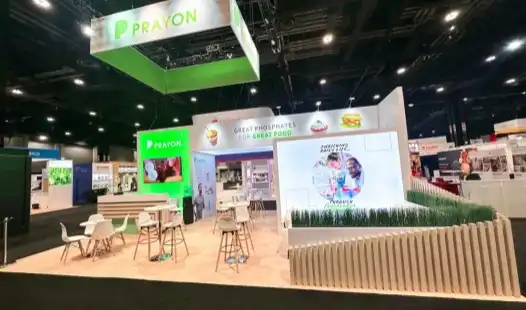
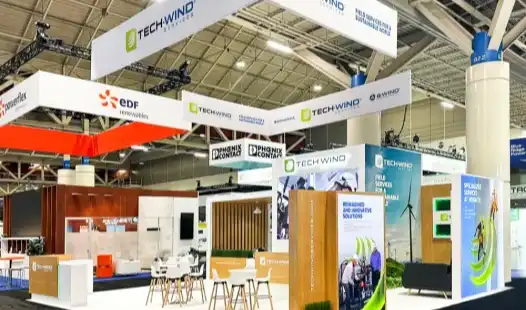
Trade Show Booth Manufacturer vs. Design Agency: Key Differences
When planning your next trade show appearance, understanding the distinction between booth manufacturers and design agencies becomes crucial for maximizing your exhibition investment. Trade show design services encompass both creative conceptualization and physical fabrication, but these two industry players offer fundamentally different approaches to bringing your vision to life. Manufacturers focus primarily on the technical execution and build quality of your exhibit, while design agencies prioritize creative strategy and brand storytelling. Recognizing these differences helps procurement professionals make informed decisions that align with their specific goals, budgets, and timeline requirements.
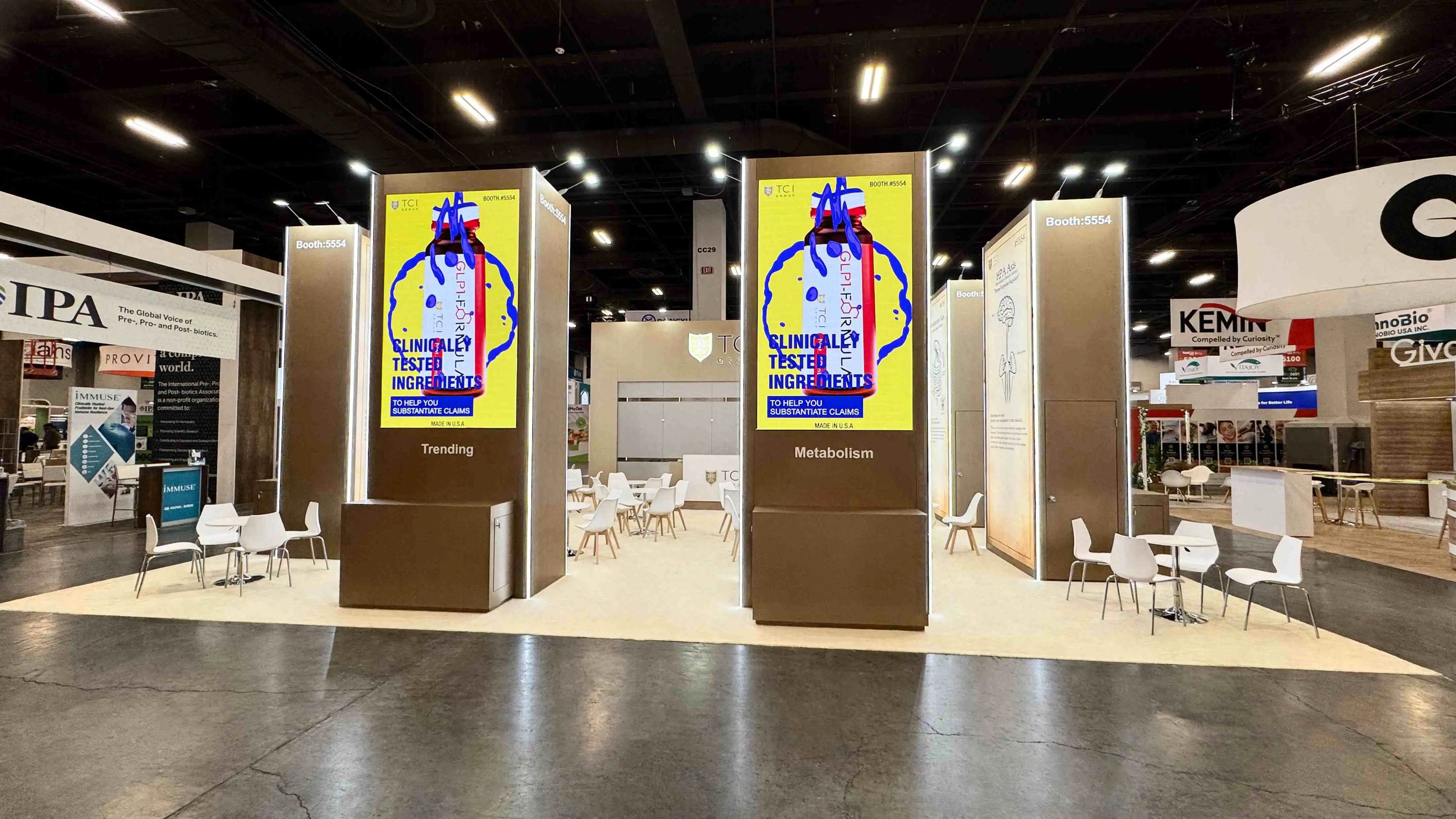
Understanding the Roles – What Do Booth Manufacturers and Design Agencies Offer?
Manufacturing companies that specialize in trade show booths are experts in the physical construction process. They handle everything from the procurement of materials to the final assembly of display structures. Their primary area of competence is technical accuracy, which involves ensuring that every component satisfies the criteria for structural integrity while also conforming to the legislation and safety needs of the venue. Fabrication facilities are often maintained by these firms. These facilities are typically equipped with specialized equipment for cutting, welding, and finishing materials such as aluminum extrusions, steel frames, and laminated panels.
Manufacturing Capabilities and Technical Expertise
Each and every project is a product of the deep understanding of materials science and technical concepts that booth makers bring to the table. They are aware of the load-bearing requirements for multi-level constructions, the electrical distribution systems for integrated technologies, and the logistics involved in transporting modular components across international boundaries. Companies such as HR Exhibits Service, Inc. have full-scale manufacturing facilities in Las Vegas. These facilities enable these companies to retain quality control throughout the production process while also offering local assistance for large trade exhibits in the area.
Additionally, manufacturing partners are capable of specializing in modular booth systems that provide long-term value by virtue of their reconfiguration possibilities. These systems make use of standardized connection points and components that can be interchanged, which enables exhibitors to modify their presence to accommodate a variety of show forms while also safeguarding their original investment.
Design Agency Creative Services
Trade show projects are approached from a totally different perspective by design companies, who place an emphasis on brand strategy, visual communication, and the optimization of the attendance experience. In most cases, their teams include of graphic designers, spatial planners, and marketing strategists that work together to transform the language of the brand into appealing physical spaces. The specialists in this field are very skilled at developing ideas that are able to attract attention in congested exhibition halls while simultaneously promoting meaningful interactions between exhibitors and potential customers.
Visualization technology, like as 3D rendering software and virtual reality platforms, is a significant investment for design organizations. These technologies enable customers to experience their booth idea before construction ever starts. This iterative design method allows for real-time input and revision, which guarantees that the final product is in perfect alignment with the marketing goals and brand requirements.
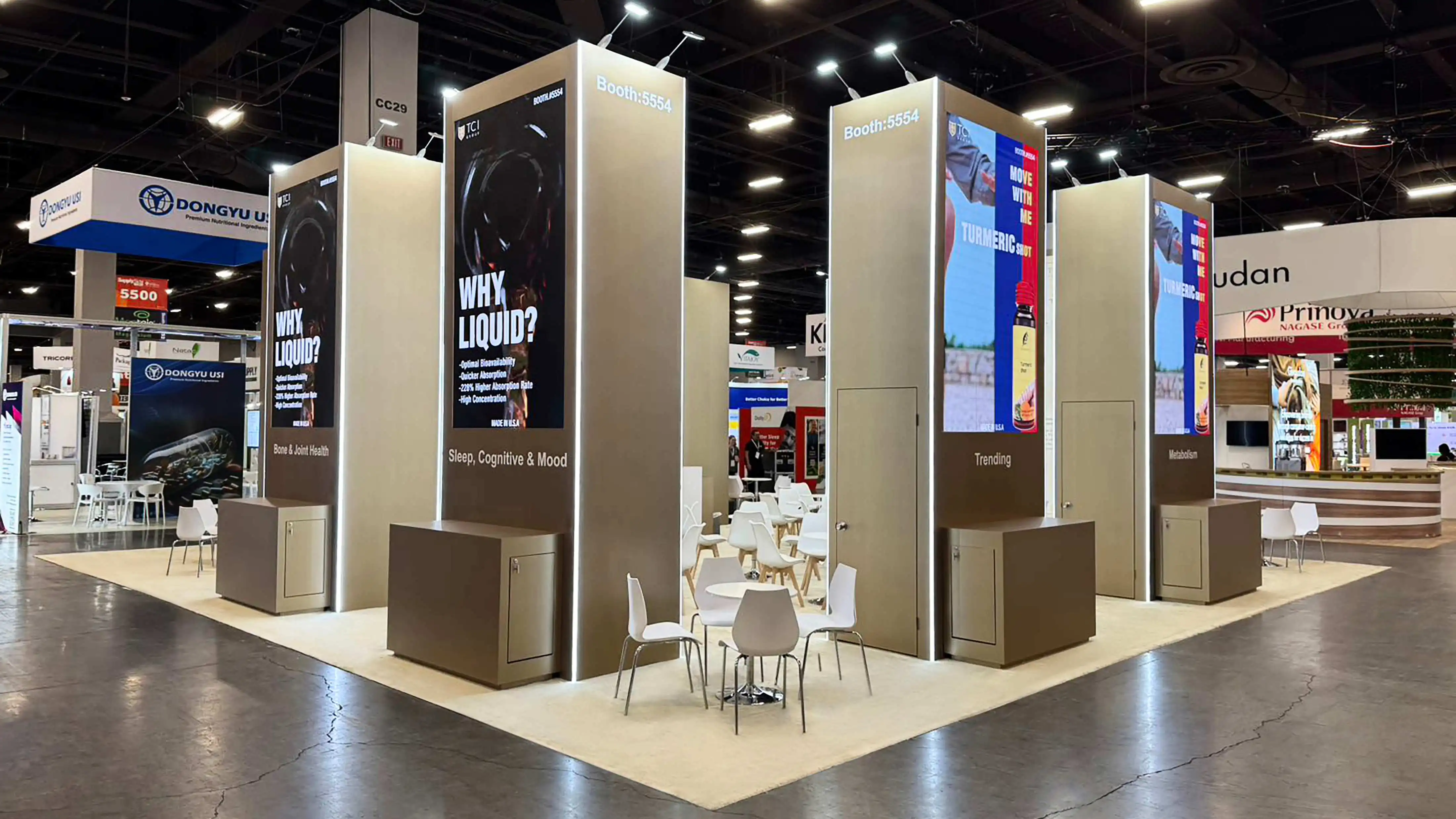
Key Differences in Workflow and Service Delivery
There are substantial differences in the operational techniques used by design agencies and manufacturers, which have an effect on the timetables expected for projects, the communication protocols, and the deliverables that are expected. When procurement teams have a better understanding of these process variances, they are better able to create acceptable expectations and successfully manage their relationships with vendors. This understanding is particularly important when working with trade show design services, as it helps ensure that both creative and technical aspects are aligned throughout the project.
Design Agency Project Flow
Discovery sessions are often the first step in the design agency process. These meetings are used to investigate brand positioning, characteristics of the target demographic, and particular show goals. Before settling on a definitive design approach, they go through a process that places an emphasis on collaboration and iteration, which includes many idea presentations and cycles of optimization. In order to guarantee that the message is consistent and that the brand is adhered to throughout the development process, project managers work closely with marketing teams to coordinate communications.
Mood boards, conceptual drawings, precise 3D renderings, and material specifications are often included in the creative workflow before moving on to the documentation of the manufacturing process. This technique, which is front-loaded, guarantees that aesthetic and functional objectives are aligned, but it takes a significant time commitment during the planning process.
Manufacturing Execution Methodology
Manufacturers of booths work based on completed drawings and technical requirements, placing an emphasis on precise fabrication and quality control throughout the manufacturing cycle. Their workflow has an emphasis on efficiency and dependability, and they have set rules for the acquisition of materials, the scheduling of manufacturing, and the coordination of logistics as well. Rather of focusing on creative variations, project updates are more concerned with significant manufacturing milestones, shipment timetables, and installation needs.
The manufacturing teams are very good at finding solutions to problems throughout the construction process. They are able to adjust to problems with the availability of materials or needs that are special to the venue without sacrificing the structural integrity or aesthetic quality. During the installation stages, their familiarity with union labor standards and venue laws proves to be beneficial, especially in large conference halls that adhere to stringent operational norms.
Comparing Cost, Flexibility, and Customization Options
The cost structures of design firms and manufacturers are widely diverse from one another, which is a reflection of the varied value propositions and operating strategies that each company employs. In general, design companies charge creative fees that are determined by the scale and complexity of the project, while manufacturers concentrate on the prices of materials, the amount of time required for manufacturing, and the logistical needs.
Investment Considerations for Different Business Models
Design services fetch a premium price for creative conceptual work, especially when it comes to the creation of one-of-a-kind brand experiences or the incorporation of cutting-edge technological solutions. These expenditures appear to be profitable for businesses who are introducing new goods or entering competitive markets, both of which need distinctiveness in order to achieve success. On the other hand, established brands that stick to a consistent message strategy can be able to gain greater value via direct partnerships with manufacturers.
The prices of manufacturing are highly influenced by the selection of materials, the complexity of the production process, and the needs for customisation. While completely customized structures give maximum brand effect at higher investment levels, modular systems offer good cost-efficiency for businesses that participate in numerous shows yearly. For these businesses, modular systems are an ideal choice. The following is a list of the key cost considerations that have an impact on project budgets:
• Material specifications and finishing requirements significantly impact overall investment levels
• Shipping logistics and installation complexity affect total project costs beyond base fabrication fees
• Timeline constraints may require expedited production schedules that increase labor expenses
These cost considerations require careful evaluation against expected return on investment and long-term exhibition strategies.
Flexibility and Adaptability Options
Organizations that have a wide range of display needs might benefit greatly from the outstanding flexibility offered by modular booth solutions. Exhibitors are able to alter their footprint to accommodate varied venue layouts or audience demographics thanks to these systems, which enable configuration modifications to be made between events. By providing component libraries that may be expanded over time, manufacturers that specialize in modular systems are able to provide scalable solutions that can grow along with the requirements of the company. In this context, trade show design services that incorporate modular solutions can offer a long-term, adaptable approach to exhibition design.
However, in order to make considerable alterations, custom fabrication often requires a total reconstruction. Custom fabrication allows the greatest degree of freedom in design implementation. This method is suitable for businesses who have solid exhibiting plans and constant message needs, and that place a higher priority on the exclusivity of their brand than on flexibility.
How to Choose Between a Manufacturer and a Design Agency?
A number of factors, including particular project objectives, internal capabilities, and resource allocation techniques, should be considered when selecting the proper partner. When it comes to complete creative creation, enterprises that lack design experience might choose agency collaborations. On the other hand, companies that have strong internal marketing teams may profit from direct manufacturer agreements.
Evaluating Your Internal Capabilities and Requirements
Before bringing in external partners, procurement professionals should do an evaluation of the creative resources and technical knowledge available inside their firm." When it comes to working directly with manufacturers, companies that have developed brand standards and marketing teams that have had adequate expertise often has appropriate creative guidance. When it comes to repeat displays, when design consistency becomes more crucial than creative originality, these partnerships tend to be extremely beneficial.
In most cases, businesses that are expanding into new areas or introducing groundbreaking goods need the strategic thinking and creative skills that specialist design organizations are able to deliver. When there are obstacles to distinctiveness that demand novel ways to attendee engagement and brand positioning, these collaborations become important.
Geographic and Logistical Considerations
The closeness of the location has a considerable influence on the coordination of the project, especially for intricate bespoke installations that need personal monitoring on-site. It is impossible for distant partners to match the benefits that local manufacturers provide in terms of transportation costs, installation help, and last-minute alterations on their products. HR Exhibits Service, Inc. makes use of its headquarters in Las Vegas to provide extensive local assistance for major exhibitions such as the Consumer Electronics Show (CES). At CES, we have successfully completed projects for industry giants such as Seastar Corporation, AISPEX, and Rexing.
Additionally, regional experience includes venue ties and regulatory understanding, both of which contribute to the simplification of the permitting and installation procedures. When it comes to the electrical needs, rigging capabilities, and union norms that impact project deadlines and prices, manufacturers that are acquainted with certain convention facilities have a better understanding of these factors. This local expertise is especially valuable when utilizing trade show design services, as it ensures smoother execution and compliance with venue-specific requirements.
Future Trends Shaping Trade Show Booth Manufacturing and Design
The exhibition sector is continuously undergoing continuous change, which is being pushed by the progression of technology and the shifting expectations of attendees. With interactive displays and virtual reality experiences becoming common expectations rather than premium adds, digital integration has evolved from being an optional component to a mandatory one.
Technology Integration and Digital Experiences
The design of contemporary exhibitions continues to combine more complex technological platforms, which need the use of professional installation and support skills. By blurring the conventional lines between design and production responsibilities, technologies such as LED video walls, interactive touchscreens, and augmented reality demos need both creative integration and technical skills.
For the purpose of providing support for these complex installations, manufacturers are increasingly making significant investments in technological partnerships and specialized training. To achieve a smooth interface that improves rather than complicates the experience of attendees, design firms work closely with technology providers to enable seamless integration.
Sustainability and Material Innovation
All across the exhibition sector, environmental concern is the driving force behind the selection of materials and the building methods. The adoption of sustainable practices by manufacturers and design firms results in the reduction of waste, the reduction of transportation needs, and the use of recyclable materials. These practices are implemented without sacrificing the aesthetic quality or structural integrity of the product.
The use of modular building techniques is fully in line with the objectives of sustainability. These approaches allow for the reuse of components over several shows while also minimizing the need for transportation via the use of regional storage systems. These techniques are appealing to firms who are concerned about the environment, and they also yield considerable cost reductions in comparison to the conventional ways of bespoke production.
Conclusion
The choice between trade show booth manufacturers and design agencies ultimately depends on your specific project requirements, internal capabilities, and strategic objectives. Manufacturers excel in technical execution, cost efficiency, and logistical coordination, making them ideal partners for companies with established design direction and budget constraints. Design agencies provide creative strategy, brand development, and innovative solutions that prove invaluable for market differentiation and complex messaging challenges. Many successful exhibitions result from hybrid approaches that combine agency creativity with manufacturer expertise, creating comprehensive solutions that maximize both impact and value. For companies looking for a balance of creativity and technical execution, trade show design services that blend both approaches can deliver the best results.
FAQ
Q1: What is the typical timeline difference between working with a manufacturer versus a design agency?
A: Design agencies typically require 6-8 weeks for concept development and refinement before production begins, while manufacturers can start fabrication immediately from approved drawings. Total project timelines often remain similar because design agencies usually have established manufacturer partnerships that streamline production phases.
Q2: Can manufacturers handle complex branding requirements without agency involvement?
A: Experienced manufacturers like HR Exhibits Service, Inc. possess extensive branding capabilities and have successfully executed complex projects for diverse industries. We have delivered sophisticated branding solutions for companies across technology, broadcasting, aerospace, and consumer goods sectors, including memorable installations for NAB Show clients like Vela, Glookast, and Radio.Cloud.
Q3: How do cost structures compare between agencies and manufacturers for similar scope projects?
A: Manufacturers typically offer 15-25% cost savings on production elements, while agencies may provide better value for projects requiring significant creative development. The optimal choice depends on your internal design capabilities and project complexity requirements.
Q4: What happens if modifications are needed during the fabrication process?
A: Manufacturers generally accommodate design modifications more efficiently during production, particularly for structural or material changes. Design agencies excel at aesthetic refinements but may require additional approval cycles for significant alterations.
Q5: Do manufacturers provide installation and on-site support services?
A: Professional manufacturers offer comprehensive installation services and on-site supervision throughout the event duration. HR Exhibits provides complete installation support for all projects, ensuring seamless execution from initial setup through final dismantling.
Partner with HR Exhibits Service, Inc. for Complete Trade Show Solutions
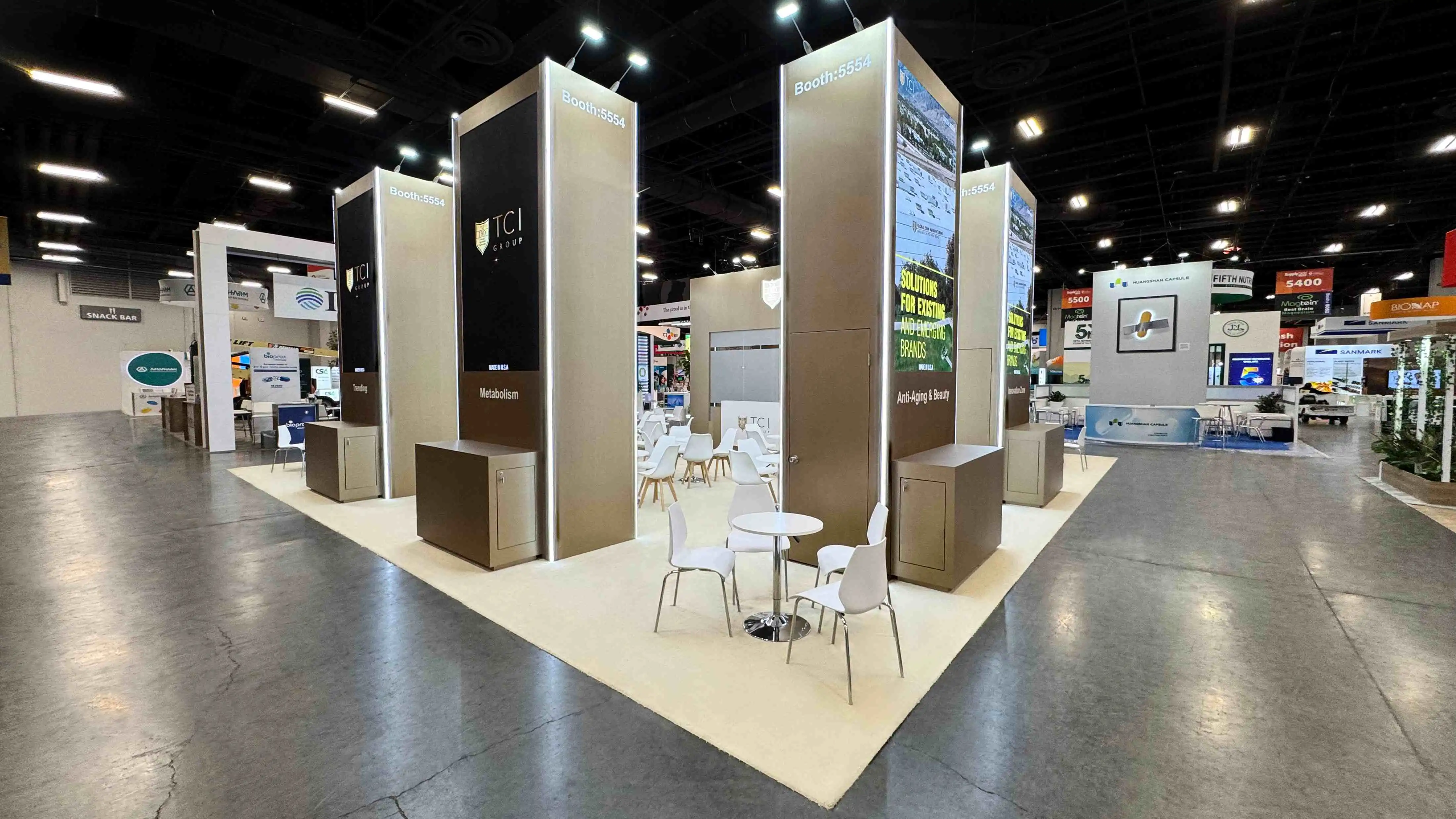
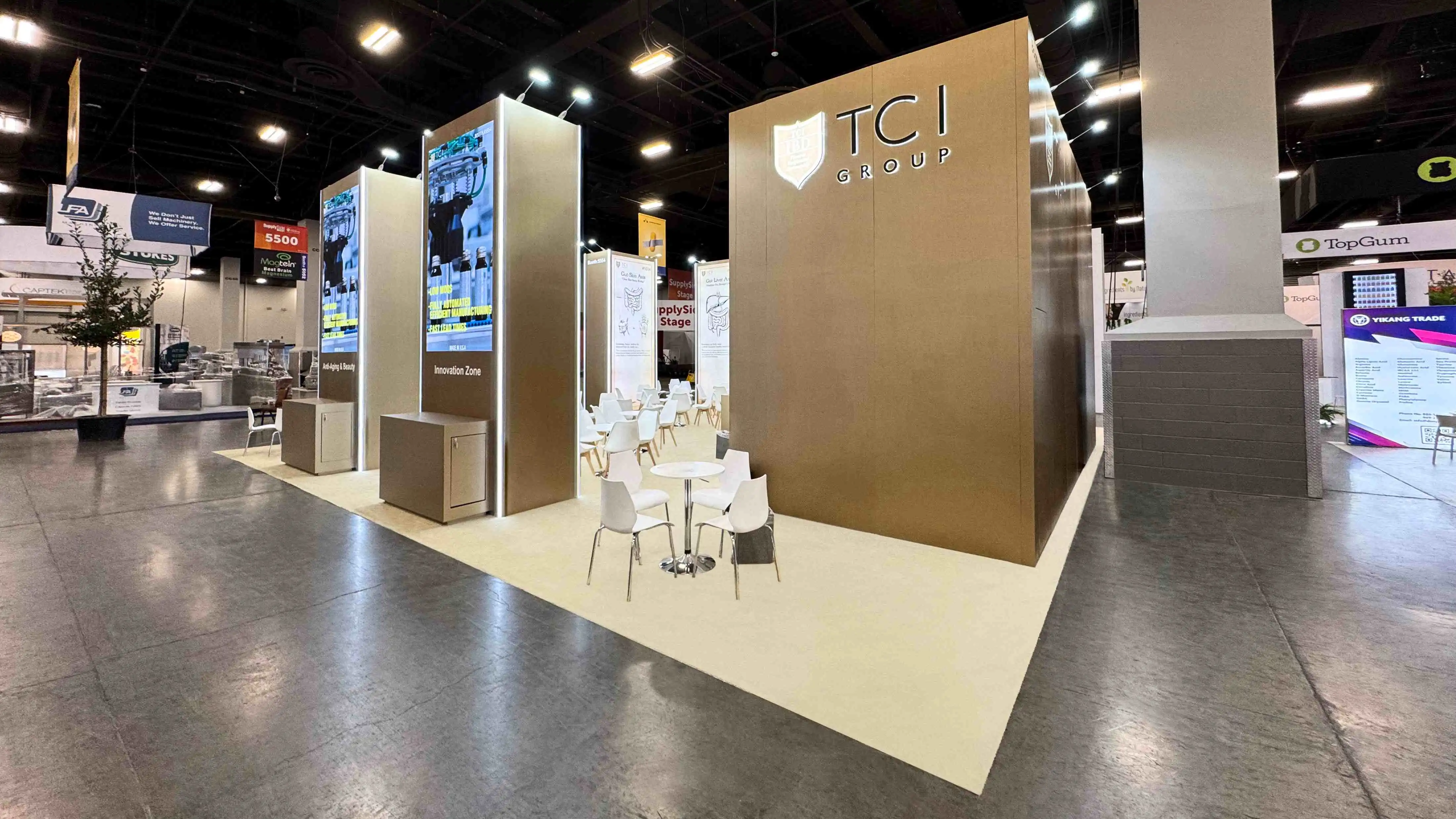
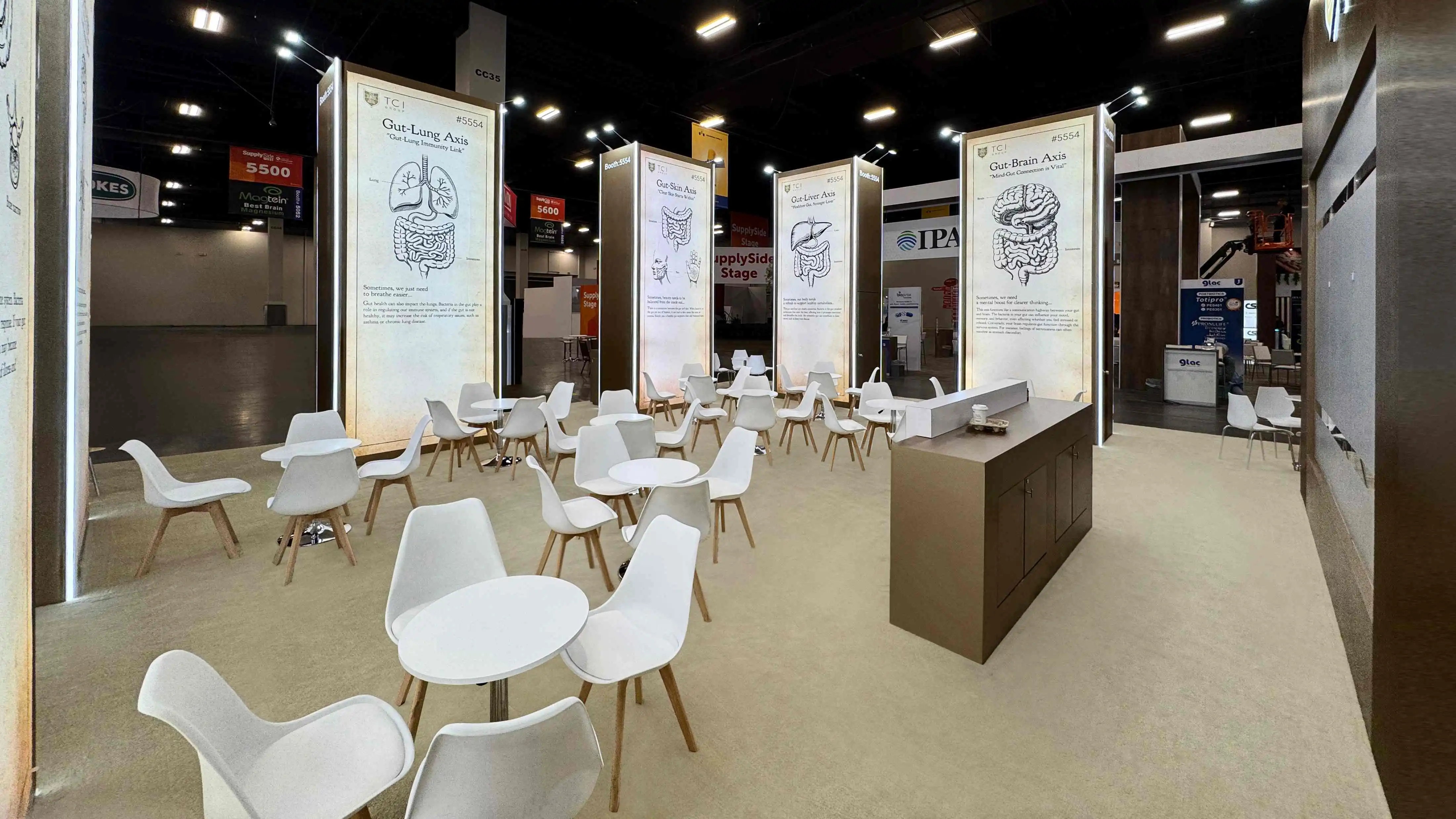
HR Exhibits Service, Inc. combines the best of both worlds as a comprehensive trade show design services manufacturer, offering creative excellence alongside technical precision for exhibitions worldwide. Based in Las Vegas with full manufacturing capabilities, we provide local support for major trade shows while serving international clients across North America and beyond. Our experienced team has delivered successful projects across diverse industries, from high-tech installations at CES to sophisticated pharmaceutical displays at SupplySide Global for companies like Caldic, Eva Nutra, and Amapharm GmbH. Contact us today at info@hrexhibits.com to discover how our integrated approach to exhibition design and manufacturing can transform your next trade show appearance into a powerful marketing success.
References
1. Trade Show Executive Magazine. "The Evolution of Trade Show Design and Manufacturing Partnerships." Annual Industry Analysis, 2024.
2. Exhibition Services & Contractors Association. "Best Practices for Vendor Selection in Trade Show Production." Professional Guidelines Report, 2024.
3. International Association of Exhibitions and Events. "Cost-Benefit Analysis of Design Agency versus Manufacturer Partnerships." Research Publication, 2023.
4. Convention Industry Council. "Sustainable Practices in Trade Show Booth Manufacturing and Design." Environmental Impact Study, 2024.
5. Trade Show News Network. "Technology Integration Trends in Modern Exhibition Design." Industry Trends Report, 2024.
6. Exhibition Industry Research Foundation. "ROI Measurement and Vendor Selection Strategies for B2B Exhibitions." Strategic Planning Guide, 2023.

Embark on Your Journey to Exceptional Exhibitions! Contact HR Exhibits Today to Transform Your Vision into Global Success.
HR Exhibits Service, Inc.