Embracing Sustainability in Booth Design
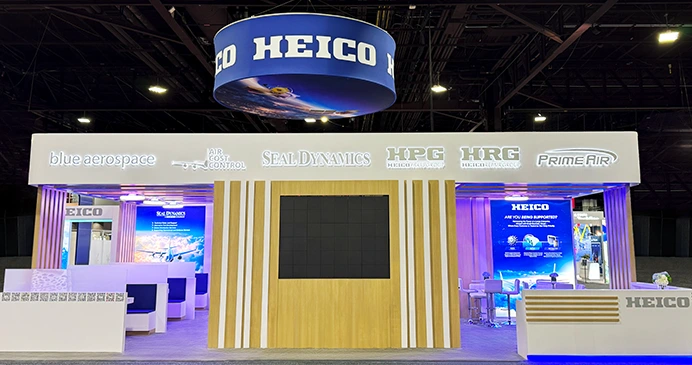
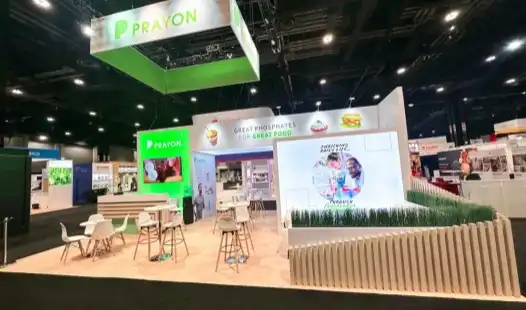
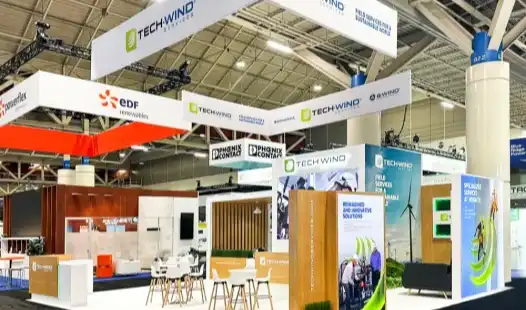
Sustainability is no longer just a buzzword; it's becoming a core principle in booth design for trade shows. As we approach 2026, exhibitors are increasingly aware of their environmental impact and are seeking ways to create eco-friendly booth designs that resonate with environmentally conscious attendees.
Eco-Friendly Materials and Construction
The adoption of sustainable materials in booth construction is gaining significant traction as companies aim to reduce their environmental impact. Exhibitors are increasingly choosing recycled, recyclable, or biodegradable materials such as bamboo, reclaimed wood, and eco-friendly plastics for panels, flooring, and furniture.
These choices not only minimize the carbon footprint associated with trade show participation but also demonstrate a commitment to environmental responsibility that resonates with attendees. Beyond materials, modular booth designs are becoming a preferred solution due to their versatility and reusability. Modular components can be easily assembled, disassembled, transported, and reused across multiple events, significantly reducing material waste and logistical costs.
Additionally, some companies are exploring rental options for booth elements, such as counters, display units, and signage, further limiting single-use items. By integrating sustainable materials with smart construction strategies, exhibitors can create booths that are both visually appealing and environmentally conscious, sending a clear message that sustainability is embedded in their brand philosophy.
Energy-Efficient Lighting and Technology
Lighting and technology are central to sustainable booth design, with energy efficiency becoming a top priority. LED lighting has become the industry standard due to its low power consumption, long lifespan, and adaptability. Exhibitors are now integrating smart lighting systems capable of adjusting intensity based on ambient light, visitor traffic, or the time of day, optimizing energy use without compromising visual impact.
Innovative technologies, such as solar-powered charging stations, energy-harvesting floor tiles, and low-energy display screens, allow booths to provide functional benefits while reducing environmental impact. Energy-efficient displays, including OLED screens and e-ink panels, deliver vivid visuals while consuming significantly less power than traditional monitors.
Incorporating these technologies not only demonstrates a company’s commitment to sustainability but also enhances the attendee experience through interactive, immersive, and visually compelling presentations. By combining energy-conscious lighting and advanced technology, exhibitors can create an environmentally responsible booth design that stands out for both its design and its green credentials.
Interactive and Immersive Experiences
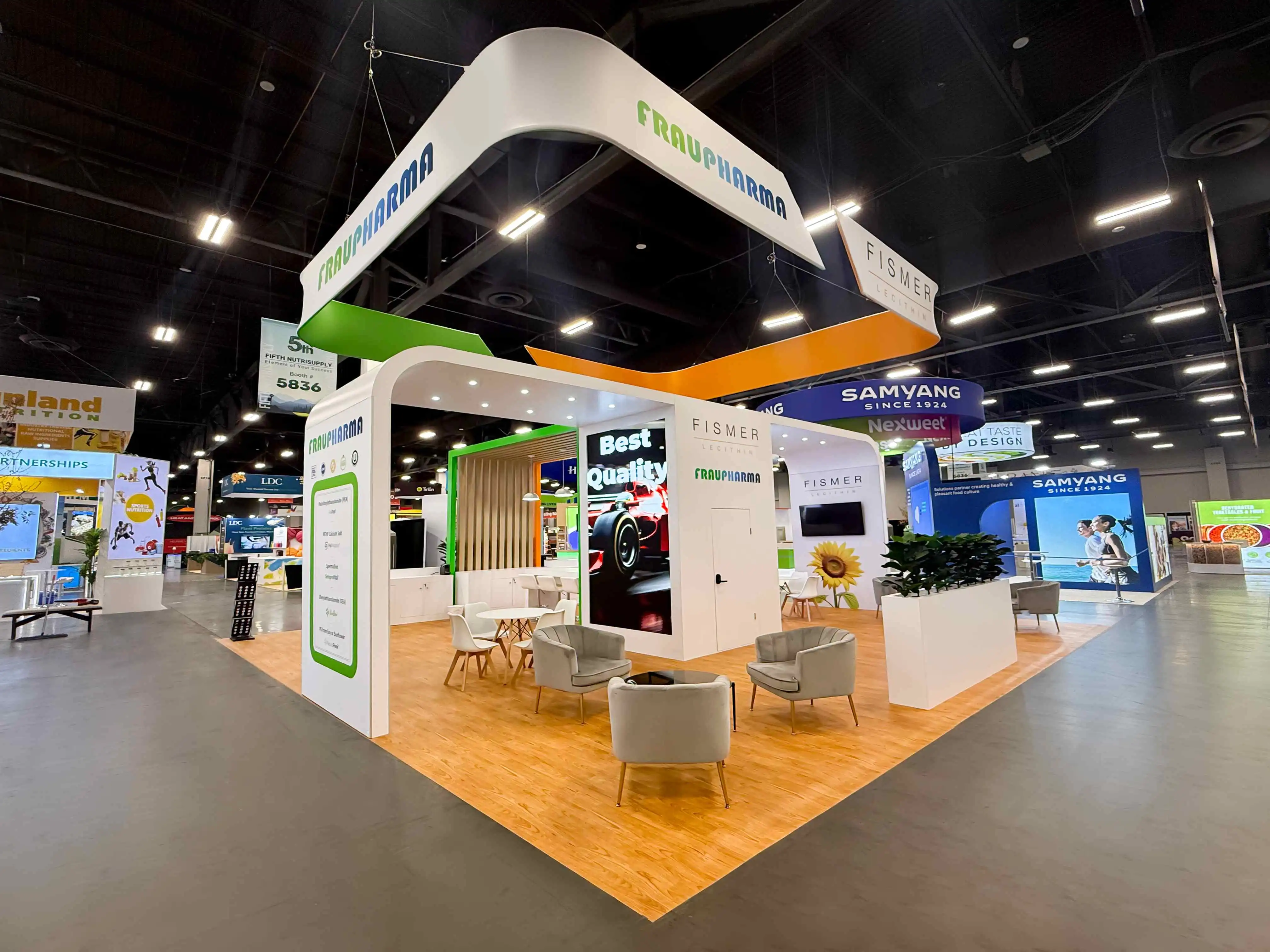
The future of booth design is all about creating memorable, interactive experiences that engage visitors on multiple levels. As technology advances, the possibilities for immersive booth designs are expanding rapidly.
Augmented and Virtual Reality Integration
Augmented reality (AR) and virtual reality (VR) technologies are transforming how products and services are showcased at trade shows, providing visitors with unprecedented levels of engagement. With AR, attendees can overlay digital information onto real-world objects, exploring product features in detail or visualizing different configurations and scenarios.
VR, on the other hand, enables fully immersive simulations, such as virtual tours of manufacturing facilities, interactive walkthroughs of real estate projects, or even flight simulations in the aerospace sector. These technologies allow exhibitors to communicate complex concepts and functionalities in ways that are both entertaining and educational, making the information more accessible and memorable.
Industries such as architecture, automotive, healthcare, and technology are increasingly adopting AR and VR to showcase innovation and provide hands-on experiences without the limitations of physical prototypes. By integrating AR and VR into booth design, companies can create engaging, interactive, and visually compelling experiences that leave a lasting impression on visitors.
Personalized Experiences through AI
Artificial intelligence (AI) is playing a growing role in delivering personalized and meaningful experiences for booth design and visitors. AI-powered systems, including chatbots, virtual assistants, and recommendation engines, can guide attendees through the booth, provide immediate responses to inquiries, and suggest products or services tailored to individual preferences and needs.
Facial recognition technology, when integrated with AI, allows exhibitors to recognize returning visitors and offer customized content or experiences, strengthening brand recall and engagement. Beyond personalization, AI analytics can track visitor behavior and interactions within the booth, providing valuable insights for optimizing future booth layouts and strategies.
By combining AI with interactive elements, exhibitors can create a seamless, responsive environment that adapts to each visitor’s journey, enhancing satisfaction and increasing the likelihood of meaningful business connections. This intelligent approach transforms the booth from a static display into an adaptive, visitor-centered experience that elevates brand perception and effectiveness.
Flexible and Adaptable Booth Structures
The trade show landscape is constantly evolving, and booth designs need to keep pace. Flexibility and adaptability are becoming key considerations in booth design for 2026 and beyond.
Modular and Reconfigurable Designs
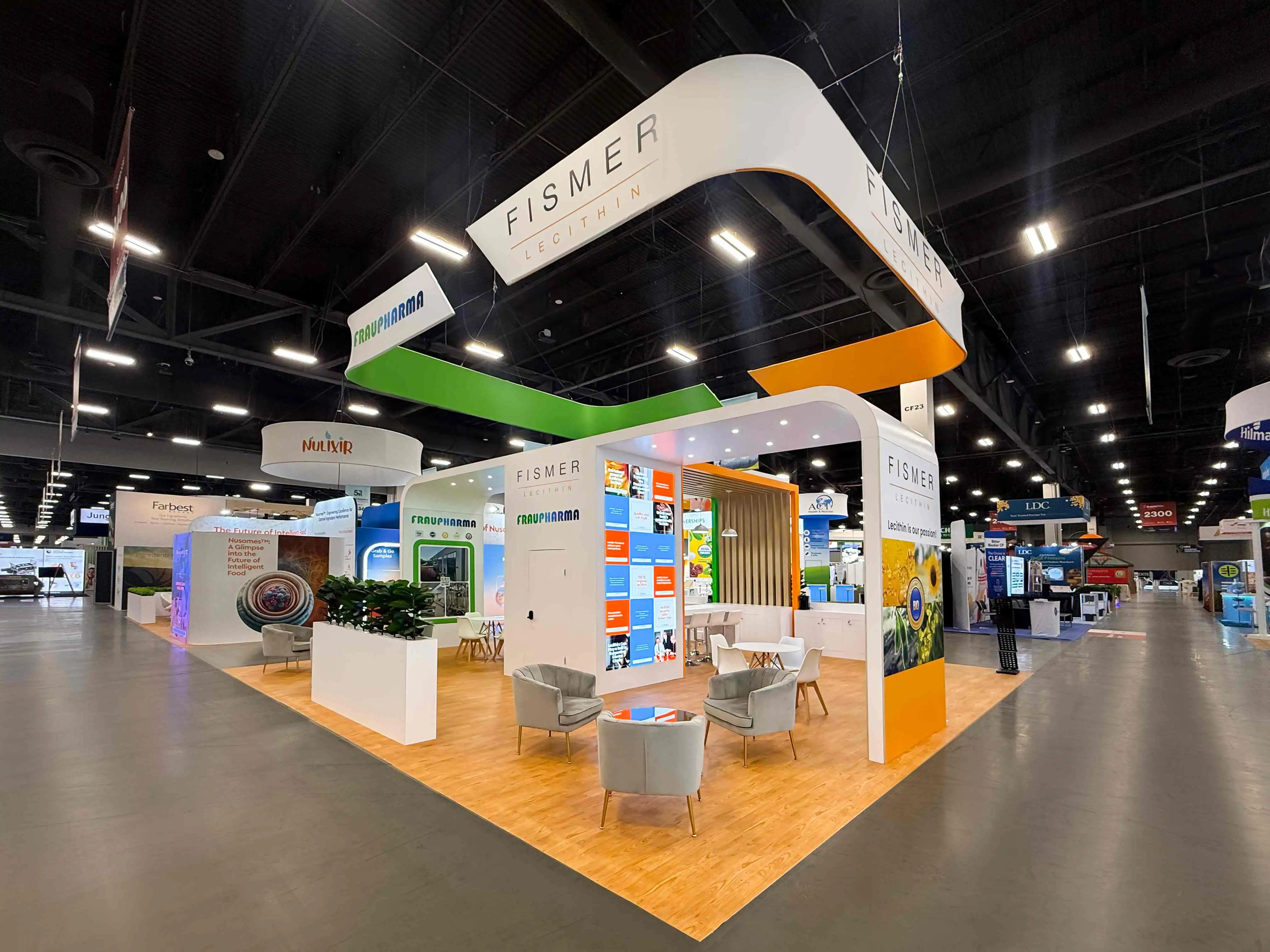
Modular booth design is increasingly preferred for its versatility, cost-effectiveness, and ability to adapt to diverse exhibition environments. These booths are composed of standardized components that can be reconfigured to accommodate different floor plans, booth sizes, or display requirements. Companies can use the same modular elements across multiple trade shows, ensuring a consistent brand image while avoiding the cost and environmental impact of constructing custom booths for each event.
Lightweight materials, such as aluminum frames, composite panels, and fabric walls, enhance portability and allow for rapid assembly and disassembly. This approach minimizes labor costs, reduces setup time, and increases efficiency during transportation and storage. Additionally, modular booth design can integrate functional elements such as counters, shelving, and display units, which can be repositioned as needed, making them adaptable to different product layouts and visitor traffic patterns.
Multi-Functional Spaces
Modern booth design increasingly emphasizes multi-functional spaces that can accommodate a variety of activities throughout the day. For instance, a central area can serve as a presentation zone during scheduled demonstrations, then transform into a casual networking space or private meeting room using movable partitions, retractable walls, or modular furniture. Flexible lighting and sound systems allow the creation of distinct atmospheres, from intimate discussions to high-energy presentations, catering to the needs of diverse audiences.
Furniture and display elements are often designed to serve multiple purposes, such as seating that doubles as storage or counters that function as both display and workspace. By incorporating these adaptive features, exhibitors can maximize the utility of limited booth space, maintain visitor interest, and create an environment that is both functional and visually appealing. This approach ensures that the booth remains engaging, practical, and relevant from the first visitor to the last.
Conclusion
As we look towards 2026, the future of booth design is bright, innovative, and exciting. The trends we've explored – sustainability, interactivity, and flexibility – are set to redefine the trade show experience. By embracing eco-friendly materials, integrating cutting-edge technologies, and creating adaptable spaces, exhibitors can craft booth design that not only captures attention but also leaves a lasting impression on visitors. These design trends reflect a broader shift towards more engaging, responsible, and efficient trade show participation, ensuring that booth design remains a powerful tool for brand communication and business development in the years to come.
At HR Exhibits, we're at the forefront of these emerging booth design trends. Our team of expert designers and craftsmen are ready to bring your vision to life, creating custom booth experiences that align with these future-forward concepts. Whether you're looking to make a splash at CES, SHOT Show, or any other major trade event, we have the expertise and local support to ensure your success. Ready to elevate your trade show presence? Contact us at info@hrexhibits.com to start planning your next-generation booth design today!
FAQ
How far in advance should I start planning my trade show booth?
Ideally, you should begin planning 3-5 months before the event. However, our team at HR Exhibits is flexible and can accommodate urgent projects as well.
Do you offer rental options for booth components?
Yes, we provide rental options for furniture, AV equipment, and lighting to create a complete booth setup.
Can you handle international trade shows?
Absolutely! We specialize in supporting international exhibitors and can manage the complexities of exhibiting in foreign countries.
References
1. Smith, J. (2025). "The Future of Trade Show Design: Trends and Innovations for 2026." Exhibition World Magazine.
2. Green, A. & Johnson, B. (2024). "Sustainable Practices in Modern Booth Design." Journal of Event Management.
3. Tech Expo Association. (2025). "Emerging Technologies in Exhibition Spaces: A 2026 Forecast." Annual Industry Report.
4. Wilson, C. (2025). "Adaptability and Flexibility: Key Principles in Next-Gen Booth Design." Trade Show Executive.
5. Lee, S. et al. (2024). "The Impact of Interactive Experiences on Trade Show Engagement." International Journal of Event and Festival Management.