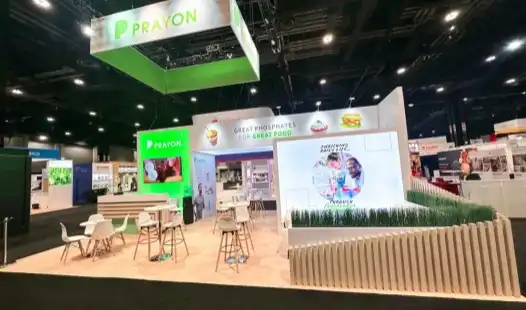
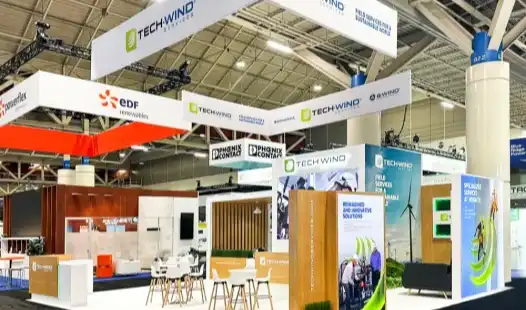
Professional Trade Show Exhibit Builders You Can Trust
When your company's success hinges on making a memorable impression at major trade shows, partnering with professional exhibit builders becomes crucial. Expert custom trade show exhibit design goes beyond simple booth assembly—it transforms your brand vision into a compelling physical environment that drives meaningful connections and measurable results. Professional builders combine architectural expertise, fabrication excellence, and logistical precision to create exhibits that stand out in crowded exhibition halls while delivering exceptional return on investment.
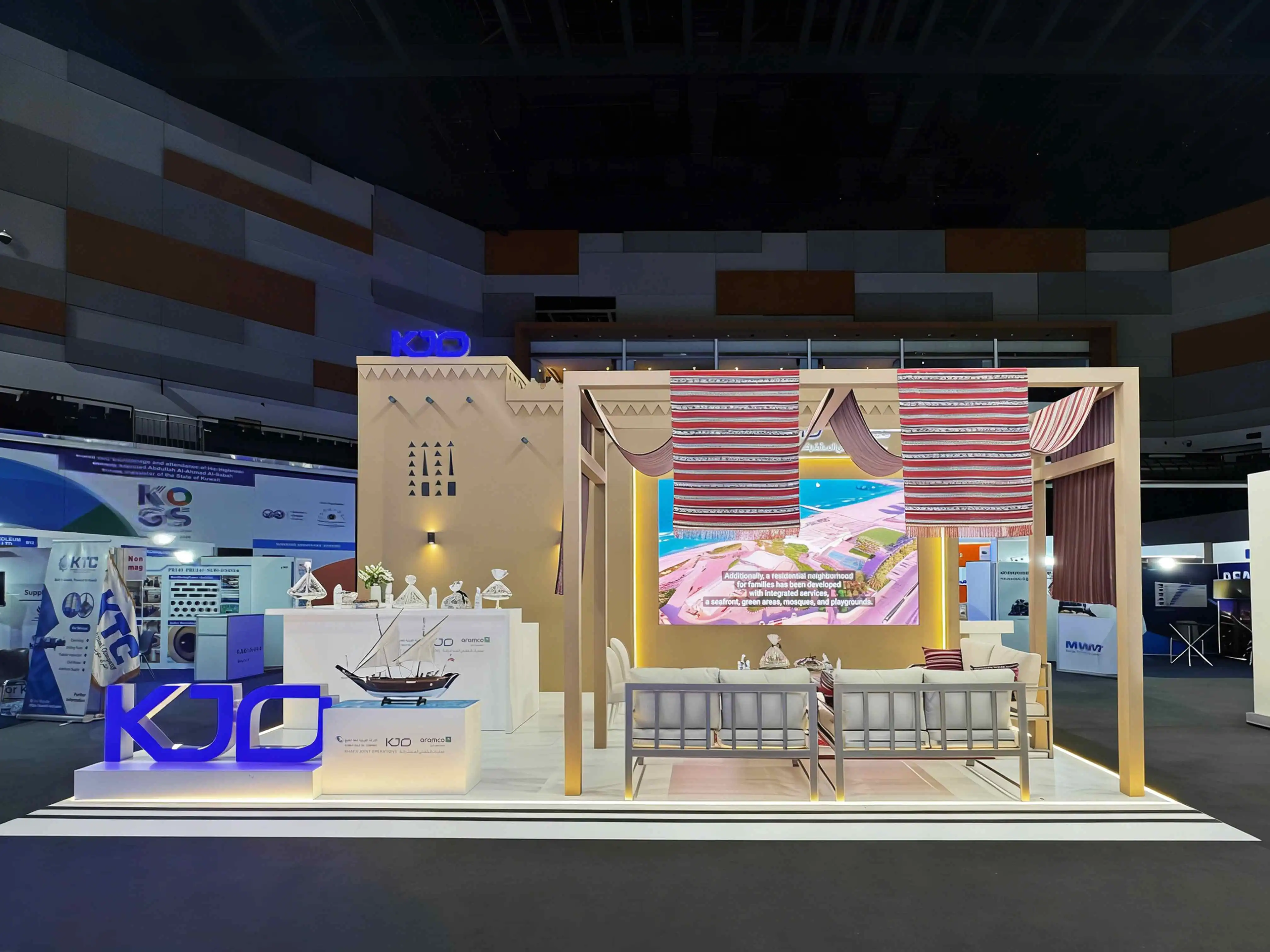
Understanding Custom Trade Show Exhibit Design and Its Benefits
A strategic investment in brand distinction and marketing performance is custom trade show exhibit design. Custom exhibits, as opposed to conventional modular systems or rental displays, are designed from the ground up to represent your one-of-a-kind company identity and the marketing goals you want to achieve.
Strategic Brand Differentiation Through Custom Design
Custom display solutions are a solution to the basic difficulty of distinguishing out in situations that are flooded with trade fair competition. Your custom-designed area delivers a unique brand experience that consumers will remember long after the event has concluded, in contrast to the typical booth setups that your rivals use. Specifically, this differential shows to be very beneficial for business-to-business enterprises operating in the manufacturing, medical technology, energy, and consumer goods sectors, all of which involve various stakeholders and long contemplation periods when making purchase choices.
The strategic benefit goes beyond the aesthetic attractiveness of the product. Individually tailored designs improve the flow of space in order to direct the behavior of visitors toward critical conversion points. These conversion points may include product display areas, private meeting rooms, or interactive technology zones. Through the use of purposeful architectural layout, this behavioral engineering is able to convert casual foot traffic into qualified leads.
Long-Term Asset Value and Cost Efficiency
It is possible to build reusable assets that give value across several events via the use of professional bespoke display design. The use of modular design concepts allows for reconfiguration to accommodate a variety of booth sizes and display needs, while quality construction assures longevity via repeated installations. When opposed to rental alternatives, which demand recurrent expenses for each event, this versatility allows you to get the most possible return on your investment.
Procurement managers who are astute are aware of the fact that bespoke displays often reach cost parity with rental alternatives after three to four shows, while also delivering greater brand control and message consistency over their entire lifespan.
Technology Integration and Advanced Functionality
Modular systems are unable to satisfy the sophisticated technological needs that are incorporated into custom designs in a straightforward manner. Integrated LED video walls, interactive touchscreens, and specific product display equipment are all examples of the kind of installations that may be created via bespoke fabrication. These installations are clean and professional, and they conceal unsightly cabling while providing visual integrity.
This skill of integration becomes crucial for businesses in the technology industry who are showing complex goods or manufacturing enterprises that are demonstrating heavy gear that needs specialist structural support and safety concerns.
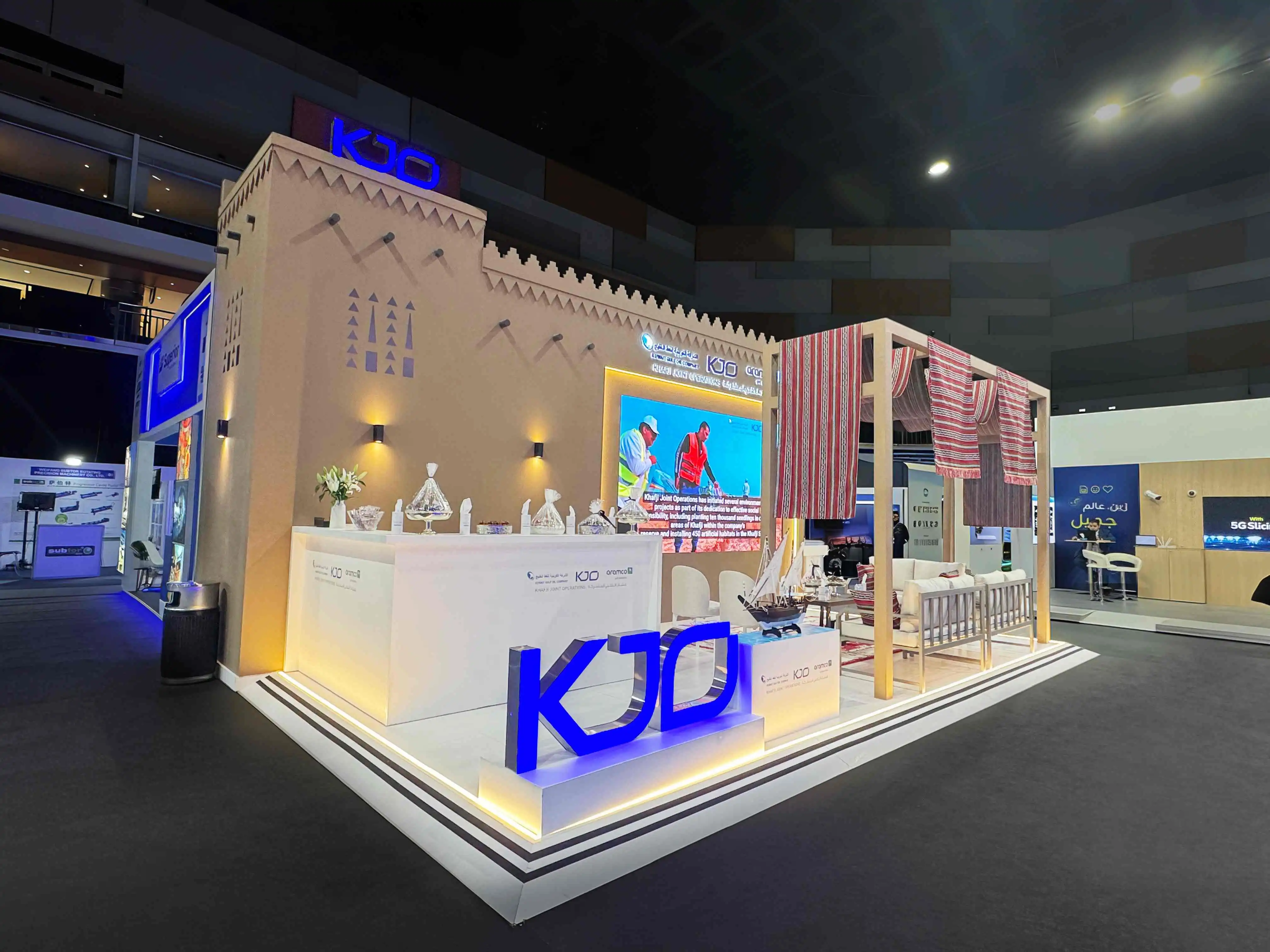
The Professional Trade Show Exhibit Design and Booth Fabrication Process
Throughout the whole of the project, from the original design to the final installation, professional exhibit builders adhere to a set of protocols that guarantee the project's success. The procurement teams are able to make more informed judgments and create more realistic timetables when they have a better understanding of this procedure, particularly when it comes to custom trade show exhibit design.
Comprehensive Needs Assessment and Concept Development
The first step in the manufacturing process is to conduct in-depth discovery sessions, during which your marketing goals, the characteristics of your target audience, and the precise functional needs are analyzed. The product portfolio, sales procedure, and competitive positioning of your company are all factors that professional builders consider when developing design ideas that are in line with your business objectives.
During this phase, professional designers take into consideration the most recent trends in the industry, various possibilities for environmentally friendly materials, and new technologies that have the potential to improve visitor engagement. During the evaluation, practical aspects such as shipment logistics, installation timetables, and storage needs are taken into account. These factors have an effect on the total cost of ownership over the long run.
Material Selection and Technology Integration Planning
In order to construct buildings that strike a balance between durability, aesthetics, and weight concerns, quality builders make use of a wide variety of material palettes. These material palettes include aluminum extrusions, tension textiles, engineered wood products, and sophisticated plastic applications. Material selection has a direct influence on the costs of transportation, the difficulty of installation, and the lifetime of the product.
Technology planning takes into consideration the distribution of electricity, the connecting of networks, the installation of audio-visual equipment, and the management of cable arrangements. Fabricators that work professionally include these components into the structural design rather of adding them as an afterthought, which results in installations that are cleaner and a reduction in the complexity of the setup for the product.
Quality Assurance and Safety Compliance
The manufacturing process is subject to stringent quality control procedures, which are maintained by reputable show builders. The structural engineering verification of load-bearing parts, the certification of the electrical system, and compliance with venue safety laws are all included in this. For the purpose of identifying and resolving any difficulties that may arise, professional shops hold pre-show staging activities. During these events, full displays are constructed and tested before being sent.
The concept of safety compliance encompasses not only the fundamental criteria for building but also the specific requirements that are imposed by various businesses. It is possible that exhibitors of medical devices may need materials that are suitable with cleanrooms, whilst industrial producers will want approved structural capability for displays of heavy equipment.
Installation, Dismantling, and Logistics Coordination
Expert builders provide extensive installation help that extends beyond the level of assembly that is often provided. There are venue-specific restrictions, labor union standards, and material handling procedures that may substantially effect the success of the setup and the expenses associated with it. Experienced installation crews are aware of these regulations and processes.
The professional coordination of logistics involves the optimization of crate design in order to save shipping costs, the creation of comprehensive installation drawings in order to facilitate quick setup, and the preparation of contingency plans for typical issues such as delayed shipments or limits on venue access.
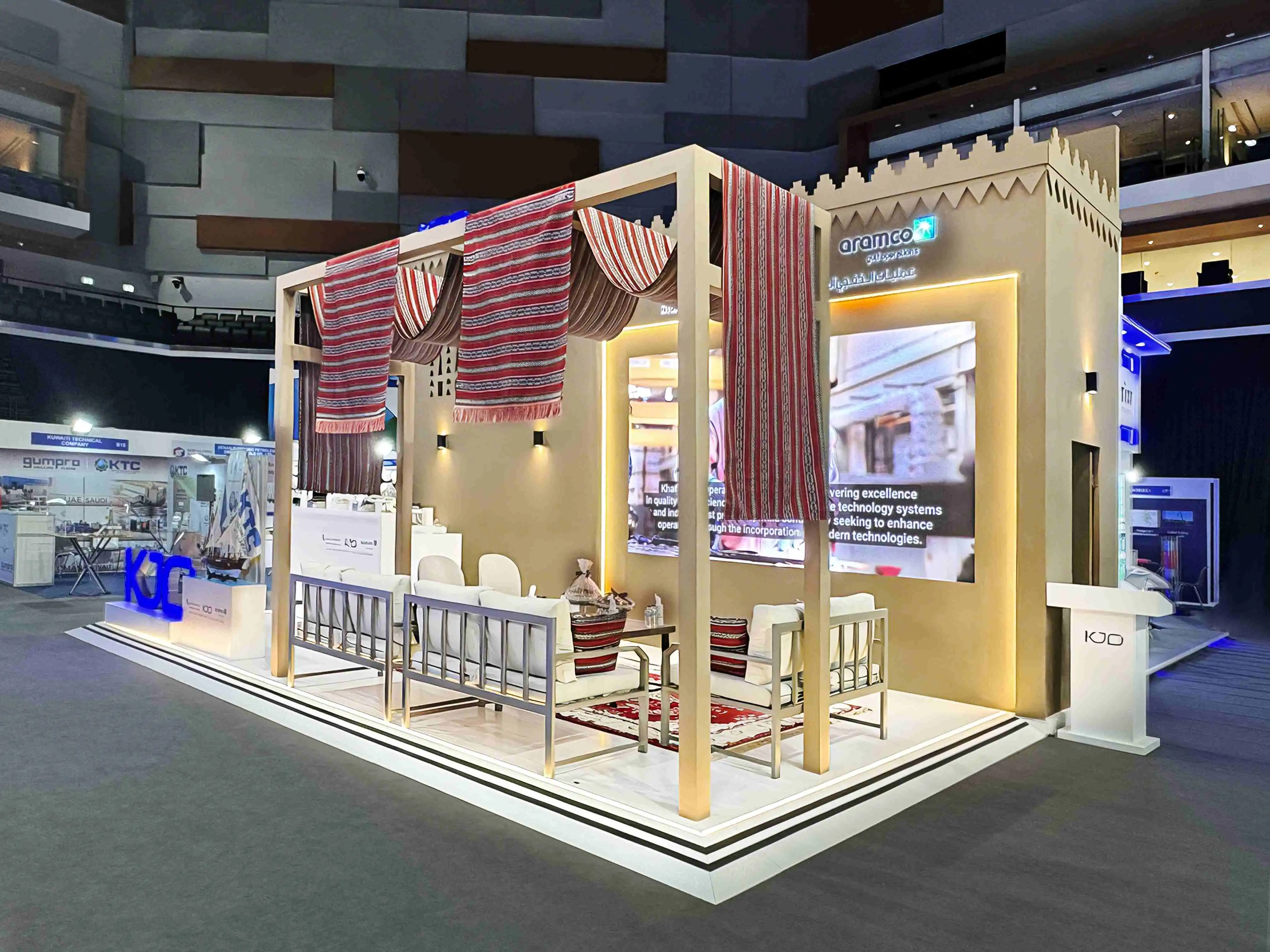
How to Choose Reliable Custom Trade Show Exhibit Builders: A Decision Support Approach
In order to choose the most suitable display builder, it is necessary to do a thorough assessment of their talents, expertise, and cultural compatibility with the goals and values of your firm.
Portfolio Diversity and Industry Experience
Make sure to go through the portfolios of possible builders for projects that are comparable to your sector and display size needs. You should look for a variety of design concepts, demonstrations of how technology might be integrated, and proof of successful installations in the locations where you want to display. When it comes to specialized industries that have specific regulatory or technical criteria, having work experience that is relevant to the industry becomes more vital, especially when considering custom trade show exhibit design.
It is important to examine case studies that exhibit problem-solving talents and outcomes that can be measured. As a means of demonstrating their knowledge and responsibility, quality builders chronicle the obstacles faced by the project, the solutions that were adopted, and the results for the customer.
Certifications, Client Reviews, and Industry Recognition
In addition to participating in trade groups like the Exhibit Designers and Producers Association (EDPA), professional exhibit builders are required to maintain appropriate industry credentials. These affiliations demonstrate a commitment to engaging in continual professional development and adhering to the best standards in the business.
Independent confirmation of construction skills and service quality may be obtained via the use of business awards and testimonials from satisfied customers. It is important to pay special attention to evaluations from businesses that are comparable to your own in terms of size, industry, and the complexity criteria they must meet.
Custom Versus Modular Decision Framework
There are a number of aspects that should be taken into account when deciding between bespoke and modular exhibitions. These include the frequency of participation, the budgetary constraints, and the needs for brand positioning. Custom solutions provide the greatest degree of individuality and flexibility, but they need a greater initial investment and longer lead times.
However, modular systems restrict design choices and brand expression, despite the fact that they enable quicker implementation and cheaper entry costs. There is a balance between flexibility and cost effectiveness that may be achieved via hybrid systems, which mix modular components with unique architectural aspects.
Scalability and Technology Alignment
In order to assist your long-term exhibition plan, you need evaluate the skills of the constructors. One example of this is the capability to scale designs to accommodate a variety of booth sizes, to accommodate the introduction of new products, and to include future technology as they become available. Take into consideration the builder's technical knowledge in the unique needs of your sector, whether it be sophisticated audio-visual integration for technology enterprises or specialist product display solutions for manufacturing organizations.
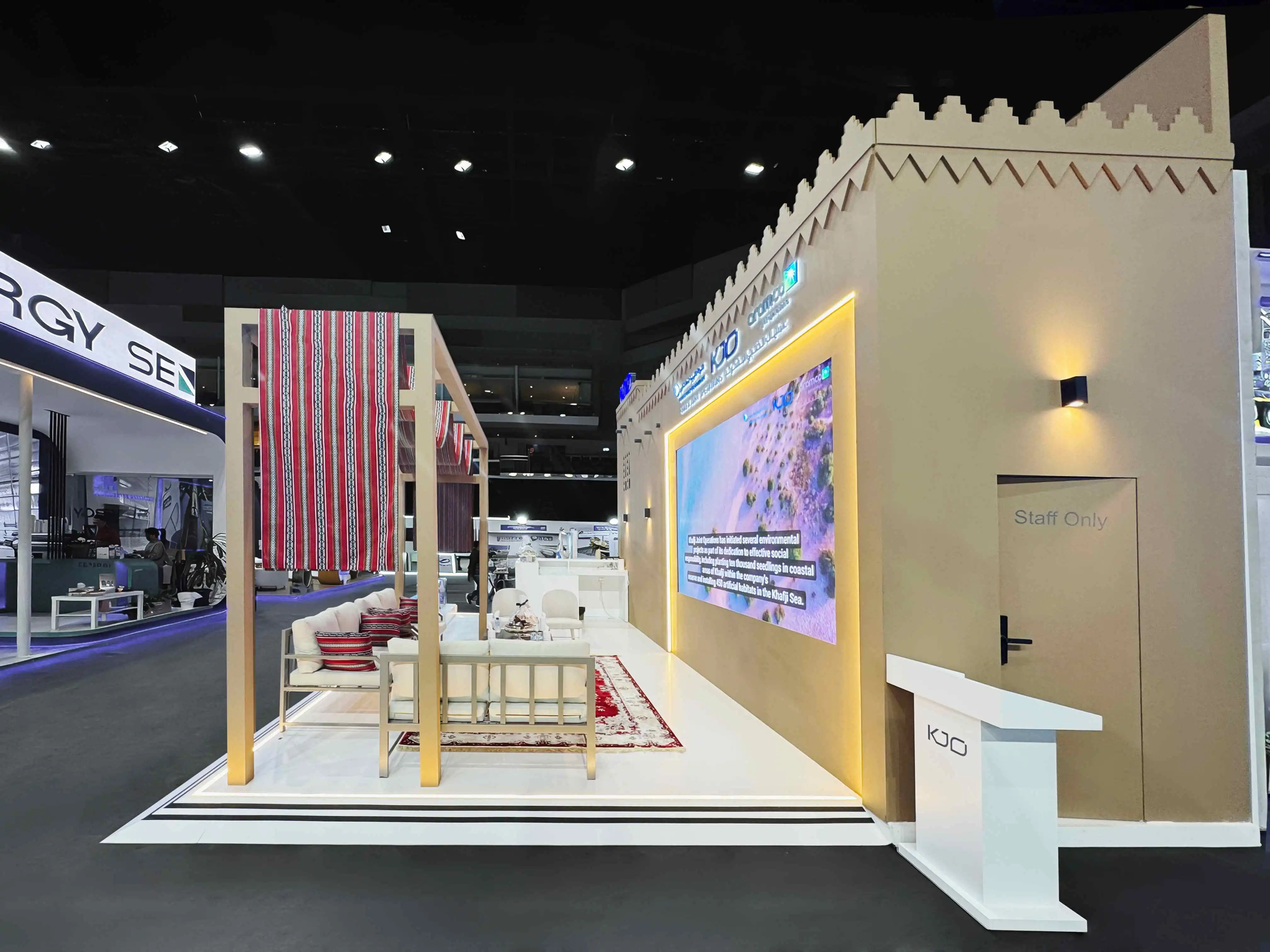
Latest Trends and Innovative Ideas in Custom Trade Show Exhibit Design
Maintaining a current awareness of design trends and technical advancements is an effective way to guarantee that your display will continue to be competitive and interesting across numerous show cycles.
Technology Integration and Interactive Experiences
The use of interactive technology into contemporary exhibit design is becoming more common. These technologies engage visitors and collect vital data. Augmented reality experiences enable visitors to envision items in their own locations, while chatbots powered by artificial intelligence deliver rapid information and qualify leads when staff members are busy with other tasks.
Large-format LED displays enable the creation of immersive environments that are capable of being updated with real-time material, feeds from social media platforms, or live product demonstrations. Through the use of these technologies, static displays are transformed into dynamic marketing platforms that can adapt to the needs of a variety of audiences and show goals.
Sustainable Design Practices and Materials
The choices of exhibitors and the rules imposed by venues are both influenced by environmental conscience. The use of recyclable materials, energy-efficient LED lighting systems, and modular building approaches that lengthen display lifecycles are all examples of sustainable design principles in custom trade show exhibit design.
Environmental responsibility is becoming an increasingly important factor in buying choices and prospects for business partnerships. Green certification programs provide frameworks for assessing and expressing environmental responsibility.
Hybrid Design Approaches and Flexible Configurations
Modular concepts are used into contemporary bespoke design, which enables the architecture to be reconfigured to accommodate a variety of scenarios and goals. The solution in question offers individualized aesthetics in addition to practical flexibility, making it possible to accommodate a wide range of booth sizes and exhibit needs without requiring a total redesign.
The ability to retain a consistent brand identity across many applications is made possible by flexible configurations, which enable changing company demands, product line modifications, and various market positioning strategies.
Immersive Environments and Experiential Design
Innovative lighting systems, environmental effects, and spatial design combine to provide experiences that are not only memorable but also go beyond the scope of conventional product representation. Through the use of these immersive tactics, firms are able to establish an emotional connection with guests and separate themselves from rivals that use standard booth arrangements. Interactive product customisation stations, virtual reality demos, or themed locations that represent brand values and market positioning are examples of components that might be used in experiential design.
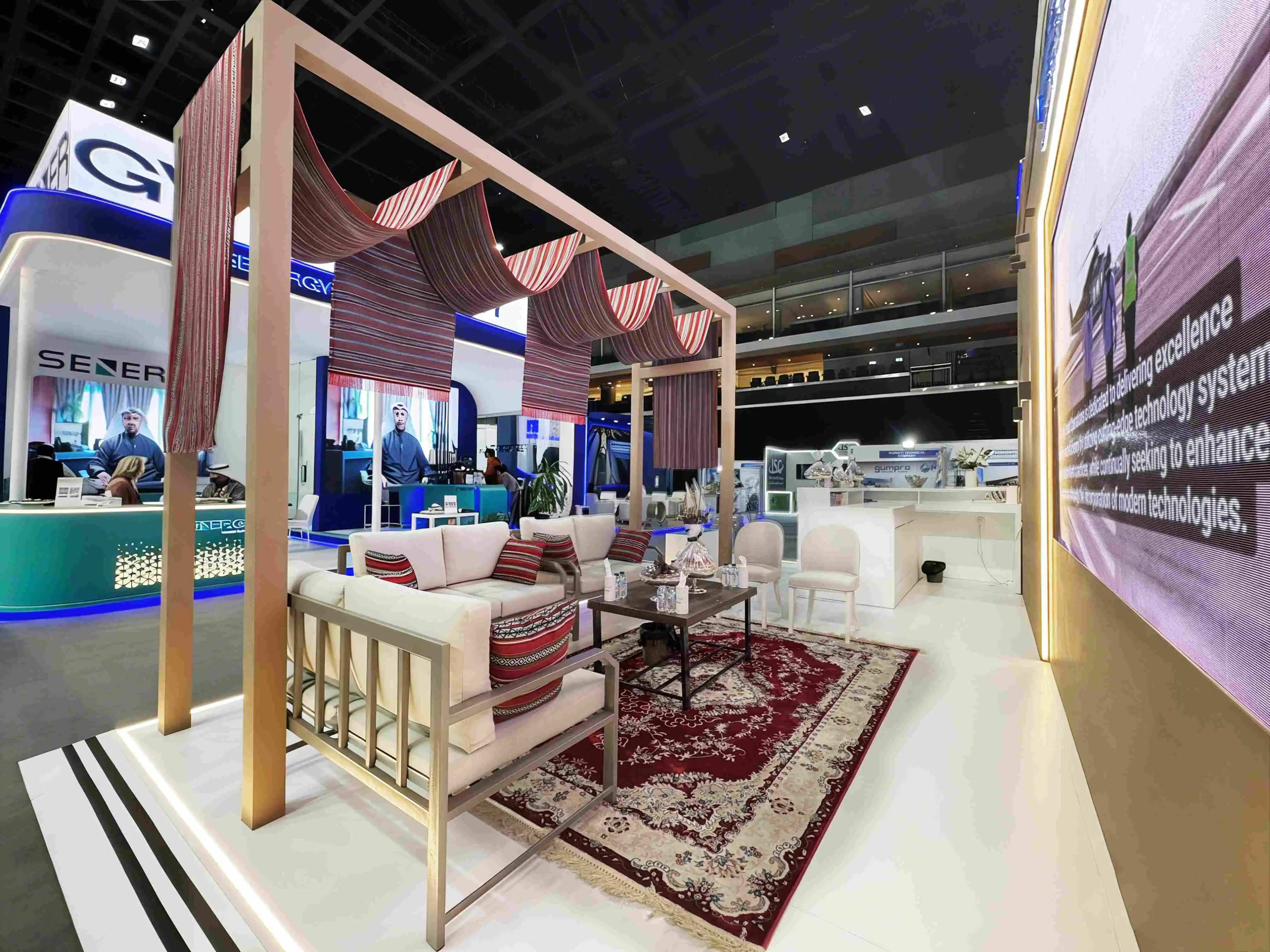
Case Studies of Trusted Custom Trade Show Exhibit Builders
Real-world examples demonstrate the tangible impact professional exhibit builders deliver across different industries and project scales.
Technology Sector Success: CES Innovations
During the Consumer Electronics Show (CES), we worked along with some of the most prominent technological firms in the world, such as Seastar Corporation, AISPEX, Rexing, and Xtreme, to develop cutting-edge displays that highlighted cutting-edge consumer electronics. In order for these initiatives to be able to weather the intense four-day event, they needed high-traffic durability, advanced audio-visual integration, and secure product display systems.
The specialized designs included sections for interactive demonstrations, private meeting rooms for conversations on business growth, and display systems that were flexible enough to handle new releases and upgrades during the duration of the event. Each display resulted in substantial media attention and the development of quality leads, both of which surpassed the expectations of various clients.
Broadcasting and Media: NAB Show Excellence
When it comes to the broadcasting and media technology industries, the NAB Show confronts exhibitors with a unique set of difficulties. The work that we have done for customers such as Vela, Glookast, and Radio.Cloud, as well as EMAM, Inc., needed sophisticated technological installations that could handle live streaming demos and extensive equipment integration.
These exhibitions had demonstration sections that were sound-proofed, professional lighting that was ideal for video filming, and a sturdy infrastructure that could handle complex broadcasting equipment. A considerable number of business growth prospects within the professional media community were among the outcomes, which included an increase in the credibility of the brand.
Manufacturing and Industrial: IMTS Precision
Exhibits that were intended to highlight heavy industrial equipment and precise manufacturing capabilities were provided to customers such as Etxetar and GURUTZPE as part of our assistance at the International Manufacturing Technology Show (IMTS). In order to successfully complete these projects, reinforced flooring systems, overhead rigging for the exhibition of equipment, and safety concerns for live machinery displays were necessary.
At the same time as they created professional venues for technical conversations and commercial transactions, the unique designs streamlined the flow of traffic around huge pieces of equipment or machinery. By creating appealing brand experiences, these installations proved our capacity to address difficult technical and logistical difficulties while simultaneously delivering captivating brand experiences.
Conclusion
Professional custom trade show exhibit design represents a strategic investment in brand differentiation and marketing effectiveness that delivers measurable returns when executed by experienced builders. The combination of creative design, quality fabrication, and comprehensive project management ensures your exhibit stands out in competitive environments while supporting specific business objectives. Success requires partnering with builders who understand your industry requirements, possess relevant technical expertise, and demonstrate proven track records of delivering projects on time and within budget.
FAQ
Q1: What timeline should we expect for custom exhibit design and fabrication?
A: Professional custom exhibit projects typically require 12-16 weeks from initial concept approval through final installation. This timeline includes design development (3-4 weeks), engineering and technical drawings (2 weeks), fabrication (6-8 weeks), quality assurance staging (1 week), and shipping coordination. Rush projects can be accommodated with expedited scheduling, though this may impact cost and design complexity options.
Q2: How do custom exhibits compare to modular alternatives regarding long-term costs?
A: Custom exhibits achieve cost parity with rental alternatives after approximately three to four trade show appearances. While initial investment ranges from 3-5 times higher than single-event rentals, subsequent show costs include only shipping, installation labor, and maintenance. Custom assets provide superior brand control, unlimited reuse potential, and adaptation capabilities that rental systems cannot match.
Q3: Can custom exhibits be reconfigured for different booth sizes and venues?
A: Quality custom designs incorporate modular principles that enable reconfiguration for various booth dimensions and layout requirements. Professional builders engineer exhibits with primary and secondary components, allowing core brand elements to remain consistent while adapting supporting elements for different spaces. This flexibility maximizes asset utilization across diverse show opportunities.
Q4: What industries benefit most from custom exhibit solutions?
A: Industries with complex products, sophisticated target audiences, or specialized demonstration requirements gain significant advantages from custom exhibits. This includes manufacturing, medical technology, energy, broadcasting, and consumer goods sectors where differentiation and professional presentation directly impact business development success.
Q5: How do you ensure exhibit quality and safety compliance?
A: Professional builders maintain comprehensive quality assurance processes including structural engineering verification, electrical system certification, and venue-specific safety compliance. Pre-show staging events allow complete assembly and testing before shipping, while experienced installation teams understand venue regulations and industry standards that ensure successful setup and operation.
Partner With Expert Custom Trade Show Exhibit Design Manufacturer
HR Exhibits Service, Inc. delivers comprehensive custom trade show exhibit design solutions that transform your brand vision into compelling physical environments. Based in Las Vegas with extensive experience serving clients across North America, our team combines creative excellence with manufacturing precision to create exhibits that drive measurable business results. From initial concept development through final installation, we manage every aspect of your project while providing local support that eliminates logistical complexity.
Our portfolio spans diverse industries including technology, manufacturing, medical, energy, and consumer goods, with proven success at major venues including CES, NAB Show, IMTS, and SupplySide Global. Connect with our experienced team at info@hrexhibits.com to discuss how our custom exhibit solutions can enhance your next trade show participation and deliver the professional presentation your brand deserves.
References
1. Smith, J.R. "Strategic Trade Show Marketing: Building Brand Presence Through Custom Exhibit Design." Journal of Business-to-Business Marketing, 2023.
2. Anderson, M.K. "Cost-Benefit Analysis of Custom Versus Rental Trade Show Exhibits: A Five-Year Study." Exhibition Industry Research Foundation, 2023.
3. Chen, L. "Technology Integration in Modern Trade Show Design: Trends and Best Practices." International Exhibition Management Review, 2024.
4. Rodriguez, S.A. "Sustainable Practices in Trade Show Exhibit Manufacturing and Design." Green Events Quarterly, 2023.
5. Thompson, D.W. "ROI Measurement and Optimization in Custom Trade Show Exhibit Investments." Marketing Analytics Today, 2024.
6. Williams, K.J. "Industry-Specific Requirements for Professional Trade Show Exhibit Design." Exhibition Design Professional, 2023.

Embark on Your Journey to Exceptional Exhibitions! Contact HR Exhibits Today to Transform Your Vision into Global Success.
HR Exhibits Service, Inc.