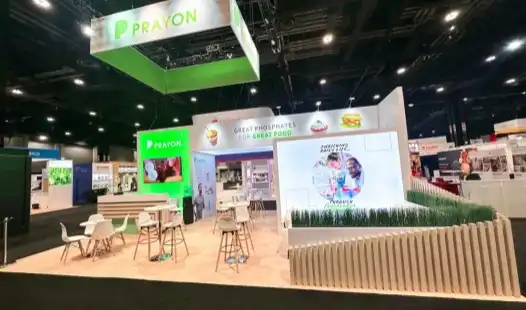
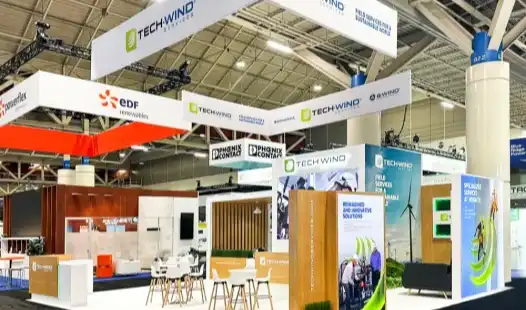
OEM Manufacturers: Best Show Booth Design Ideas for IMTS 2026
When OEM makers get ready for IMTS 2026, smart show booth design becomes the most important thing for a successful show. A well-done booth doesn't just show off tools; it provides an experience for the brand that turns people who walk by into qualified leads. At IMTS 2026, where fine engineering meets new ideas, your booth needs to show that you know a lot about technology while still being friendly and efficient. The best design combines areas for showing off products with private areas for meetings. This way, engineers and procurement professionals can really interact with your solutions even in a busy, competitive space.
Understanding the Essentials of Effective Trade Show Booth Design
More than just eye-catching images are needed to make a strong impression at IMTS 2026. Your exhibition space should act as a physical sales funnel, leading technical guests through a well-planned experience that shows off your manufacturing skills and builds trust in your brand.
Balancing Visual Impact with Functional Layout
The best OEM booths are those that are just the right mix of attractive looks and useful features. Clear sightlines let people in the aisle see your products right away, and smart zoning divides areas with a lot of foot traffic from areas with less foot traffic where people can talk to you. We've seen that booths with open edges and clear internal paths keep visitors longer by letting them move naturally through the space. Lighting is very important. Focused lighting on important machines with fixtures that have CRI scores above 90 makes sure that technical features and product finishes can be seen in bright convention center lighting.
Integrating Brand Identity Without Overwhelming Visitors
Instead of just putting logos all over the booth, the show booth design should mirror the company's personality through the choice of materials, color psychology, and spatial order. A lot of the time, manufacturing clients like clean, industrial looks that match the accuracy of their goods. Instead of just using printed images, we suggest adding brand colors through structural elements like powder-coated metal frames or tension fabric systems. This method keeps things formal while letting technical details and product demos stay the main focus.
Technology Integration That Enhances Rather Than Distracts
Touchscreen product configurators, QR code-enabled specification downloads, and virtual reality demos of complicated parts are just a few of the technologies that are thoughtfully built into modern OEM booths. However, technology should be used to help visitors, not just for looks. Cable management systems built into raised floors or wall spaces keep things looking neat, and making sure media servers have enough air flow keeps them from breaking down during important demos. The goal is for everything to work smoothly so that visitors are more interested without having to deal with repair issues during the show.
Top 7 Show Booth Design Ideas Tailored for OEM Manufacturers
OEM exhibitors at IMTS 2026 have to deal with some unique problems, such as showing off big machines, making room for technical talks, and standing out from the hundreds of other exhibitors. These seven show booth design strategies are tailored to meet the needs of industrial participants and get the best return on investment.
Modular Frameworks for Multi-Show Flexibility
OEM makers can use modular booth systems made of 6063-T5 aluminum alloy shapes in a wide range of trade shows, giving them a lot of flexibility. These buildings can be changed from 10x10 straight layouts to large 20x20 island layouts, so you can change the size of your presence depending on the importance of the show and your budget. The lightweight construction cuts drayage costs by a lot—often by 30–50% compared to standard custom carpentry—while still allowing heavy parts to be mounted securely. We've successfully set up modular systems for clients who were showing at FABTECH in Las Vegas (October 21–23, 2026), and then we reconfigured the same parts for regional industrial shows.
Interactive Product Demonstration Zones
Technical buyers go to IMTS to check out how well the equipment works, so live training areas are very important. Set aside 40 to 50 percent of your booth space for hands-on product contact. This will make sure that there is enough room for groups during busy demo times. Use acoustic foam with a density greater than 25 kg/m³ to make sound-proof display enclosures for loud machines and lower the noise pollution in the area. Setting up regular shows at set times builds expectation and concentrates traffic during key times.
Private Meeting Spaces for Serious Negotiations
On the open show floor, high-value OEM deals rarely happen. Add private meeting rooms with soft chairs, power outlets for laptop presentations, and soundproofing so that people can talk about prices and technical details without being heard. These areas should take up 20 to 30 percent of your entire booth space and be placed away from areas with a lot of foot traffic. Frosted acrylic or cloth walls keep the view open while giving people privacy for conversations, which is very important when talking to possible partners about secret production processes.
Suspended Architectural Elements for Visibility
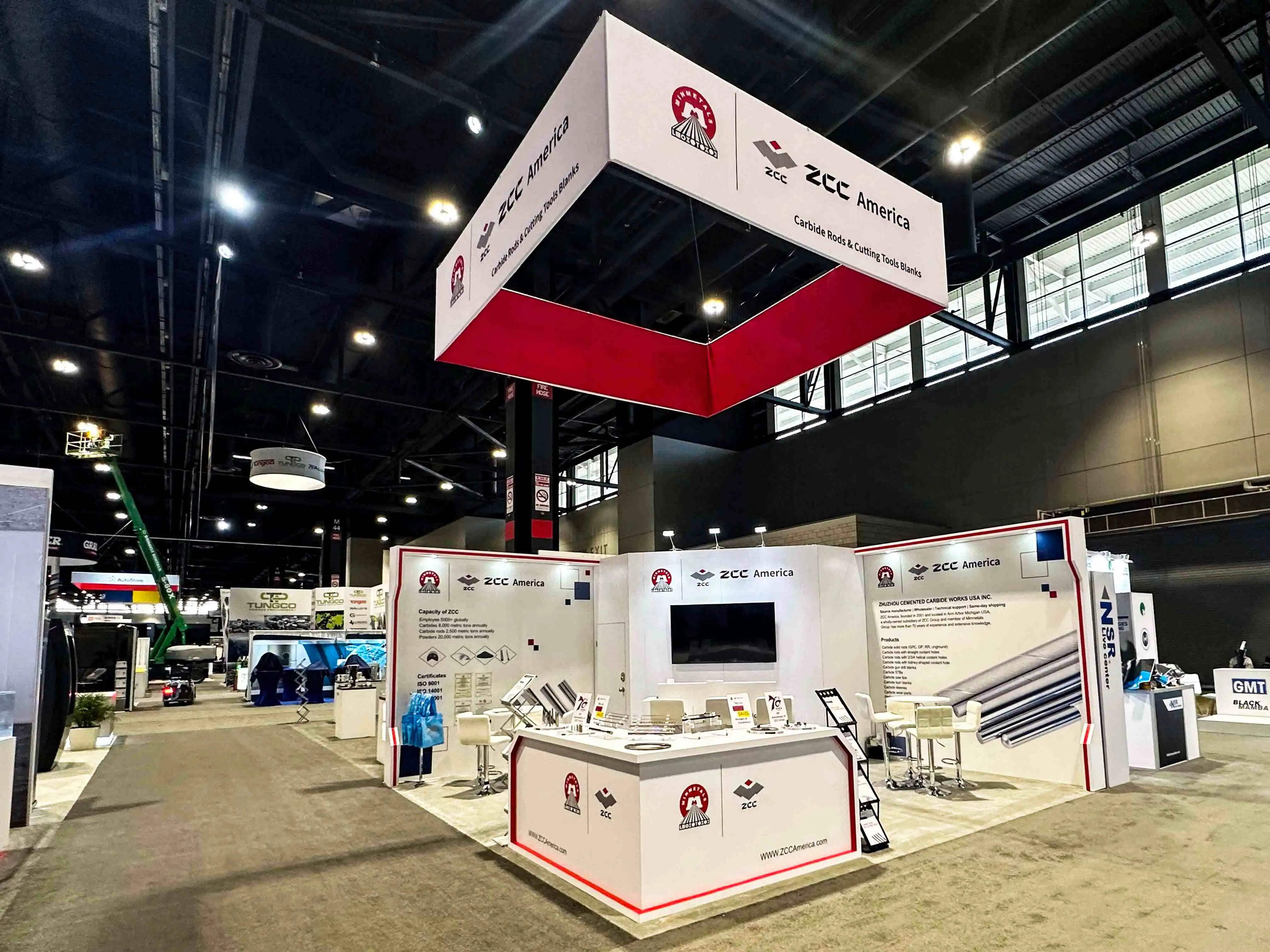
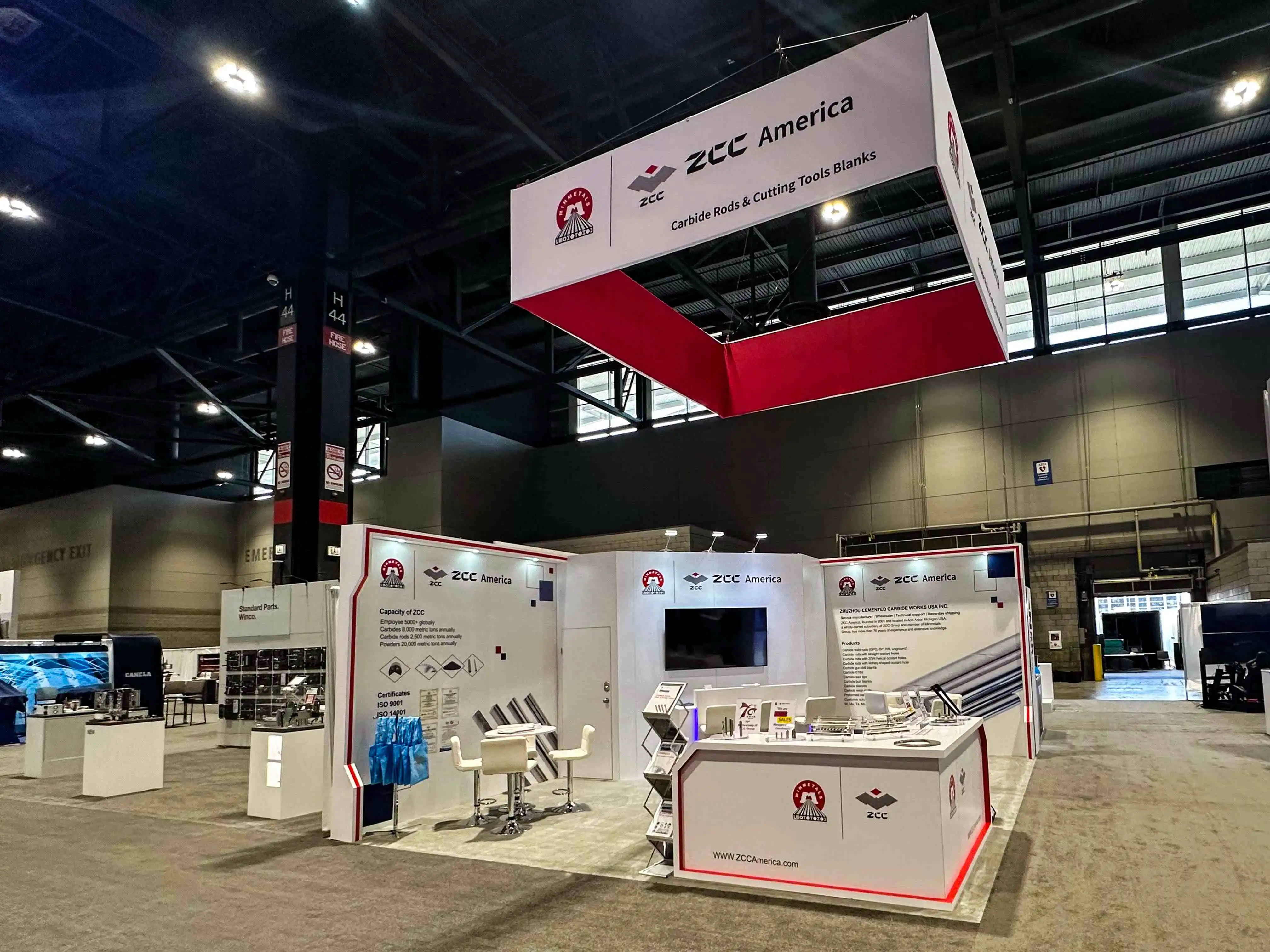
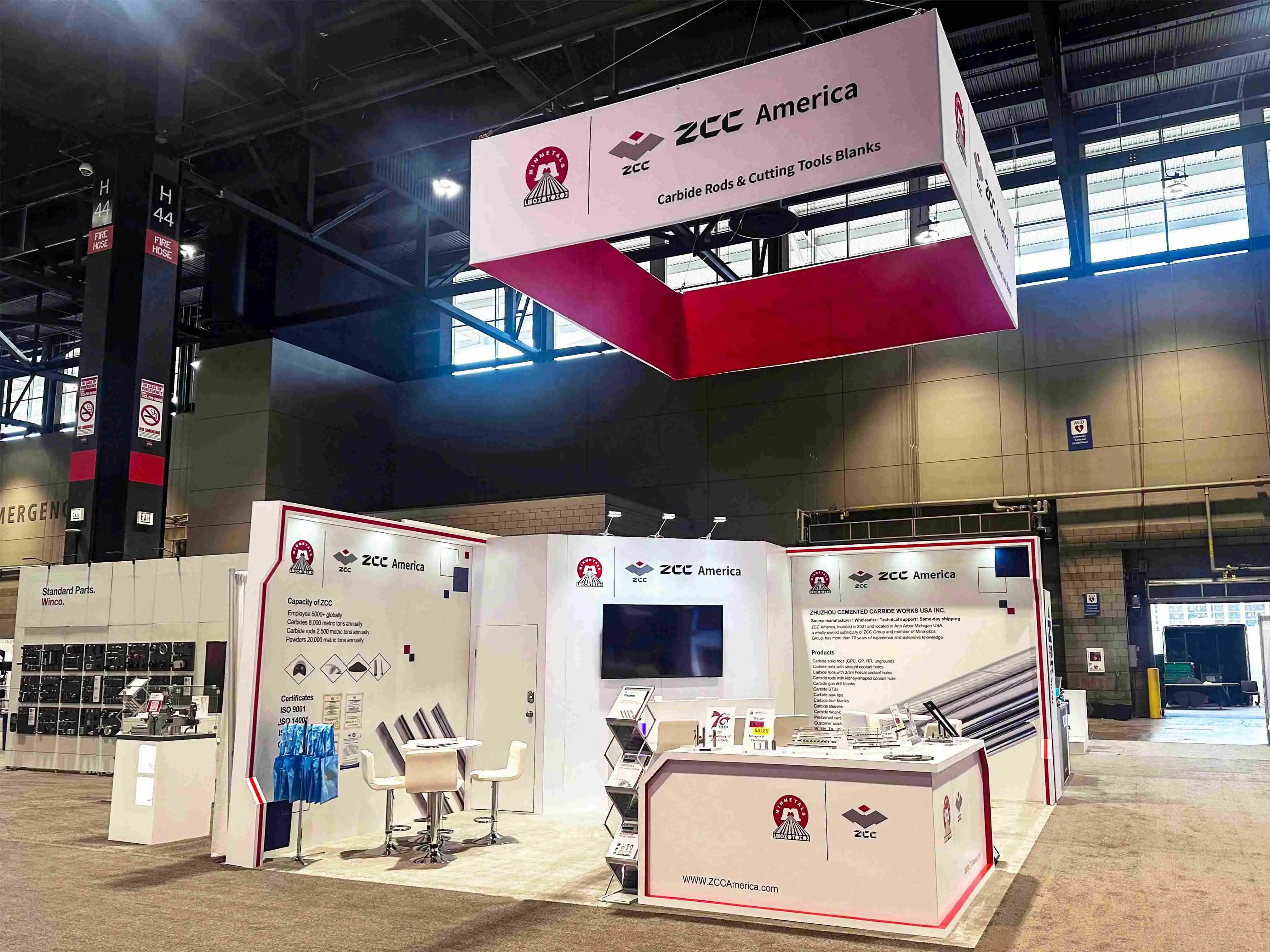
When there are a lot of people in an exhibition hall, vertical branding features stand out from the rest of the show floor. Your booth can be seen from far away by hanging structures, truss systems, or tension fabric displays from the venue's support points. But these parts have to follow the venue's height and line-of-sight rules. At big events, island booths usually have to be 16 to 20 feet away from other booths. With the right technical clearance and advance approval from the show organizers, changes made at the last minute won't be as expensive.
Sustainable Material Choices That Reflect Corporate Values
Environmental duty is becoming more and more important to manufacturing clients. To show that you care about the environment, choose FSC-certified wood, low-VOC paints, and fabrics made from recycled PET bottles (rPET). These options are great for procurement workers who are looking at seller partnerships based on ESG factors. As part of our trash management, we donate used flooring materials and re-use furniture parts. This keeps the effect on landfills to a minimum and lowers the costs for clients on future shows.
Integrated Digital Lead Capture Systems
Instead of paper business cards, use integrated digital systems that can collect guest data by reading badges, using touchscreen forms, or scanning QR codes. These methods connect straight to CRM platforms, so you can follow up right away. Lead capture stations should be placed where people naturally leave your booth. This way, your sales staff can screen potential customers while their contact information is being recorded automatically. This method has worked especially well for clients who are presenting at tech-focused events like SEMICON West in San Francisco (October 13–15, 2026).
Hybrid Spaces for Virtual Participant Engagement
After the pandemic, display tactics are using more and more hybrid aspects. You can record product samples or hold virtual talks with people who can't be at the show in person in a small area of your booth. With the right background design, controlled lighting, and noise management, you can make broadcast-quality material right from the show floor, which will help your exhibition reach more people than just the people who are there in person.
Comparing Booth Design Options: Modular, Custom, and Portable
The right show booth design method has a big effect on both the short-term costs and the long-term return on investment (ROI) from the show. Depending on how often you want to show, how you want to brand yourself, and your budget, each method has its own benefits.
Modular Systems: Adaptability Meets Cost Efficiency
For OEM makers who want to display at more than one event a year, modular booth systems are the best option. The aluminum frames of these buildings can be put together without any tools, which greatly reduces the cost of installation work and setup time. It only takes 6–8 hours to set up a standard 20x20 modular booth, but 16–24 hours for similar custom building. The fact that the parts can be reconfigured means that they can be used in a variety of space arrangements. This is especially useful for exhibitors at shows like The Battery Show in Detroit (October 12–15, 2026) who have booths of different sizes and shapes. Maintenance is easy, and broken panels can be changed without having to tear down whole buildings.
Custom Fabrication: Maximum Brand Differentiation
Custom-built booths offer the most brand-specificity and design freedom. These custom-built buildings use unique materials, complicated shapes, and architectural features that can't be combined with standard systems. Corporate marketing managers with big budgets like custom solutions for major shows where differentiating the brand is worth the extra money. However, the "build and burn" model—which means building booths for a single show and then throwing them away—has big effects on both cost and the environment. We mostly suggest custom manufacturing to clients who use IMTS as their main marketing investment each year. In these cases, the booth makes a strong brand statement, which justifies the $150–$300 per square foot costs.
Portable Solutions: Convenience for Limited Exhibition Programs
Portable booth systems are great for makers who only go to a few shows a year or who have to display in small 10x10 areas. These buildings are very light and can be packed up into shipping cases that small teams can handle. This means that they don't need any special assembly work. Pop-up cloth displays, flexible banner stands, and small counters can give your business a professional look with little cost—usually between $3,000 and $8,000 for a full 10x10 setting. The trade-off is that you can't change as much and the installation doesn't look as good as bigger modular or custom setups. Startups and smaller OEM makers can use portable solutions to try show marketing before committing to bigger investments.
Purchase Versus Rental: Strategic Financial Considerations
OEMs that present at three or more shows a year usually get a better return on investment (ROI) when they own their booths instead of renting them. When you buy flexible systems, you spread the cost over many uses, but when you rent them, the fees keep adding up without increasing the value of the asset. On the other hand, companies that only attend IMTS once a year often benefit from hiring agreements because they don't have to pay for storage or upkeep. We offer both ownership and rental plans that are customized to each client's show schedule and budget, helping them get the most out of their money without sacrificing the quality of their booth.
How to Choose the Right Booth Design Partner for IMTS 2026?
Whether your IMTS 2026 appearance is a success at getting new leads or a logistical nightmare depends on how well you choose your show booth design partner. Criteria for critical review include more than just design samples. They also include project management skills, technical knowledge, and the ability to consistently carry out tasks.
Experience with Industrial and Manufacturing Exhibitions
Your booth partner should have a history of working with professional B2B shows like IMTS, FABTECH, and other events that focus on production. This specific knowledge makes sure that designs meet the needs of showing off heavy equipment, know what engineering audiences want, and know how to deal with the rules that guide industrial exhibition places. Look at case studies from similar OEM clients. Look at not only the final look, but also how well they met deadlines and solved problems when they came up.
Design Innovation Balanced with Practical Execution
Creative ideas for the booth don't mean anything if they aren't carried out perfectly. Assess possible partners based on their ability to come up with new designs and build things that will last. Before we suggest design solutions for any project, we make sure we fully understand your unique product demonstration needs, customer engagement goals, and budget limits. Our workshop in Las Vegas allows us to make things locally, which keeps quality under control during building and lets us make quick changes at the last minute.
Comprehensive Service from Concept Through Dismantle
OEM makers gain the most when a single provider handles all aspects of the display lifecycle, including idea development, 3D rendering, fabrication, logistics coordination, on-site installation, show services, and takedown after the show. This all-encompassing method gets rid of the problems that come up when working with multiple companies and makes it clear who is responsible for what. Our team takes care of everything, from optimizing the floor plan at the beginning to taking down the booth at the end. This way, your staff can focus on engaging visitors instead of worrying about the details of the event.
Material Quality and Compliance Standards
Fire safety codes (NFPA 701 in the US) and structural engineering rules must be followed when building a booth, especially for double-deck designs or parts that are hung. Make sure that your partner uses materials that are legal and keeps the right paperwork for place checks. We choose materials that meet all government standards and are also very durable so they can be used for many shows. For example, we use high-pressure laminating finishes on the wood parts and fabrics with the right ratings for the tension graphic systems.
Flexible Scheduling and Responsive Communication
Planning for IMTS 2026 should start at least 4 to 6 months before the show dates in September. This will give enough time for design changes that take 4 weeks, production that takes 6 to 8 weeks, and coordinating operations. Partners who communicate in an open way—by answering questions quickly and adapting to changing needs—are very helpful when the project needs to be changed. We have dedicated project managers for each client, who make sure there is constant contact and problem-solving throughout the process of getting ready for the show.
Practical Tips to Maximize Your Booth's Impact at IMTS 2026
Even booths that are properly made won't do well if they don't have involvement strategies and operational details that turn people into qualified leads.
Optimize Traffic Flow Through Strategic Layout Planning
Think about your booth from the point of view of a guest and make sure that easy-to-follow paths lead people to the most important product displays and activity areas. Instead of making dead ends or barriers that trap tourists, make traffic patterns that are circle or U-shaped so that it's easy to get in and out. Place your most interesting product displays or visuals along the front of the main hallway, where they will catch people's eyes as they walk by. In deeper booth zones, you should put secondary goods and specific technical information to keep people who have already decided to come in interested.
Advanced Lighting Creates Ambiance and Highlights Products
Usually, exhibition rooms only have basic lighting above, so booths are dark and uninviting without extra lighting. Layer lighting by using different types of fixtures, such as high floodlights to provide general illumination, focused spots to draw attention to important items, and accent lighting to add depth to the visual experience. LED systems show colors very well while making very little heat, which is very important when showing temperature-sensitive parts. Programmable lighting controls let the lights change on the fly during the show days, making them brighter when there are a lot of people and less bright when there aren't as many people.
Leverage Digital Tools for Enhanced Engagement
Touchscreen displays with product configurators, specification sheets, and video demos are helpful self-service tools for expert guests who would rather do their own study before talking to a salesperson. Engineers can download detailed technical paperwork directly to their phones using QR codes. This way, your specifications will be with them during the review processes that happen after the show. Digital lead recovery systems work well with these tools and collect information about how engaged a lead is, which helps set priorities for follow-up.
Create Comfortable Spaces That Encourage Conversation
During technical sales cycles, people rarely have deep talks while standing in crowded halls. Include places with comfortable seating and high-top tables that can be used for looking at technical plans or setting up computers with equipment specs. These areas should feel somewhat private without being completely closed off. They should be a mix between being open and being private. Offering refreshments like coffee or bottled water makes you feel welcome, which extends the talk and helps you get to know possible clients.
Brand Storytelling Through Environmental Design
Instead of just using text-heavy images, your show booth design should have architectural choices, material choices, and visual elements that communicate your brand's values and the story of your business. For example, industrial materials like exposed steel or riveted panels could show a history of manufacturing, while clean white surfaces and built-in LED details could show a focus on innovation. Environmental storytelling that isn't too obvious makes emotional links with guests and sets your brand apart from others that just list product specs.
Conclusion
OEM makers need to take advantage of IMTS 2026 to show off their technical skills, make connections in the industry, and find suitable leads that will help their businesses grow. The success of an exhibition depends on how well the show booth design is executed, including how well it looks, how well it works, what technology it has, and how well it shows off the brand's personality. Working with experienced display professionals will make sure everything goes smoothly, from the idea to the final takedown. This is true whether you choose modular freedom, custom uniqueness, or portability. Professional booth design and building services pay for themselves in a way that can be measured: better brand recognition, more leads, and a stronger position in the industry that goes beyond the show floor.
FAQ
Q1: What budget should OEM manufacturers allocate for IMTS 2026 booth design?
A: How much money is spent varies on the size of the booth and how it is built. For 20x20 island booths, modular systems usually cost between $30,000 and $60,000. For the same amount of room, custom production costs between $50,000 and $100,000 or more. Portable setups for smaller 10x10 straight booths start at about $5,000 to $12,000. These numbers include design, manufacturing, and graphics, but they don't include show services, installation work, or drayage. When a company exhibits at more than one event a year, like FABTECH, The Battery Show, or SupplySide Global (all happening in different cities in October 2026), buying a show booth design instead of renting one for a single show gives them a better return on investment (ROI).
Q2: How early should we start planning booth design for IMTS 2026?
A: Four to six months before the show, start making plans. This schedule gives four weeks for plan changes and reviews, six to eight weeks for fabrication, and enough time for coordinating operations and turning in venue paperwork. Planning ahead of time also helps you get the construction workers and show services you want before your schedule gets too full. Many Las Vegas shows, like FABTECH and Money 20/20 in October 2026, are competing for the same installation teams. Companies that want to display at more than one fall event need to book their crews early.
Q3: Can booth designs be reused for other manufacturing trade shows?
A: For example, modular booth systems can be used again and again at different shows by being able to be reconfigured easily. The parts that are used for IMTS can be changed to fit area industrial shows, industry conferences, or events to launch new products. We help our clients get the most out of their booth investments by creating flexible systems that can be put together in a variety of ways while still staying true to the brand. This strategy works especially well for makers who go to both big national shows and smaller area shows all year long.
Partner with HR Exhibits Service, Inc. for Your IMTS 2026 Success
HR Exhibits Service, Inc. has a lot of experience developing and building show booths that get OEM makers real results. We are based in Las Vegas and have full fabrication facilities. We plan and build entire booths for clients who are exhibiting all over the United States, especially at big shows in Las Vegas like FABTECH, Money 20/20, and SupplySide Global in October 2026. Whether you're showing at IMTS in Chicago, The Battery Show in Detroit, or SEMICON West in San Francisco, our local workshop and skilled installation teams will make sure everything goes smoothly.
We know the unique problems that OEM makers have to deal with, like showing off big machines, making room for technical presentations, and keeping engineering audiences interested in complicated buying processes. Our full-service package includes everything from coming up with the initial idea to taking down the show after it's over. This takes away the trouble of coordinating and keeps everyone accountable. You can trust our show booth design services to give you the best solutions for your exhibition goals and budget. We offer both flexible systems that can be used at more than one show and custom construction that will make your brand stand out the most. Get in touch with us at info@hrexhibits.com to talk about how we can turn your IMTS 2026 presence into a powerful lead-generation tool that brings you long-term business benefits.
References
1. Trade Show News Network. (2024). "Exhibition Design Trends for Industrial Manufacturing Trade Shows." TSNN Publications.
2. International Manufacturing Technology Show. (2025). "IMTS 2026 Exhibitor Planning Guide and Technical Specifications." Association for Manufacturing Technology.
3. Exhibit Designers and Producers Association. (2024). "Best Practices in Modular Booth Design and Sustainable Exhibition Construction." EDPA Industry Standards.
4. Center for Exhibition Industry Research. (2024). "ROI Measurement and Lead Generation Strategies for B2B Trade Show Exhibitors." CEIR Research Report.
5. National Fire Protection Association. (2023). "NFPA 701: Standard Methods of Fire Tests for Flame Propagation of Textiles and Films." NFPA Code Standards.
6. Society of Independent Show Organizers. (2024). "OEM Marketing Strategies: Maximizing Trade Show Investment in Manufacturing Sectors." SISO White Paper Series.

Embark on Your Journey to Exceptional Exhibitions! Contact HR Exhibits Today to Transform Your Vision into Global Success.
HR Exhibits Service, Inc.