Modular Expo Stand Design for IFT FIRST: Save on Freight
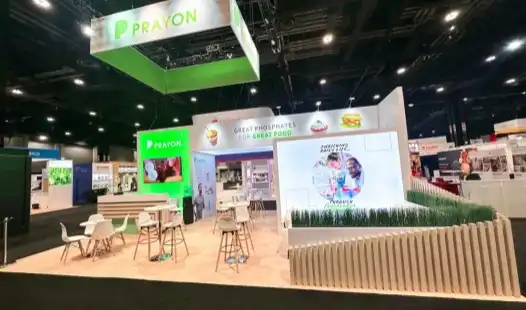
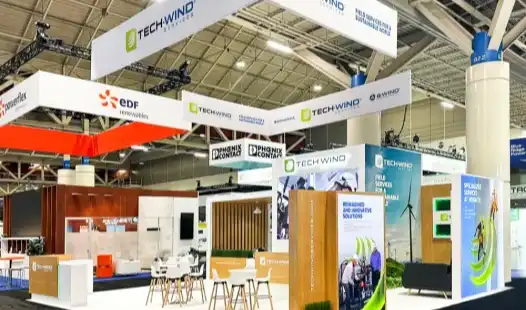
Food and drink brands can meet with leaders in the industry like never before by exhibiting at IFT FIRST, but the cost of freight can quickly eat away at your marketing budget. A smart option is modular expo stand design, which gives your brand a professional look while cutting shipping costs by a huge amount. By using lightweight, reused parts, exhibitors can make their displays stand out and save time and money on logistics, which is important for getting the most out of Chicago's biggest food technology event.
Understanding Modular Expo Stand Design for Trade Shows
What Makes Modular Systems Different?
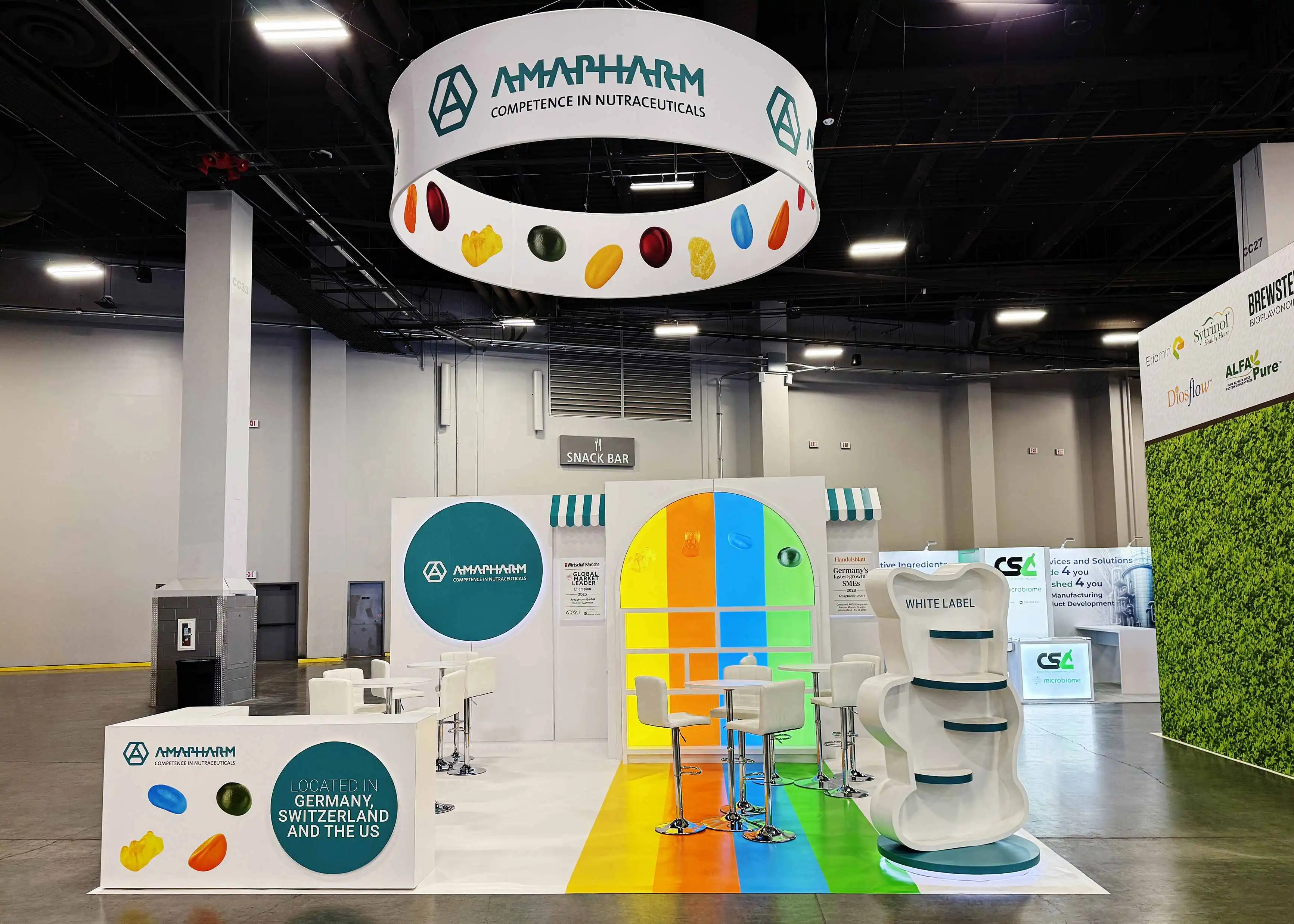
Standardised aluminium extrusion frames—usually 40mm to 120mm profiles—are used to build modular booths. These frames connect to each other using precision-engineered joints. Unlike most wood or steel manufacturing, these parts are shipped flat and can be put together on-site without any tools, making this expo stand design highly efficient and cost-effective. At IFT FIRST, we've seen this method change the way processes are done for clients in the food business. The frames support tensile fabric graphics, replaceable panels, and built-in lighting systems that make brand settings that look good together. Material choices are very important for food exhibitors: all surfaces meet Class A fire-retardancy standards according to ASTM E84, which is necessary for McCormick Place in Chicago to follow the rules.
Core Benefits for IFT FIRST Exhibitors
The main advantage is that transportation is more efficient. Most of the time, standard modular parts can fit into airline-checkable cases or small shipping boxes, cutting down on the number of pallets needed for shipping from three to one. McCormick Place charges drayage by the hundred-pound mark, so aluminium systems that are lighter than wood ones save a lot of money. During busy show times, setup speed is important. Skilled teams can put together a 10x20 modular display in four hours, while it takes eight hours for similar custom builds. This economy cuts down on labour costs and stress during installation.
It becomes doable to keep the brand consistent across multiple shows. Graphics panels are easy to switch out, so you can change the message for different groups of people while keeping the structure the same. When food businesses launch new goods at IFT FIRST, they can change the images to match the seasons without having to rebuild their whole booths. Procurement teams that have to follow environmental rules like modular systems because they produce little trash, aluminium can be recycled forever, and reuse processes greatly reduce the carbon footprint of each show compared to single-use builds.
Typical Configurations for Food Industry Applications
IFT FIRST vendors usually need useful areas that don't take up too much space. A basic 10x20 inline modular design includes meeting rooms, safe storage for ingredients, and counters for sampling products. All of these are necessary for food technology demos. Most of the time, we set up these areas with 40 mm-high raised flooring systems that hide the power runs to fridges or stoves. It can hold up to 500 kg per square metre of weight, which is enough for business tools or displays for packaging machinery.
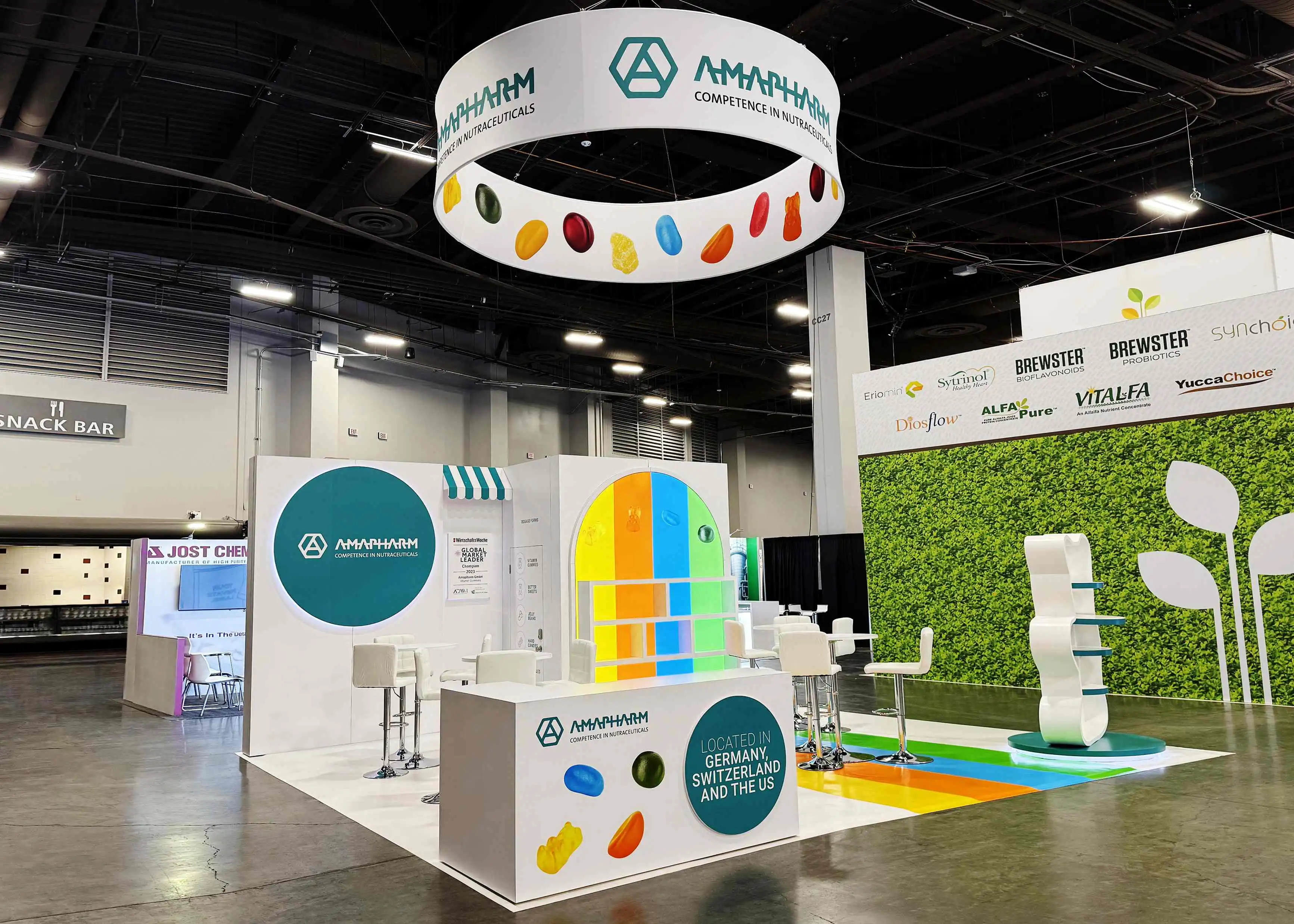
Island booths (20x20 or bigger) use flexible frames to hold up branding elements above them. For buildings that are suspended, rigging loads of about 250 kg at each truss point need to be calculated. This presence from above is helpful in McCormick Place's large rooms, where sight lines are hundreds of feet long. The flexible method lets you change the height, which is very important because venue height limits vary from 4m to 6m for different shows. To meet certain rules, components can be stacked or cut down without having to be made from scratch.
How Modular Expo Stand Design Saves on Freight: A Systematic Deconstruction Approach?
Root Causes of Traditional Shipping Expenses
When vendors ship custom-built buildings that are only meant to be used once, the cost of freight goes through the roof. Shipments that are made in traditional shops out of plywood, MDF, and metal frames are thick and bulky. A standard 10x20 handmade booth could be 1,200 pounds and take up 150 cubic feet of space when it's packed up. Shipping from manufacturing shops across the country to Chicago costs more than $3,000, and that's before McCormick Place's drayage fees are added on. Often, another $2,000 is needed to move the goods from the loading dock to the booth space.
Bad reusability makes the problem worse. Custom designs that are put on boards directly can't be used at future events. Dimensional lumber and made structures don't break down well, so vendors have to store big boxes all year or throw away parts after just one use. This limitation of traditional expo stand design often goes overlooked until after the first show. Storage sites close to big events charge higher fees, which can be the same as the original freight cost per year. These hidden costs rarely show up in the original budget estimates, but they destroy ROI figures when exhibitors look at all the costs of participating in the event.
Weight and Volume Reduction Through Modular Engineering
The costs of shipping are completely changed by materials that are light. Aluminium extrusion frames are 40% lighter than steel structures of the same size and shape, but they still have better tensile strength for use in exhibitions. We've seen full 10x20 modular setups that weigh only 450 pounds, which is less than half of what a normal booth weighs. Because they are collapsible, those same parts can be packed away into 60 cubic feet. This cut directly saves money on freight. Shipping quotes are based on volume and weight, so halving either one usually cuts costs by 50 to 60 percent.
Standardised packing makes things even more efficient. Custom-made reused boxes with exact measurements fit modular parts. These cases stack well in cars and protect goods better than makeshift boxes, which lowers the number of damage claims. Some of the exhibitors we've worked with send their whole IFT FIRST presence as checked luggage, skipping freight companies for shows where it makes more sense to move themselves. The four protective boxes that hold a full 10x10 display can be checked in under normal flight rules. It might cost $400 instead of $1,500 for freight service.
Real-World Cost Comparisons from Food Industry Exhibitors
Because they switched to modular building for IFT FIRST 2024, a company in the Midwest that makes food processing equipment cut their shipping costs to Chicago from $4,800 to $1,900. Their old handmade 10x20 booth took sixteen hours of work to set up and two full shipping boxes. The modular replacement came in five cases weighing a total of 380 pounds. It took five hours and three people to put together, whereas the old one needed five people. Over the course of three years of participating in IFT FIRST, the organisation saved more than $22,000 while keeping the same level of floor presence and brand effect.
In a different case, a new company that makes vitamin products showed up at both IFT FIRST in Chicago and Cosmoprof North America in Las Vegas at the same time in July 2026. With modular design, they could separate parts for different shows, which wasn't possible with traditional building methods. While backup parts and different graphics screens served the Las Vegas event at the same time, the base frame structure went to Chicago. Because of this, investments in booths weren't duplicated, which cut capital costs in half while still allowing a presence at two big industry events in the same week.
How to Choose the Right Modular Expo Stand Design for Your Business?
Aligning Show Objectives with Structural Requirements
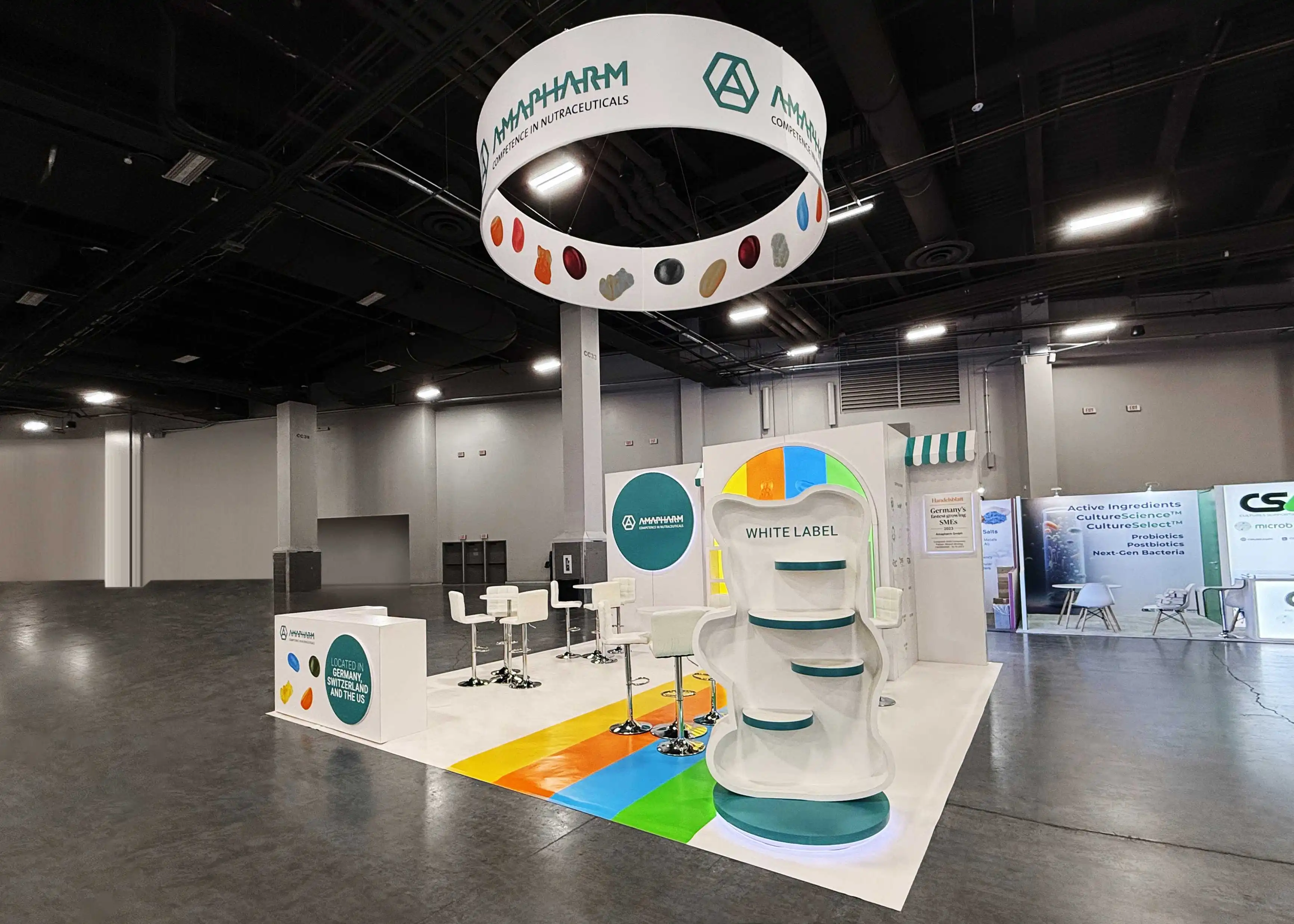
The goals you set for IFT FIRST directly affect the designs you make. Companies that are releasing new food technologies need plans that are good for demonstrations and have easy access to cooking or processing equipment. These needs can be met by modular frames that have built-in places to put tools and distribute power within a flexible expo stand design. Brand-building sellers focus on big pictures, dramatic lighting, and interesting architecture that stand out. Here, backlit tension fabric walls and adjustable ceiling features that give modular systems presence without adding too much weight to shipping make them stand out.
Evaluating Suppliers and Service Capabilities
Choosing the right partner is more important than the layout of the booth itself. We suggest that you look at exhibition service providers from a number of different angles. Having a local workshop is very important. Companies with facilities close to big events, like ours in Las Vegas, are better able to handle emergency fixes, last-minute changes, and smooth operations. HR Exhibits Service, Inc. has production skills that allow us to quickly change designs when clients have to deal with changing show needs or place limitations that come up late in the planning process.
It's helpful to have technical knowledge at food business shows. Providers who know about FDA-compliant material standards, refrigeration integration, and food safety practices can make designs that do more than just look good. Ask possible suppliers about specific IFT FIRST projects they have worked on in the past. Experienced vendors know how to handle materials in a way that doesn't violate McCormick Place's rules on electricity service, hanging points, or other areas that are different from other venues.
Modular Versus Custom: Decision Framework
When vendors go to more than one show a year, need configuration freedom, or want to keep shipping costs low, modular systems work better than custom builds. After two or three show rounds, when reuse cuts down on repeated fabrication costs, the break-even formula usually favours modular. Custom building is a good idea for one-time events that need unique architectural features or for permanent stores that are also used as exhibition spaces.
Specifications for the materials affect this choice. Most uses for modular aluminium and fabric systems work great in the food business, but exhibits showing heavy machines might need custom frames that are stronger. It's important to know how much weight each square metre of normal modular raised flooring can hold, which is enough for packing equipment or small production lines. No matter if you use a modular or custom method, heavier industrial screens need engineered solutions. We've been able to successfully combine custom features with modular frameworks—a mix of approaches that gives architecture a unique look while keeping organisational benefits.
Latest Trends and Tips in Modular Expo Stand Design for IFT FIRST 2026
Material Innovation Reducing Weight and Environmental Impact
Composite materials are now as strong as aluminium, but they are even lighter. When compared to aluminium extrusions, carbon fibre reinforced polymer frames used in high-end modular systems cut shipping mass by an extra 25%. These new materials cost more at first, but they save money in the long run because they last longer and require less upkeep. With proper care, they can last eight to ten years, making them a forward-thinking choice for any expo stand design. Food brands that care about the environment like the environmental story: using green energy in manufacturing processes has made carbon fibre production cleaner.
Smart Technology Integration
Digital interfaces turn static screens into places where people can interact with them. Pixel densities of P2.5 or higher can now be reached with LED screens built into modular frames. This makes them perfect for high-resolution product movies and interactive presentations. These screens are flush with the booth surfaces and don't look like they were put on. Power use has gone down a lot—modern LED walls only need 150 watts for a 55-inch display, which can be handled by normal booth electrical service without the need for extra high-amp requirements.
Visitors to IFT FIRST can use interactive touchscreens to look at product details, nutritional information, and production methods at their own pace. We're adding RFID badge scanning, which automatically records visitors' details and shows them personalised material on screens. This technology turns random people who come to the booth into approved sales leads. The modular framework can support these systems with built-in wire management channels and equipment mounting holes that were planned during the initial planning phase, rather than being made up on the spot.
Streamlined Installation Processes
Assembly methods that don't need tools have come a long way. Cam-lock devices or magnetic links make it easy to align and secure parts in modern modular connections. This speed cuts down on labour costs by a large amount. Ten person-hours are needed to do the same work that took sixteen person-hours three years ago. During short installation windows, like at McCormick Place's IFT FIRST move-in, where hundreds of vendors often compete for limited loading dock access and floor space at the same time, shorter setup times are very important.
Another complicated part is made easier by pre-wired electrical systems. Now, modular designs include internal power distribution with clearly marked connection places. This gets rid of the fire risk and trip risk of having wires that are out in the open. Lighting fixtures have built-in low-voltage wire that lets them snap into specific frame positions. This method meets McCormick Place's strict electrical code requirements while lowering the cost of the installation electrician—which can be several hundred dollars if vendors don't think they need to comply.
Installation, Maintenance, and Support for Modular Expo Stands at IFT FIRST
Step-by-Step Installation Protocol
The right way to put things together starts with going over thorough floor plans on calls before the show. We give participants CAD files that show exactly where to put parts and where to drop electrical cords, which are checked against IFT FIRST's official floor plans. This planning keeps you from being surprised during setup when changes cost a lot of money. Parts are labelled with position codes that match up with assembly plans. This simple method keeps everyone on the crew on task when more than one person is working at the same time.
Assembling the frame goes from back to front, setting up the booth's edges before adding the inside parts. Aluminium extrusions are joined together by perfectly machined joints that don't need to be adjusted. Parts either fit properly or show damage that needs to be replaced. This one-way result speeds up debugging compared to custom carpentry, where problems with the structure can be hidden by forced fits. This efficient assembly process is a hallmark of a well-engineered expo stand design. Tensile graphics are put up last. They are stretched over frames that are already put together using silicone edge seals that firmly grip the fabric edges without the need for any tools. For a 10x20 booth, the process usually takes four to six hours with an experienced two-person crew, but three people are better for a smoother pace.
Maintenance Practices Extending Component Life
Frames made of aluminium don't need much upkeep, but they do benefit from regular care. We suggest wiping down extrusions with wet microfiber cloths after every show to get rid of dust and any food leftovers. This is especially important for IFT FIRST, where ingredient samples always make cleanup hard. Abrasive cleaners can ruin anodized surfaces, so stay away from them. A light silicone spray lubrication should be applied to joint mechanisms once a year to keep them running smoothly. This easy, five-minute job stops the binding that can happen after several rounds of assembly.
Fabric images need more attention because they stand out so much. Between shows, wash the panels in a machine with cool water and a light soap. Do not use bleach, as it breaks down dye-sublimation inks and fire-retardant treatments. Machine drying loses more of the fabric's stiffness than air drying. Isopropyl alcohol sprayed with lint-free cloths can be used to treat small marks. Even if you take good care of your images, we usually suggest that you change them every three to four years because places that get a lot of use wear out and brand messages change. The flexible benefit: changing the designs only costs 15% of the original booth cost, while custom painting or rebuilding costs 40–60%.
Supplier Support Services
Reliable partners offer full help that goes beyond the initial manufacturing. HR Exhibits Service, Inc. keeps a store of parts, which lets us ship replacements overnight if something breaks during shipping or setup. This skill comes in very handy during show setups, where delays can lead to costly issues. We've sent new frame parts Express, and they got to Chicago the next day. This allowed exhibitors to finish their installations on time, even though the shipping damage would have meant they couldn't participate otherwise.
Users of modular systems that last more than one year need design development help. Booth designs need to be changed when brands change their messages or when their product lines do. Our team gives advice on how to add new design ideas to frames that are already there. This can often give things a new look for 20–30% of the cost of rebuilding them from scratch. Storage services solve another problem that exhibitors have: we store parts between shows in our climate-controlled building in Las Vegas. This takes care of the clients' storage needs and makes sure that systems are always ready to be quickly deployed when they are needed again.
Conclusion
Modular booth building completely changes the economy of showing at IFT FIRST. It gives brands a professional look while cutting down on freight costs, which usually take up 20 to 30 percent of participation budgets. The aluminium frame systems we've talked about are valuable because they can be used again and again, they're easy to ship, and they're quick and easy to set up. These benefits add up over multiple show rounds, making this expo stand design approach highly cost-effective for frequent exhibitors.
Food industry exhibits have special problems when they need to show off goods that need to be refrigerated, cooked, or sampled ingredients. Modular designs can handle these technical needs while still offering the cost-effective benefits of easy transportation. As you plan your 2026 IFT FIRST presence in Chicago, the question isn't whether to think about flexible solutions or not, but how fast you can put them in place to start saving money and making your show more powerful.
FAQ
Q1: How much can modular systems actually reduce freight costs?
A: When compared to standard custom booth building, exhibitors usually save 50 to 60 percent on shipping costs. Standard 10x20 modular displays weigh between 380 and 450 pounds, while special builds of the same size weigh between 1,000 and 1,200 pounds. This difference in weight cuts down on freight costs and McCormick Place drayage fees.
Q2: Can modular booths look custom and match our specific brand guidelines?
A: Modern modular systems let you make a lot of changes by using cloth images, lighting design, and building materials. Dye-sublimation printing makes exact brand colours and complicated images look like photos. The frame structure has standard sizes, but the areas that can be seen can be fully customised to meet brand requirements.
Q3: What's the typical setup time at McCormick Place for IFT FIRST?
A: A two-person crew usually needs four to six hours to set up a 10x20 movable booth. Island configurations that are 20x20 or bigger need eight to ten hours and three crew members. These schedules are based on the idea that the place will have normal electricity service and no other problems. In comparison, the same handmade rooms need 50–75% more work hours. Less time spent setting up saves money on labour and gives exhibitors more schedule freedom during McCormick Place's limited move-in times, when hundreds of them all have to share the same few spots.
Partner with HR Exhibits Service, Inc. for Your IFT FIRST Success
As an expert in full-service expo stand design and building, HR Exhibits Service, Inc. takes away all the hassles that foreign and out-of-state exhibitors have when they come to big U.S. trade shows. We serve clients in the food business who are showing at IFT FIRST in Chicago, Cosmoprof North America in Las Vegas, and events all over North America. Our headquarters are in Las Vegas, and we can do all kinds of fabrication work. Most of the time, our movable booth options cut your freight costs in half while still giving your brand the professional look that helps people connect with each other on the show floor.
As a reputable expo stand design company, we can help you with everything from the initial idea to the final installation on-site. Our experienced local teams will handle booth building, graphics production, transportation planning, and installation labour. Email us at info@hrexhibits.com to talk about your 2026 IFT FIRST needs and get a thorough proposal that shows how modular construction will lower your costs to participate while increasing the effect of your exhibition.
References
1. Institute of Food Technologists. "IFT FIRST Annual Meeting & Food Expo: Exhibitor Planning Guide 2026." Institute of Food Technologists Publications, 2025.
2. Exhibition Services and Contractors Association. "Sustainable Practices in Modular Exhibition Construction: Material Standards and Freight Optimization." ESCA Industry Report, 2024.
3. McCormick Place Convention Center. "Technical Services Manual: Fire Safety, Rigging, and Material Handling Regulations for Chicago Exhibitions." McCormick Place Operations Division, 2025.
4. Freeman Company. "Total Cost of Exhibition Participation: Freight, Drayage, and Labor Analysis for Major U.S. Convention Centers." Freeman Industry Insights, 2024.
5. Center for Exhibition Industry Research. "Modular vs. Custom Booth Construction: Comparative ROI Analysis Across Multi-Year Exhibition Programs." CEIR Research Report No. 2024-07, 2024.
6. Trade Show News Network. "Aluminum Extrusion Systems in Modern Exhibition Design: Engineering Standards and Load Specifications." TSNN Technical Publications, 2025.

Embark on Your Journey to Exceptional Exhibitions! Contact HR Exhibits Today to Transform Your Vision into Global Success.
HR Exhibits Service, Inc.