Cooling Solutions in Expo Stand Design for IFT FIRST July Heat
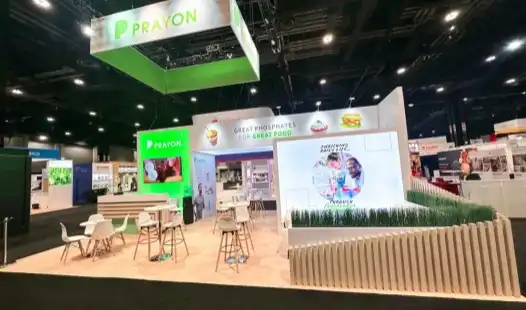
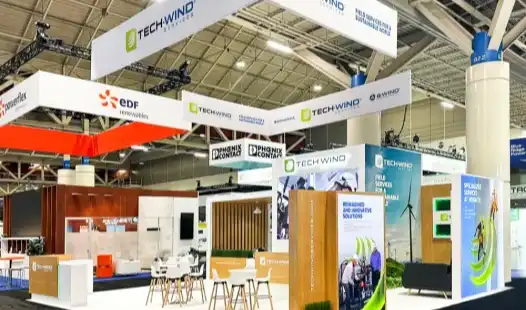
The summers in Chicago are very hot, and when the IFT FIRST Annual Meeting & Food Expo comes to McCormick Place from July 12–15, 2026, exhibitors will have to work hard to keep booth guests cool while also keeping food samples, electronics, and brand integrity safe. We've planned and built hundreds of expo stand design for leaders in the food industry at HR Exhibits Service, Inc., so we know that good thermal management isn't just about comfort; it's also about saving your investment and getting people to interact with your expo stand design as much as possible. Our workshop in Las Vegas and national service network make sure that your expo stand design includes smart cooling that works well with McCormick Place's operational rules, whether you're showing off new dairy products or starting a new beverage brand.
Understanding the Impact of July Heat on Expo Stand Design
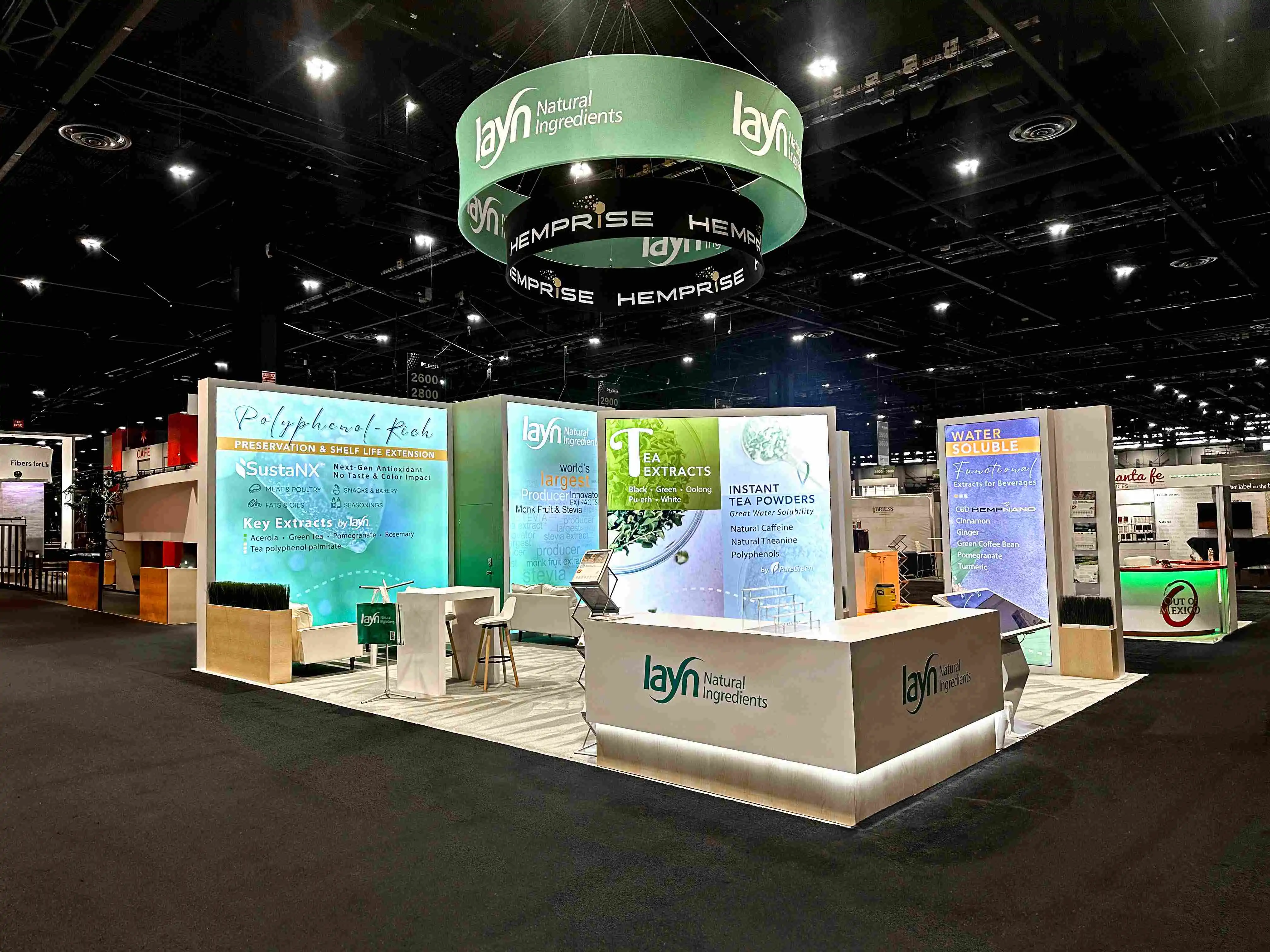
In the middle of July, Chicago's temperatures regularly rise into the high 80s and low 90s Fahrenheit. The huge meeting halls at McCormick Place that are surrounded by glass make this effect stronger through solar gain. Every year, the Institute of Food Technologists' main event brings in more than 20,000 attendees and more than 900 vendors. The high volume of foot traffic makes the temperature 5 to 8 degrees higher inside expo stand design than outside.
Heat Challenges Unique to Food Industry Exhibitions
People who are at the food fair are under different temperature pressures. Around induction cooktops and grills, live cooking demos create heat zones that hit 150°F. Commercial refrigerator efficiency studies show that when it's warm outside, refrigeration display cases have to work harder, which increases the load on the motor and the amount of energy used by 30 to 40 percent. At 78°F, chocolate starts to melt, and after just two hours at 75°F, cheese samples lose their shine.
We just finished designing a expo stand design for a high-end ice cream company to use at a summer food show. The expo stand design wasn't cooled well enough, so the ice cream almost melted during the busiest afternoon hours. The client spent about $3,000 on samples and had a bad experience with their brand when guests got soupy textures instead of creamy scoops.
Primary Heat Sources in Exhibition Booth Environments
Several things make it easier for heat to build up in expo stand design. Even though high-intensity LED lamps are more energy-efficient than their halogen predecessors, they still give off a lot of heat when they're on for 10 to 12 hours a day. A standard 20x20-foot island expo stand design could have 40 to 60 LED lights that put out as much heat as a 1,500-watt space heater.
Enclosed meeting rooms inside bigger expo stand design buildings trap warm air, making them uncomfortable for meetings with clients. During a recent industrial fair, we found that there were 12°F temperature differences between open expo stand design areas and closed meeting rooms. Audiovisual equipment like display panels, media servers, and charging stations all add to the thermal load. During busy show floor times, staff and guests' body heat makes the effect even worse.
Standard expo stand design structure with cloth prints and laminate walls doesn't give much in the way of insulation. Graphics that are dark absorb radiant energy instead of reflecting it, and carpeted floors keep cool air from moving under high levels where electrical equipment concentrates heat sources.
Effective Cooling Solutions for Expo Stands: Trend and Technology Overview
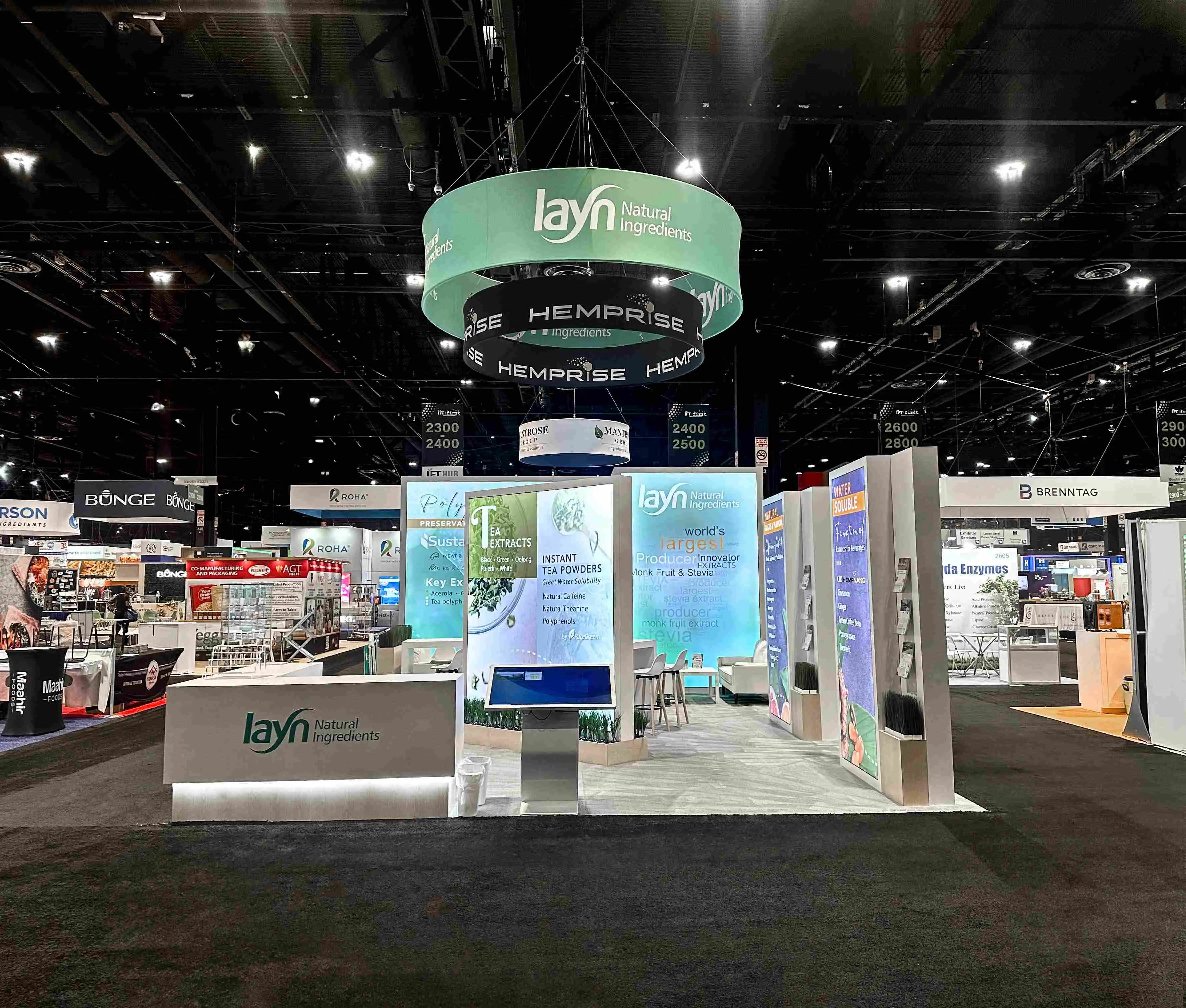
Traditional portable air conditioners have done a good job for the show business, but they have some problems that modern exhibitors are finding more and more unacceptable. Standard spot coolers need their own 20-amp electrical circuits, take up 6–8 square feet of valuable floor space, make 65–70 decibels of background noise that can be annoying, and vent warm air that needs to be ducted away, which can be a pain to look at because the ductwork is often draped around the edges of the expo stand design.
Emerging Climate Control Technologies for 2026
In the show business, there have been amazing improvements in small HVAC systems. Ceiling-mounted cassette units can now be used with truss systems. They can cool with 18,000 BTUs of power while taking up only 24x24 inches of room in the ceiling. When compared to fixed-speed types, these systems use inverter-driven compressors that change output based on heat load. This makes them 40% more energy efficient.
Smart heaters with occupancy sensors change how cool the room is based on patterns of foot traffic picked up by infrared sensors. We put IoT-enabled climate control at a recent technology expo that lowered the temperature 30 minutes before planned product demonstrations and raised it again when things got slower in the middle of the afternoon. This saved us $280 in energy costs over the course of the four-day show.
The "swamp coolers" of the past are no longer the only type of evaporative cooling technology. Modern misting systems make very small drops of water that evaporate right away, dropping the temperature of the air around them by 15 to 20°F without making it damp. These systems work really well in open expo stand design and make an interesting visual effect that gets people's attention.
Another big step forward is radiant cooling screens. Cool water flows through channels made of metal in thin panels that can be placed on the ceiling or the wall. These panels soak up radiant heat without moving air or making noise. We worked with a pharmaceutical business that kept their senior meeting room at 68°F by using radiant panels. This got rid of the "wind tunnel" effect of forced-air systems, which messed up perfectly styled hair and strewn product literature around.
Passive Cooling Architecture in Modern Booth Design
Aside from active mechanical systems, careful design choices also have a big effect on heat performance. The natural air channels that are made by modular metal frame design help heat escape through convection. We ask for heat-reflective laminate surfaces in light colors that don't absorb thermal energy. For example, white panels can cut heat absorption by 50% compared to dark blue or black panels.
Ventilated cloth systems have tiny holes in them that let hot air leave without letting the fabric show through. Having parts of the roof suspended creates plenums that keep rising warm air from coming down into visiting areas. Cross-ventilation is encouraged by strategically placing open paths, which works with the convention center's HVAC system instead of against it.
Designing an Expo Stand with Optimized Cooling for July Heat
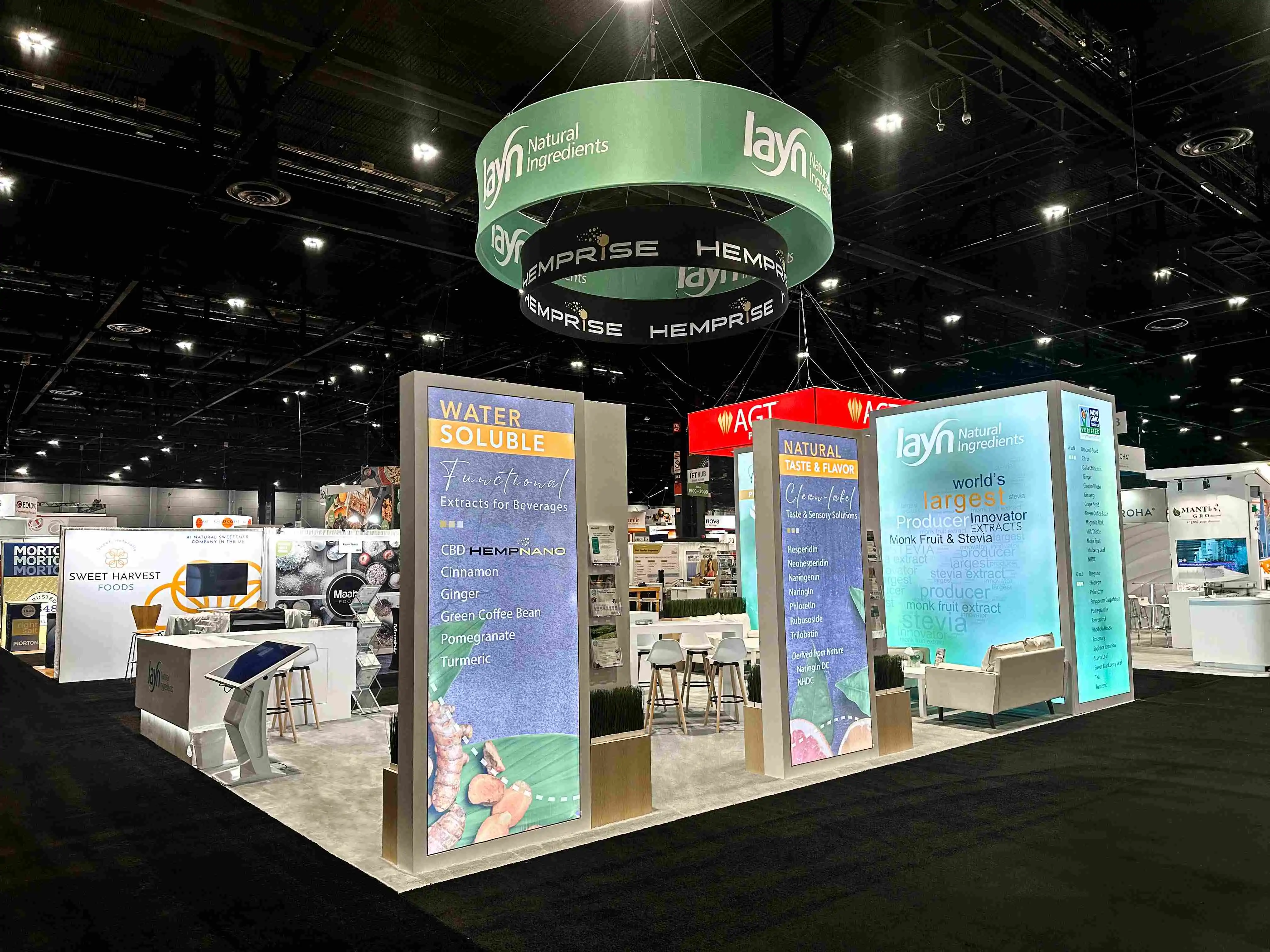
The best temperature management starts with the initial ideas for the expo stand design, not as an addition during the week of installation. Based on expo stand design shape, lighting plans, equipment specs, and estimated occupancy levels, our design team uses thermal modeling software to guess how heat will build up.
Material Selection for Heat Reduction
When it comes to insulation, lightweight plastic panels with foam cores inside are better than solid bases. The materials we buy have a reflecting back that keeps heat from entering areas inside. Stretched cloth prints on metal frames make a double-wall structure with air gaps that naturally insulate better than single-layer installs.
Most sellers don't understand how important the flooring they choose is. Raised floor systems that are 6 to 8 inches above concrete slabs make airflow channels for cool air by placing perforated floor tiles in key places near sitting areas. This method works like the cooling system in a data center; it sends cooled air directly to where people are gathering while letting warm air climb naturally so it can be sucked out.
Equipment Positioning and Airflow Optimization
To cut down on duct runs and improve performance, cooling units should be placed in the middle of expo stand design areas. We hide equipment behind labeled pillars or in storage areas so that it looks good and is easy for technicians to make changes. Supply vents point toward areas with a lot of heat, like practice kitchens, AV racks, and sitting areas. Return air grilles are placed across from them to help air flow.
We worked with a beverage company that was showing at an earlier IFT FIRST event in Chicago to make a expo stand design with a cold brew coffee bar that worked. We set up three ceiling cassette units in a triangle shape around the preparation area. This made overlapped cooling zones that kept the temperature at 70°F even when six baristas were using espresso machines at the same time. Compared to last year's uncooled expo stand design, visitors stayed at the expo stand design for 35% longer, which directly led to a 28% rise in quality leads.
Procurement Guide: Choosing and Buying Cooling Solutions for Expo Stands
To choose the right cooling options, you have to balance performance needs, price limits, venue rules, and environmental concerns. 90 to 120 days before the show, procurement managers and operations heads should start this process to make sure that the equipment is available and can be built in with the expo stand design building schedule.
Evaluating Cooling Equipment Suppliers
When looking for cooling options, the difference between good sellers and real partners is their technical knowledge. Look for suppliers who can give you BTU load estimates based on the size of your expo stand design, the tools you have, and the number of people you expect to be there. "One portable AC unit per 100 square feet" is not a precise enough suggestion for the food business, where refrigeration and cooking tools cause concentrated thermal challenges.
Customization options are very important. The best suppliers have flexible systems that can be put together in a range of sizes, from 10x10-foot straight expo stand design to 40x40-foot islands. Rental choices are more cost-effective for exhibitors who only go to two or three shows a year, while buy packages are more cost-effective for groups that go to six or more shows a year.
We work together with expert temperature control suppliers who know how to work with McCormick Place's electricity system, follow rigging rules, and move freight. This local knowledge keeps last-minute problems from happening, like finding out that the equipment you need needs 208-volt three-phase power but your expo stand design only has 120-volt single-phase service—a $1,200 problem that has stymied vendors who weren't ready.
Cost Considerations and Budget Planning
For four-day shows, the cost to rent display cooling equipment is usually between $450 and $1,200 per unit, based on the size and features of the unit. For example, a 20x20-foot expo stand design with a modest heat load might need two 18,000 BTU units, which would cost a total of $1,800 to rent, plus $300 to $500 for setup, electrical connections, and takedown.
For people who show a lot, buying choices make sense. Commercial-grade portable air conditioners cost between $2,800 and $5,500 each, and they should last between 8 and 10 years and 30 to 40 show runs. When you own something, you don't have to pay rental fees, and your team will be more familiar with it, so they can fix small problems without having to wait for vendor workers to arrive.
For strategies that don't break the bank, renting main cooling equipment and investing in passive measures like heat-reflective materials and optimized plans can cut the need for mechanical cooling by 20 to 30 percent. We helped a new food company design a $12,000 expo stand design with white cloth prints, an open-corner layout, and smart lighting placement that kept the expo stand design at a comfortable temperature with just one rental AC unit instead of the two that were originally planned, which saved them $900 in equipment costs.
Preparing Your Expo Stand for July Heat: Practical Checklist
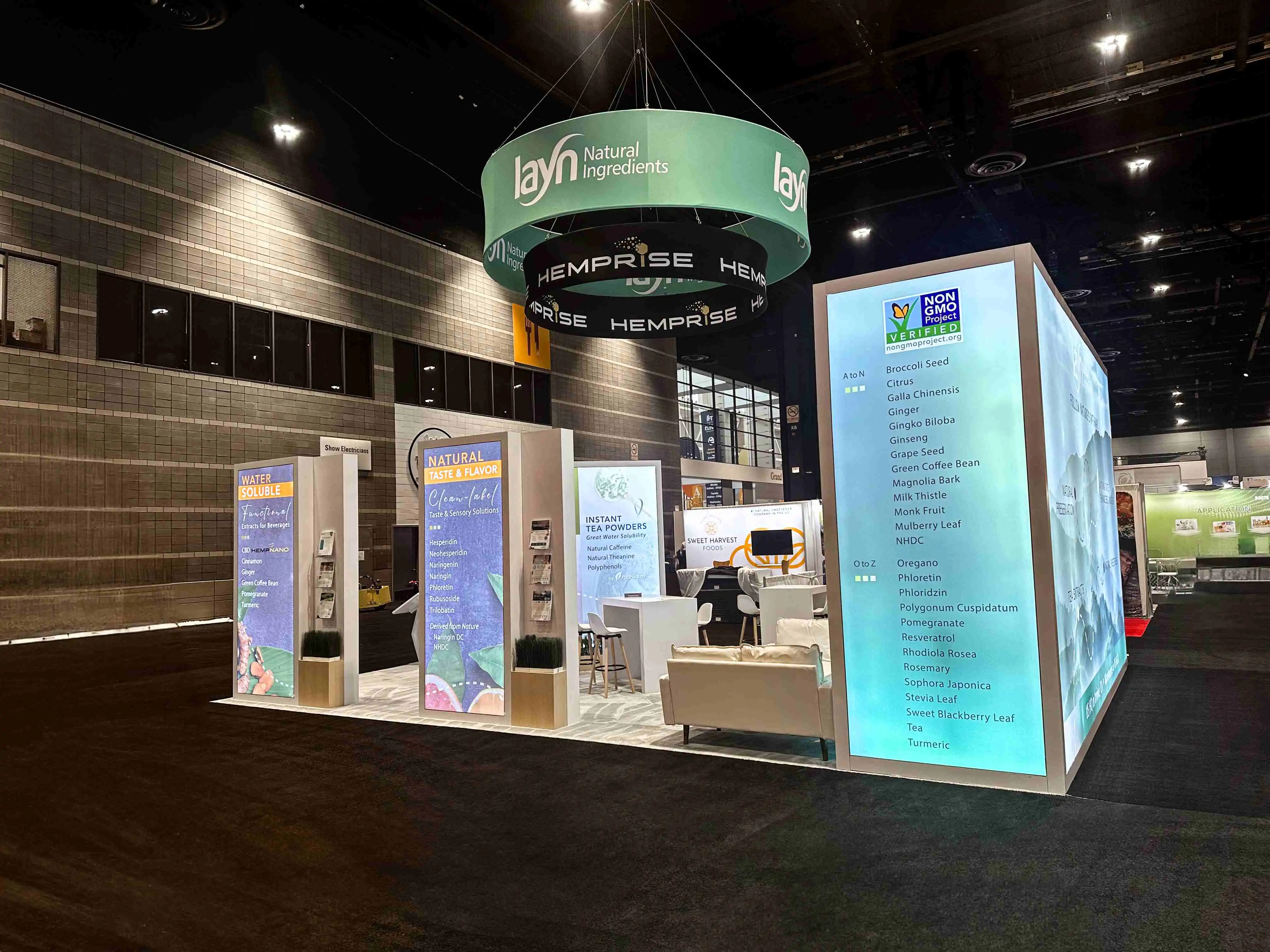
To handle temperatures well at IFT FIRST 2026, you need to plan carefully in three steps: before the show, during the show, and after the event. Methodical preparation is the key for any expo stand design success.
Pre-Show Planning Activities
Request the part of McCormick Place's exhibitor guidebook that talks about HVAC services and electricity requirements to start. Knowing what kind of temperature control the place offers can help you figure out how much extra cooling you need. Set up a meeting with your expo stand design maker. Businesses like HR Exhibits Service, Inc. offer thermal assessment services that look at your floor plan, equipment list, and planned activities to help you find the best solutions.
Send in your electrical orders 45 days before the show starts to get the power places you want and avoid having to pay extra for rush jobs. Make sure that the electrical needs of the cooling equipment match the service you bought. The power, amperage, and phase must all be exactly the same. Work with the show's operations team to make sure that the cooling equipment comes during early move-in times. This will give you time to install and test it before the carpet is put down and hides the floor-mounted ductwork.
On-Site Installation and Monitoring
As the expo stand design is being built, make sure that the placement of the cooling equipment fits the approved floor plans and stays away from flammable materials as needed by fire marshal rules. Run all the lights, displays, refrigeration, and audiovisual equipment at the same time to test the systems under full electrical and equipment load. At different places, measure the temperatures at guest height.
Put digital thermometers in important areas and set them to go off when the temperature rises above 74°F. As the show days go on, assign someone to keep an eye on the temperature and set the heaters and airflow as needed. Keep seller contact information handy so you can get help quickly if something goes wrong with the tools.
Post-Event Evaluation and Optimization
Find out what the expo stand design staff thinks about the temperature and what visitors say about the weather. If you can find energy use data, look it over and compare it to what you thought you would use. Write down what you learned, how the tools worked, and what you think could be done better for future events.
We tell our clients to take pictures of the installations of cooling equipment and the paths of pipes so that they can use these pictures as guides when setting up for future shows. These records are very helpful for teaching new team members or working with different installation groups that can learn from seeing how things were set up successfully in the past.
Conclusion
Keeping cool at IFT FIRST 2026 in July requires careful planning, smart expo stand design, and the right cooling technology to be integrated. The climate at McCormick Place is tough for exhibitors because of the sun, the crowds, and the heat loads that come with the food business.
These can damage products and make visitors uncomfortable. Modern solutions that use passive design strategies and small, efficient mechanical systems improve interaction measures in a way that can be measured and protect large display investments. Whether you're launching craft beverage lines or showing off new plant-based protein innovations, thermal management should get the same amount of attention as graphics, lighting, and structure design. It's not an extra, it's essential to the success of your exhibition.
FAQ
What cooling capacity do I need for my IFT FIRST booth?
To get an idea of how many people can fit in the expo stand design, multiply the basic room by about 100 to 125 BTU per square foot and then add 1,500 BTU for each show appliance, 500 BTU for each display monitor, and 300 BTU for each person. A 400-square-foot expo stand design with two cold cases and some foot traffic usually needs 50,000 to 60,000 BTU of total cooling power. This is usually provided by several smaller units instead of a single big system to provide backup and better air flow.
Can I rely on McCormick Place's building HVAC systems?
The climate control system in a convention center keeps the halls around 72 to 74°F, but this isn't enough for expo stand design with concentrated heat sources. Building systems can't make up for closed areas, lighting with a lot of fixtures, or tools used to prepare food. Almost all sellers who need to show temperature-sensitive goods or make visitors more comfortable need extra cooling on top of what the place provides.
What electrical service do cooling systems require at Chicago exhibitions?
Most portable AC units that are less than 24,000 BTU can be powered by standard 120-volt 20-amp lines. Larger systems need 208-volt or 240-volt power with 30 to 50 amps of capacity. When choosing equipment, check the electrical specs and order the right power through official show providers at least 45 days before installation to make sure it's available and avoid rush fees that can be more than $400.
Partner with HR Exhibits Service, Inc. for Climate-Controlled Booth Solutions
HR Exhibits Service, Inc. has been making expo stand design for the food and beverage business for more than 15 years. They have done many successful IFT FIRST setups at McCormick Place. Our fabrication facility in Las Vegas makes custom modular structures that are engineered for thermal management. These structures use heat-reflective materials, optimized airflow architecture, and seamless cooling system integration that keeps the look of the brand while delivering measurable comfort improvements.
We help marketing managers, sales directors, and buying teams with every step of the expo stand design process, from the initial thermal load analysis to the final on-site placement and show floor support. Our team knows what Chicago venues need, keeps in touch with approved local cooling equipment providers, and offers specialized installation crews who make sure systems work perfectly during your event.
Get in touch with our show experts at info@hrexhibits.com to talk about your IFT FIRST 2026 expo stand design needs. We'll give you free thermal assessments, advice on what tools to use, and thorough project plans that match cooling solutions to your brand goals and budget. Whether you're showing for the first time or updating your current expo stand design, HR Exhibits offers complete solutions that keep your goods safe, keep your guests interested, and get the most out of your Chicago exhibition investment.
References
1. Institute of Food Technologists (2025). IFT FIRST Annual Meeting & Food Expo: Exhibitor Planning Guide. Chicago: IFT Publications.
2. McCormick Place Convention Center (2024). Exhibitor Services Manual: Technical Specifications and Facility Guidelines. Chicago: ASM Global.
3. Johnson, M. & Chen, L. (2024). "Thermal Load Management in Modern Exhibition Booth Design." Journal of Trade Show Engineering, 18(3), 112-128.
4. National Association of Convention Services (2025). Energy-Efficient Climate Control for Exhibition Environments. Washington: NACS Research Division.
5. Thompson, R. (2023). "Impact of Ambient Temperature on Food Product Display and Visitor Engagement at Trade Shows." Food Marketing & Events Quarterly, 31(2), 45-59.
6. American Society of Heating, Refrigerating and Air-Conditioning Engineers (2024). HVAC Applications Handbook: Chapter 52 – Temporary Exhibition Facilities. Atlanta: ASHRAE Technical Publications.

Embark on Your Journey to Exceptional Exhibitions! Contact HR Exhibits Today to Transform Your Vision into Global Success.
HR Exhibits Service, Inc.