The Psychology Behind Effective Booth Design
Understanding the psychology behind effective booth design is crucial for maximizing visitor engagement at trade shows. A well-crafted booth taps into various psychological principles to create an environment that not only attracts but also retains visitor interest. Color psychology, for instance, plays a significant role in evoking specific emotions and associations. Warm colors like red and orange can create a sense of excitement and urgency, while cooler tones like blue and green might convey trust and tranquility.
The layout of your booth also influences visitor behavior. An open floor plan invites people in, reducing barriers to entry and encouraging exploration. Conversely, a more structured layout can guide visitors through a specific journey, ensuring they encounter key elements of your display in a predetermined order. This concept, known as "flow," is essential in managing crowd movement and ensuring each visitor has a comprehensive experience of your offerings.
Leveraging Cognitive Load Theory
Cognitive load theory is another psychological principle that savvy exhibitors carefully incorporate into their booth design to optimize visitor experience and engagement. This theory posits that there is a natural limit to the amount of information a person can process effectively at one time. At a busy trade show, where attendees are continuously exposed to a wide range of visual, auditory, and interactive stimuli, managing cognitive load becomes a critical factor in ensuring that your messaging is understood and retained.
A well-designed booth addresses this by presenting information in easily digestible segments, employing clear visual hierarchy to guide attention, and integrating deliberate moments of respite where visitors can absorb content without feeling overwhelmed. Thoughtful layout, signage, and display sequencing all contribute to reducing cognitive overload and enhancing comprehension, making the overall experience more effective and enjoyable.
In addition to managing cognitive load, incorporating interactive elements into your booth design leverages the principles of kinesthetic and multi-sensory learning. Engaging multiple senses—touch, sight, and in some cases even smell or taste—creates an immersive and memorable experience for visitors. This approach not only captures attention but also reinforces stronger memory associations with your brand, products, or services.
By combining cognitive load management with multi-sensory engagement, exhibitors can significantly improve information retention, encourage meaningful interactions, and leave a lasting impression that differentiates their booth in a crowded exhibition environment.
Innovative Booth Design Elements That Captivate Audiences
In the competitive landscape of trade shows, innovative booth design elements are key to captivating audiences and standing out from the crowd. One trend that's gaining traction is the use of immersive technologies. Virtual Reality (VR) and Augmented Reality (AR) installations can transport visitors into interactive product demonstrations or brand experiences, creating a wow factor that's hard to ignore. These technologies not only draw crowds but also provide unique, shareable moments that extend your booth's reach beyond the show floor.
Sustainable and eco-friendly booth designs are another innovative approach that resonates with modern audiences. Using recycled materials, incorporating living walls, or showcasing energy-efficient technologies in your booth design not only attracts environmentally conscious visitors but also positions your brand as forward-thinking and responsible. This alignment with sustainability can be a powerful differentiator, especially in industries where environmental impact is a growing concern.
The Power of Customization and Interactivity
Customization is becoming an increasingly important aspect of modern booth design, as brands seek to create unique and memorable experiences for visitors. Modular booth elements that can be easily reconfigured for different trade shows or varied exhibition spaces offer both flexibility and cost-effectiveness, allowing companies to adapt their setups without investing in entirely new structures.
Additionally, customizable interactive displays enable attendees to tailor their own experience, selecting the information, products, or demonstrations that are most relevant to them. This personalized engagement not only captures visitor interest but also increases the likelihood of meaningful connections and stronger brand recall.
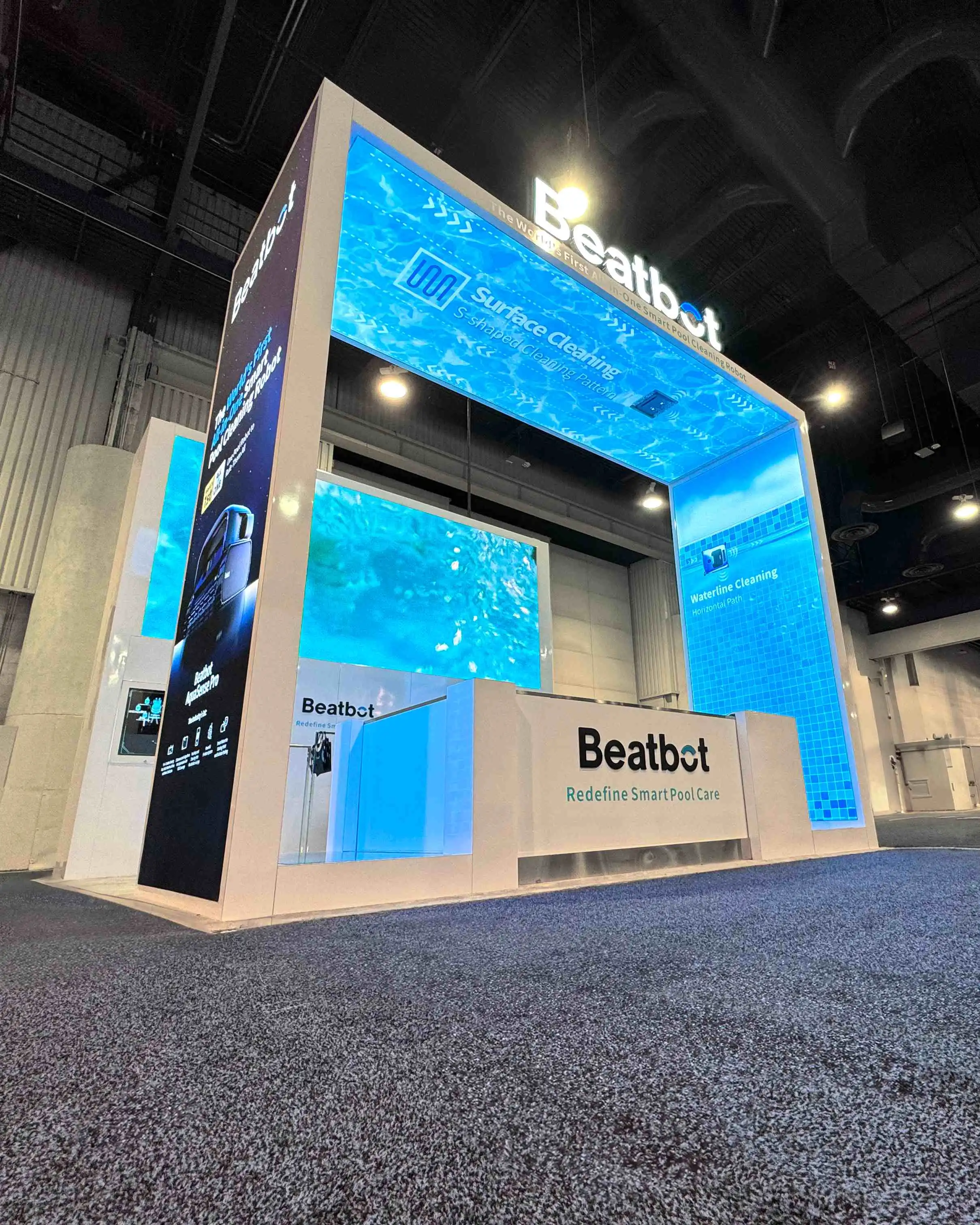
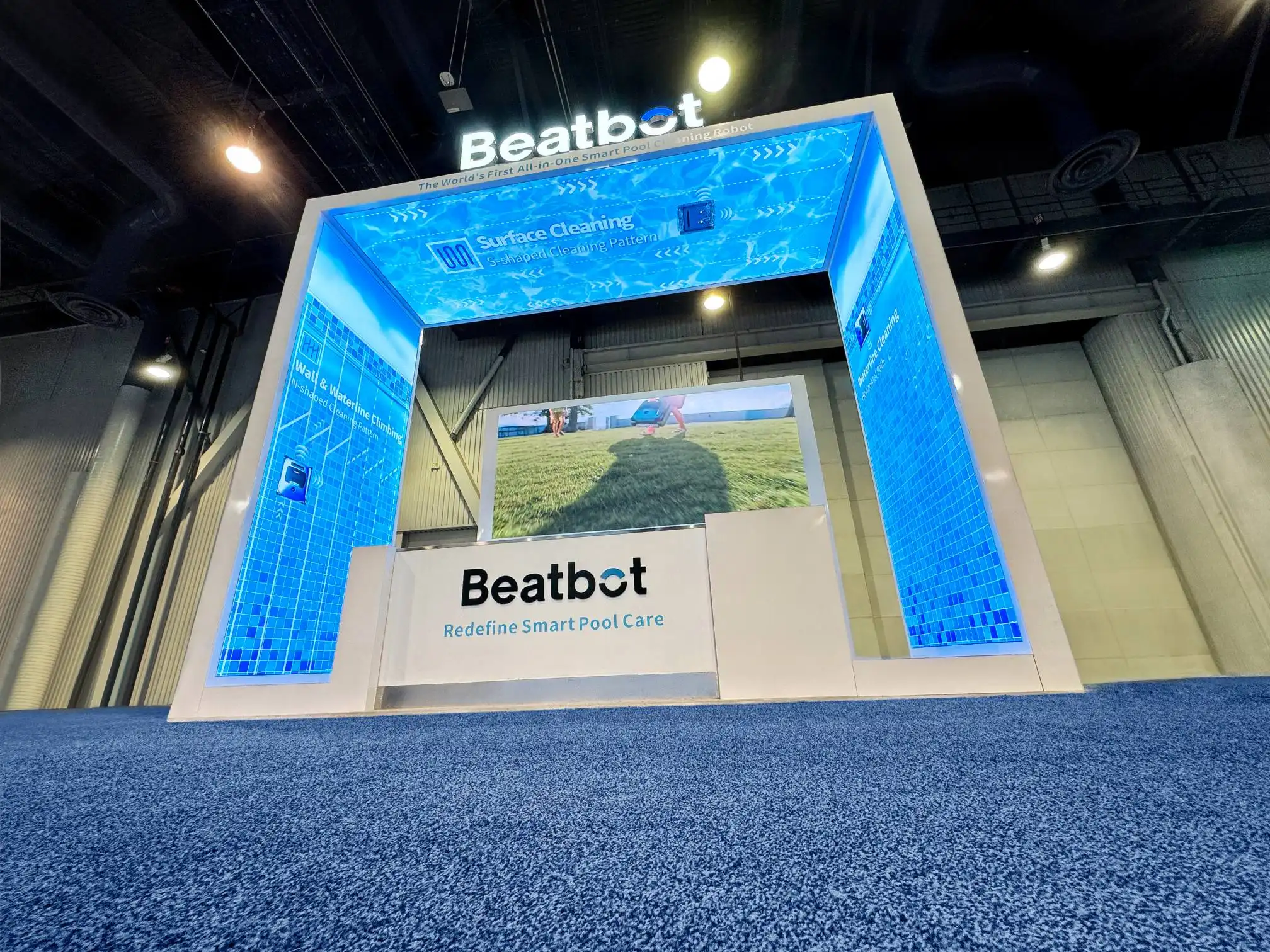
Lighting design represents another area where innovation can significantly elevate a booth's impact. Thoughtfully planned dynamic lighting, capable of changing color, intensity, or focus, can be used to create different moods throughout the day or to highlight specific products and displays at strategic times. Advanced techniques such as projection mapping, where visuals are projected onto three-dimensional surfaces, allow even ordinary booth structures to be transformed into extraordinary visual spectacles.
These immersive visual effects not only attract attention from across the exhibition hall but also reinforce brand storytelling, leaving a lasting impression on attendees. By combining modular customization with innovative lighting and interactive elements, exhibitors can create highly engaging, memorable, and adaptable booth experiences that maximize visitor interaction and showcase their brand in the most impactful way.
Measuring the Impact of Booth Design on Visitor Engagement
Measuring the impact of booth design on visitor engagement is essential for continual improvement and ROI justification. In the age of data-driven marketing, there are numerous metrics and methods available to quantify the success of your booth design. Foot traffic analysis, using heat maps or visitor counting technologies, can provide insights into how effectively your booth attracts and retains visitors. This data can reveal which areas of your booth are most popular and which might need redesign or repositioning.
Engagement time is another crucial metric. By tracking how long visitors spend in different areas of your booth, you can gauge the effectiveness of various design elements and interactive features. This can be done through observational studies or more advanced technologies like RFID tracking. The quality of interactions, measured through lead scoring or post-show surveys, can indicate how well your booth design facilitates meaningful conversations and information exchange.
Digital Integration for Enhanced Measurement
Integrating digital elements into your booth design not only enhances the visitor experience but also provides a wealth of valuable data that can inform future marketing strategies. Tools such as QR codes, NFC tags, or custom mobile applications allow you to track which products, services, or informational content attract the most attention from attendees. These technologies make it possible to capture precise interaction data, revealing the specific interests and preferences of your audience.
In addition, social media engagement metrics—including the use of event-specific hashtags, geo-tagged posts from your booth, and shared multimedia content—offer further insights into how your booth resonates with both on-site visitors and a broader online audience, highlighting the shareability and overall impact of your booth design.
Post-show analysis should extend beyond immediate engagement metrics to assess long-term effects and overall trade show success. Follow-up surveys, interviews, or feedback forms can help identify which elements of your booth design left the strongest impression or most influenced decision-making.
By correlating these insights with lead quality, conversion rates, and subsequent business outcomes, you can gain a comprehensive understanding of how different design strategies contribute to measurable results. This detailed evaluation allows you to refine your approach, optimize booth layouts, and improve future exhibits, ensuring each design choice aligns with your marketing objectives while maximizing return on investment.
Conclusion
Booth design is a powerful tool that significantly shapes visitor engagement at trade shows. By leveraging psychological principles, incorporating innovative elements, and utilizing data-driven insights, exhibitors can create compelling spaces that attract, engage, and convert visitors. The most effective booth designs seamlessly blend aesthetics with functionality, creating immersive brand experiences that resonate long after the event.
As trade shows continue to evolve, staying ahead of design trends and continuously refining your approach based on measurable outcomes will be key to maximizing the impact of your presence and achieving your exhibition goals.
At HR Exhibits, we understand the intricate relationship between booth design and visitor engagement. Our team of experts combines creativity with strategic thinking to deliver custom booth solutions that not only look stunning but also drive results. Whether you're exhibiting at CES, SHOT Show, or any other major event in the USA, Canada, or Europe, we're here to bring your vision to life.
With our local factory in Las Vegas and comprehensive services from design to dismantling, we ensure a seamless exhibition experience. Ready to make your next trade show appearance unforgettable? Contact us at info@hrexhibits.com to start crafting your perfect booth design today.
FAQ
How far in advance should I start planning my booth design?
Ideally, you should start planning 3-5 months before the event. This allows ample time for design, fabrication, and any necessary adjustments. However, our team at HR Exhibits is flexible and can accommodate shorter timelines for urgent projects.
What information do you need to start a booth design project?
To get started, we typically require your booth size, the name of the show you're attending, your design ideas, and budget. This information helps us create tailored proposals that meet your specific needs and exhibition goals.
Do you offer storage solutions for booth materials after the show?
Yes, we provide convenient local storage options for your booth materials. This service ensures long-term support for your future events and makes it easier to manage your exhibition assets.
References
1. Smith, J. (2022). The Impact of Booth Design on Trade Show Success. Journal of Exhibition Management, 15(3), 45-62.
2. Johnson, A. & Brown, T. (2021). Innovative Technologies in Trade Show Booth Design. Event Tech Quarterly, 8(2), 112-128.
3. Lee, S. (2023). Measuring ROI: Quantifying the Effectiveness of Trade Show Booth Designs. Marketing Metrics Today, 11(4), 78-95.
4. Garcia, M. & Thompson, R. (2022). Sustainable Practices in Exhibition Design. Green Events Magazine, 7(1), 23-40.
5. Wilson, K. (2023). The Psychology of Visitor Engagement at Trade Shows. Consumer Behavior Review, 18(2), 201-218.